





























Hearts of Iron III is a grand strategy game set during World War II. Players take control of any nation from 1936 through 1948 and manage every major aspect of their country across the conflict.
Gameplay
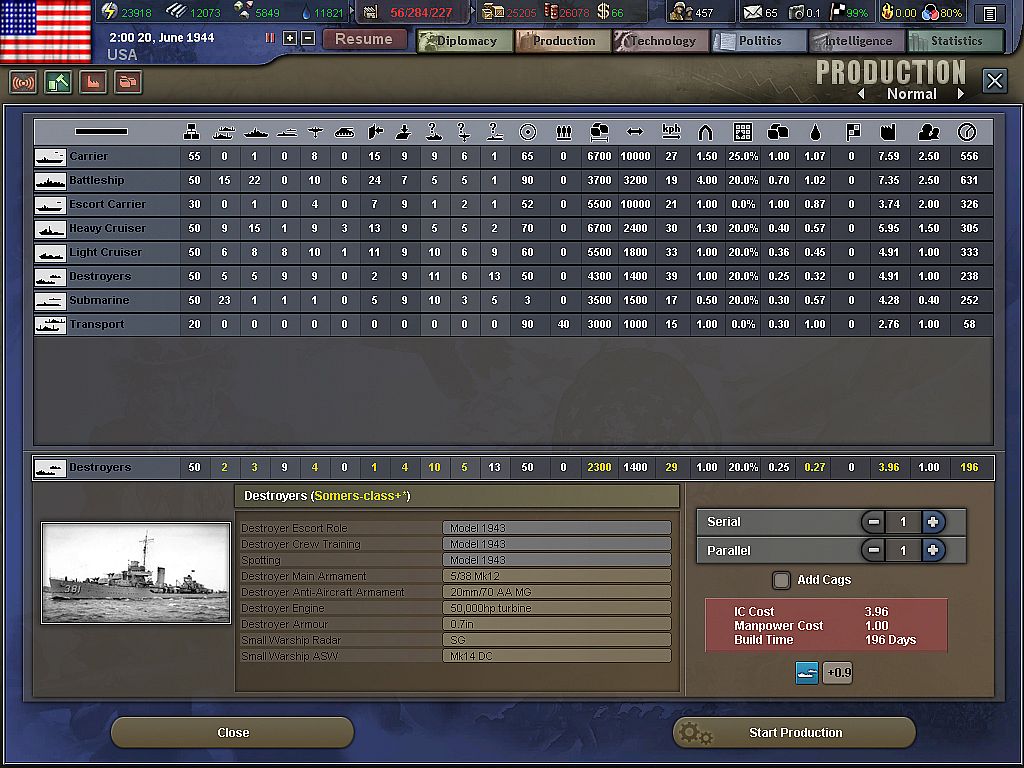
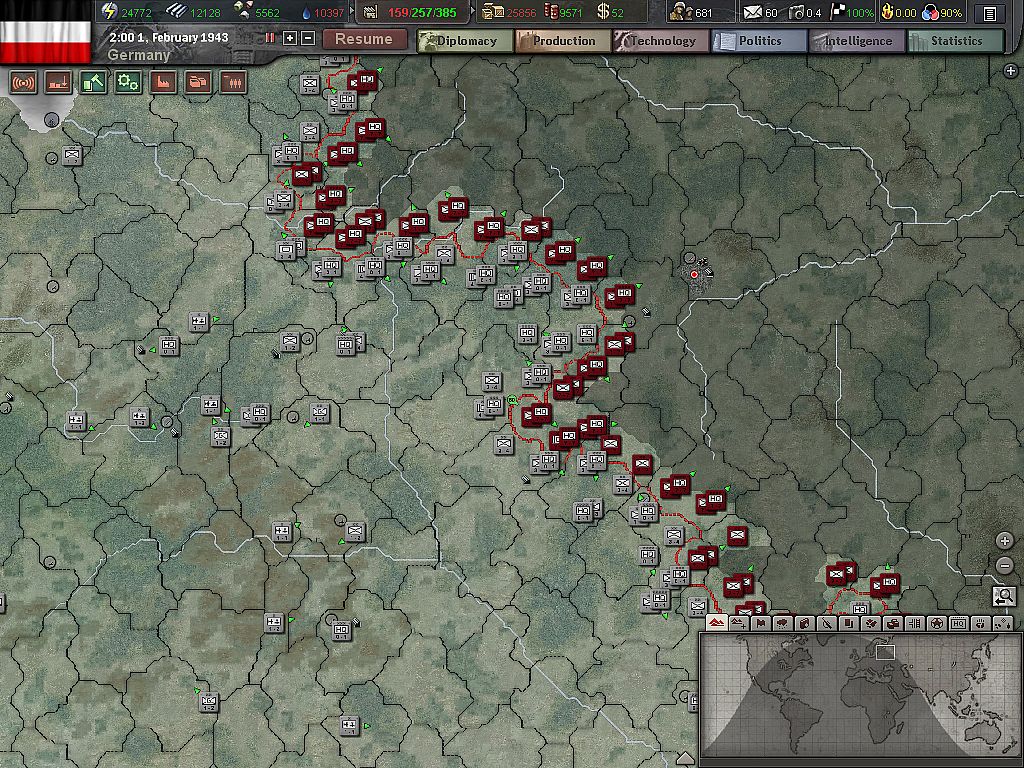
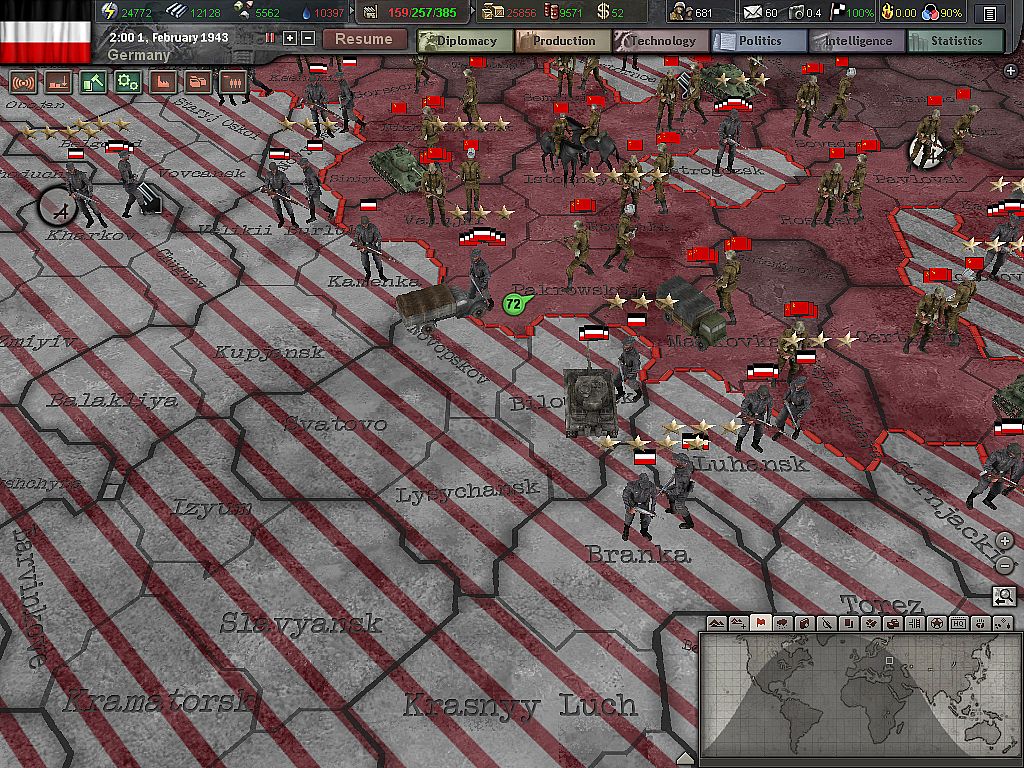
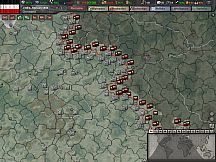
The core loop revolves around balancing production, research, diplomacy, and military operations on a map divided into more than 10,000 land provinces. Players direct land forces through customized divisions built from over 20 brigade types, while also handling naval fleets that include aircraft carriers, submarines, and battleships. Air units support ground and sea operations or conduct bombing campaigns.
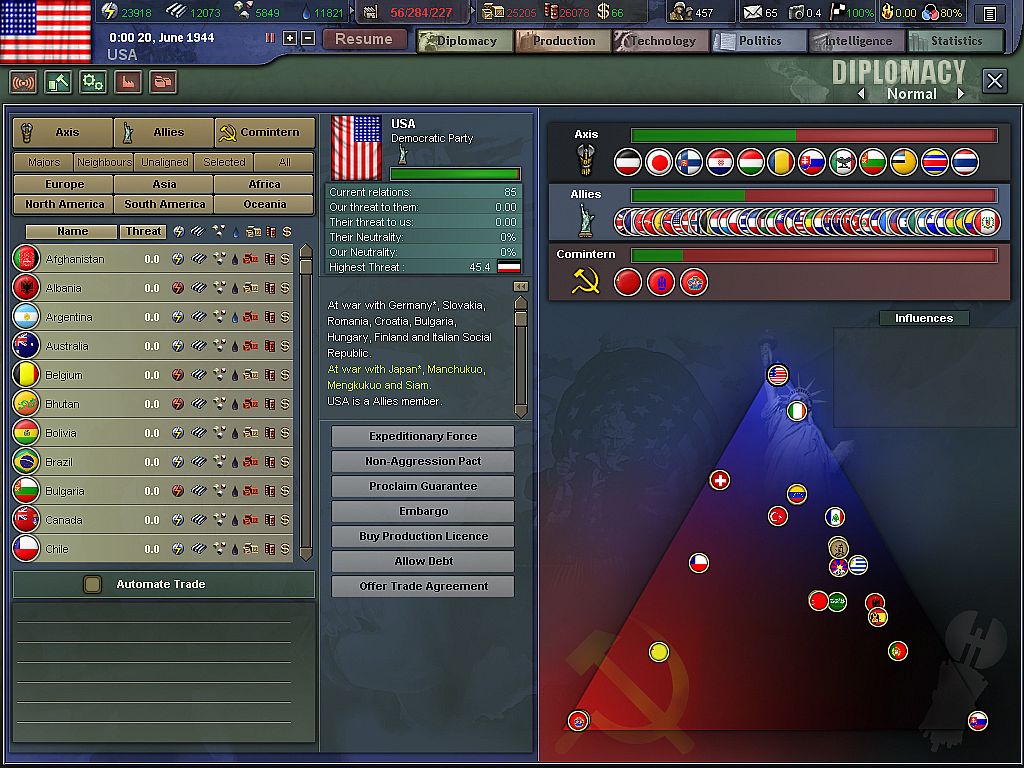
Diplomacy and politics form a deep system that lets nations align with or against the three main factions: the Axis, the Allies, and the Comintern. An intelligence network provides details on enemy reserves and movements, while a strategic warfare layer emphasizes control of the skies and oceans to protect industrial centers from bombing. Mobilization and reserves enable rapid force expansion, and a new economic model allows purchases of weapons from foreign suppliers.
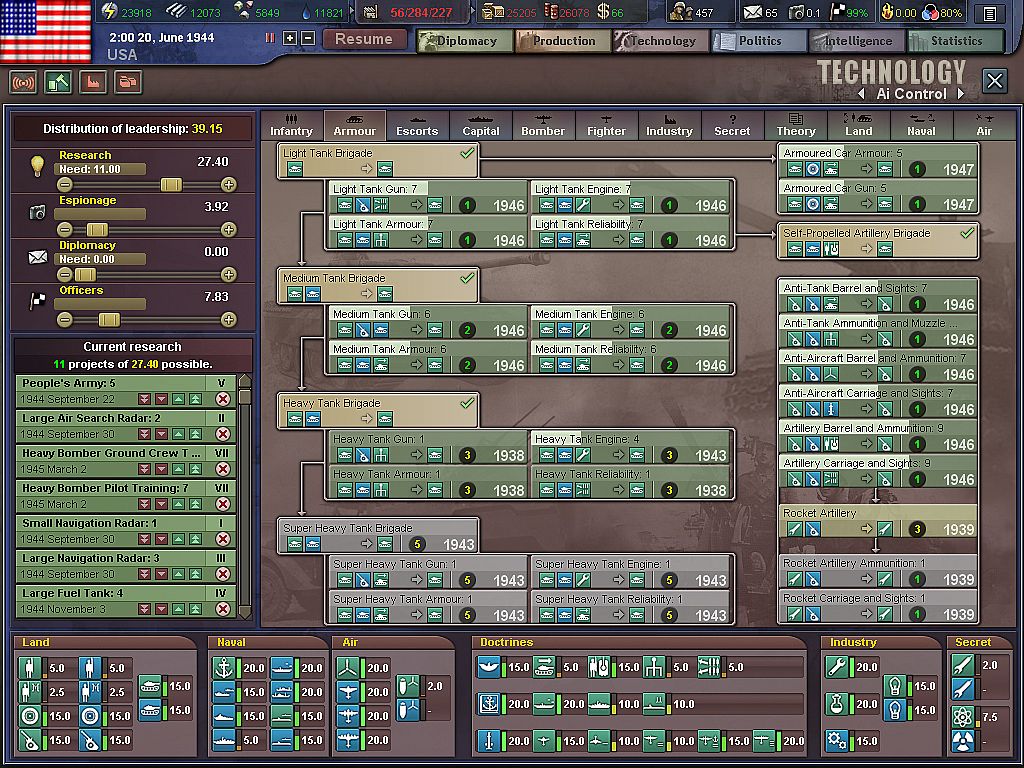
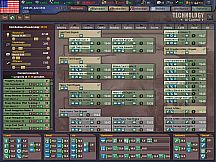
Commanders and politicians appear as historically accurate figures who influence operations. Troops can be assigned to theatres to manage multi-front conflicts more effectively. The technology tree spans hundreds of categories, with major powers receiving unique attributes that shape long-term development.
Game Modes
Multiple scenarios set different starting points between 1936 and 1948. Earlier starts offer more time for buildup and alternate historical paths, while later starts place players closer to open conflict. A custom game mode lets players adjust starting conditions for their chosen nation before the campaign begins.
Single-player campaigns form the primary experience, though the game also supports multiplayer sessions for up to eight participants. Every system can be placed under AI control for players who want to focus on specific areas or learn the mechanics gradually.
Key Mechanics and Systems
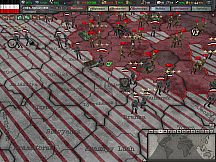
Government-in-exile mechanics allow defeated nations to continue resistance through underground movements and uprisings. The detailed order of battle and realistic military AI create opportunities for complex strategic decisions that reward careful planning over several years of simulated time.
Players must defend against foreign attacks on supply lines and population centers, as leaving cities vulnerable leads to severe consequences. The combination of historical accuracy with freedom of choice encourages experimentation across different nations and alliances.
Is It Worth Playing?
Hearts of Iron III suits players who enjoy deep grand strategy titles with extensive management layers and long campaigns. Its systems reward attention to detail in production, diplomacy, and force composition, though the interface and initial complexity present a steep learning curve.
Patches released after launch addressed many launch issues, improving stability and gameplay flow. The game remains available for those interested in a detailed depiction of World War II strategy that differs in scope and mechanics from later entries in the series.
Those seeking a focused experience on one front or simpler controls may find the scope overwhelming, while dedicated strategy fans often appreciate the level of control over nations, theatres, and technological development across the full 1936 to 1948 timeframe.