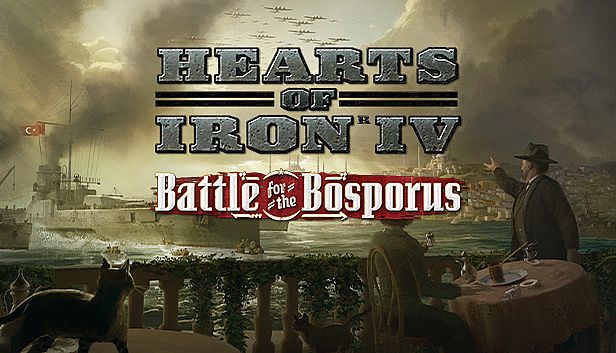














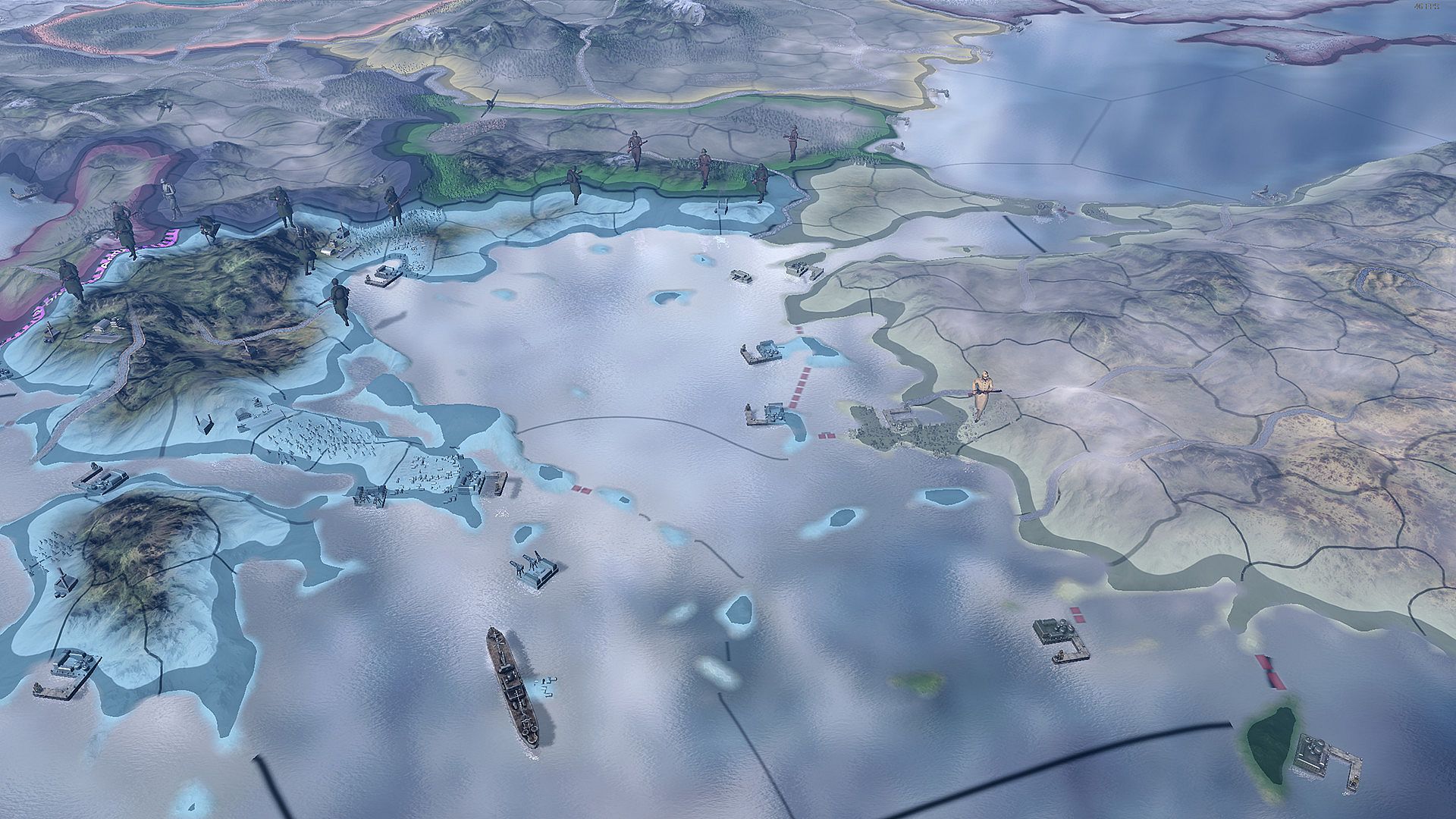
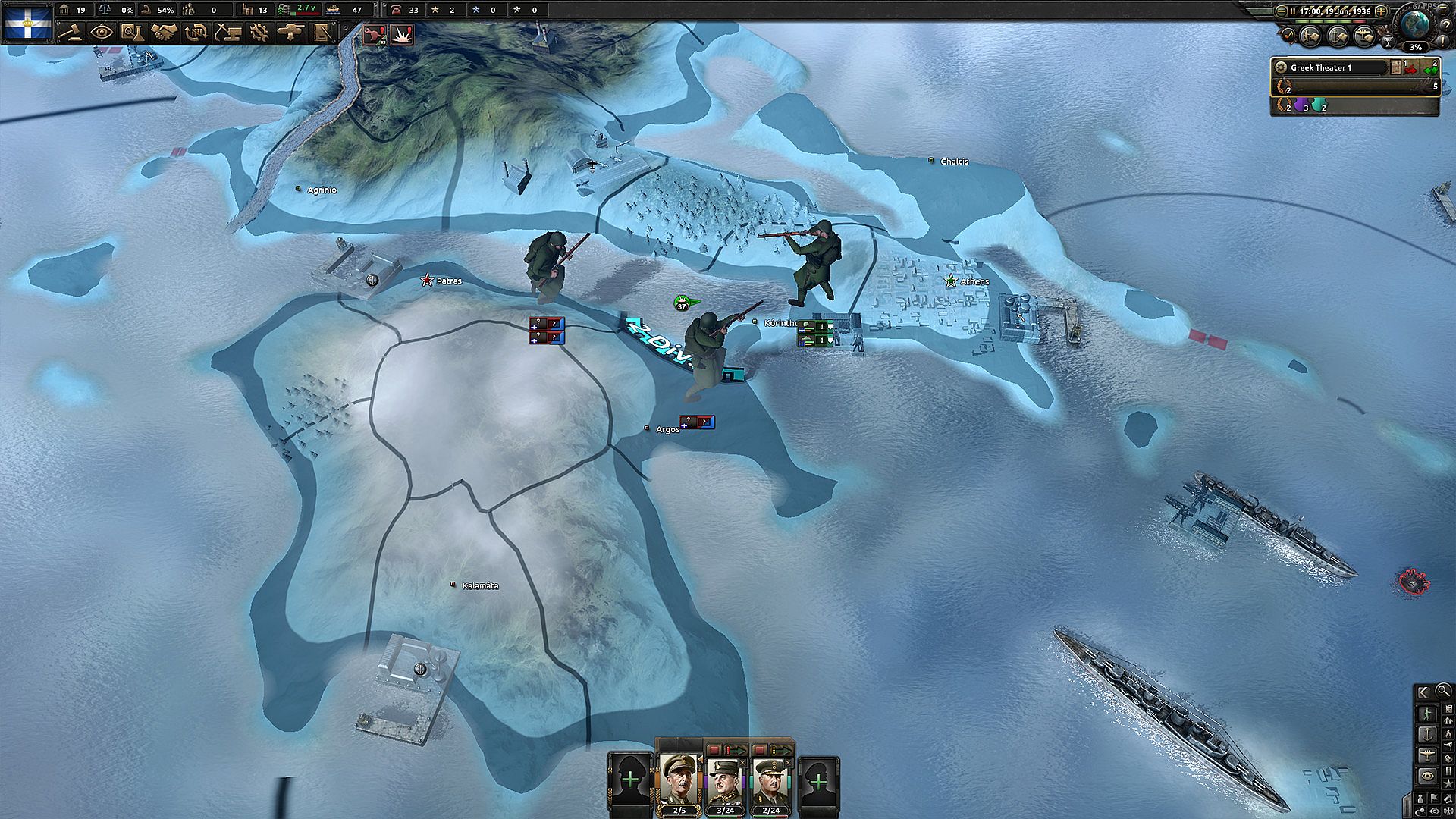
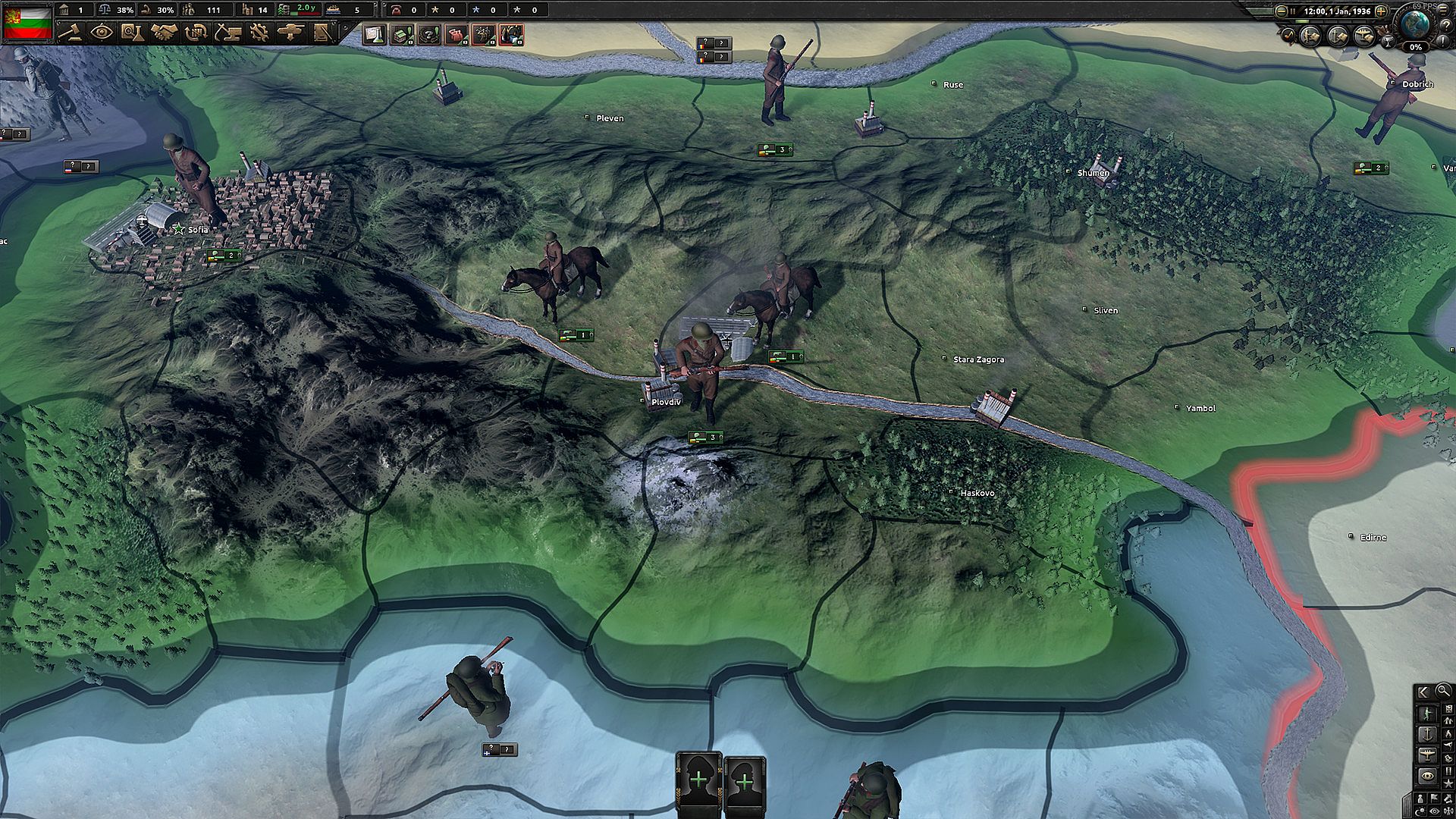
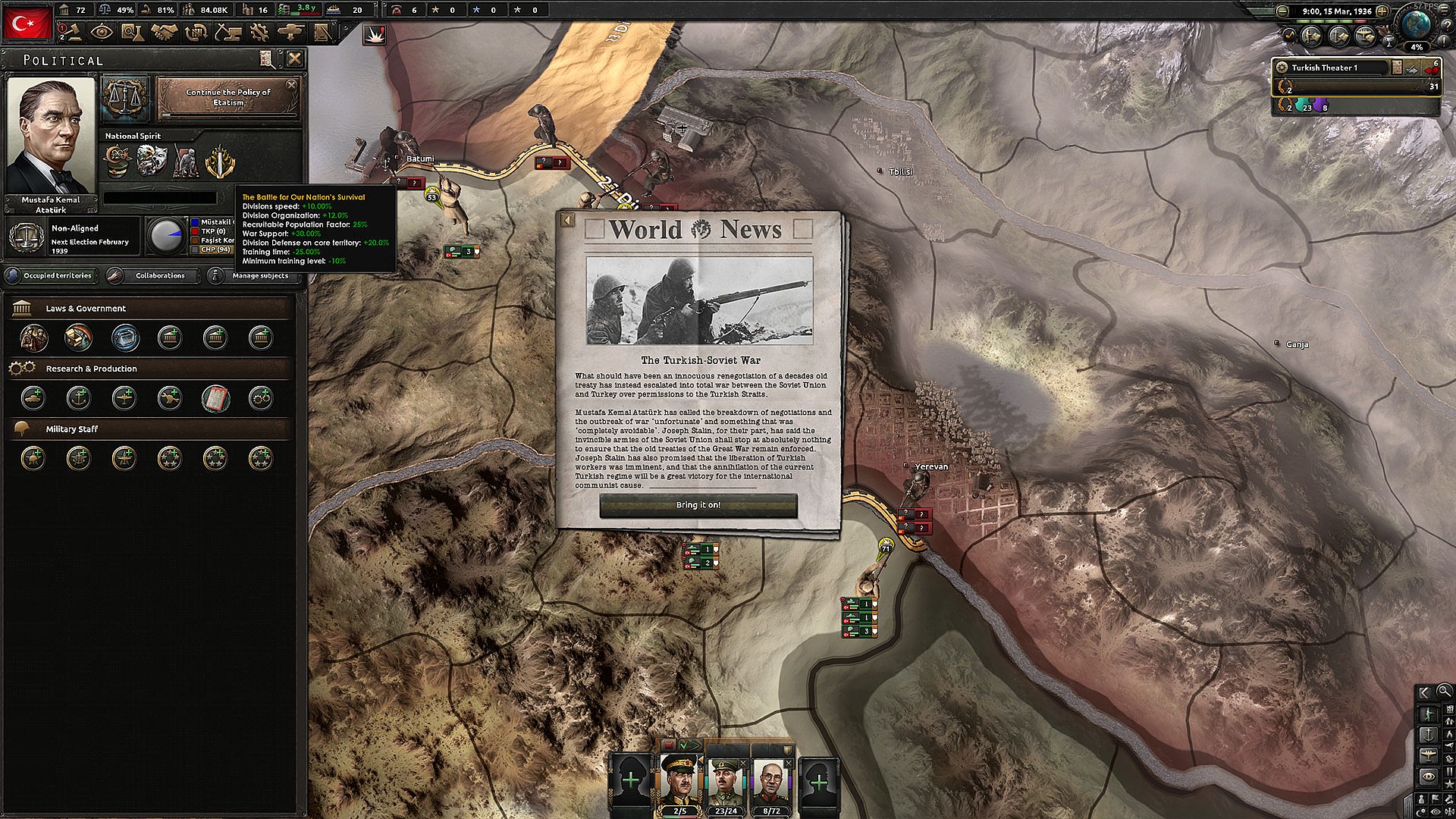
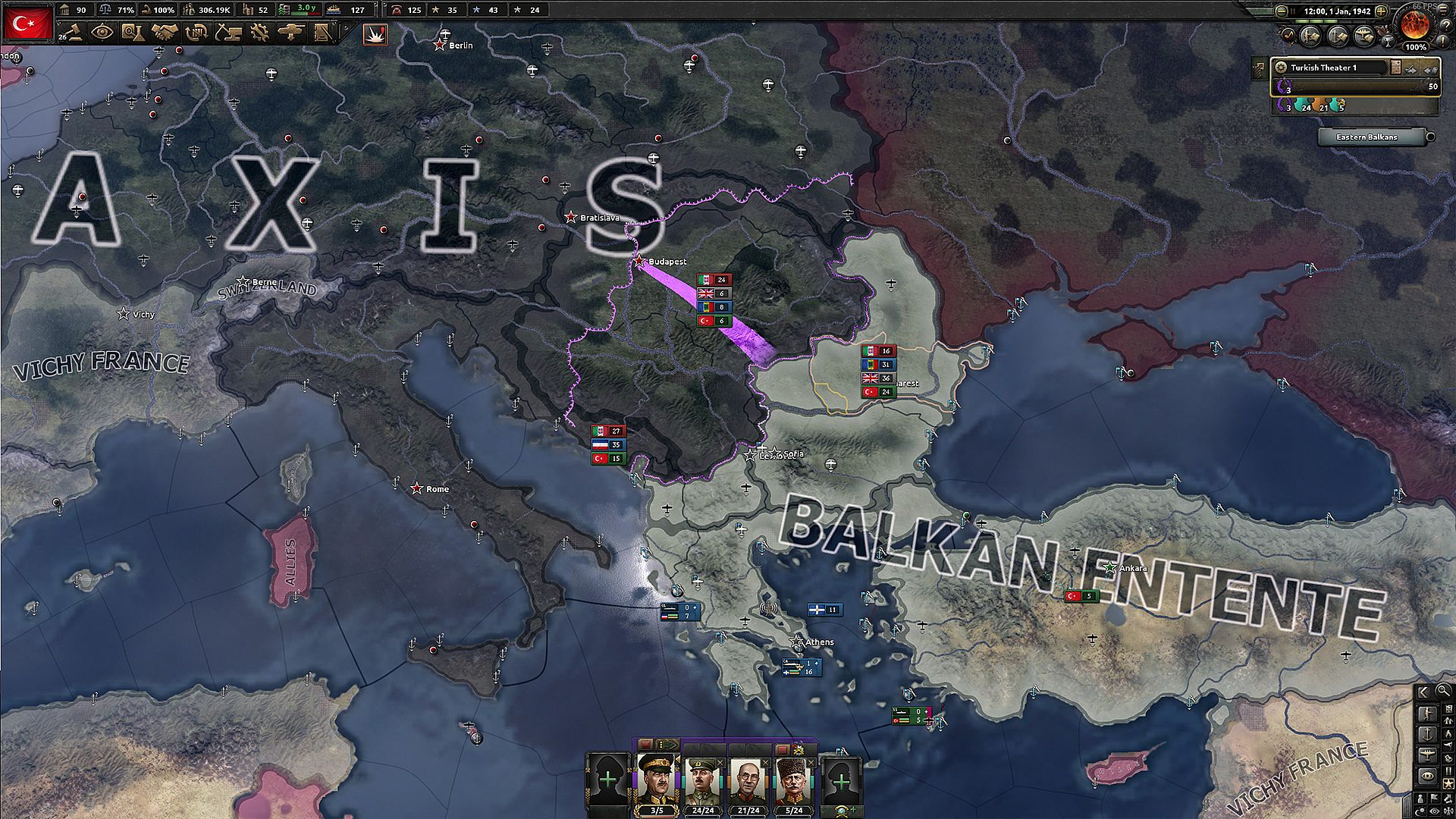
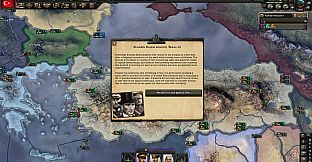
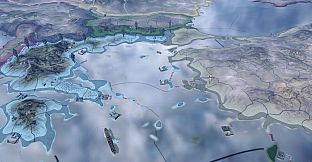
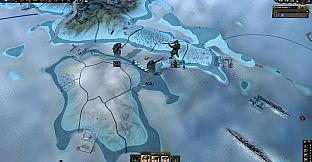
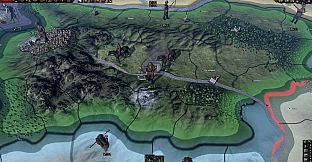
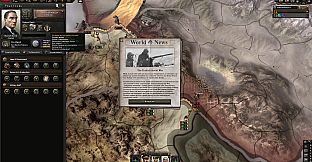
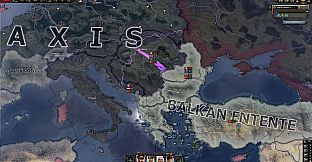
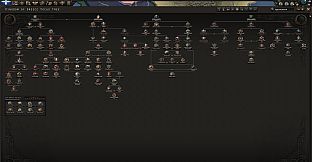
Hearts of Iron IV: Battle for the Bosporus is a strategy and simulation expansion that focuses on three nations bordering the strategic waterways of the Black Sea and Aegean. Players take control of Bulgaria, Greece, or Turkey and guide them through the turbulent years of the Second World War using new national focus trees. These trees open paths that reflect both historical events and alternate outcomes as the major powers compete for influence over the Bosporus and Dardanelles.
Gameplay
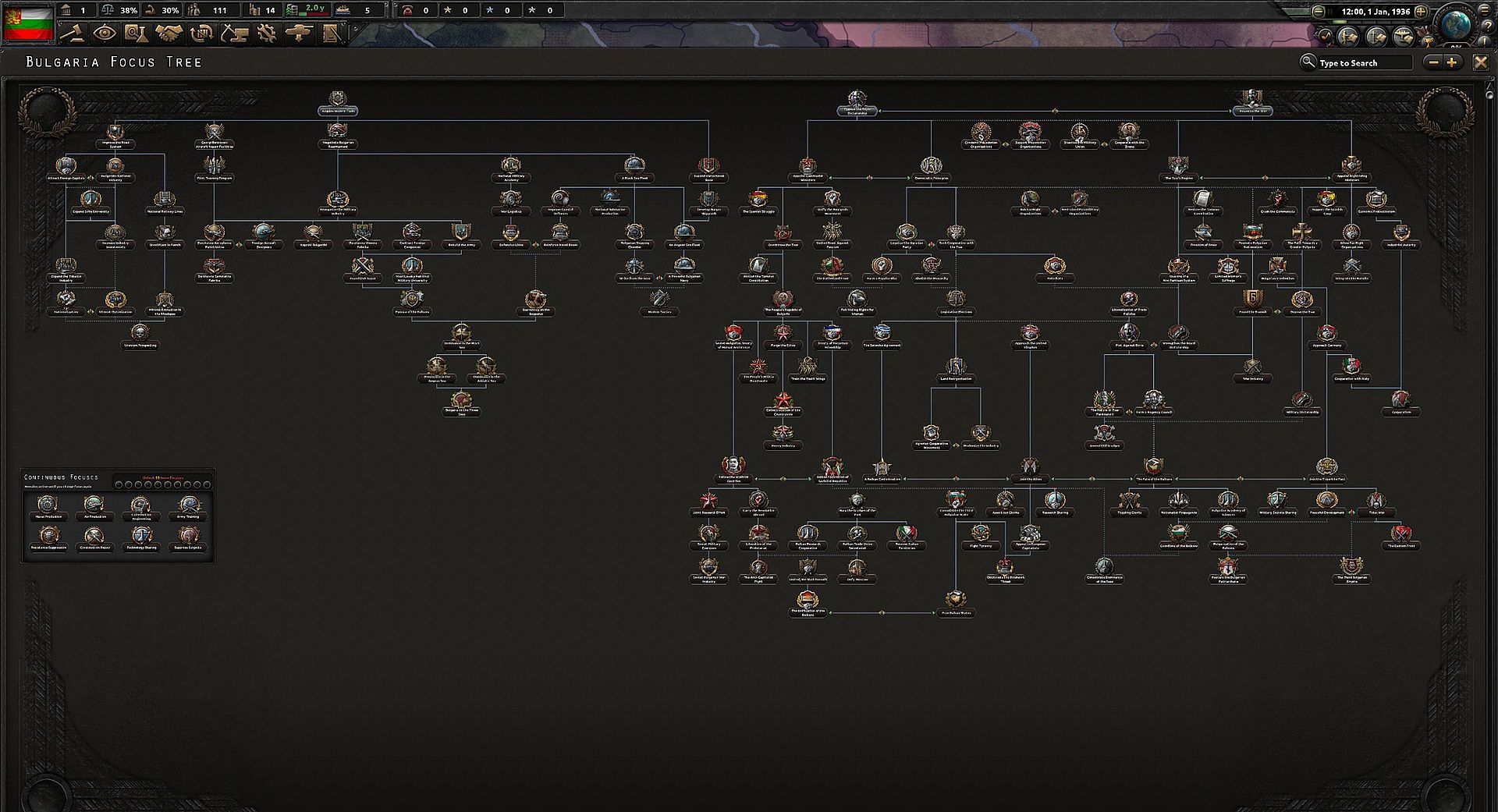
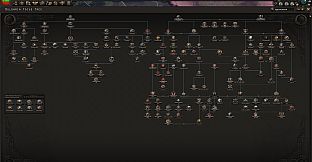
The core of the expansion lies in three distinct national focus trees. Bulgaria's tree lets players manage internal factions in a divided country or pursue the recovery of territory lost after the First World War. Options include aligning with Germany along historical lines or defying German demands on Tsar Boris to maintain an independent stance.
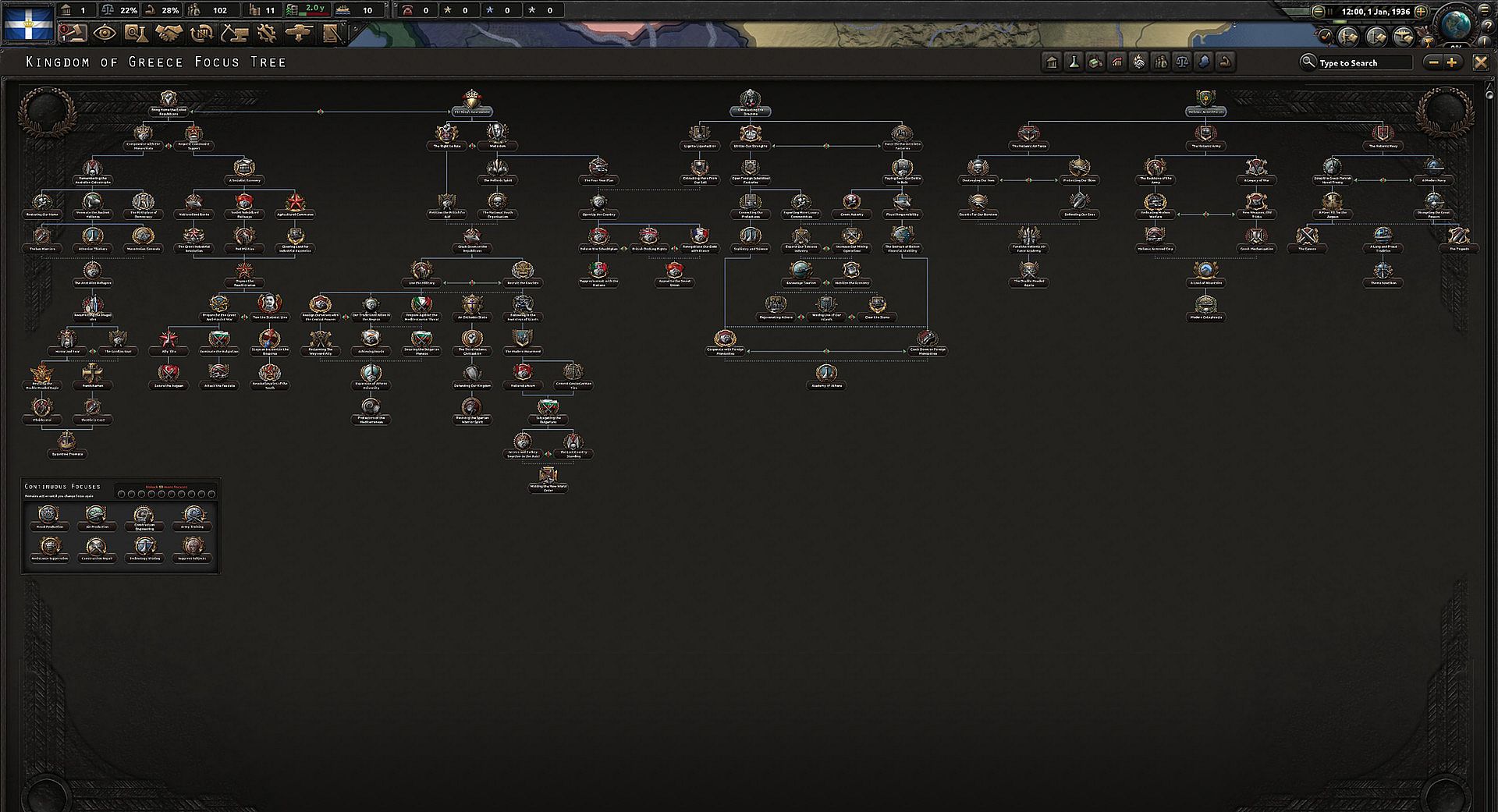
Greece's focus tree addresses the political splits within the nation. The controversial leadership of Metaxas helps preserve neutrality at the start, after which players can strengthen ties with the Allies under King George II, shift toward fascism with arch-conservative elements, or aim to rebuild a Greek empire extending into the east.
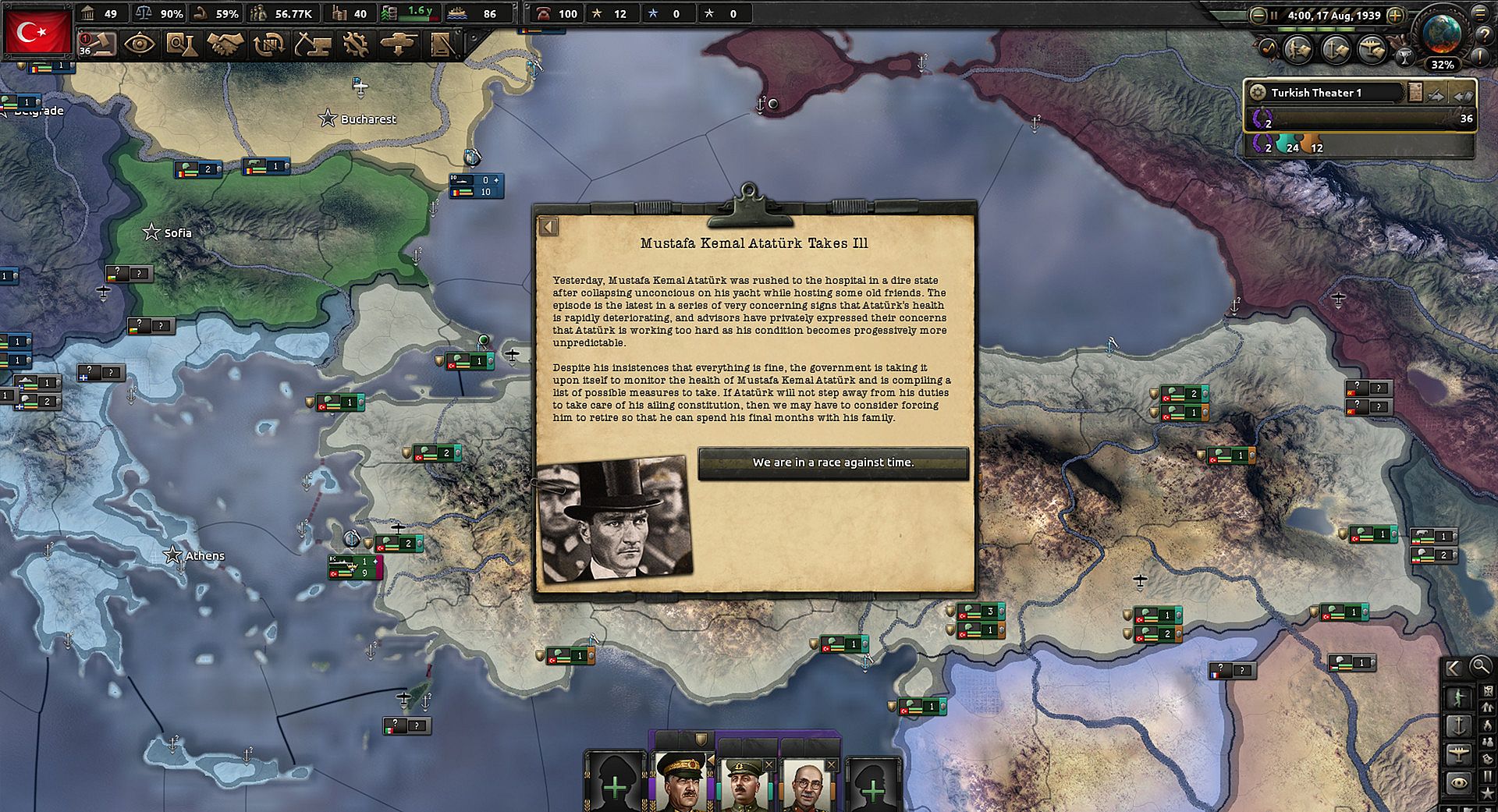
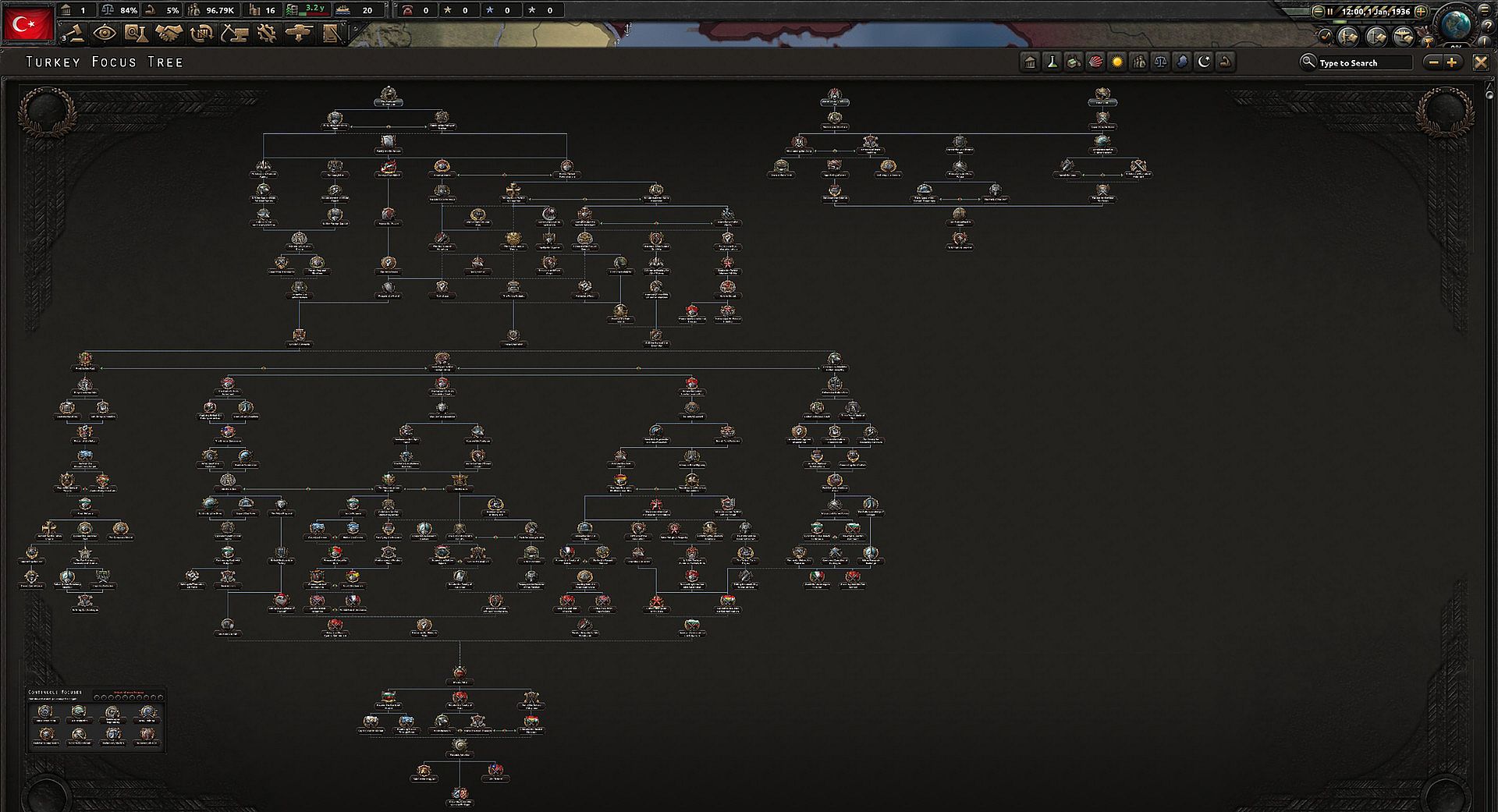
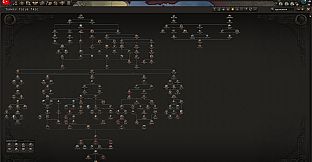
Turkey's tree examines the country's position after the loss of its empire. Players decide whether to continue or reverse the reforms associated with Kemalism, form a new regional faction to protect the Balkans, restore the Sultan, or establish a new Islamic state. Each choice shapes diplomatic relations and military priorities around the critical sealanes.
Additional content supports these national paths with new music tracks, updated three-dimensional unit models for Balkan and Turkish forces, and dedicated voiceovers for the three countries. These elements integrate into the broader simulation of resource management, army organization, and diplomatic maneuvering that defines the experience.
Game Modes
Players engage with the expansion through strategic campaigns centered on the new focus trees. Each tree supports both historical alignments and divergent alternate-history routes that respond to player decisions and interactions with other nations. The structure encourages repeated playthroughs as different choices lead to varied alliances, territorial goals, and internal developments.
The simulation layer remains consistent across these paths, requiring attention to political stability, military readiness, and control of key geographic chokepoints. Voiceovers and visual updates enhance immersion during these campaigns without altering the underlying decision-making systems.
National Focus Trees in Detail
Bulgaria's options revolve around balancing domestic groups while weighing the benefits of cooperation with larger powers. Reclaiming lost lands forms one clear objective, yet resistance to external pressure offers another route toward sovereignty.
Greece begins from a position of enforced neutrality that players can maintain or abandon. Building relations with the Allies provides one direction, while internal conservative shifts open fascist routes or expansive imperial ambitions in the east.
Turkey faces questions about its post-imperial identity. Continuing Kemalist reforms, creating a Balkan defense bloc, reinstating the monarchy, or pursuing an Islamic governance model each produce distinct diplomatic and military consequences in the regional theater.
Is It Worth Playing?
The expansion delivers targeted content for players interested in the lesser-known powers of southeastern Europe during the Second World War period. Its focus trees provide concrete choices that alter national trajectories without requiring changes to the base game systems.
Those who enjoy detailed alternate-history planning will find value in the three separate trees and their supporting audio-visual updates. The content integrates directly into existing campaigns, allowing immediate use of the new options for Bulgaria, Greece, and Turkey.
Players seeking broader strategic simulation with emphasis on diplomacy and internal politics around a key maritime region will find the package aligns with those preferences. The addition of unique models and voice lines further supports extended play sessions centered on these nations.