



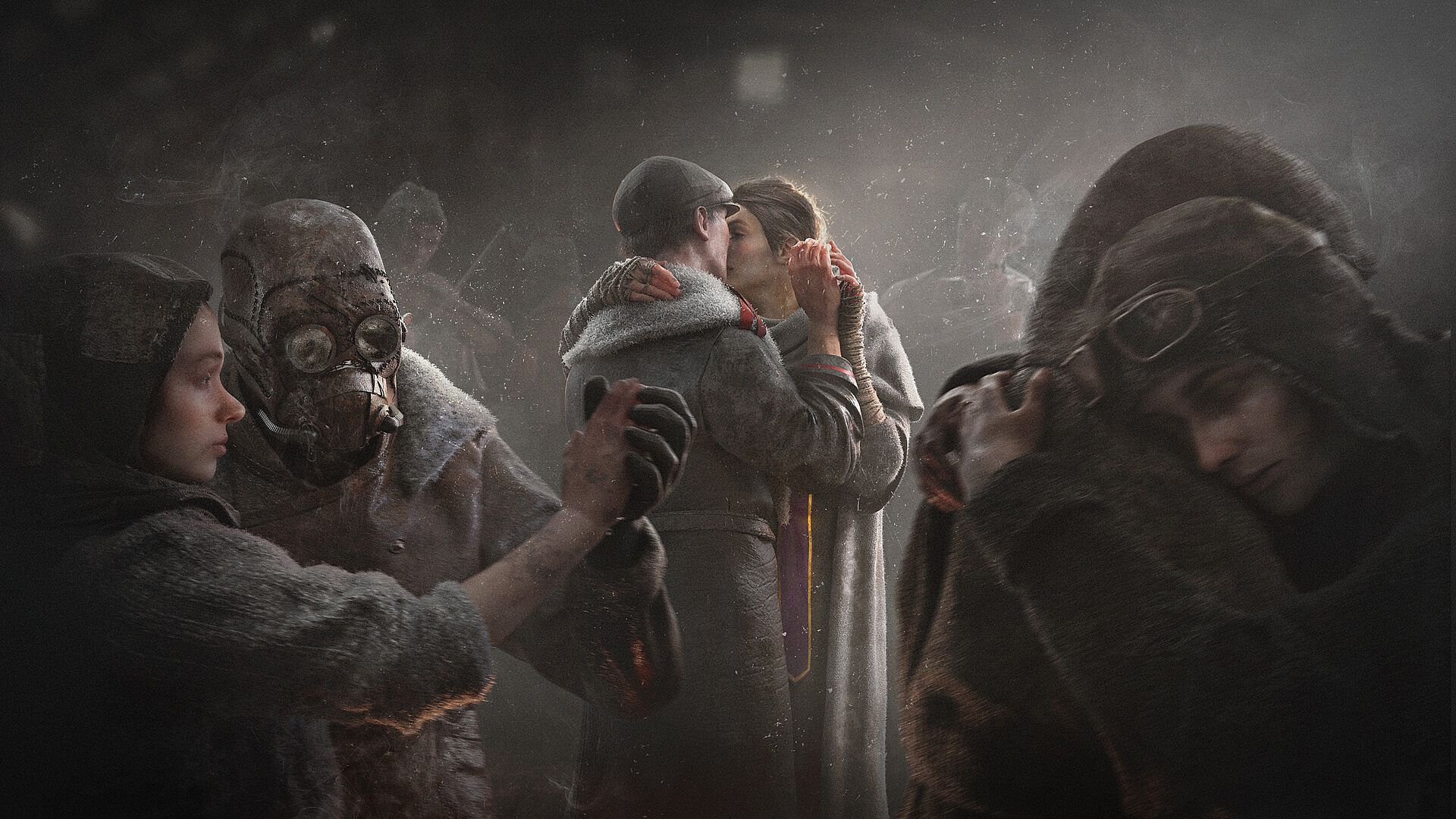
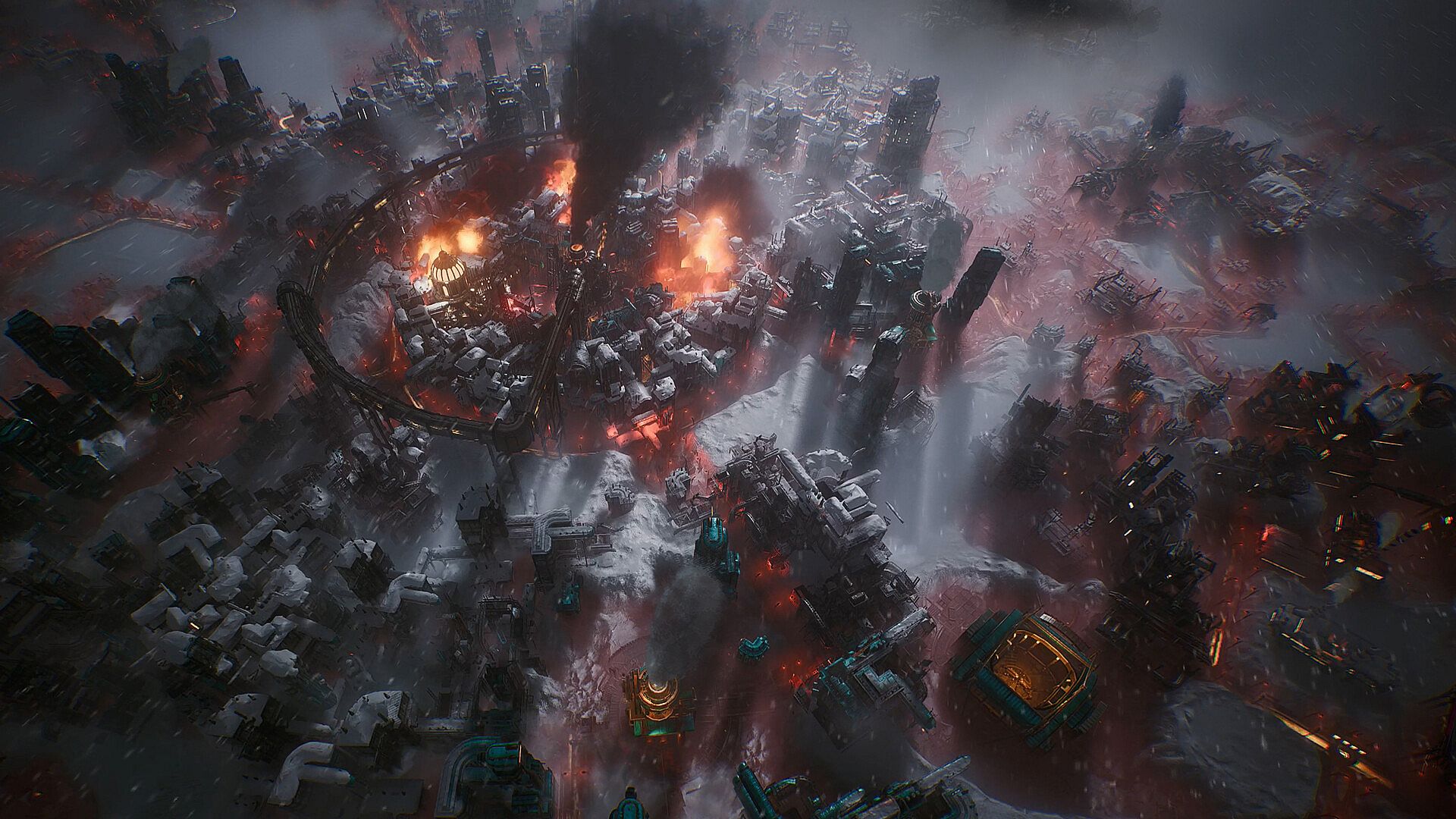


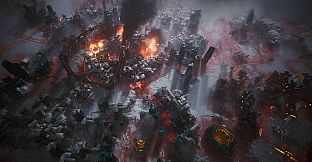
Frostpunk 2 places players in the role of Steward, tasked with guiding the last remnants of humanity through an unrelenting frozen apocalypse thirty years after the events of the first game. This single-player city-building survival strategy title expands on resource scarcity and societal pressures while introducing deeper political layers. The core challenge involves expanding a metropolis in perpetual winter, balancing material needs against the growing demands of citizens who now seek representation in governance.
Gameplay
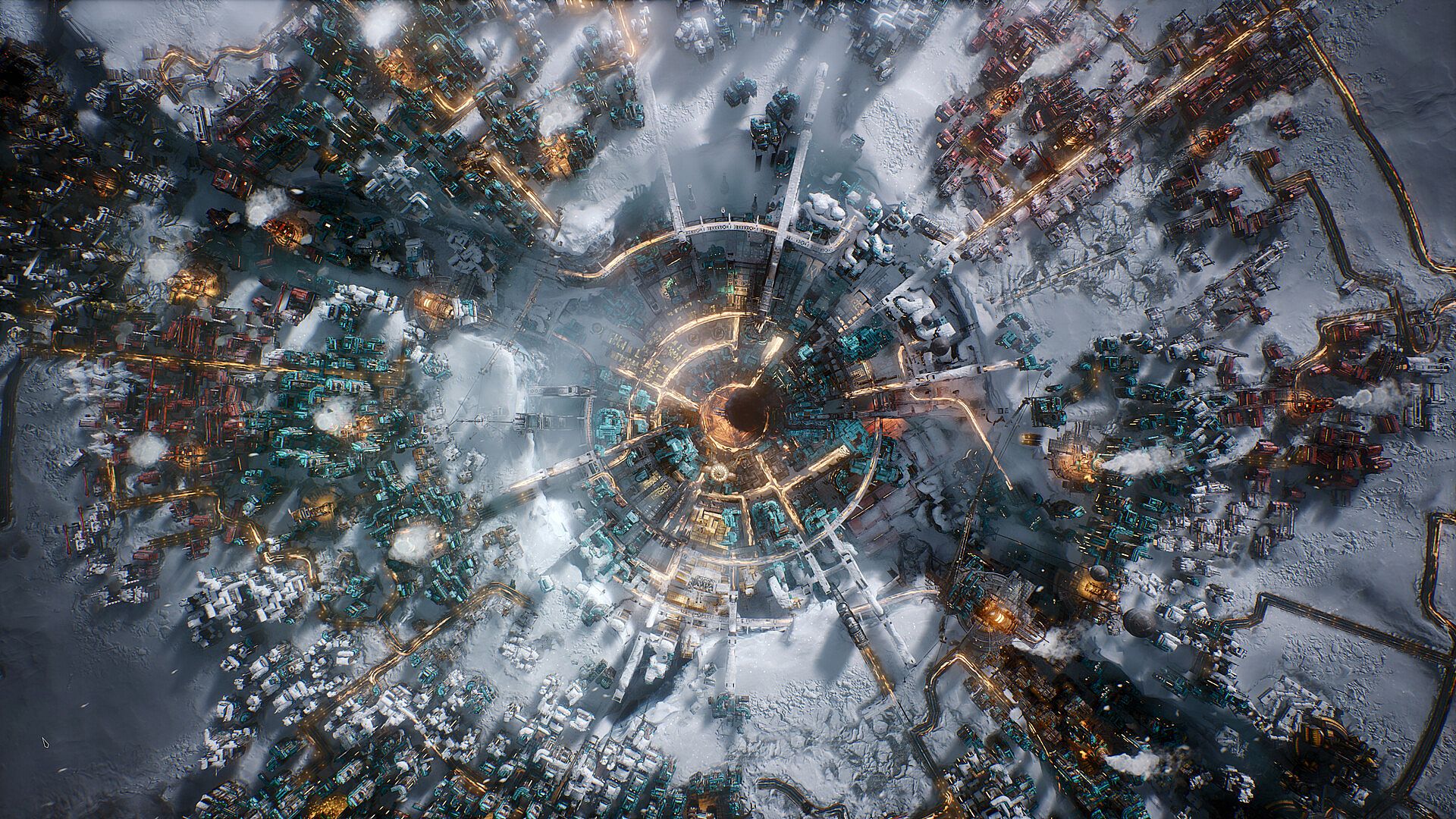
Expansion begins with district construction that forms the backbone of the city. Each district generates specific outputs but also creates ongoing requirements for food, fuel, and shelter. Heat management stands at the center of daily operations, with a temperature overlay highlighting vulnerable areas and allowing precise allocation of warmth through laws and infrastructure upgrades. Research branches open new technologies focused on efficiency and adaptation, while laws passed in response to crises shape long-term viability.
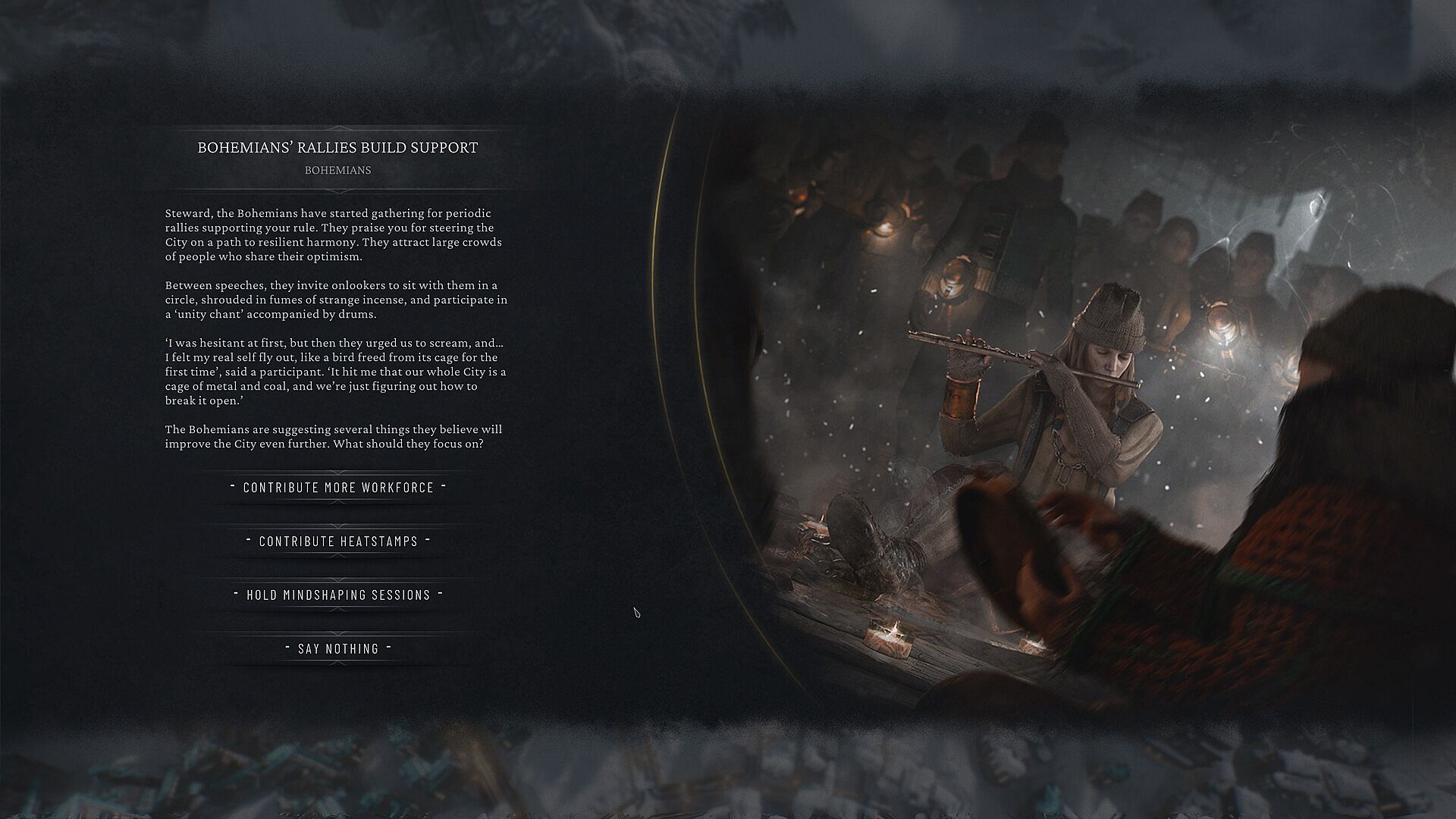
Factions emerge as organized groups with distinct ideological cornerstones, each pushing agendas that range from technological advancement to traditional survival priorities. These groups interact through the Council Hall, where votes determine policy outcomes. Aligning with certain factions grants bonuses such as resource boosts or stability perks, yet favoring one side risks alienating others and sparking unrest. The Zeitgeist system tracks broader societal shifts along ideological lines, reflecting cumulative choices and influencing city-wide events over time.
Music composed by Piotr Musiał underscores these pressures with returning motifs from the original score alongside expanded arrangements. The soundtrack blends desperation and melancholy in ways that scale with city growth, providing auditory cues that reinforce the weight of leadership decisions without overpowering the strategic focus.
Game Modes
The primary experience unfolds through a multi-chapter story campaign that follows the Steward across years of leadership. This narrative-driven mode presents escalating calamities and forces players to weigh immediate survival against future societal direction. Decisions accumulate consequences that affect faction relations and overall city identity.
Utopia Builder serves as the open-ended counterpart, offering unlimited time for experimentation with district layouts, legal frameworks, and faction dynamics. Players can test extreme configurations or pursue specific ideological paths without the constraints of a scripted timeline. Mod support through FrostKit further extends these options by enabling custom maps, models, and scenarios created directly in the game.
Societal Dynamics and Expansion
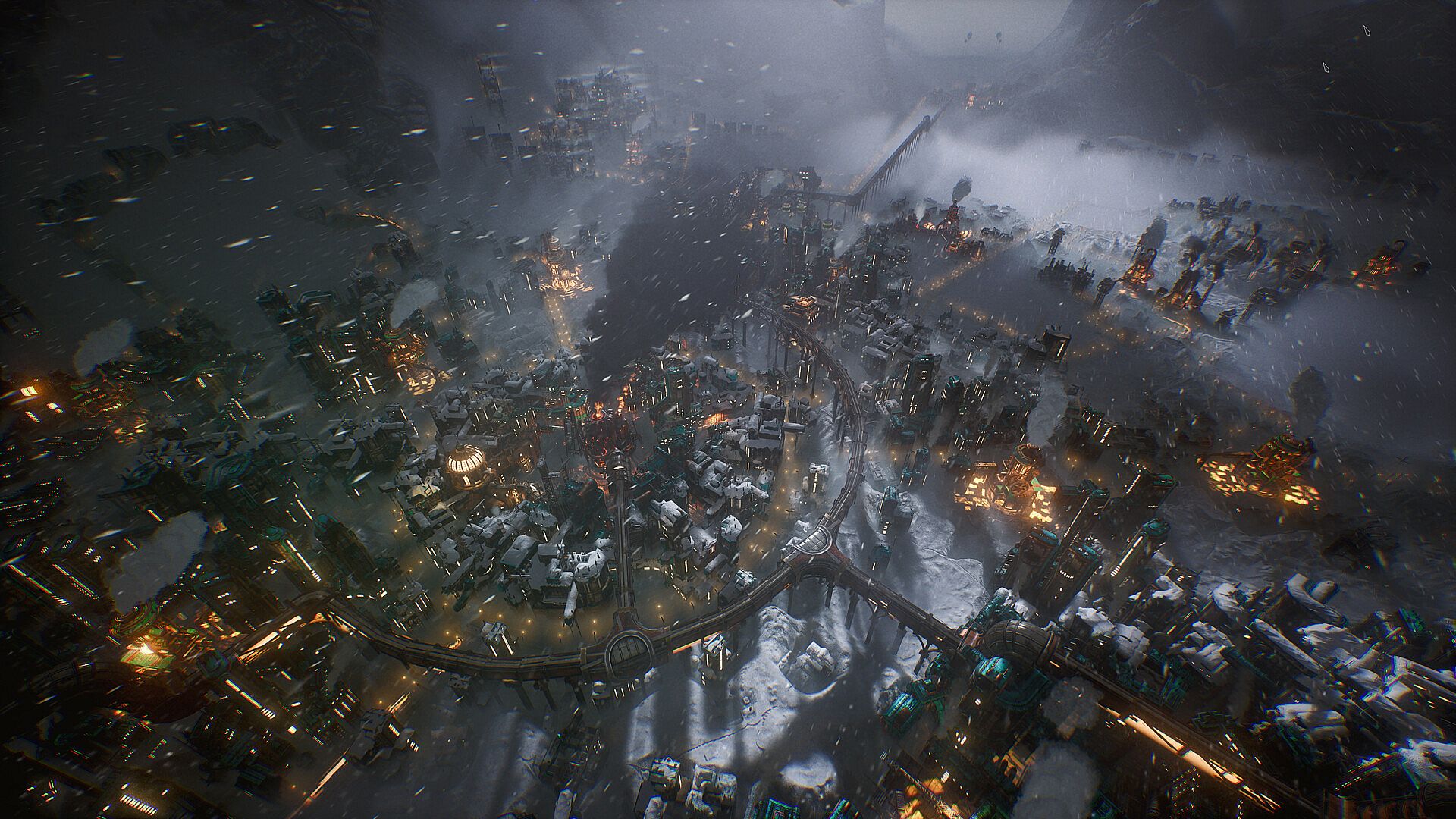
Citizen numbers increase steadily, amplifying the complexity of satisfying diverse needs while maintaining order. Resource chains must scale accordingly, drawing from coal, oil, and other essentials amid environmental constraints. The interplay between infrastructure growth and political maneuvering creates tension, as unchecked expansion can empower rival factions or trigger resource shortfalls.
Heat laws and research topics provide tools to mitigate these issues, yet each choice carries trade-offs that ripple through the population. The result is a system where short-term fixes often seed longer-term conflicts, demanding careful observation of faction responses and council proceedings.
Is It Worth Playing?
Frostpunk 2 delivers a focused single-player experience centered on strategic depth and political navigation. Overall user reviews sit at mostly positive levels, with recent feedback showing mixed results amid ongoing patches and expansions. The game continues to receive updates, including story-driven content such as Breach of Trust and sandbox-oriented additions like Fractured Utopias, alongside regular balance adjustments.
Players who enjoy methodical city management paired with ideological decision-making will find substantial replay value in the campaign structure and Utopia Builder mode. Those seeking lighter or multiplayer-focused titles may find the deliberate pace and faction friction less appealing. The included soundtrack enhances the atmosphere through its mature, motif-driven compositions that evolve alongside the city itself.