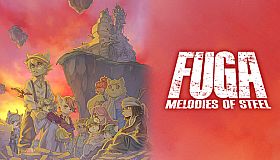













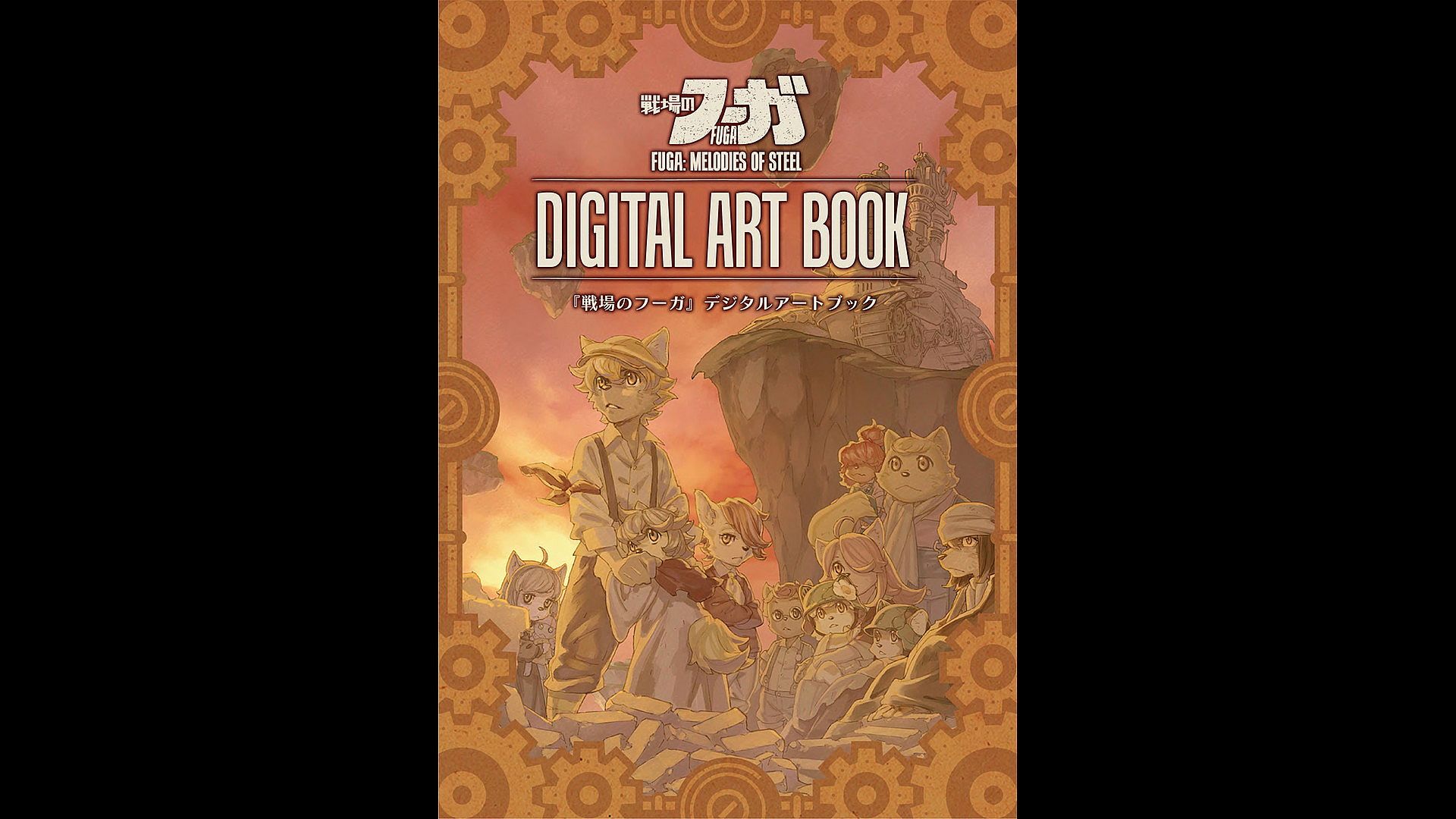
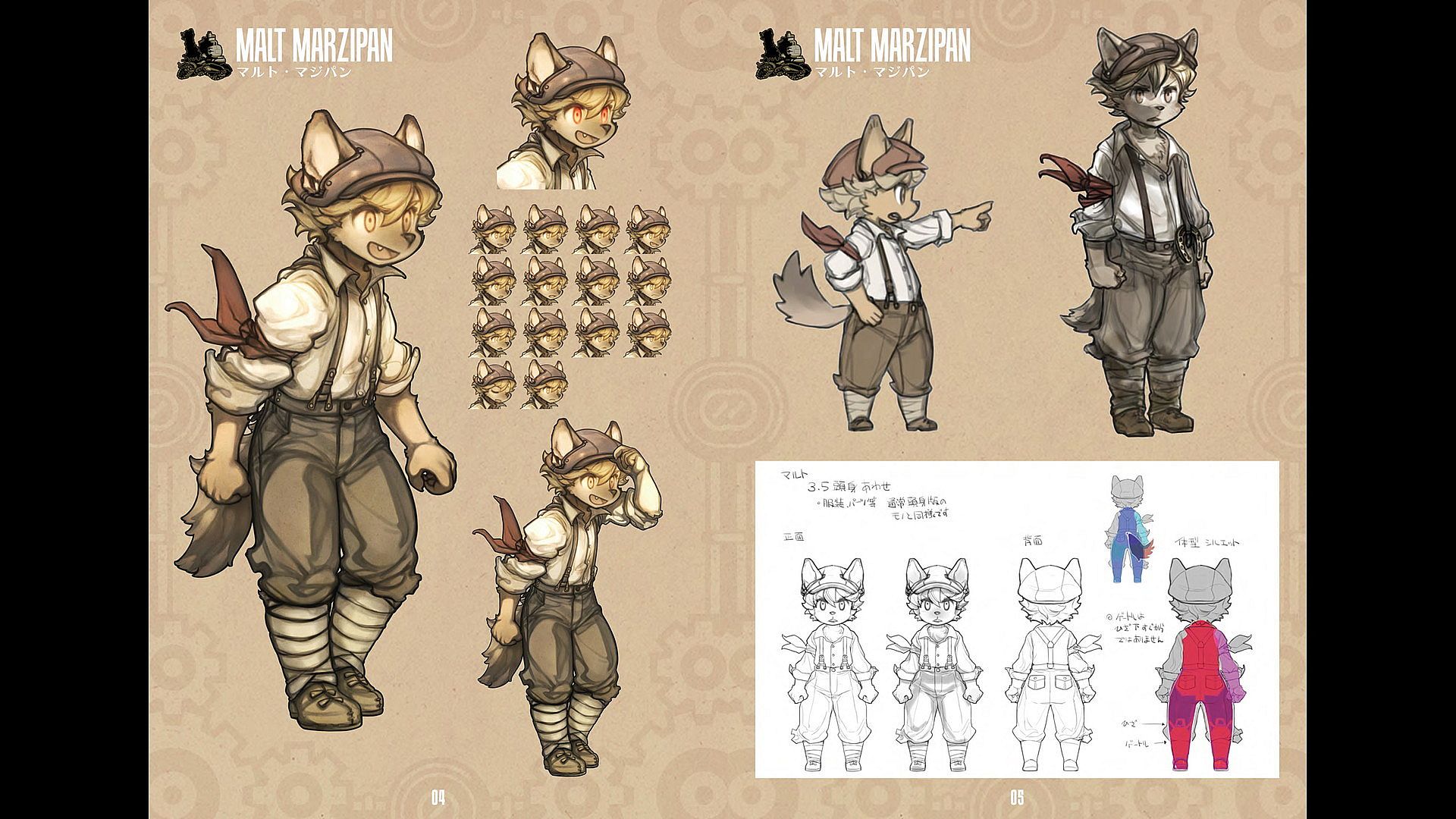
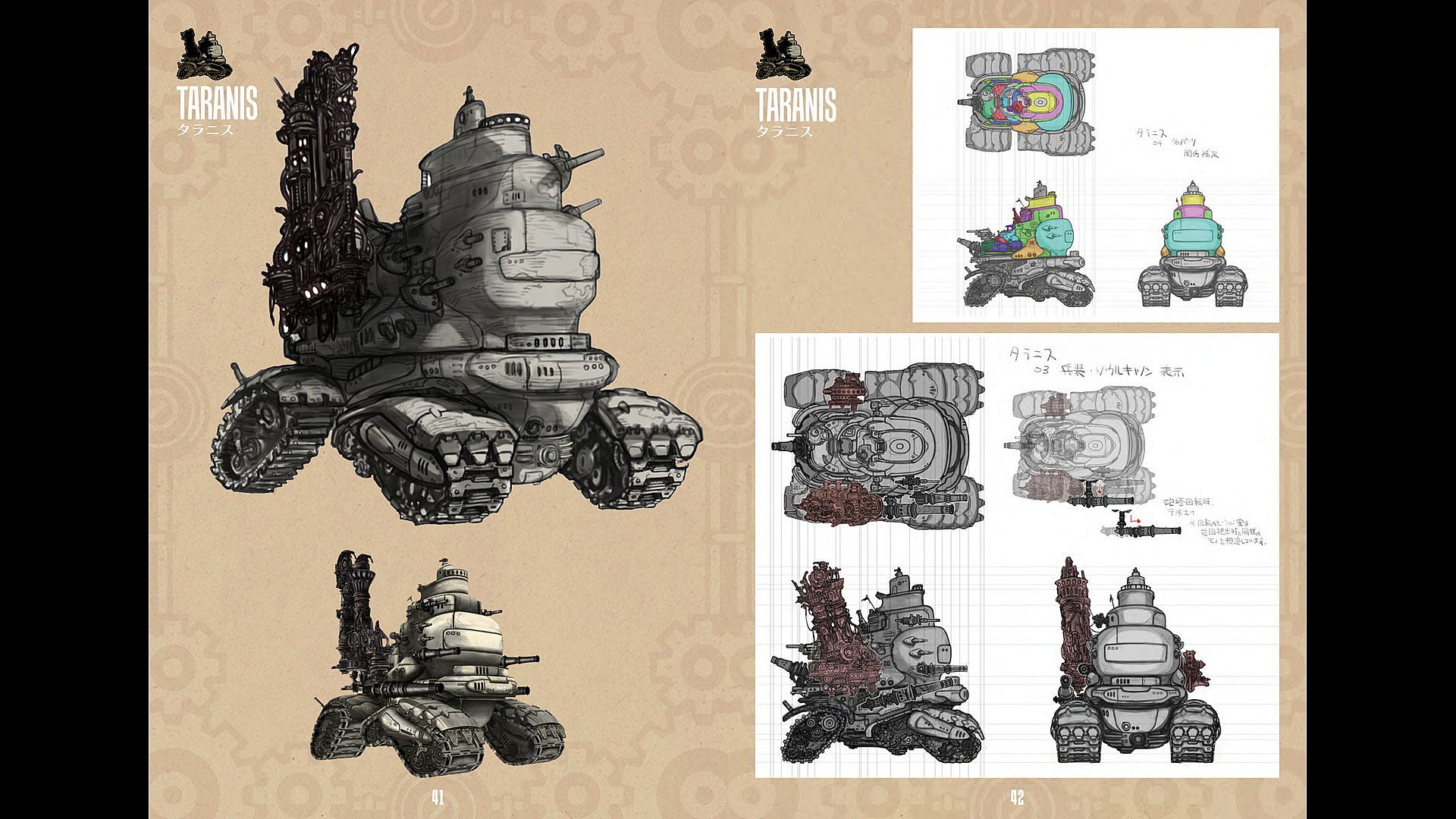
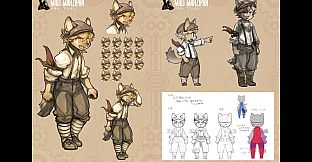
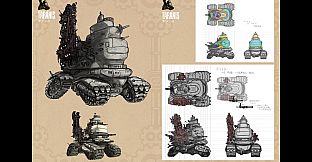
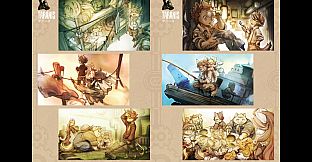
Fuga: Melodies of Steel is a single-player RPG that places players in command of a group of children operating the massive tank known as the Taranis. The experience centers on turn-based battles against waves of enemies combined with management segments between fights. Each child brings distinct skills and weapon proficiencies to the three available turrets, which include cannon, machine gun, and grenade positions. Positioning matters because enemies have color-coded weaknesses that players must match to stagger attacks and reduce defenses before they reach the tank.
Gameplay
The core loop alternates between combat encounters and intermission periods inside the Taranis. During battles the timeline advances as children take turns firing from their assigned turrets. Exploiting weaknesses delays enemy actions and opens opportunities for combined link attacks that deal extra damage. Players adjust formations on the fly when new enemy types appear, and the system rewards careful planning over raw power.
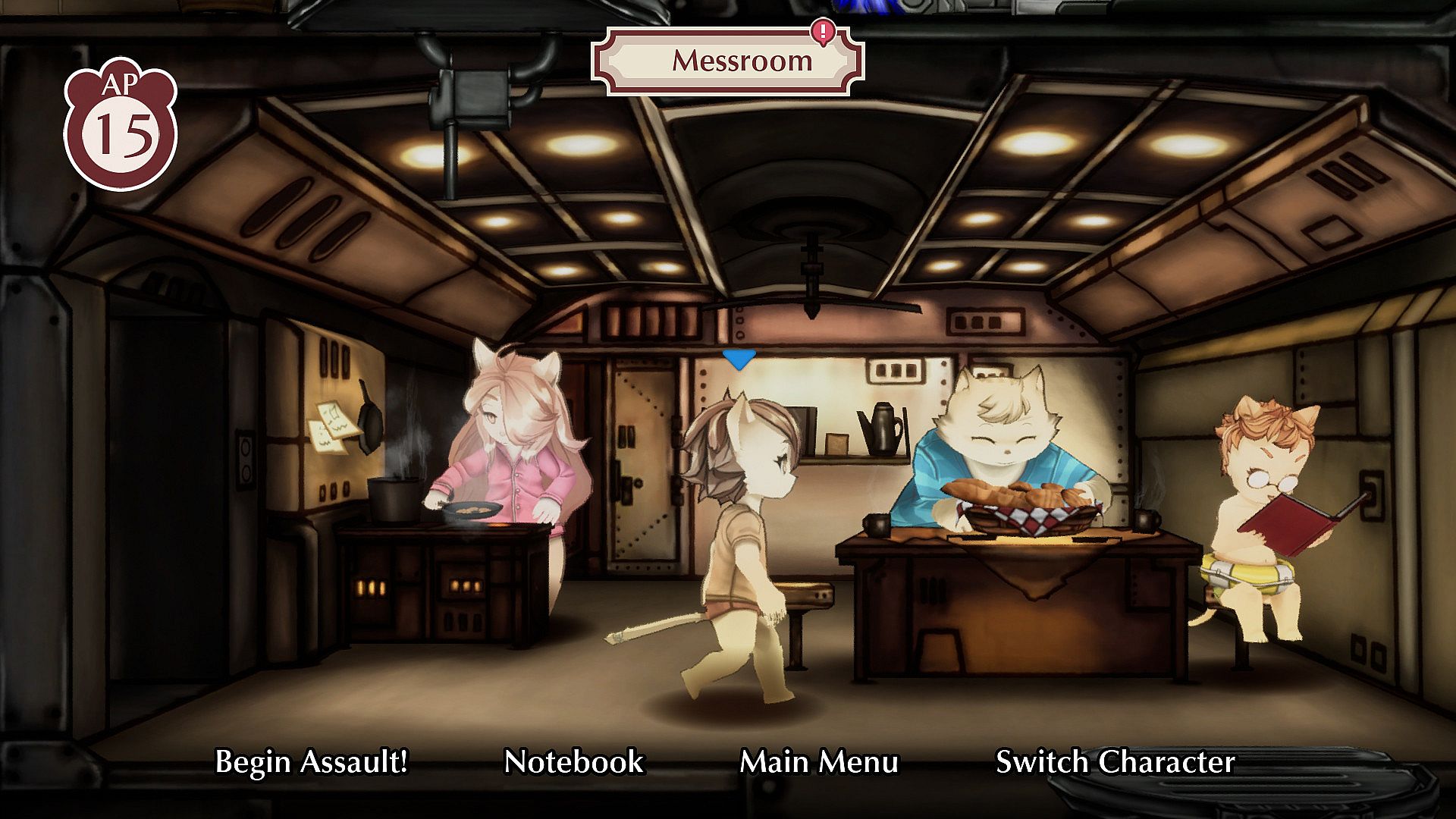
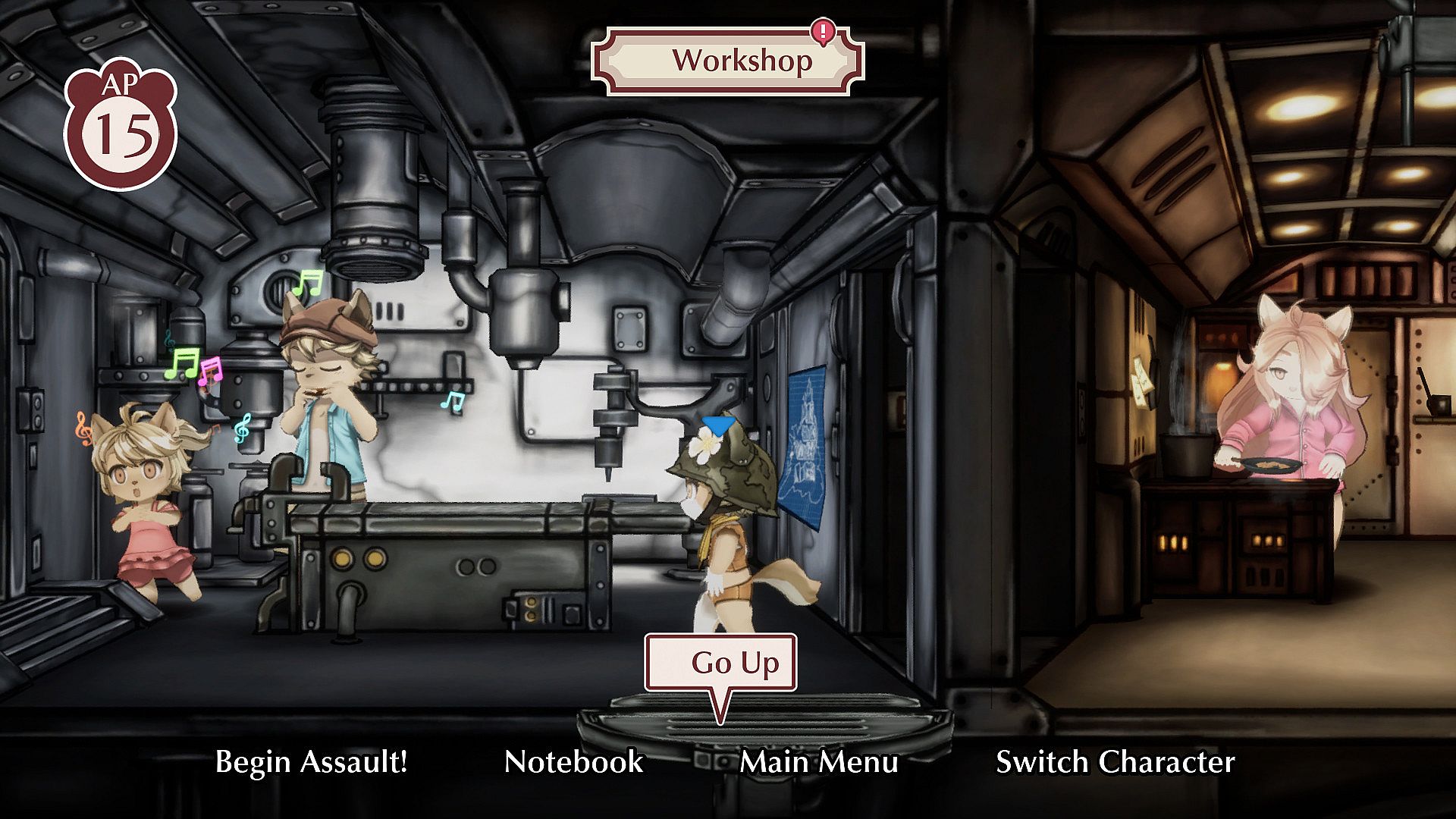
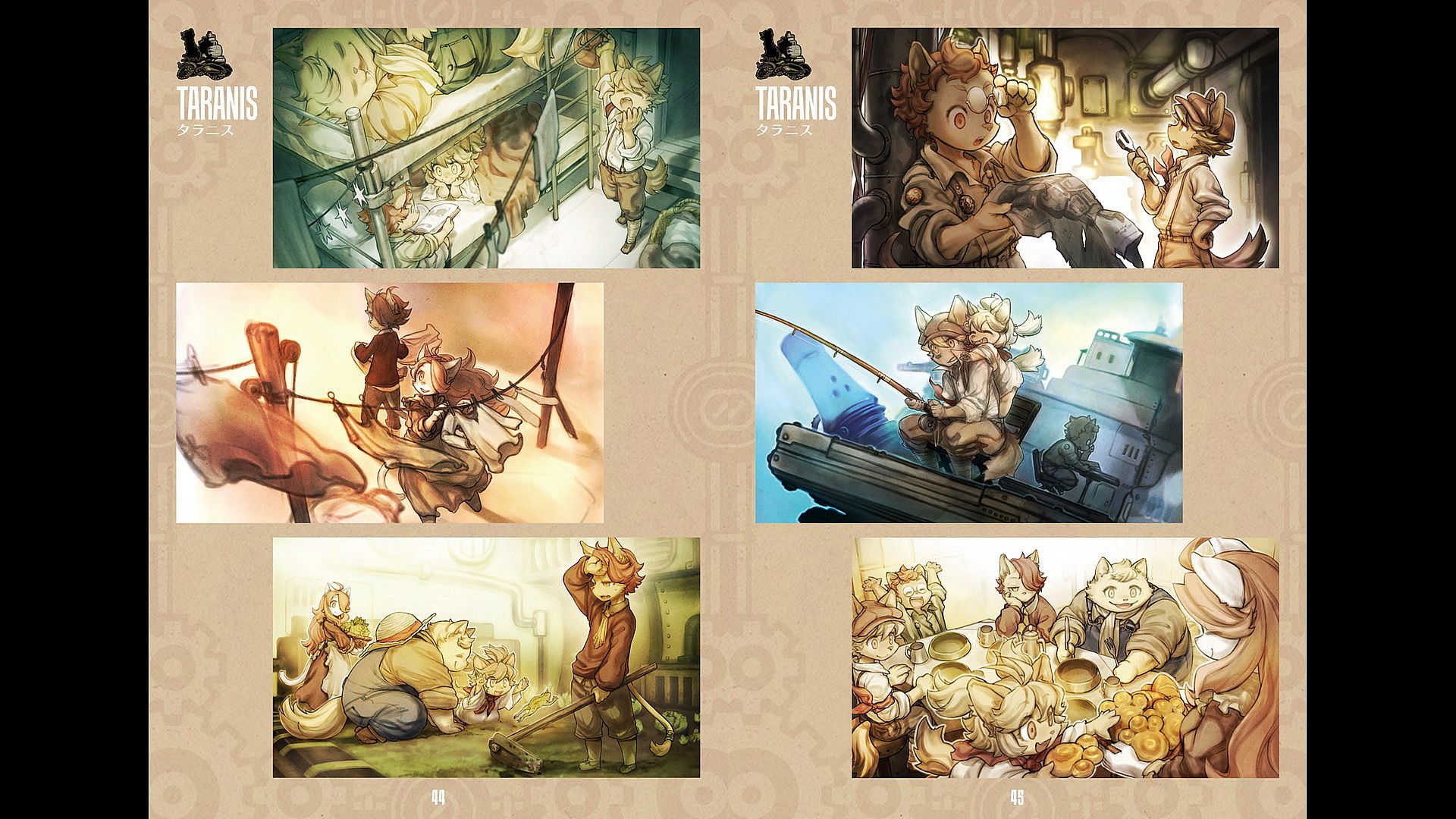
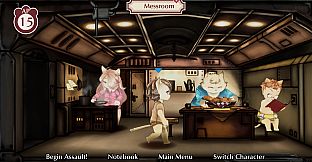
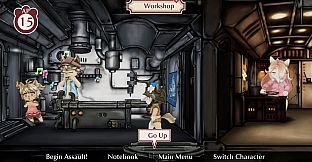
Intermissions give a fixed amount of action points to spend on conversations with the other children. These interactions raise affinity levels that strengthen link attacks in future fights. Time spent here also allows upgrades to the tank itself and preparation for the next stretch of the journey. Branching paths on the map offer safe, normal, or dangerous routes, with the riskier options providing greater rewards at the cost of tougher opposition.
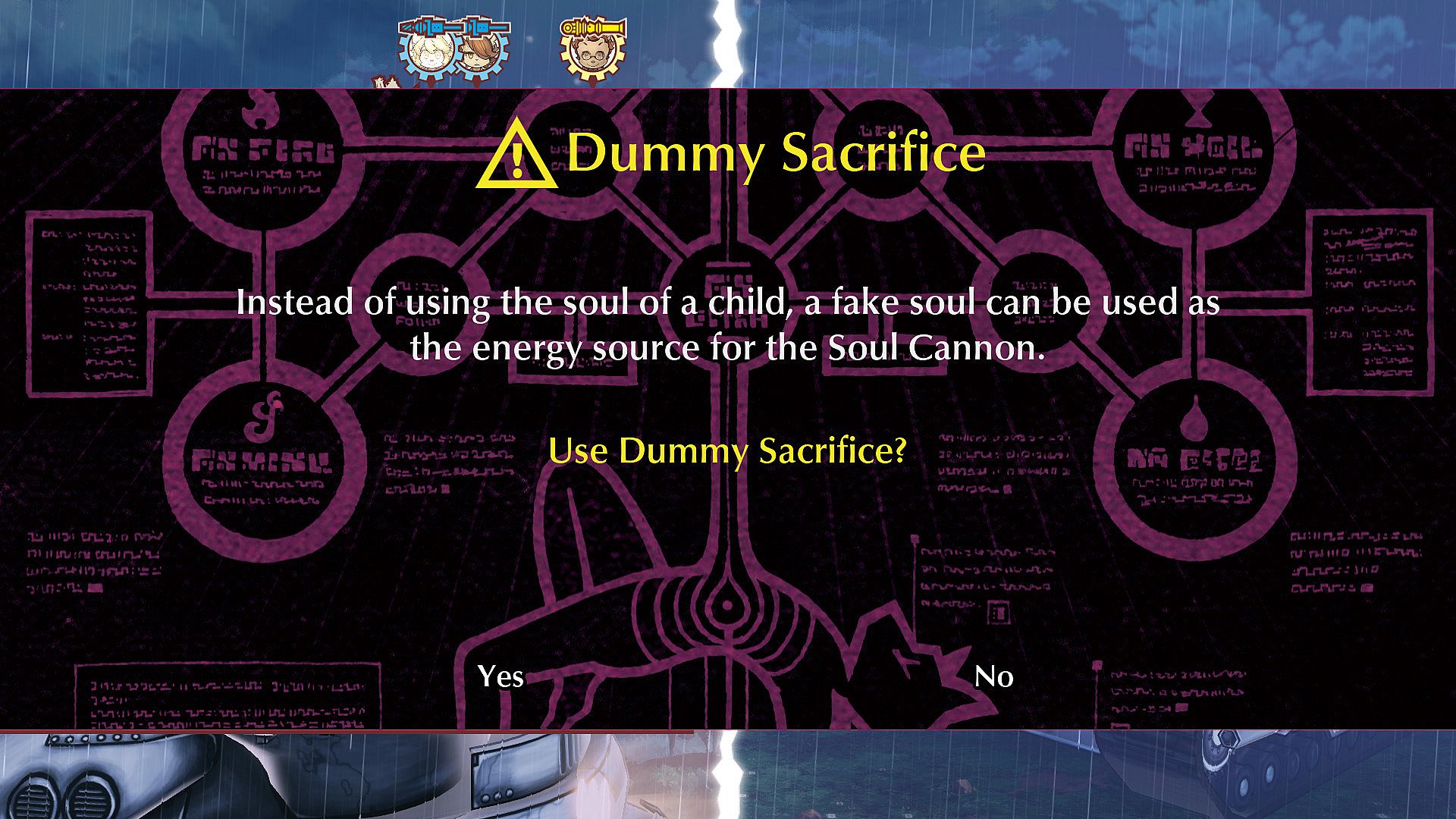
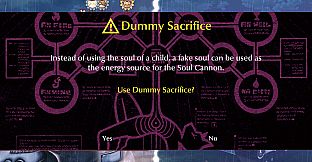
Story choices influence relationships and can lead to different outcomes, including moments where difficult decisions about sacrifice arise. The narrative follows the children as they navigate a wartime setting while uncovering mysteries tied to their ancient weapon. A recent update added a fast mode that accelerates battle sequences, allowing quicker focus on the story progression.
Game Modes
The game structures its content around a continuous story campaign divided into chapters. Each chapter mixes exploration along the map, combat encounters, and the intermission management phase. There are no separate multiplayer or competitive modes; the entire experience remains single-player and narrative-driven.
Within the campaign, players encounter three difficulty-labeled route options on the world map. Choosing dangerous paths increases experience and item gains but demands stronger preparation from prior intermissions. The structure encourages replay consideration through relationship outcomes and the consequences of earlier choices, though the main path remains linear with these optional branches.
Story and Characters
The children live together inside the Taranis, and their emotional states and bonds directly affect combat performance. Building higher affinity unlocks more powerful coordinated attacks while also shaping how events unfold. The setting draws from the broader Little Tail Bronx universe, featuring anthropomorphic animal characters facing threats that require both tactical skill and personal connections to overcome.
Progression ties character development to the intermission system rather than traditional leveling alone. Spending time with specific characters improves their effectiveness in linked abilities and can alter dialogue or story branches. This integration keeps the focus on the group dynamic throughout the journey.
Is It Worth Playing?
Players who enjoy turn-based strategy layered with relationship management will find the systems rewarding. The tank turret placement and weakness exploitation create engaging tactical decisions, while the intermission segments add a layer of preparation and character interaction that influences outcomes. The addition of fast mode supports those who prefer to emphasize story over repeated combat pacing.
Reception highlights the strategic depth and emotional weight of choices for some audiences, though others note repetition in later chapters. The game suits fans of JRPG-style combat with a strong emphasis on party synergy and narrative consequences. Availability on PC makes it accessible for those seeking this specific blend of tank-based battles and intermission management.