





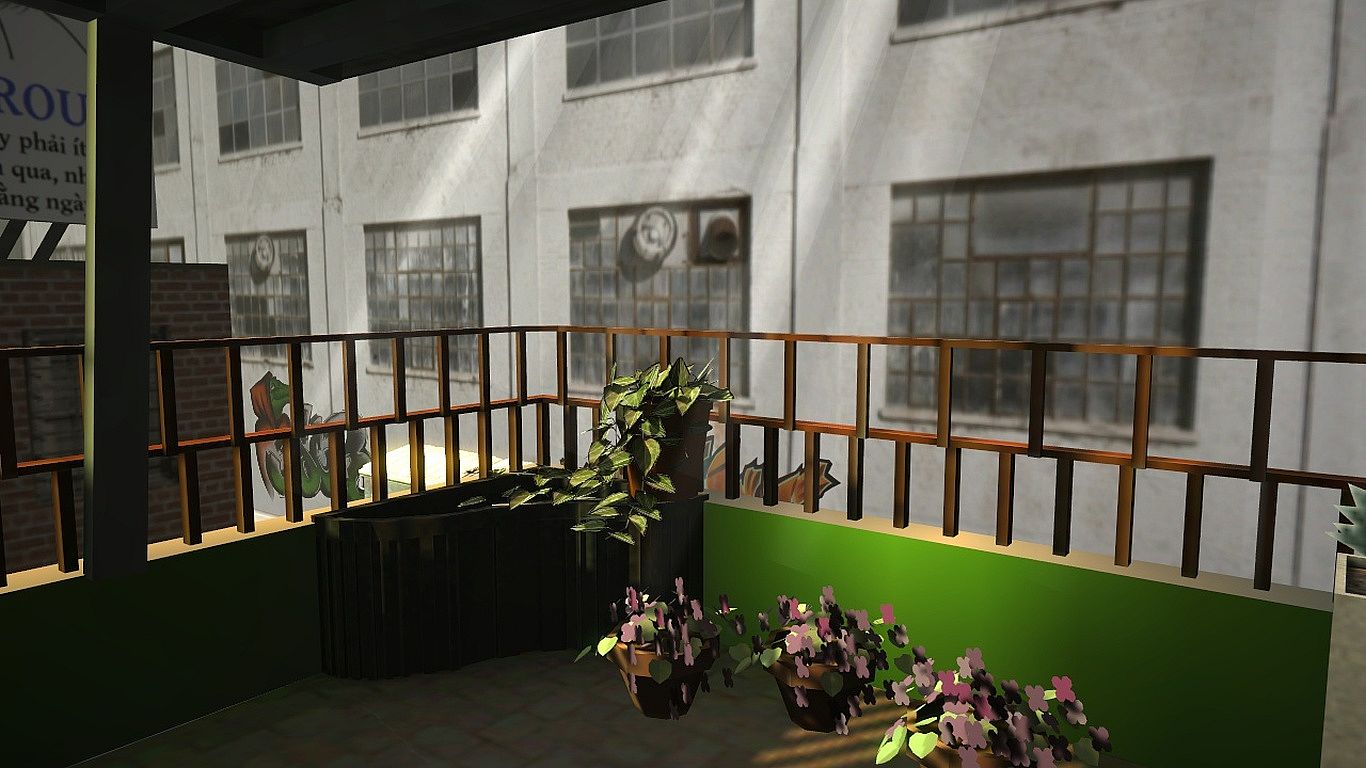

Gone In November is an indie adventure game that takes the form of a walking simulator, focusing on narrative exploration rather than action-packed mechanics. Released for PC, it delves into the inner world of a protagonist grappling with severe depression, offering a short but poignant experience that combines everyday settings with surreal elements. This title stands out in the genre for its raw approach to mental health themes, making it a unique pick for those interested in story-driven adventures.
Gameplay
In Gone In November, the core gameplay revolves around exploration and interaction within confined environments. You control the protagonist as he moves through his apartment and later ventures into more abstract spaces representing his thoughts. Simple actions like picking up objects, reading notes, and observing surroundings drive the narrative forward. The pace is deliberate and slow, emphasizing atmosphere over complex puzzles or combat. Controls are straightforward, using basic movement and interaction keys, which keeps the focus on the unfolding story. This setup creates a reflective loop where each discovery reveals more about the character's struggles with illness and despair.
Mechanics are minimalistic, with no inventory system or skill progression. Instead, the game relies on environmental storytelling, where details in the scenery and scattered items build the emotional weight. For instance, everyday tasks at the start transition into more disorienting sequences, mirroring the protagonist's mental state. This approach suits the adventure genre, providing a linear path with occasional choices that influence minor outcomes, though the overall direction remains fixed.
Game Modes
Gone In November features a single-player narrative mode as its primary way to experience the game. This mode guides you through the entire story in one continuous playthrough, without options for multiplayer or competitive elements. The experience is designed to be completed in a single sitting, lasting around an hour or so, depending on how thoroughly you explore.
There are no additional modes like challenges or endless variations confirmed, keeping the focus solely on the main storyline. This structure makes it accessible for players seeking a brief, introspective session rather than extended replayability.
Story and Themes
The narrative centers on a man facing terminal cancer and deep depression, exploring his final days through a mix of realism and metaphor. Themes of self-harm, isolation, and mortality are woven into the fabric of the game, presented through voiceovers, text, and visual cues. It's a personal tale that avoids grand adventures, instead highlighting quiet moments of reflection.
While the story tackles heavy subjects, it does so with a raw honesty that can resonate with those familiar with similar struggles. The progression moves from mundane routines to more surreal depictions, building a sense of inevitability.
Is It Worth Playing?
Gone In November has received mixed reception from players, with a Steam review score hovering around 50% positive based on user feedback. Some appreciate its honest portrayal of mental health issues, while others criticize technical flaws like visual glitches and writing inconsistencies. The game hasn't seen updates since its 2016 release, so it remains in its original state without ongoing support or new content.
If you're drawn to short, narrative-focused walking simulators that handle sensitive topics, this could be a worthwhile playthrough for its emotional depth. However, those expecting polished graphics or varied gameplay might find it lacking. It's best suited for mature audiences interested in introspective stories, and at its low price point, it offers a quick dive into heavy themes without a major time commitment.