









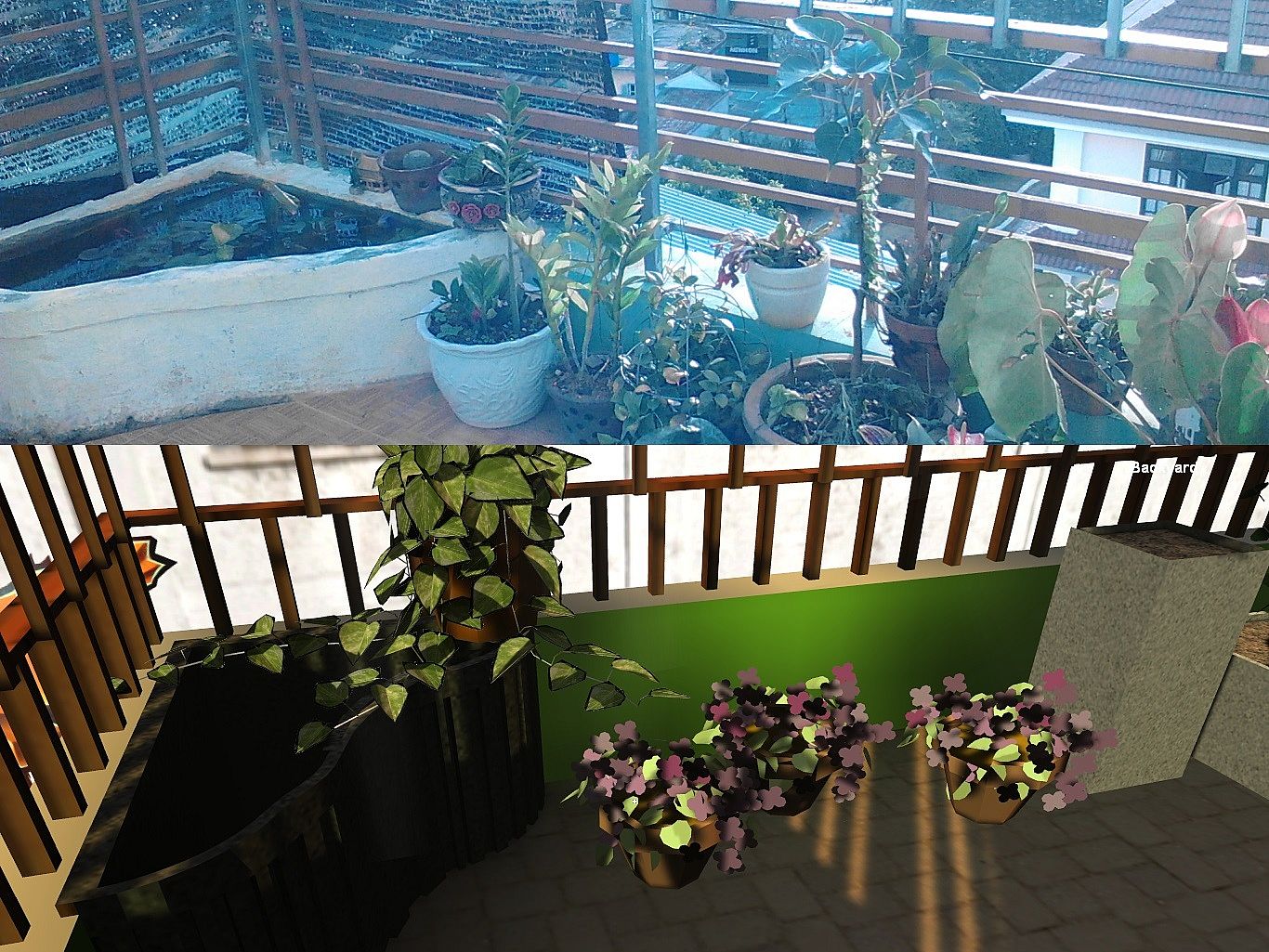
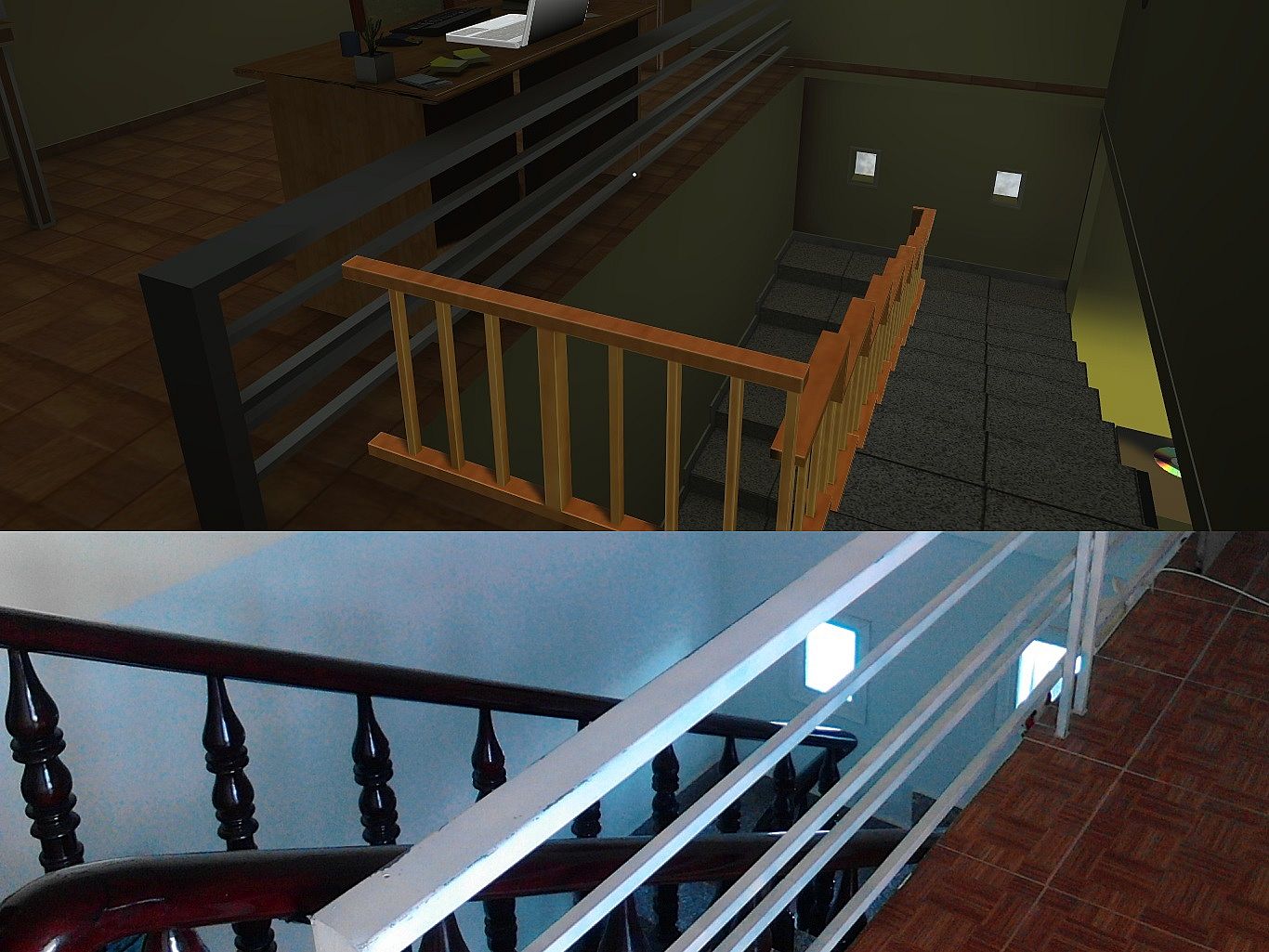
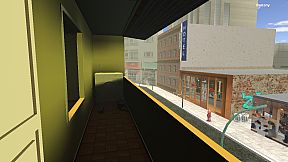

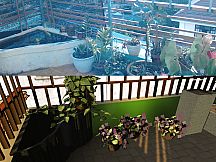
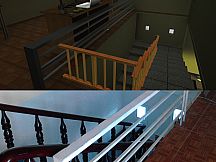
Gone In November is a single-player indie adventure game built around a brief, introspective walking simulator experience. Players step into the final days of a man facing a terminal diagnosis, moving through his apartment while engaging in small, repetitive actions that underscore isolation and routine.
Gameplay
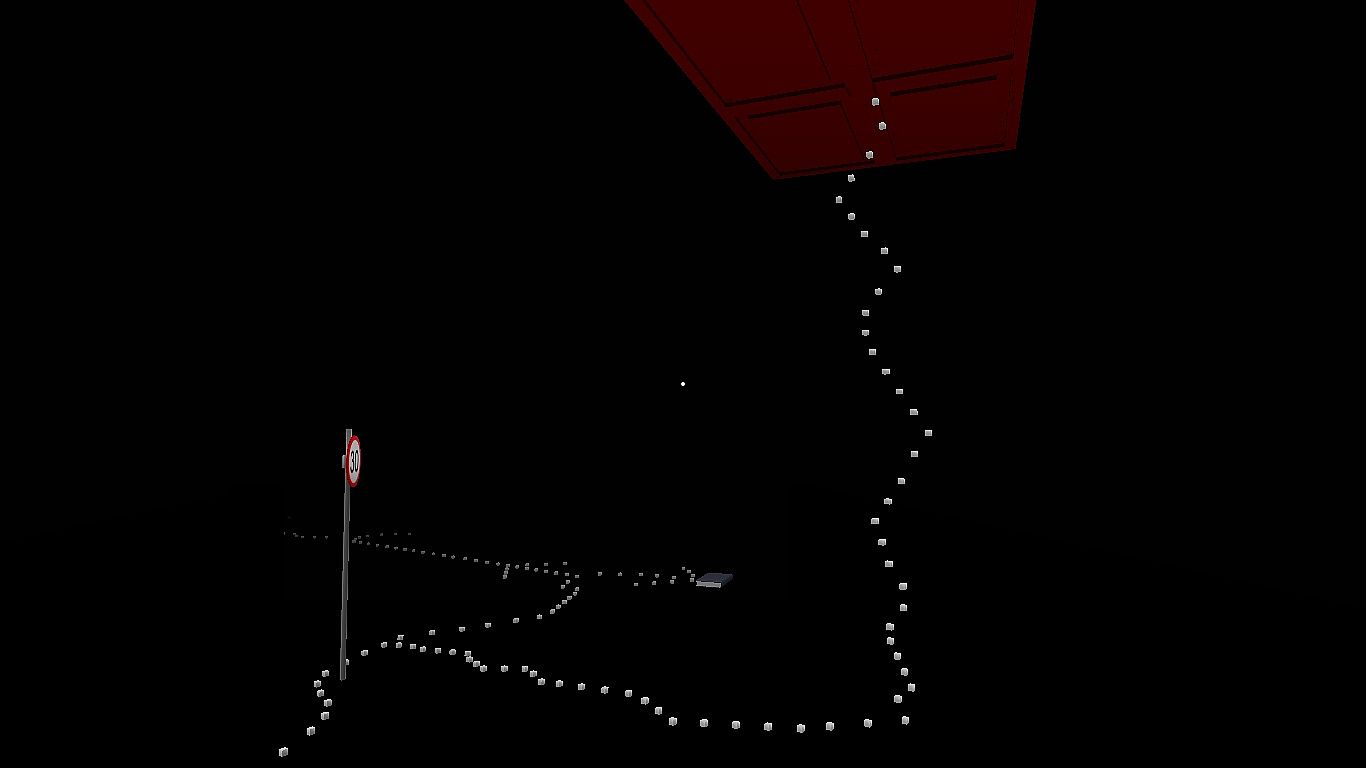
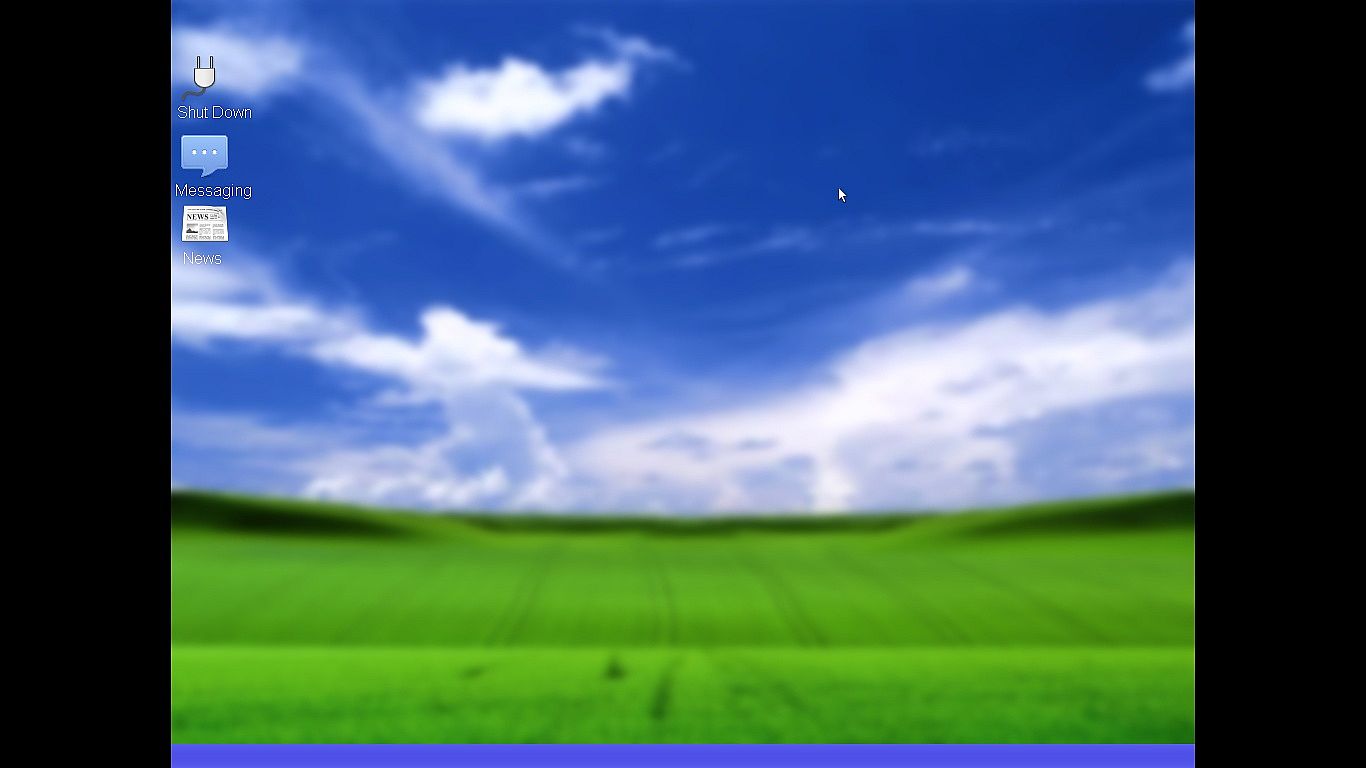
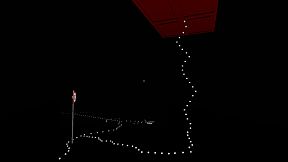
The core loop centers on navigating a confined living space and performing everyday tasks that carry no mechanical reward or consequence. Movement is deliberate and unhurried, encouraging close observation of the environment and the protagonist's inner state. Routine actions include watering cacti without purpose, sending text messages to a long-inactive social media account, and erecting barriers around the apartment to shut out the outside world. These interactions unfold in short memory fragments, revealing thoughts tied to the recent medical news and a sense of detachment from daily life. The design emphasizes quiet repetition over progression systems or skill checks, creating a steady rhythm that mirrors the character's emotional numbness.
Game Modes
The game offers a single linear narrative path with no branching outcomes or alternative playstyles. Player decisions and actions hold no influence over the sequence of events or the ending, reinforcing the central idea that control has slipped away. There are no separate difficulty settings, cooperative options, or replay incentives beyond revisiting the same sequence of scenes. The entire experience remains confined to this one continuous session, typically lasting under an hour, with no additional content layers or post-completion modes.
Narrative and Themes
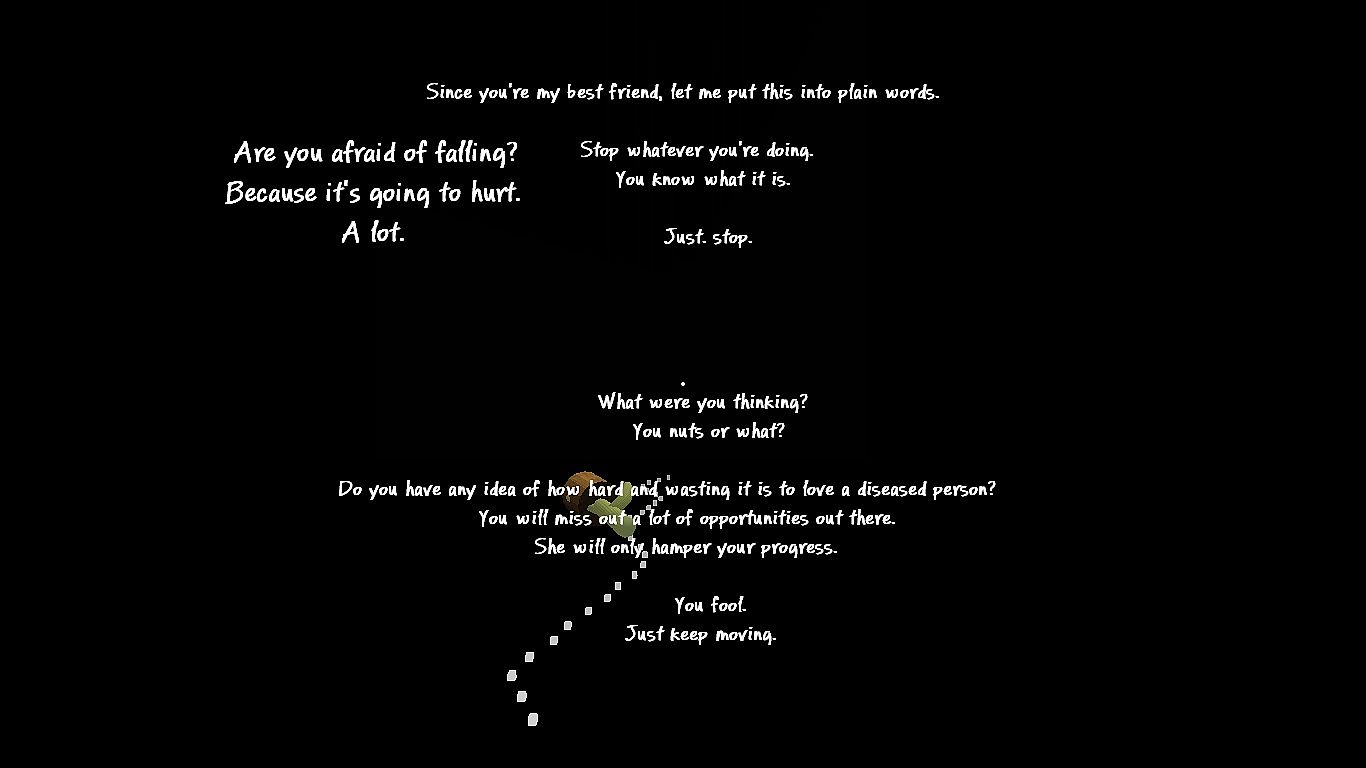
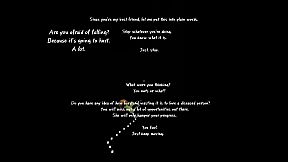
The story unfolds through environmental details and internal monologue rather than dialogue or cutscenes. Players witness the protagonist's attempts to maintain normalcy amid overwhelming finality, from mundane household chores to moments of quiet reflection on loneliness in a connected world. The quoted reflections on modern life as a force that pulls people apart while drawing them closer highlight the game's focus on emotional disconnection. These elements build a portrait of depression rooted in the specific circumstances of a terminal illness, presented without resolution or external intervention.
Technical Presentation
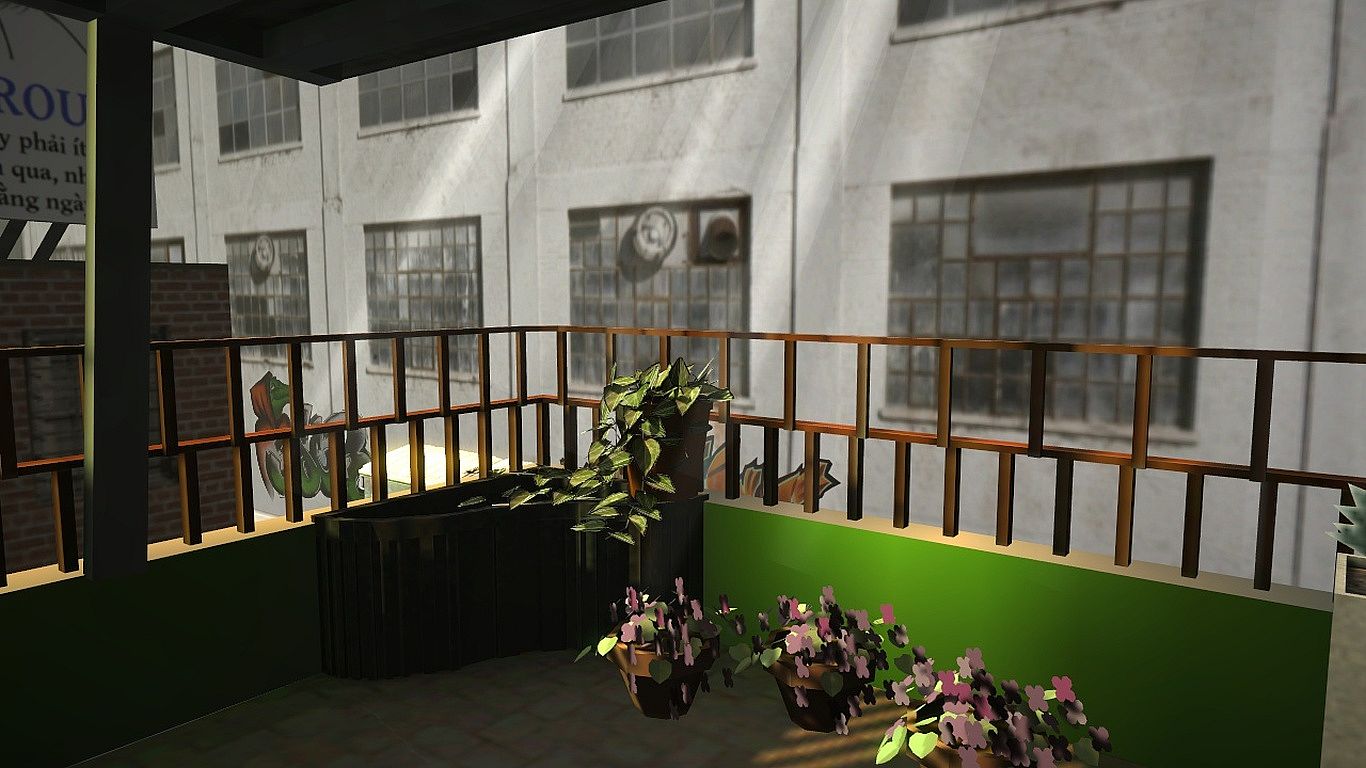
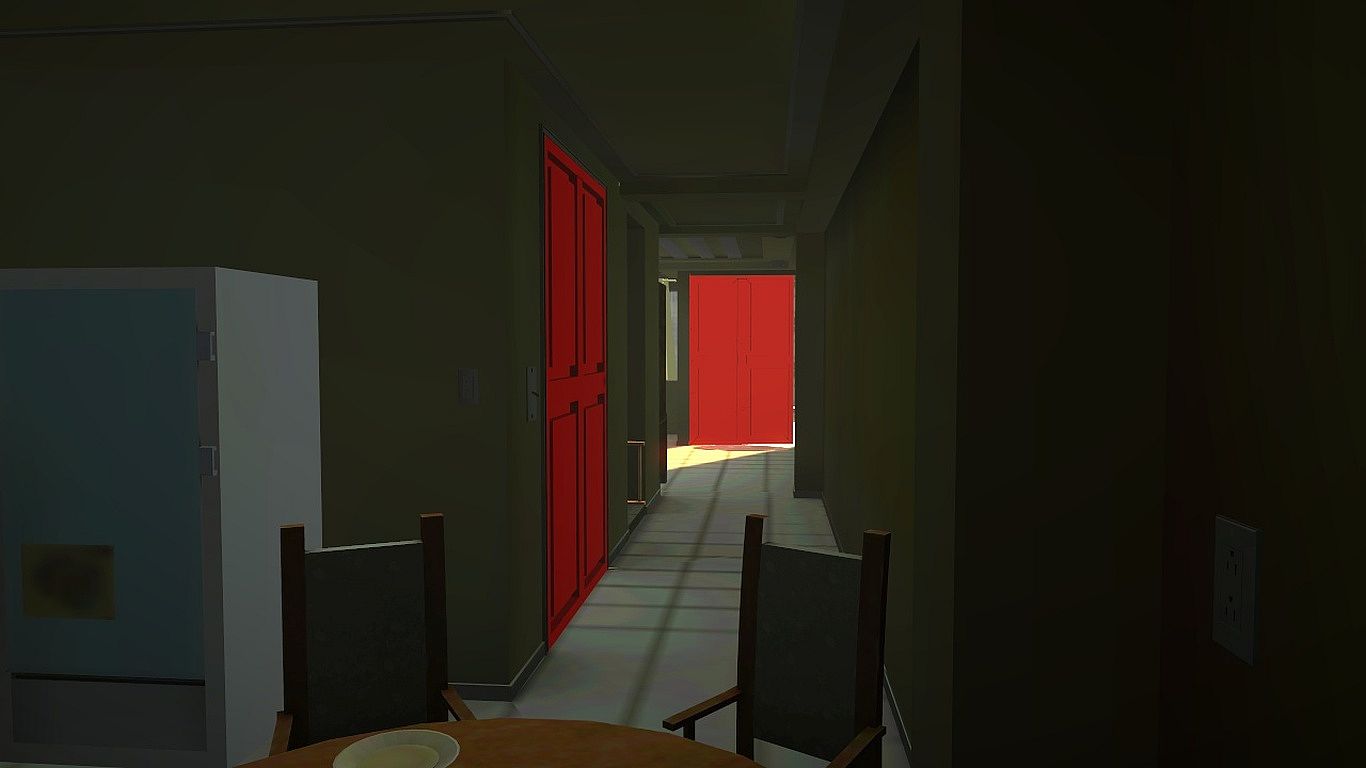
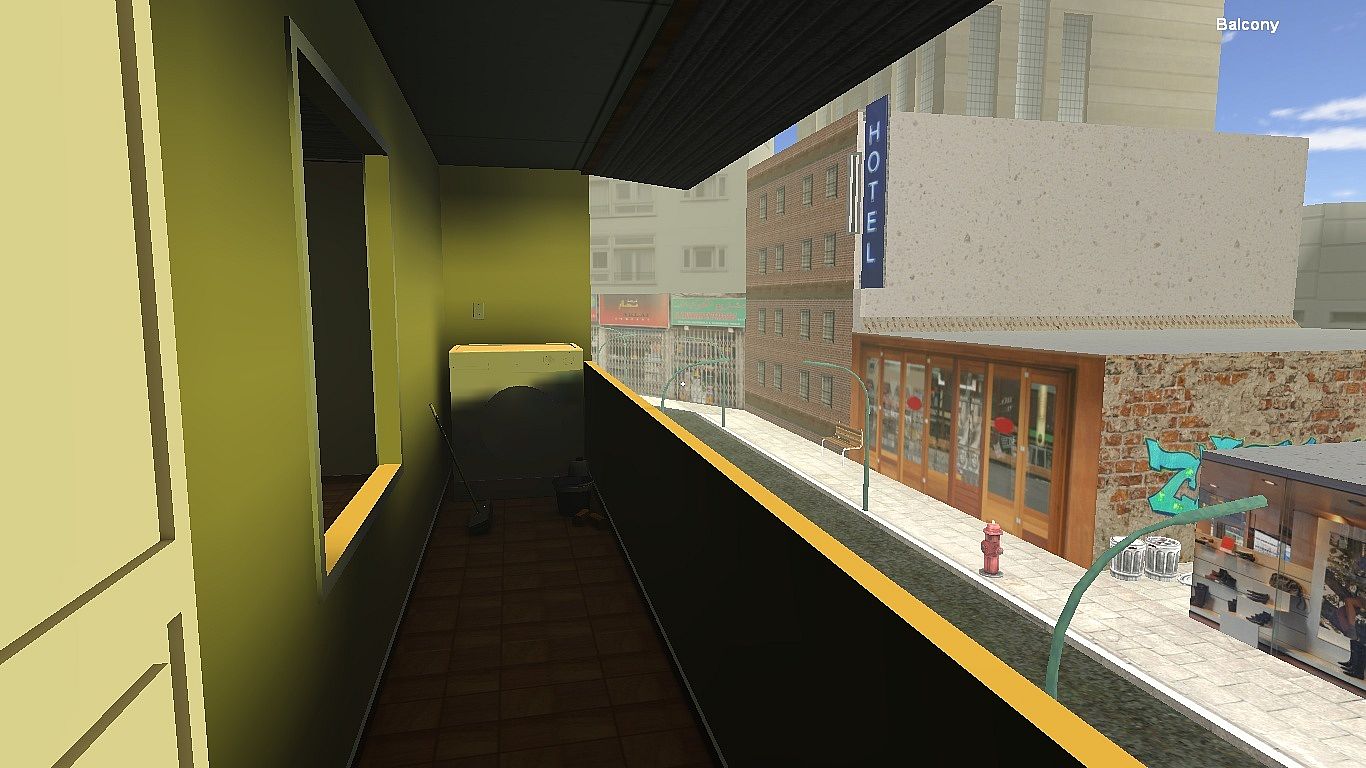
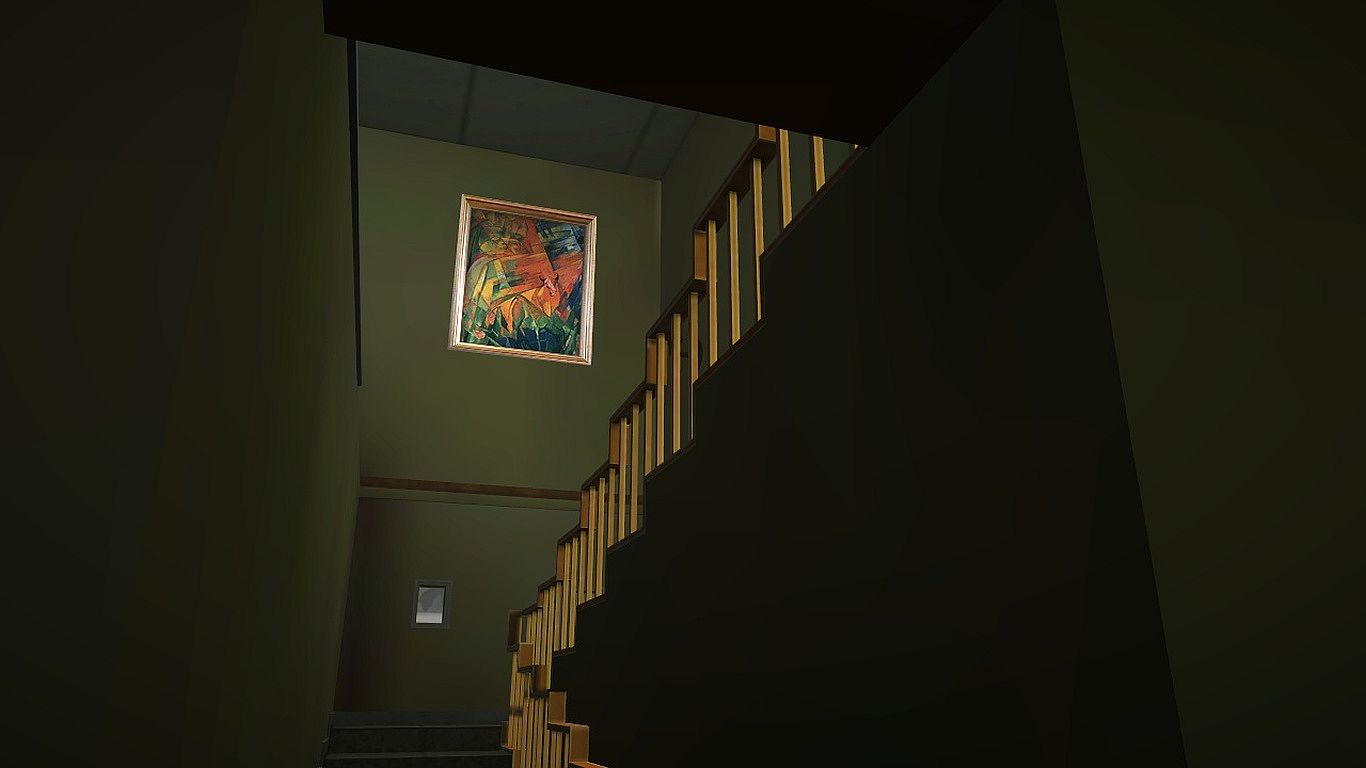
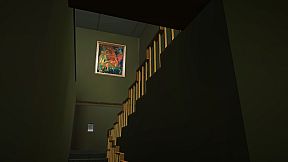
Visuals adopt a minimalist style suited to the intimate apartment setting, with simple models and lighting that keep attention on the character and objects rather than spectacle. Sound design supports the mood through ambient tones and the absence of dramatic scoring, allowing the weight of silence and small sounds to stand out. The game runs on modest hardware requirements typical of its 2016 release, making it accessible on a wide range of PCs without demanding advanced graphics capabilities.
Is It Worth Playing?
Reception stands at mixed levels, with roughly 56 percent of user reviews rating the title positively. Those drawn to short, contemplative single-player experiences centered on mental health themes may find value in its focused approach and honest handling of isolation. The lack of traditional gameplay depth or variety means it suits players seeking a brief, atmospheric story rather than extended engagement or mechanical challenge. Availability remains straightforward on PC with no ongoing updates or seasonal content, preserving the original short-form presentation. Individuals interested in narrative-driven indie adventures that prioritize emotional resonance over action or choice will likely appreciate the deliberate pacing and thematic consistency, while others looking for replayability or broader systems may prefer titles with more varied structure.