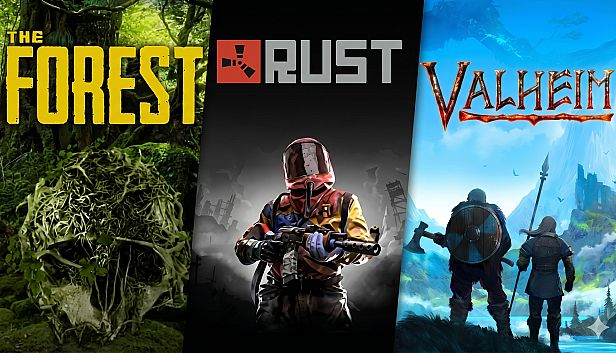













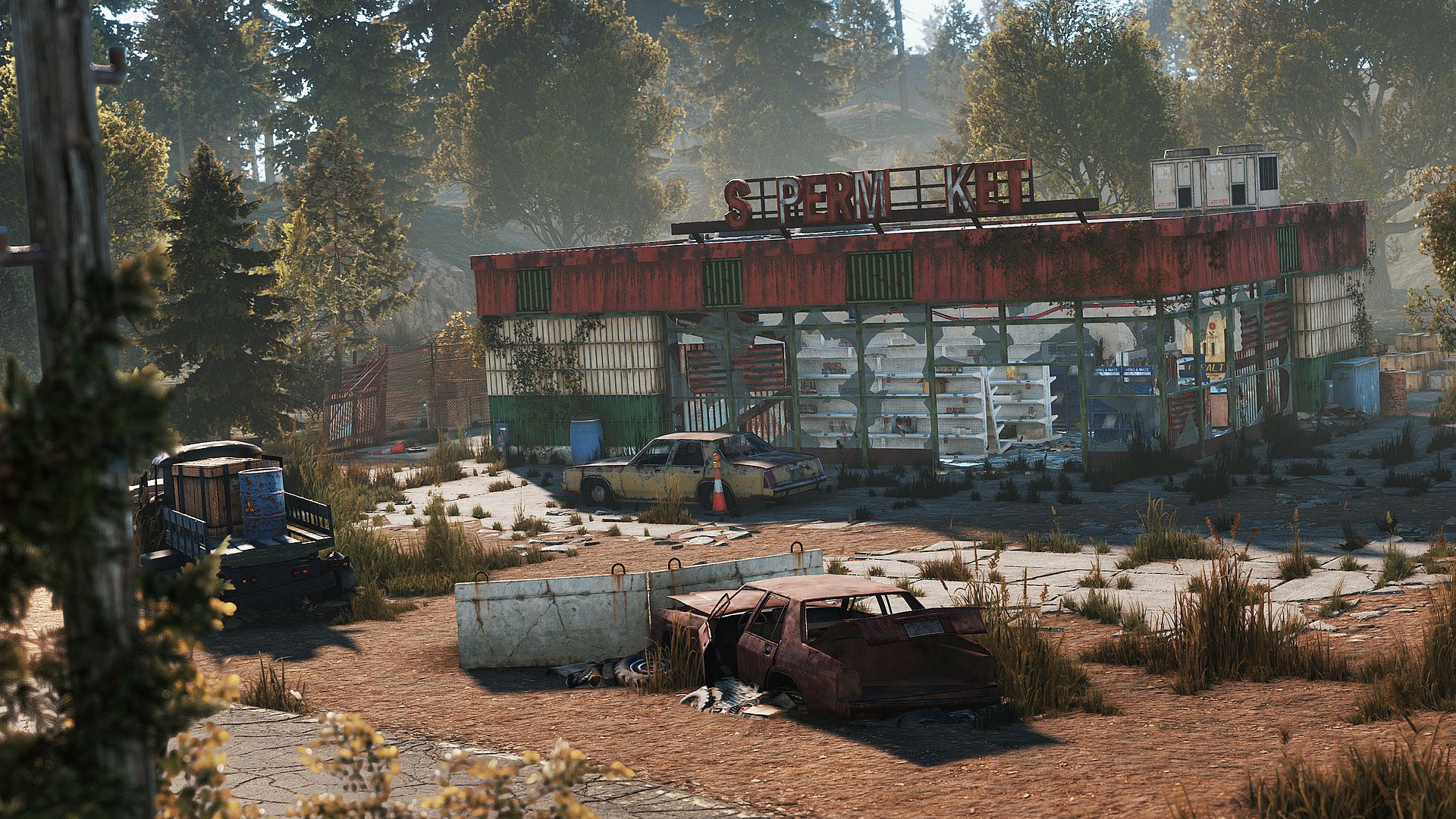
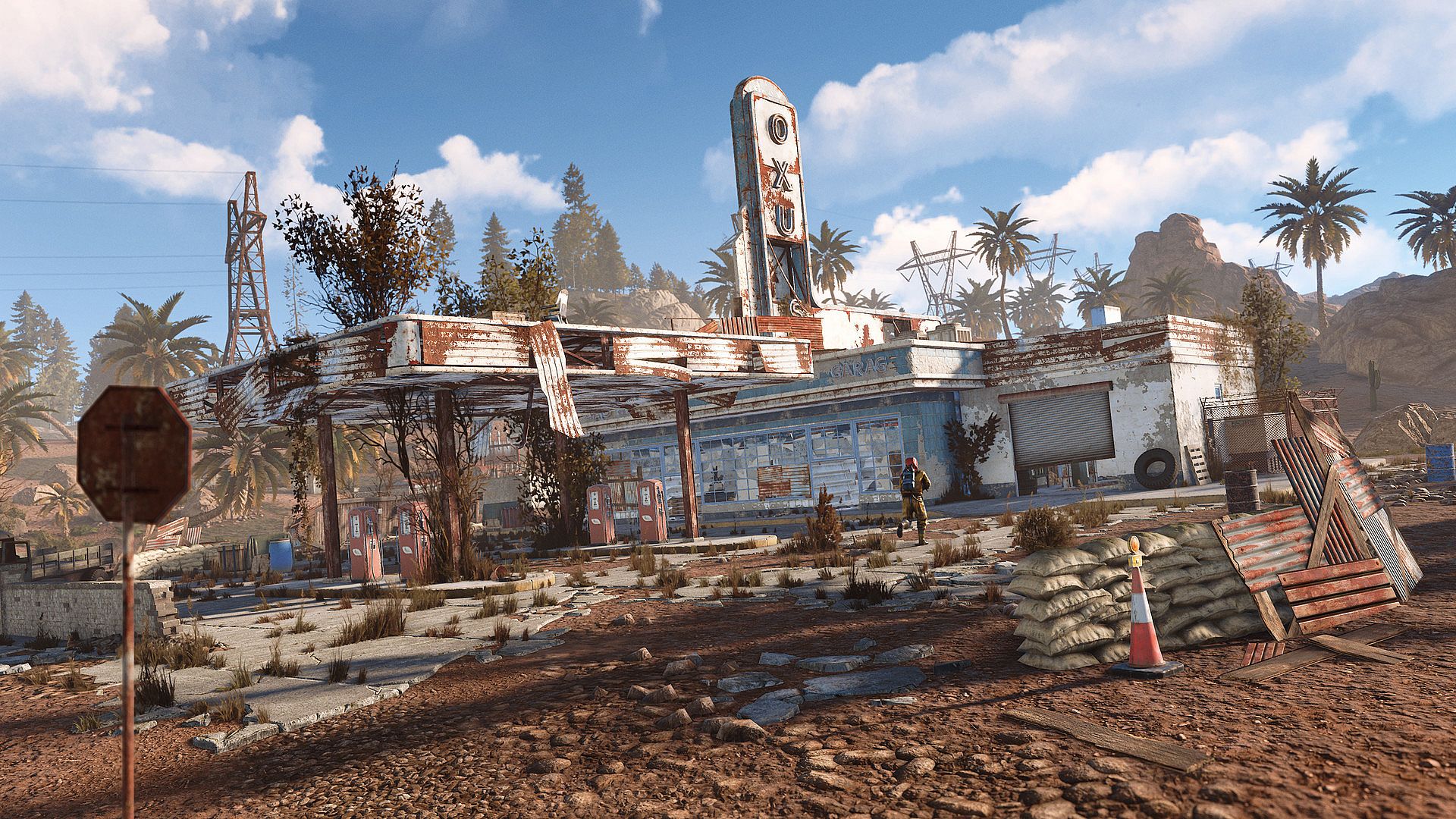
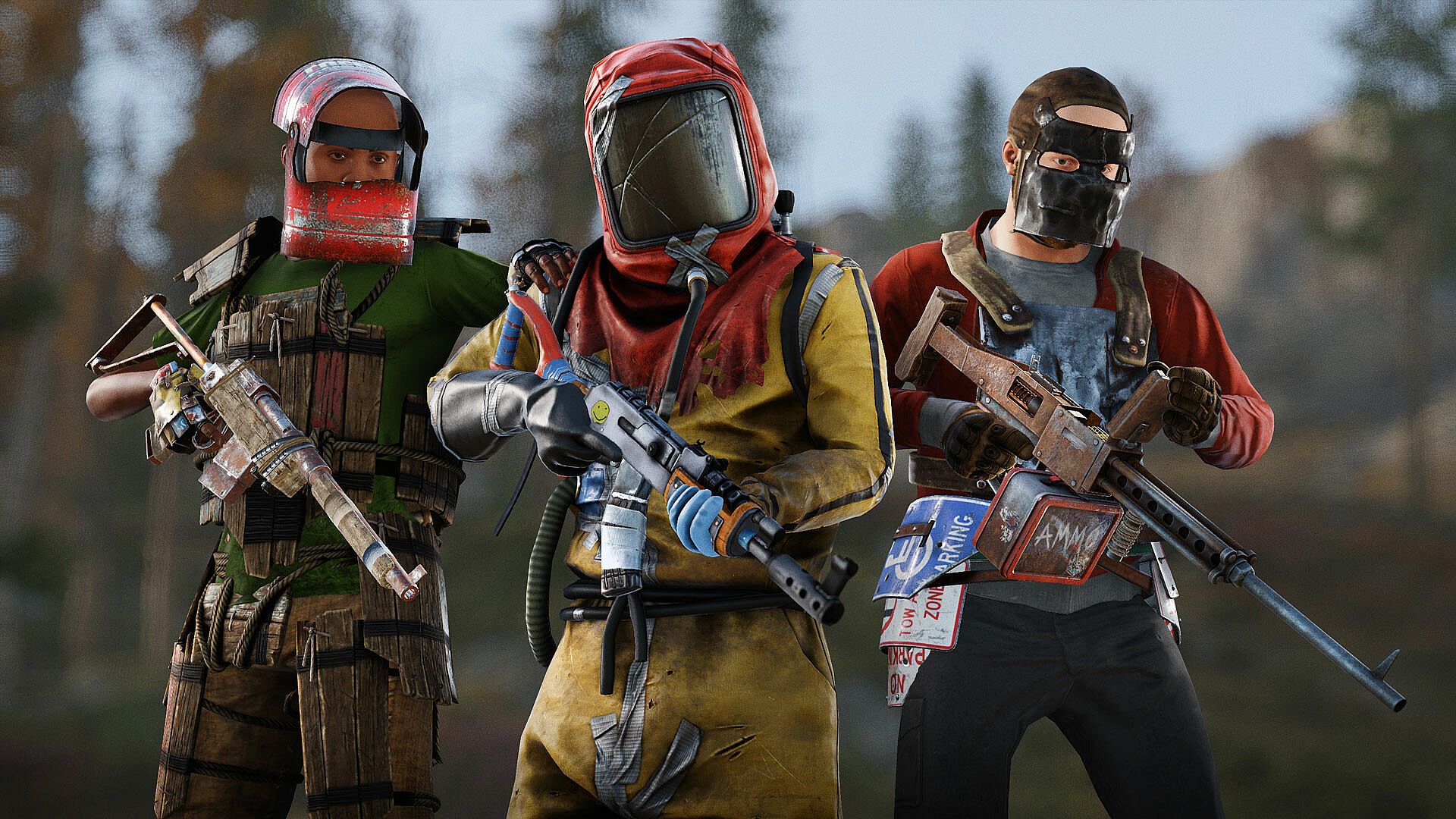
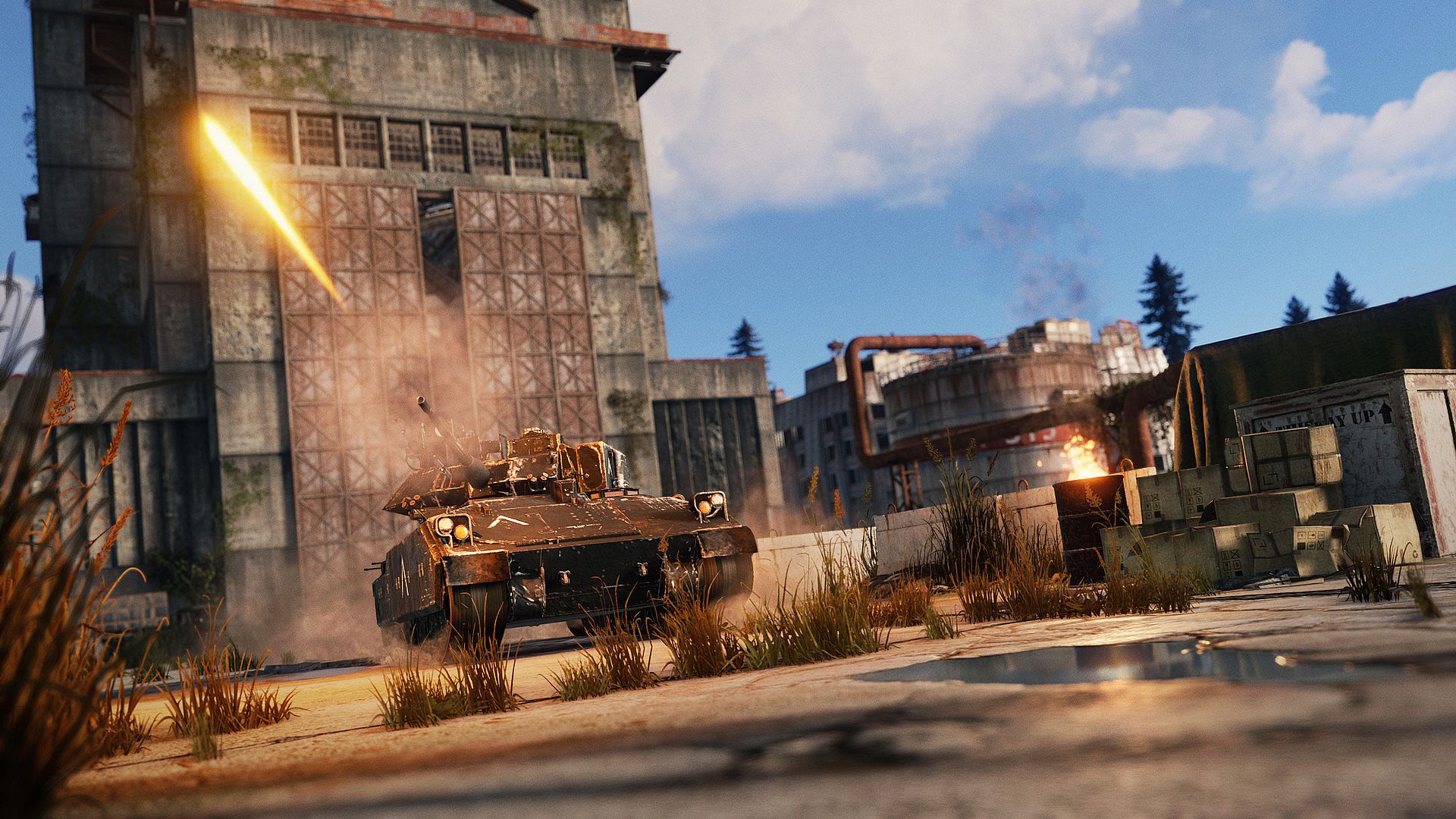
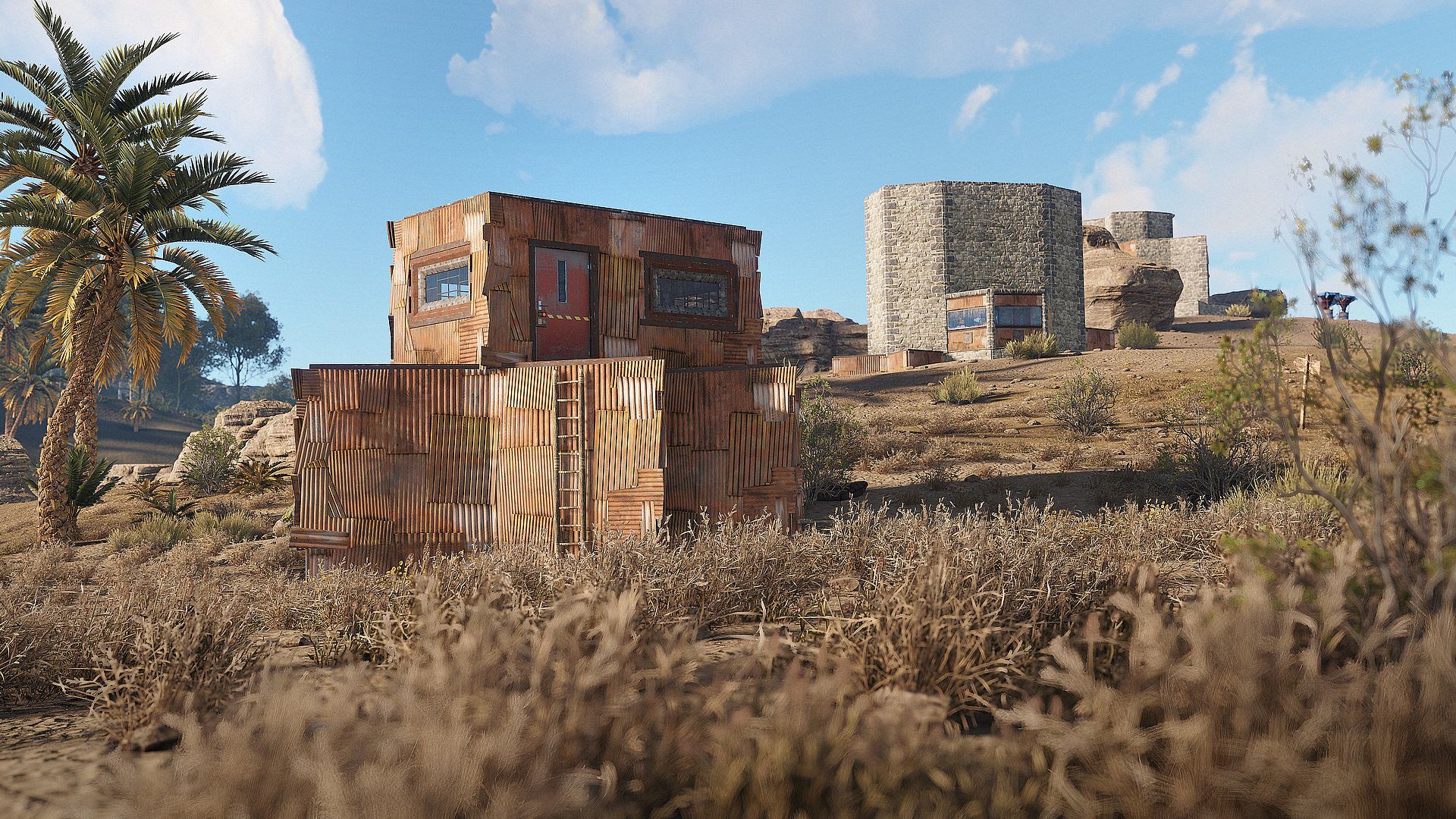
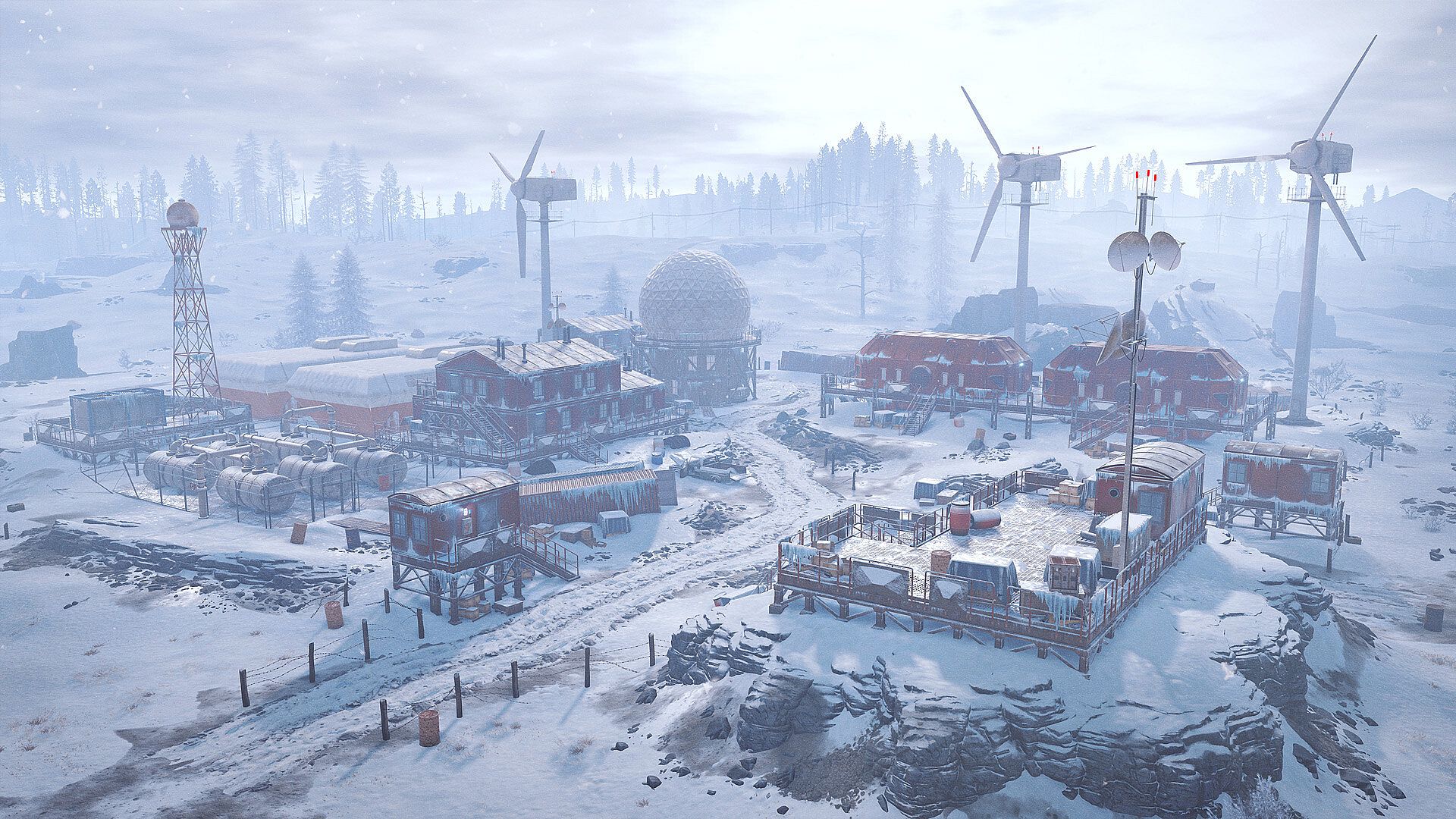
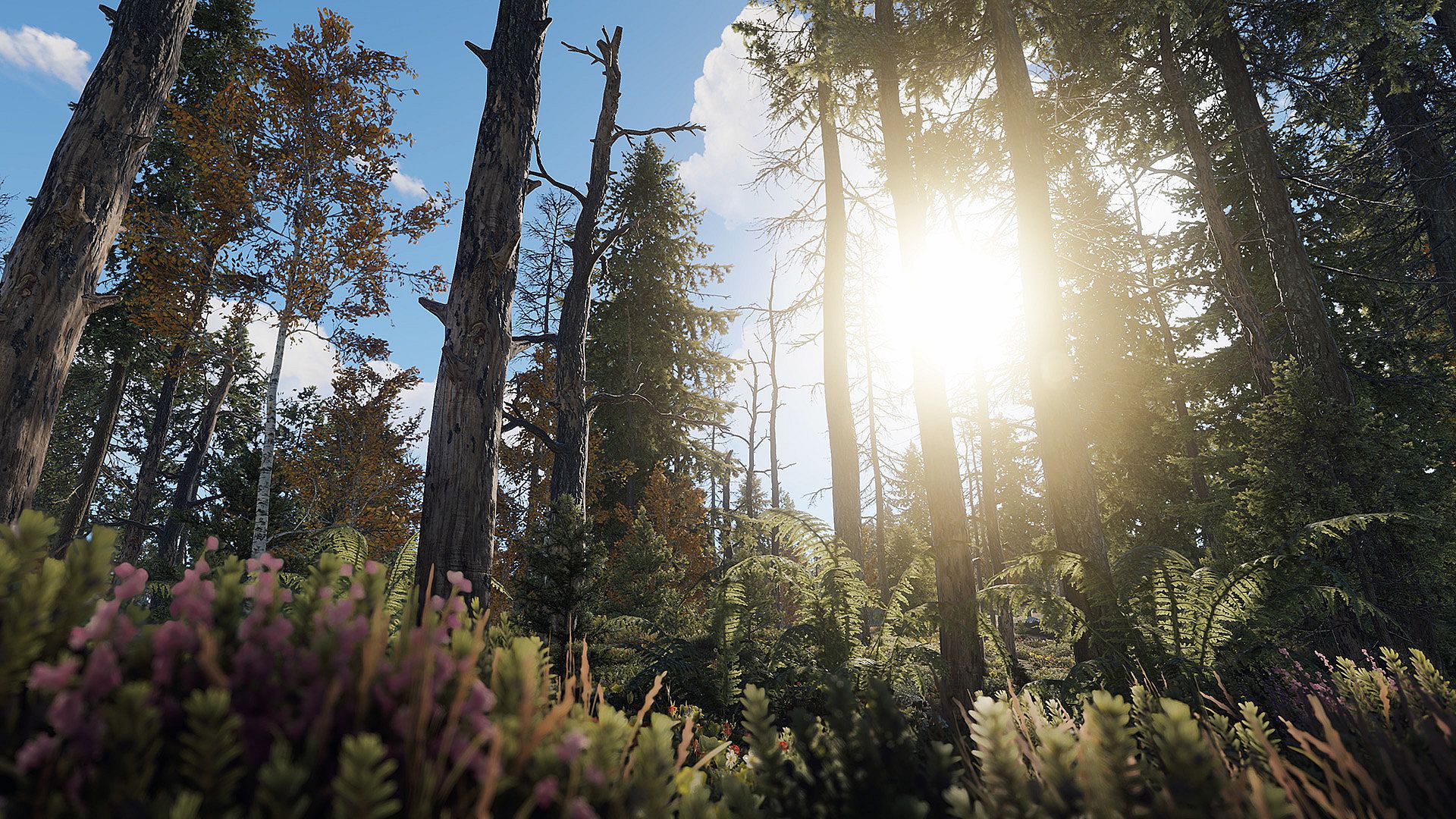
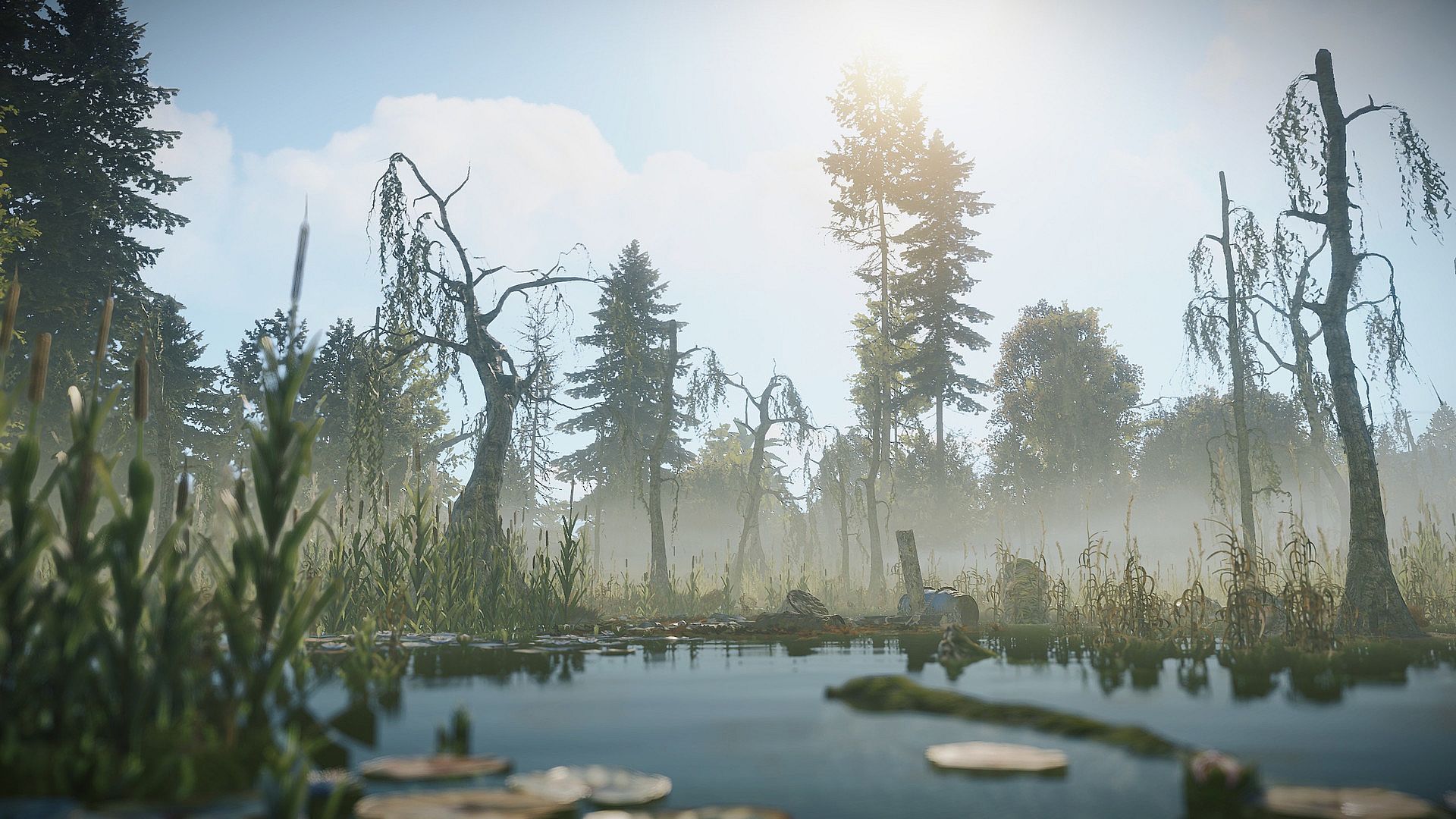


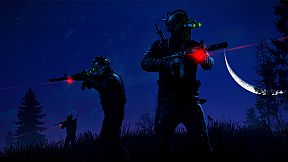
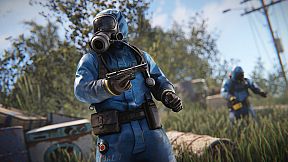
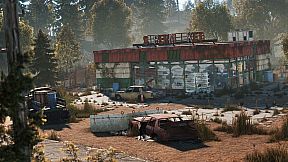
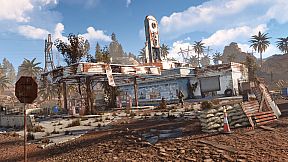
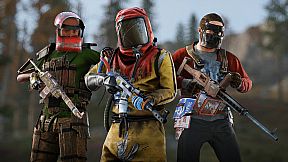
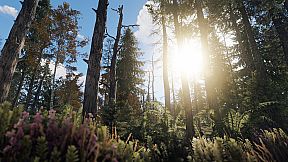
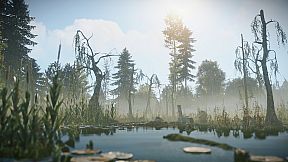
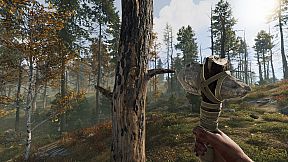
Rust stands out as a multiplayer survival game where your primary goal is to outlast harsh environments and hostile players on a vast, procedurally generated island.
Gameplay
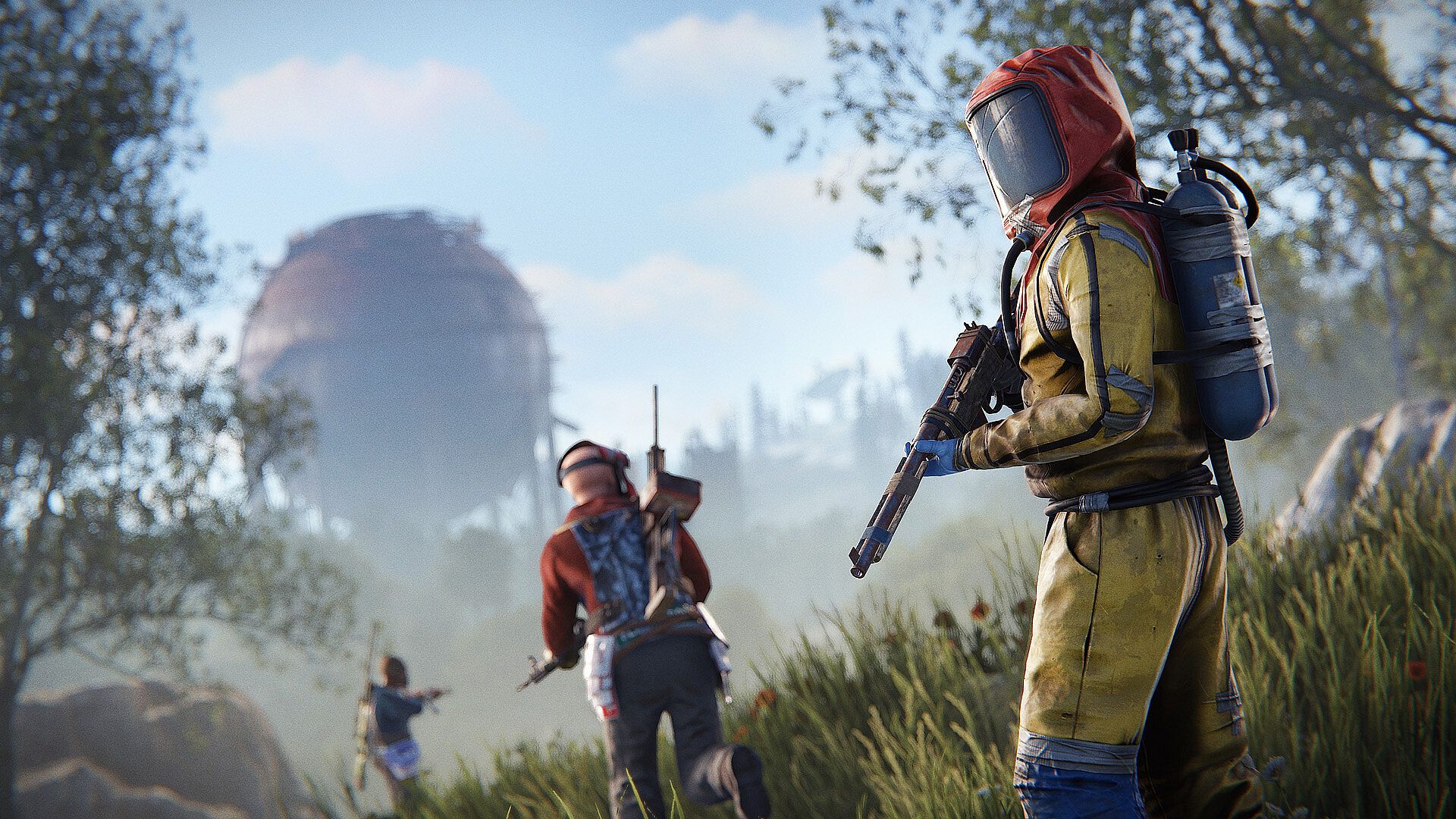
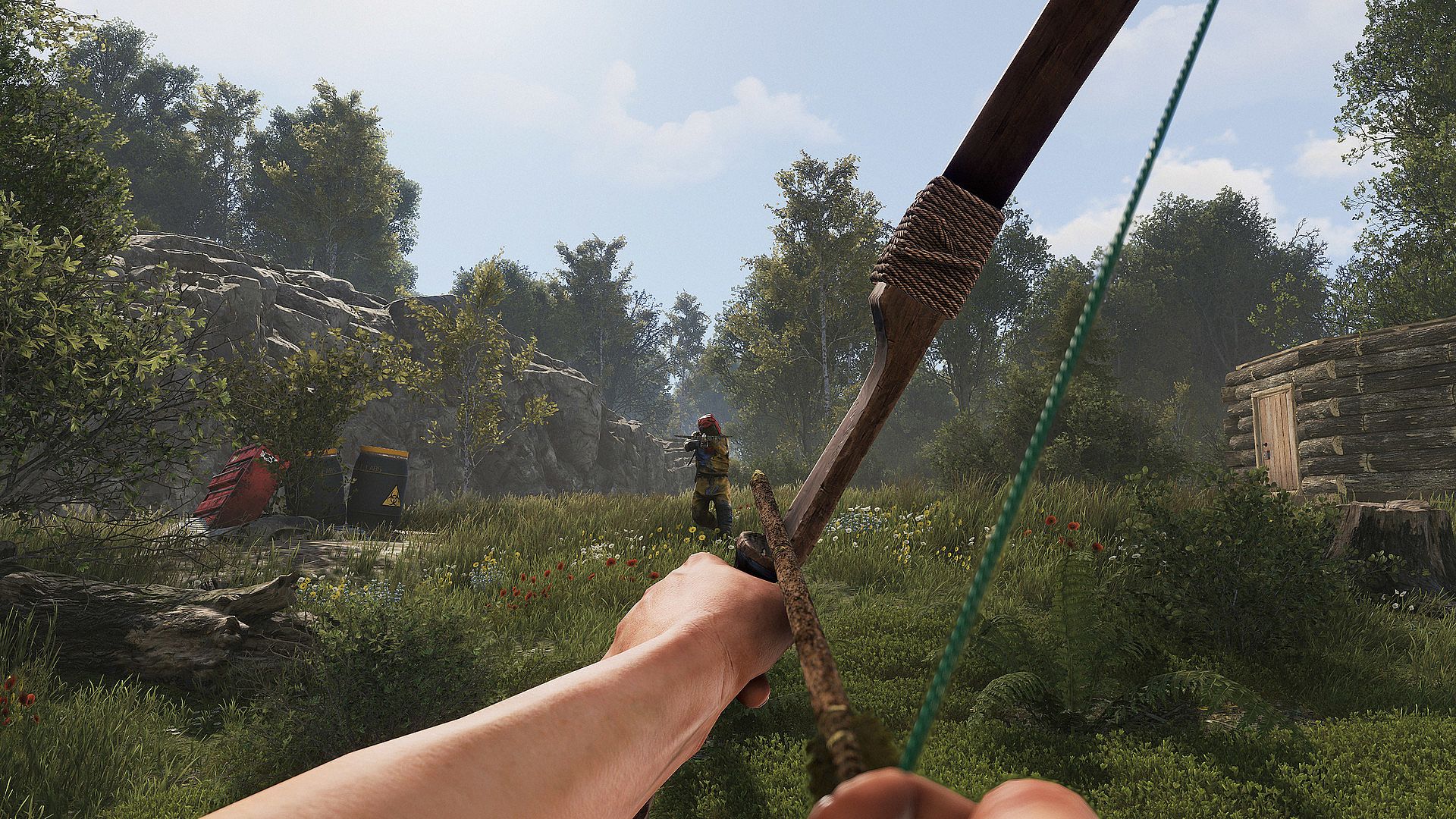
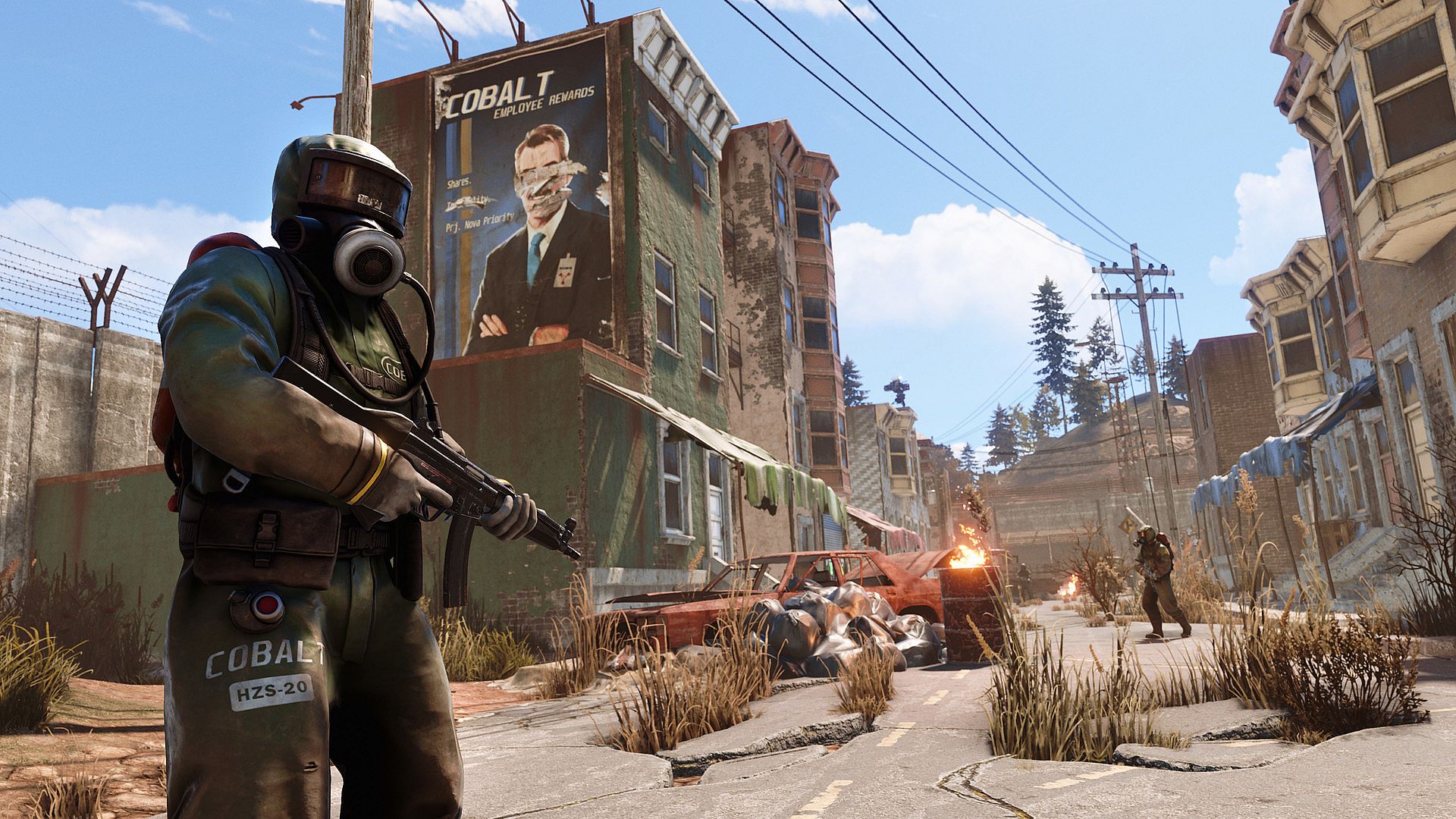
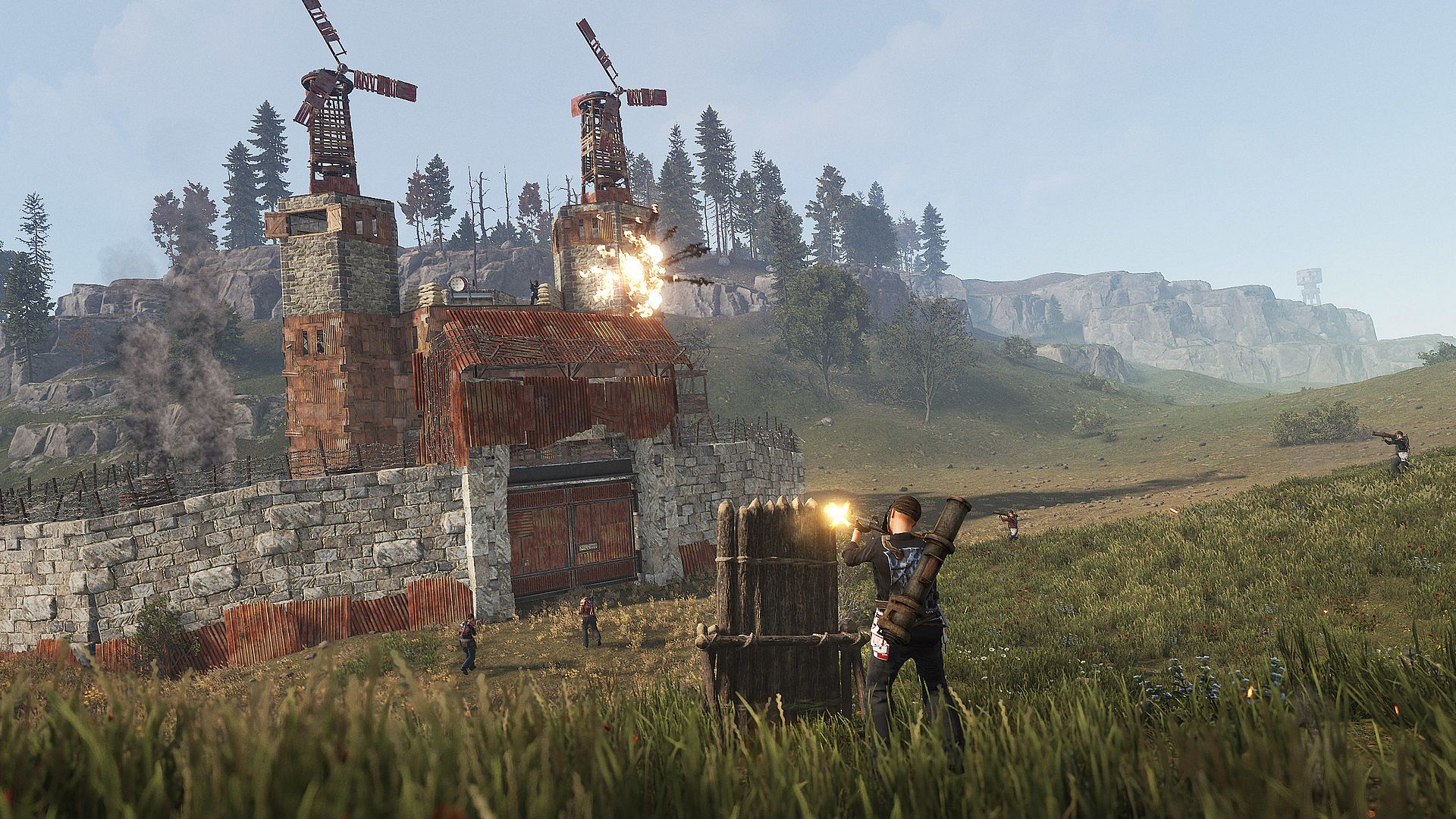
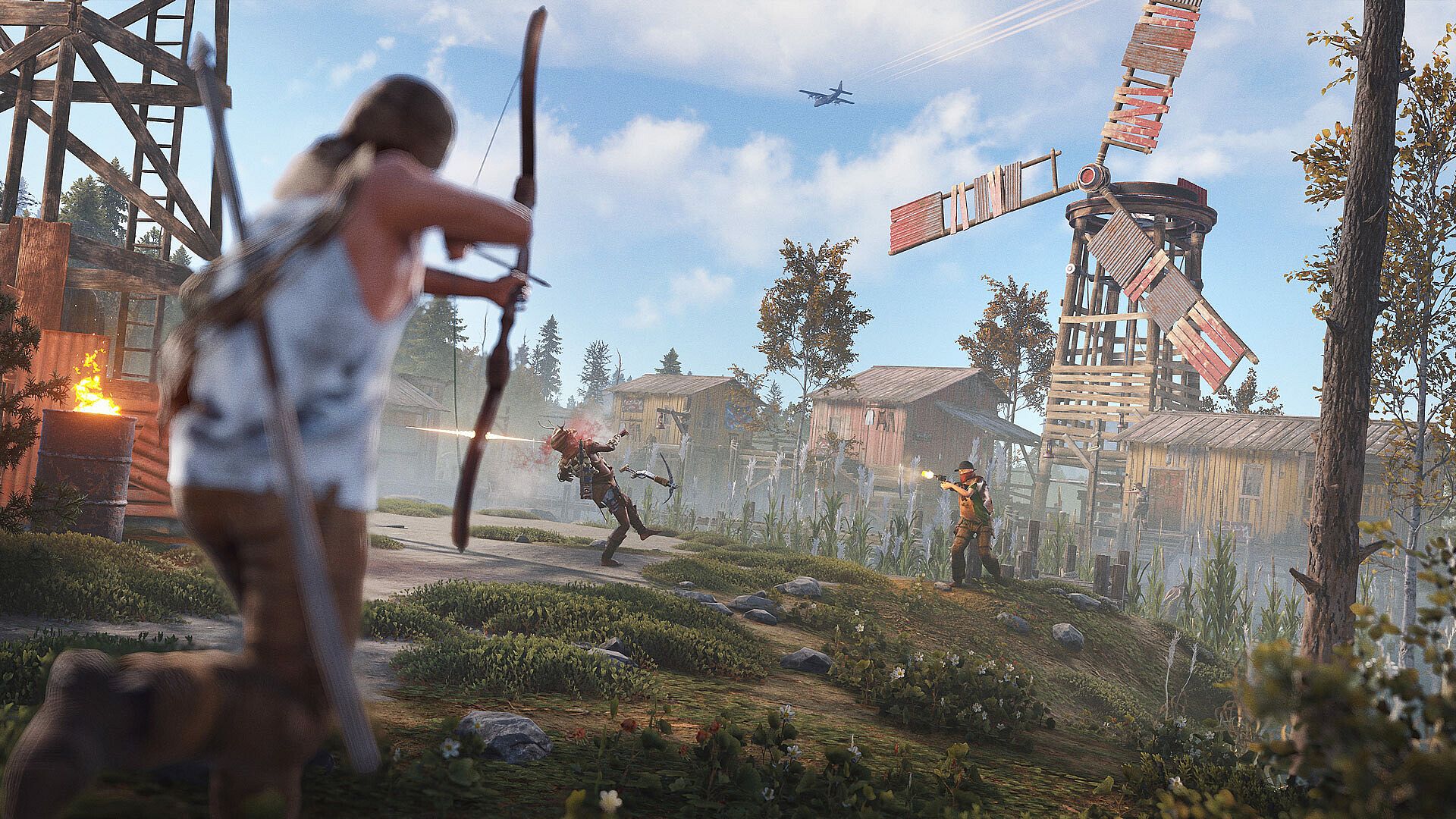
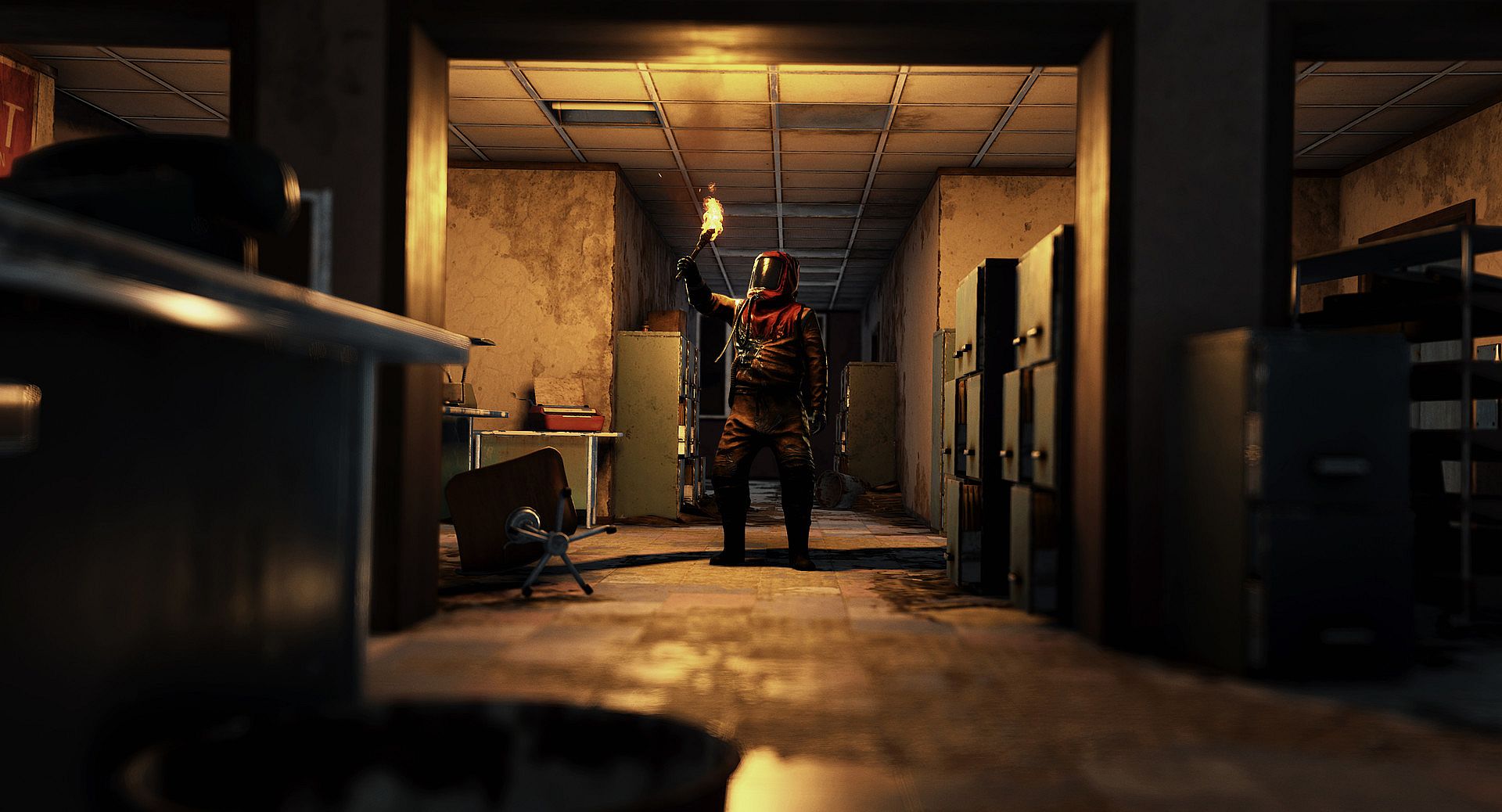
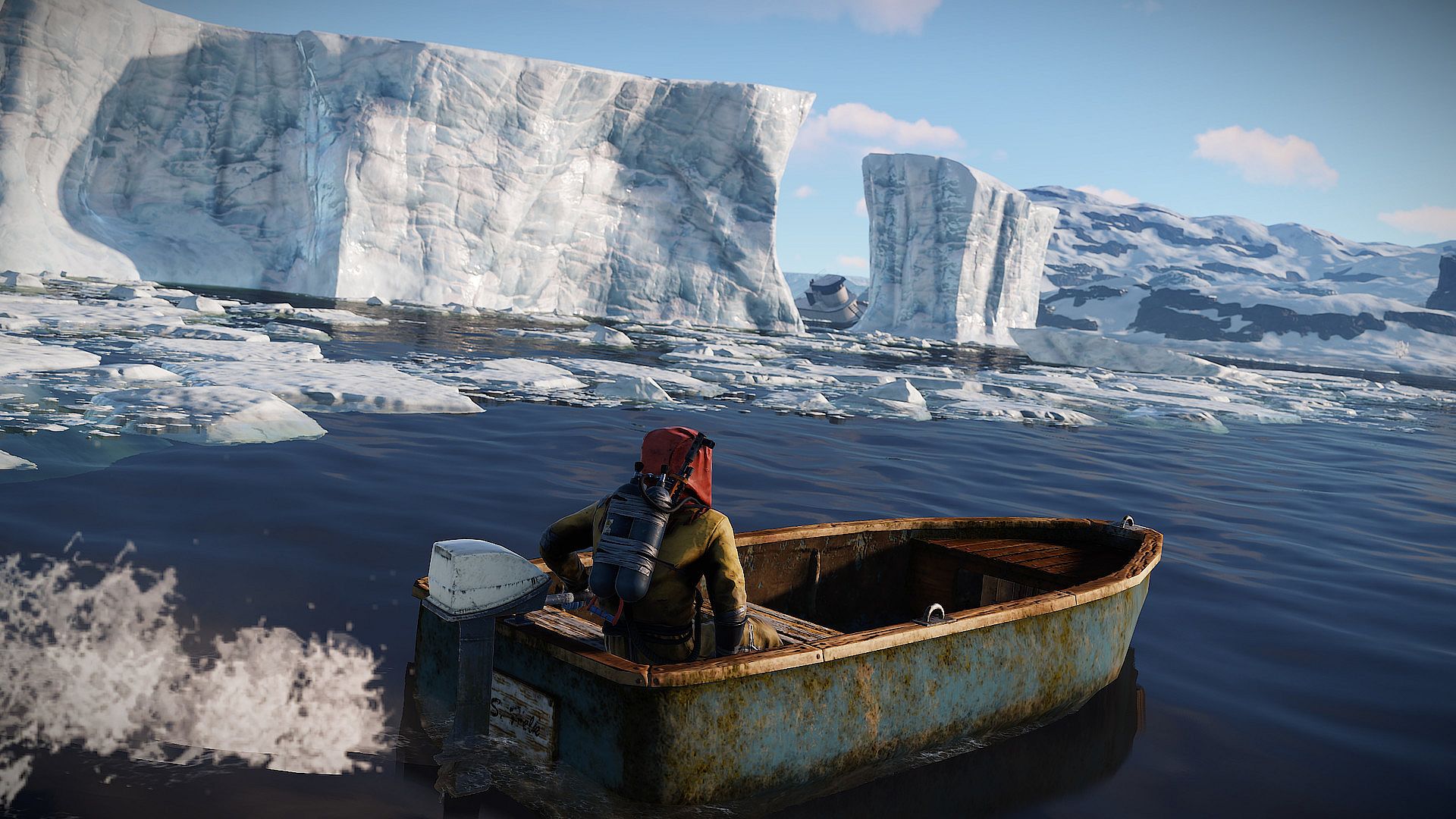
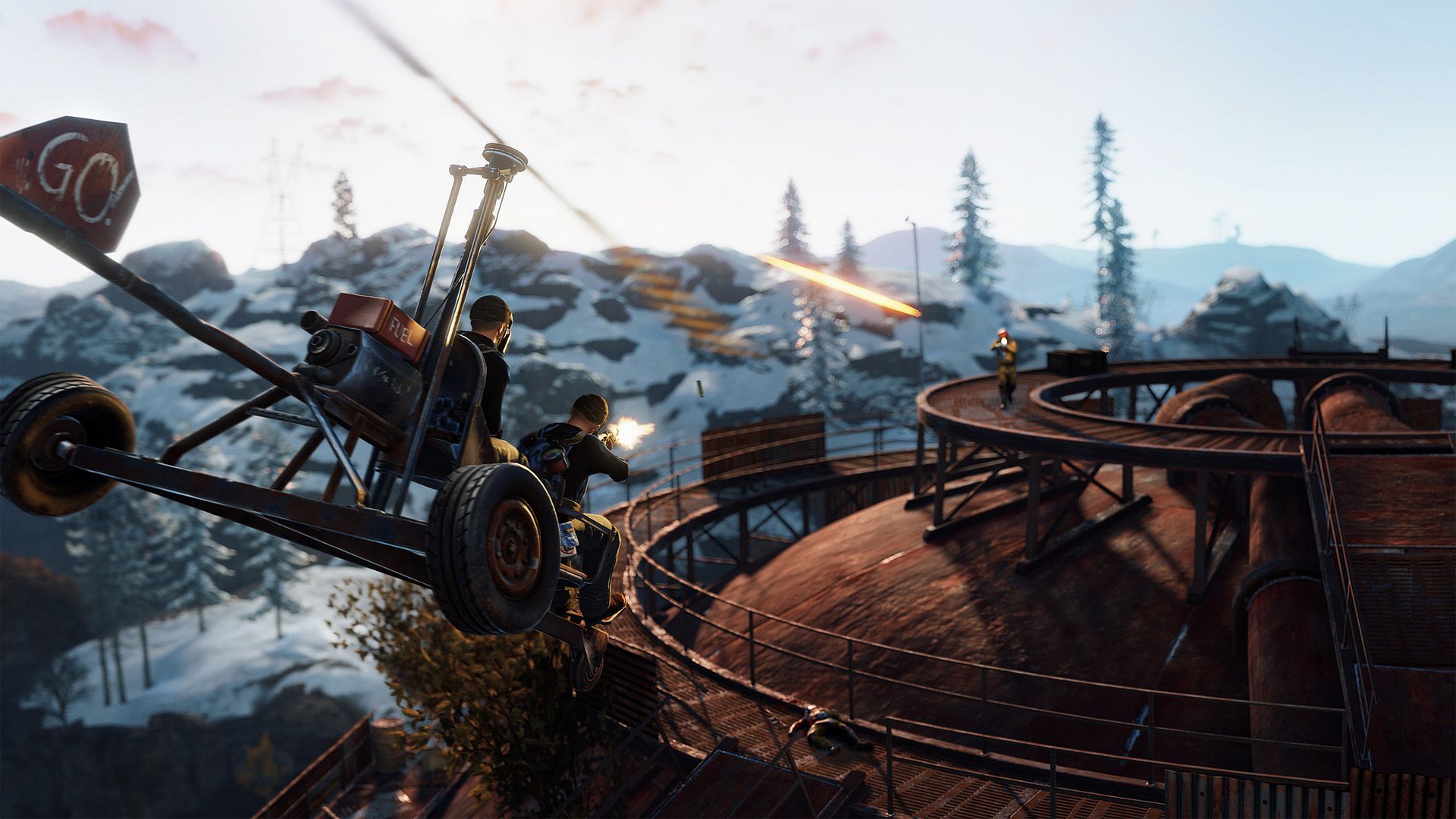
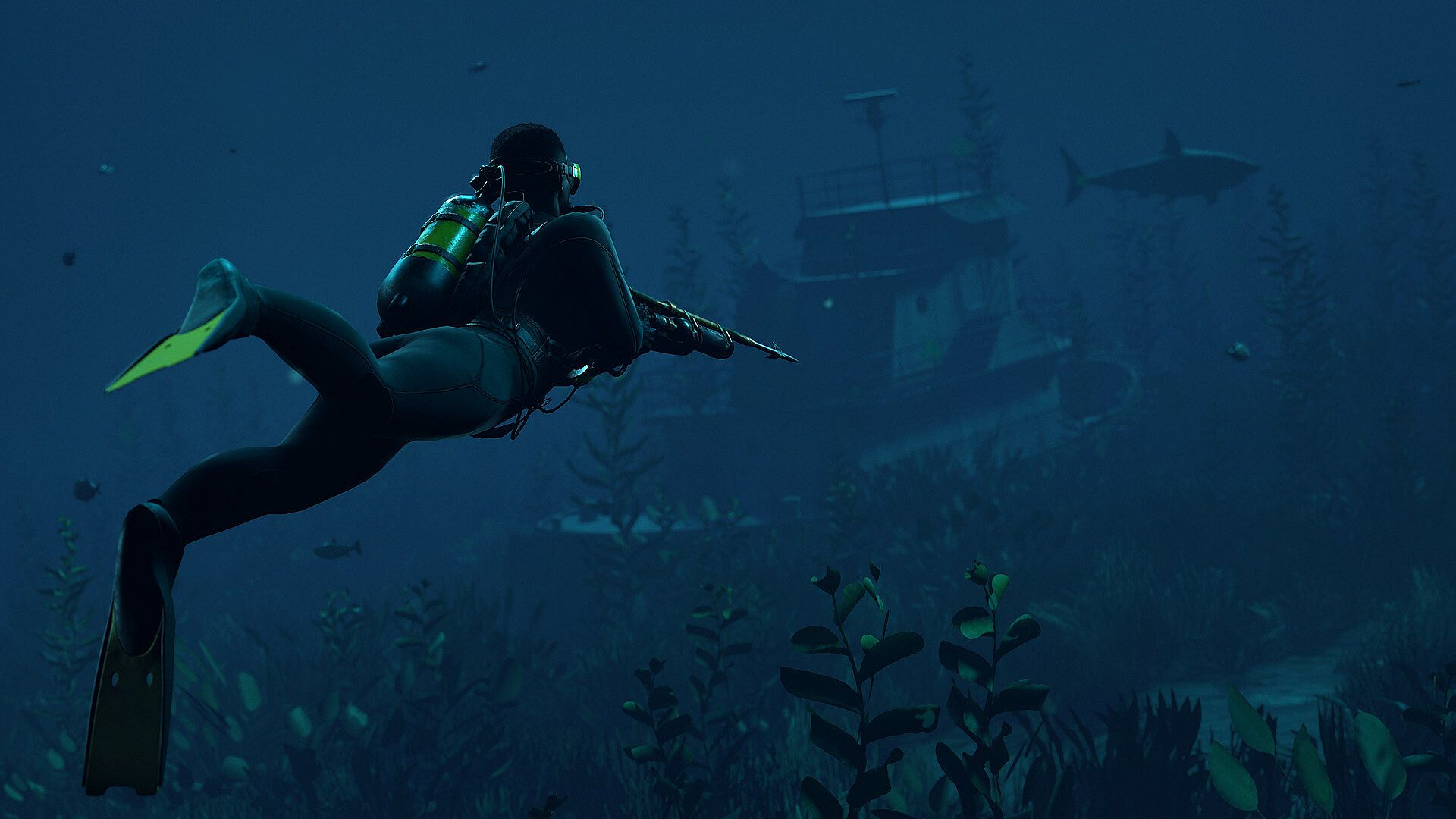
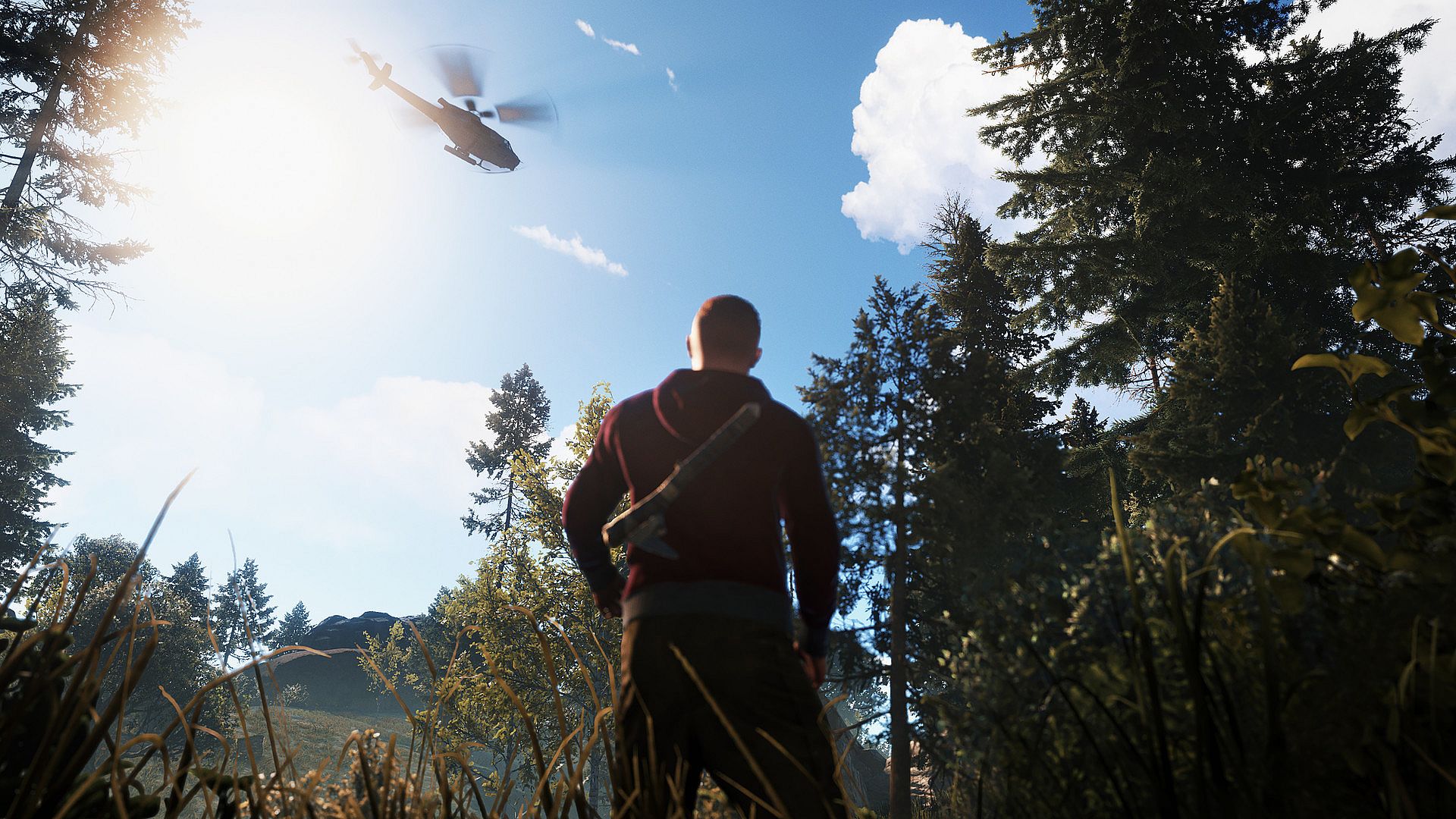
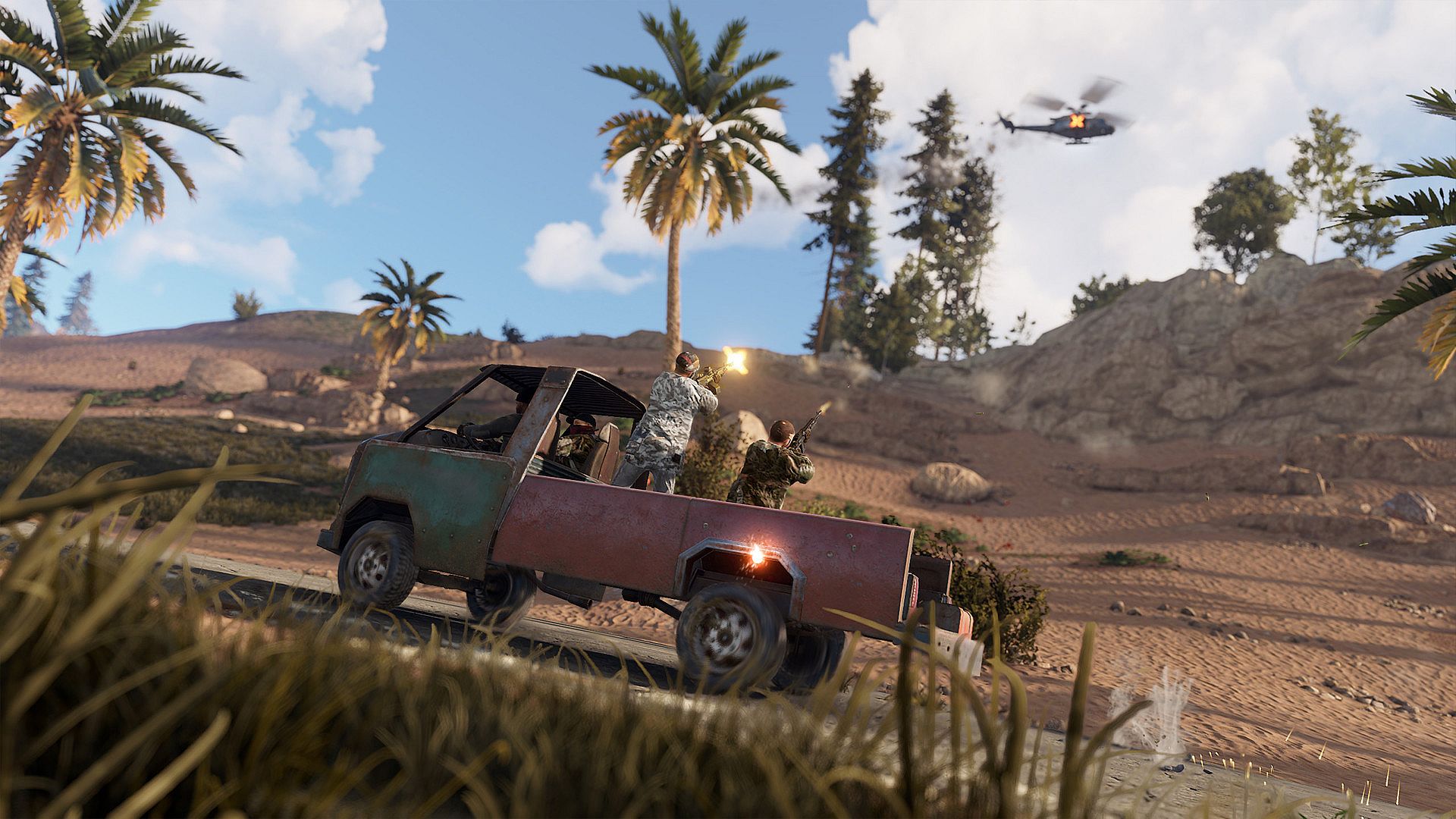
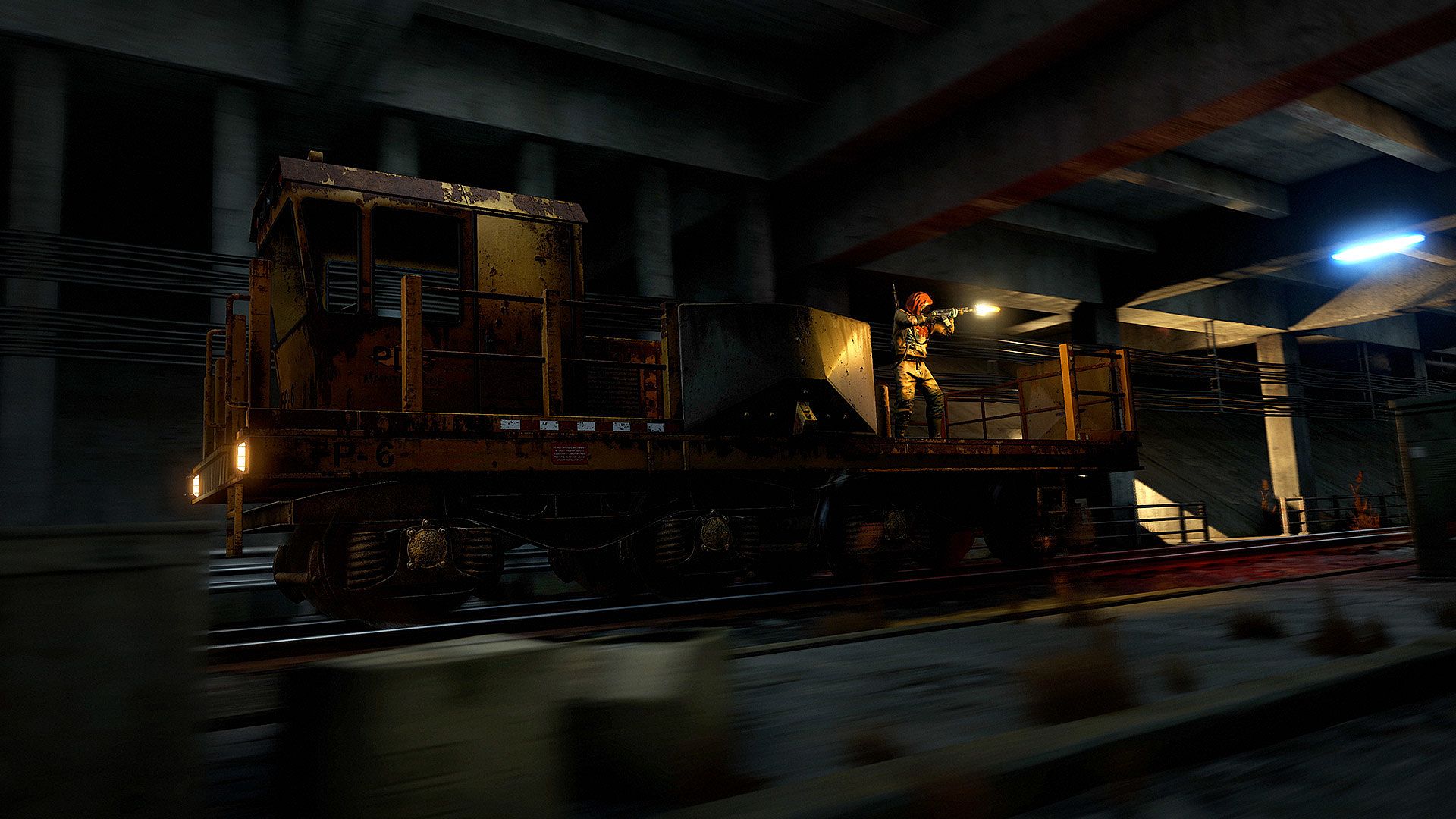
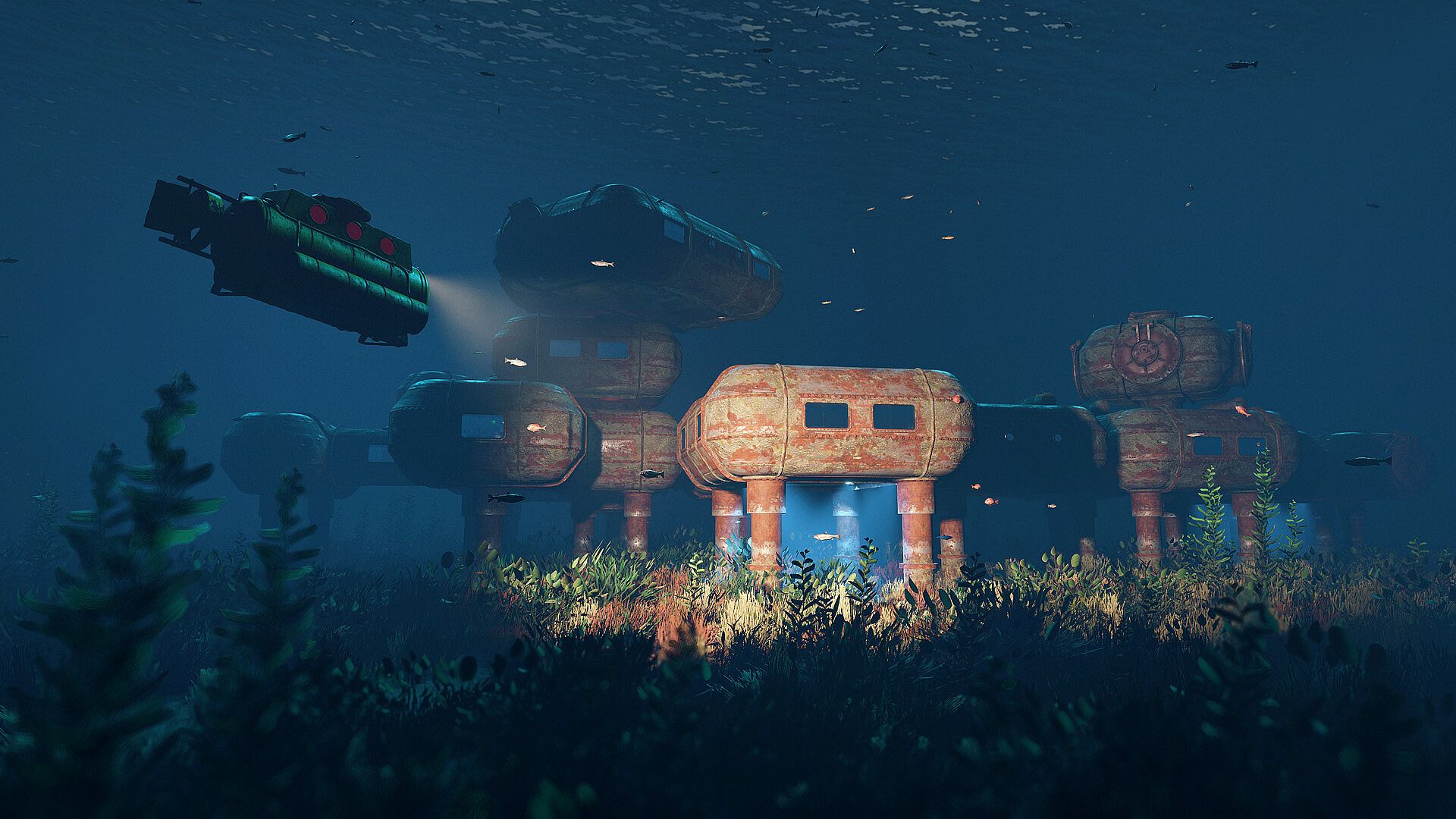
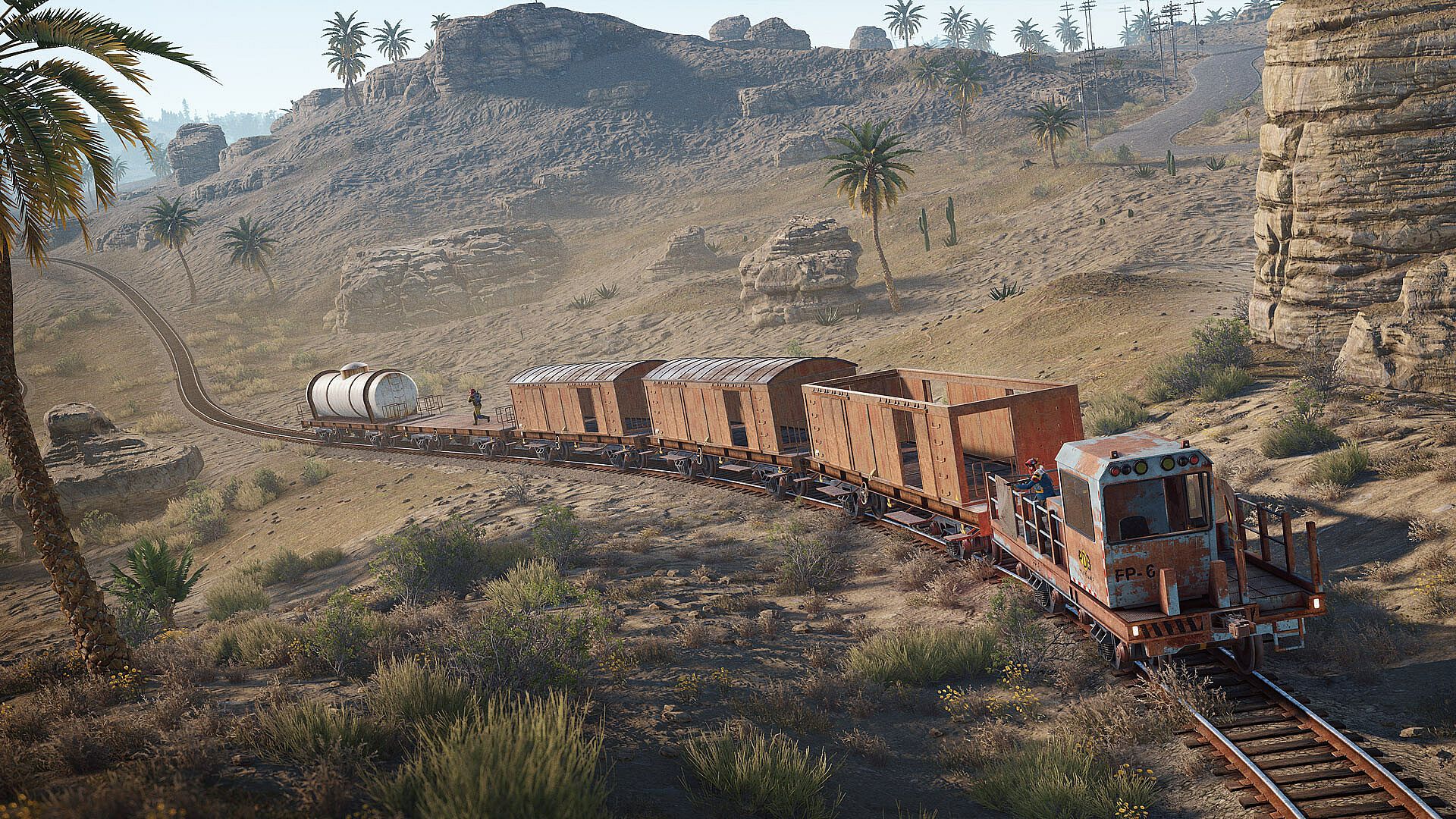
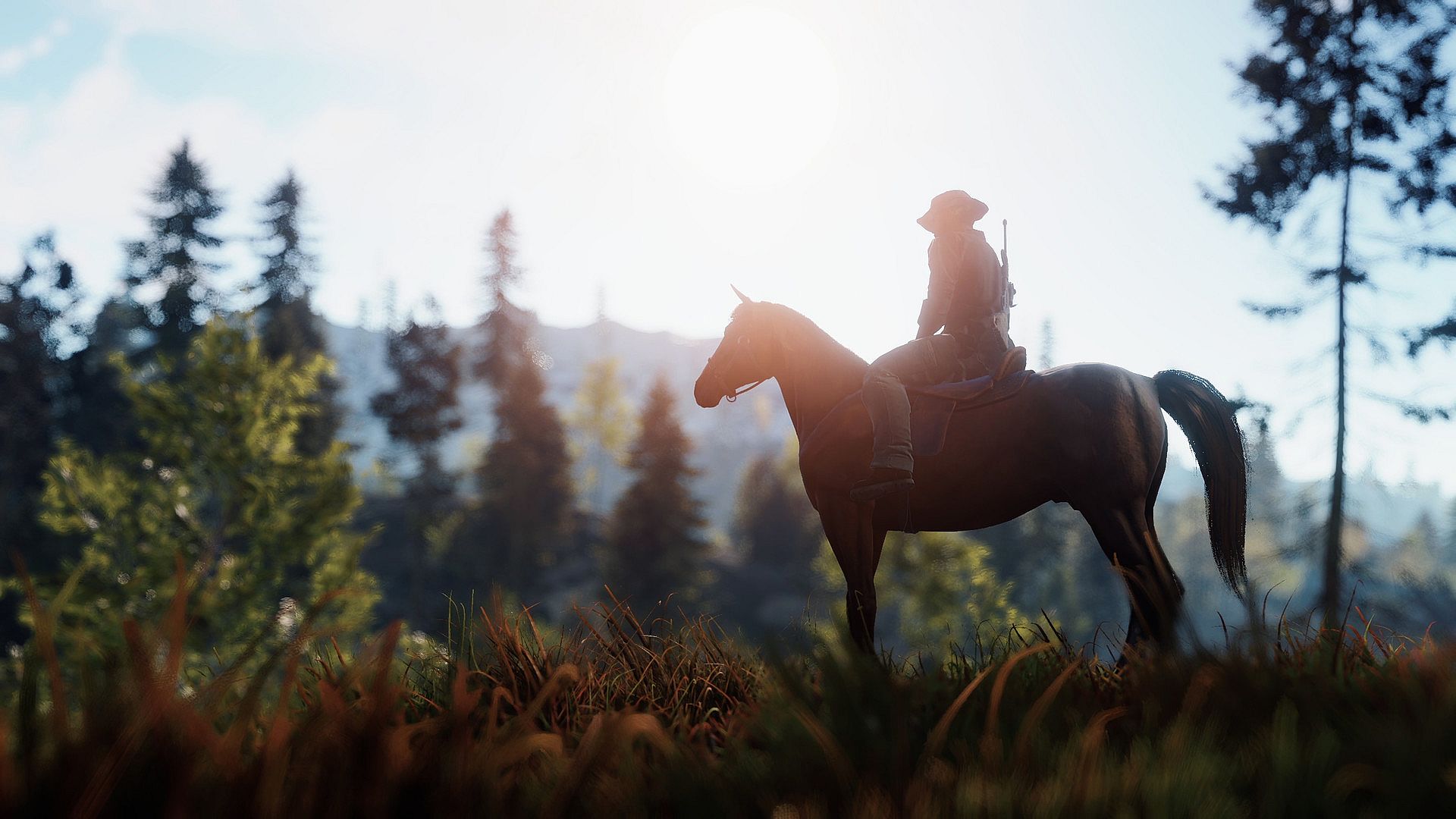
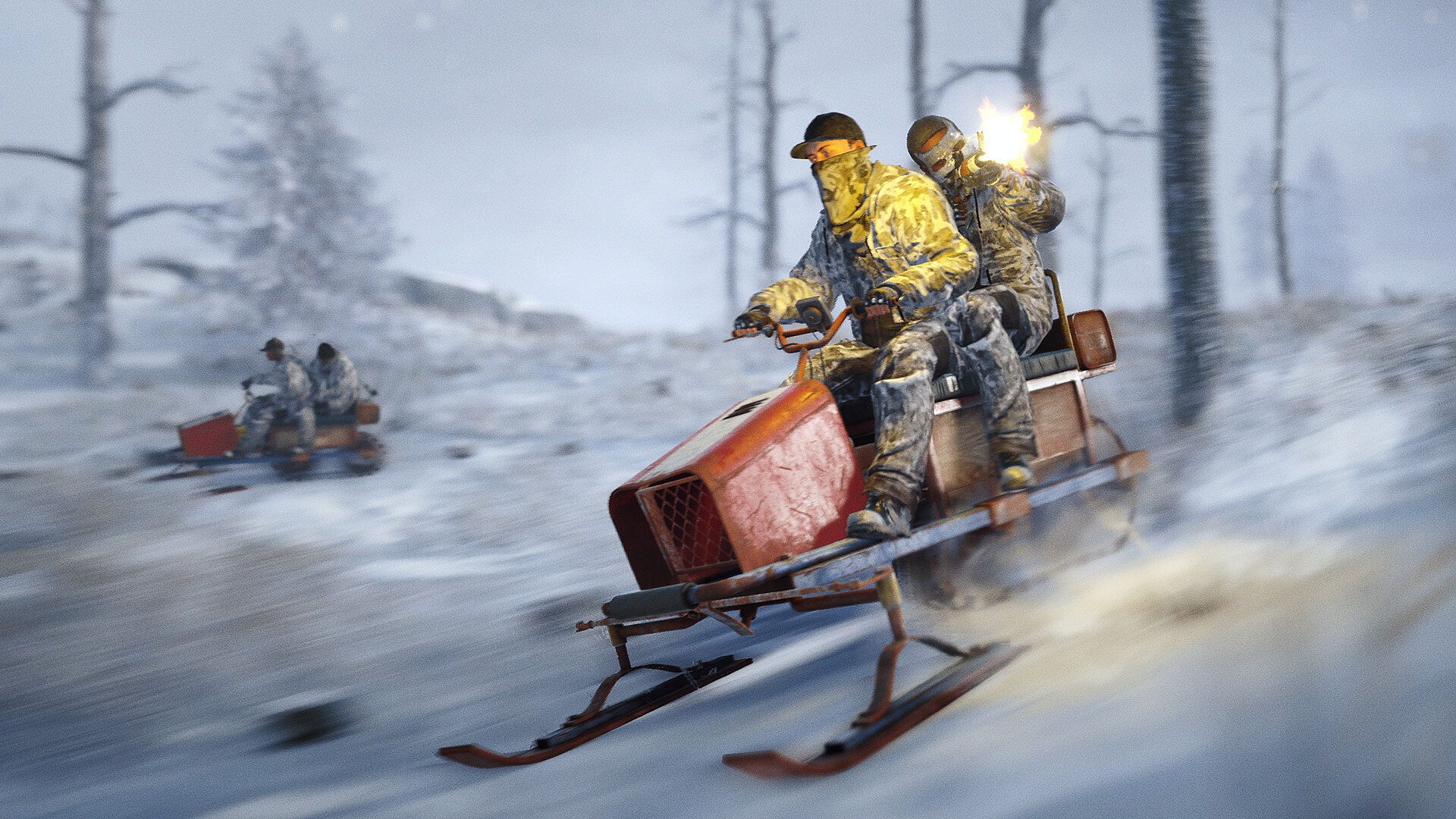
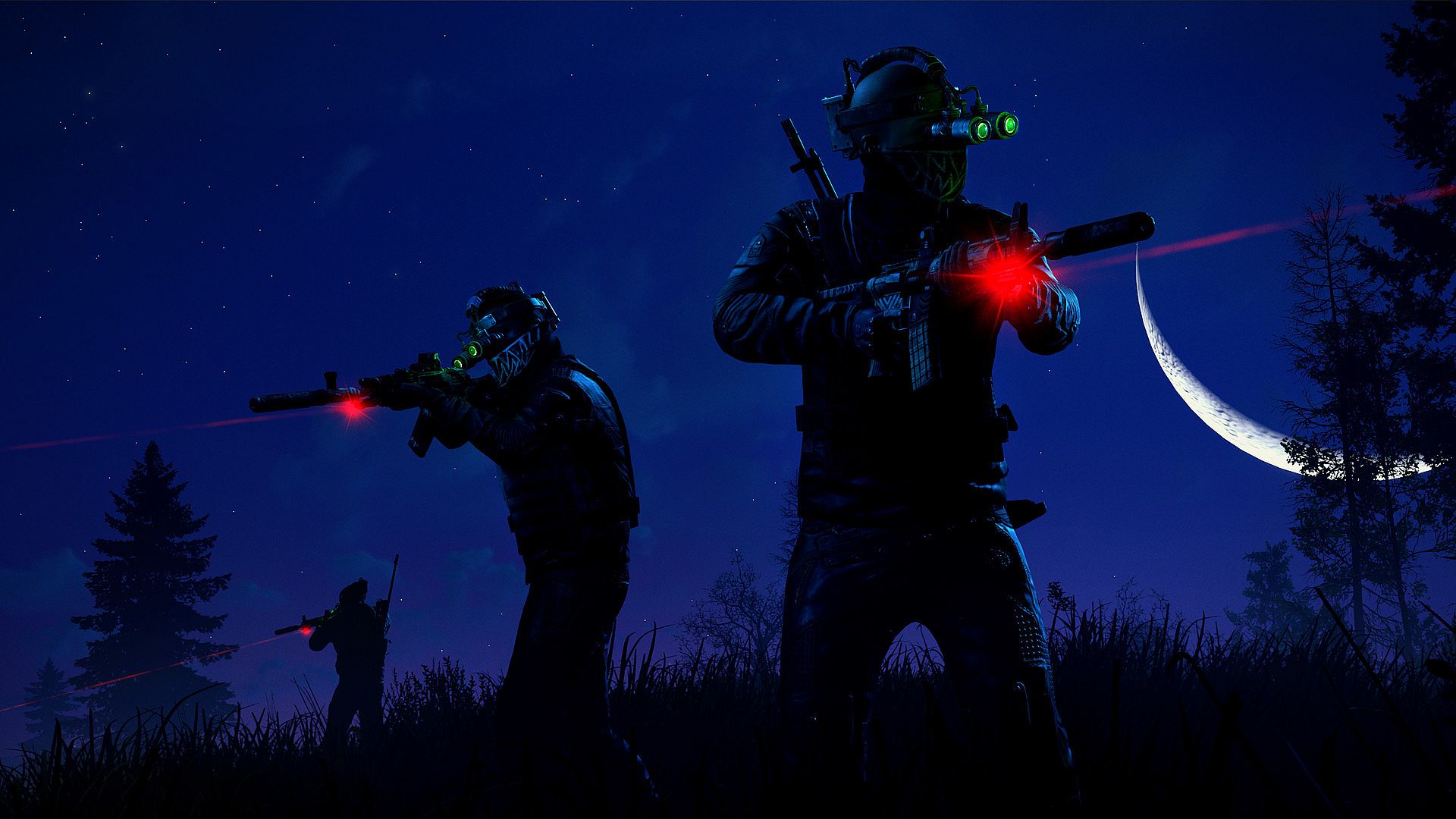
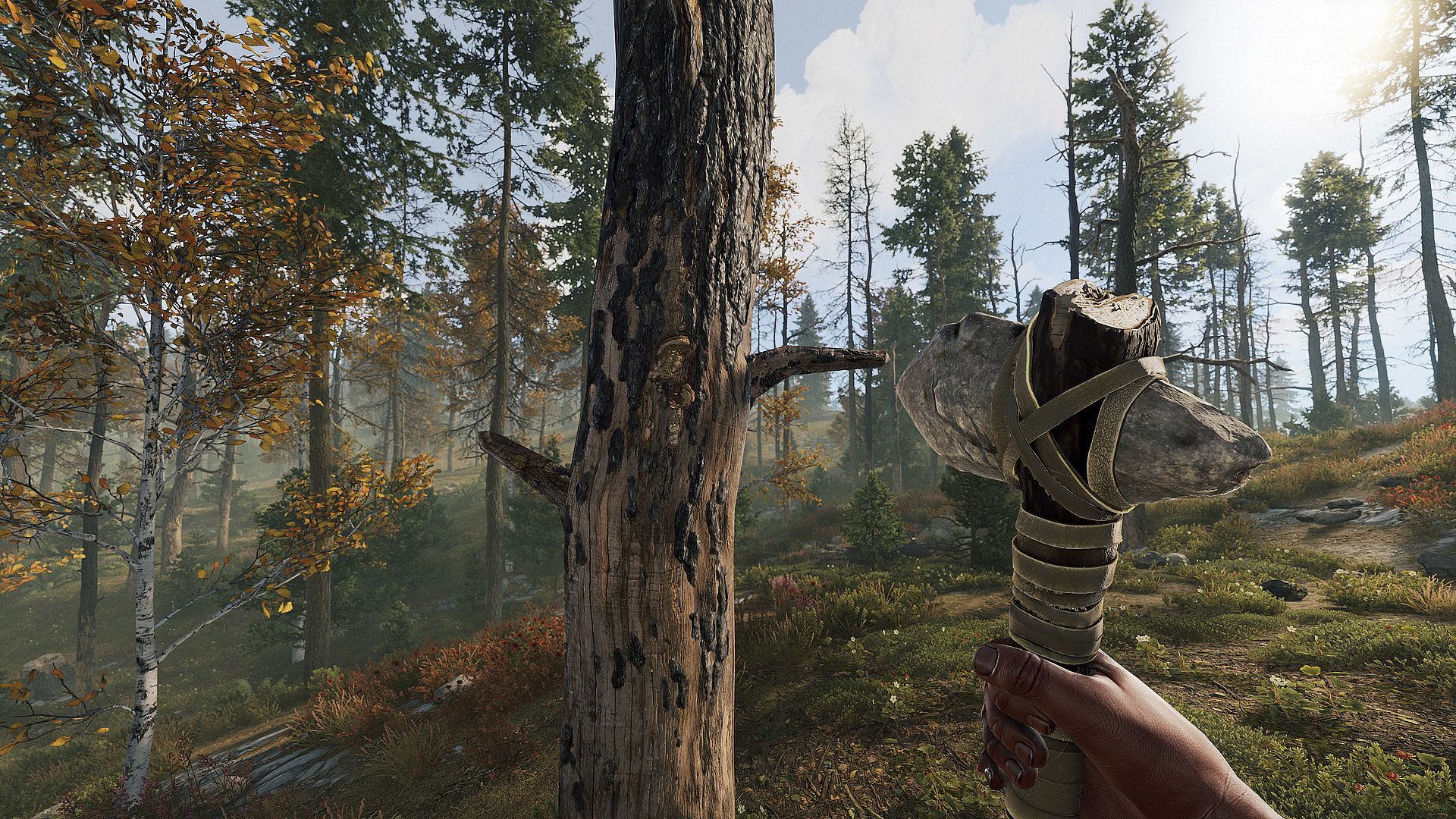
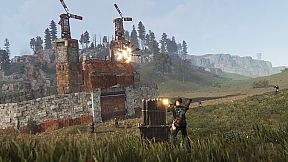
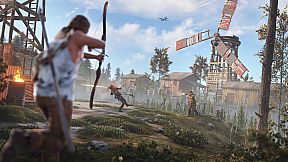
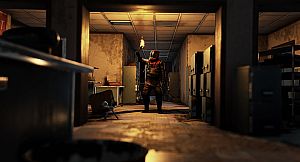
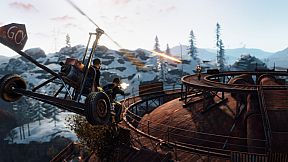
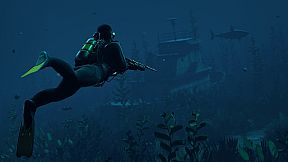
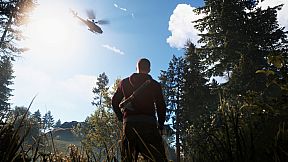
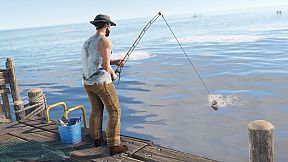
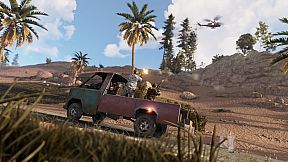
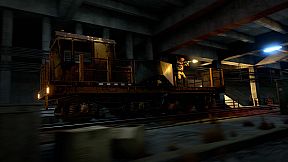
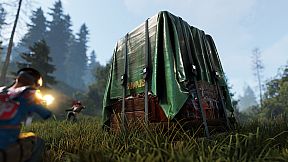
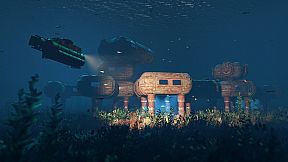
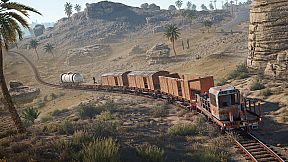
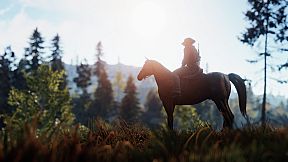
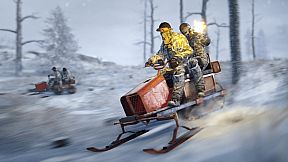
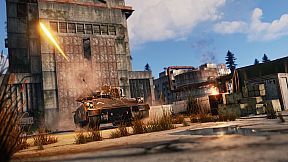
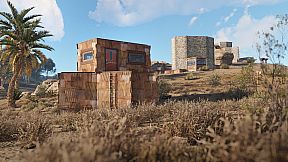
In Rust, players start with nothing but a rock and a torch, forcing them to scavenge resources to craft tools, weapons, and armor. The core loop revolves around gathering materials from the environment, building secure bases to store loot, and defending against raids from other survivors. Environmental threats like wildlife, weather conditions, hunger, and thirst add layers of challenge, while advanced systems let you research a tech tree, set up farms, wire electrical circuits, and automate tasks. Transportation options expand exploration, including horses, modular cars, hot air balloons, helicopters, bikes, trains, and boats, with recent additions like buildable modular boats enhancing naval movement. Raiding involves strategic planning, using items like siege weapons and shields from the 2025 Primitive Update, alongside underwater diving for hidden areas and massive train networks for quick travel across the map.
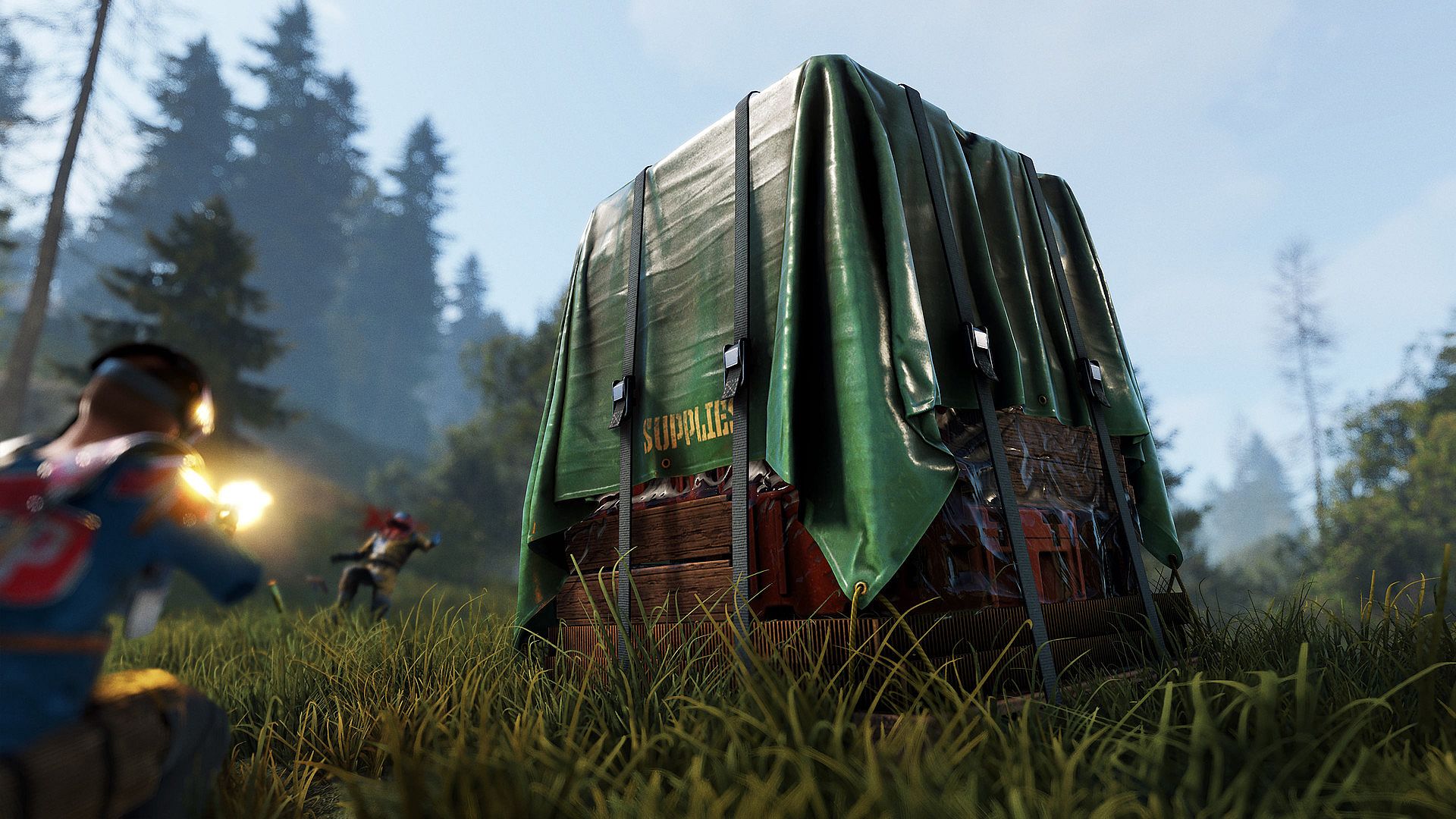
Interactions with others define much of the experience; you can form alliances, trade goods, or launch attacks on enemy bases. The game supports complex mechanics such as performing music with instruments to entertain or distract, and commanding electricity for traps and defenses. Procedural generation ensures varied worlds, and community map editors allow custom designs for hosted servers.
Game Modes
Rust primarily operates in a persistent multiplayer survival mode on dedicated servers, where players compete or cooperate in open-world settings with periodic server wipes to reset progress. These wipes keep the gameplay fresh, often aligning with monthly updates. Seasonal events introduce temporary twists, such as the Lunar New Year celebrations in February 2026, featuring special items like the Ornate Horse Mask, or the Rustmas holiday mode from late 2025 with themed challenges and rewards.
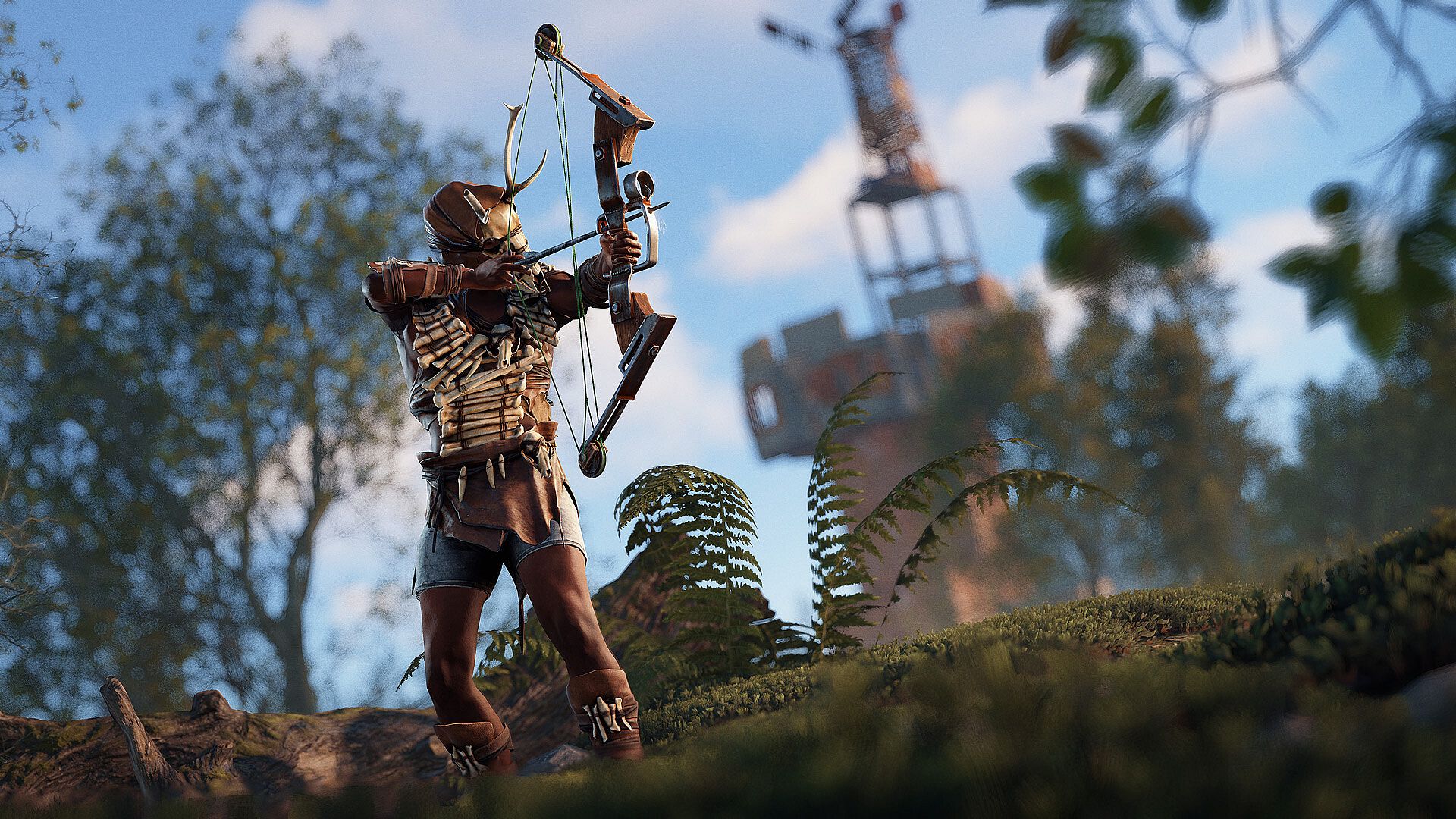
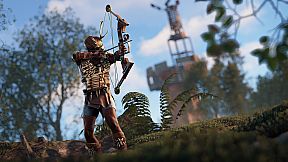
The 2025 Primitive Update added a dedicated primitive mode, restricting technology to early-game items like siege weapons and shields, emphasizing melee combat and basic survival tactics. Servers can be modded for variations, including role-playing scenarios or custom rules, but the standard mode focuses on unrestricted survival with no predefined teams or objectives beyond personal goals.
Recent Updates and Current State
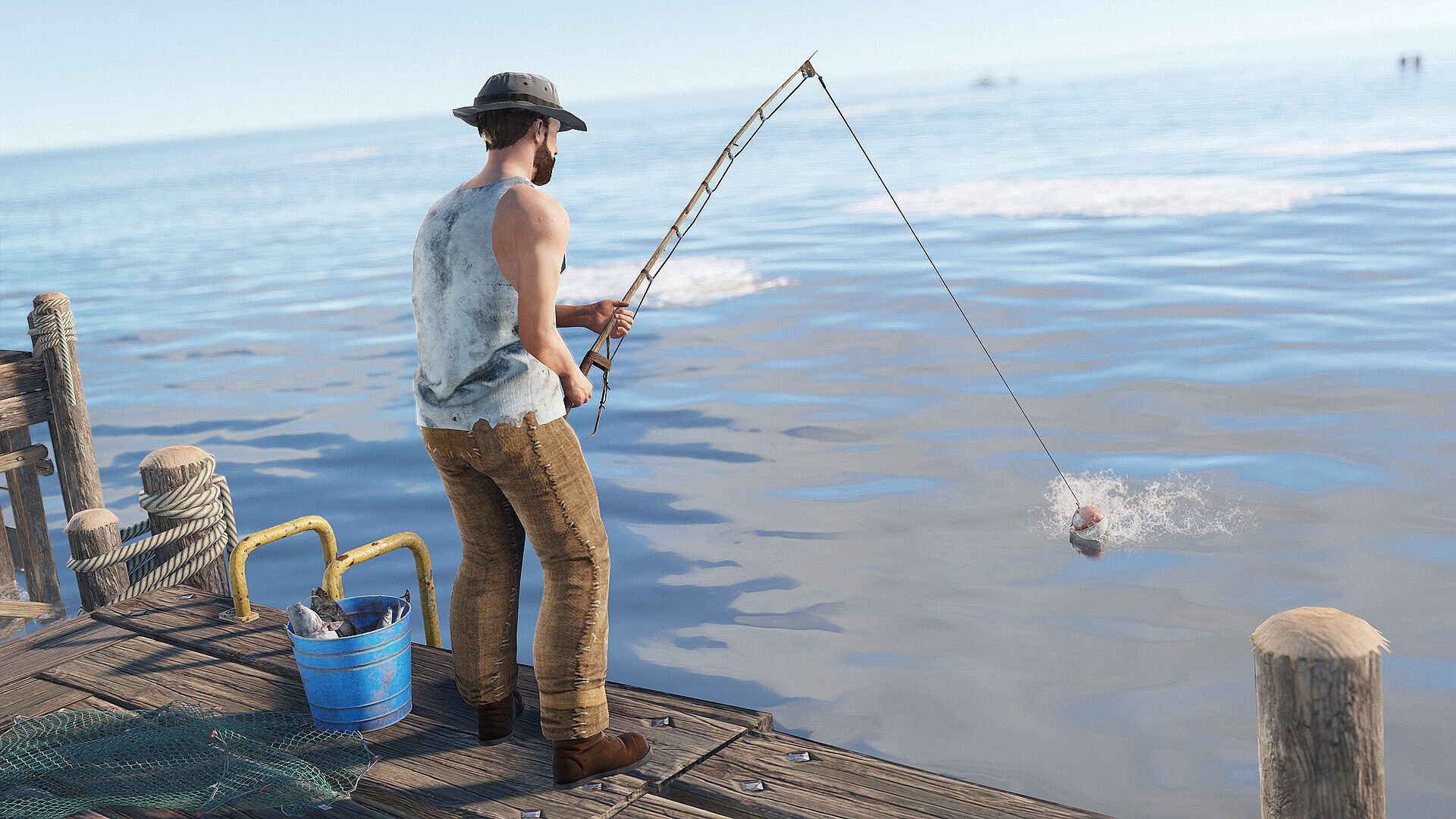
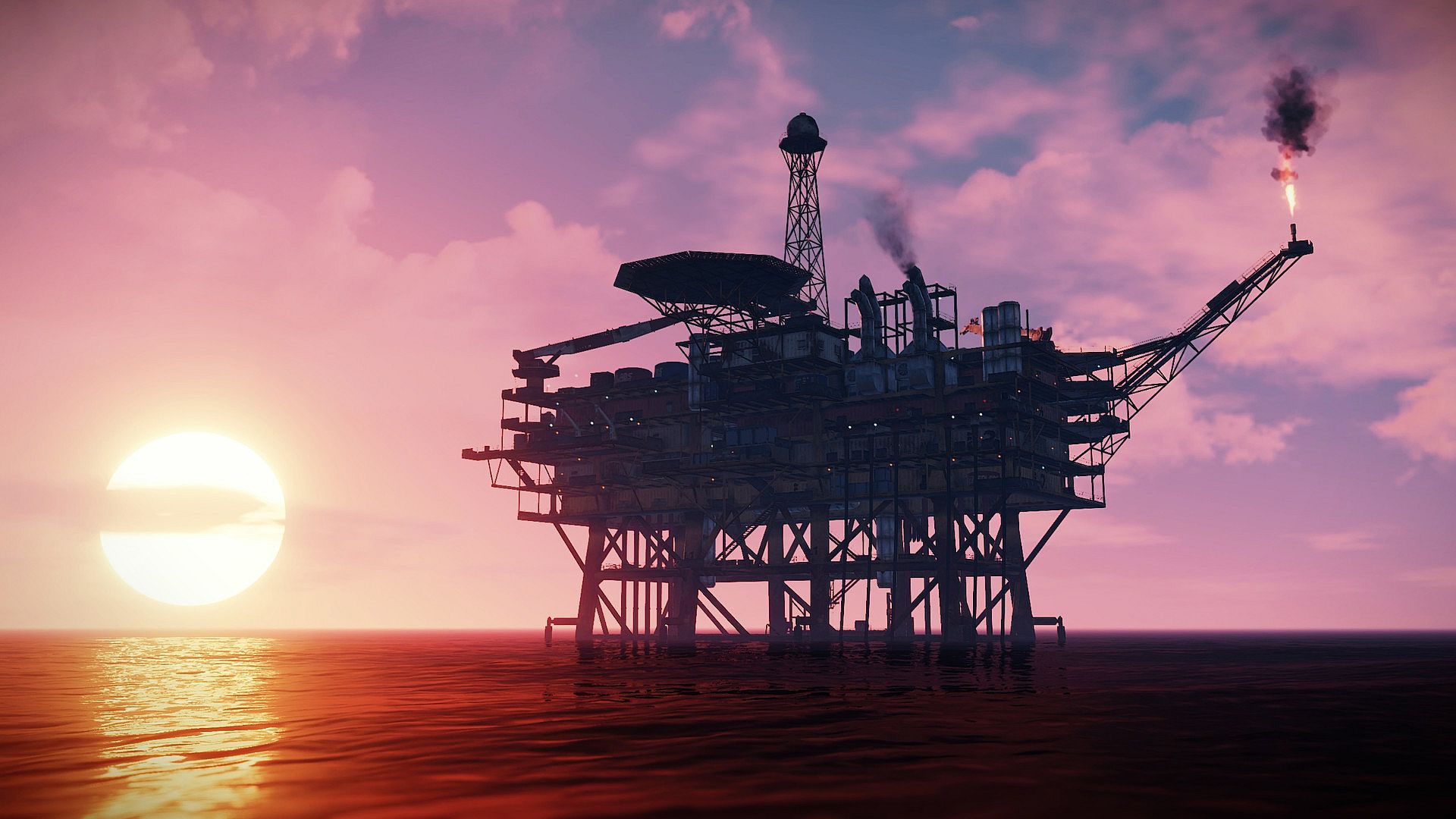
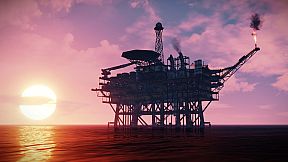
Rust continues to evolve with over 395 content updates since launch, including guaranteed monthly patches for balances, AI improvements, and new features. The February 2026 Naval Update brought deep sea exploration, tropical islands, ghost ships, and enhanced water-based building. Following that, the March 2026 Shipshape Update extended daytime cycles and refined naval combat mechanics. As of March 2026, the game supports cross-platform multiplayer and hosts active communities on official and player-run servers.
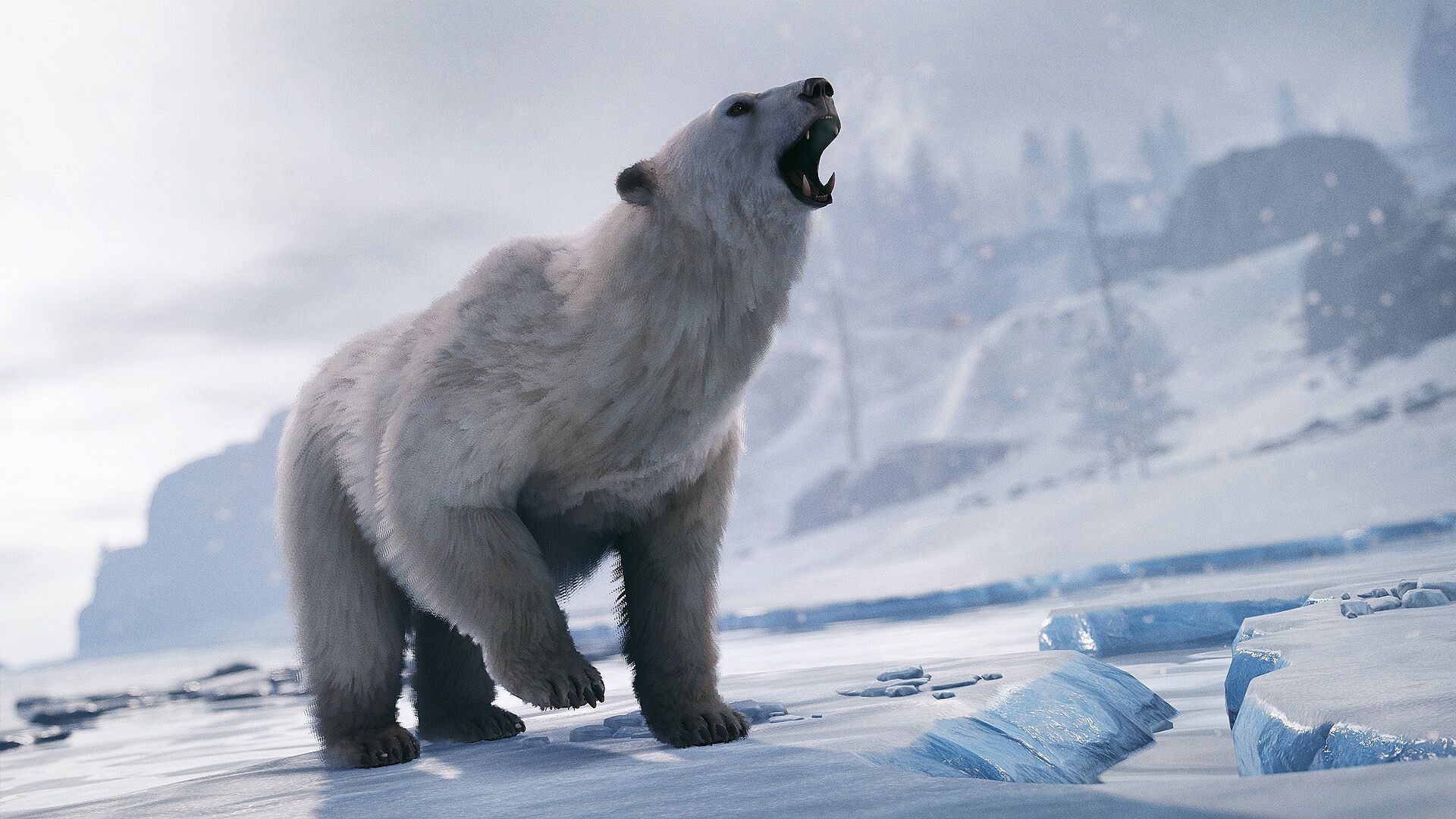
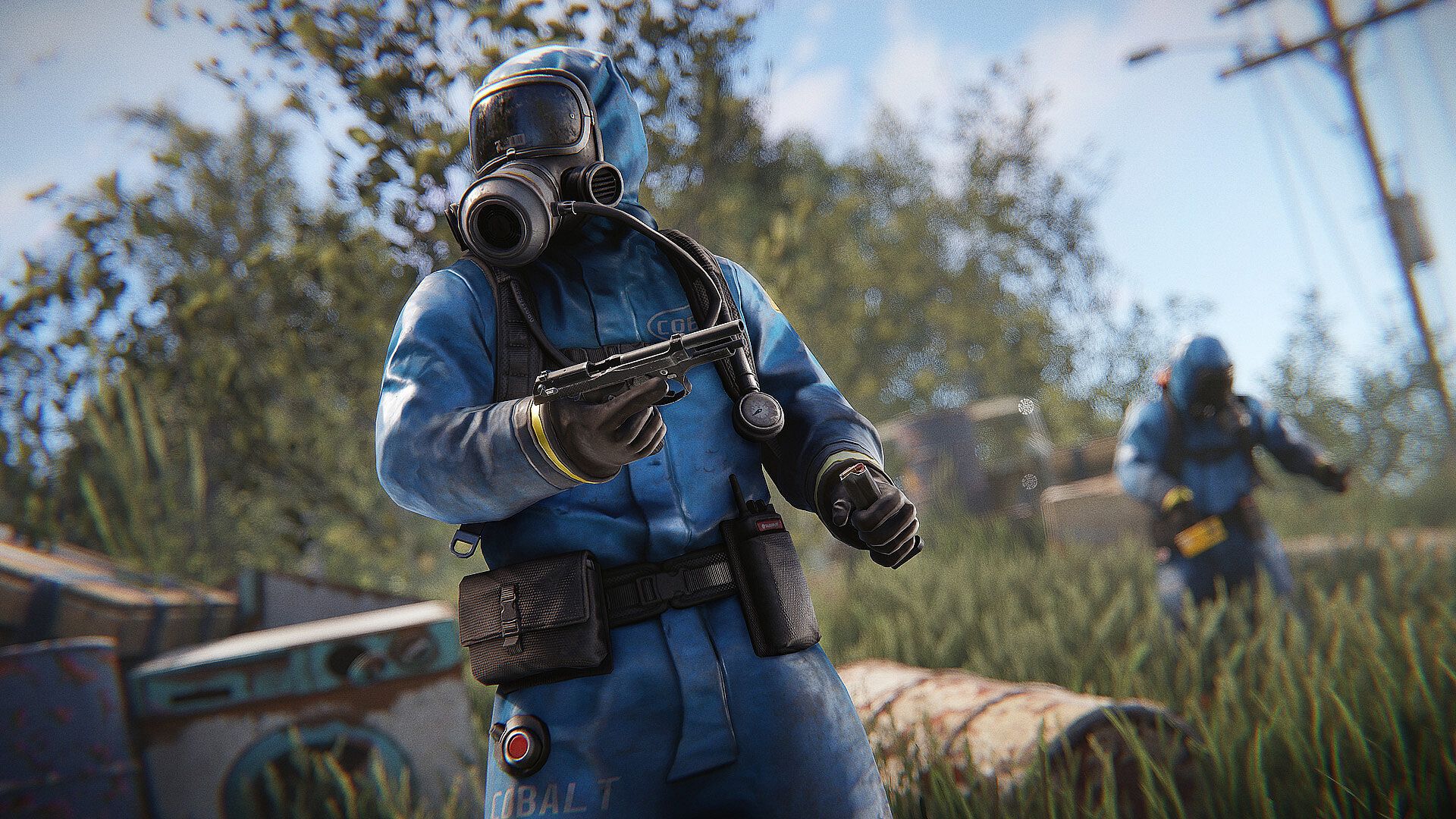
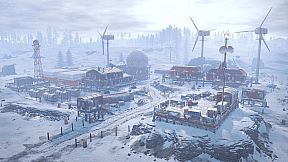
New wildlife, enemies, and monuments appear in updates, like the jungle biome from 2025 with its unique animals and missions. Graphics overhauls and environment tweaks keep the visuals sharp, while quality-of-life changes, such as better inventory sorting, streamline daily play.
Is It Worth Playing?
With a Very Positive rating on Steam from 1,118,559 reviews and 86% approval overall, plus 85% positive in recent reviews from 12,014 players, Rust maintains strong player reception for its intense survival elements and social dynamics. Ongoing support through monthly updates and seasonal events ensures fresh content, like the 2026 Naval expansions. If you thrive on competitive multiplayer survival games with deep crafting, building, and PvP raiding, Rust remains a solid choice in 2026, especially for those who enjoy forming groups or going solo against unpredictable human opponents. Solo players might find it challenging due to the emphasis on interactions, but the constant evolution makes it rewarding for dedicated fans.