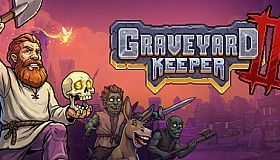





















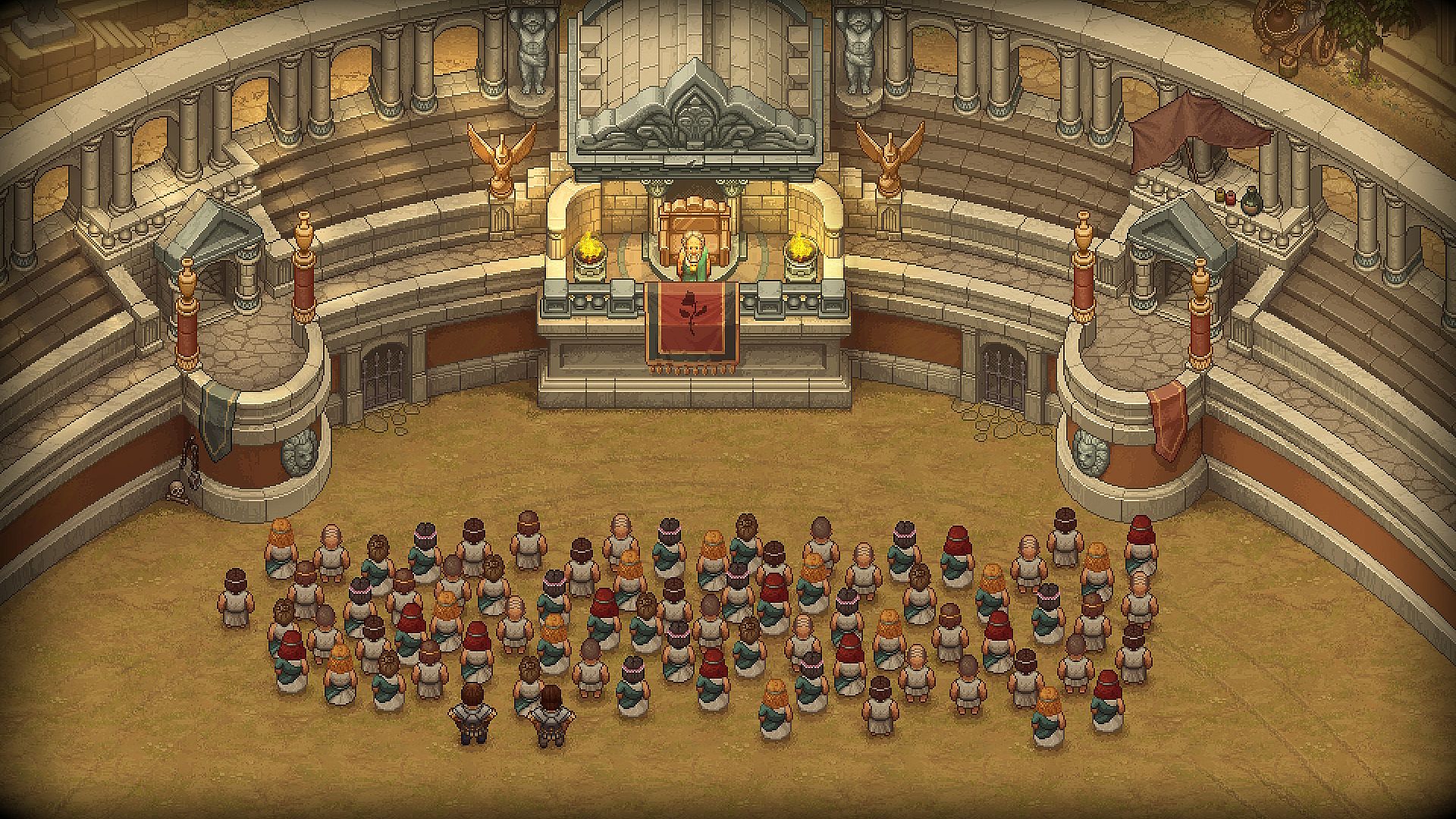
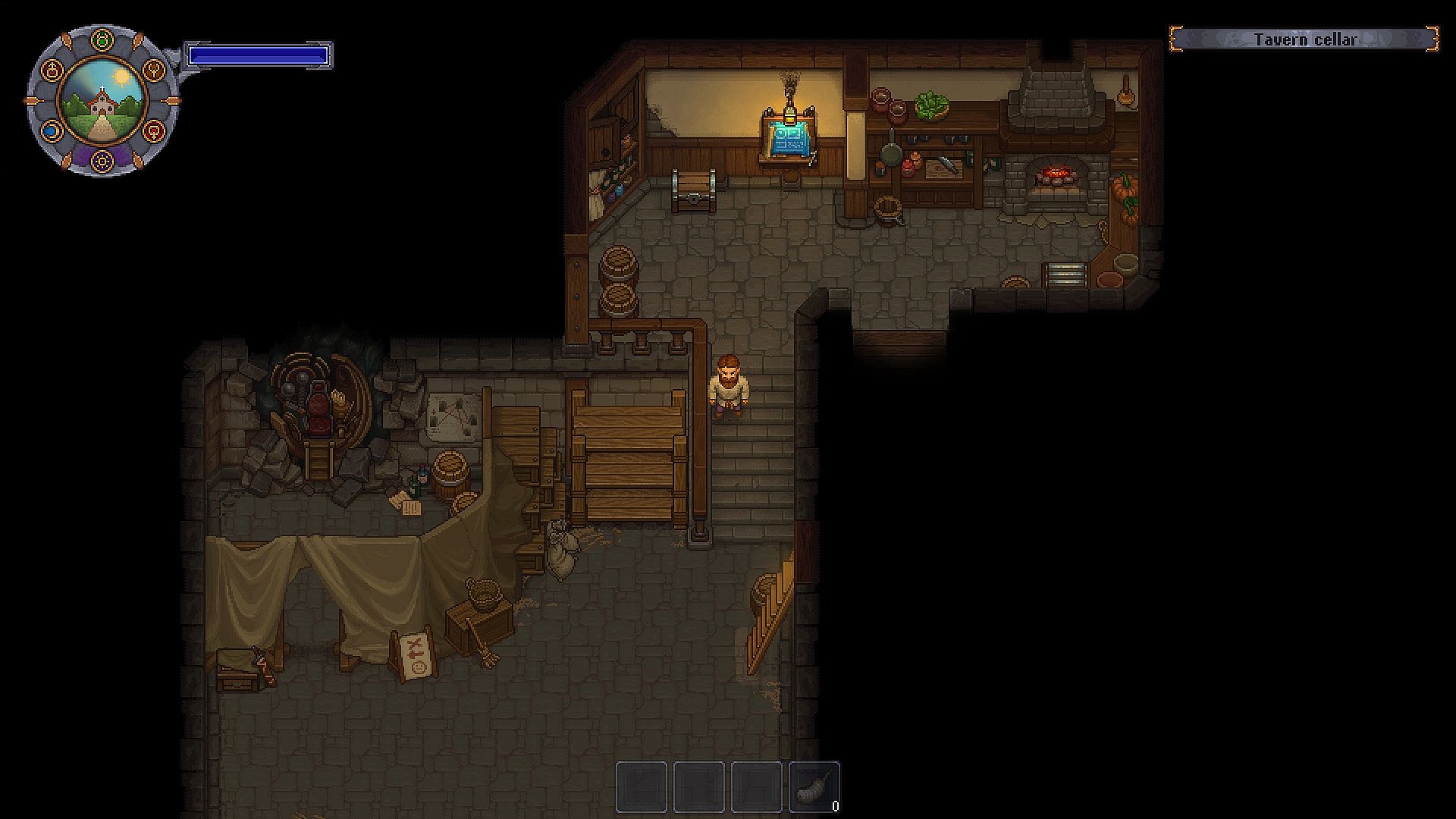
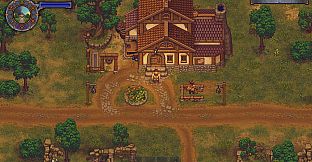
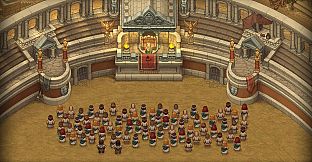
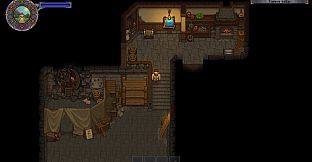
Graveyard Keeper - Stranger Sins is an indie RPG simulation adventure DLC that expands the core Graveyard Keeper experience on PC with new management systems and story content. Players who enjoy blending resource management, building, and narrative progression will find this addition integrates directly into the existing village life loop.
Gameplay
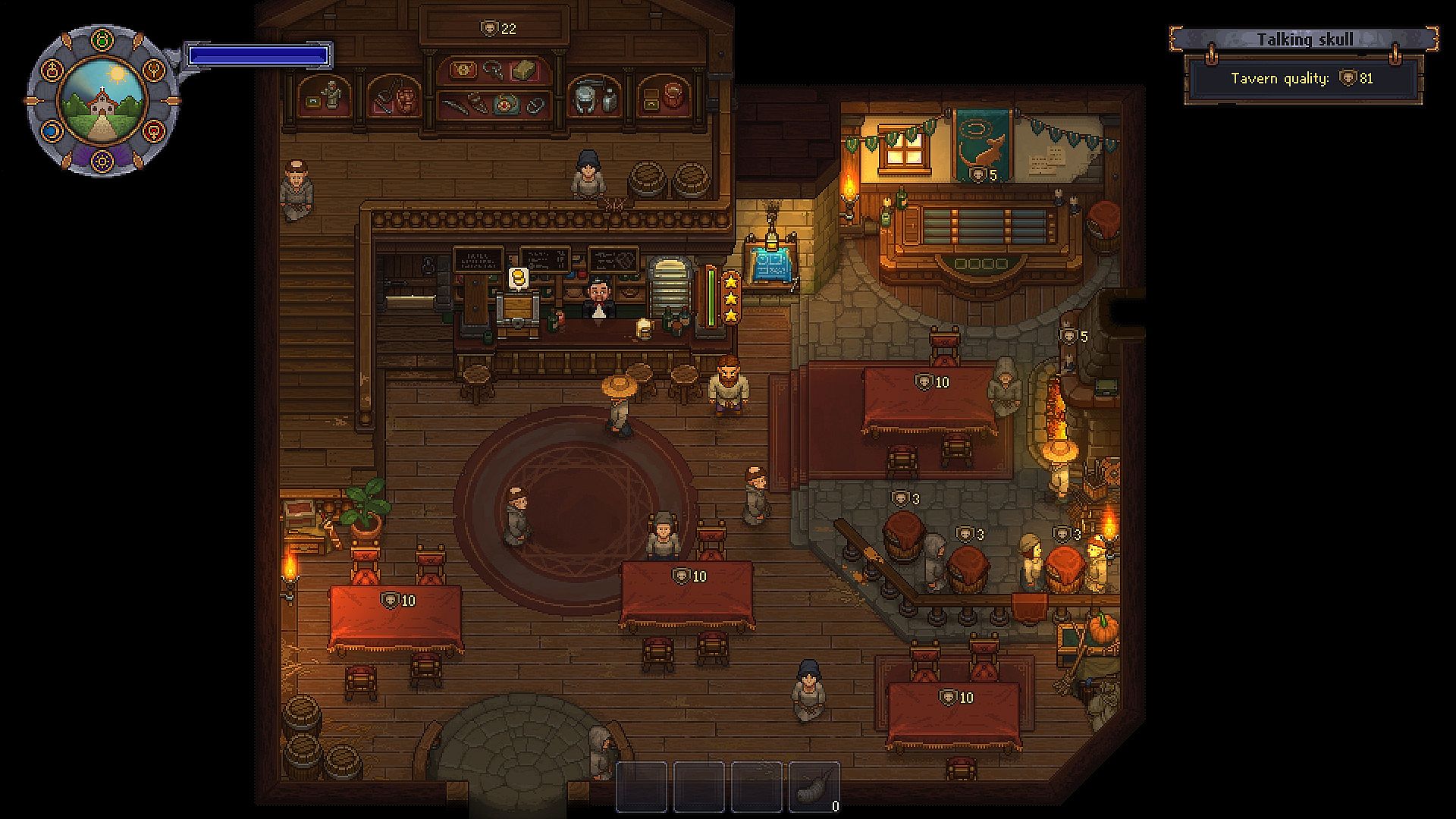
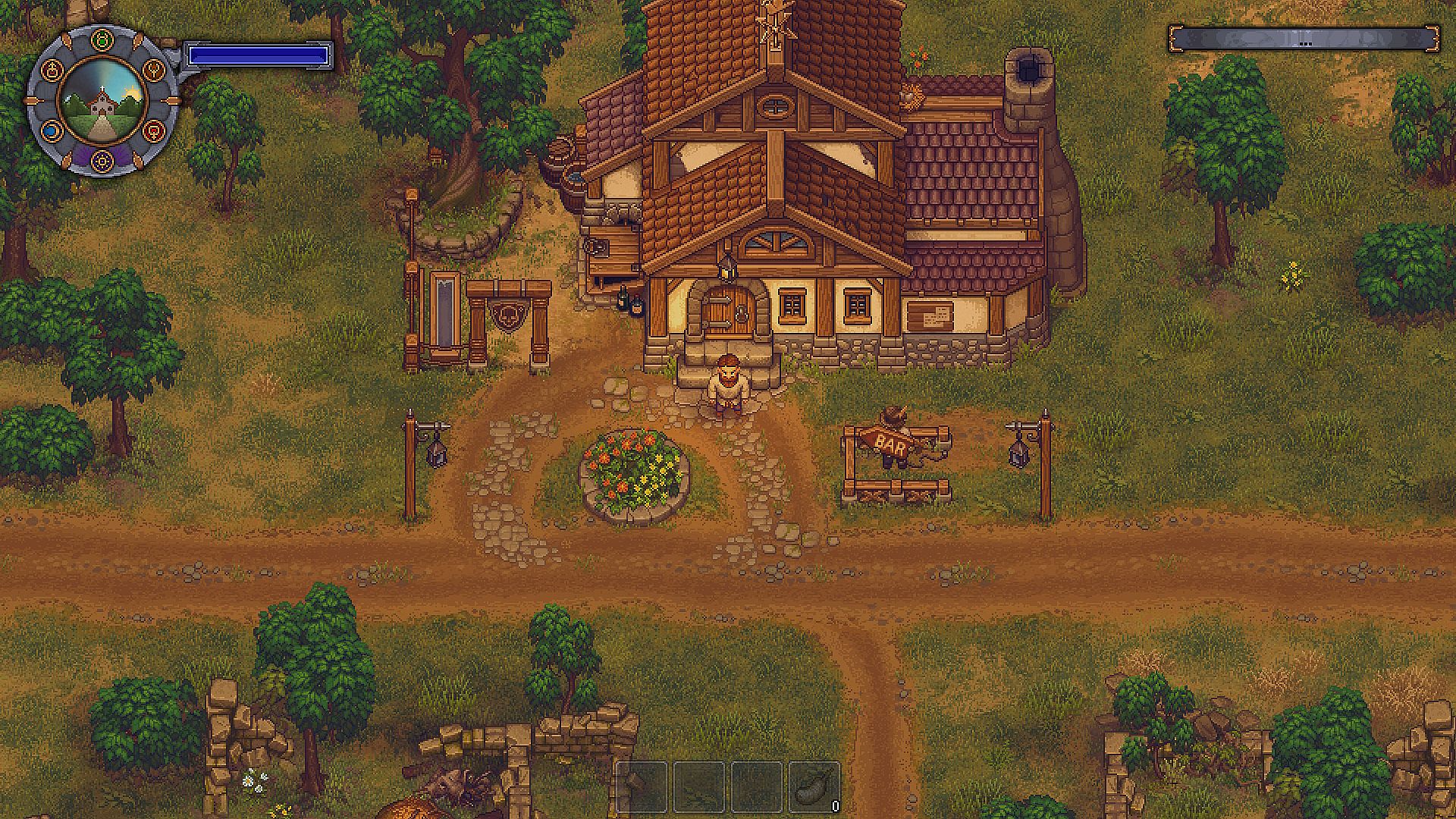
The central addition involves constructing and operating the Talking Skull Tavern. This new building serves as a dedicated space for selling alcohol and food items produced through the game's crafting chains. Players set up tables, barrels, and production lines to automate sales, creating a steady revenue stream that supports other village activities.
Progression ties into a cabinet filled with ancient artifacts. Collecting and placing these items unlocks deeper story elements, including flashbacks to events from two centuries earlier. These revelations connect the player's role in the world to the histories of previously silent villagers.
Quests expand character interactions. Dozens of new tasks focus on individual residents, revealing personal backstories and relationships. NPCs such as the lumberjack, beekeeper, and the Tress brothers gain distinct personalities and dialogue that build on their original silent roles.
Additional mechanics include helping specific characters with memory-related objectives and participating in tavern-based activities. These elements extend playtime by roughly six to twelve hours while maintaining the simulation focus on resource balance and daily routines.
Game Modes
Stranger Sins operates entirely within the single-player framework of the base game. There are no separate multiplayer or competitive modes introduced. Instead, the DLC layers tavern management onto the existing simulation structure, where players alternate between graveyard duties, crafting, and now hospitality operations.
Event organization forms a key part of the new loop. Players arrange rat races and stand-up performances at the tavern to draw customers and generate income. These events require preparation through resource gathering and setup, fitting naturally into the broader cycle of production and village improvement.
Quest-driven exploration serves as another structural element. Story content unfolds through artifact collection and NPC conversations rather than dedicated campaign modes. This approach keeps all activity contained within the open village environment without branching into isolated scenarios.
Story and Character Development
The narrative layer centers on uncovering the village's past through the artifact cabinet. Each placed item triggers recollections that explain longstanding mysteries and the player's connection to the setting. This system rewards consistent tavern operation with incremental revelations.
Character expansion gives voice and depth to many background figures. Interactions during quests highlight their quirks and histories, often in humorous or unexpected ways that align with the game's tone. Players learn about alliances, rivalries, and personal motivations that were previously implied but not detailed.
These elements integrate with core systems like crafting and building. Tavern profits fund further upgrades, while new quests provide materials and insights that advance both story and practical goals simultaneously.
Is It Worth Playing?
Stranger Sins appeals most to players who already enjoy the base game's mix of management and light role-playing. The tavern system adds a reliable income source and fresh daily tasks without disrupting established routines.
Reception among owners highlights its seamless fit and focus on story expansion through familiar mechanics. It stands out among available DLC options for delivering both mechanical variety and narrative payoff in a compact package.
Those seeking additional single-player content centered on building, crafting, and gradual world discovery will find value in the extended quests and event management. Availability requires the base game, and the content remains relevant for ongoing play sessions focused on village development.