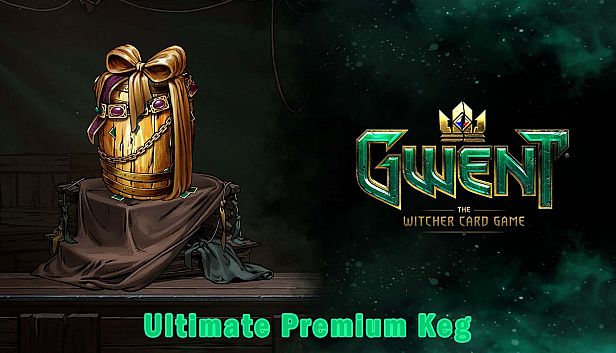


GWENT: The Witcher Card Game is a free-to-play digital collectible card game that draws from the Witcher universe for its setting and characters. Players build decks and compete in online PvP matches that emphasize strategy, timing, and resource management over random chance. The game blends elements of collectible card games and trading card games, with matches unfolding across multiple rounds where each side aims to outscore the opponent through careful card placement and ability use.
Gameplay
Matches follow a structured format with two players facing off across a shared battlefield divided into melee and ranged rows. Each participant begins with a hand of 10 cards drawn from a 25-card deck. On every turn, a player selects and plays one card, which may carry base power values along with special abilities that can boost allies, hinder opponents, or alter the board state. The objective in each round centers on accumulating the highest total power from cards on the board. A player wins the overall match by securing victory in two of the three rounds.
Deck construction plays a central role, as cards carry provision costs that limit how many high-impact units or spells can fit into a single list. Players must balance aggressive early plays with defensive options held in reserve, since the starting hand allows immediate access to any card. This setup rewards foresight in sequencing plays and adapting to an opponent's revealed threats. Visual presentation features detailed hand-drawn artwork on every card, paired with effects that highlight key moments during clashes.
Game Modes
Classic mode serves as the core competitive experience, available in both ranked ladders where players climb tiers through consistent wins and casual queues for relaxed matches. Seasonal modes rotate on a monthly basis, introducing rule variations that shift how decks function or how rounds resolve, encouraging experimentation with different strategies each cycle. Arena mode operates as a draft format where participants select cards on the fly to assemble a temporary deck, leading to shorter, high-variance sessions that test adaptability rather than long-term collection strength.
These options support different play styles, from quick friend matches to deeper ranked progression. The variety keeps the experience fresh without requiring mastery of every format at once.
Factions and Deck Building
Six distinct factions provide the foundation for deck variety, each favoring particular mechanics and play patterns drawn from the Witcher setting. Neutral cards, including recognizable figures such as Geralt and Yennefer, can supplement any faction list. Building a competitive collection happens gradually through regular play, with a progression system that delivers new cards steadily and without restrictive paywalls for core content.
Strategic depth emerges from how factions interact with the two-row board and round structure. Some lean toward overwhelming force in one row, while others excel at disruption or sustained pressure across multiple turns. Players refine their approach by adjusting card ratios and testing responses to common opposing strategies.
Is It Worth Playing?
The game maintains active support through regular seasonal rotations and a community-driven Balance Council that implements targeted adjustments to card power and costs each month. This setup keeps the meta evolving even after the shift to a stable card pool known as Gwentfinity. Progression feels rewarding because matches themselves grant resources toward new cards, allowing dedicated players to assemble strong decks over time.
Reception highlights the emphasis on skill and decision-making, with many appreciating the fair free-to-play model and high production values in card art and animations. It suits those who enjoy tactical card games with a focus on bluffing and adaptation rather than pure collection grinding. Newcomers can start without spending money and still compete effectively after learning the fundamentals. For fans of The Witcher or anyone seeking a strategic PvP card experience on PC, the current state offers consistent updates and a mature ruleset worth exploring through its free entry point.