

GWENT: The Witcher Card Game stands out as a free-to-play strategy card game set in the rich universe of The Witcher series. It combines elements of collectible card games and trading card games, focusing on tactical duels where players build decks and compete in online PvP matches. With its emphasis on bluffing, quick decisions, and strategic depth, this title appeals to those who enjoy thoughtful multiplayer confrontations without relying heavily on luck.
Gameplay
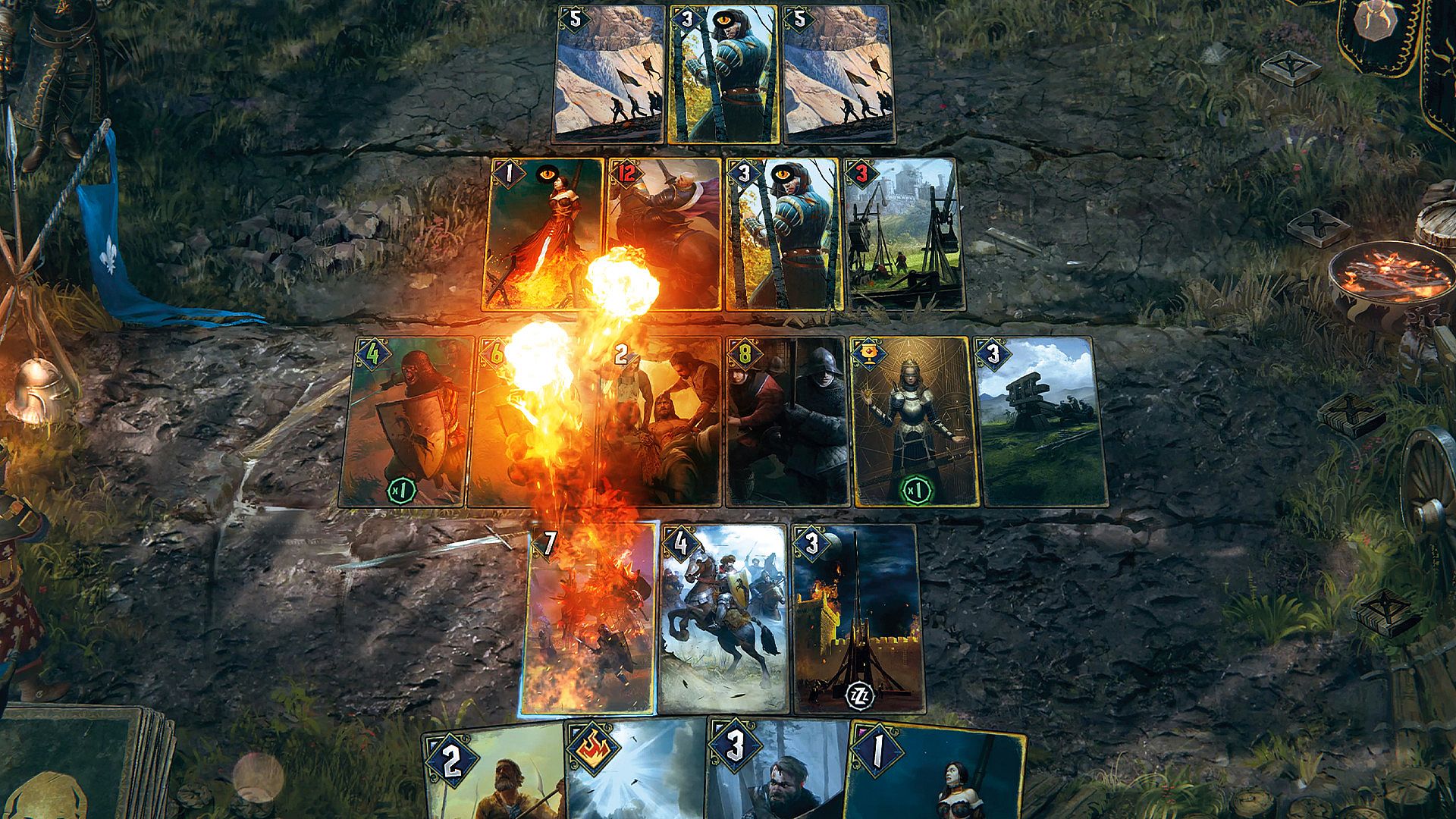
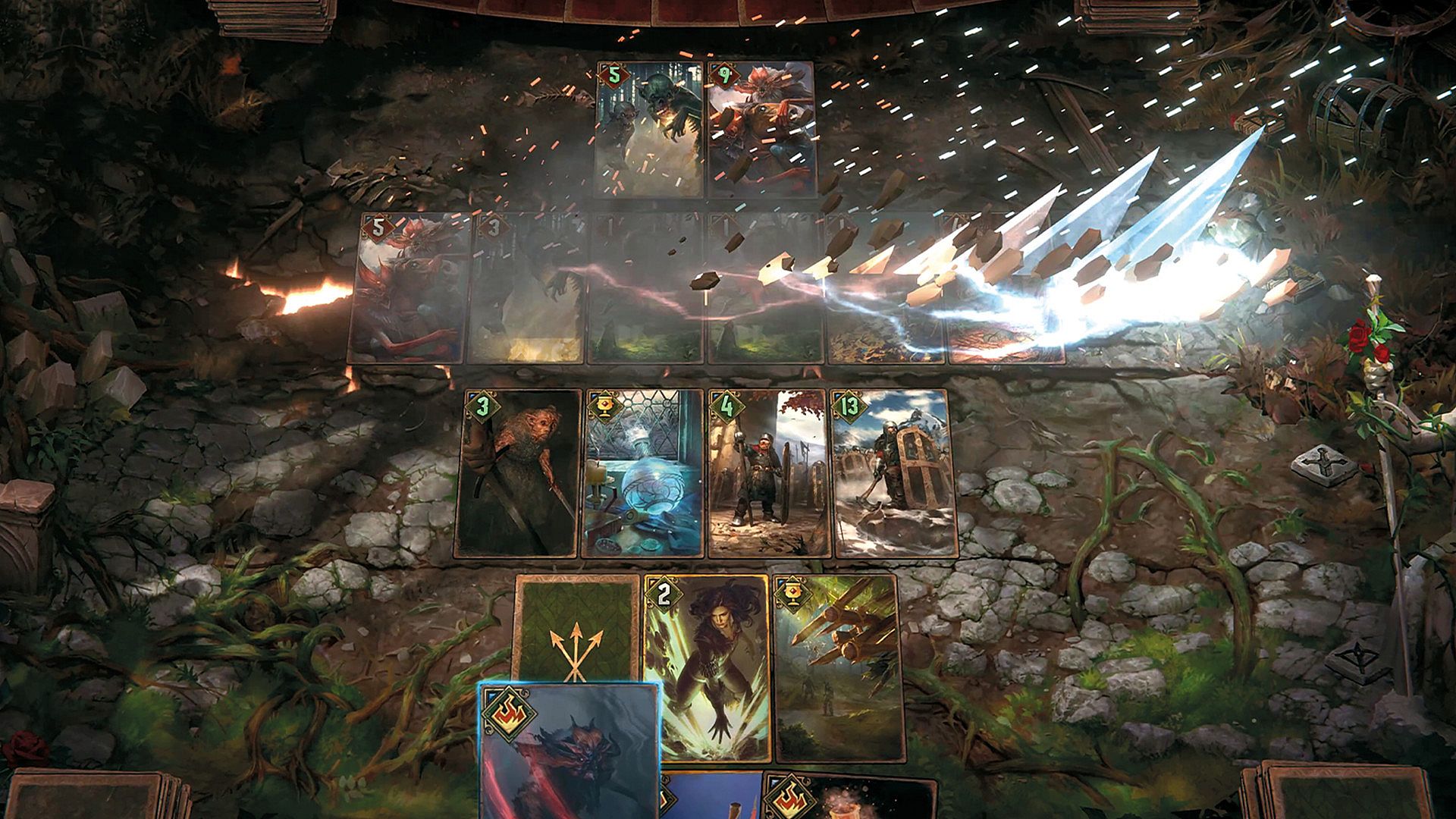
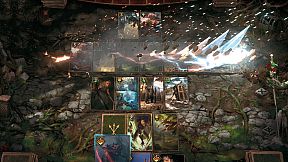
In GWENT, matches unfold over up to three rounds, where the goal is to win two rounds by accumulating more points than your opponent. Players deploy cards across two distinct rows: melee for close combat and ranged for support units. Each card has a point value, and special abilities can alter the board state, such as boosting allies or damaging enemies. Deck building is central, allowing customization with units, spells, and leader abilities that define your approach. The system rewards careful planning, as you start with 10 cards and can play them freely, but passing a round strategically can force your opponent's hand.
Mechanics like weather effects, which impact rows, and unit synergies add layers of complexity. Faction-specific traits encourage diverse strategies, from swarming the board with monsters to spying and controlling with Nilfgaard forces. Matches typically last around 10 to 15 minutes, making them accessible yet demanding in terms of foresight and adaptation.
Game Modes
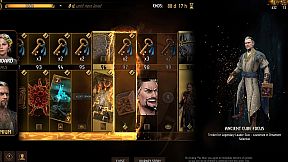
GWENT offers several ways to engage with its core systems. Classic mode pits you against others in ranked or casual PvP duels, where you climb ladders based on performance. Seasonal modes introduce temporary rules twists, such as modified card effects or special events, keeping the meta fresh throughout the year.
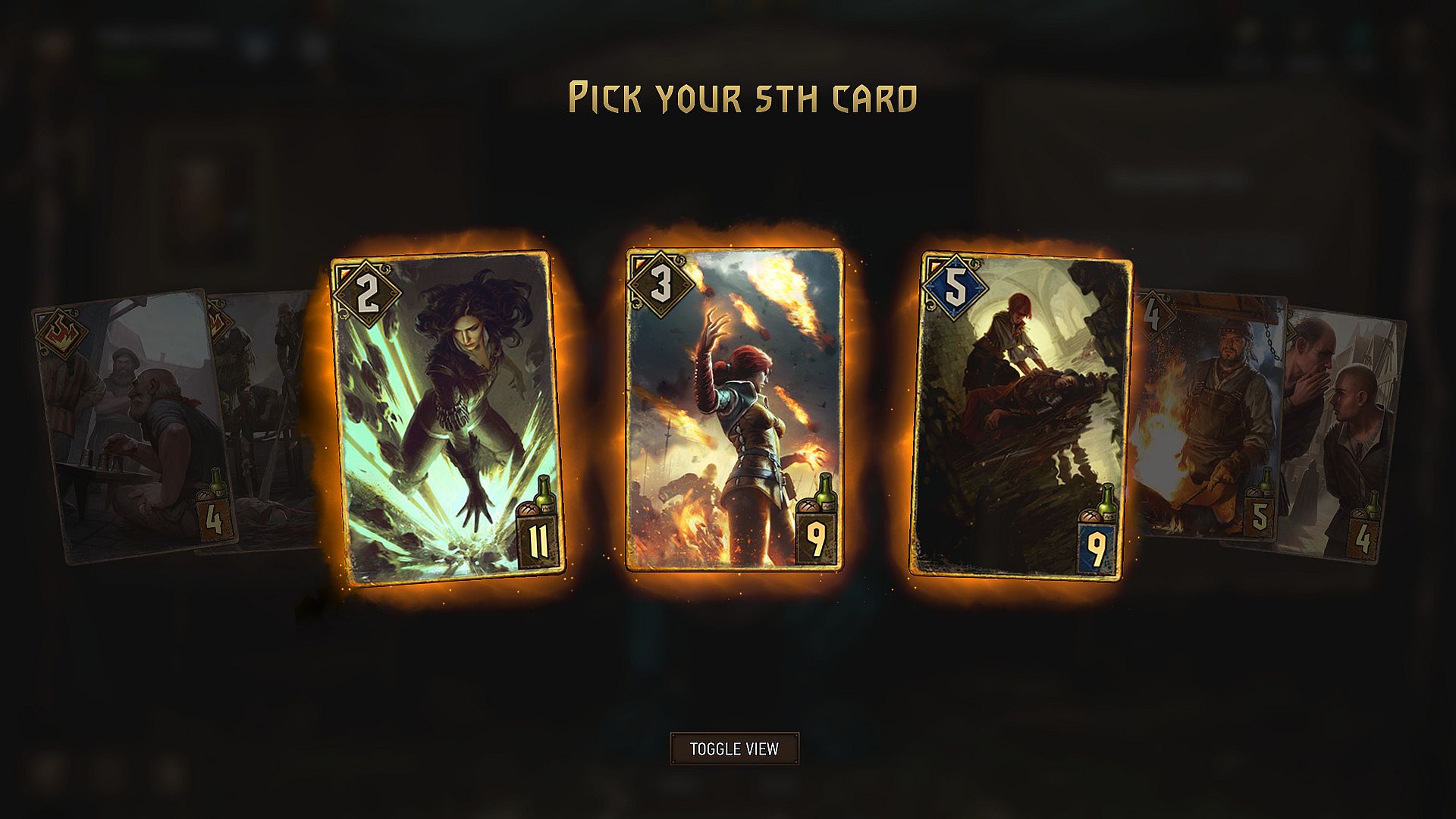
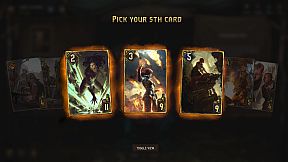
Arena mode provides a draft-style experience, where you build a deck from random cards and compete in a series of matches until you lose a set number of times. There's also the option for friendly games against others, allowing practice without stakes. These modes support cross-platform play, ensuring a broad player base for matchmaking.
Factions and Mechanics
The game features six distinct factions, each with unique mechanics and leader abilities. Monsters focus on overwhelming numbers and consuming units for boosts, while Nilfgaard excels in espionage and deck manipulation. Northern Realms emphasize soldier synergies and gold card protections, Scoia'tael rely on ambushes and agility, Skellige draws power from resurrection and damage over time, and Syndicate thrives on coin-based economy and bounty hunting.
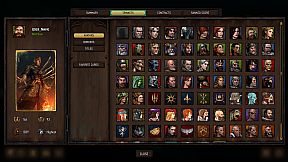
Neutral cards can supplement any deck, adding flexibility. Leader abilities, numbering around five to six per faction, allow for varied builds within the same group, encouraging experimentation. Regular balance patches refine these elements, addressing community feedback on card interactions.
Is It Worth Playing?
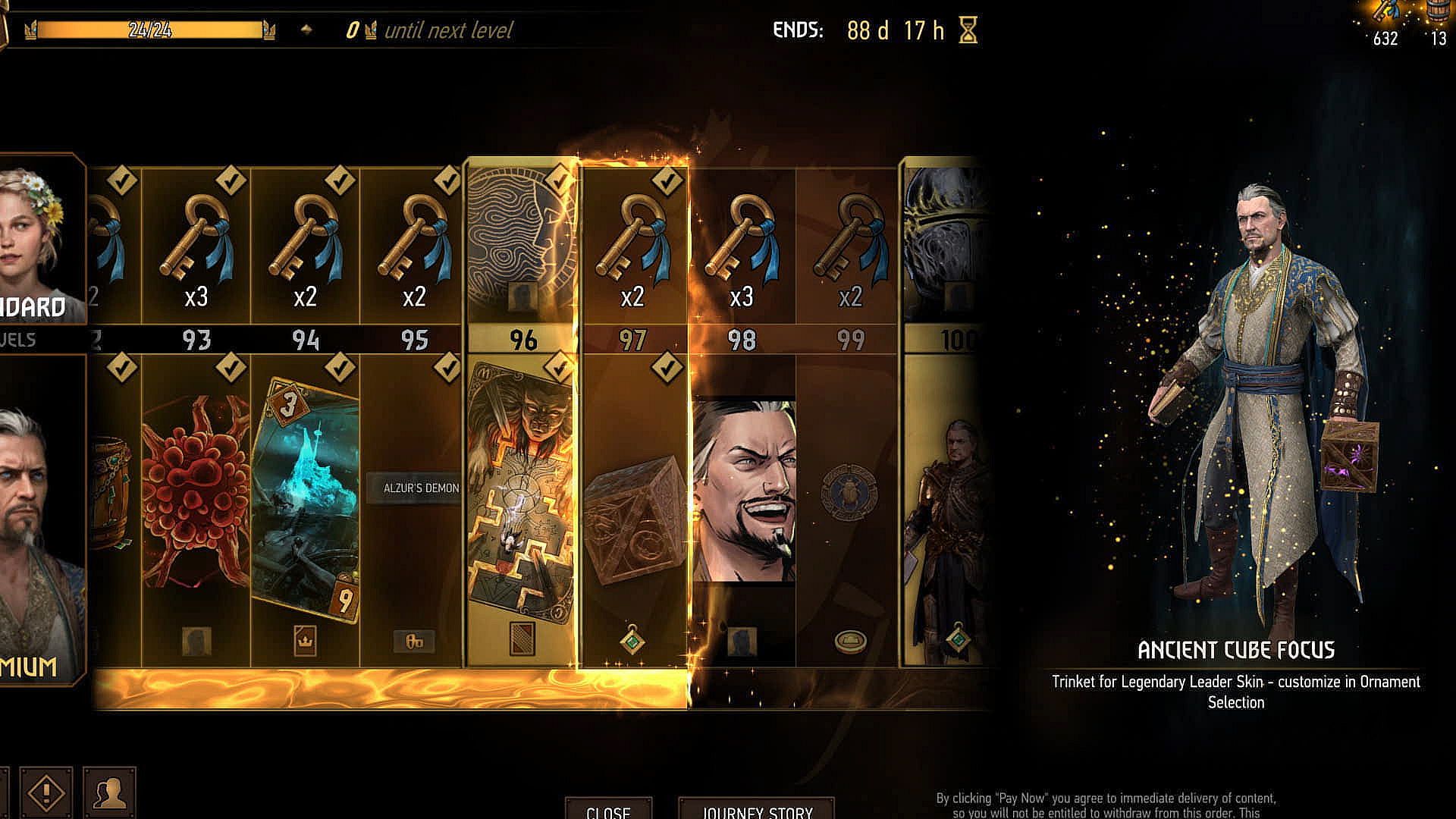
For fans of strategy card games that prioritize skill and deck-building creativity, GWENT remains a strong choice in 2026. Its free-to-play model includes a fair progression system where cards are earned through play, without aggressive monetization barriers. Player reception highlights the beautiful art and tactical depth, with reviews praising the evolving meta through seasons and updates.
The game continues to receive support with new card expansions and seasonal events, maintaining an active community. If you prefer matches decided by clever plays rather than random draws, and enjoy the Witcher lore, it's worth downloading and trying a few duels to see if the round-based strategy clicks for you.