

















Hunt: Showdown 1896 is a first-person action shooter that blends PvE monster hunting with intense PvP confrontations in a tense extraction format. Players enter matches as Hunters tasked with tracking supernatural threats across dangerous maps, securing bounties, and escaping alive while competing against rival teams. The core experience revolves around high-stakes decisions where every sound and movement carries weight, and permanent death means losing a Hunter along with any progress earned in that run.
Gameplay
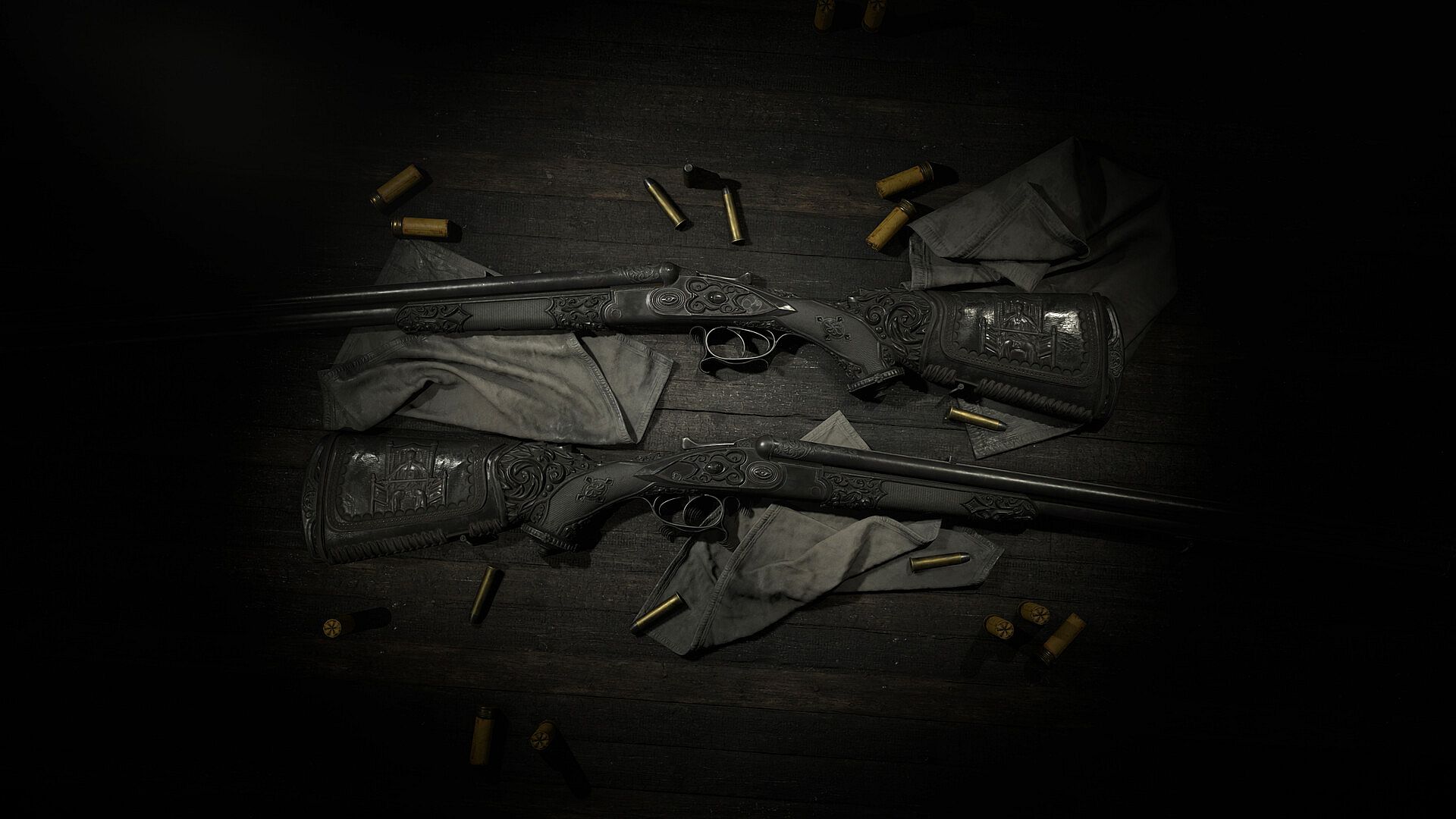
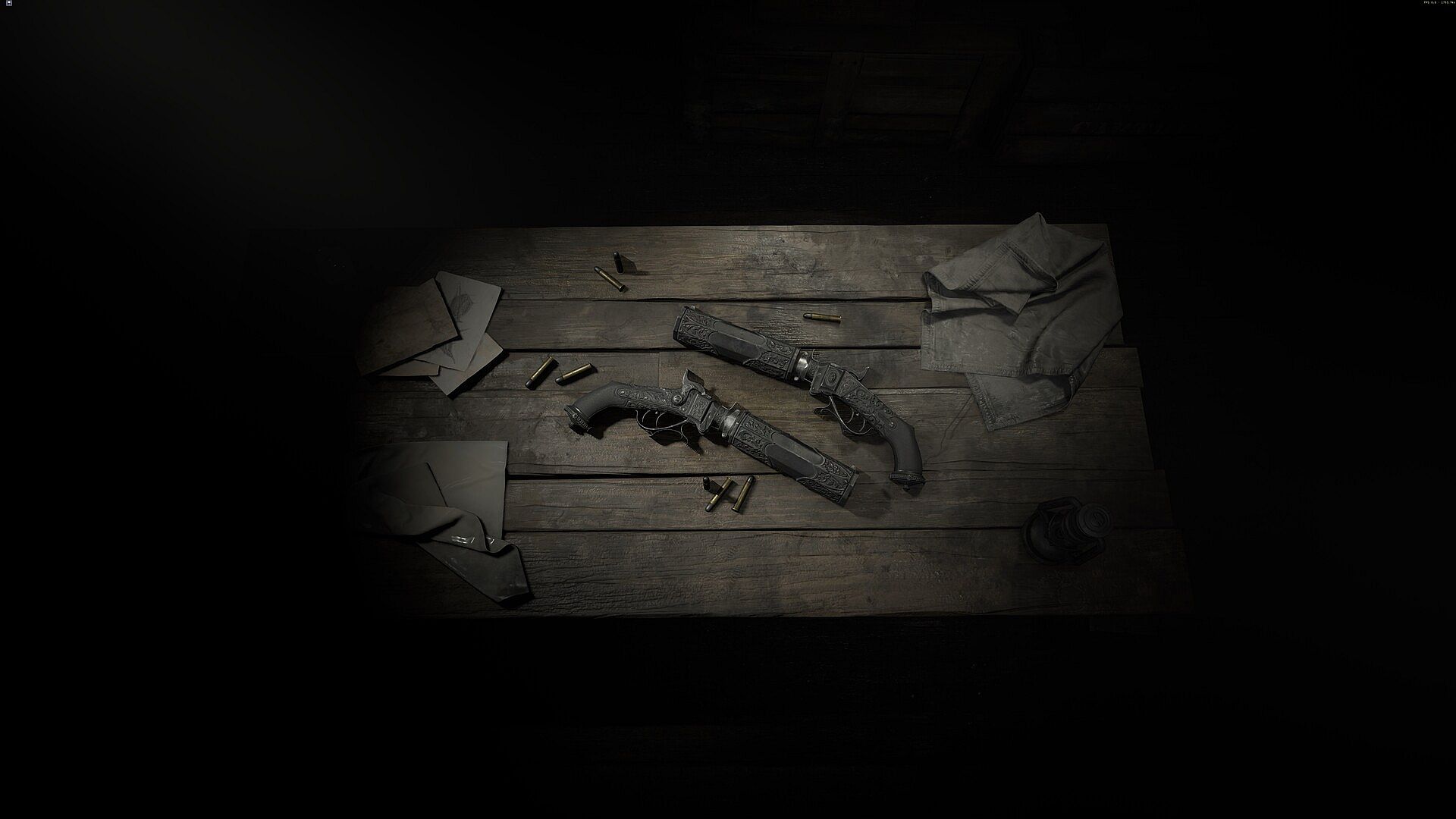
Matches begin with teams scouring compounds for clues that narrow down the location of boss lairs. Once a target is found, players must defeat the creature, perform a banishing ritual to claim the bounty token, and then extract it from the map before other Hunters intervene. Sound design plays a central role, as gunshots and footsteps alert nearby players, turning the environment into a constant source of tension. Loadouts combine weapons, tools, and traits that influence survival chances, with ammunition types and equipment choices affecting combat effectiveness in close or long-range fights. The perma-death system adds consequence, as fallen Hunters are gone for good unless revived under specific conditions during a match.
Recent updates have expanded the playable areas beyond the original bayou settings to include mountainous regions, introducing new compounds and environmental hazards that alter movement and positioning strategies. Players must adapt to varied terrain while managing resources and coordinating with teammates to handle both AI-controlled monsters and human opponents simultaneously.
Game Modes
Bounty Hunt serves as the primary mode, supporting teams of up to three players who compete to claim and extract bounties amid up to twelve total participants on the map. Bounty Clash offers a faster-paced alternative with its own matchmaking rating, focusing on quicker engagements within a selected map pool. Soul Survivor shifts to solo play in a battle royale style where individuals vie to control the Wellspring and outlast others in direct confrontations. Additional options include a tutorial for learning basics and a shooting range for practice with weapons and tools.
These modes share core systems like clue tracking and bounty extraction but differ in team size, pace, and objectives, allowing players to select experiences suited to group play or lone wolf approaches. Map rotations and compound additions from updates keep the environments fresh across all modes.
Atmosphere and Progression
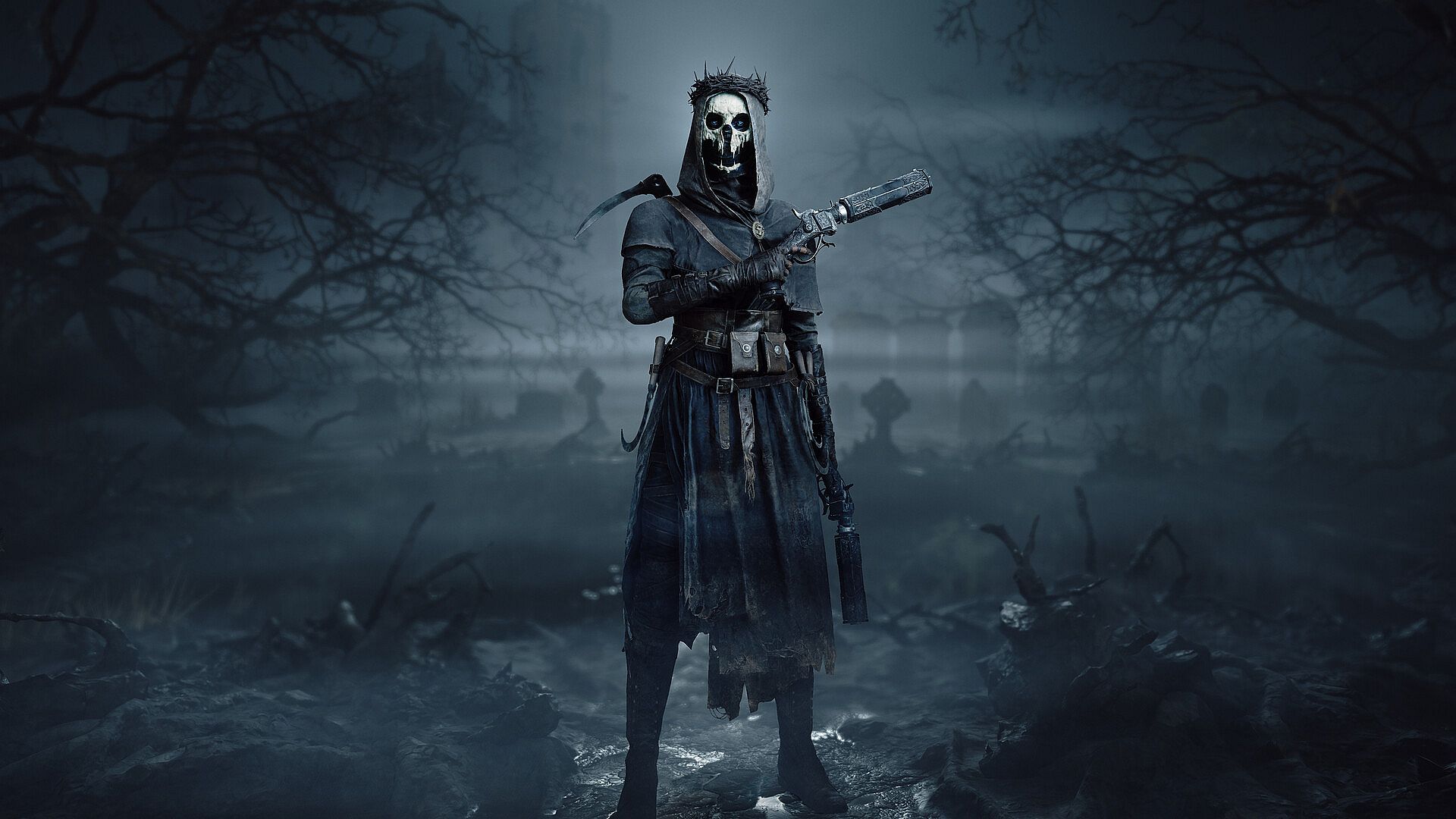
The game world draws from late 19th-century settings filled with gothic horror elements, where dark legends and eerie locations heighten the sense of dread. Hunters navigate compounds that hold both valuable resources and lurking dangers, with audio cues and visual details reinforcing the perilous nature of each expedition. Progression comes through unlocking traits, weapons, and equipment via successful extractions, building a roster of Hunters that carry forward across sessions.
Events and seasonal content introduce temporary changes to mechanics or rewards, encouraging repeated play while maintaining the fundamental risk-reward loop. The combination of monster encounters and player-versus-player threats creates matches that can shift rapidly from methodical tracking to chaotic firefights.
Is It Worth Playing?
Hunt: Showdown 1896 continues to receive regular updates that add maps, balance changes, and new content, keeping the experience active for its player base. The extraction shooter format appeals to those who enjoy tactical decision-making, sound-based awareness, and the pressure of potential permanent losses. Teams that coordinate effectively and adapt to both PvE and PvP threats find consistent engagement, while solo players can opt for modes like Soul Survivor for a different challenge.
Reception highlights the refined mechanics and atmospheric tension as strengths that set it apart in the genre. Players seeking deliberate pacing over fast action will find the systems rewarding, though the learning curve around audio cues and loadout management requires patience. Active development and varied modes support long-term play for those aligned with its high-stakes style.