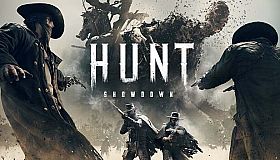













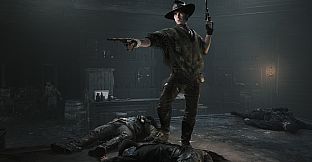
Hunt: Showdown 1896 is an action first-person shooter that blends extraction mechanics with PvPvE combat in a late-19th-century bayou setting. Players recruit hunters, equip them with period firearms, and enter matches where they must contend with AI-controlled monsters while competing against other players for valuable bounties. The experience emphasizes careful positioning, sound cues, and resource management over fast-paced run-and-gun action.
Gameplay
Matches begin with hunters dropping into a large open map filled with compounds, swamps, and wildlife. The primary threats come from grunts and other AI enemies that patrol the area and react to noise. Players track boss monsters through environmental clues such as howls or disturbed terrain before engaging them in direct combat. Once a boss falls, its soul must be banished at a specific location to claim bounty tokens, which then must be carried to an extraction point.
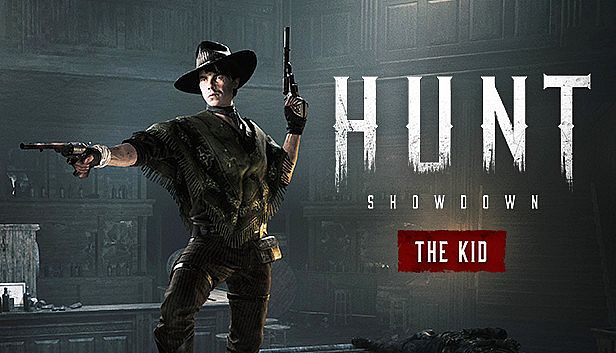
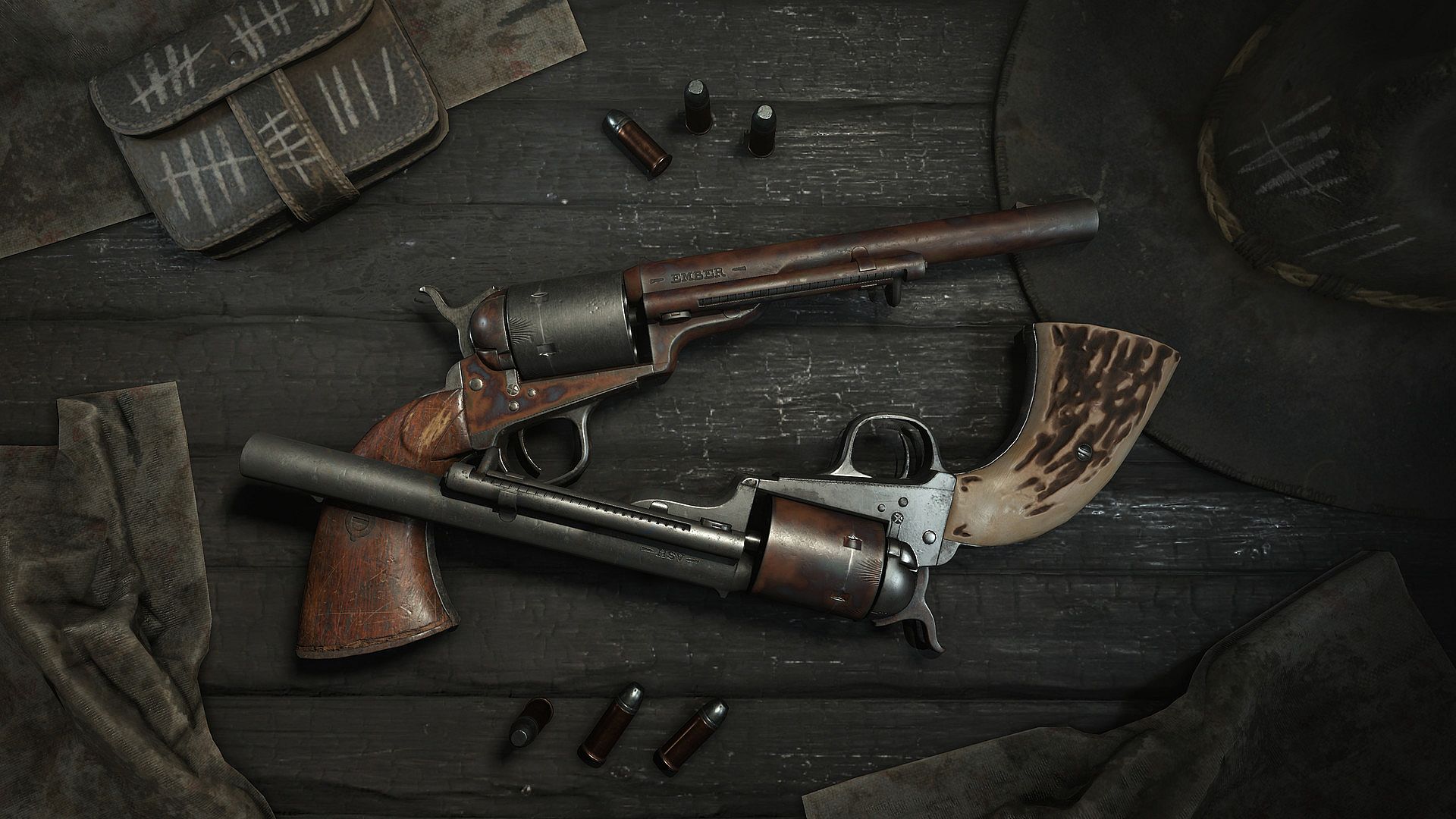
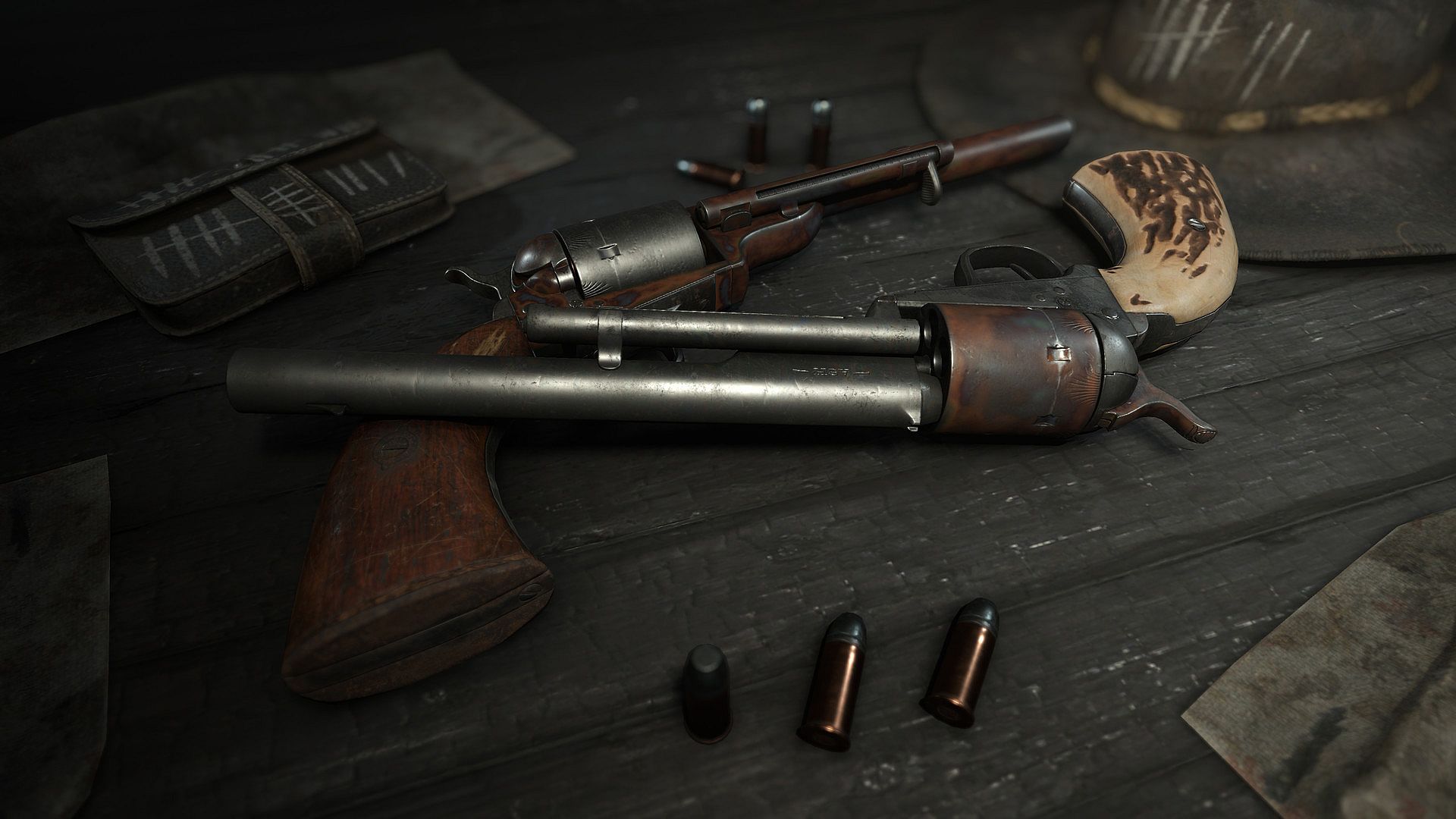
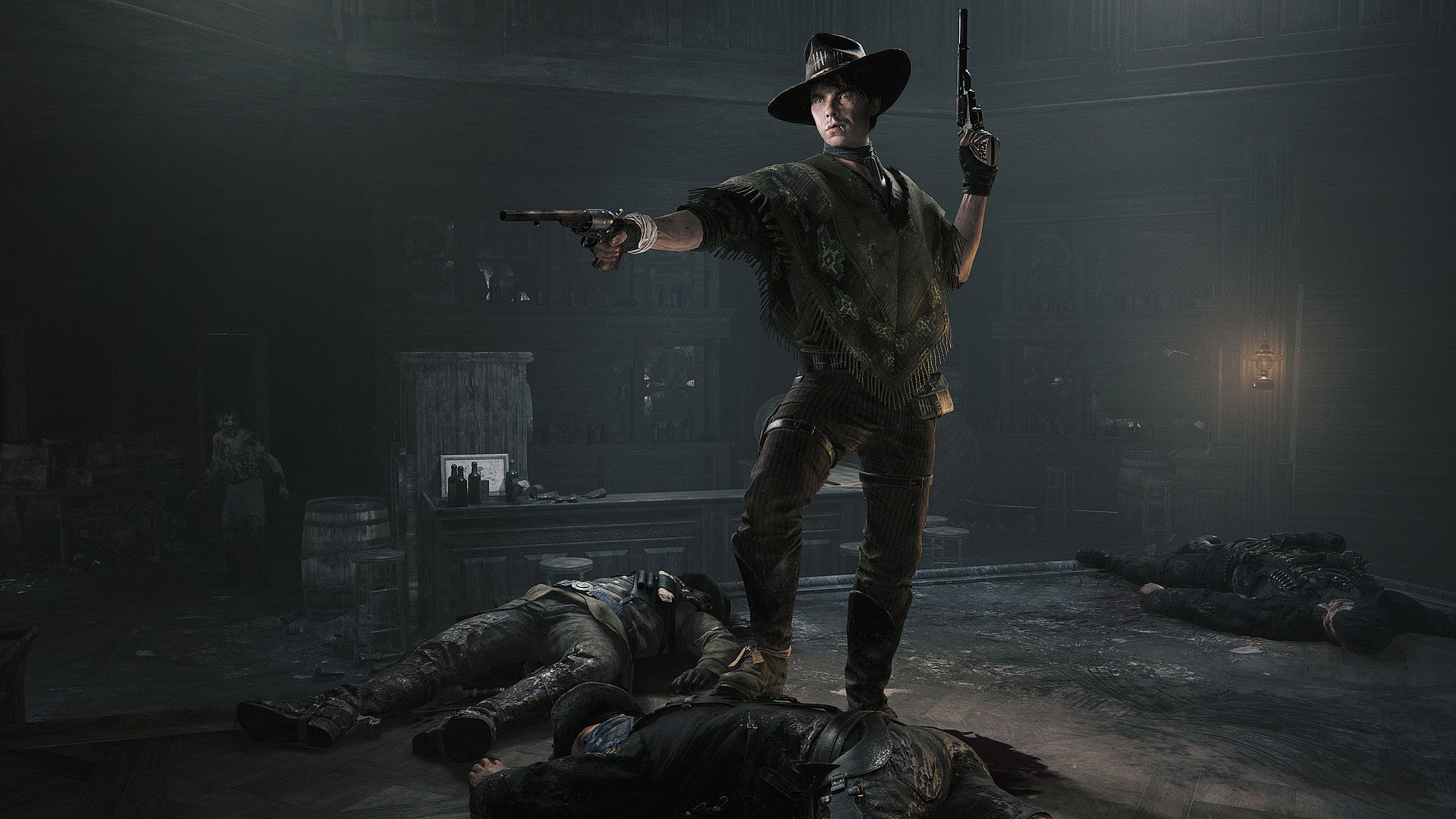
Health is divided into separate chunks that require individual healing items to restore, and status effects like bleeding or poisoning add layers of risk during fights. Weapons feature realistic ballistics and reload times, encouraging players to conserve ammunition and choose loadouts suited to different ranges. The addition of The Kid hunter brings a pair of Caldwell Conversion pistols named Ash and Ember, each tied to a backstory of family tragedy and personal redemption that fits the game's gritty tone.
Sound design plays a central role, as footsteps, gunshots, and monster calls carry across distances and reveal positions to attentive opponents. Matches reward patience and map knowledge, with successful extractions preserving earned gear and experience for future runs.
Game Modes
Bounty Hunt serves as the core experience, supporting up to twelve participants in solo, duo, or trio teams. Participants select contracts targeting one or more bosses, then navigate the full map while managing both monster encounters and player confrontations. The mode concludes when bounty tokens reach an extraction point or the match timer expires.
Bounty Clash offers a condensed alternative on a smaller map section, accelerating the pace while retaining the same boss-hunting and extraction objectives. Soul Survivor restricts play to solo participants in a faster format focused on claiming and defending a central Wellspring objective against other lone hunters. Tutorial and Shooting Range options provide practice spaces for new players to learn controls and test equipment without match pressure.
Hunters and Progression
Each hunter carries a distinct background that influences their visual design and available starting gear. The Kid stands out as a young marksman whose dual pistols reference lost siblings, adding narrative flavor to loadout choices. Progression involves upgrading hunter traits and unlocking new equipment through successful extractions, though death results in permanent loss of the current hunter and any unextracted items.
Weapon variety spans revolvers, rifles, shotguns, and melee options, each with distinct handling and ammunition types. Players balance loud, high-damage choices against quieter alternatives that reduce detection risk. The bayou environment influences movement, with water slowing travel and dense foliage providing cover.
Is It Worth Playing?
The game suits players who enjoy deliberate, high-stakes multiplayer shooters where every decision carries weight. Its extraction loop creates tension through the constant threat of losing progress to either AI or rival hunters. Regular updates have maintained the title's active player base and introduced new content such as additional modes and map variations.
Those seeking quick matches or low-consequence action may find the deliberate pace and steep learning curve less appealing. The emphasis on audio awareness and tactical positioning rewards repeated play, particularly for fans of historical settings and asymmetric PvPvE encounters. The Kid DLC integrates seamlessly as one of many hunter options without altering core systems.