






















Jurassic World Evolution: Carnivore Dinosaur Pack is a strategy and simulation DLC that expands dinosaur park management on PC by introducing three new predatory species. Players build and maintain facilities while balancing visitor satisfaction, dinosaur welfare, and security risks from these additions.
Gameplay
The core loop centers on constructing enclosures, research labs, and support buildings to house dinosaurs while monitoring their needs and behaviors. Adding carnivores increases the demands on fencing strength, feeding schedules, and emergency response systems because these predators interact aggressively with other species and park infrastructure.
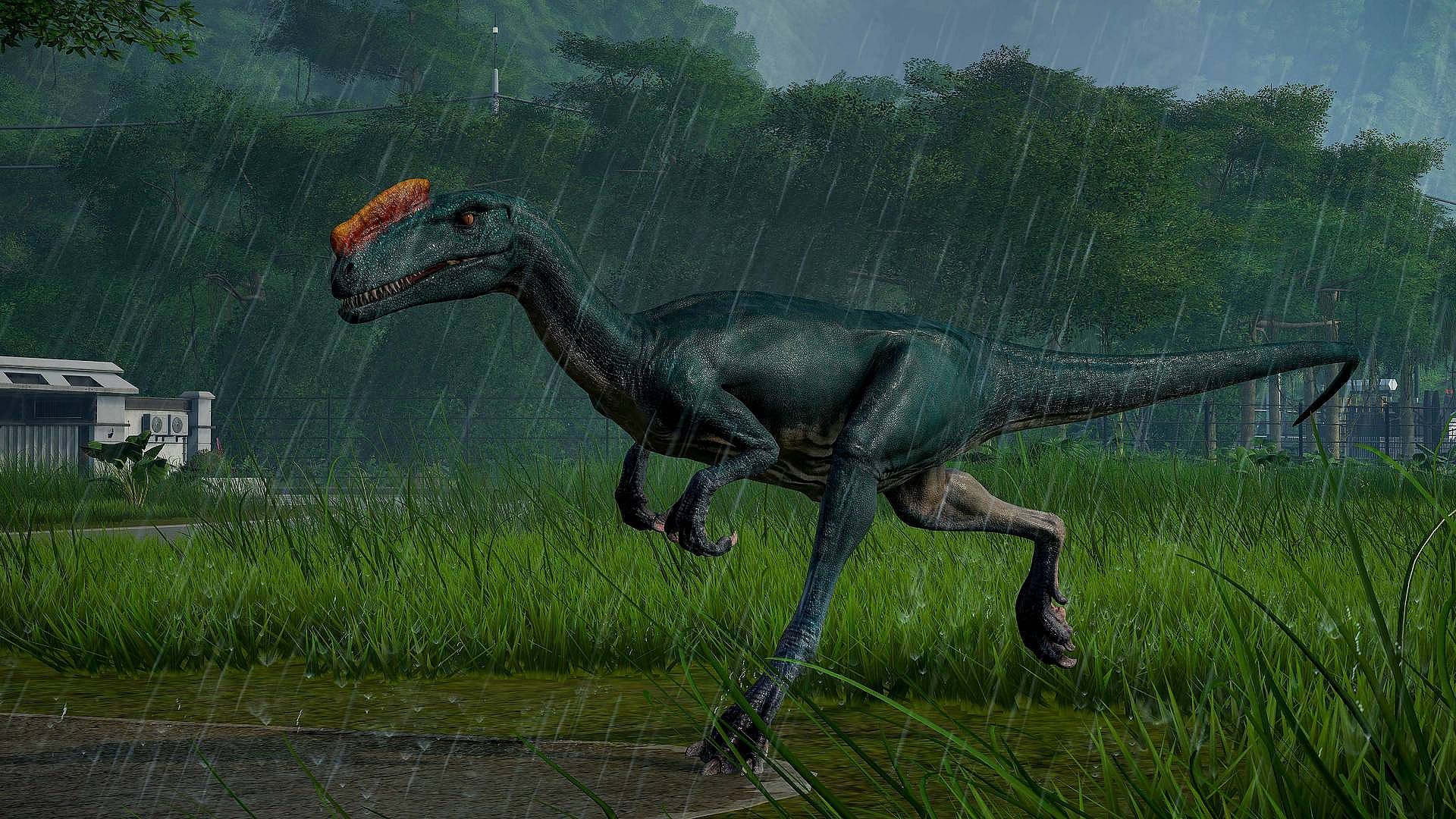
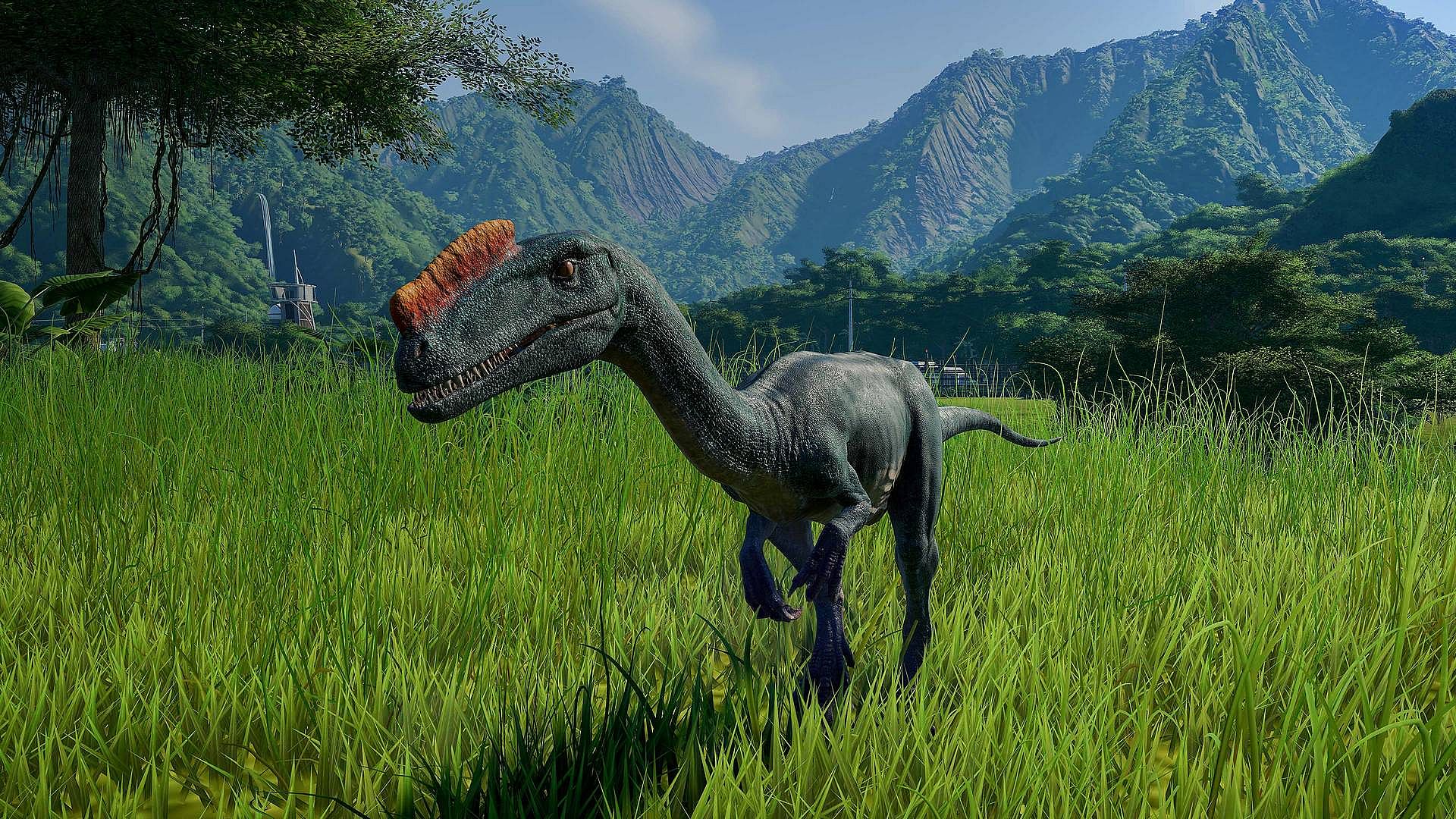
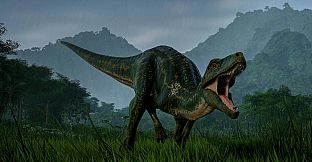
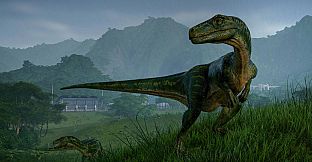
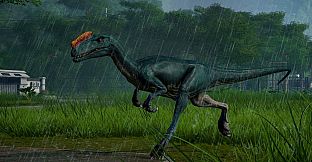
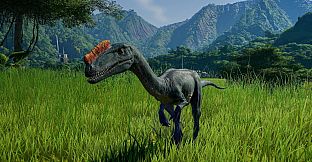
Each new dinosaur brings distinct traits that alter daily operations. Herrerasaurus requires careful enclosure design due to its jaw mechanics and hunting style. Acrocanthosaurus demands robust barriers given its size and muscular build. Proceratosaurus, though smaller, introduces unique social dynamics as an early relative of larger theropods.
Park managers must adjust staffing, power distribution, and guest pathways to accommodate the heightened threat level these animals create. Failure to contain them leads to escapes that disrupt income and reputation metrics.
Game Modes
The DLC integrates directly into the base game's three primary modes. Campaign mode presents structured objectives across multiple islands where the new carnivores can fulfill specific contracts or increase difficulty through their presence.
Sandbox mode grants full creative freedom, allowing unrestricted placement of the predators alongside existing dinosaurs to experiment with park layouts and ecosystems without time or budget constraints.
Challenge mode imposes targeted scenarios with adjustable difficulty settings, where the carnivores test a manager's ability to maintain stability under pressure from limited resources or specific goals.
The New Dinosaurs
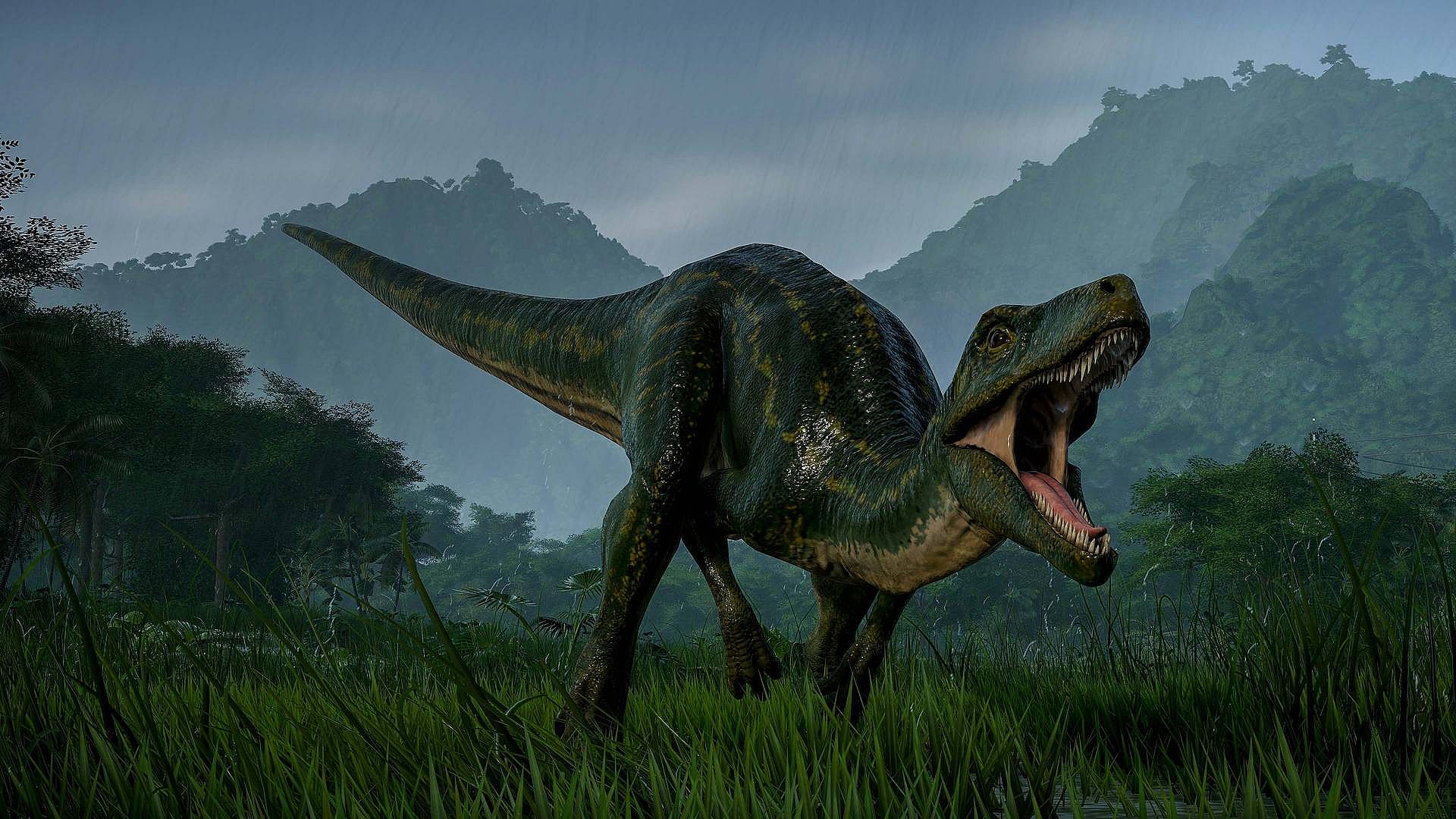
Herrerasaurus originates from the Triassic period and features a narrow skull lined with serrated teeth suited for tearing prey. Its lower jaw includes a specialized joint that enables a strong grip during feeding.
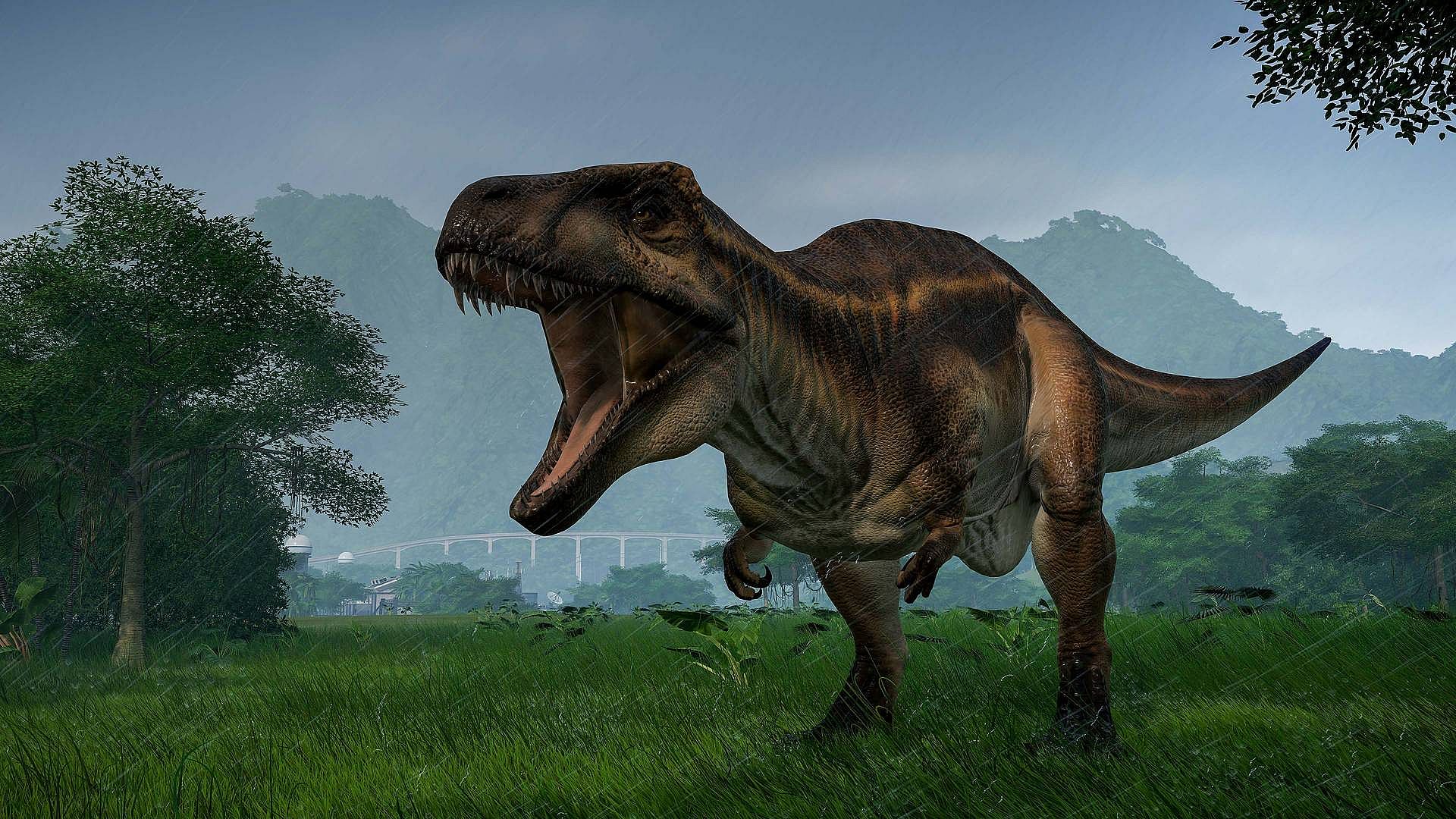
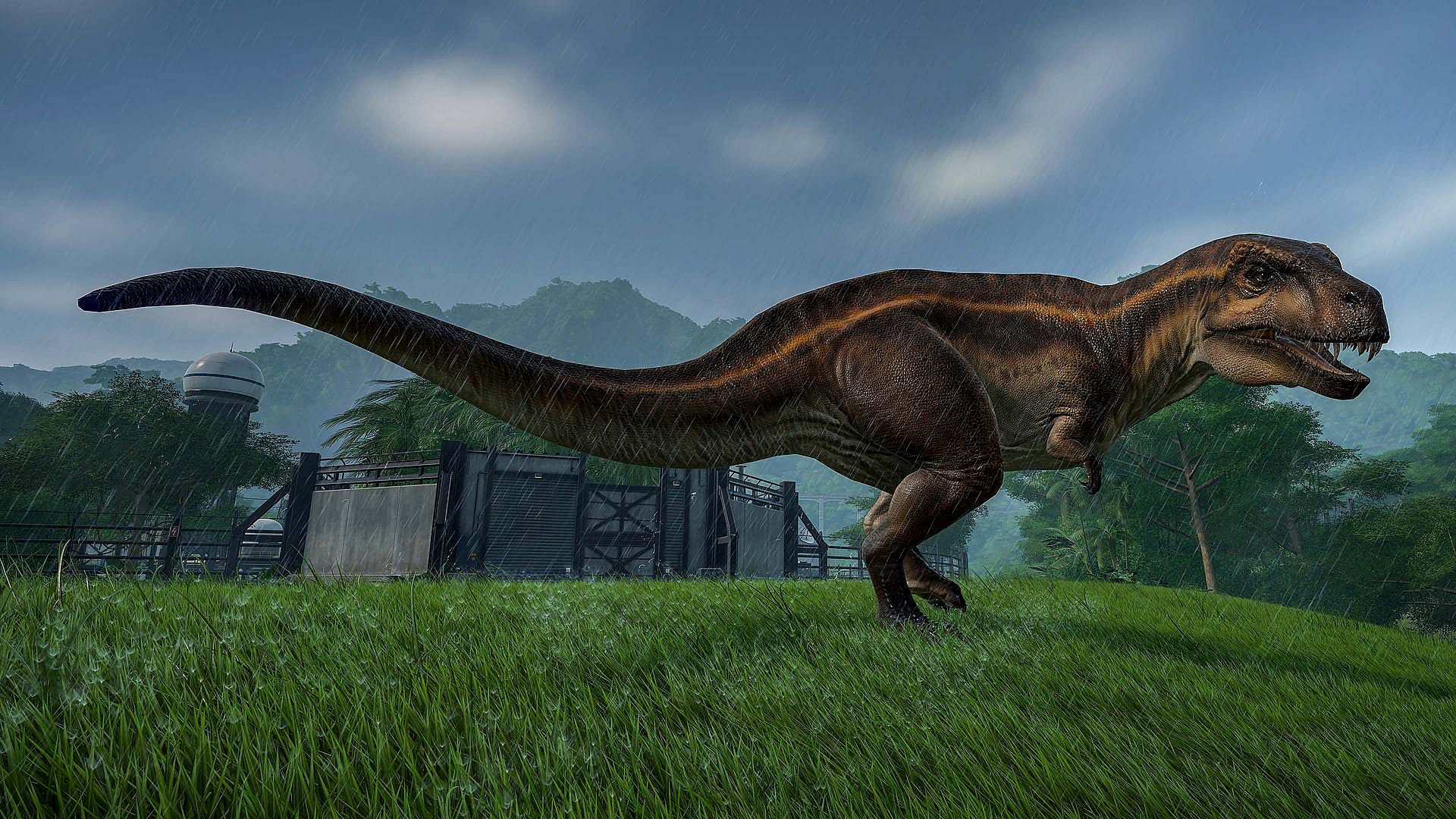
Acrocanthosaurus stands out with prominent spines along its back, reflected in its name meaning high-spined lizard. Its large, muscular frame makes it a dominant presence that requires reinforced habitats.
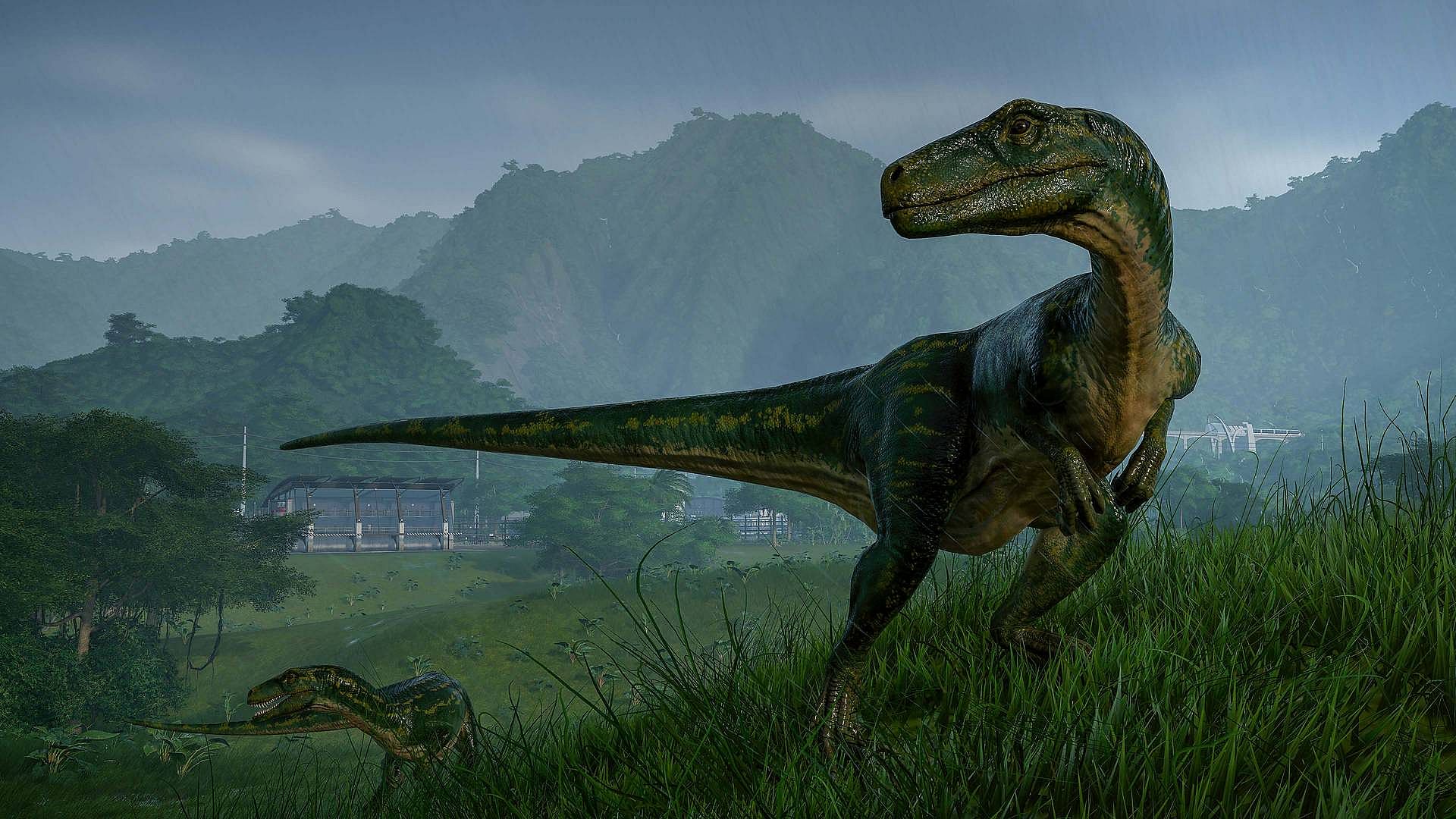
Proceratosaurus is a smaller bipedal species from the middle Jurassic with a noticeable nasal crest. Despite its size, it shares ancestry with Tyrannosaurus rex and adds variety to carnivore groupings.
Is It Worth Playing?
Steam user reviews rate the pack Very Positive based on 131 reviews. It appeals to players who enjoy expanding their existing parks with new predatory options that raise the stakes of management decisions.
The content suits those already invested in the base game who want additional variety in dinosaur interactions and enclosure challenges. It does not introduce standalone features and works best as an addition to ongoing play sessions across the established modes.
Current support continues through the base title's updates, with the pack remaining available for purchase as a targeted expansion focused on carnivore variety.