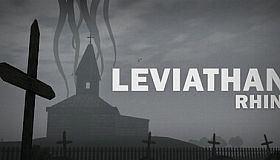




Leviathan: Rhino stands as a distinctive indie simulation title that blends quiet narrative exploration with existential horror themes. Players step into the role of an elderly man in a remote village facing an approaching colossal creature in a world where such leviathans have become an accepted, unstoppable part of life. The experience emphasizes routine daily activities and personal reflection over action or conflict, creating a contemplative single-player journey centered on attachment, loneliness, and inevitability.
Gameplay
The core loop revolves around first-person movement through a small, stylized village environment. As the protagonist, an old man with limited stamina, players navigate at a deliberate pace that reflects physical constraints. Simple tasks form the backbone of progression, such as feeding livestock, visiting a neighbor for conversation, listening to radio broadcasts, and revisiting memories from the past. These actions unfold against the backdrop of the village slowly changing as the threat draws nearer, with subtle environmental shifts heightening the sense of an ending that cannot be altered.
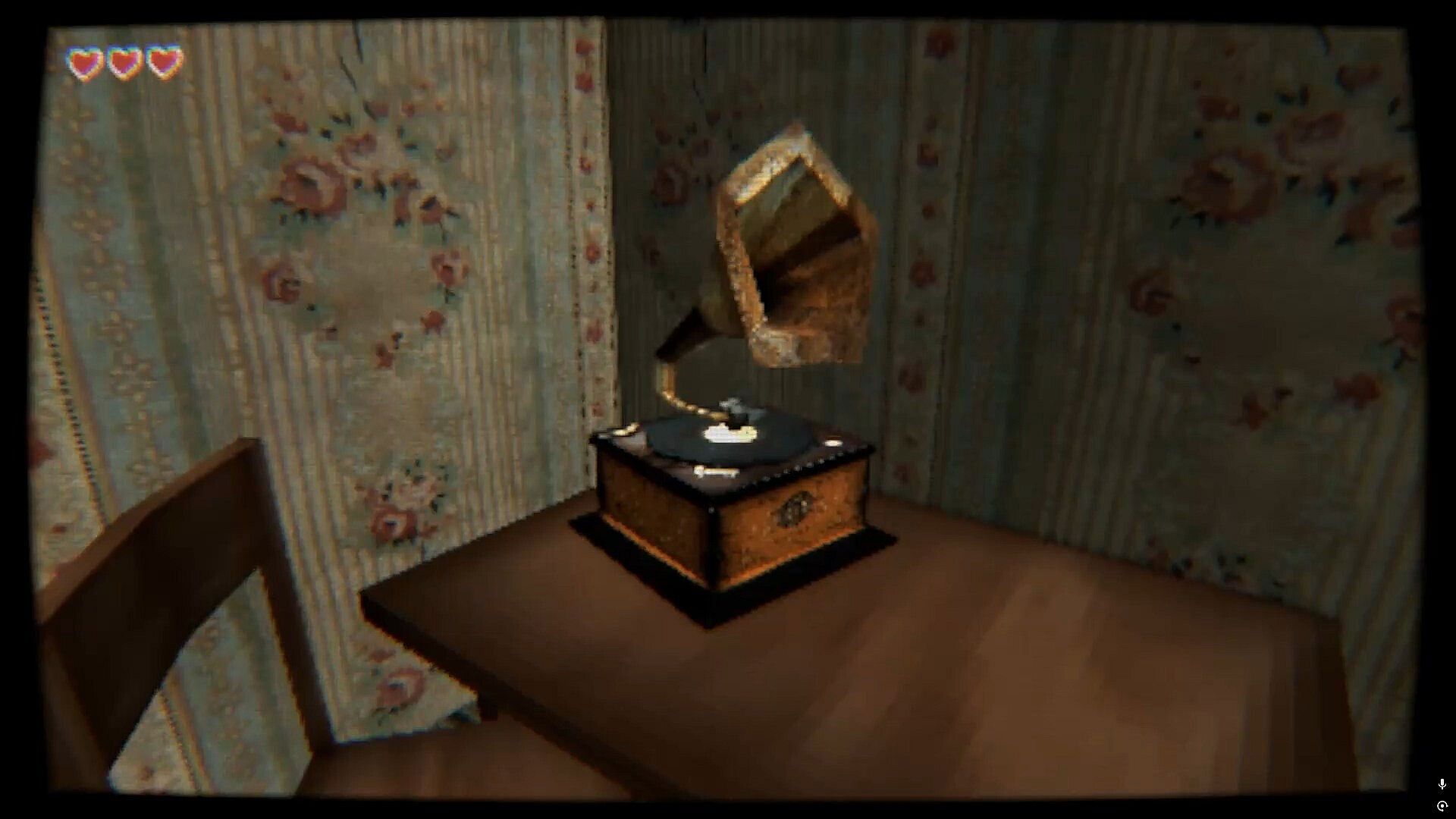
Mechanics stay minimal by design. There is no combat system, resource management beyond basic needs, or branching choices that alter outcomes. Instead, the focus rests on observation and presence. Slow walking speed and stamina limits encourage players to pause, rest, and absorb the surroundings, turning ordinary moments into points of emotional weight. The art style uses a hand-drawn, low-poly aesthetic that gives the setting a distinctive, almost handmade quality consistent with its solo development origins.
Game Modes
Leviathan: Rhino offers only a single-player mode. The entire experience unfolds as a linear narrative journey without multiplayer components, co-op options, or competitive elements. This structure keeps the emphasis squarely on the personal story of one individual choosing to remain in place while others evacuate. No additional modes or variations exist beyond the main campaign, which typically lasts between one and two hours depending on pacing.
Atmosphere and Themes
The game builds tension through atmosphere rather than sudden scares. Lovecraftian influences appear in the scale of the approaching leviathan and the strange creatures that follow in its wake, yet the horror remains psychological and existential. Everyday village life continues amid growing signs of disruption, creating a contrast between the familiar and the unknowable. Themes of guilt, belonging, and the acceptance of forces beyond control emerge naturally through dialogue with residents and quiet moments of reflection. The soundtrack enhances these elements, providing tracks that players can access directly after purchase.
Is It Worth Playing?
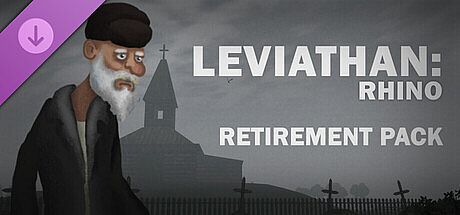
Leviathan: Rhino has received very positive feedback from players, with the majority highlighting its emotional depth and unique perspective on horror. The short length suits those seeking a focused, memorable session rather than extended playtime. Its deliberate pace and lack of traditional gameplay hooks make it ideal for fans of narrative-driven walking simulators and contemplative stories about ordinary lives confronting extraordinary circumstances. Those who prefer fast action, combat, or replayability with multiple endings may find the experience too restrained. The Retirement Pack provides an easy way to support the solo developer while adding the game's music tracks to the local files for offline listening. Overall, the title delivers a sincere, understated meditation on resilience and farewell that resonates with the right audience.