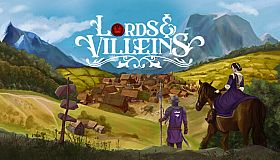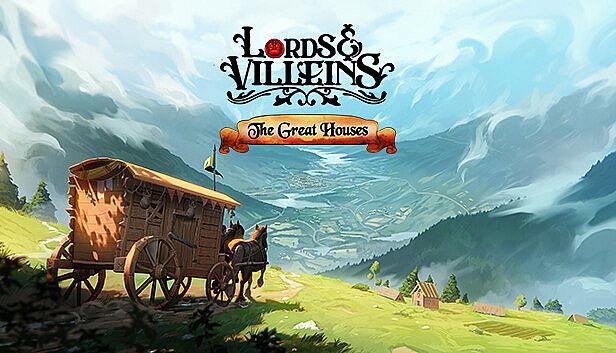





















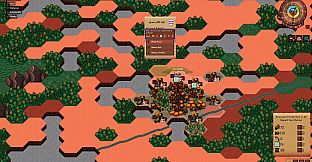
Lords and Villeins: The Great Houses is a strategy and simulation game that expands the feudal economy mechanics of its base title into a larger national scale. Players manage noble houses in a medieval setting, focusing on resource production, family assignments, and territorial growth through a combination of economic planning and optional conflict.
Gameplay
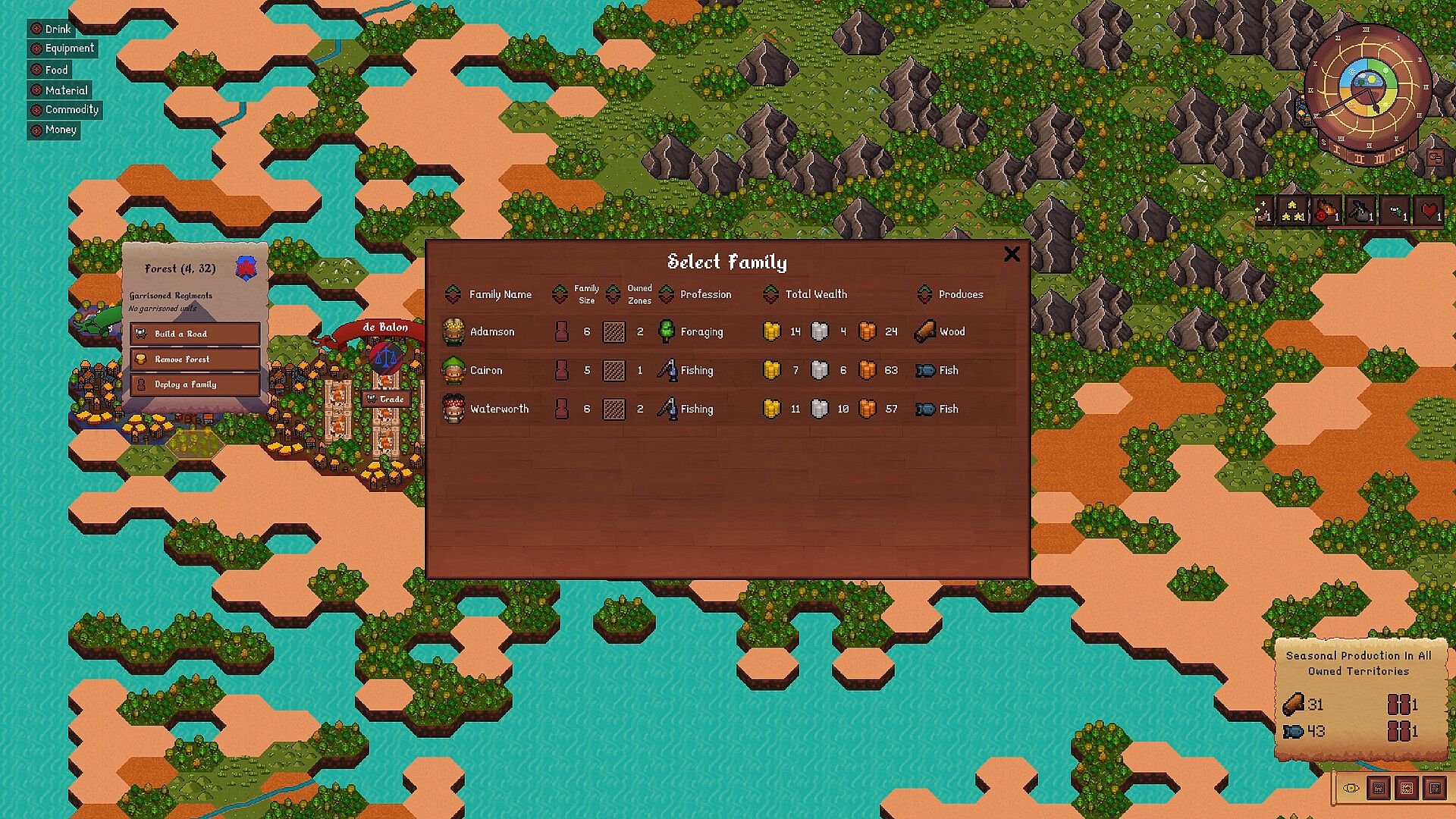
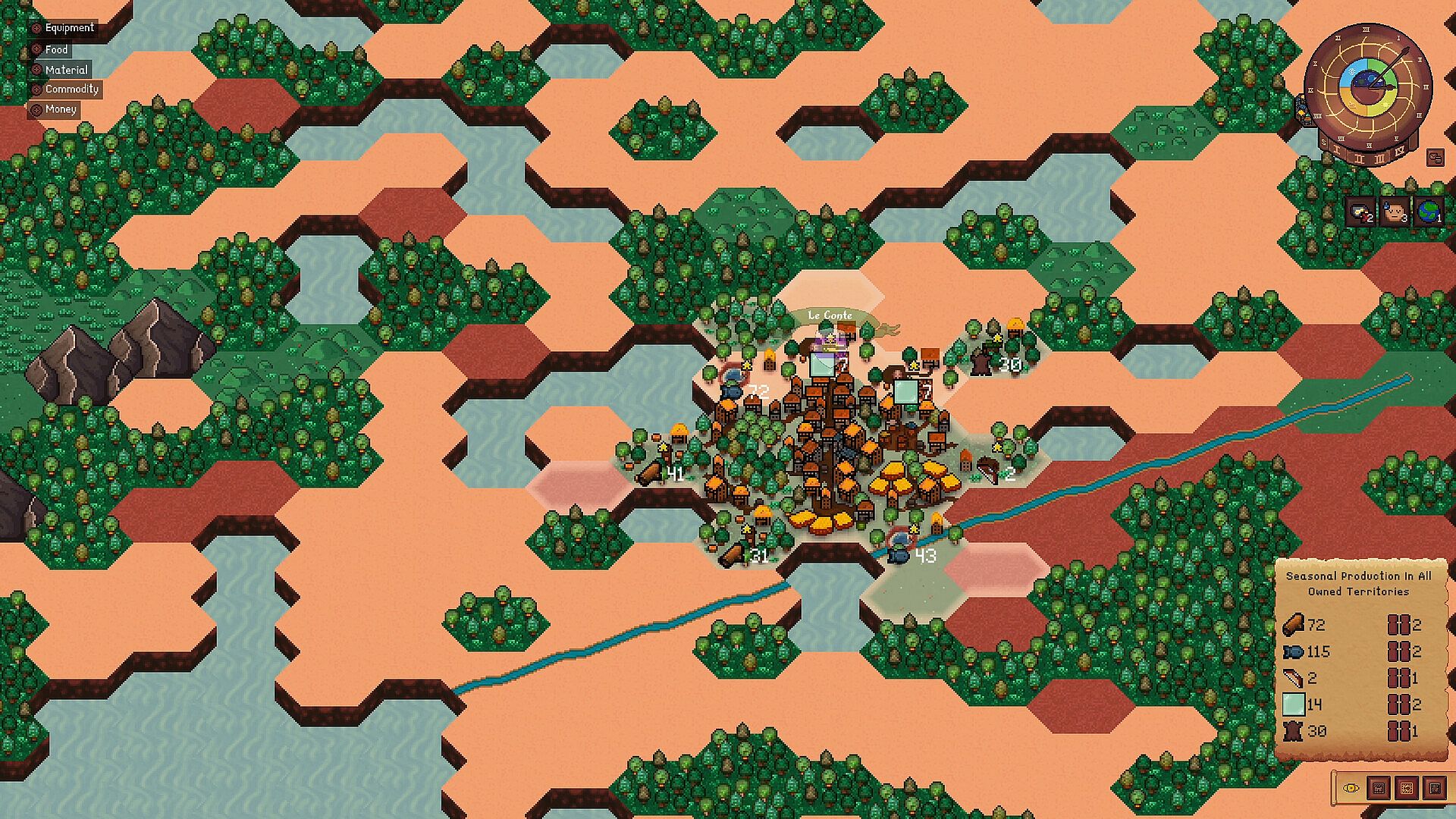
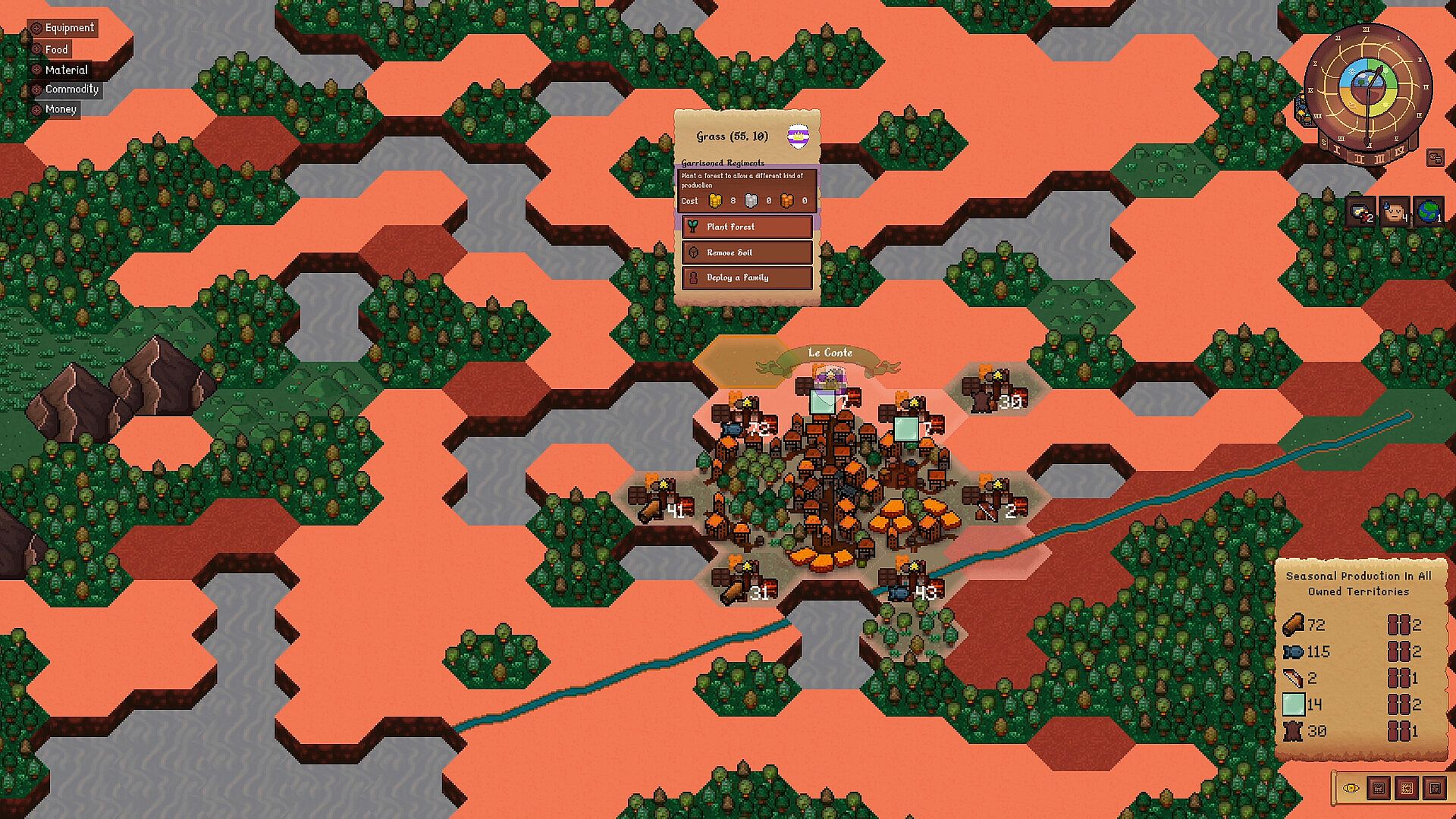
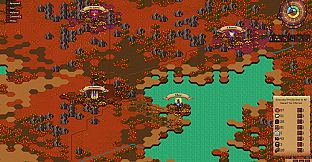
The core loop centers on developing settlements by directing peasant families to handle production and trade within their own structures. Each family operates independently, managing goods and interacting with others in the village economy. Expansion begins once a settlement reaches sufficient size, at which point resources can be spent to claim new territories on the world map. Families are then assigned to these areas to develop resources and generate output that feeds back into the main settlement.
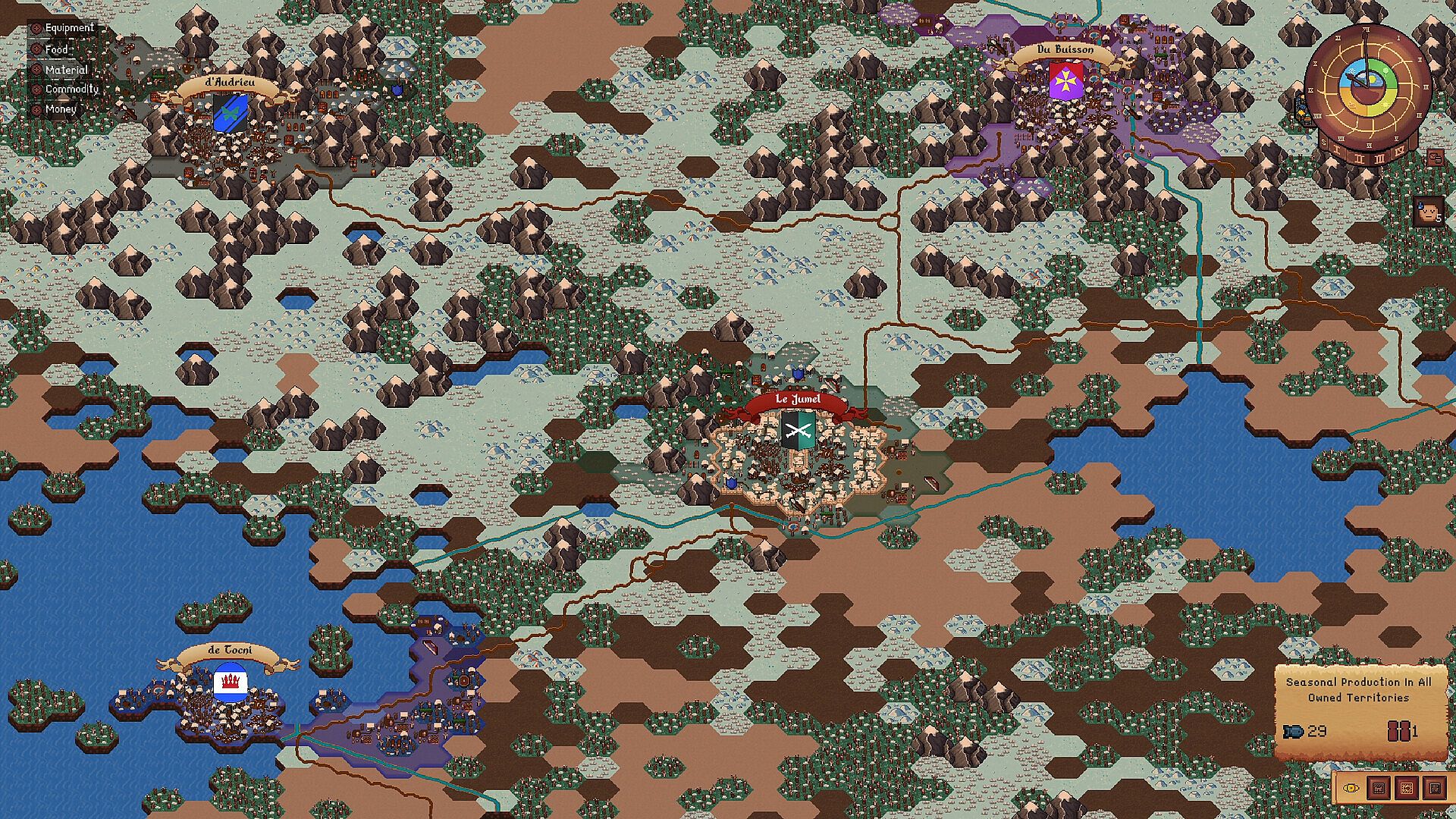
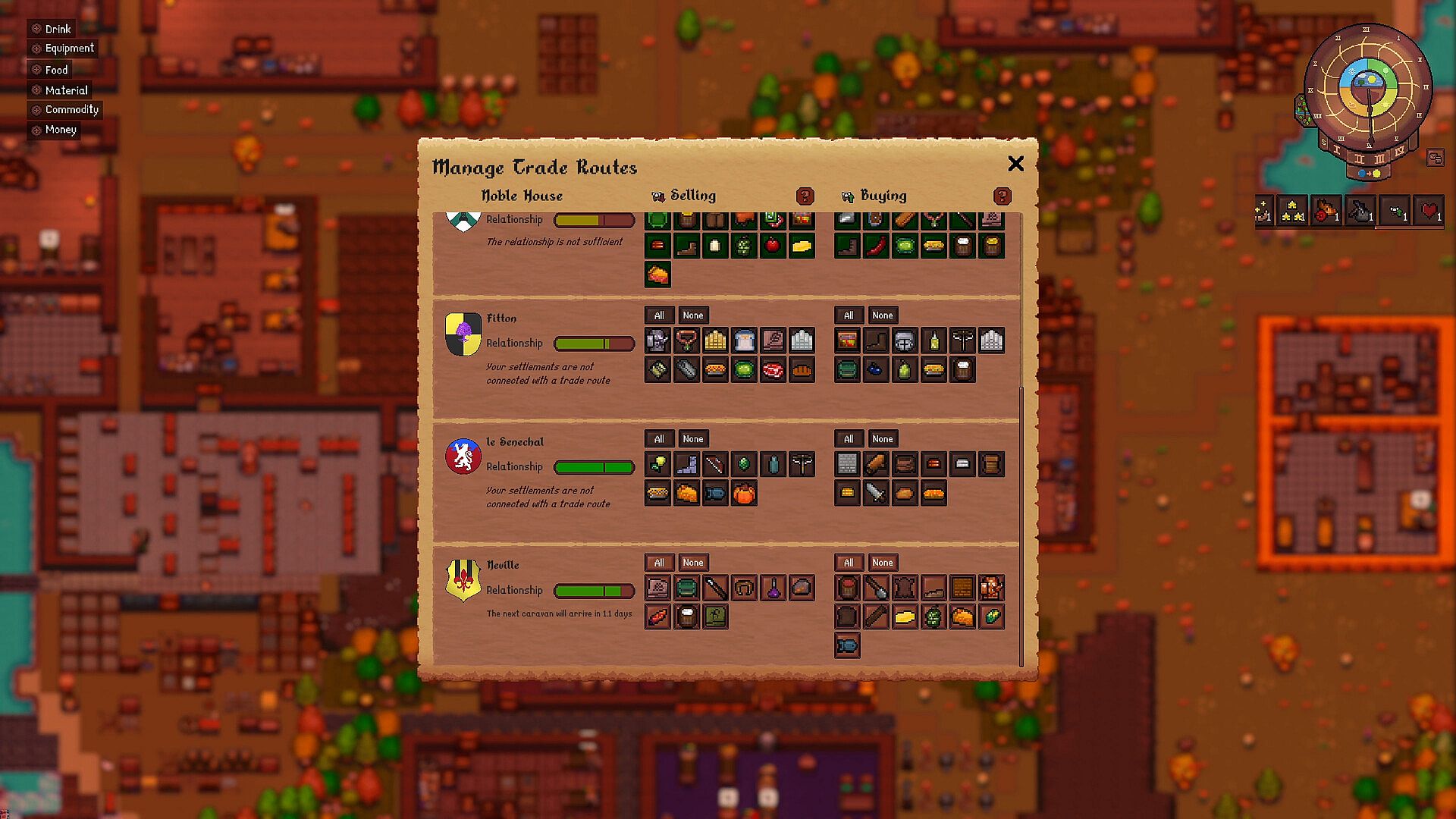
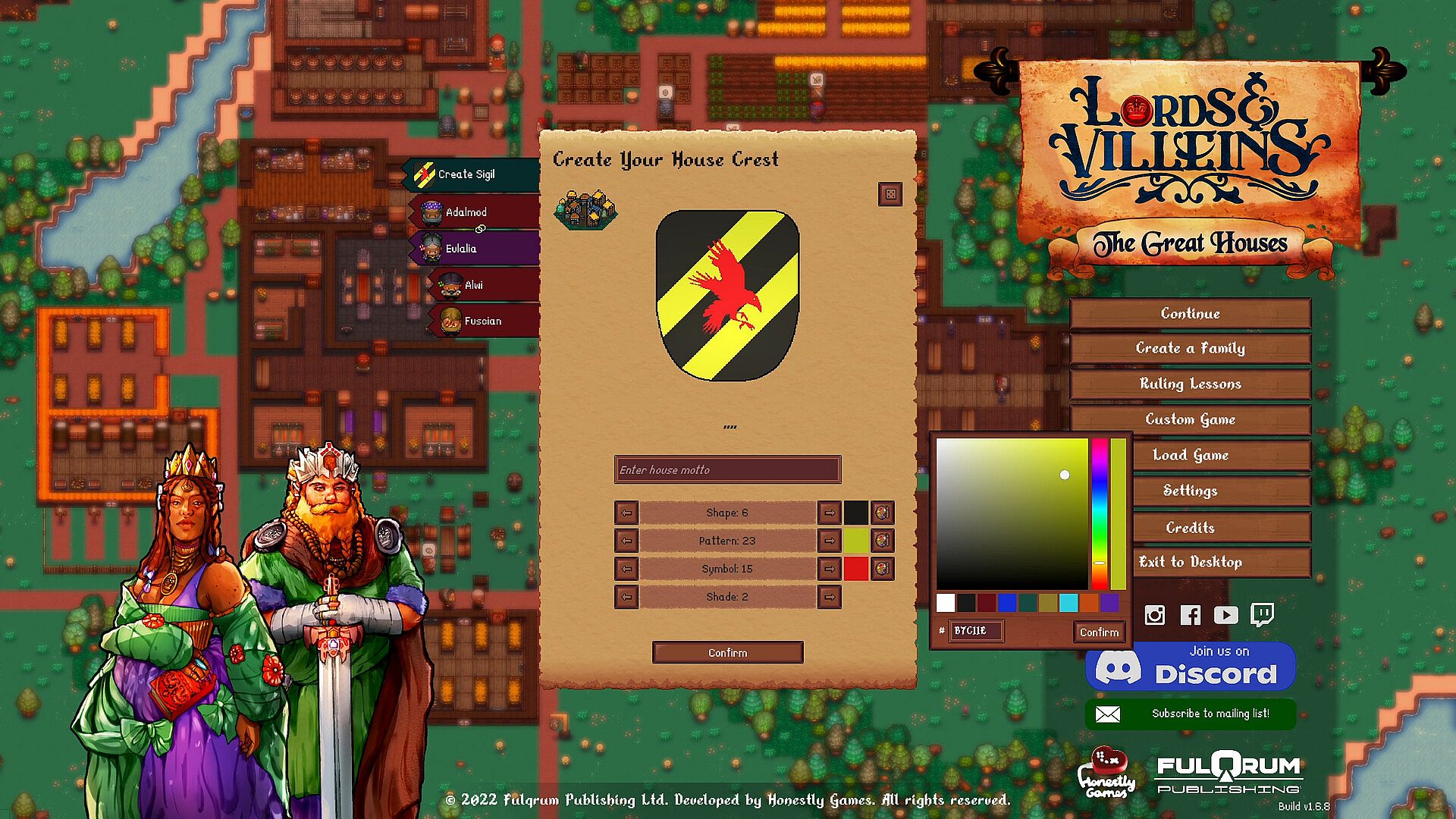
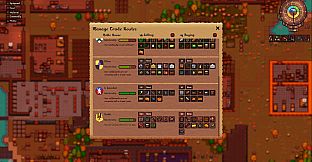
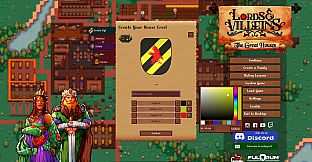
Diplomacy forms a key layer, with interactions involving AI-controlled noble houses and the royal city. Players can pursue trade routes that link settlements and unlock specialized caravans carrying additional goods. Quests help build standing with other houses, leading to deals that influence resource flows. A sigil editor and house motto creator allow customization of the player's noble identity at the start.
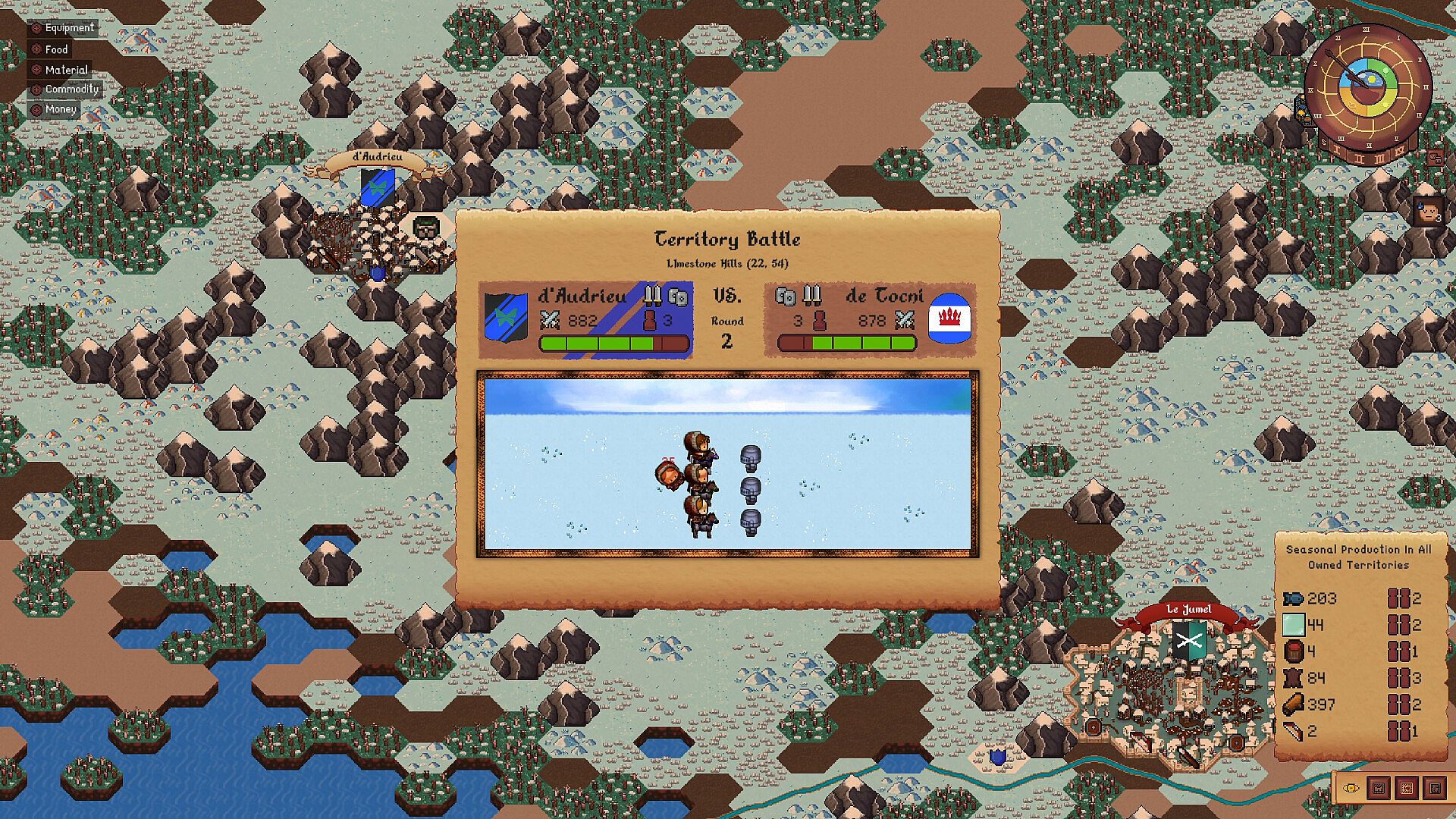
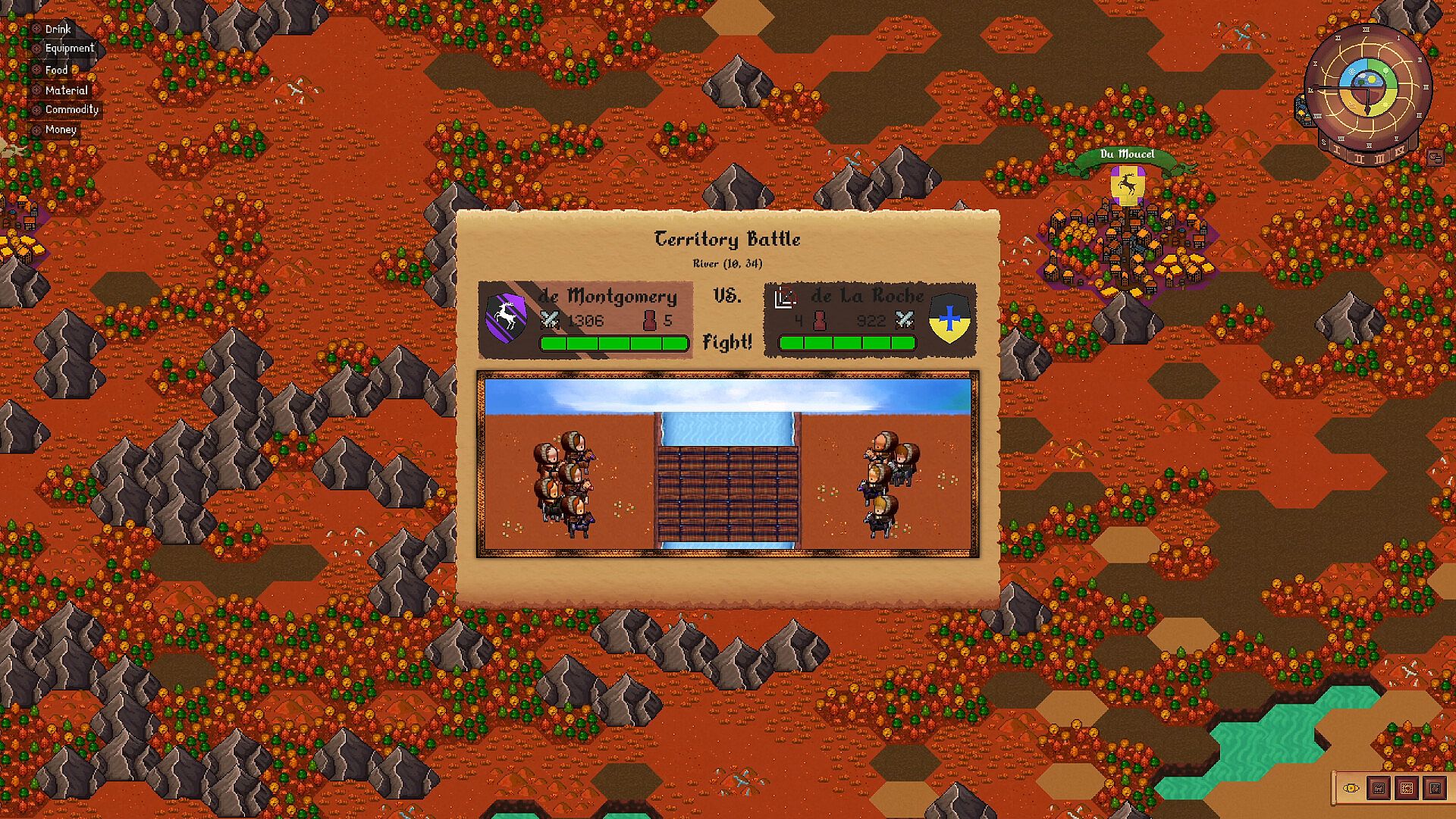
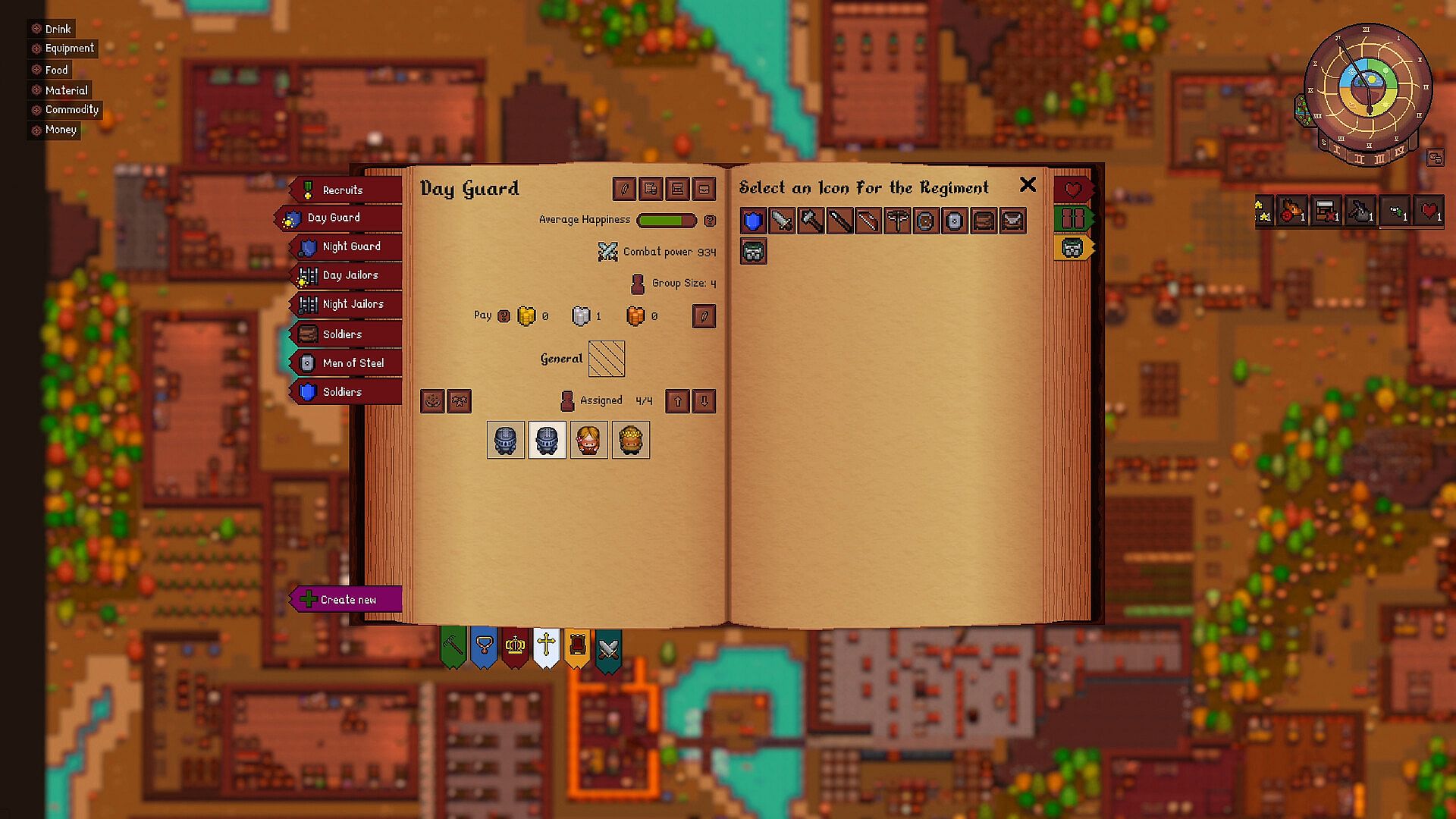
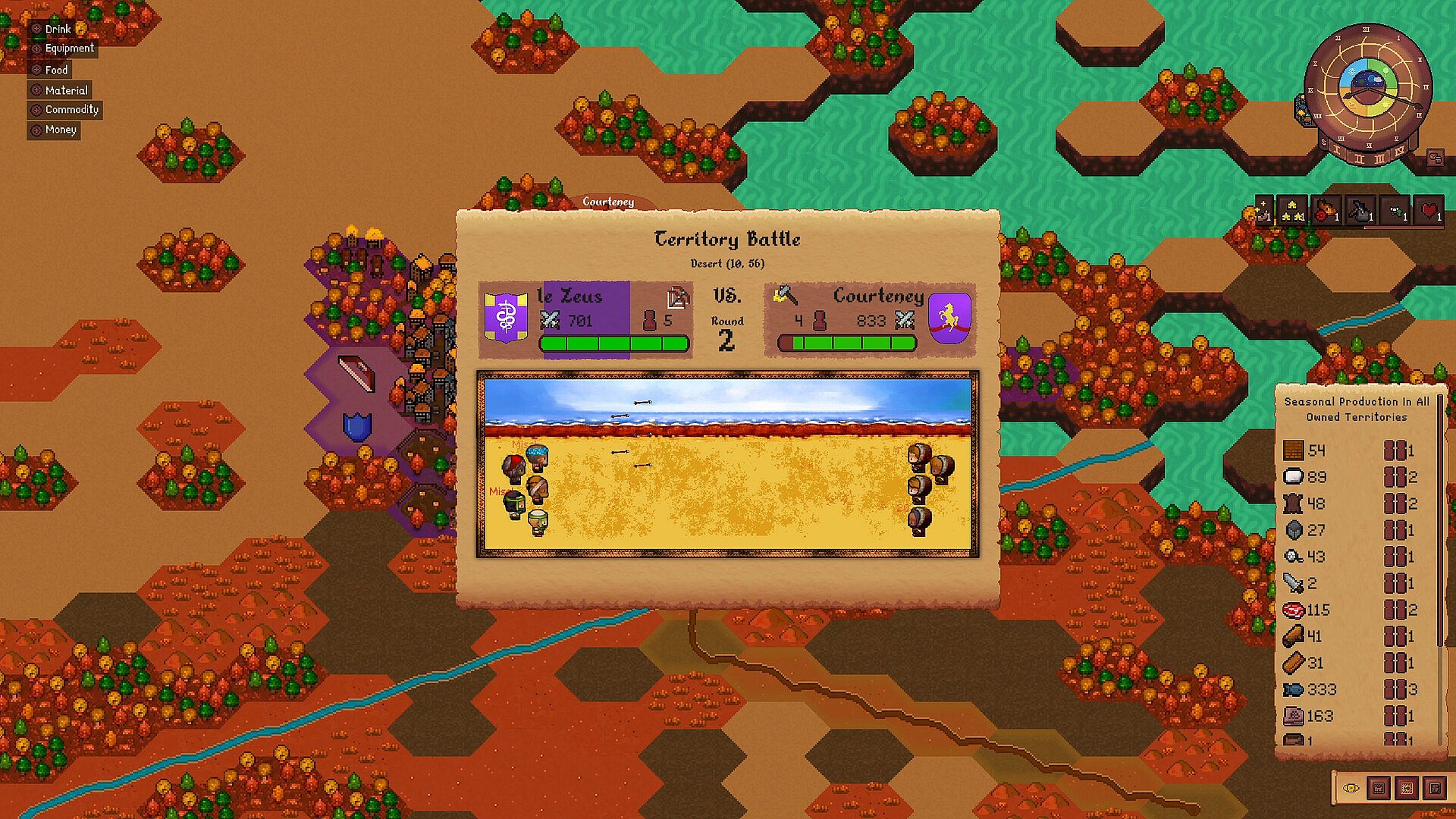
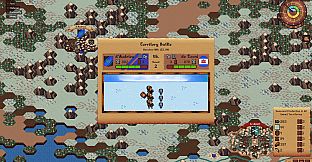
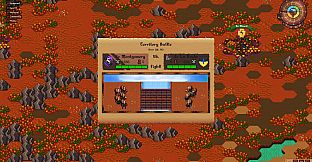
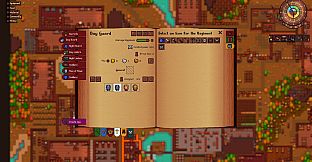
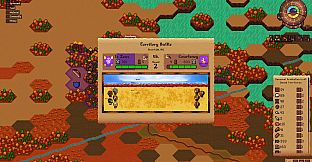
Military options provide an alternative path. Regiments can be deployed to guard territories or used offensively through a turn-based combat system. This system supports raids to seize resources from rivals or full invasions to seize control of their lands. The combat layer remains optional, allowing players to focus entirely on economic and diplomatic routes if preferred.
Game Modes
The experience operates as a single-player simulation without separate named modes. Instead, variety arises from player choices in approach. One path emphasizes peaceful expansion through land acquisition, family deployment, and trade networks that connect multiple settlements. Another incorporates military actions, including protection of holdings and direct confrontations with other houses.
Progression ties into influence building across the nation map, where the royal family and competing houses create ongoing interactions. Decisions on whether to prioritize diplomacy or force shape the long-term development of the player's house and its territories.
Key Mechanics and Systems
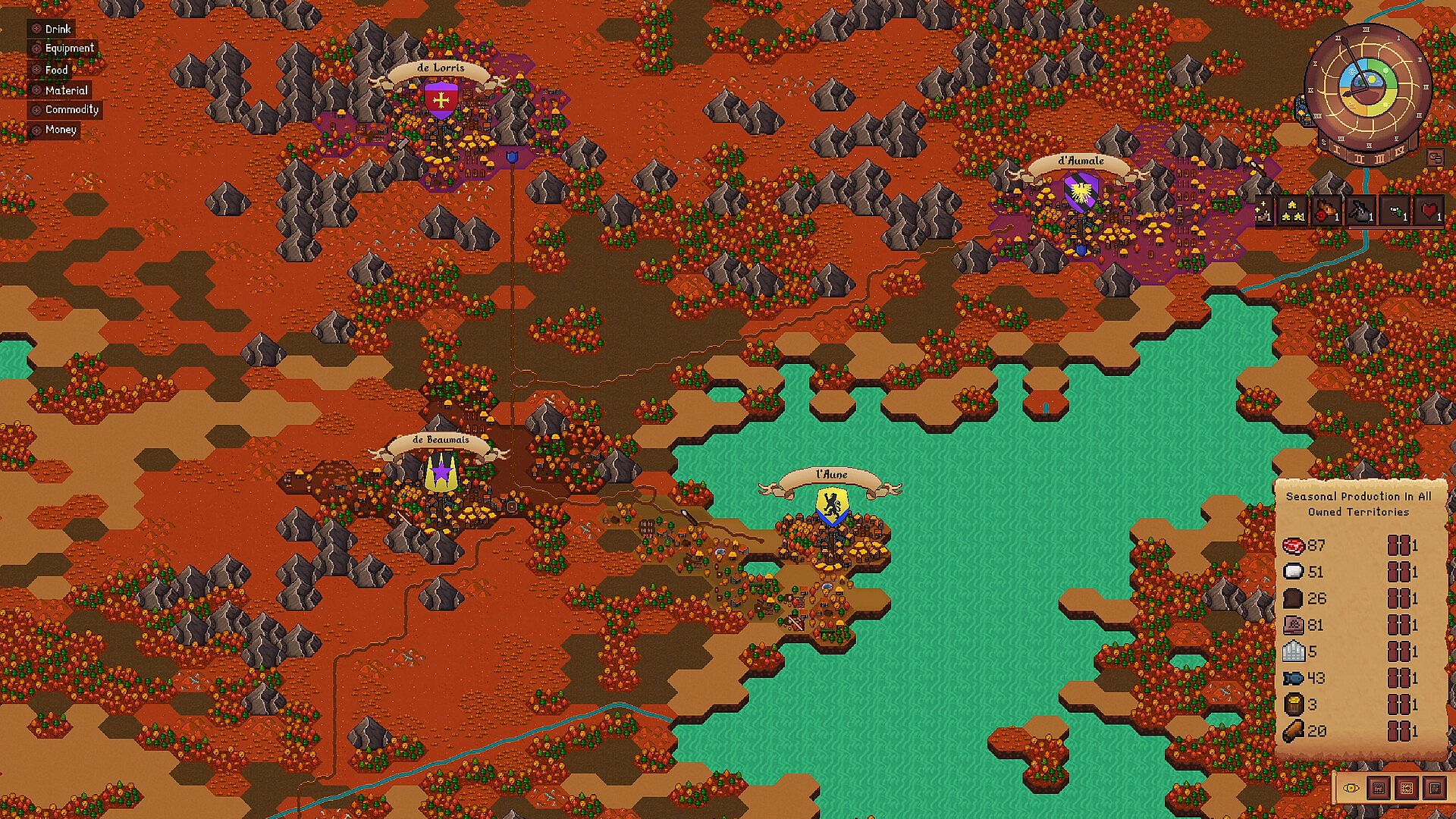
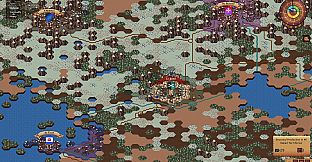
Territory management involves purchasing titles and assigning families to exploit production in new areas. Trade routes and deals introduce dynamic caravans that affect settlement inflows. The world map view displays all AI houses and the royal city, providing context for expansion decisions.
Combat integration allows strategic regiment use without forcing engagement. Raids and invasions yield direct resource gains or land control, while defensive deployments counter threats from rivals. These elements layer onto the existing family-based economy without altering its foundational simulation.
Is It Worth Playing?
The DLC adds meaningful scope to the base simulation by introducing national-level decisions and interactions. Players interested in detailed economic management and house-building will find expanded opportunities for growth and competition. Those who prefer direct conflict gain access to an optional combat layer that supports raiding and conquest.
Reception for the expansion shows mixed results on its platform, with some users highlighting the seamless addition of new systems to an established game. The title suits fans of strategy simulations who enjoy long-term planning over fast-paced action. Availability requires the base game, and the content focuses on single-player depth rather than multiplayer elements.