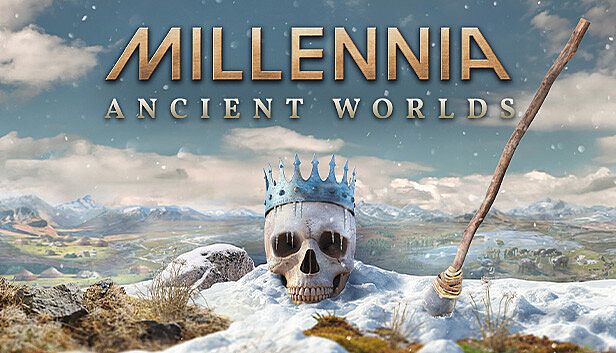

















Millennia: Ancient Worlds is a strategy and simulation game set on PC that expands the prehistoric era of the core historical 4X experience. Players begin before settled civilization forms and guide a small group of humans through resource scavenging, adaptation, and eventual societal development across thousands of years of history.
Gameplay
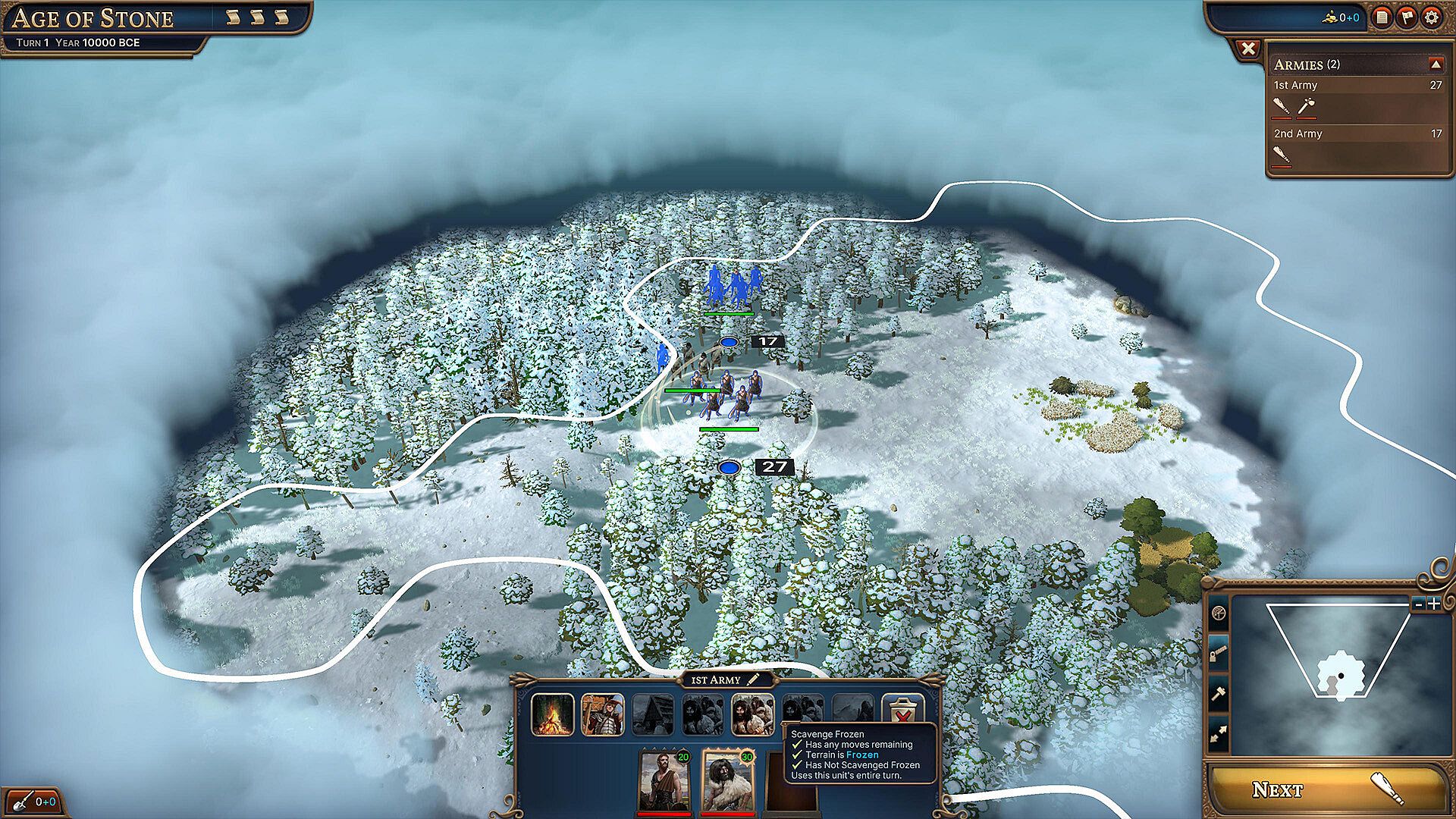
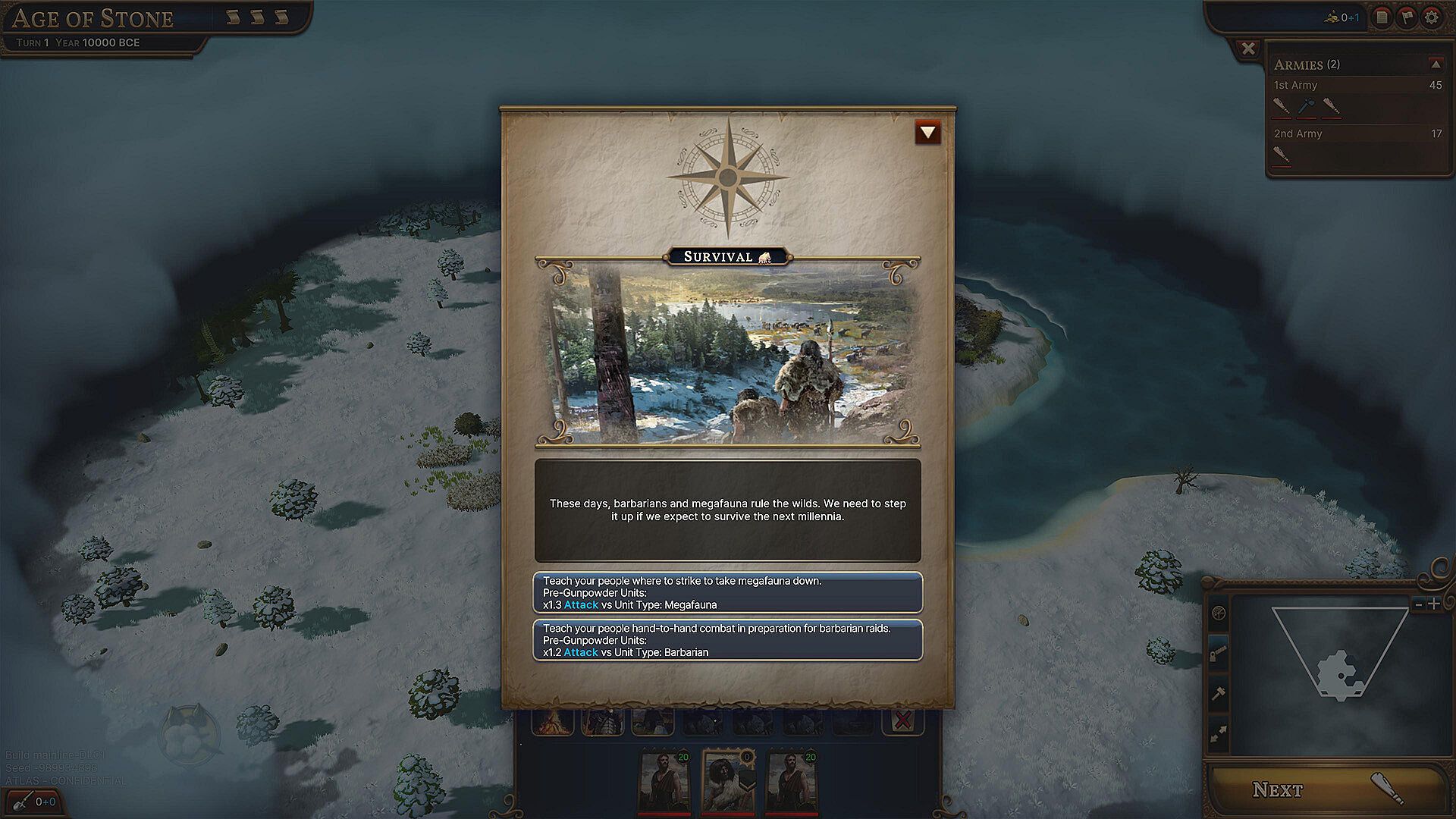
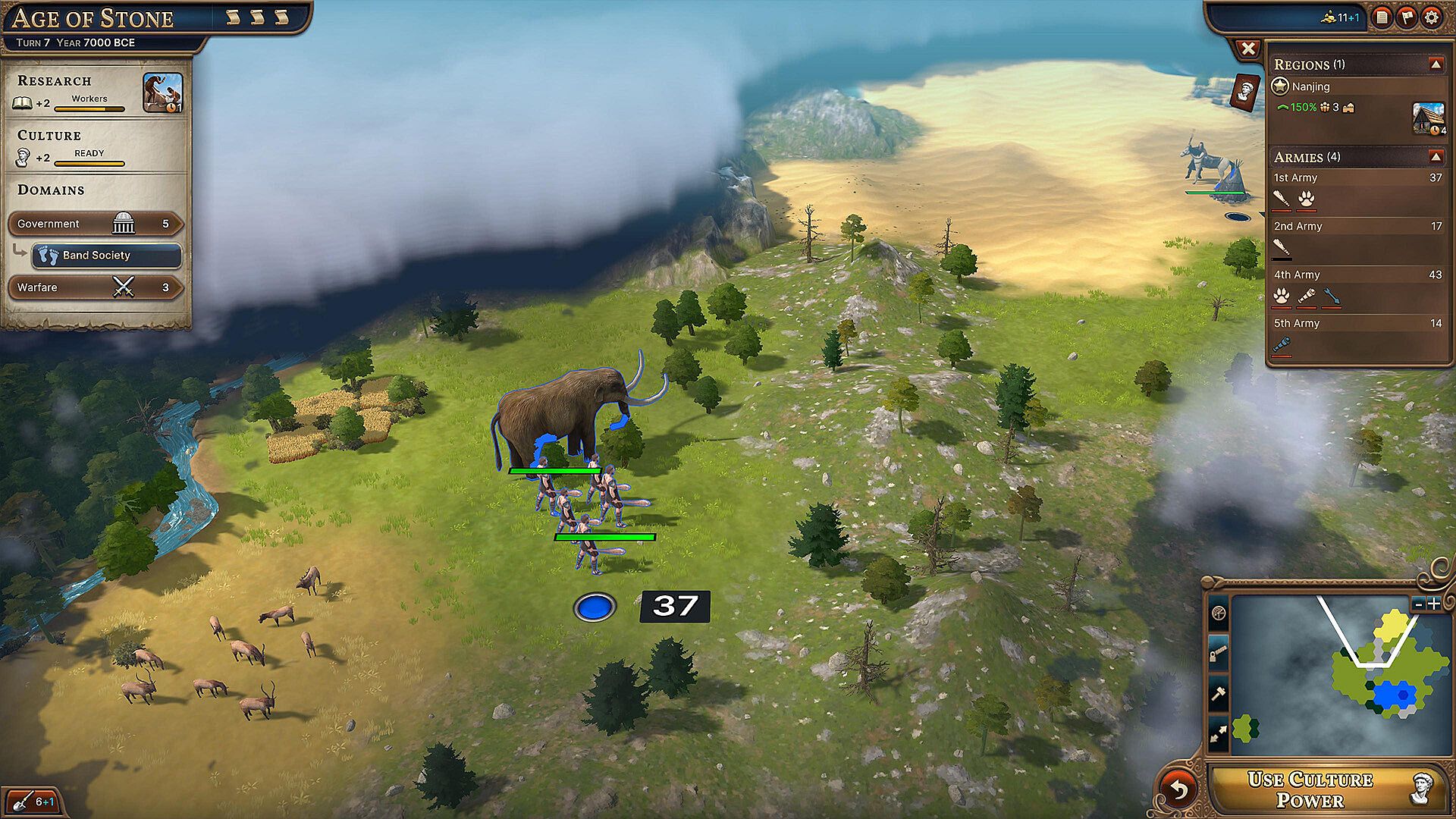
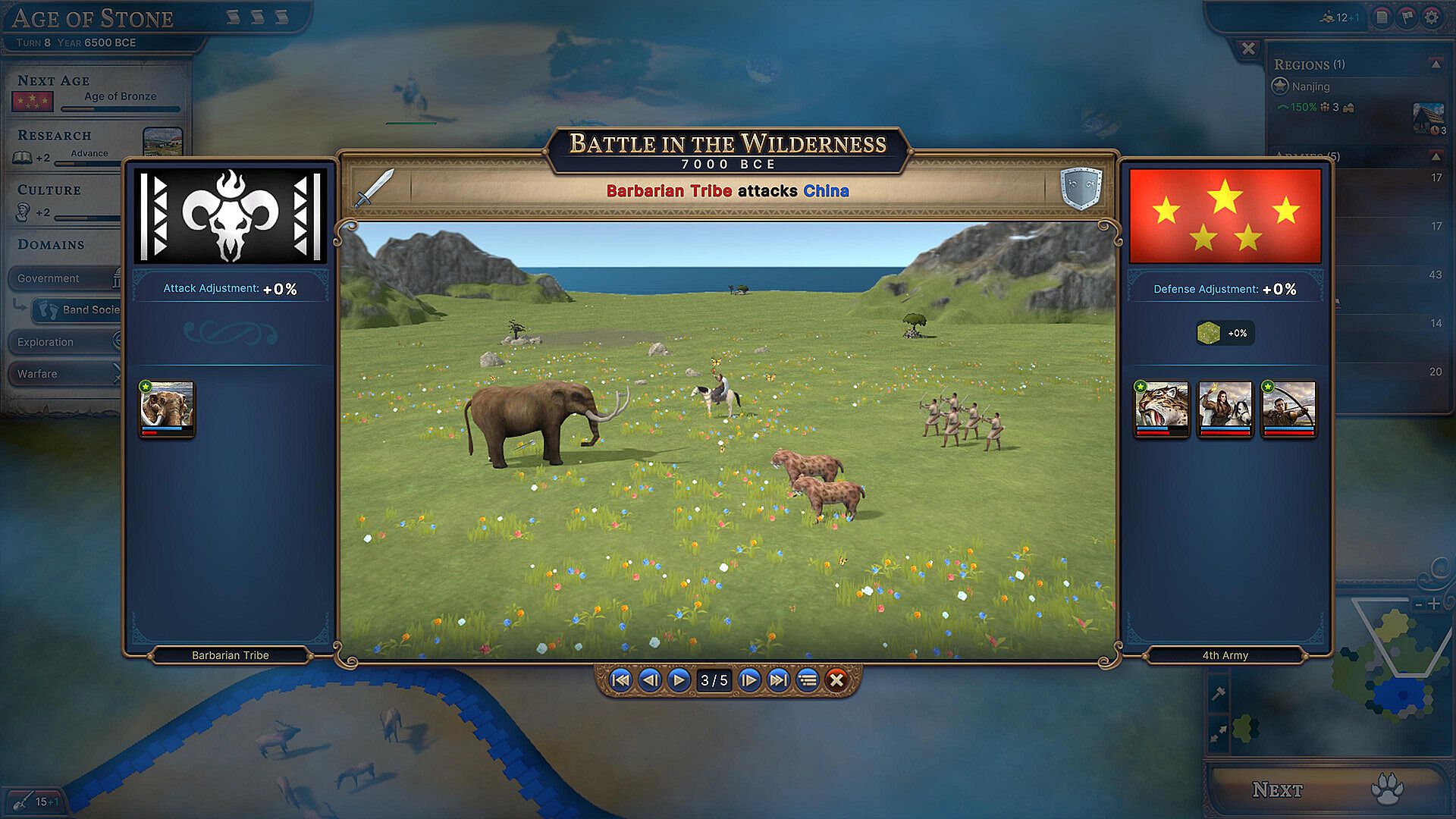
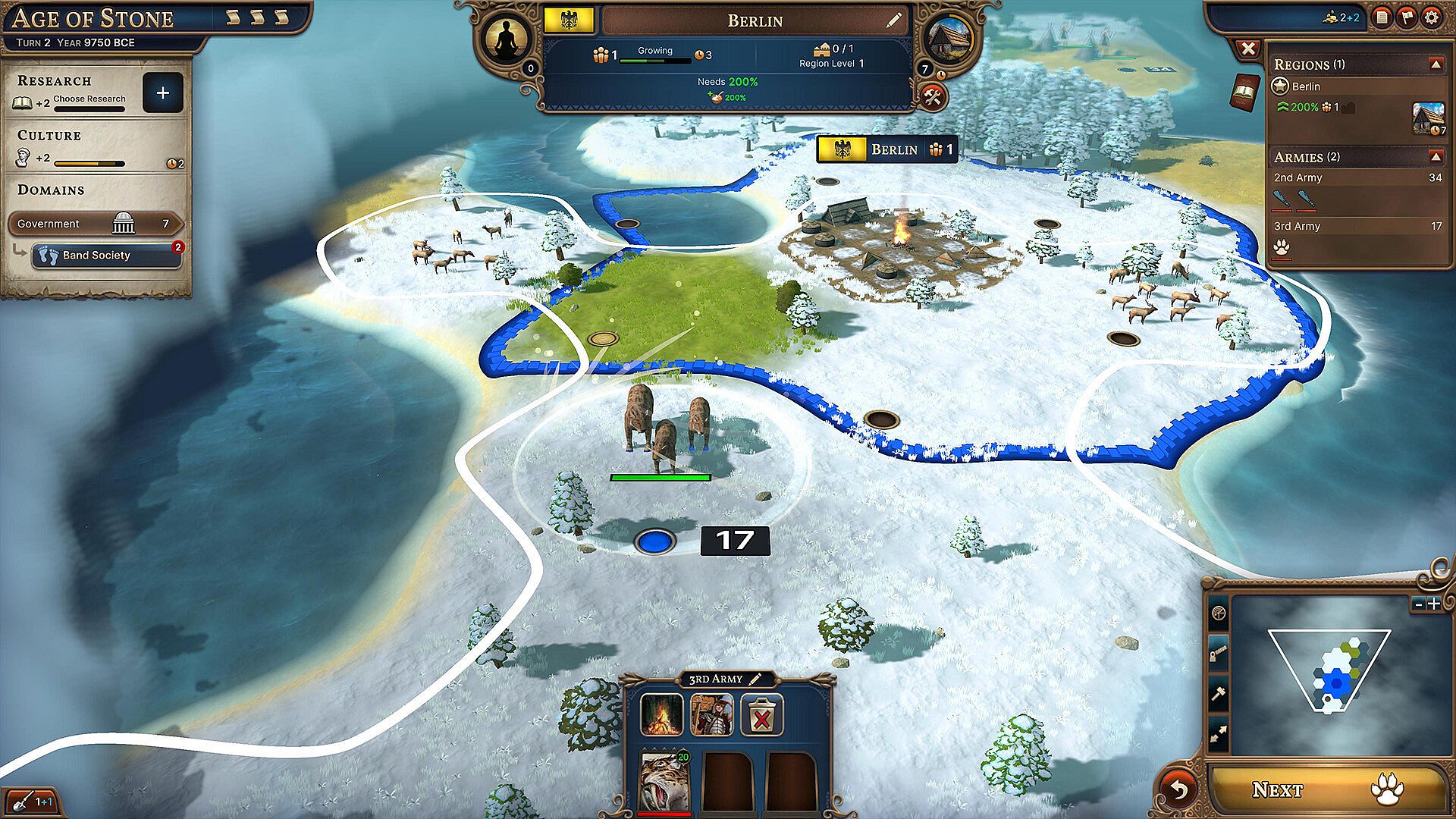
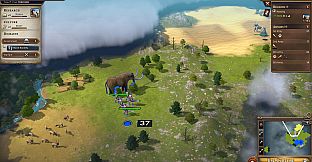
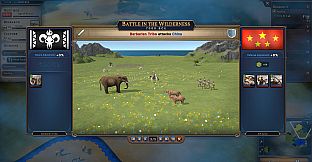
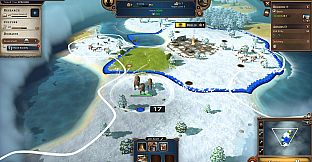
The core loop centers on exploration, expansion, and adaptation in a turn-based format. Early gameplay emphasizes survival and incremental progress as players manage a nomadic group that gathers resources to strengthen its position before committing to permanent settlement. New terrain types introduce fresh constraints, such as limited gathering in frozen starts that gradually open into more productive grasslands and forests as conditions improve. Megafauna appear as both hazards and opportunities, triggering events that can alter group strength or provide unique rewards.
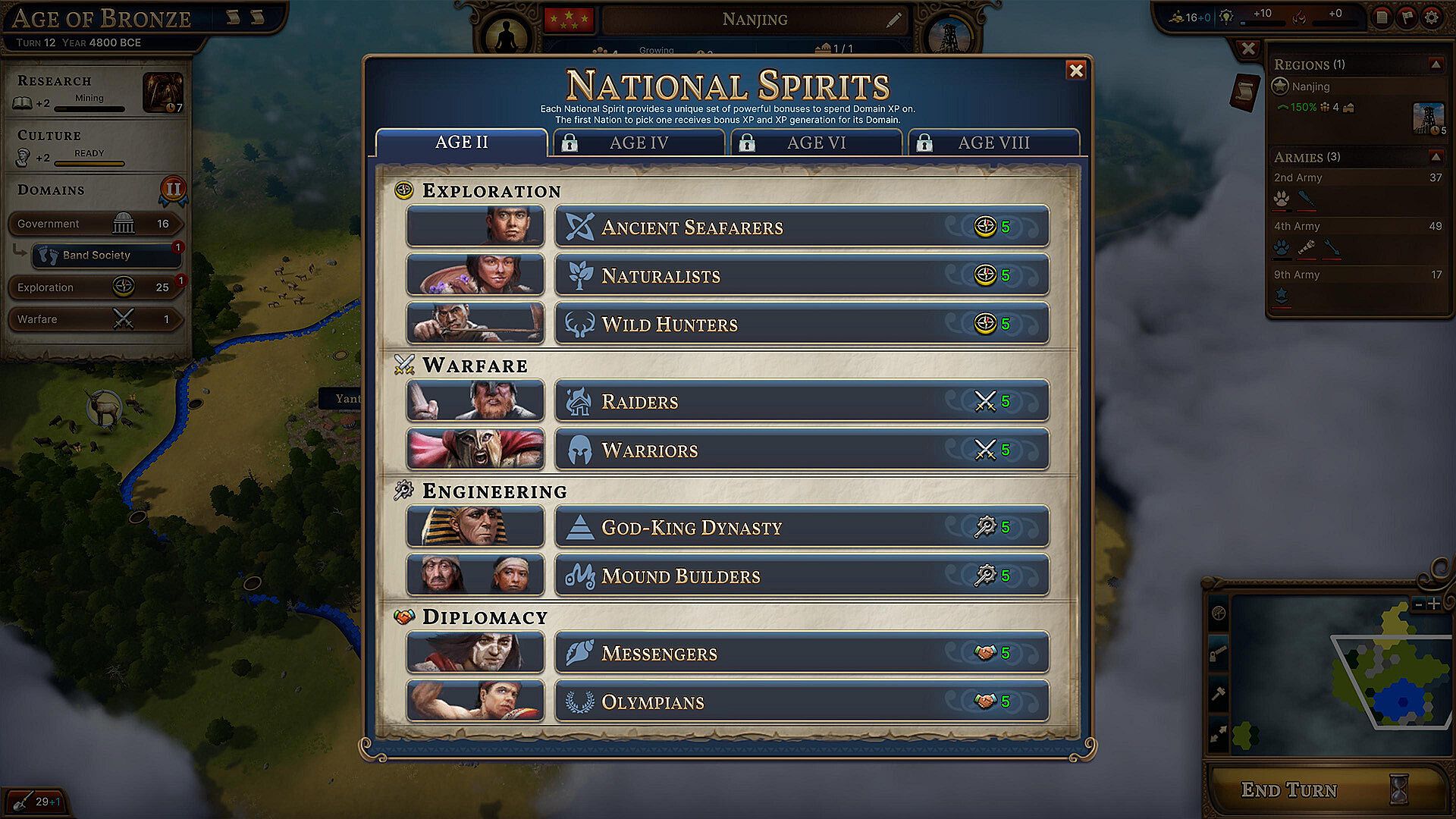
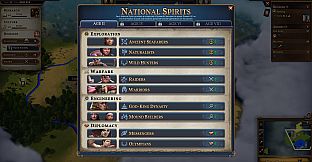
Progression incorporates a new National Spirit available from Age II onward. Messengers focuses on diplomatic interactions by encouraging gift exchanges with rivals, resource collection from minor nations while maintaining their independence, and access to a special Llama good that yields ongoing benefits. A new starting government option, Band Society, replaces traditional homeland building with short-term bonuses and Tribal Camps that deliver early advantages. This setup also grants a Nomad Band unit capable of scavenging across terrain and establishing an extra capital region upon settlement.
Exploration gains depth through new Landmarks that can generate on the map. These natural wonders, including Mount Jianglang, Iguazu Falls, and the Great Redwood Forest along with eight others, each support dedicated Expeditions that deliver distinct rewards or challenges tied to the prehistoric phase.
Game Modes
Millennia: Ancient Worlds integrates directly into the base game's single-player campaign structure, where players advance through a sequence of ages that can follow standard historical paths, enter crisis periods with heightened difficulties, or shift into variant timelines with altered rules and technologies. The expansion enhances the opening phase of any playthrough by providing the nomadic start option and associated mechanics, allowing different strategic paths from the first turns.
Multiplayer support exists in an experimental simultaneous format introduced alongside the expansion's release, enabling multiple participants to progress turns together rather than sequentially. This mode builds on the core 4X systems without introducing separate dedicated scenarios or competitive ladders.
Key Features and Mechanics
The expansion adds targeted systems for the earliest stages without altering later ages. Band Society government emphasizes mobility and temporary power spikes through camps, while the Messengers National Spirit rewards careful diplomacy and preservation of smaller entities. Terrain evolution from frozen to temperate zones creates dynamic resource availability that influences settlement timing and expansion routes. Megafauna encounters add risk-reward decisions that can bolster or hinder progress depending on how events resolve.
Landmarks function as optional objectives during exploration, each tied to specific expedition outcomes that reward players who invest in scouting. These elements combine with the base game's age advancement system, where the first nation to meet criteria determines the global era transition for all participants.
Is It Worth Playing?
Player reception for the base game remains mixed, with Steam reviews sitting at approximately 67 percent positive overall. Recent reviews have trended higher following patches and the addition of Update 5, which accompanied the expansion and included performance improvements along with the new prehistoric content. The expansion itself targets fans of early-game variety in historical strategy titles by offering concrete alternatives to standard city founding.
Those who enjoy deliberate pacing, diplomatic maneuvering, and the challenge of building from minimal resources will find the added options rewarding. The prehistoric focus provides a distinct entry point that rewards planning around terrain changes and event management. Players seeking consistent updates should note ongoing support through patches that address stability and expand experimental features like simultaneous multiplayer.