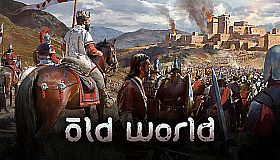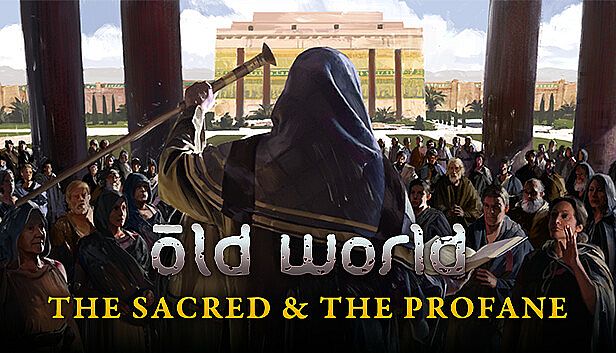
















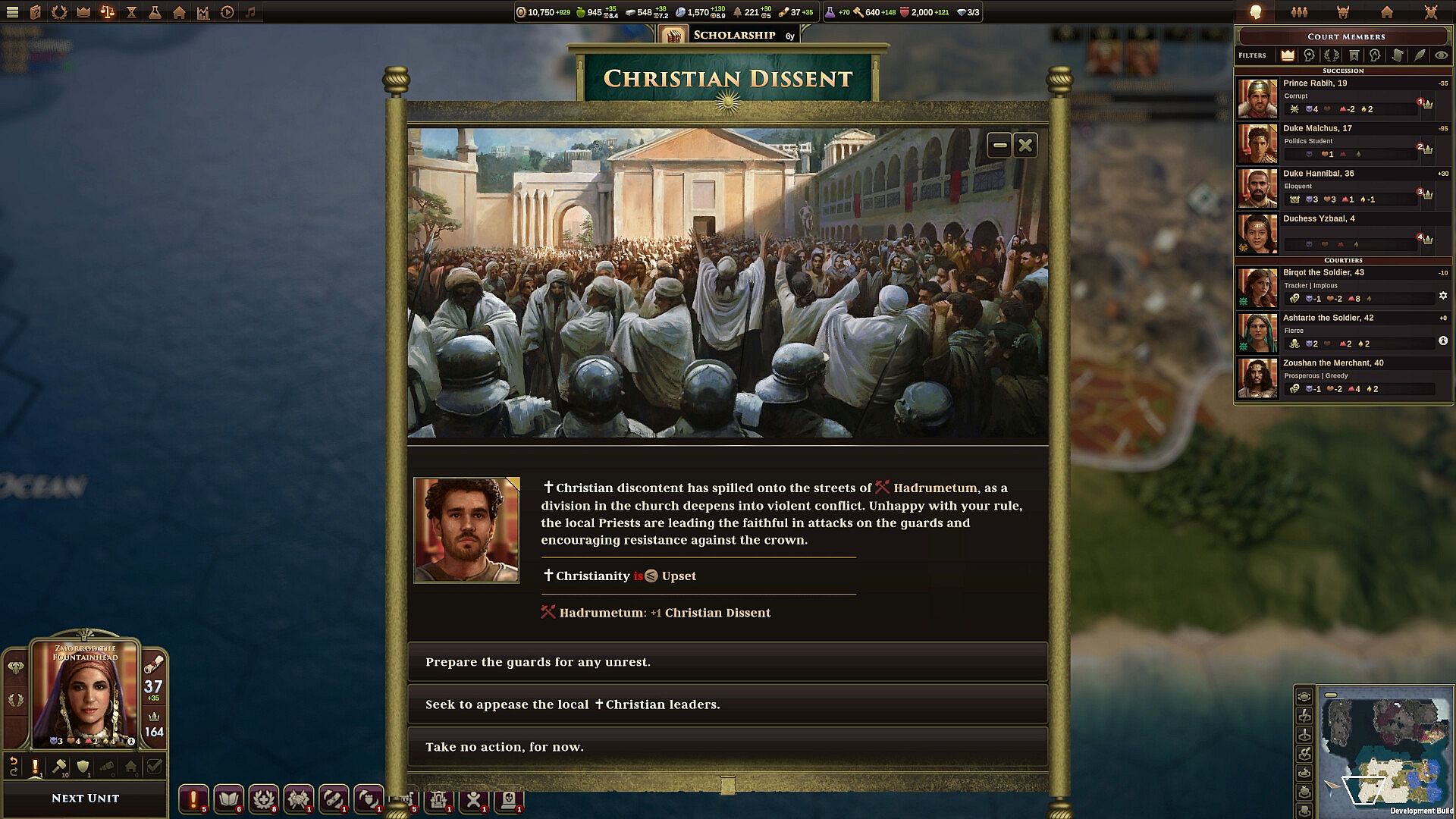
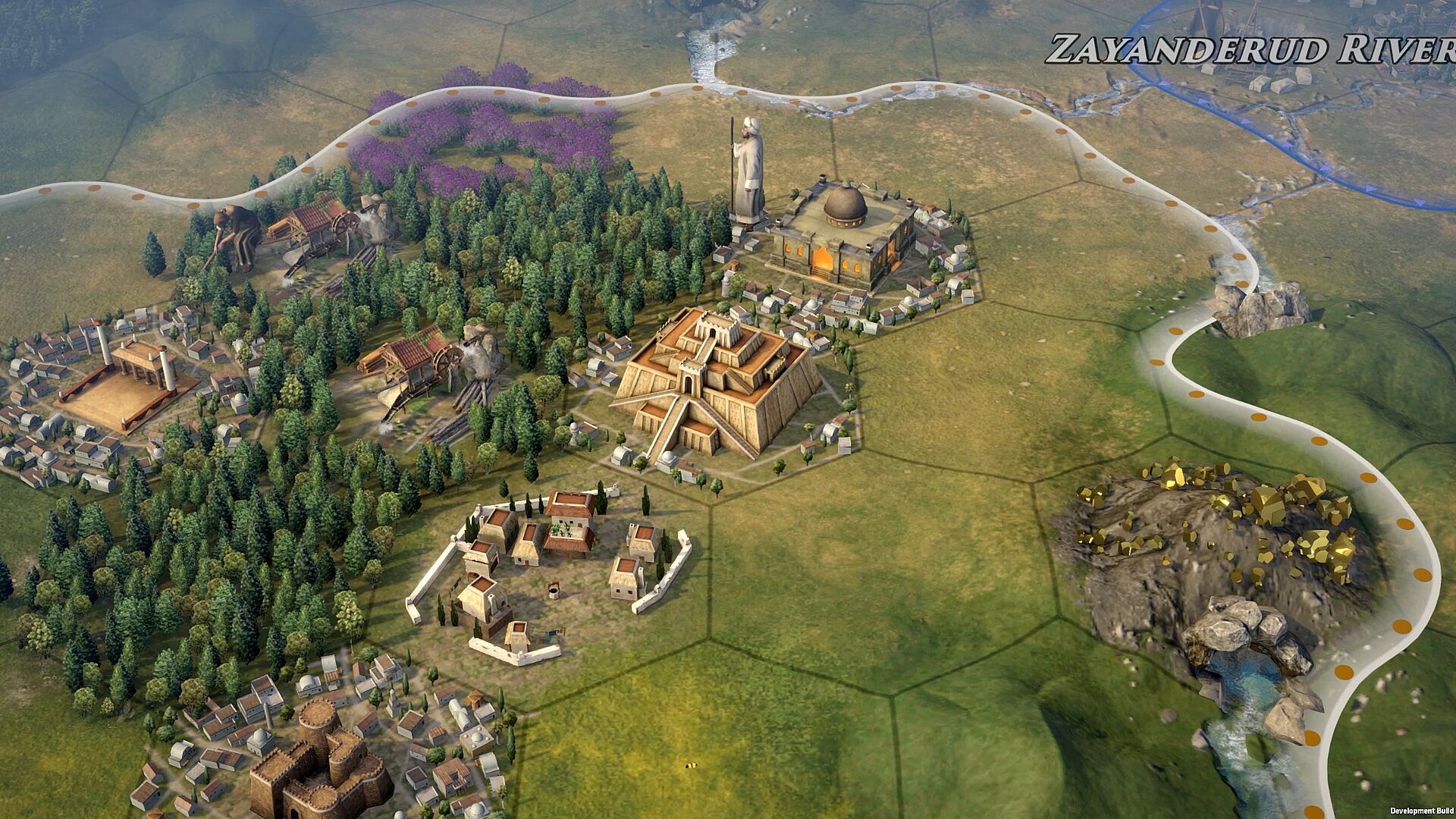
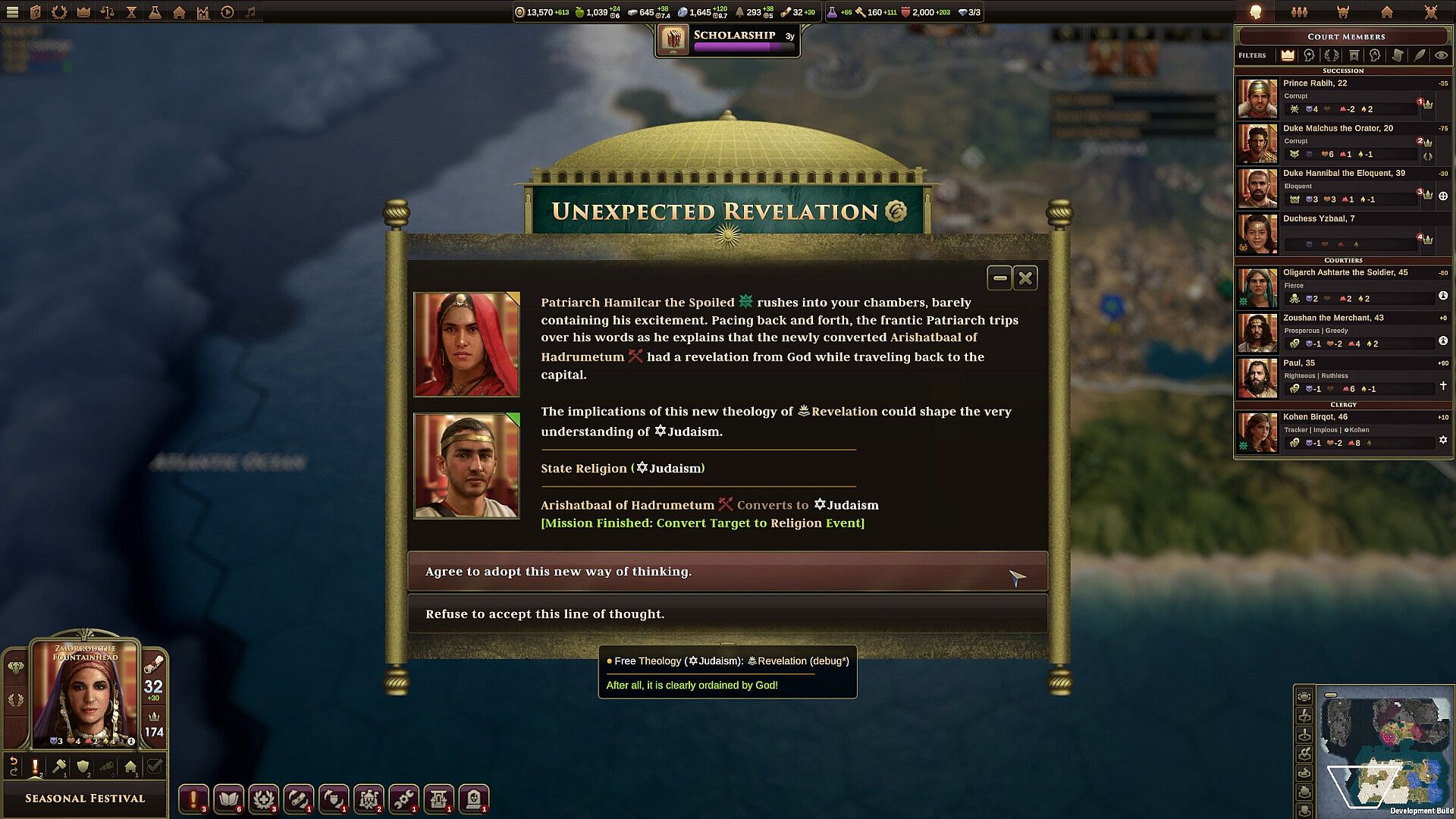
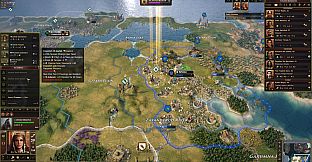
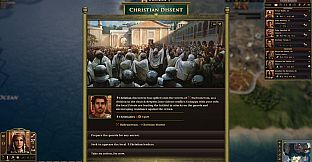
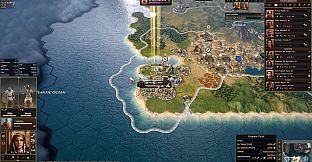
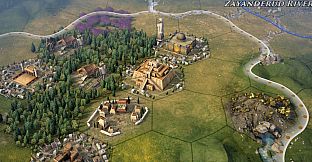
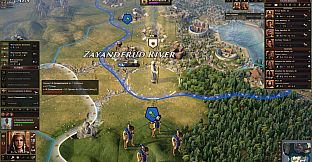
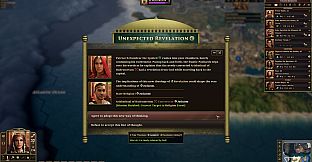
Old World - The Sacred and The Profane expands the turn-based strategy and simulation experience of the ancient-era 4X title Old World with extensive additions centered on religion and its influence on empires. Players manage expanding nations through turns where leaders issue limited orders to units, cities, and diplomats while balancing internal factors like family dynasties and now faith. The expansion introduces mechanics that tie religious approval directly to stability, with dissent emerging in cities when a faith grows unhappy with leadership decisions.
Gameplay
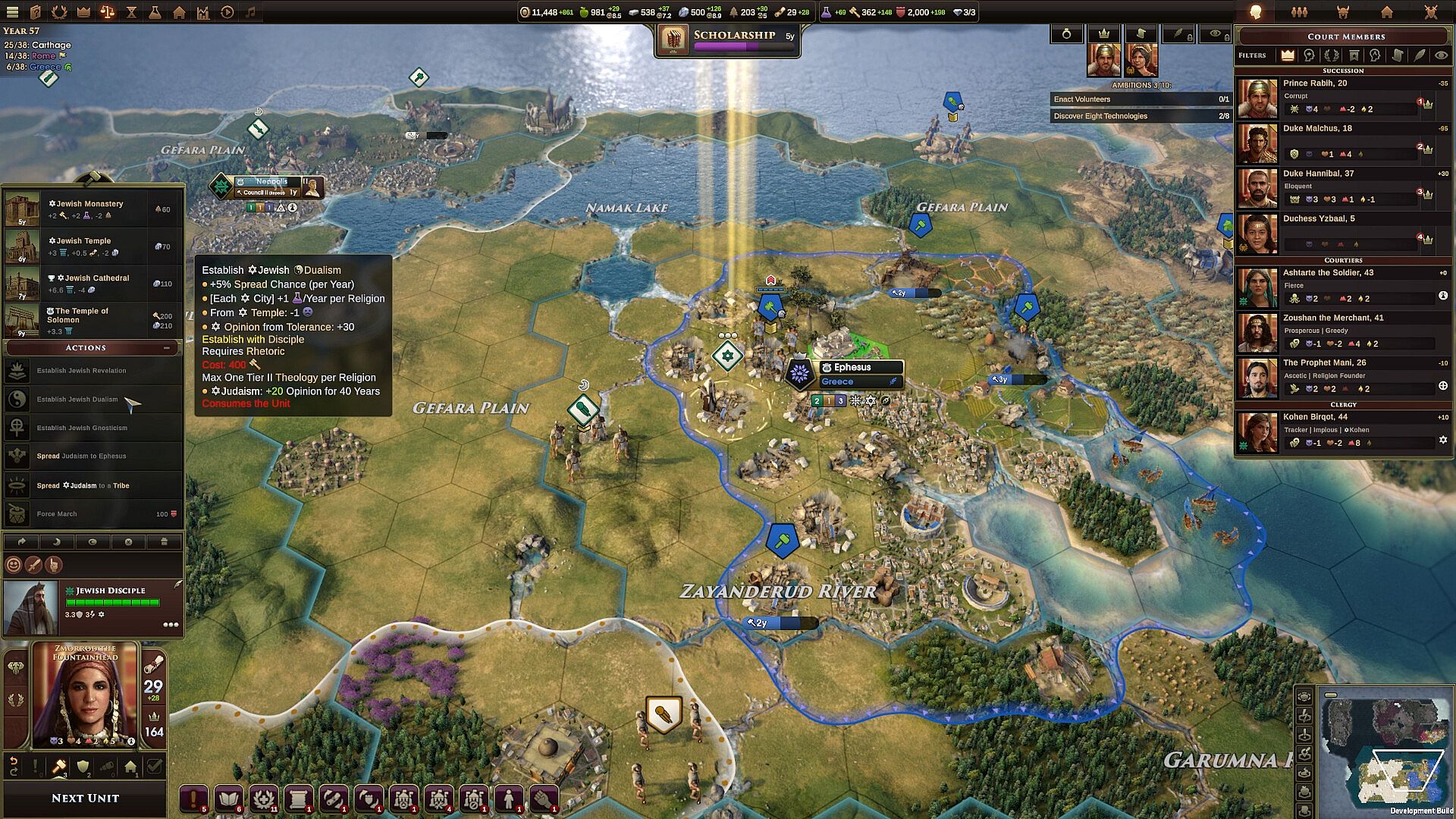
The core loop revolves around building and defending territories across the ancient Mediterranean and Near East while navigating events that shape character development and empire policies. Orders serve as the central resource, allowing flexible actions such as multiple moves for a single unit or investments in construction and diplomacy until the pool depletes each turn. Leaders age, pass on traits to heirs, and face choices that generate new character attributes over time.
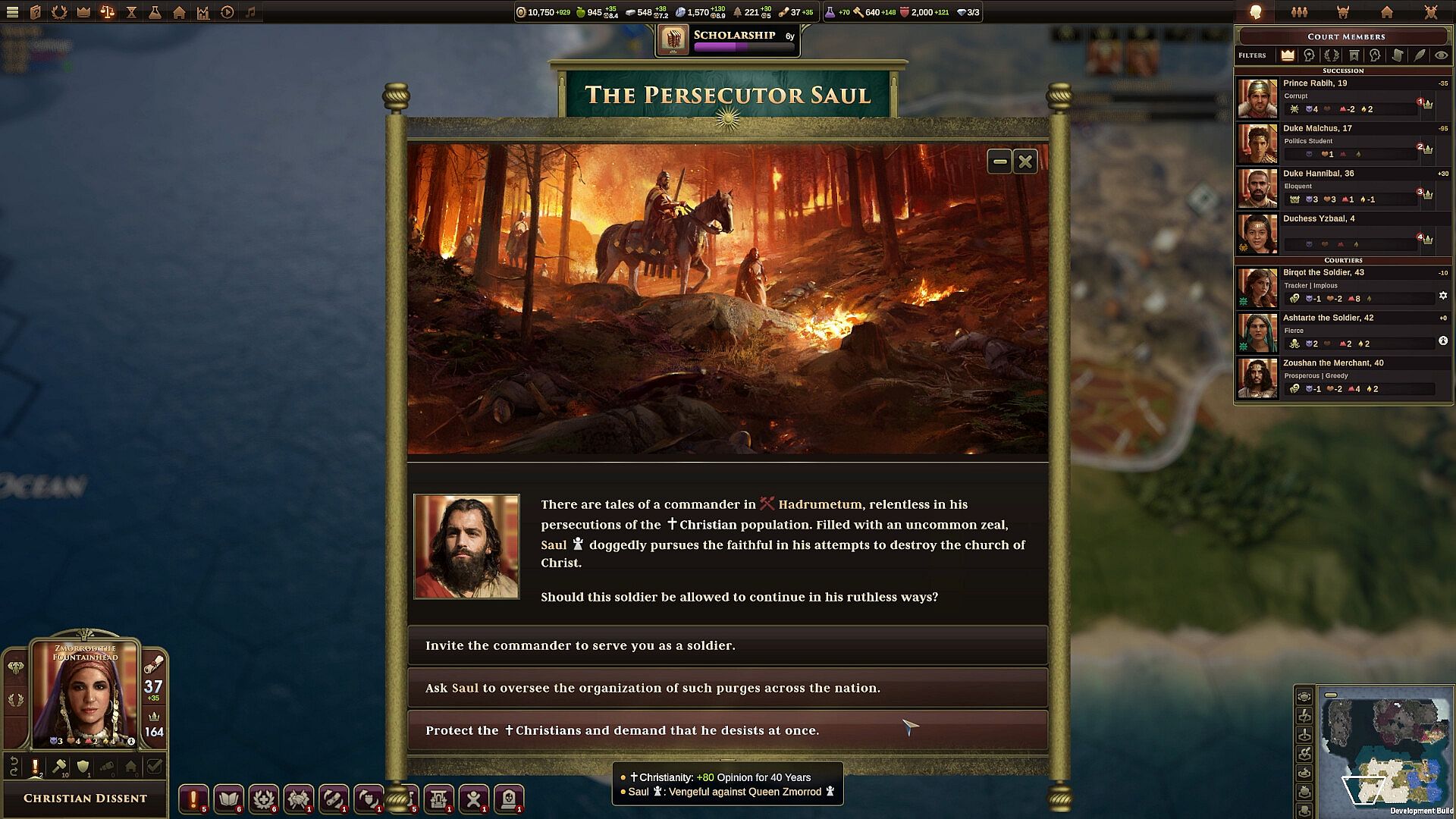
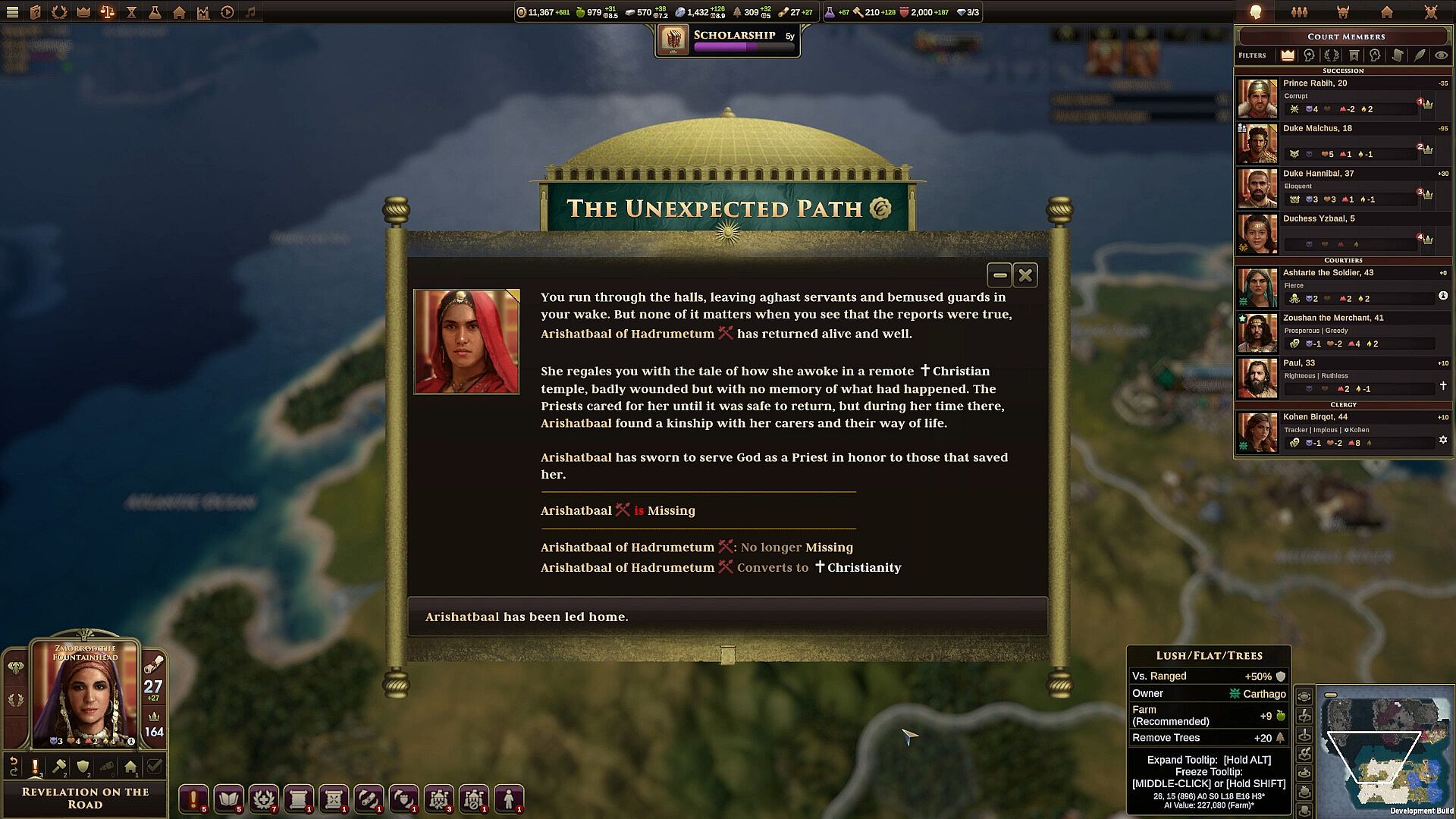
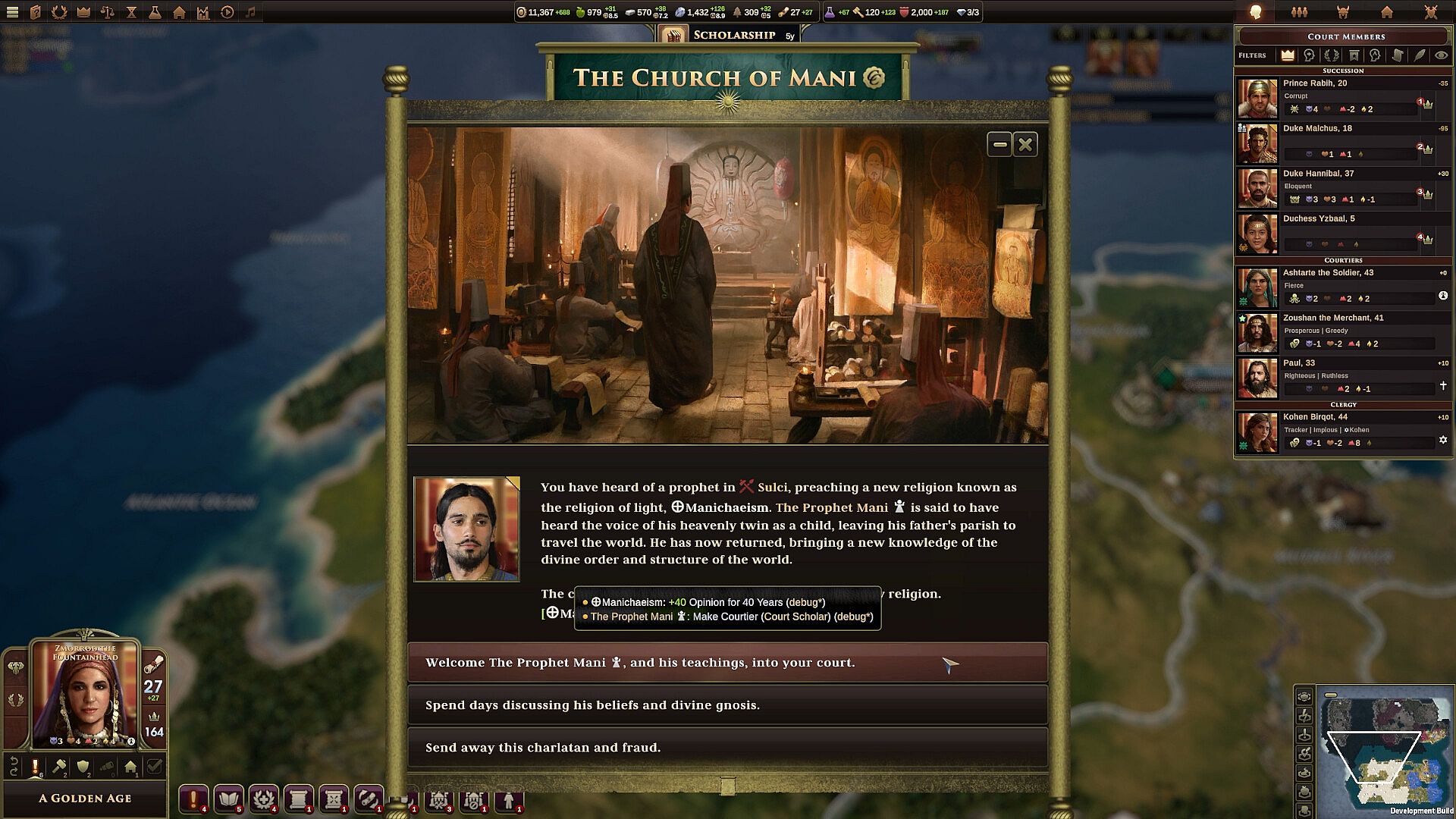
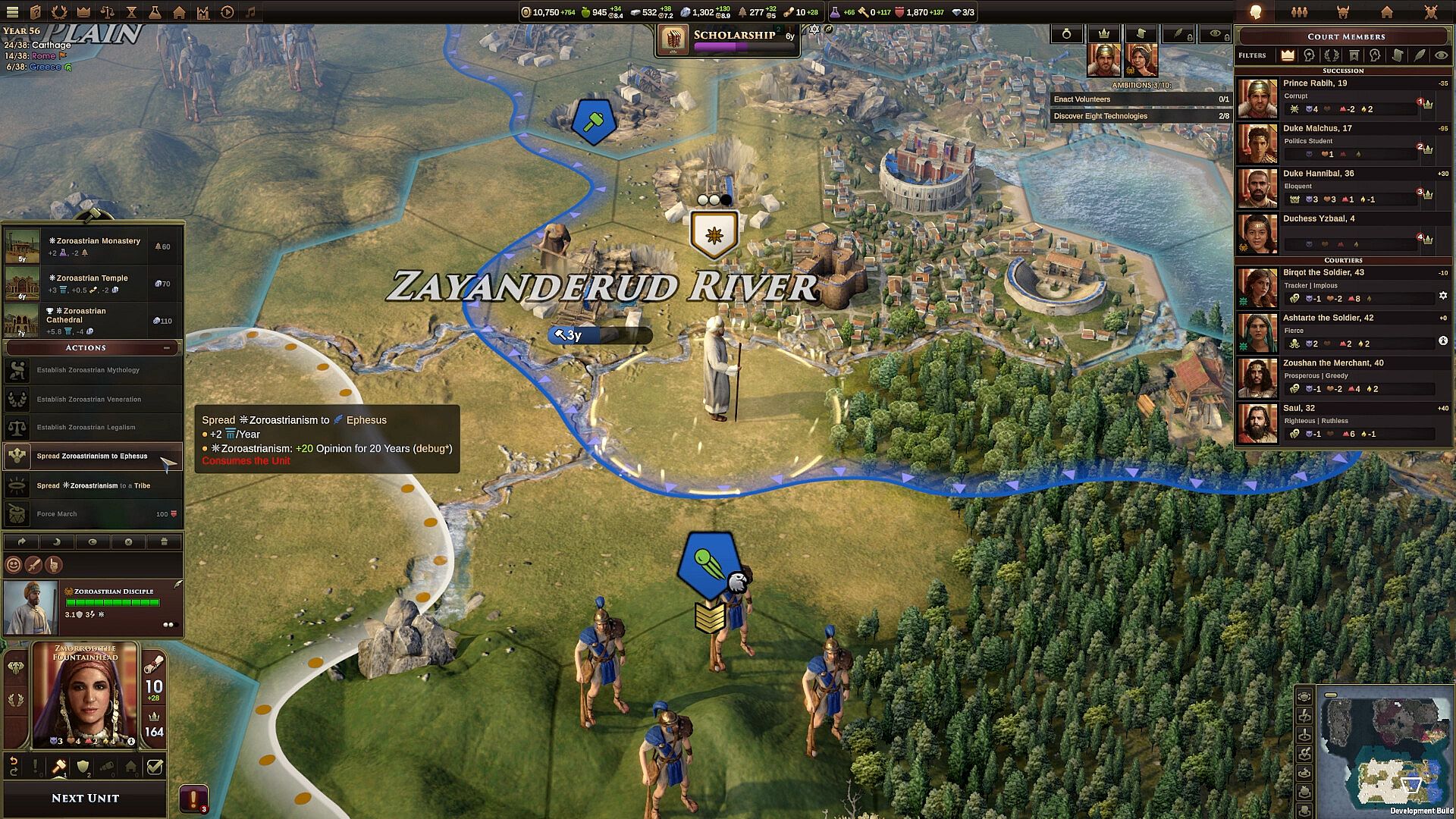
This expansion layers religious systems onto that foundation. Over 350 new events cover everyday rituals, state religion power struggles, and the rise of competing world faiths, forcing decisions that affect opinion levels from different groups. Clergy characters join courts with personal missions and projects whose success depends on how favorably their faith views the ruler. Existing figures can enter the clergy via missions from the state religion's leader. More than ten new traits appear, including core options, event-driven ones, and clergy-specific variants that alter abilities and interactions.
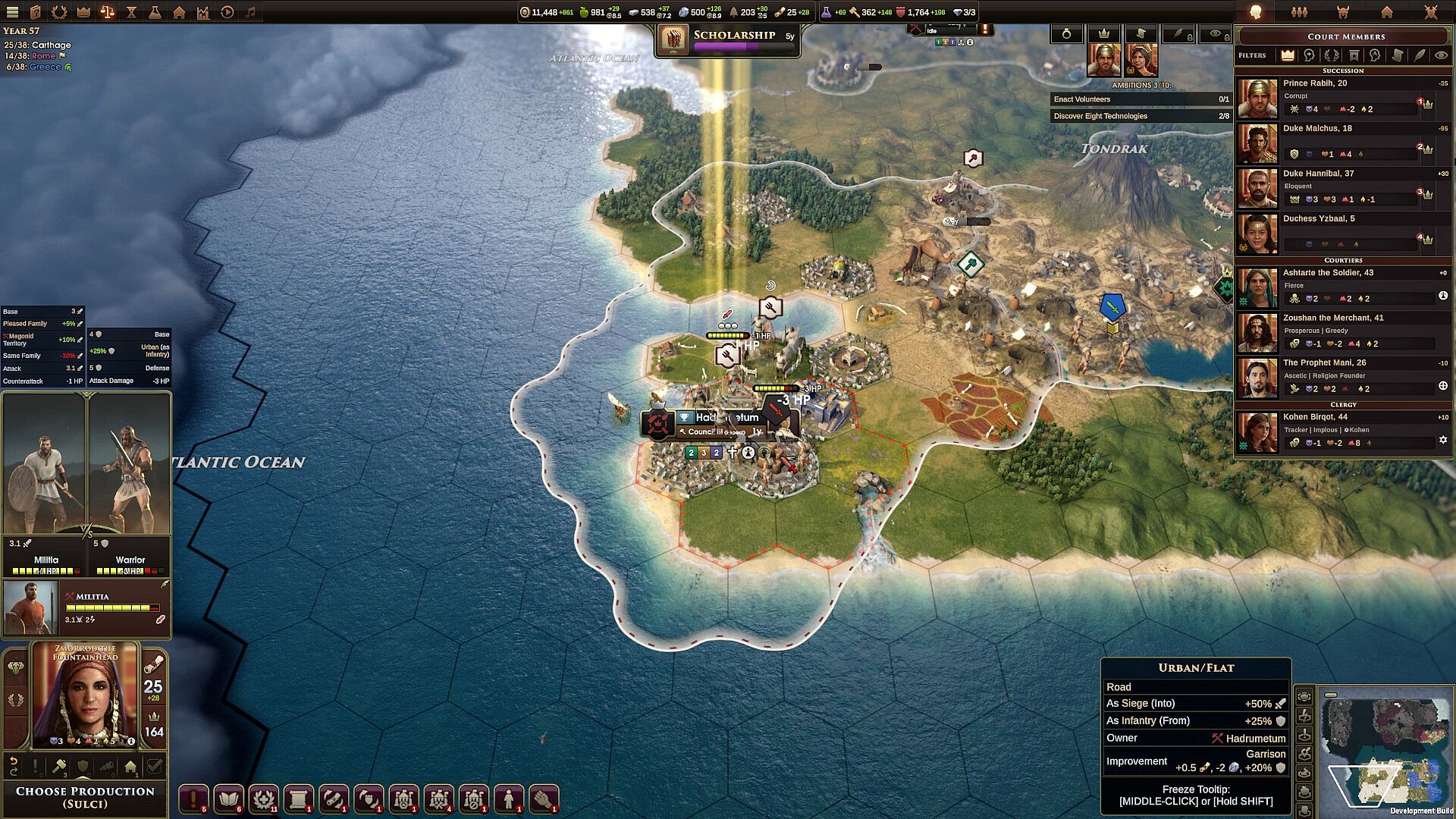
Religious dissent creates tangible risks. Low approval from a faith can spark unrest in matching cities, leading to reduced productivity or open conflict if unchecked. Over ten new cult city projects, added through events or shrine upgrades, provide unique bonuses such as specialized resource gains or defensive advantages. Six historical figures join as recruitable characters, each bringing distinct backgrounds and potential story branches tied to their faiths or philosophies.
Game Modes
Old World supports single-player campaigns against AI opponents where the focus stays on long-term empire building and narrative events across multiple generations of leaders. Multiplayer options include hotseat for shared-screen sessions, asynchronous play for turn-based exchanges over time, and cloud-based matches that allow flexible scheduling. Cross-platform support extends to co-operative and competitive formats, enabling groups to explore the same map with the new religious mechanics influencing alliances and rivalries.
These modes integrate the expansion content seamlessly, so religious dissent and clergy missions appear in both solo and group play without altering the fundamental order system or map generation.
Key Additions and Mechanics
The expansion emphasizes historical what-if scenarios during periods when multiple religions competed for influence. Players must weigh clergy demands against broader empire needs, as appeasing one faith might alienate another and trigger city-level consequences. New character traits interact with existing systems, such as modifying event outcomes or project efficiencies, while the listed historical recruits offer specialized roles in court or on the battlefield.
City improvements tied to cults deliver targeted effects that reward careful management of faith relations. Events scale from minor personal rituals to major shifts in state religion, keeping the decision tree dense across hundreds of additions.
Is It Worth Playing?
Old World maintains very positive overall reception on major platforms, with recent reviews reflecting continued player engagement. The expansion adds meaningful depth to the religious and narrative layers without requiring a full restart, making it suitable for those who enjoy detailed 4X strategy with dynasty and event-driven storytelling. At a modest price point, it appeals to players seeking more internal management challenges alongside territorial expansion.
Those who appreciate turn-based systems that blend military orders, character progression, and now faith politics will find the additions integrate naturally. The content supports repeated playthroughs through varied event chains and character interactions, though newcomers may prefer starting with the base game to learn the order economy first. Ongoing availability on PC platforms ensures access for both new and returning players interested in ancient strategy with layered simulation elements.