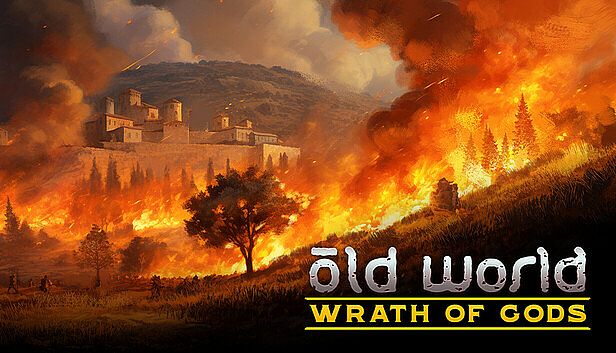

















Old World - Wrath of Gods is a strategy simulation game set in the ancient world that adds layers of environmental challenge and cultural depth to empire building. Players manage resources, diplomacy, military campaigns, and city development while contending with unpredictable forces of nature and divine expectations. The expansion centers on nine distinct calamities that reshape the map and test long-term planning, alongside the introduction of Aksum as a fully playable kingdom from the Horn of Africa.
Gameplay
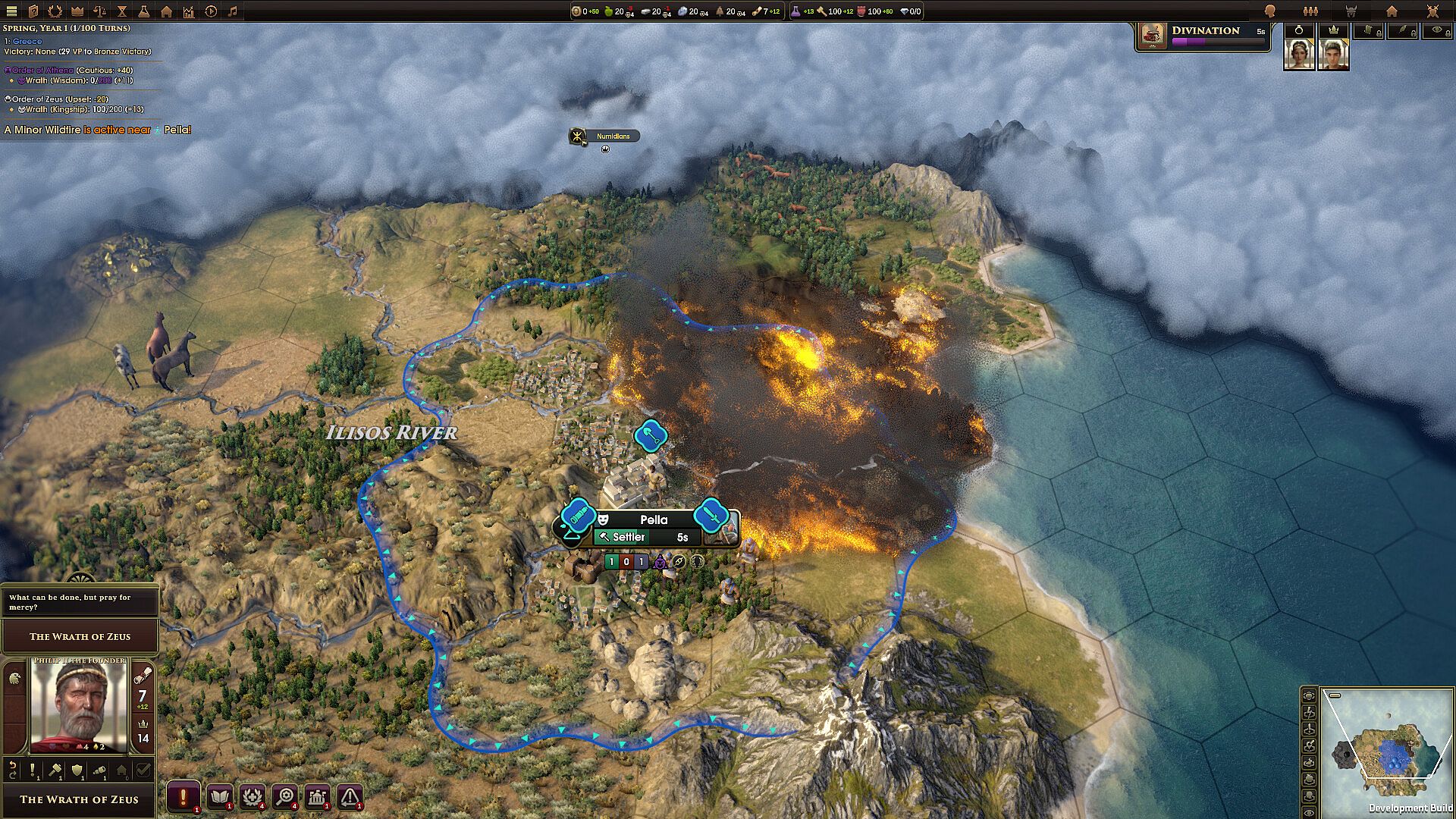
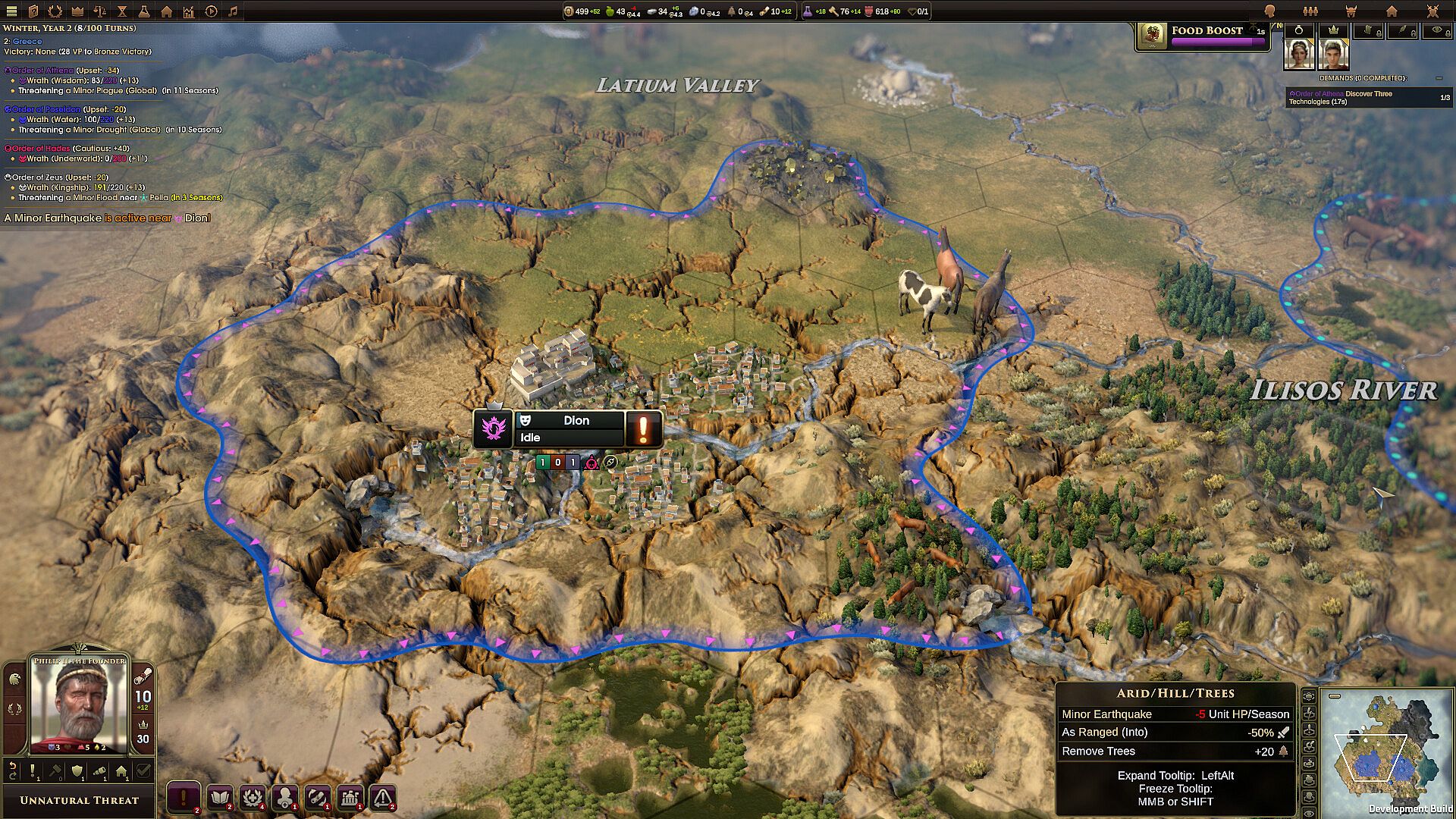
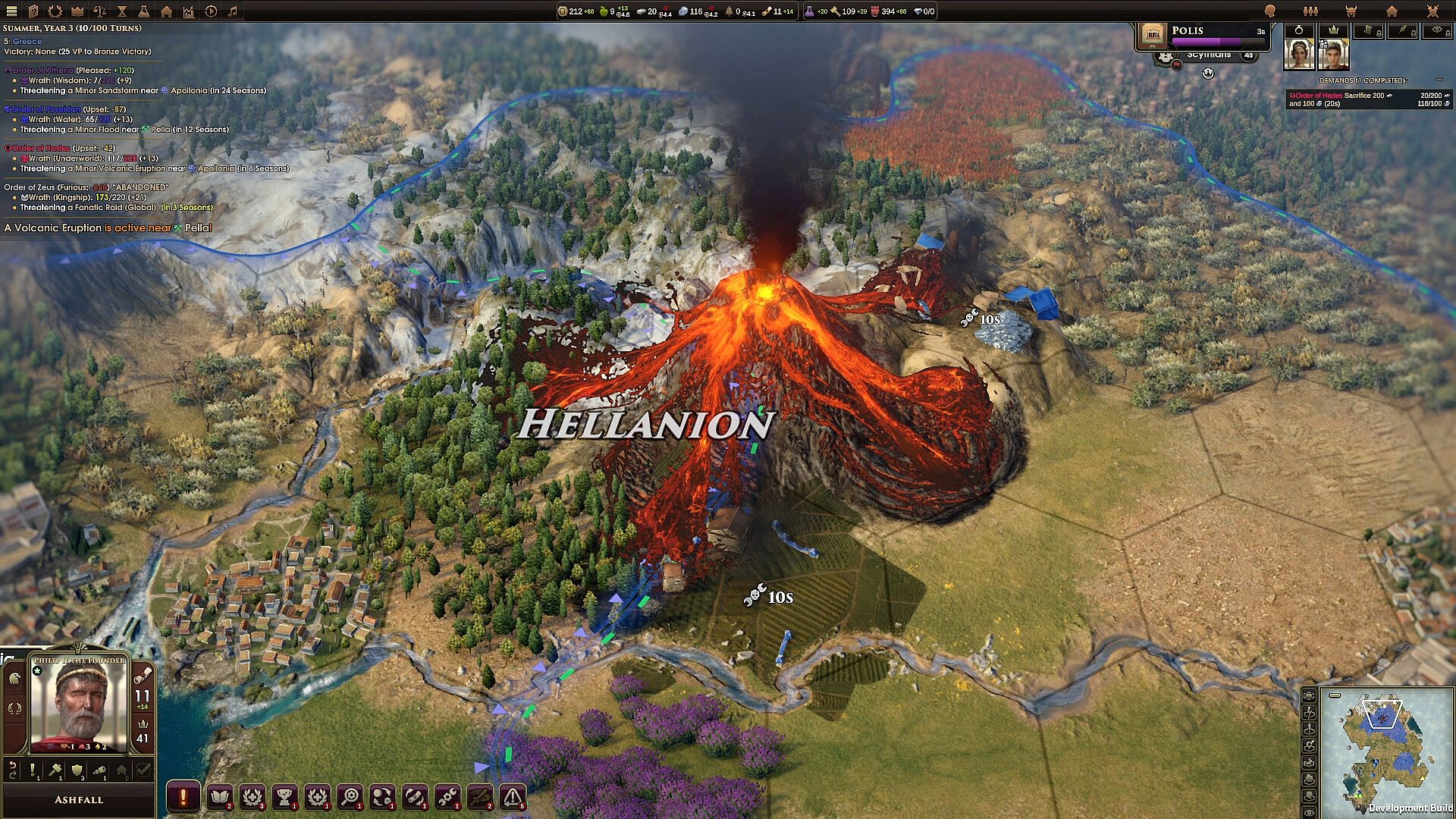
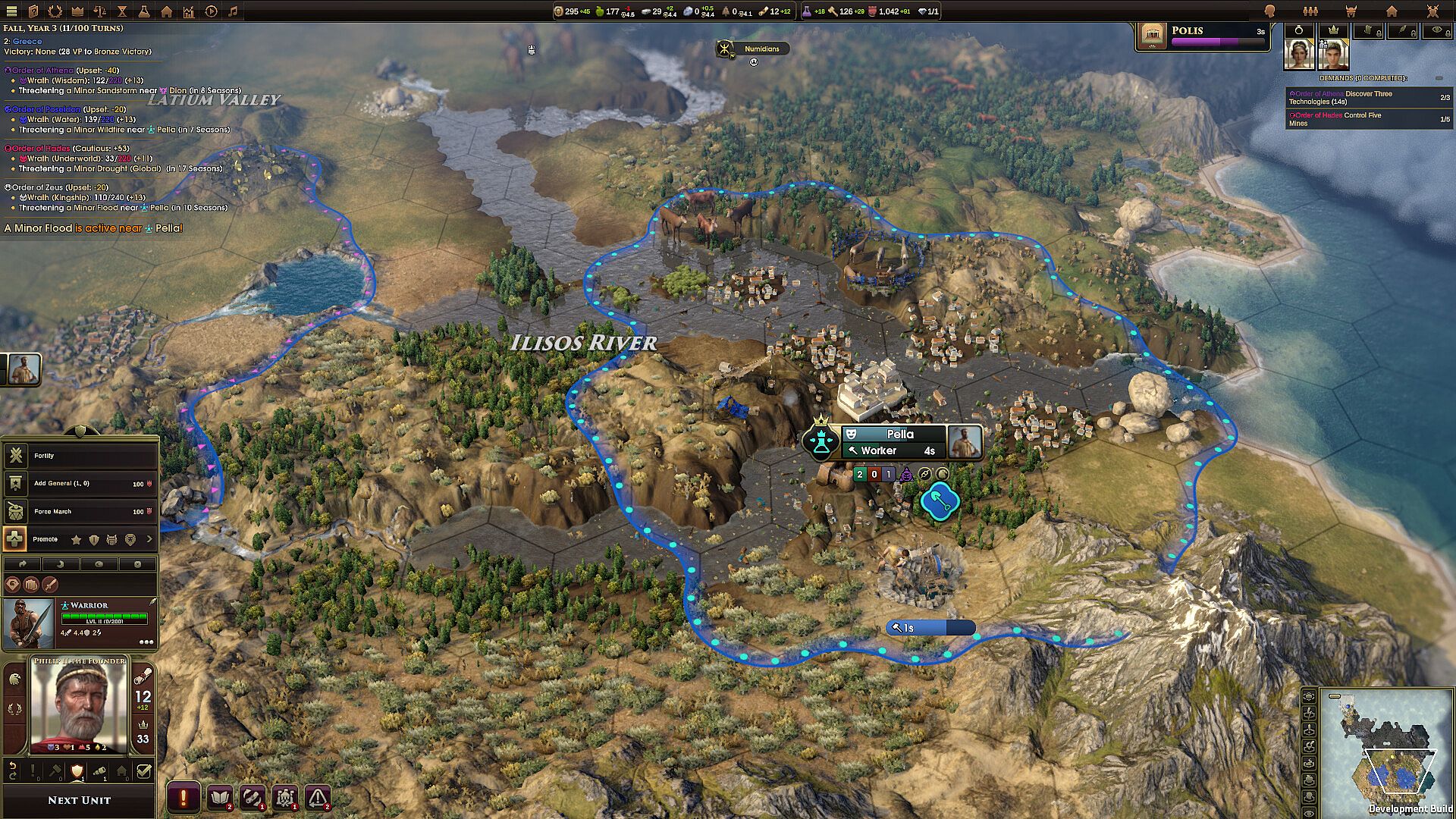
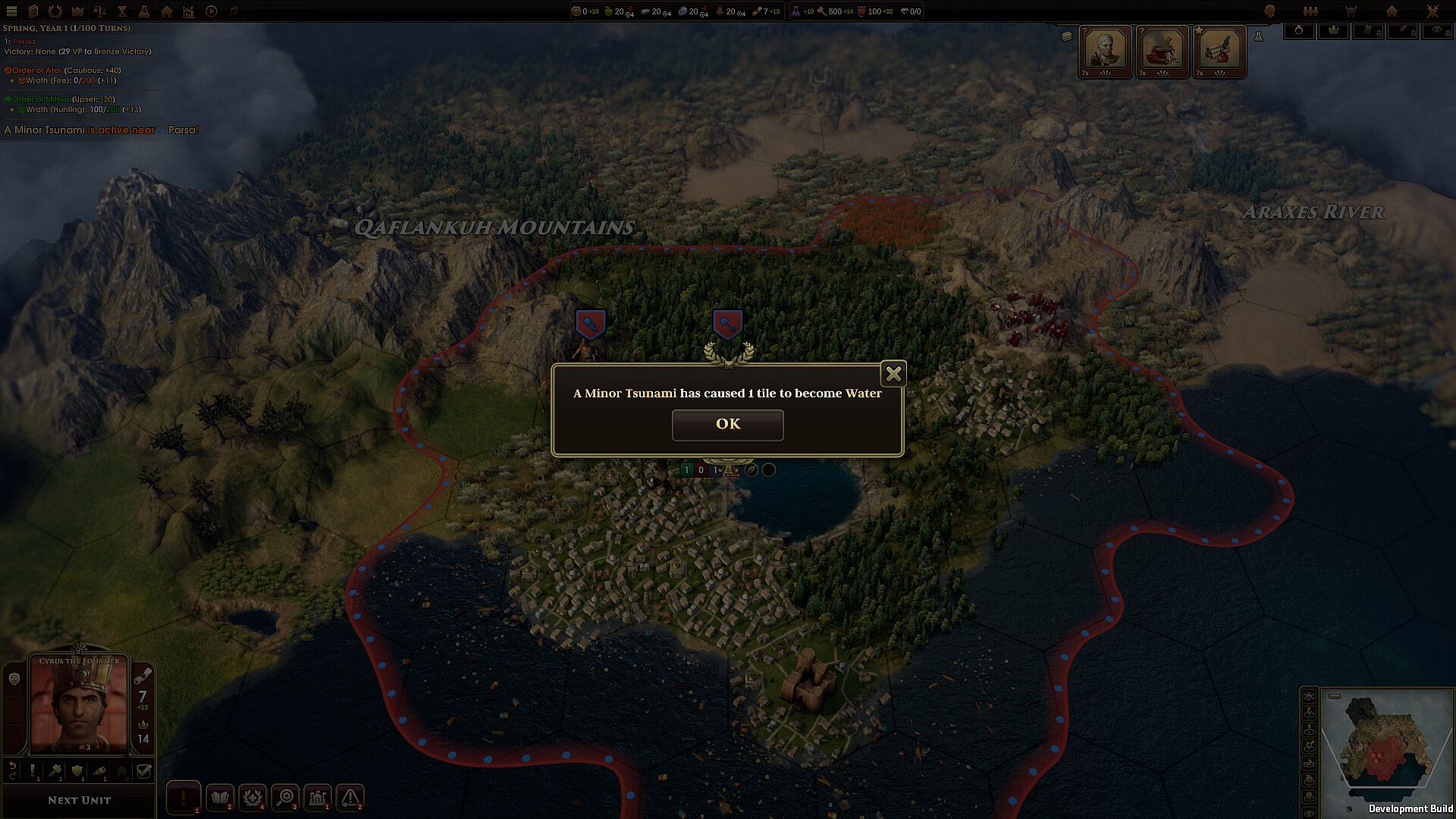
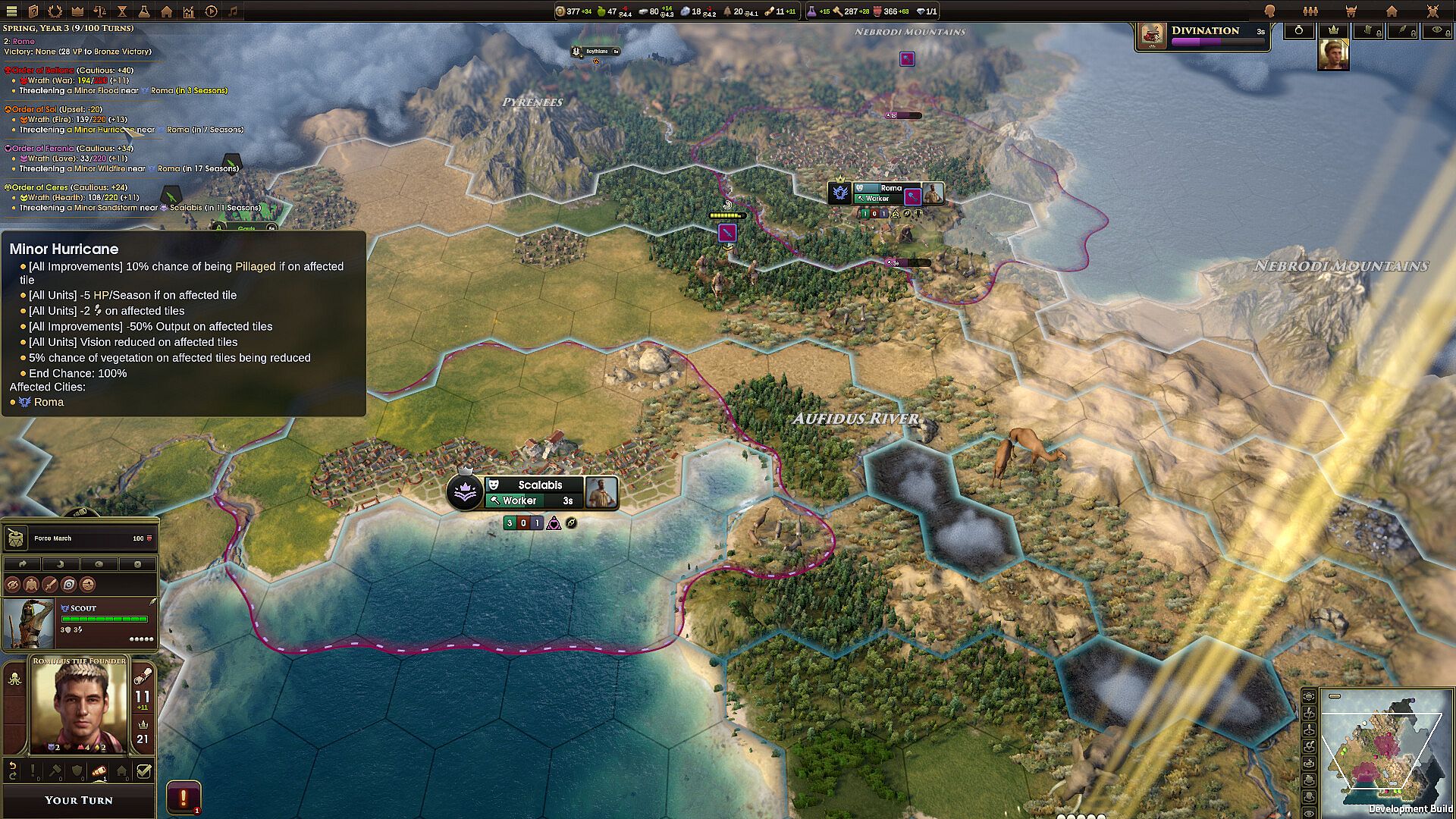
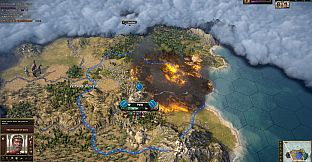
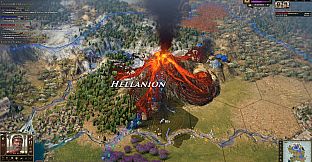
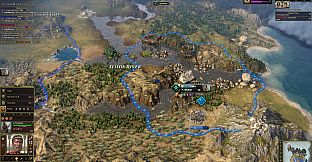
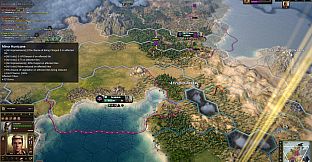
The core loop revolves around balancing growth against sudden environmental threats. Nine calamities appear in the game, including wildfires, floods, tsunamis, hurricanes, plagues, droughts, sandstorms, volcanic eruptions, and earthquakes. Each one carries specific effects such as terrain transformations that block movement or open new paths, bonuses for adapted military units, or widespread population losses that require careful recovery choices. Players decide whether to mitigate damage through projects or exploit certain outcomes for strategic gains.
Aksum brings five historical leaders with distinct playstyles. Kaleb and Ezana emphasize religious development and faith-based bonuses. Gudit relies on intimidation and fear mechanics to influence rivals. Makeda excels at diplomatic negotiations and alliances. Gadarat focuses on military expansion and territorial control. These leaders pair with two new units, unique character traits, missions, improvements, and buildings such as the steles of Aksum that provide lasting cultural or prestige benefits.
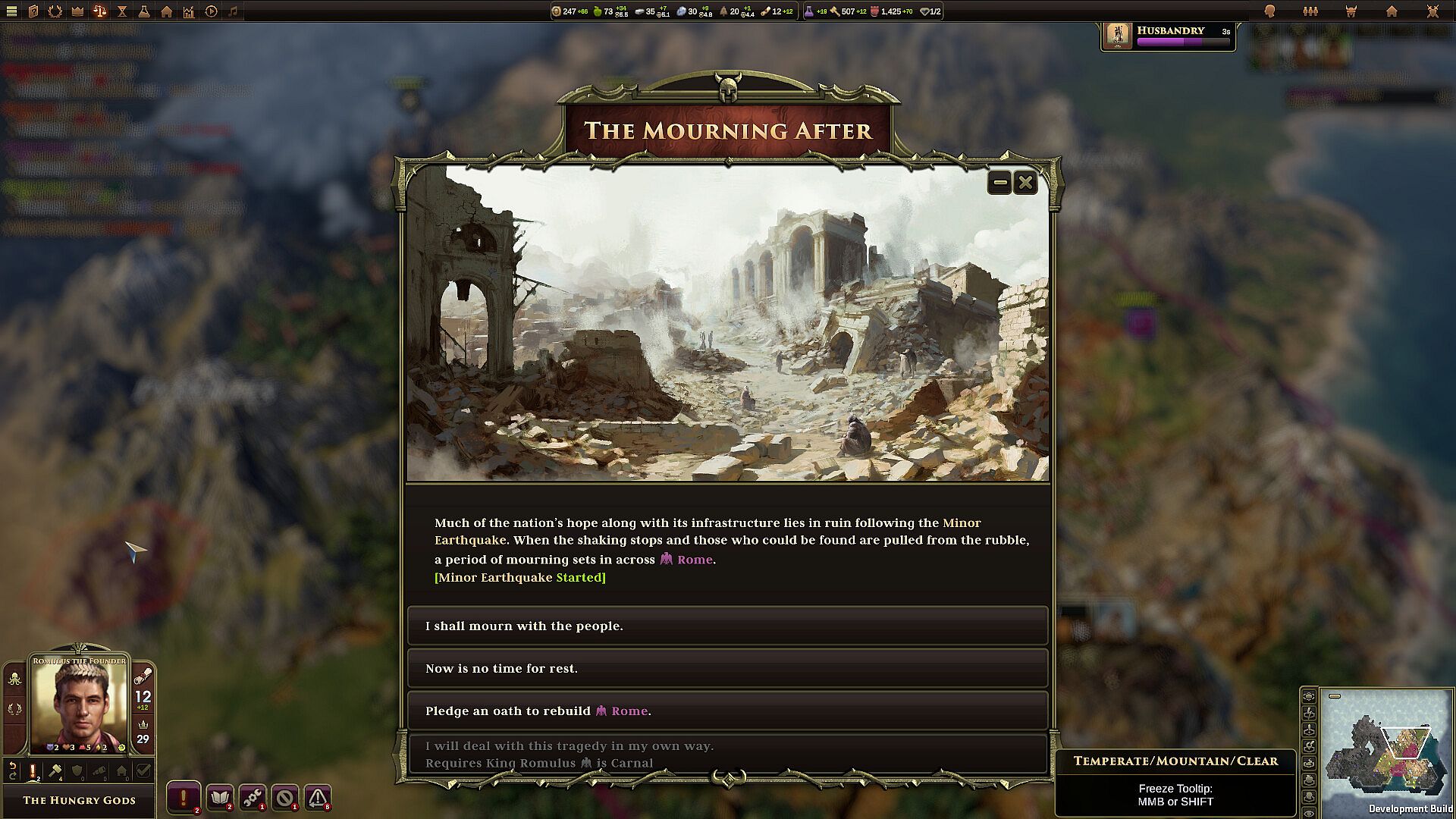
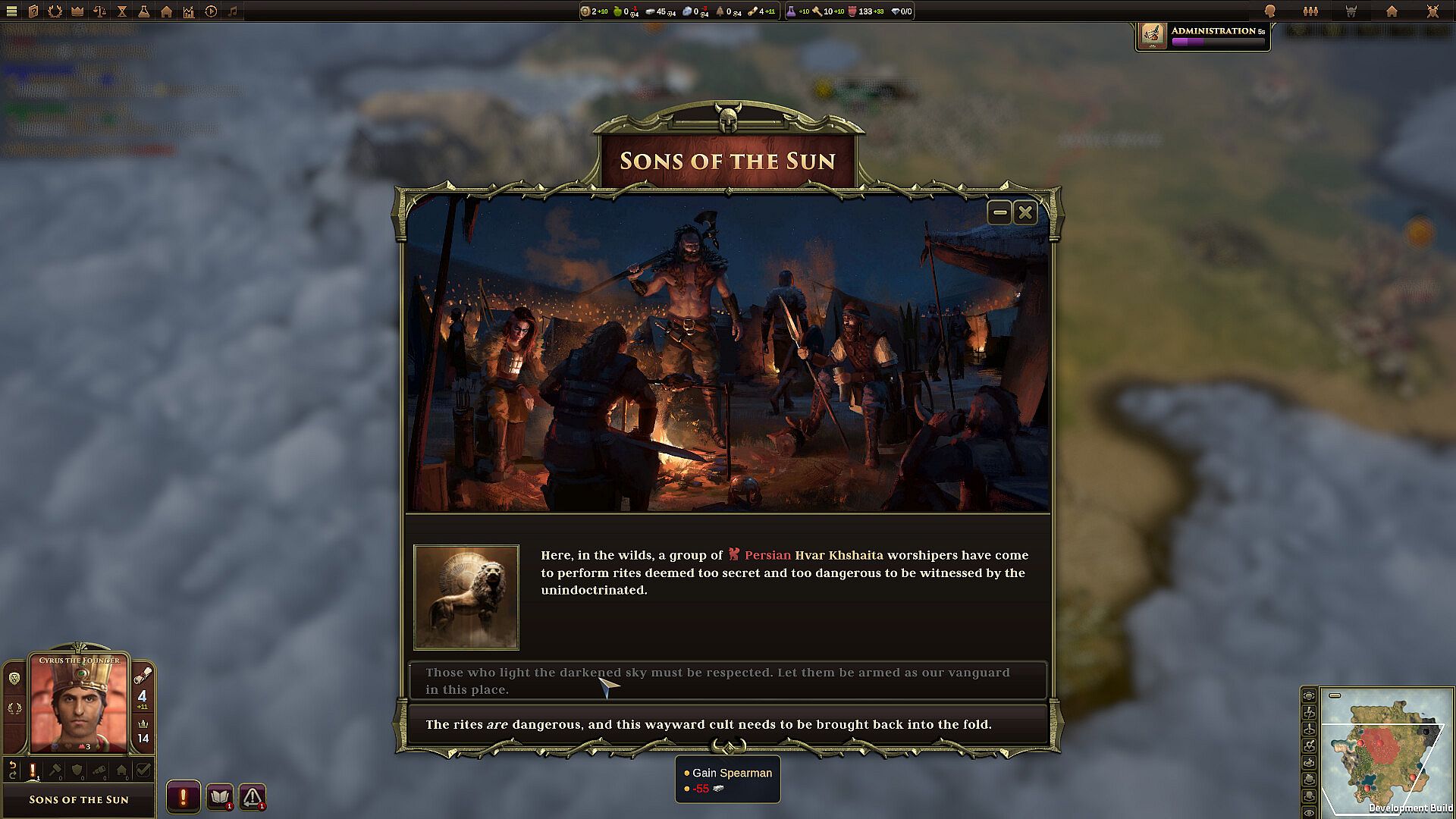
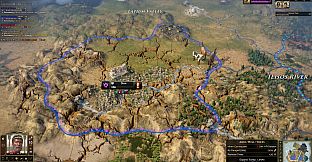
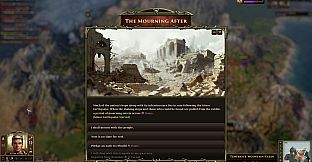
Additional systems include 26 new projects that respond directly to disaster recovery, eight new character traits that emerge from hardship, and over 200 events tied to calamity consequences. Players might rebuild infrastructure to demonstrate strength, hold mourning ceremonies to maintain loyalty, or pursue opportunistic gains amid chaos. Four new map scripts introduce dynamic terrain that evolves over time, such as mountains becoming passable, coastlines receding on islands, or deserts expanding and contracting, forcing constant adaptation in city placement and trade routes.
Game Modes
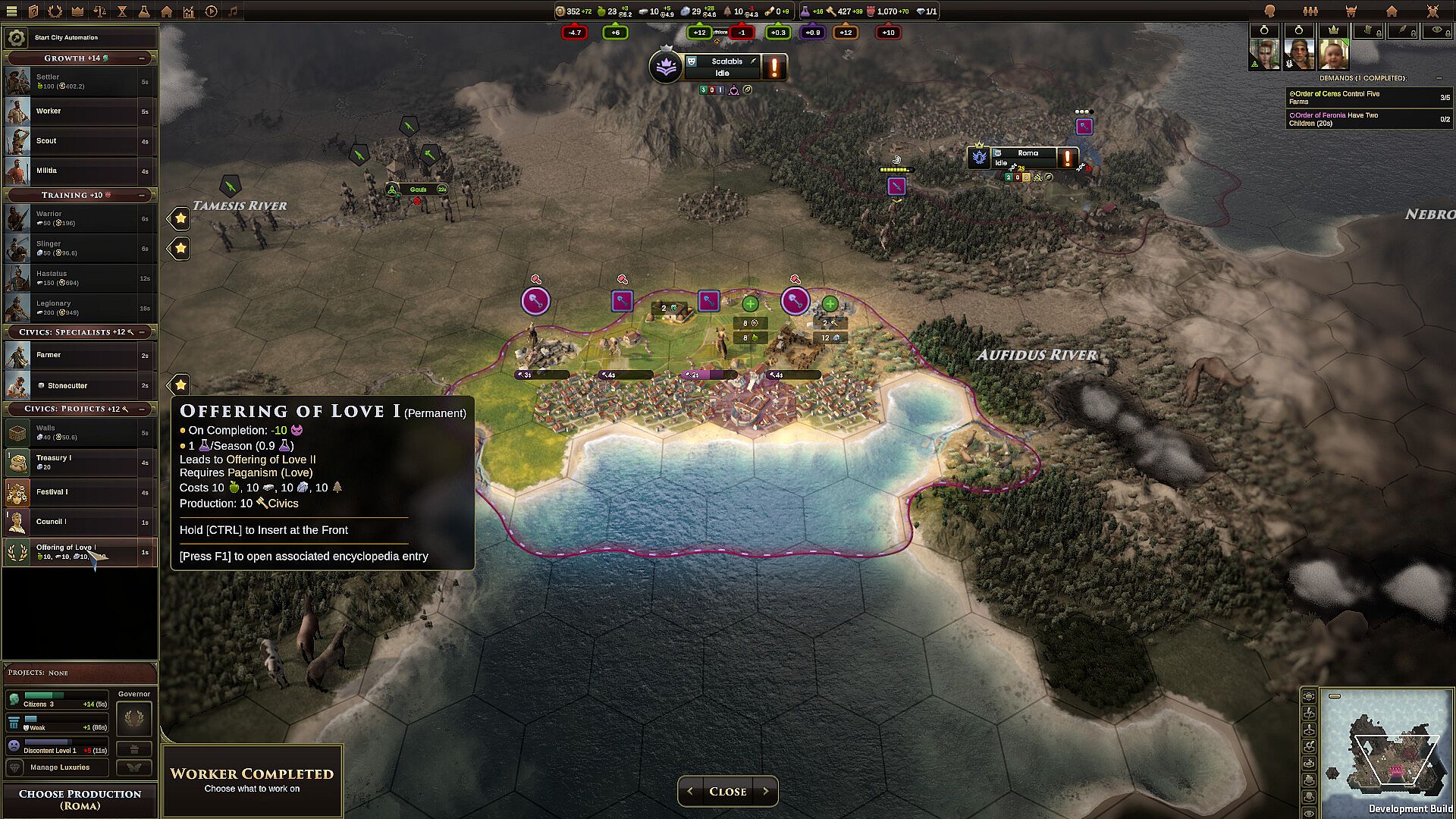
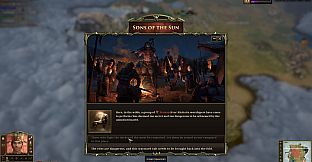
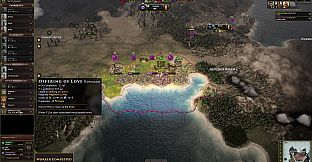
The Wrath of Gods scenario serves as the central new experience. It follows the mythical founding of a nation under four pagan gods who issue demands and grant blessings when satisfied or unleash calamities when angered. Player actions influence each god's wrath level, requiring ongoing decisions about which deities to prioritize since full satisfaction of all four proves impossible. This creates branching narratives and long-term consequences that differ from standard play.
Beyond the dedicated scenario, the expansion integrates into the broader strategy framework through new events, projects, and map variations that appear across campaigns. Dynamic terrain scripts alter starting conditions and mid-game challenges, while Aksum leaders and content expand faction options in any session that supports custom kingdoms. The focus remains on single-player empire management where natural disasters and divine mechanics add replayability without altering the fundamental turn-based structure.
New Content and Adaptations
Calamities interact with existing systems in targeted ways. Terrain changes from earthquakes or floods can isolate cities or create defensive chokepoints, while plagues demand specific response projects to limit spread. Sandstorms and droughts affect agriculture and movement, pushing players toward diversified economies or mobile forces. The 200-plus events allow multiple paths through each crisis, from compassionate leadership choices that boost morale to pragmatic decisions that seize short-term advantages.
Aksum's additions extend beyond leaders. Unique events tied to the kingdom's Red Sea dominance and steles provide cultural progression options. New missions encourage exploration of religious or military paths depending on the chosen ruler. These elements combine with the calamity systems to create situations where a single disaster can shift the balance between gods, terrain, and rival empires.
Is It Worth Playing?
Old World - Wrath of Gods suits players who enjoy deep strategy simulation with reactive world events and faction variety. The calamities force meaningful choices about preparation and recovery, while the Aksum kingdom and its leaders offer fresh approaches to diplomacy, religion, and conquest. The Wrath of Gods scenario adds narrative tension through divine mechanics that reward careful management of competing interests.
Those who value adaptive planning over static campaigns will find the dynamic map scripts and event chains particularly engaging. The expansion builds directly on core mechanics without requiring separate playstyles, making it a natural extension for anyone already familiar with the game's empire-building focus. Availability on PC allows access to all new content in standard sessions or the dedicated scenario.