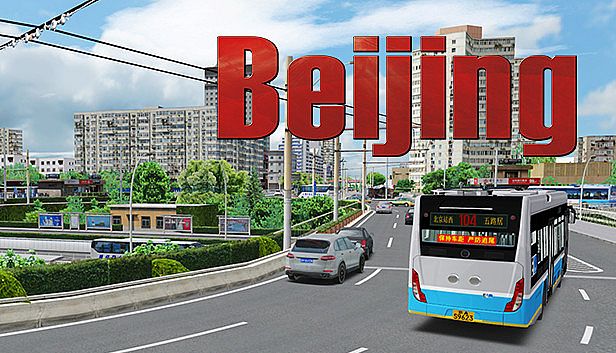













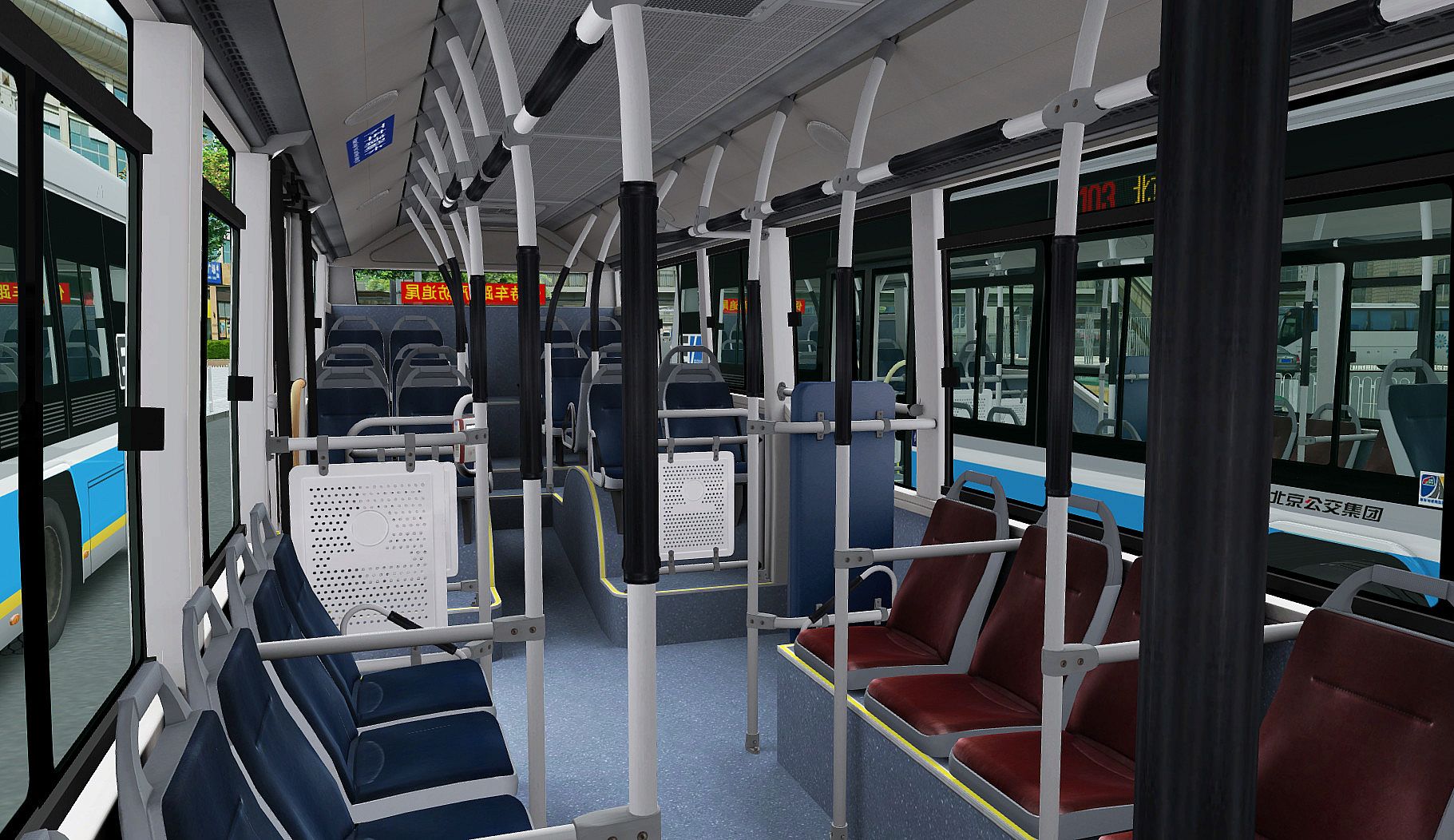
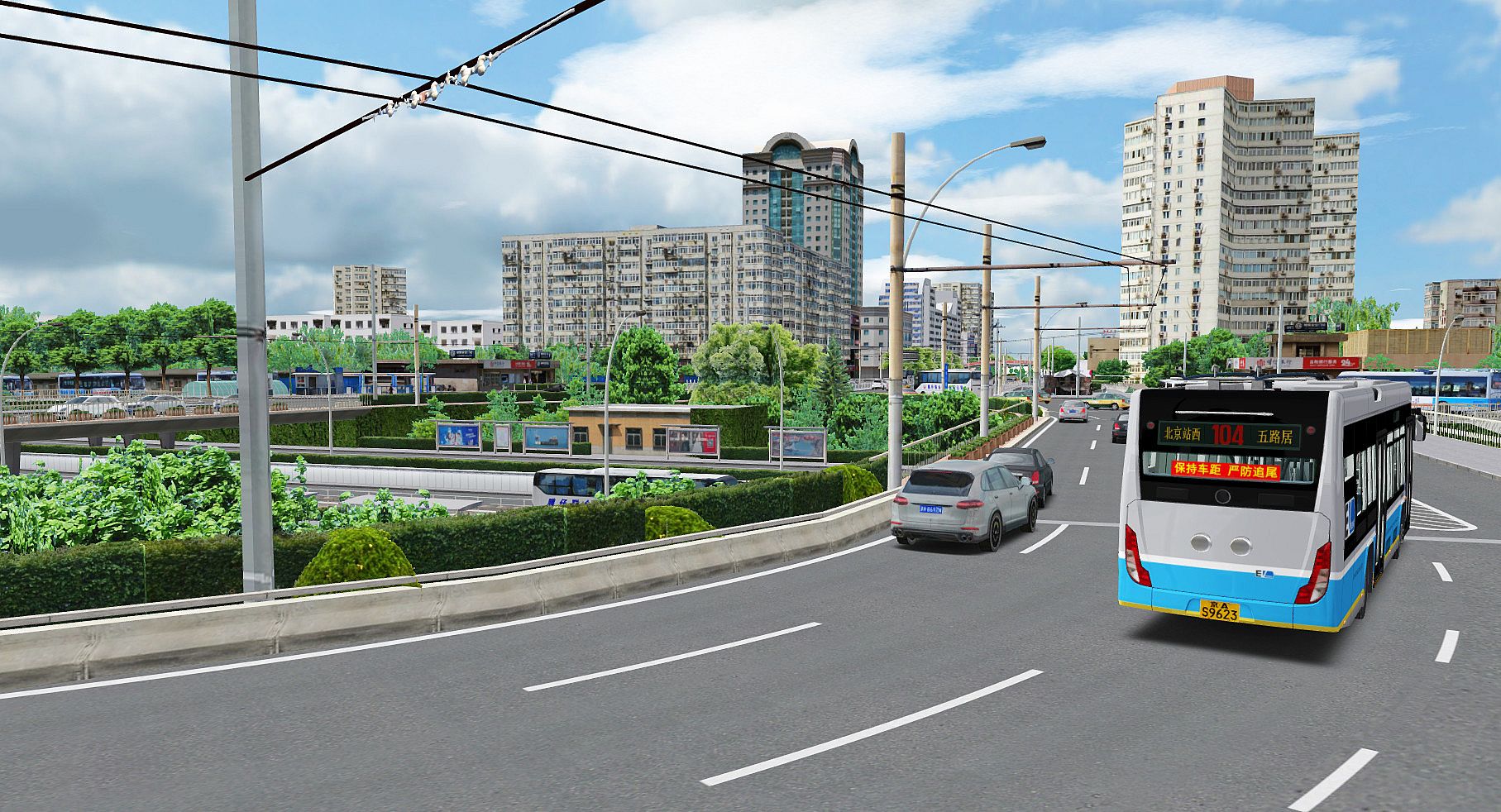
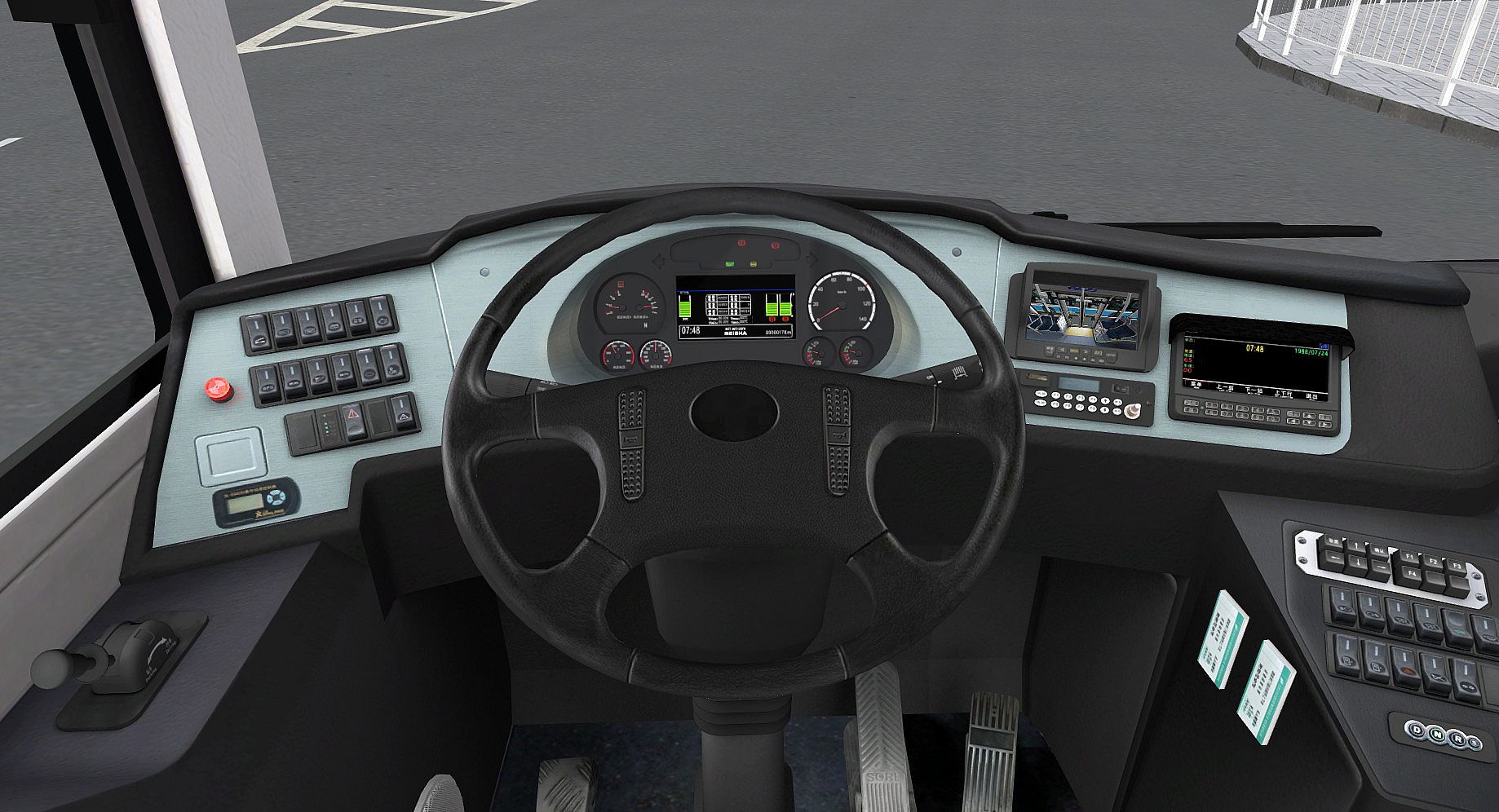
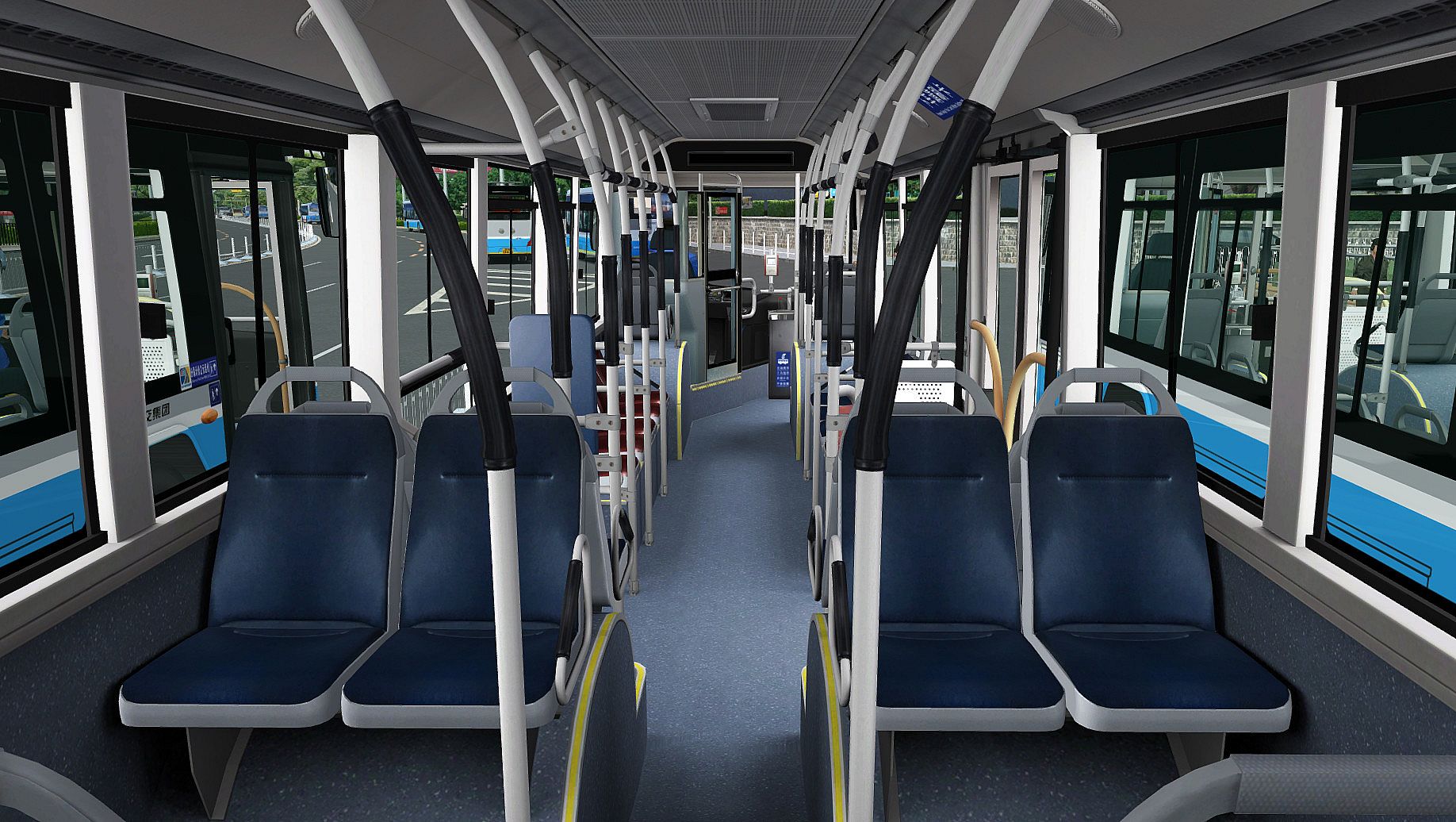
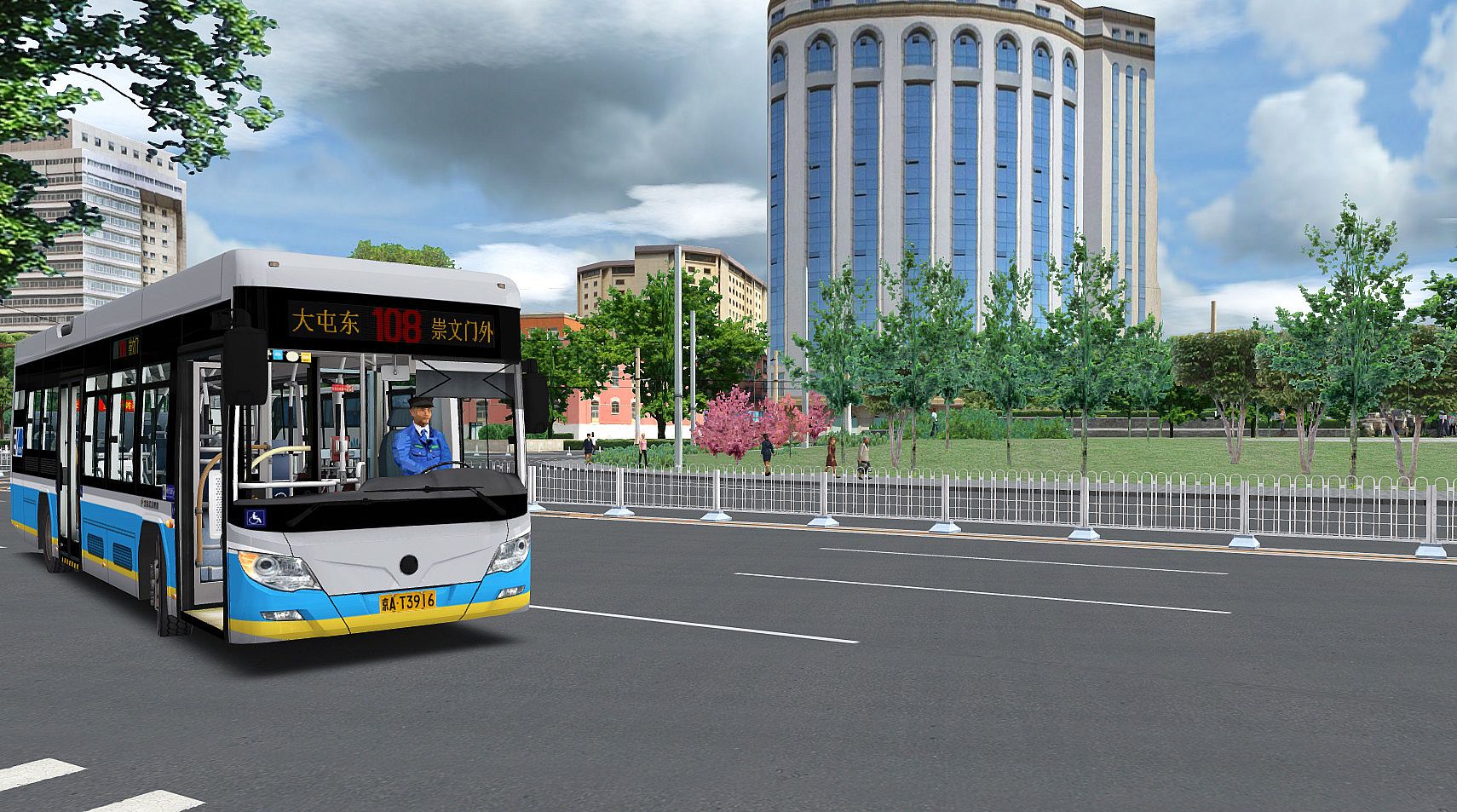
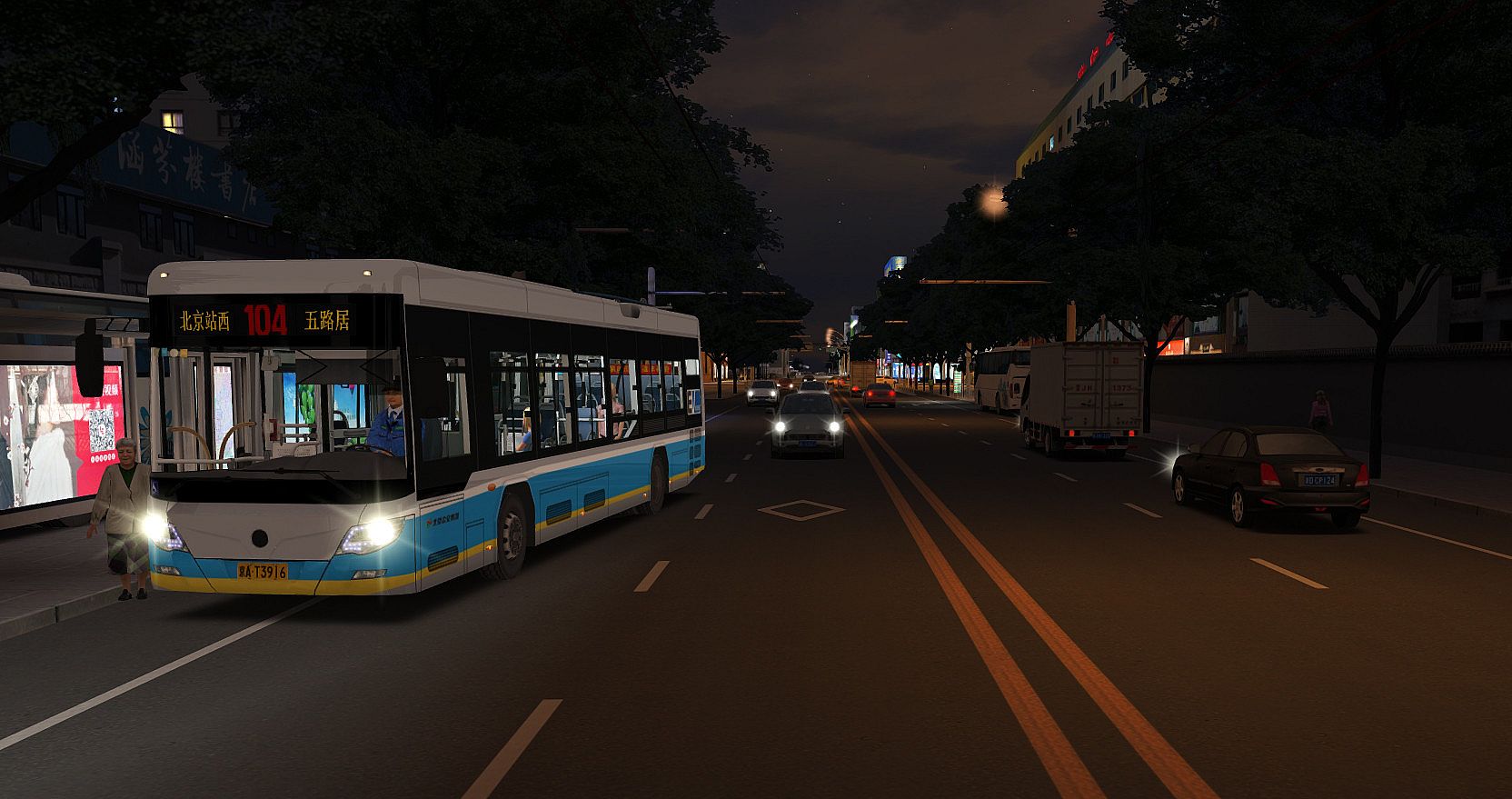
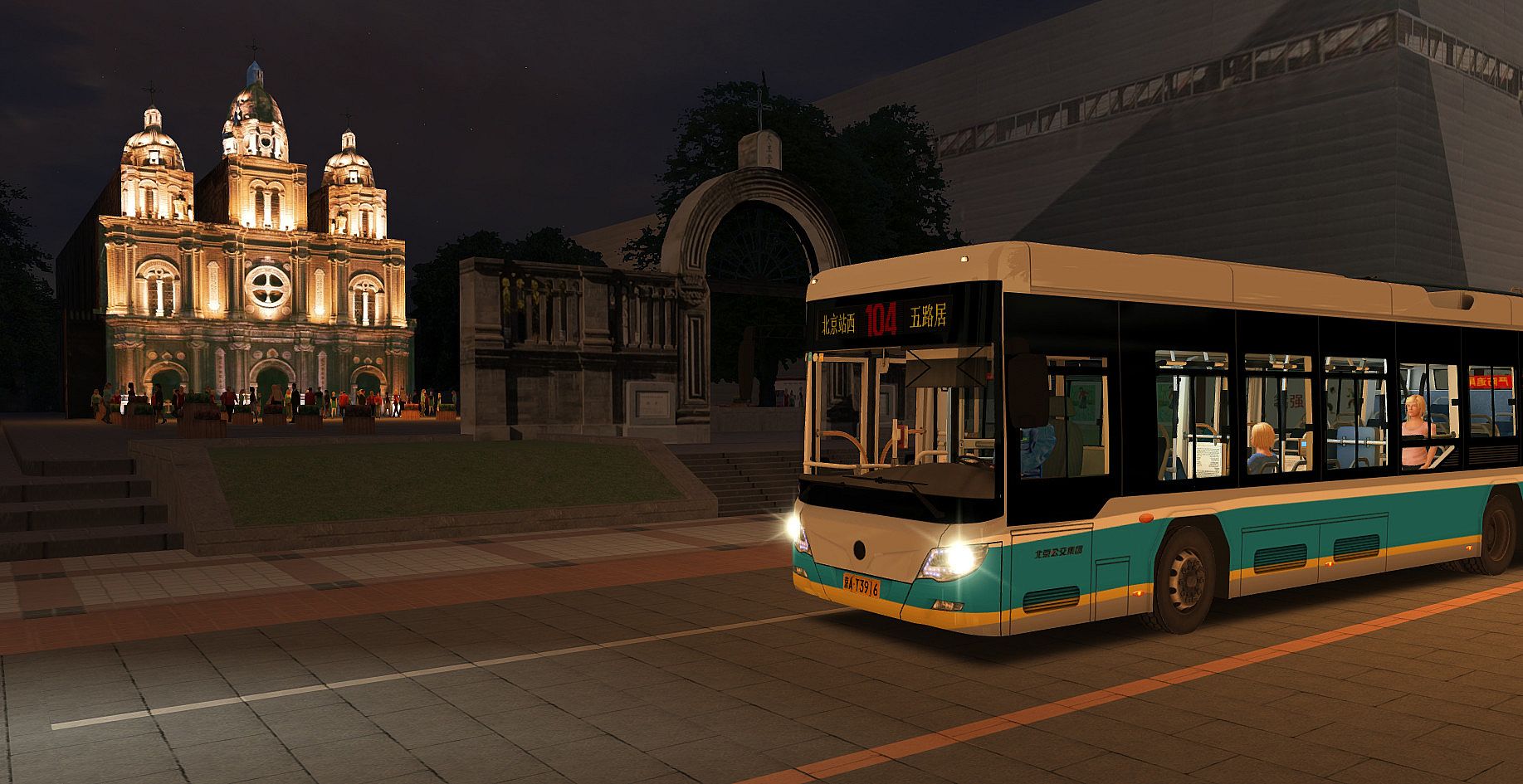
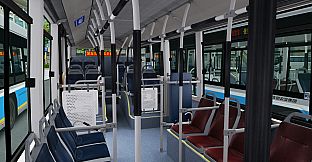
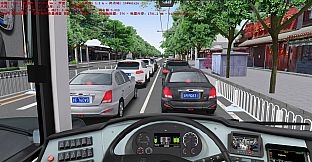
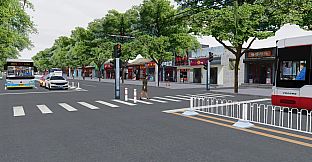
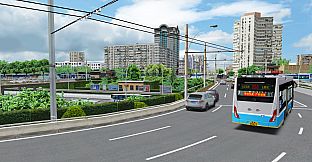
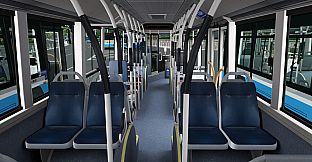
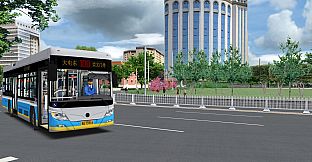
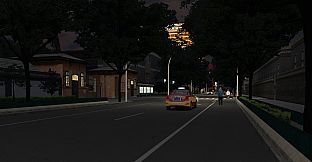
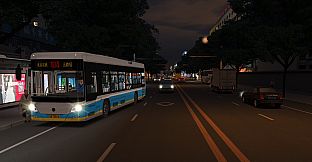
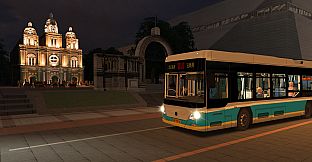
OMSI 2 Add-On Beijing is a bus simulation game that adds a detailed representation of driving in China's capital city to the OMSI 2 platform. Players operate a trolley bus on line 104, handling realistic vehicle physics, passenger boarding, and traffic conditions across an 11 kilometer route from Wuluju to Beijing Station.
Gameplay
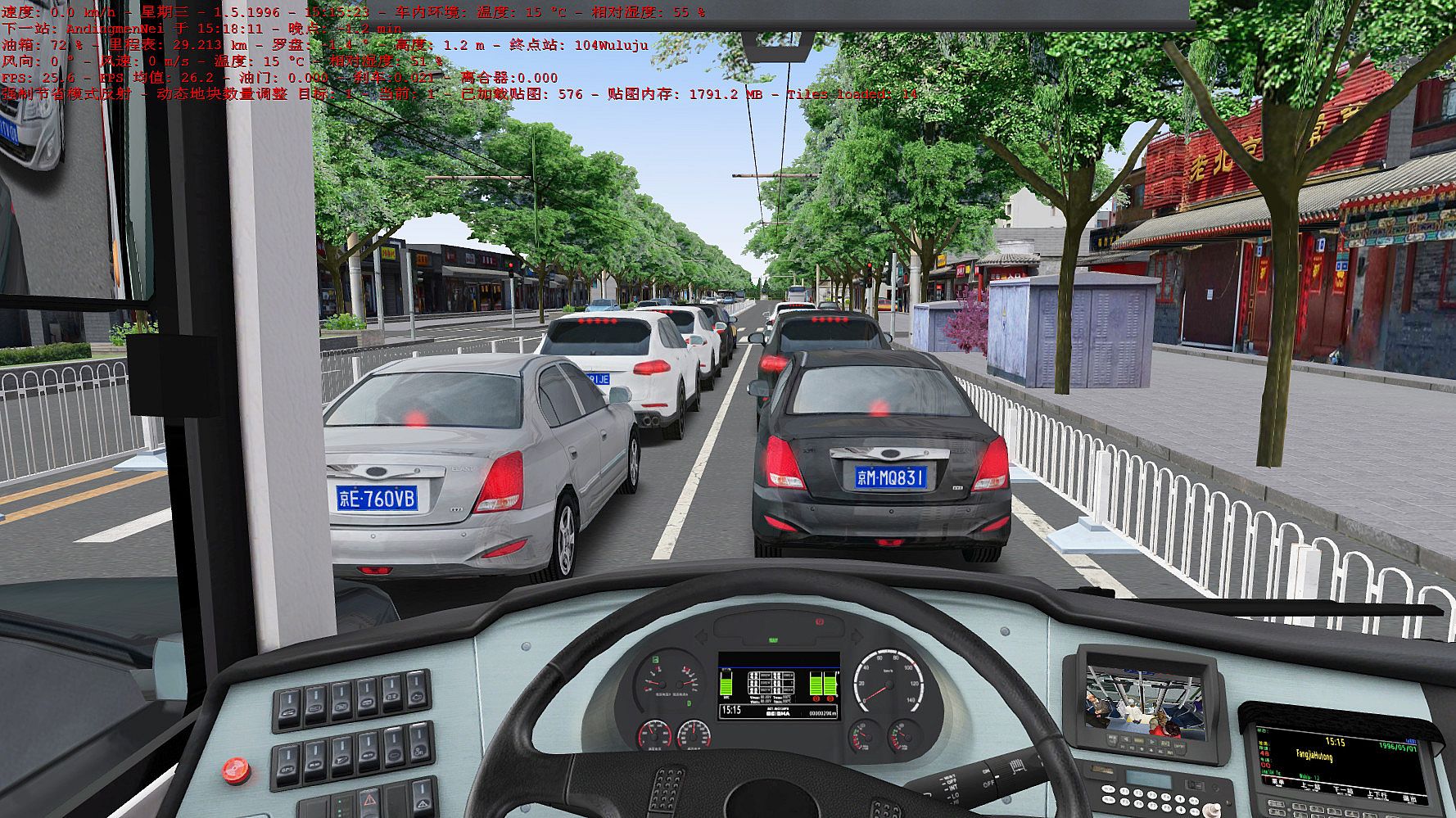
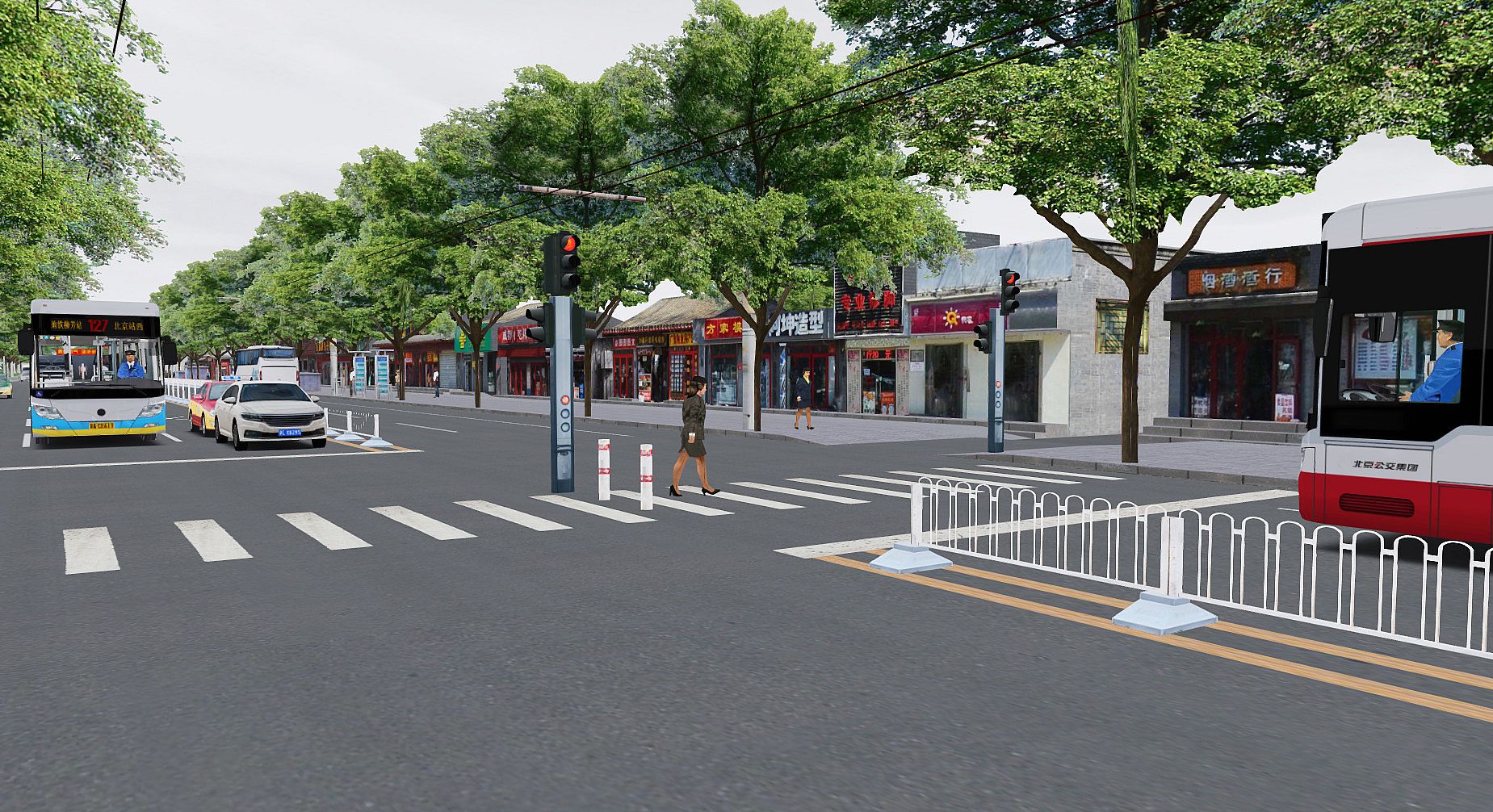
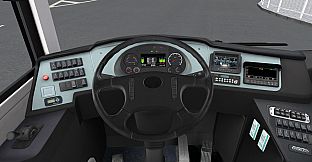
The core loop involves piloting an authentically modelled trolley bus with accurate engine physics and sound. Drivers must manage self-service ticketing, issue tickets using Chinese currency, and respond to Beijing-featured announcements while following real timetable data. Attention to pedestrians crossing against red lights forms a key safety element during both quiet night shifts and busy rush hours.
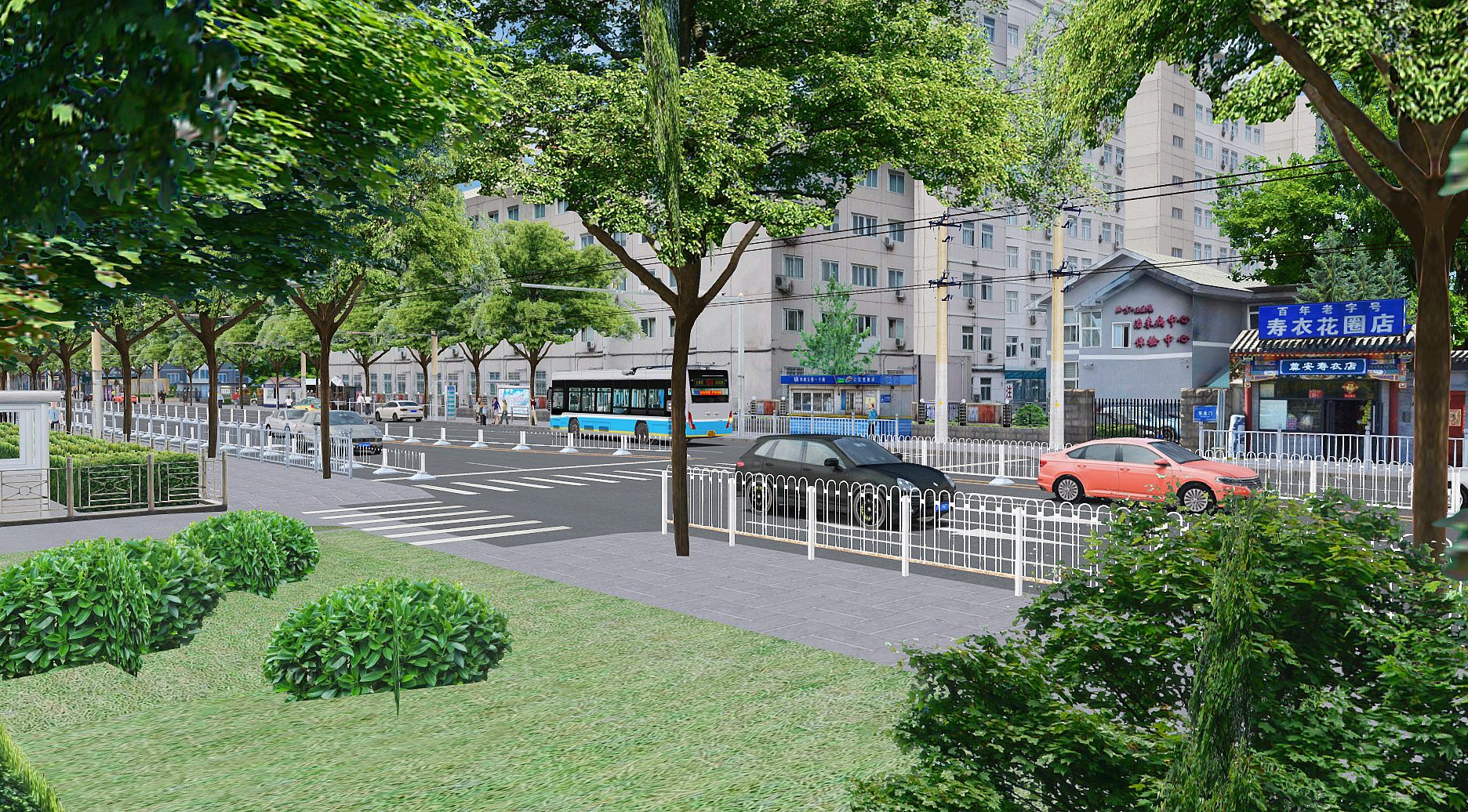
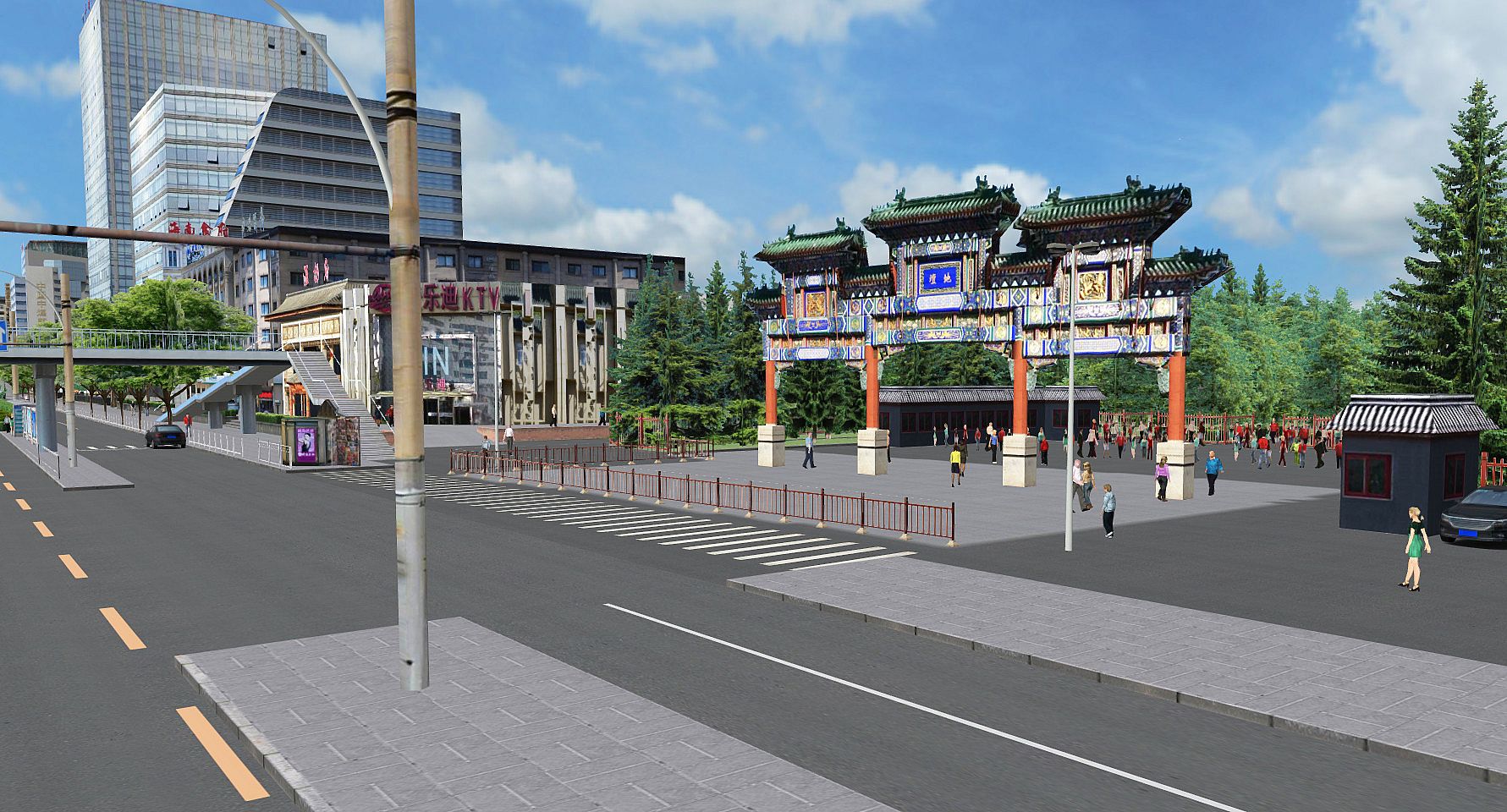
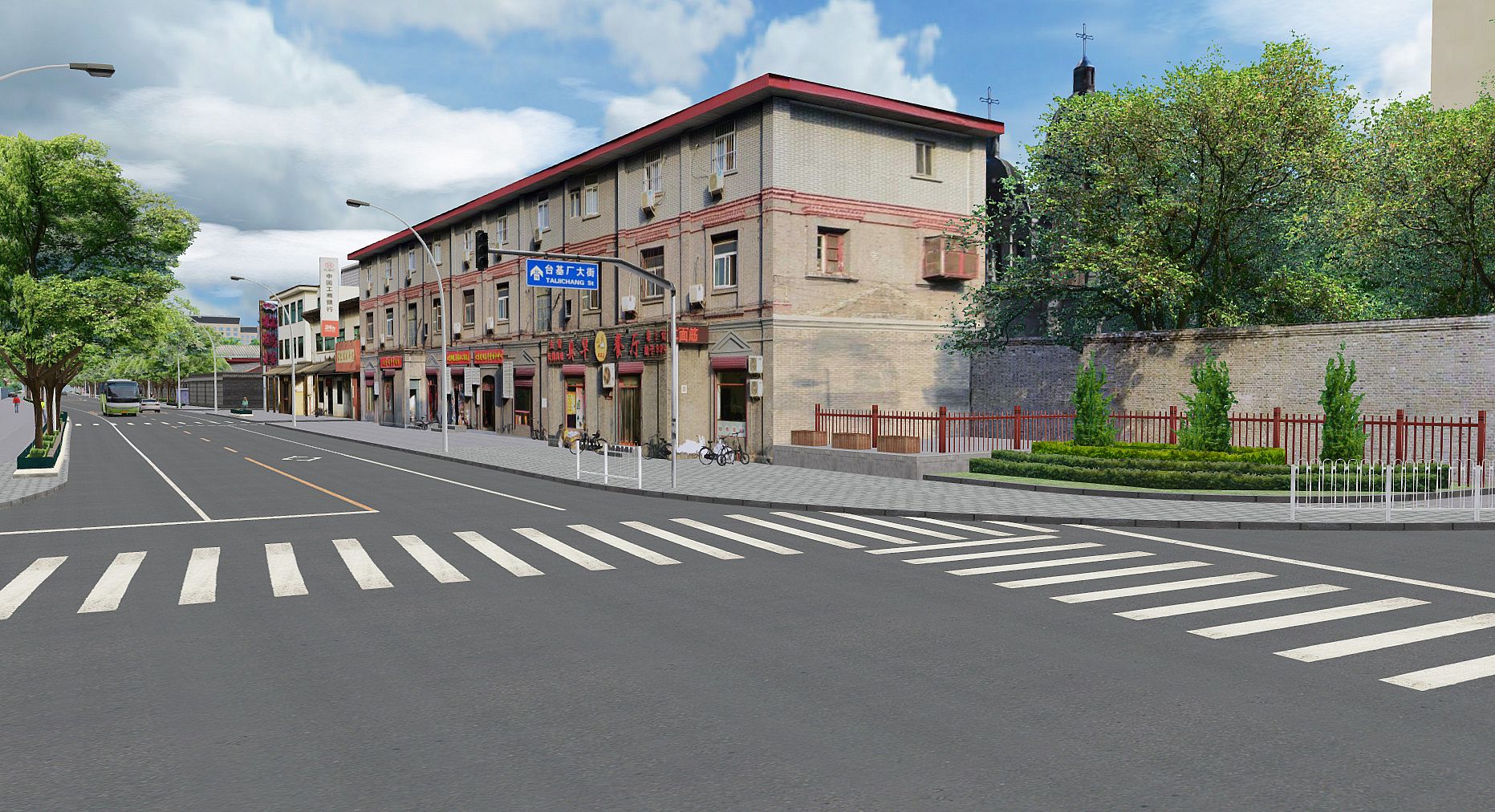
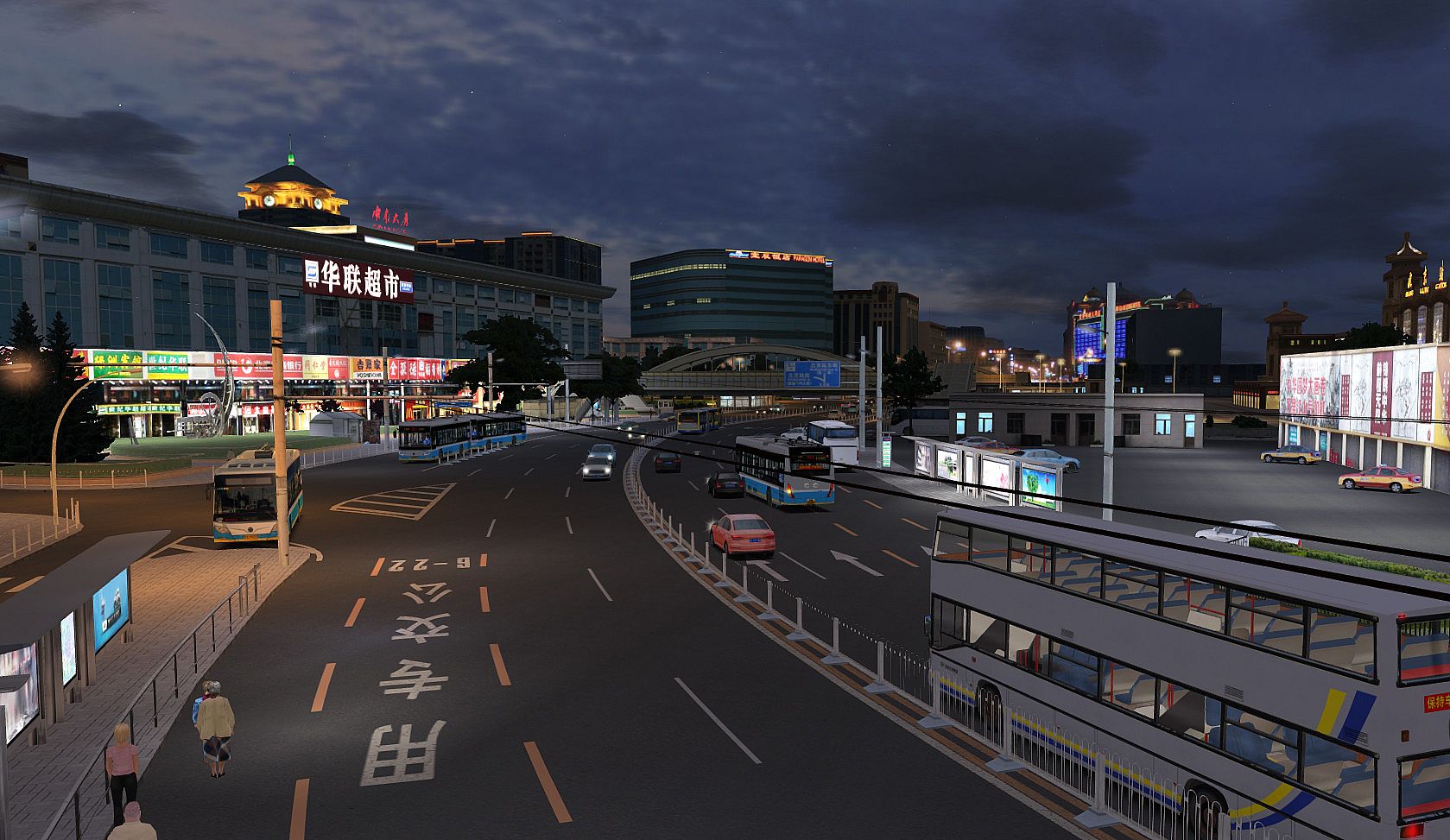
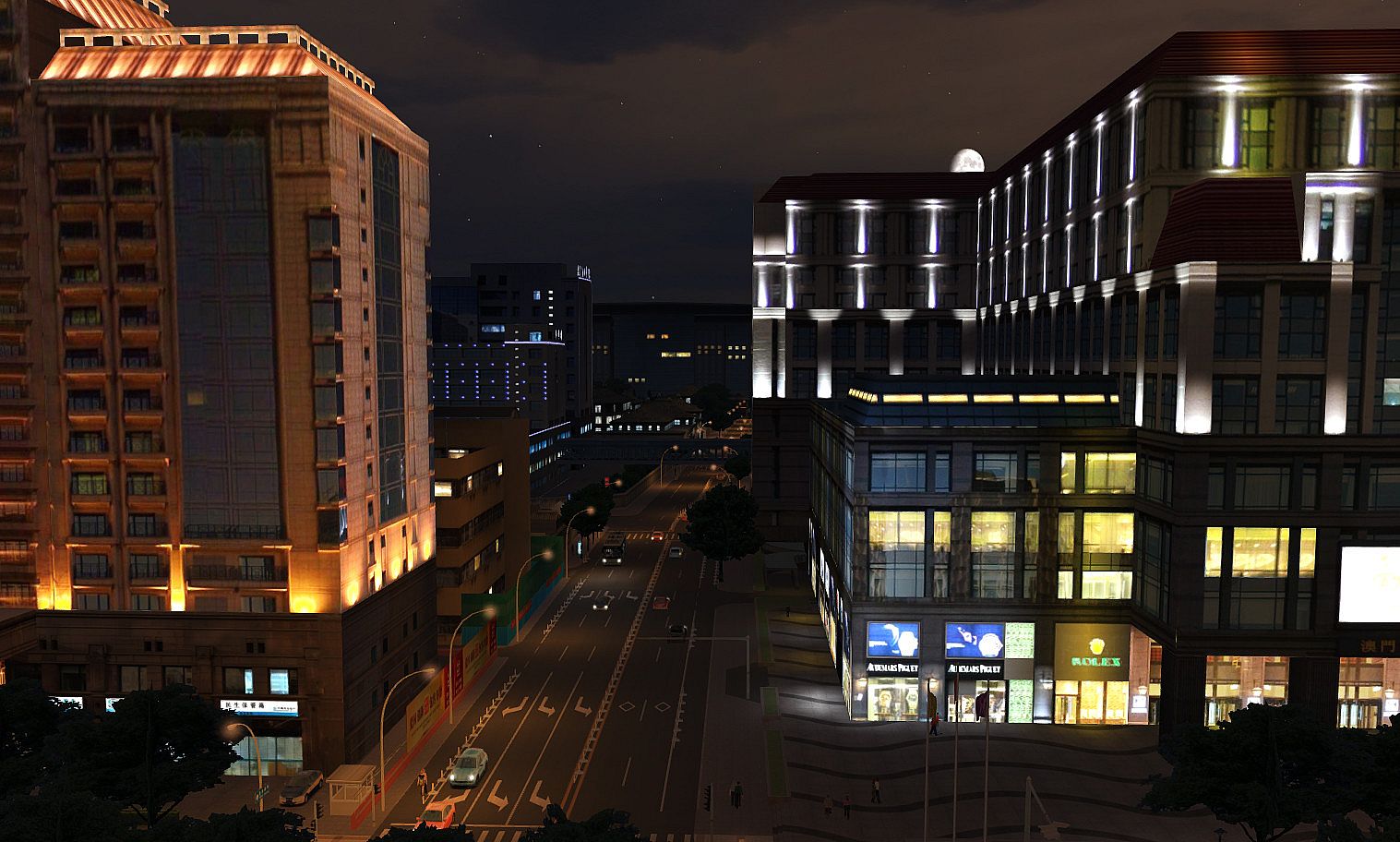
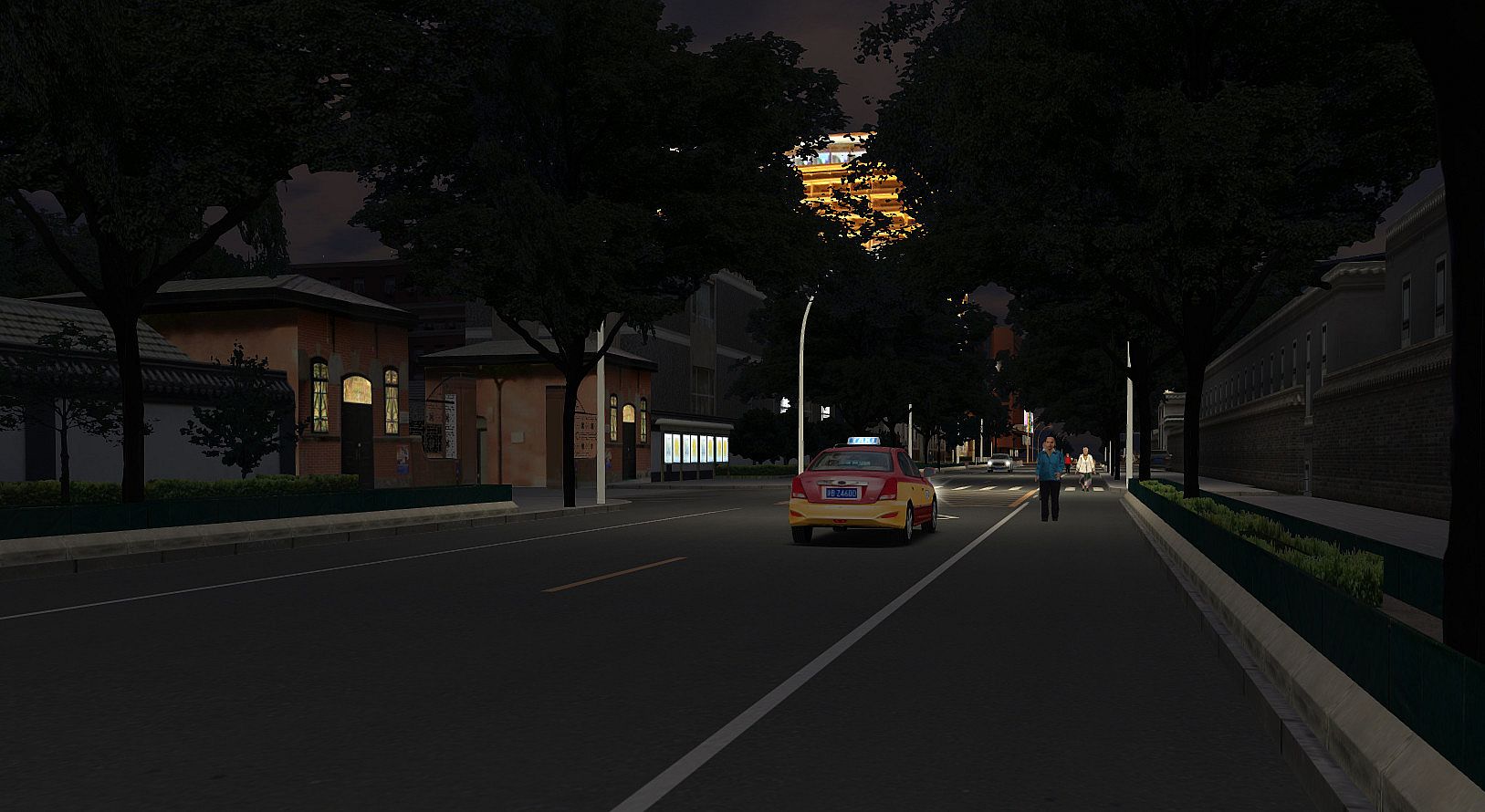
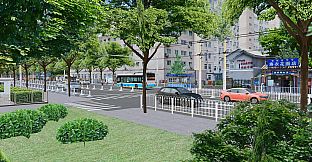
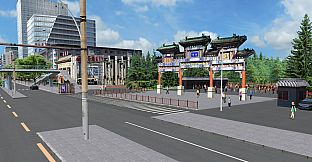
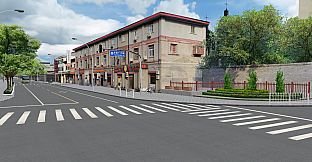
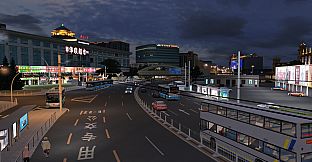
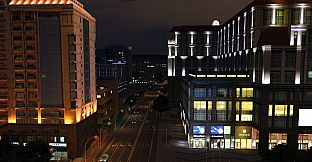
AI traffic adjusts based on extensive research, creating varied flow through hutongs, downtown areas, parks, and large residential districts. Native passenger voices feature Beijing accents alongside Mandarin, adding authenticity to interactions. The map includes highly detailed buildings and a realistic night view with proper lighting implementation.
Vehicle handling emphasizes the unique characteristics of the trolley bus, including pole connection mechanics and speed limits that change depending on whether the pole remains attached. Rear door camera views assist with precise maneuvering at stops.
Game Modes
The add-on centers on operating line 104 in its full length, with built-in support for different times of day. Players can select daytime conditions that include rush hour congestion or switch to nighttime runs that highlight the illuminated cityscape.
Route completion follows the documented 35 to 50 minute duration, incorporating real timetable elements that influence departure and arrival expectations. No additional named modes exist beyond this focused route simulation.
Route and Environment
Line 104 passes through the Dongcheng District and notable locations such as the shopping street Wangfujing, the National Art Museum of China, and Beijing Station. The path mixes narrow traditional hutongs with wider urban thoroughfares and green spaces, providing visual variety across the 11 kilometer distance.
Adjusted AI vehicles populate the streets according to researched patterns, while passenger density shifts with the time of day. The environment supports both efficient progress during lighter periods and careful navigation amid heavier traffic.
Is It Worth Playing?
Player reception stands at mostly positive based on available reviews, with praise directed at the map's detailed buildings, effective night lighting, and the distinct feel of the trolley bus. Many appreciate the authentic Chinese elements including announcements, currency, and localized voices.
Some note limitations such as the single route focus and occasional performance demands on hardware. The experience suits enthusiasts of realistic bus simulation who value accurate route recreation and environmental detail over extensive variety.
Those seeking a straightforward, research-backed depiction of Beijing bus operations will find the add-on delivers on its core promise without unnecessary extras.