



Parcel Simulator is an indie casual simulation game on PC that centers on managing a parcel inspection and processing operation from the ground up. Players handle incoming deliveries, verify details on each package, and decide whether to approve or reject them based on shifting requirements. The experience emphasizes careful attention to labels, barcodes, and contents while gradually introducing automation tools to handle higher volumes.
Gameplay
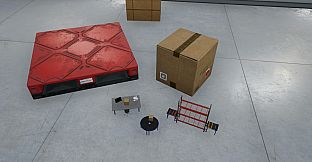
The core loop involves receiving parcels at the delivery door, sorting them, and moving them through inspection stations. Each parcel requires checks for weight, destination, cargo type, and other criteria that change over time. Players key in or scan barcodes, examine contents for restricted items, and apply approval or denial stickers before routing the packages onward. Mistakes lead to penalties, so accuracy matters when balancing speed and thoroughness.
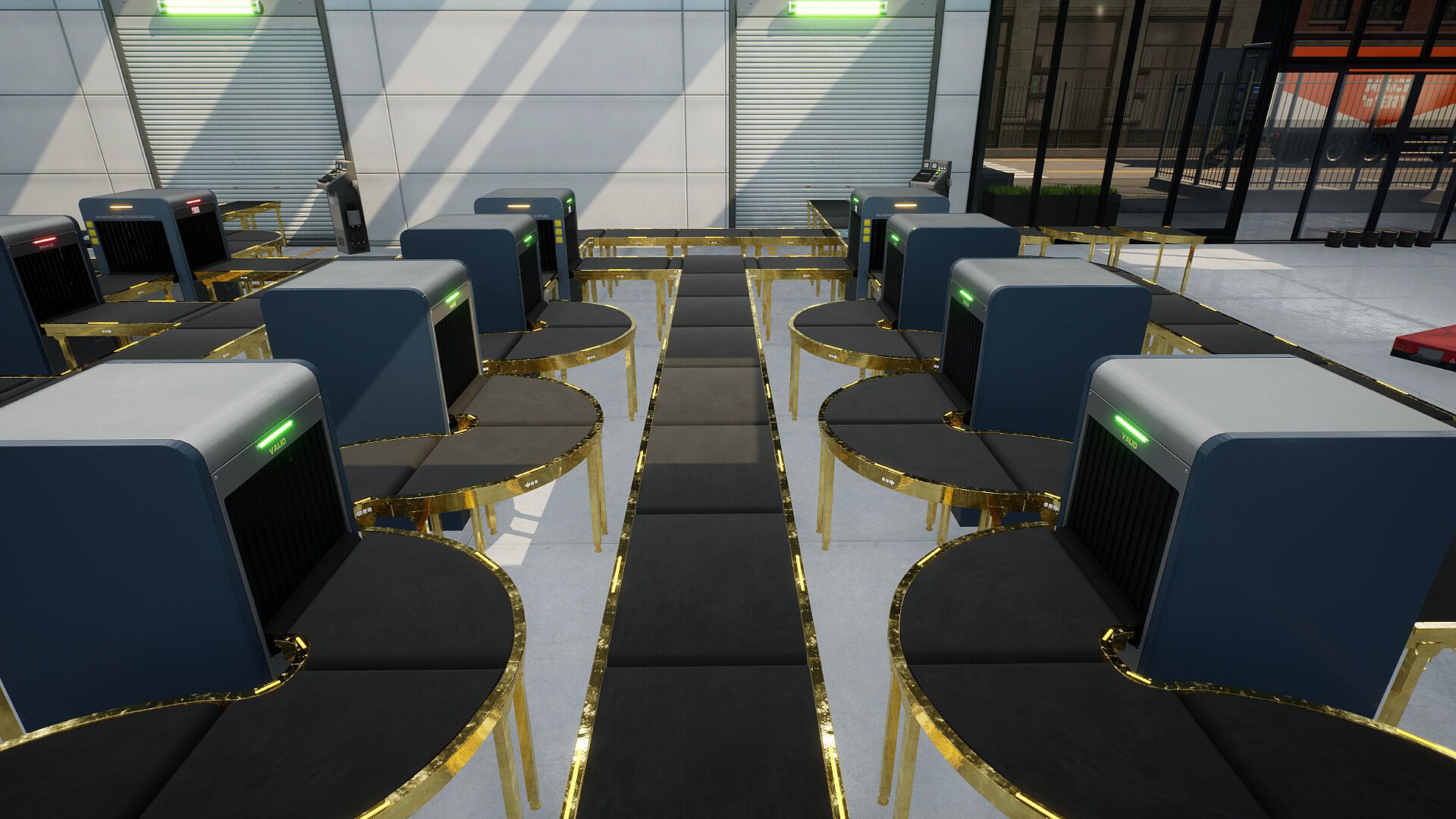
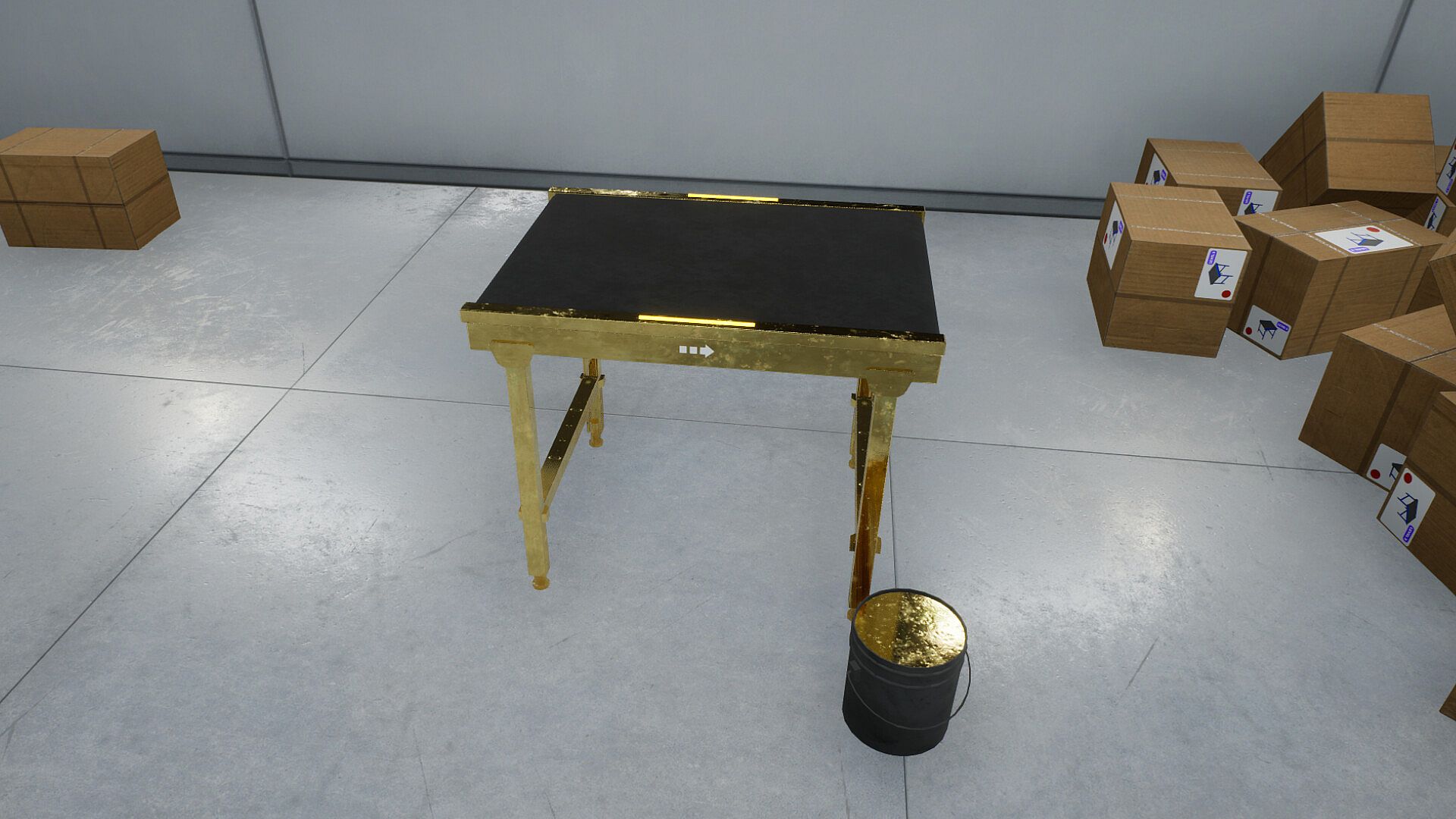
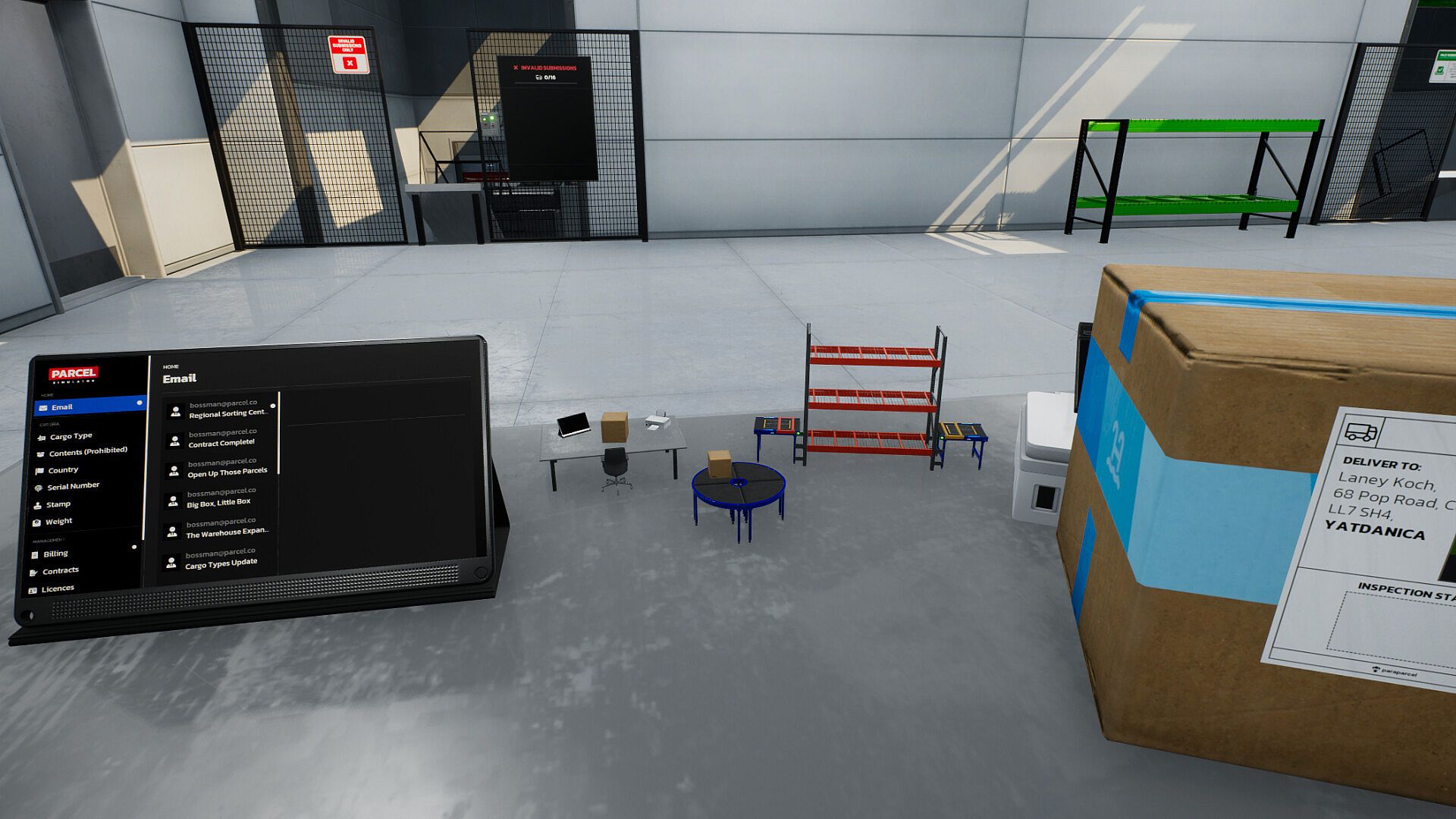
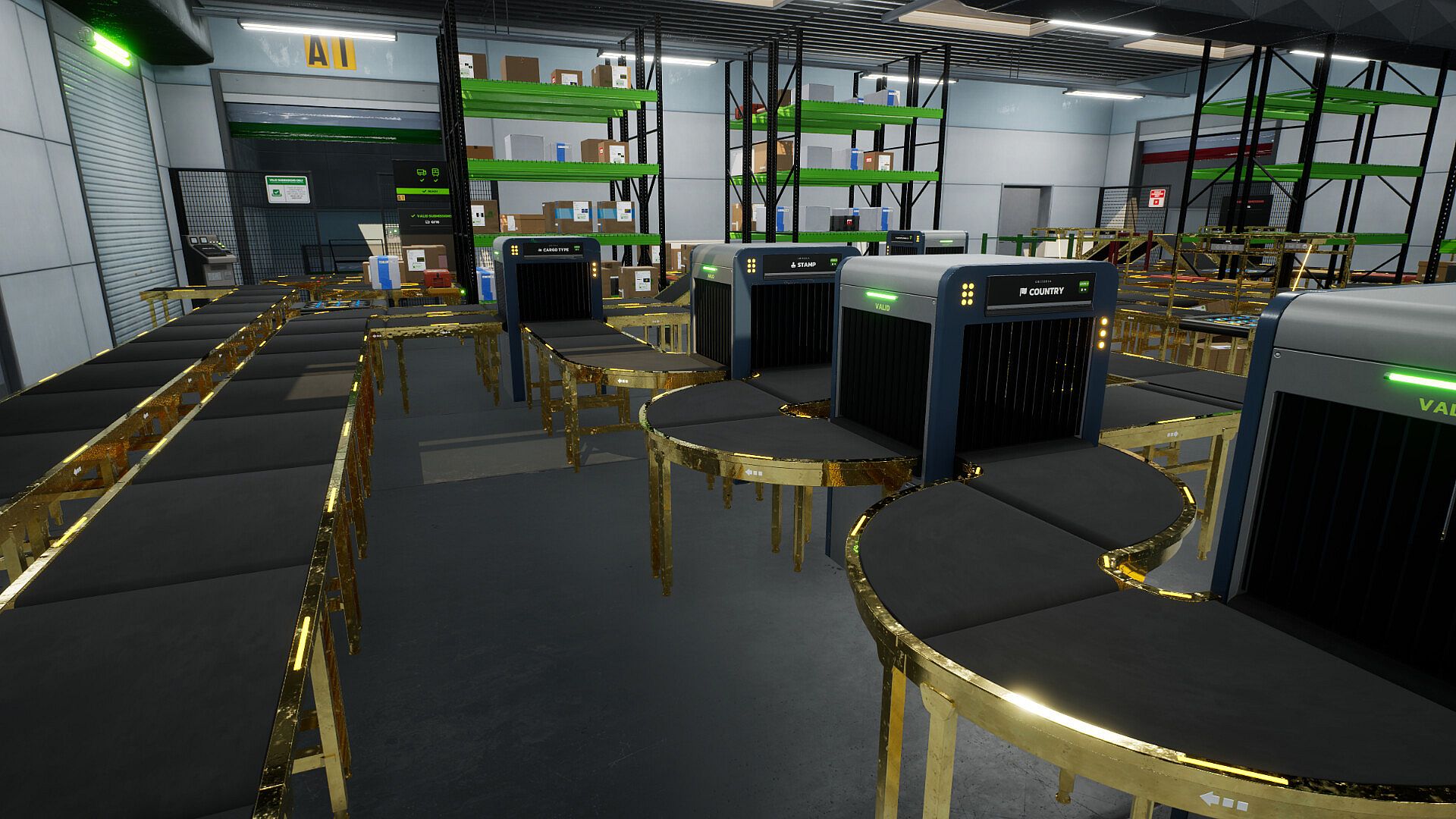
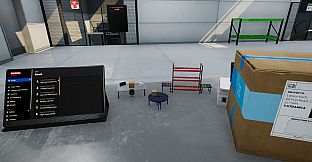
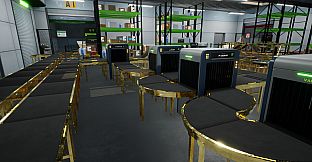
Conveyor belts and storage systems help move parcels efficiently once set up. Advanced machines can take over label inspections and detection tasks, freeing the player to focus on oversight and expansion. A tablet provides access to cargo management tools, country flags for reference, shop upgrades, licenses, daily tasks, and billing records. Work continues after regular delivery hours, allowing time to complete inspections and fulfill contracts at a steady pace.
Warehouse growth comes through upgrades that increase throughput and add new processing options. Players expand space, install better equipment, and refine layouts to handle more parcels without bottlenecks. The simulation rewards planning around deadlines while maintaining compliance with inspection rules.
Game Modes
Parcel Simulator operates as a single-player simulation focused on progressive warehouse management. There are no separate competitive or multiplayer modes. Instead, the game presents an ongoing campaign of daily deliveries and tasks that scale in complexity as the facility grows. Progression ties directly to unlocking automation features and expanding operations to meet rising demands.
The structure encourages repeated sessions around the same core systems rather than distinct modes. Players return to refine their setup, meet new contract goals, and optimize for higher efficiency without branching into unrelated gameplay styles.
Warehouse Expansion and Automation
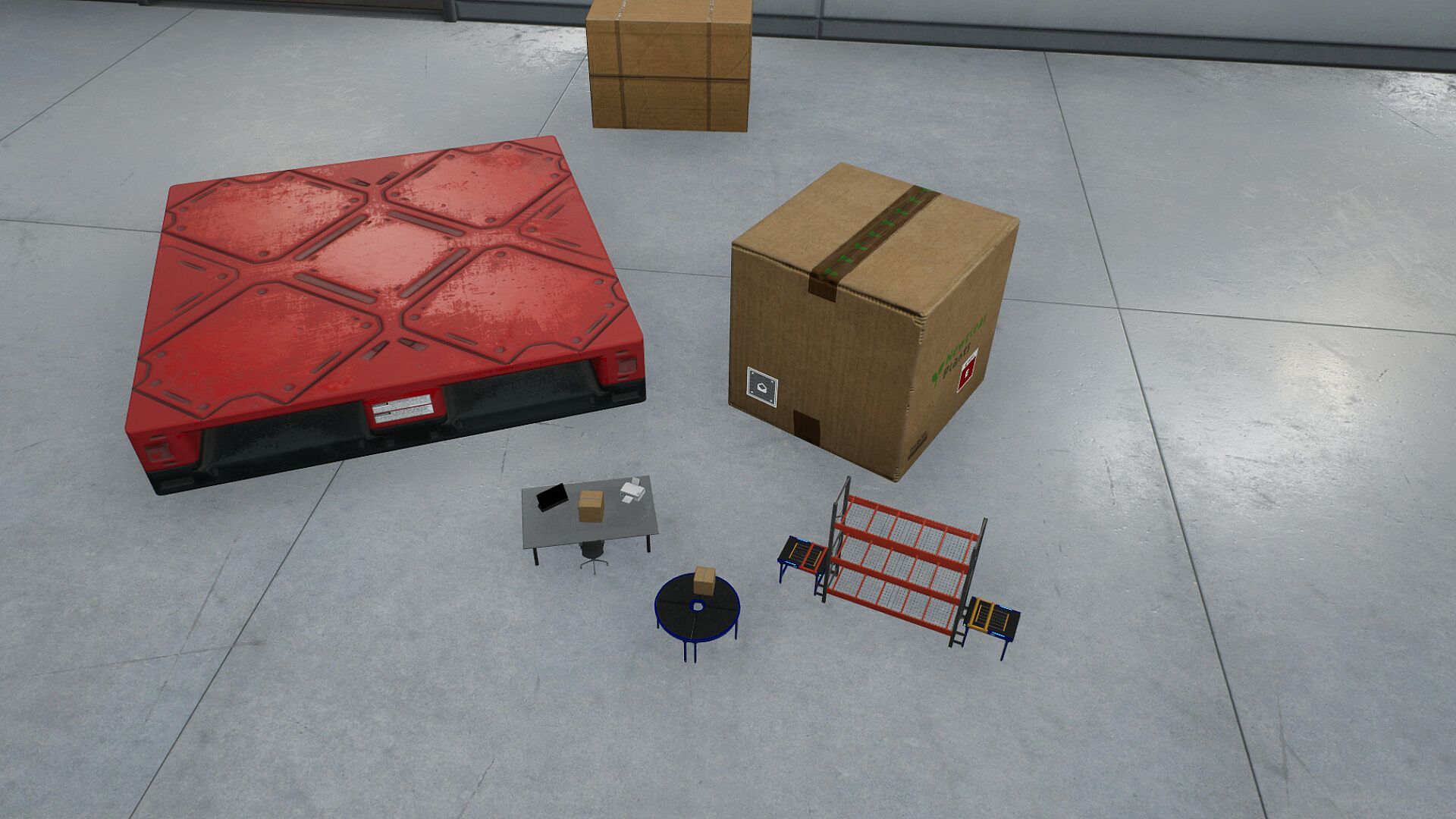
Building a successful operation requires strategic placement of conveyors, racks, and inspection equipment. Early stages focus on manual handling and basic sorting. Later stages introduce machines that scan and process parcels automatically, though oversight remains necessary to catch edge cases. Expansion also unlocks new storage options and faster routing paths that reduce handling time.
Daily emails and tablet tasks guide priorities, such as specific cargo types or destination rules. Meeting these targets generates revenue for further upgrades. The simulation tracks profits and efficiency metrics, giving clear feedback on layout and automation choices.
Is It Worth Playing?
Parcel Simulator suits players who enjoy methodical simulation games centered on logistics, inspection, and incremental automation. The solo-developed title delivers a focused experience without unnecessary complexity, appealing to those who like managing systems and watching efficiency improve over time. Community feedback highlights its satisfying progression and attention to detail in parcel handling.
The game remains actively supported with updates that refine mechanics and add content. Its casual pace allows short or extended sessions depending on how deeply players want to optimize their warehouse. Those interested in building and refining an operation from modest beginnings to a streamlined facility will find consistent engagement here.