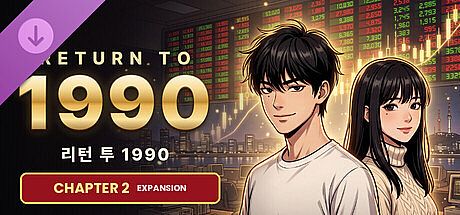





RETURN TO 1990 - Chapter 2: Expansion is an indie simulation game on PC that continues the business-focused visual novel experience set in early 2000s Seoul. Players manage investments, real estate, and corporate growth across the decade while navigating economic shifts including the dot-com aftermath and the lead-up to the 2008 financial crisis. The title builds directly on prior progress with carry-over assets and relationships, emphasizing strategic decisions in a month-by-month narrative format.
Gameplay
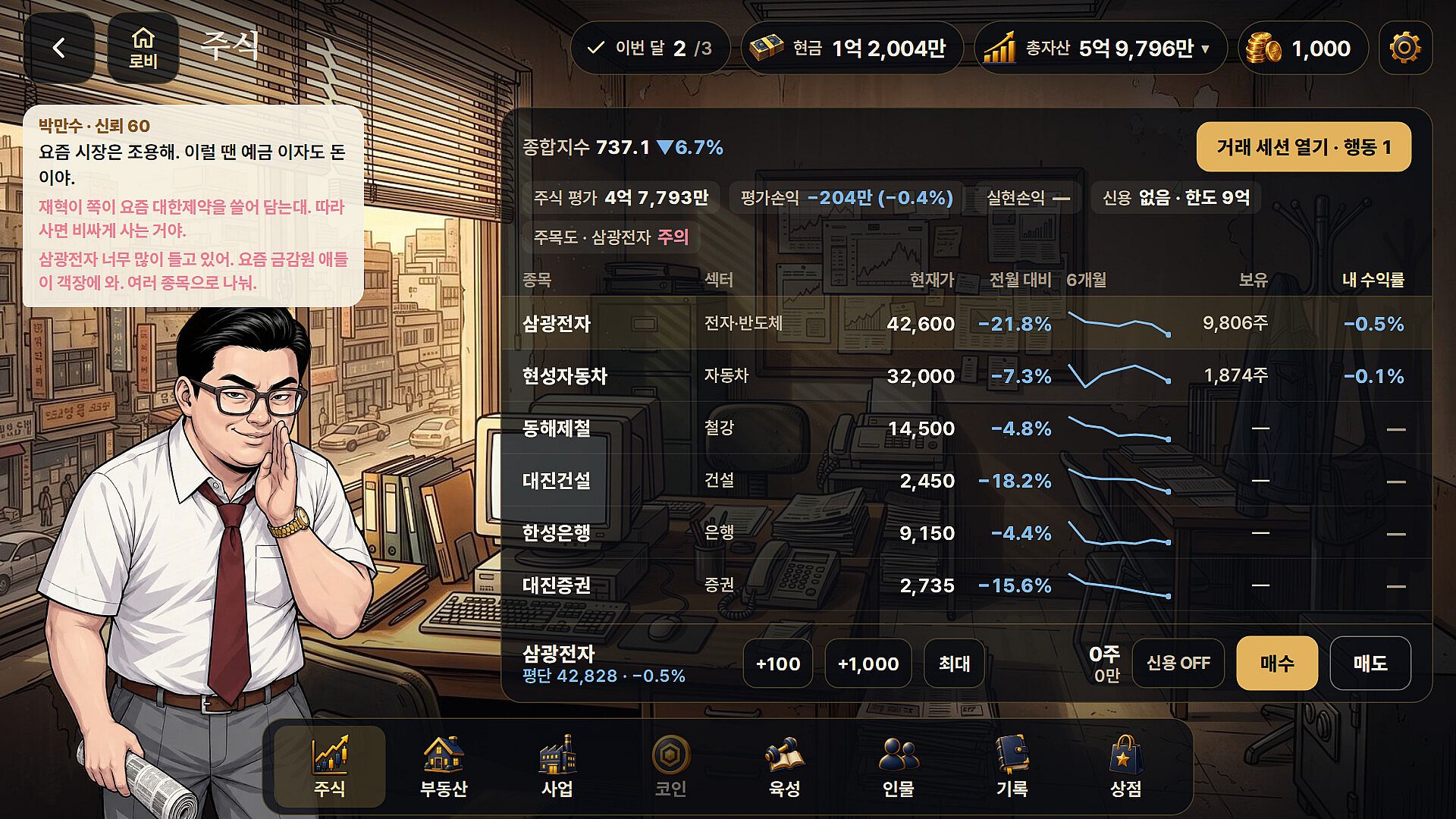
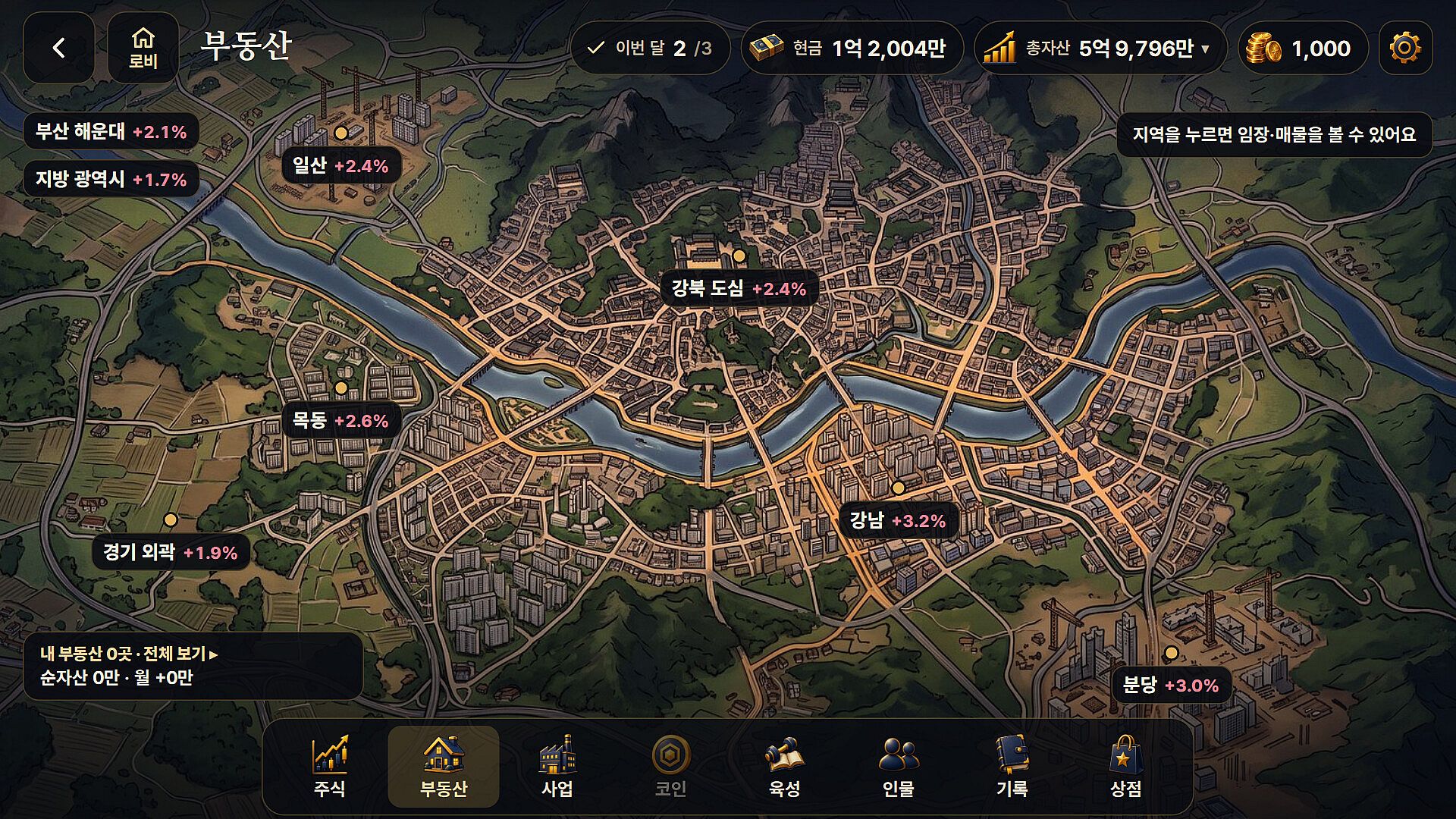
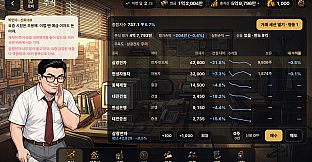
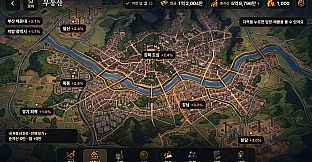
The core loop centers on founding an investment company and scaling it into a larger business group. Players identify undervalued firms, complete acquisitions, time initial public offerings, and expand through multiple affiliates. Real estate plays a major role on an updated map covering Gangnam redevelopment zones, new towns in Gyeonggi, apartment lotteries, and regulatory changes around loans and property taxes. Leverage strategies can generate strong returns but carry risks that intensify toward the end of the decade.
Stake management adds another layer through interactions with the fictional Daejin Group. Accumulating shares in listed affiliates triggers responses from the chairman once thresholds like 5 percent are crossed. Players recruit supportive shareholders and influence outcomes at general meetings. These systems integrate with the existing progression of stocks, startups, and personal connections established in the preceding chapter.
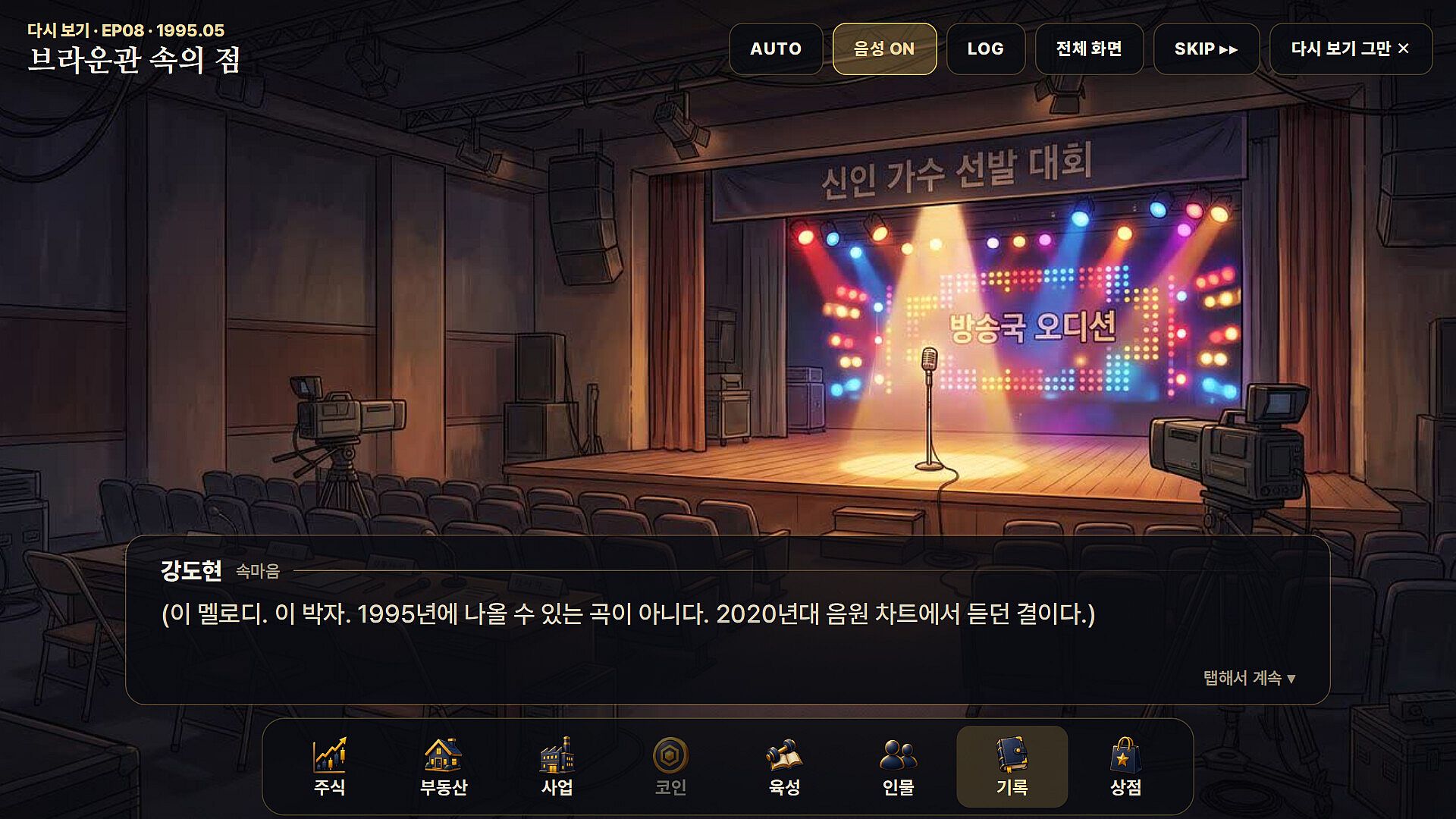
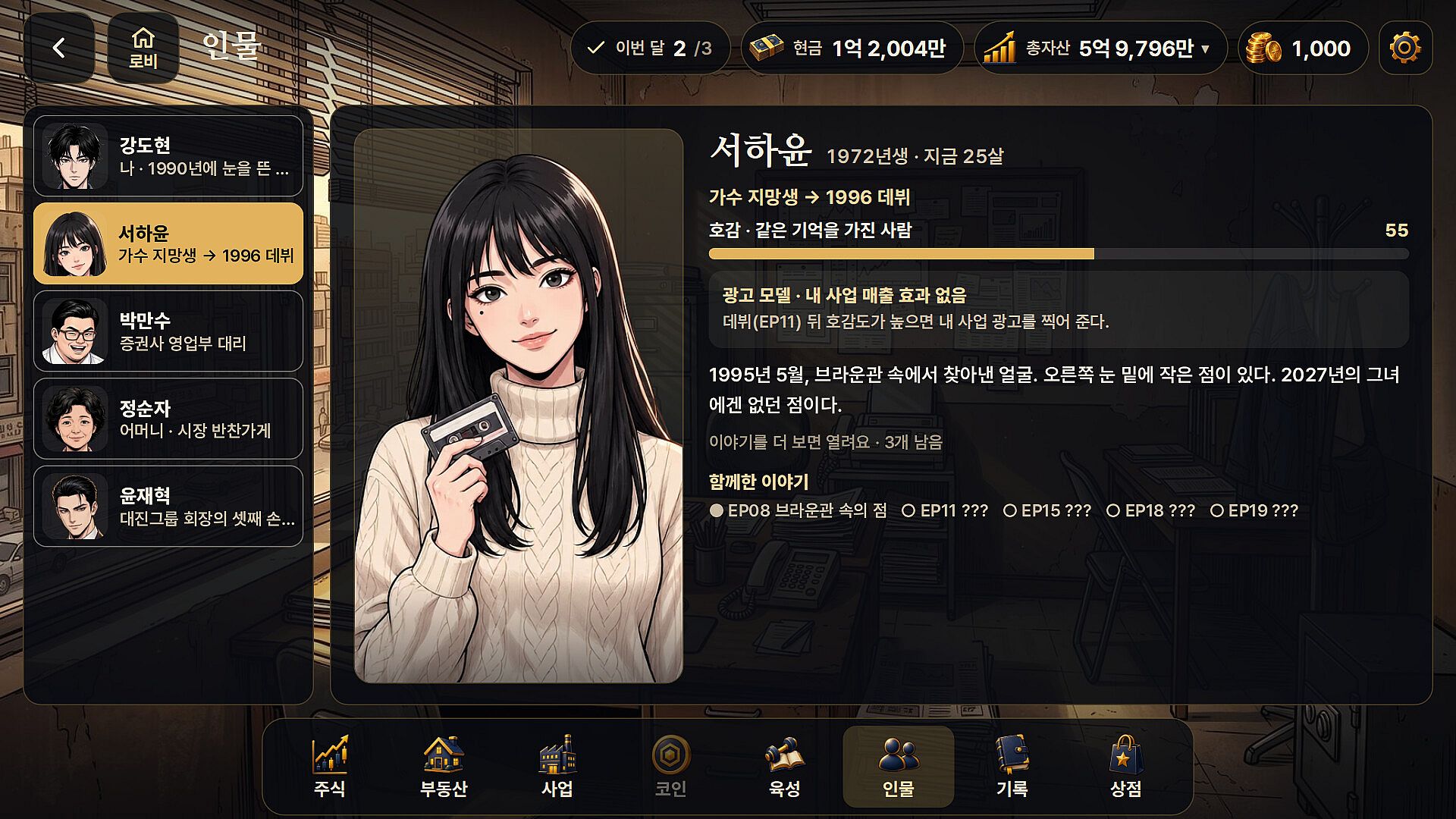
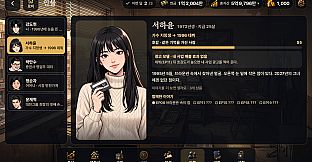
Story delivery occurs through 20 fully voiced episodes spanning 120 months. New characters, backgrounds, cutscenes, and music expand the cast and atmosphere. Choices influence relationships and long-term outcomes, with multiple endings tied to accumulated wealth and alliances. The experience remains single-player throughout, focused on time management and economic simulation rather than action or competition.
Game Modes
The expansion operates as a continuous narrative campaign without separate competitive or cooperative modes. Progression follows the fixed timeline from 2000 to 2009, with events and decisions unfolding month by month. Branching paths emerge from player choices in business dealings, real estate timing, and interpersonal negotiations, leading to varied conclusions based on overall performance and retained elements from earlier content.
Carry-over mechanics serve as the primary variation factor. Assets, relationships, and prior decisions shape available opportunities and challenges in this chapter. No additional standalone modes such as free play or challenge scenarios are present; the structure prioritizes sequential story advancement within the visual novel framework.
Story and Setting
Chapter 2 places players in the new millennium amid specific historical backdrops including the World Cup in Seoul, widespread credit card adoption, and rising Gangnam skyscrapers. The narrative tracks the transition from individual investor to corporate leader while confronting the dot-com bubble burst and building tensions before the 2008 downturn. Fictional companies, people, and brands populate the world, keeping all events contained within the game's invented Korean business landscape.
Expanded systems introduce acquisitions and shareholder voting as fresh mechanics that tie into the broader empire-building arc. These elements connect directly to real estate expansion and group formation, creating interconnected loops where success in one area supports progress in others. Voice acting covers the full episode count, enhancing the month-to-month pacing and character interactions.
Is It Worth Playing?
This expansion suits players who enjoy deliberate business simulation combined with visual novel storytelling and choice-driven outcomes. It rewards careful planning around market timing, share accumulation, and property leverage while carrying forward progress from the base game and first chapter. The single-player focus and narrative structure appeal to those interested in economic strategy set against a detailed 2000s Seoul backdrop rather than fast-paced action or multiplayer elements.
Reception for the overall series remains limited at launch, with the base title showing mixed early feedback. Chapter 2 itself currently lacks widespread user reviews. Availability requires ownership of the prologue and Chapter 1, positioning it as targeted additional content for those already engaged with the series' mechanics and setting. Those drawn to time-spanning management sims with Korean corporate themes may find the added systems and voiced episodes a natural extension of the experience.