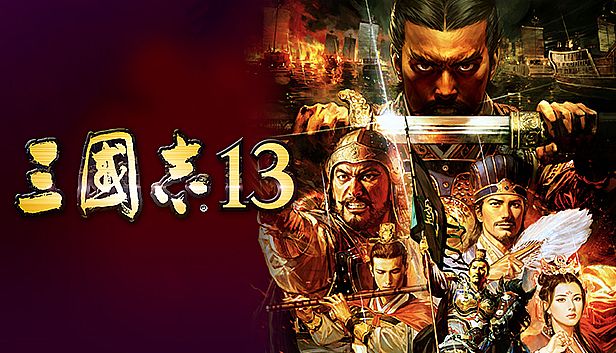


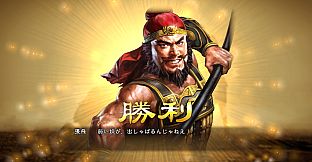
Romance of the Three Kingdoms XIII stands out as a deep strategy simulation game set during China's chaotic Three Kingdoms period. Players take on roles ranging from humble officers to powerful rulers, navigating political intrigue, military campaigns, and resource management to unify the land. This title emphasizes historical accuracy with a focus on character relationships and strategic decision-making, making it a staple for those who enjoy complex simulations rooted in real events.
Gameplay
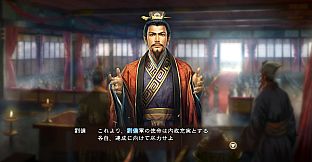
In Romance of the Three Kingdoms XIII, the core loop revolves around building and expanding your influence through a mix of diplomacy, warfare, and internal administration. You command officers with unique abilities, forming bonds that enhance loyalty and performance in battles. Combat unfolds in real-time on large maps, where positioning troops for land or naval engagements demands careful planning. Duels between generals add a personal touch, resolved through quick-time events that test timing and strategy. Resource gathering from cities supports army growth, while debates allow non-violent resolutions to conflicts, relying on wit and rhetoric to sway opponents.
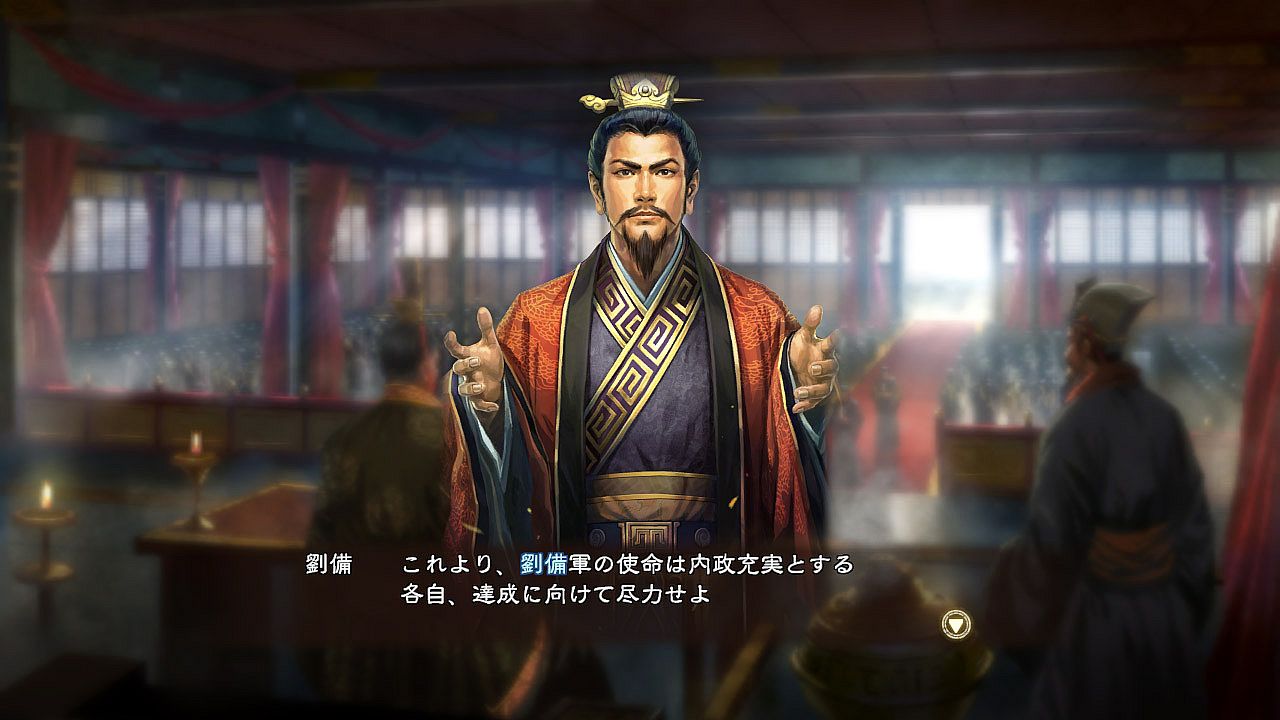
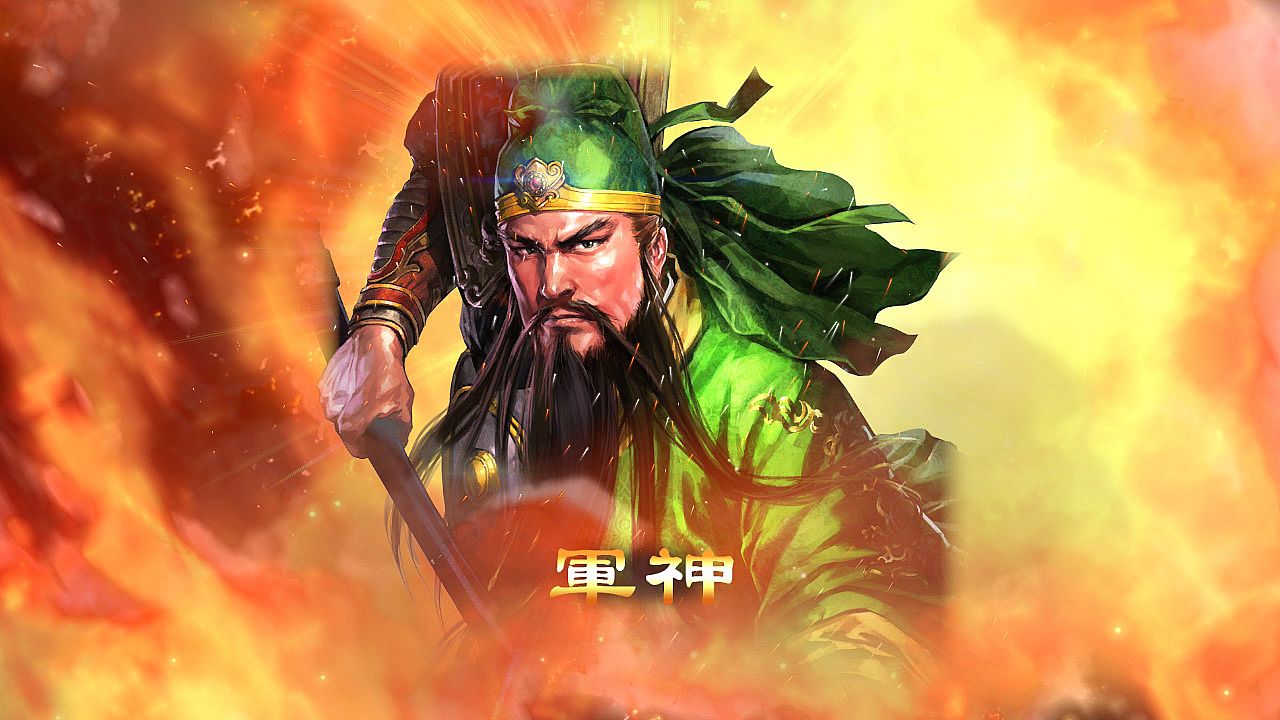
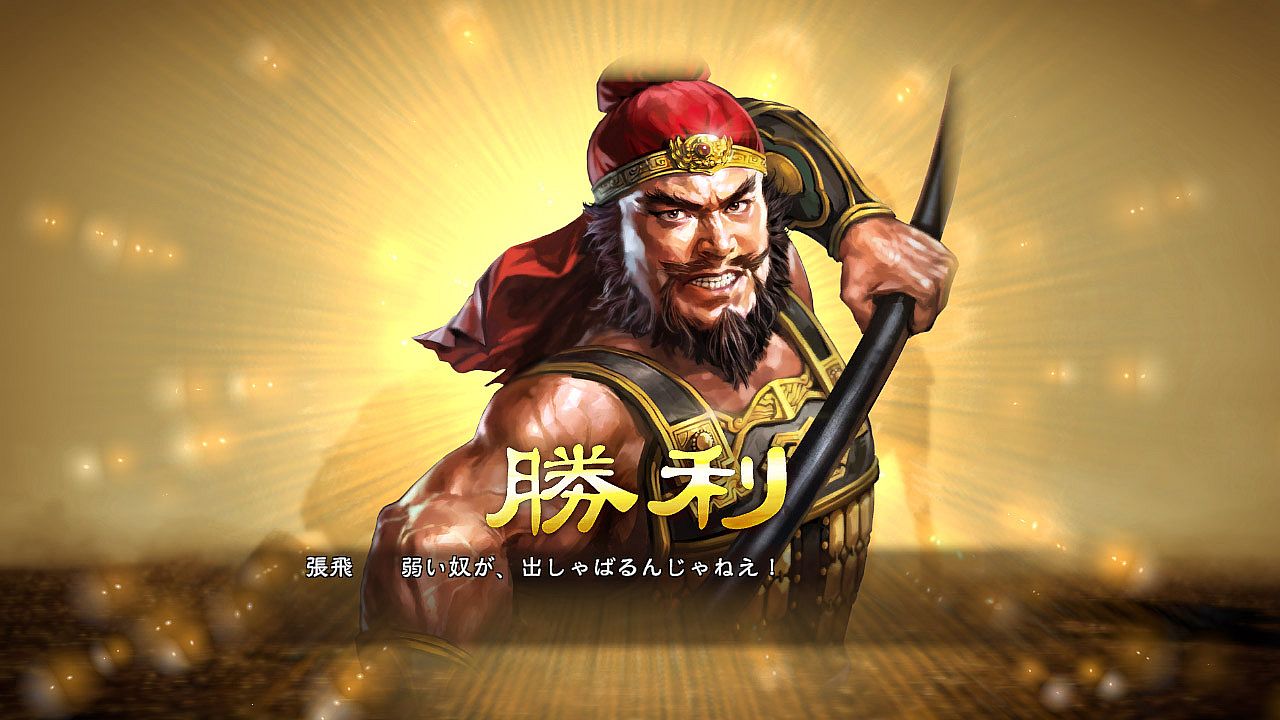
Officer management forms a key pillar, letting you assign roles, promote talent, and even edit appearances with unlocked portraits, such as those from previous entries for figures like Liu Bei, Guan Yu, and Zhang Fei. This customization deepens immersion, as you tailor your forces to fit historical or personal narratives. The game rewards long-term planning, with seasons affecting troop movements and supply lines, adding layers to every decision.
Game Modes
The game features two primary modes that cater to different playstyles. Hero Mode serves as an accessible entry point, guiding players through nine structured scenarios that teach mechanics while progressing through key historical events. Each scenario builds on the last, focusing on specific objectives like alliances or conquests to prepare for more open-ended challenges.
Main Mode offers the full experience, where you select from various historical starting points and control any warlord or officer. This mode allows free-form campaigns, with no set paths, enabling you to rewrite history through your choices. Both modes support single-player only, emphasizing strategic depth over multiplayer interactions.
Key Mechanics and Factions
Factions draw from the era's major powers, including Wei under Cao Cao, Shu led by Liu Bei, and Wu commanded by Sun Quan, alongside smaller warlords vying for control. Mechanics like prestige influence recruitment and alliances, while the bond system strengthens officer relationships, unlocking bonuses in combat and governance. City development involves balancing agriculture, commerce, and military strength, with events triggering based on historical timelines or player actions.
- Diplomacy tools include marriages, treaties, and espionage to undermine rivals.
- Battle formations adapt to terrain, with ambushes and sieges requiring tactical foresight.
- Officer traits affect outcomes, such as high intelligence boosting debate success.
Is It Worth Playing?
Romance of the Three Kingdoms XIII has garnered mixed reception from players, with praise for its immersive historical setting and intricate officer interactions, though some criticize the simplified combat compared to earlier series entries. It holds appeal for strategy enthusiasts who appreciate a steep learning curve and replayability through different scenarios and factions. The game remains available on PC, with no ongoing updates since its 2016 release, but its core systems hold up for those seeking a thoughtful simulation. If you favor detailed management over fast-paced action, this title provides substantial value, especially for fans of the Three Kingdoms lore.