
























SCUM is a hardcore survival game that places players in the role of convicts on a vast open-world island filled with threats from every direction. The experience centers on managing a detailed simulation of the human body while scavenging resources, building shelter, and navigating dangers that include zombies, wildlife, mechanical enemies, and rival survivors in a shared multiplayer environment. Genres such as action, adventure, and massively multiplayer define its scope, with an emphasis on realistic mechanics that reward careful planning and adaptation over time.
Gameplay
The core loop revolves around sustaining life through precise control of nutrition, hydration, and physical condition. Every action affects the character in measurable ways, from the calories and vitamins consumed in meals to the impact of injuries that require specific treatments. Looting abandoned sites yields materials for crafting tools, weapons, and structures, while hunting animals or defending against undead hordes adds layers of risk and reward. Base construction allows for secure storage and defense, and movement across the island often involves vehicles that players can acquire and maintain. Combat mixes ranged and melee options against AI opponents and other players, with sound and visibility playing key roles in encounters. The systems encourage repeated sessions as players refine their approach to metabolism management and resource allocation.
Exploration reveals military installations, civilian areas, and natural terrain that shape daily decisions. Weight carried influences stamina and mobility, while environmental factors like weather add further variables. Progression feels earned through incremental improvements in gear and knowledge rather than linear levels. The multiplayer aspect introduces unpredictable interactions, where cooperation or conflict emerges naturally from shared goals on the server.
Game Modes
SCUM operates primarily through persistent online servers that support both solo play and group coordination. Individuals can focus on personal survival strategies without external assistance, handling all threats independently. Groups form to tackle larger objectives, share resources, or establish fortified positions together. Servers vary in rulesets that influence the balance between player versus environment challenges and direct confrontations with others. This structure allows different playstyles to coexist, from isolated endurance runs to coordinated raids on high-value locations.
Vehicles and Customization
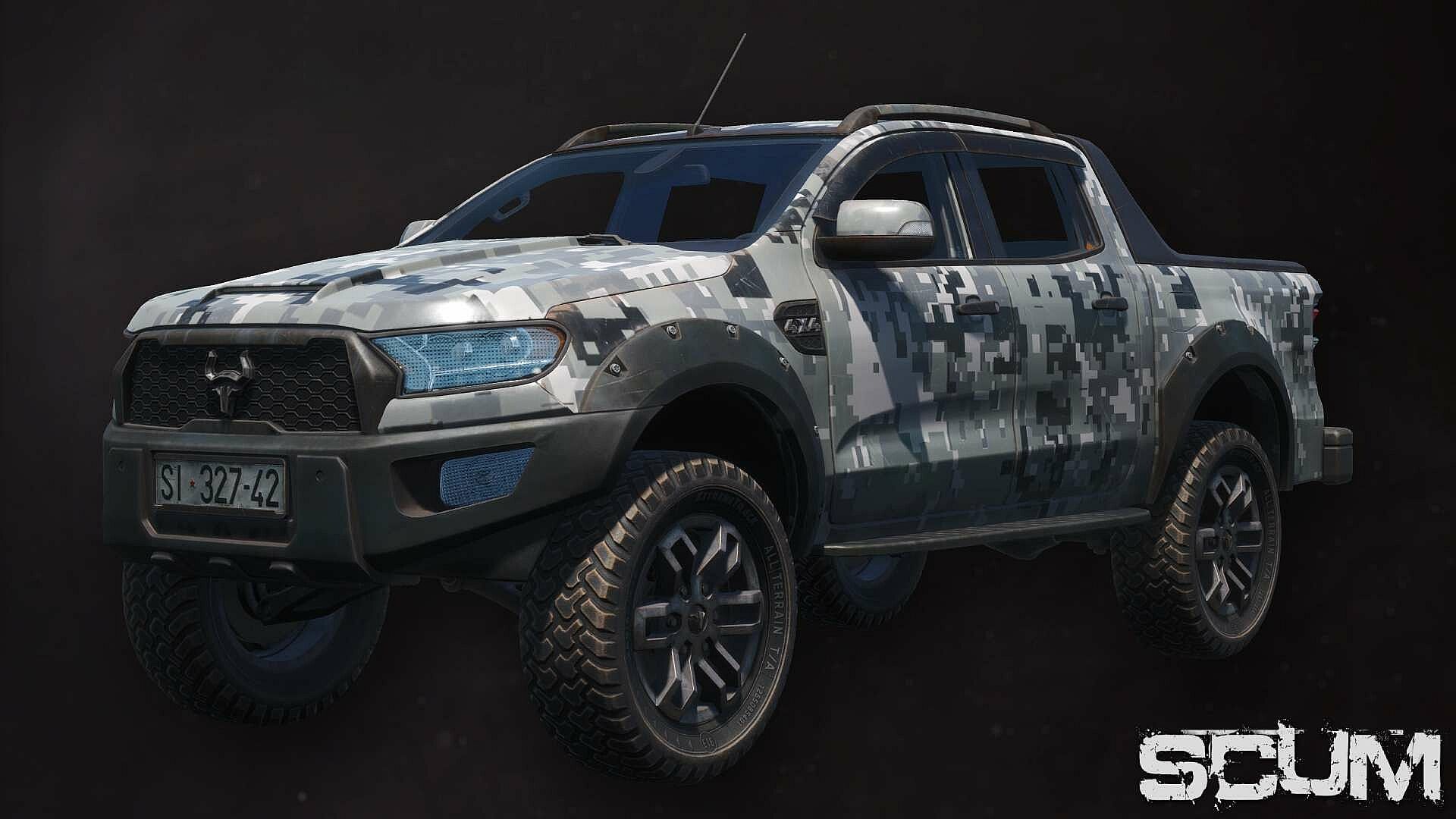
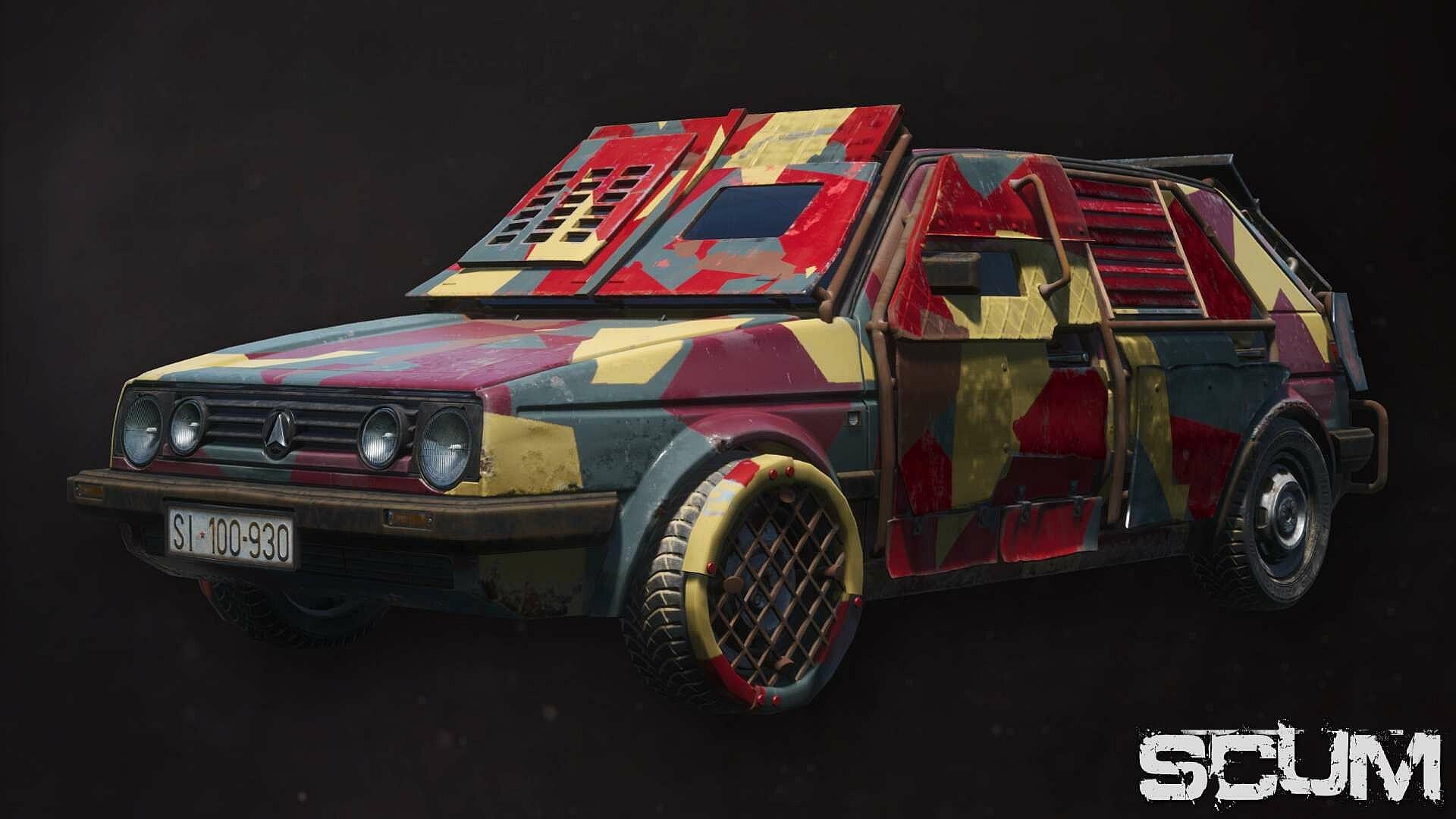
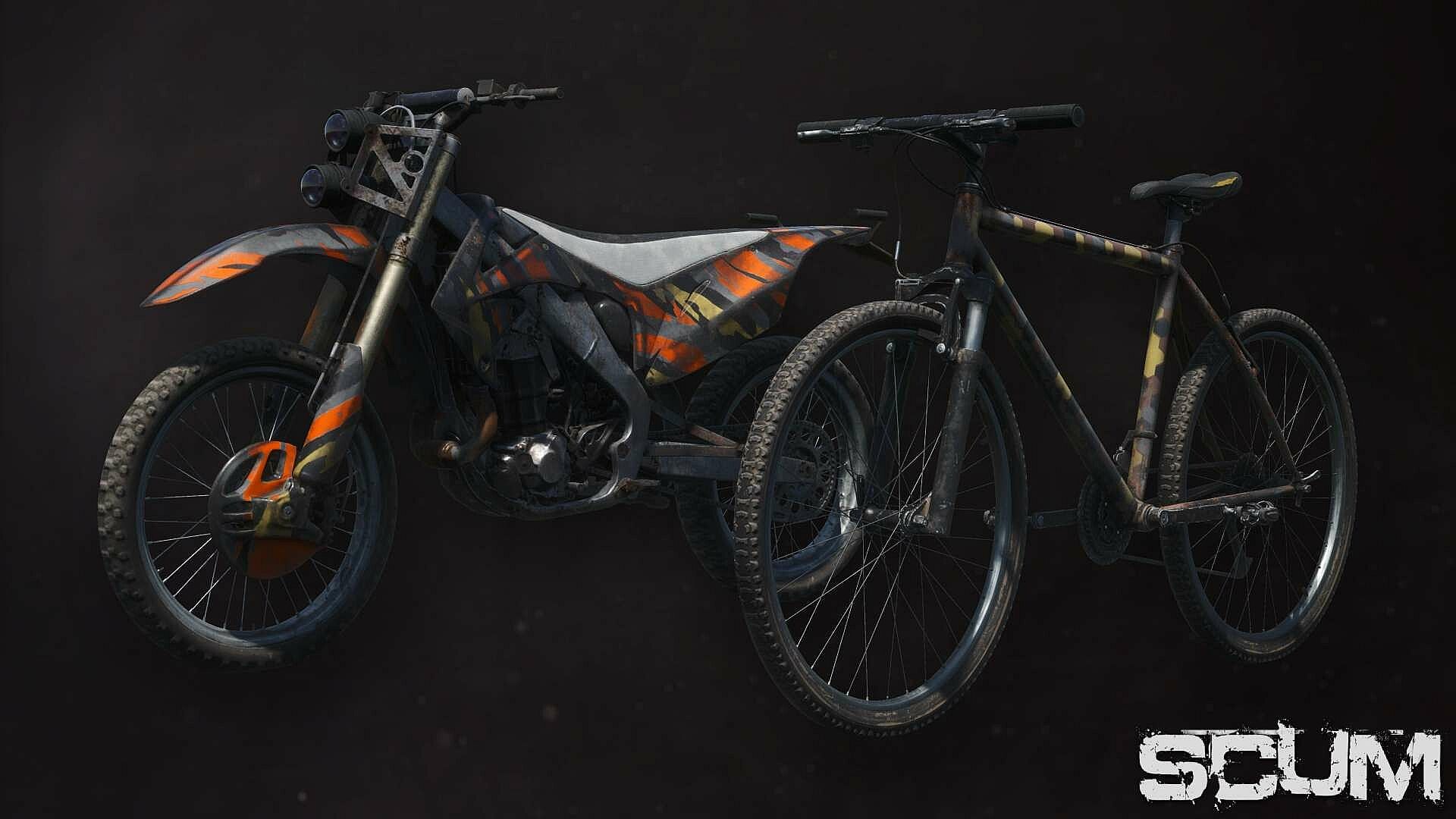
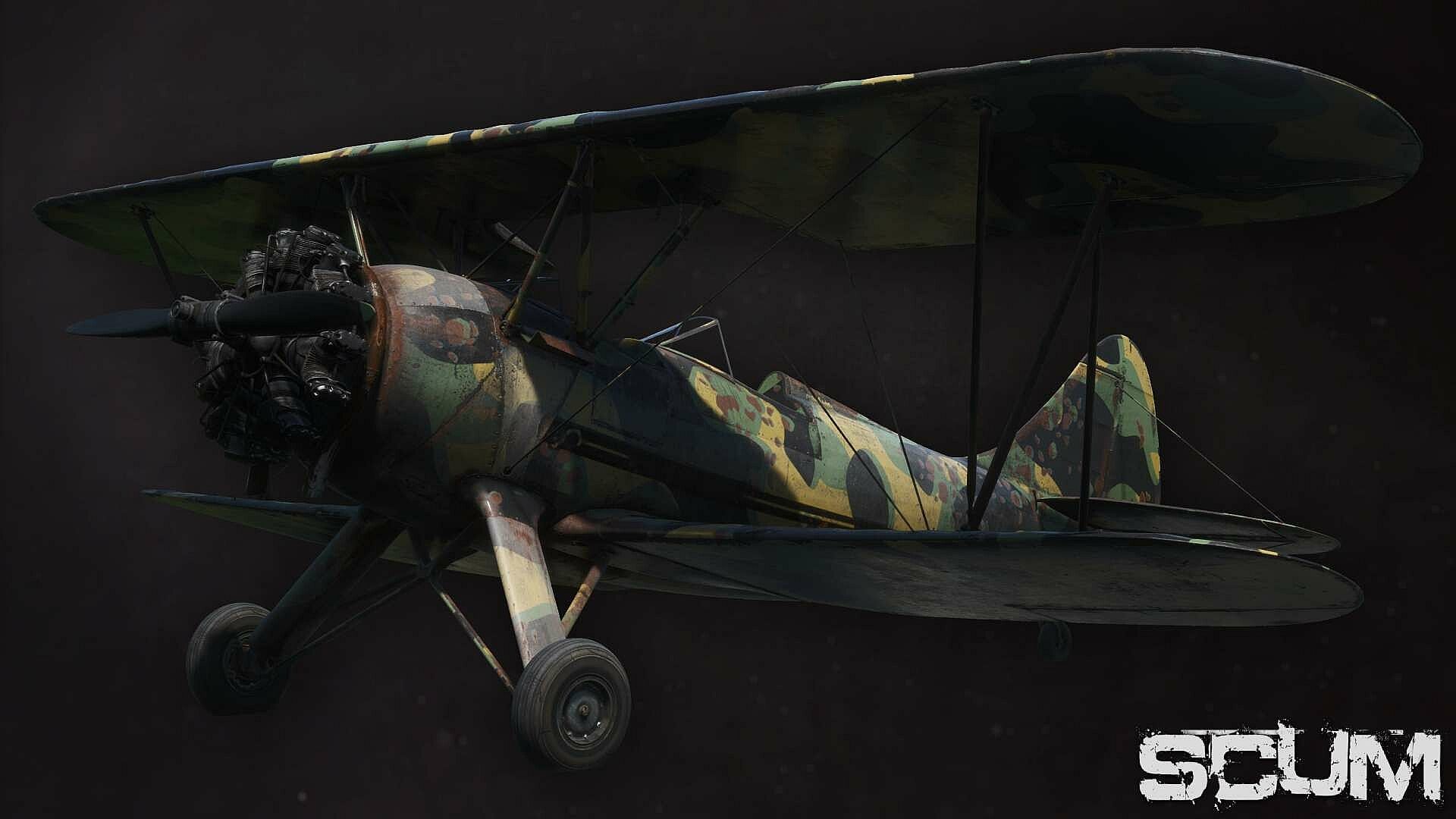
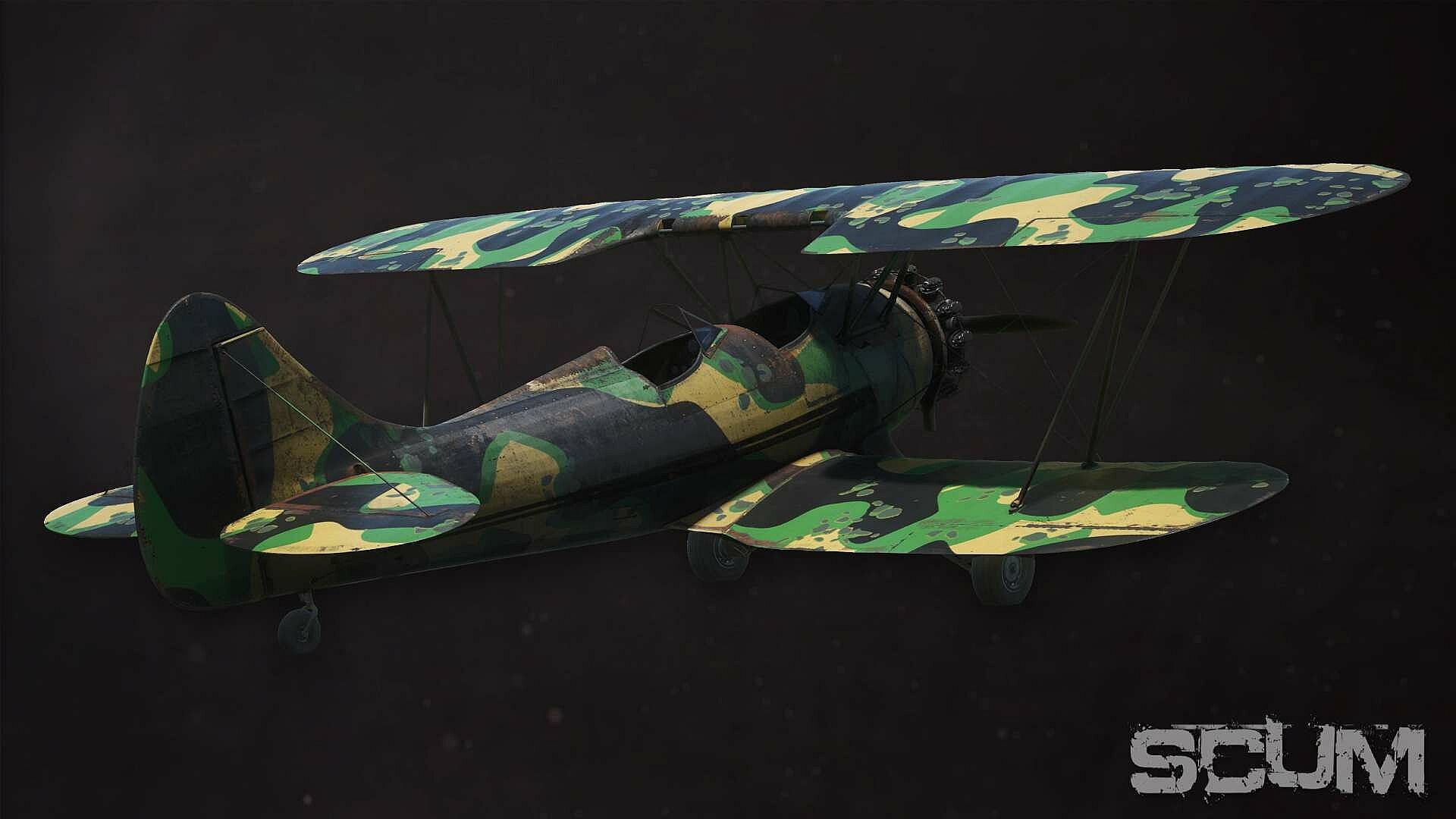
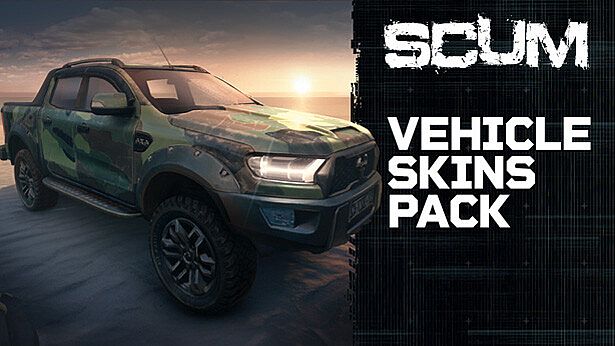
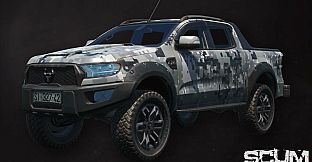
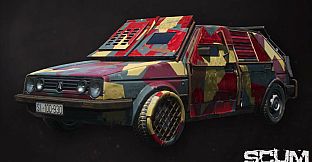
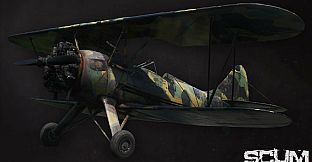
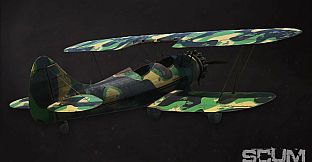
Transportation options span land, water, and air, enabling faster traversal of the expansive map once players locate and repair suitable machines. Fifteen distinct paint patterns expand visual options for these vehicles. Available styles include Digital, Flecktarn, Flower, Hex, Highlander, Leopard, Peadot, Pixel, Rebel, Reed, Splinter, Starburst, Stripe, Tiger, and Classic. These choices let owners tailor appearances to match personal preferences or group identities while operating in the open world.
Is It Worth Playing?
SCUM reached its full release after years in development, delivering a refined version of its simulation-focused survival systems. Reviews highlight the depth of its body management and crafting mechanics as strengths that set it apart for enthusiasts of realistic gameplay. The learning curve remains steep, with some noting occasional technical issues during large-scale encounters. It suits players who enjoy methodical resource management, emergent stories from player interactions, and long-term progression in a shared environment. Those seeking lighter survival experiences may find the detail overwhelming, while dedicated fans of the genre appreciate the ongoing updates that maintain server activity. The combination of solo viability and squad support broadens its appeal within the multiplayer survival space.