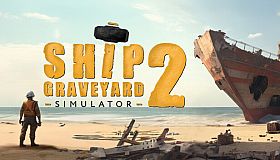



















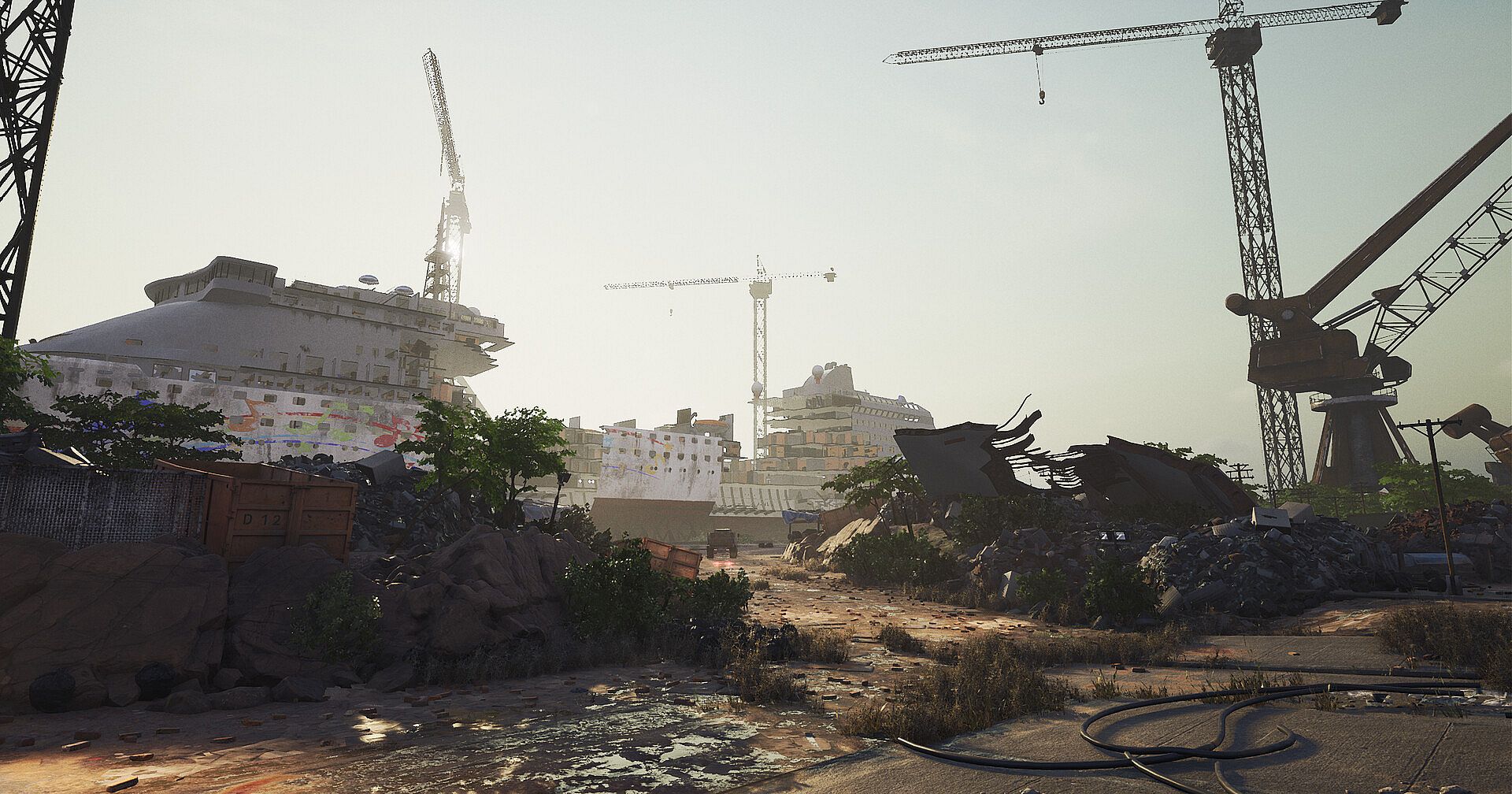
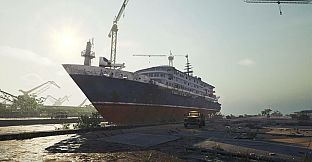
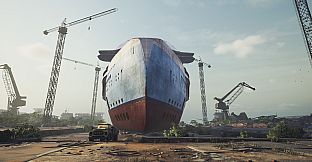




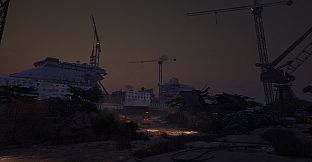
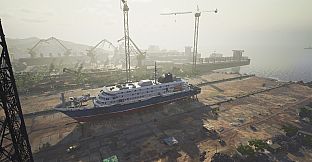
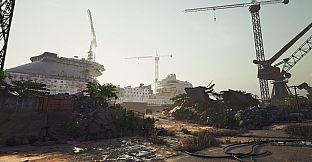
Ship Graveyard Simulator 2 is a ship dismantling simulation game available on PC. Players take on the role of a scrapyard operator tasked with breaking down vessels of varying sizes to recover materials like steel. The core experience centers on methodical disassembly using handheld tools and heavy machinery, with progression tied to business expansion through collected resources.
Gameplay
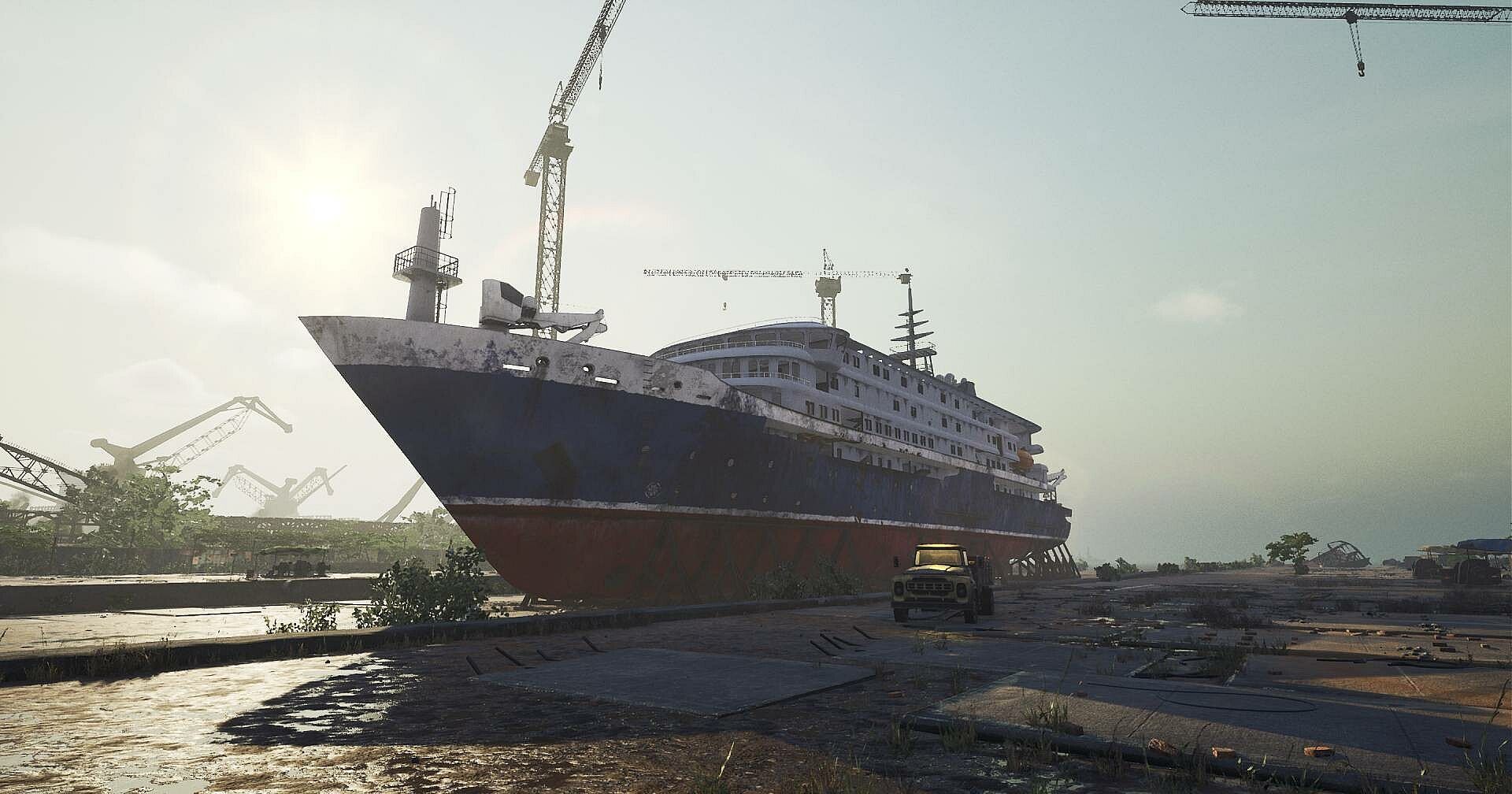
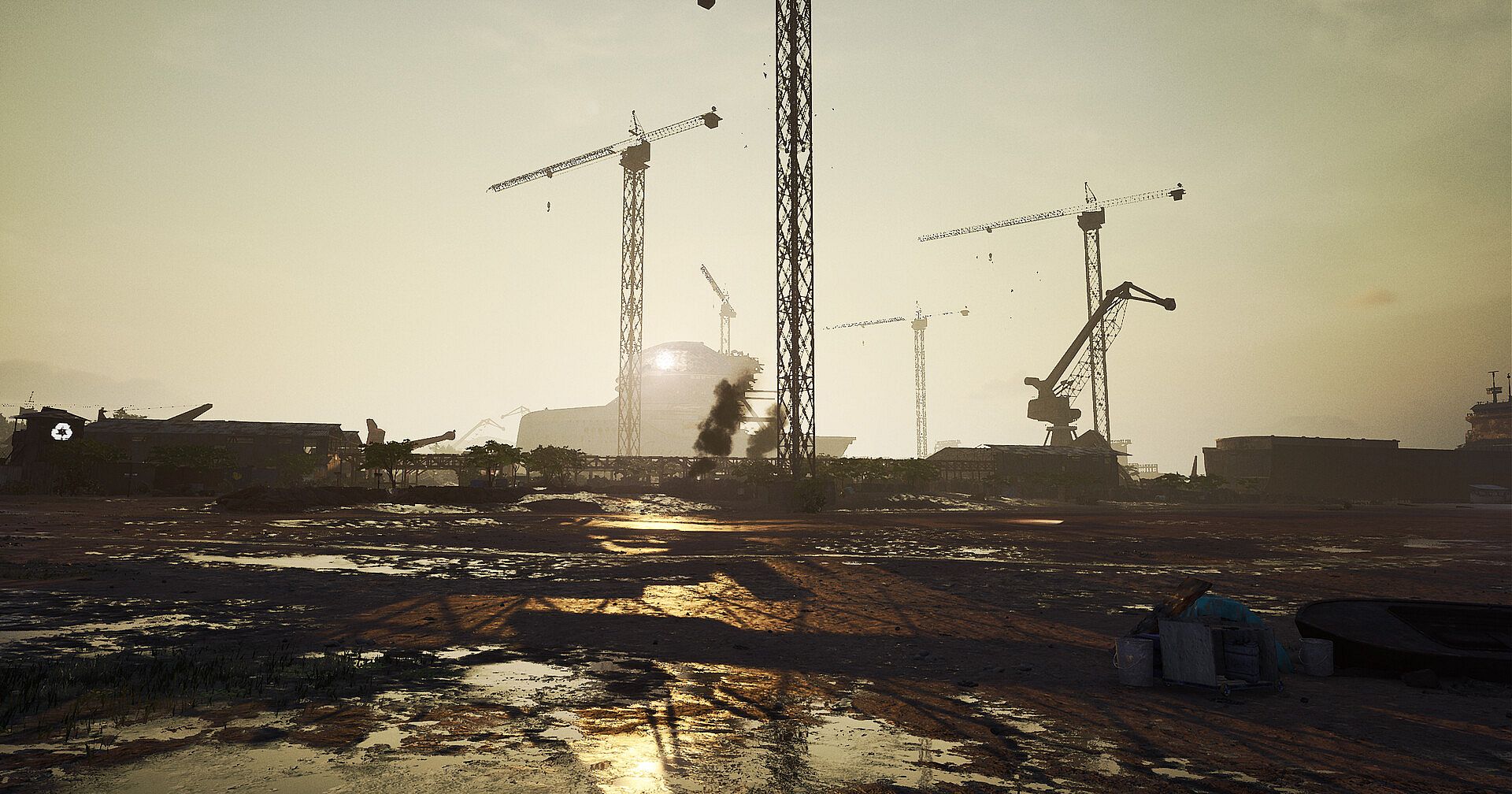
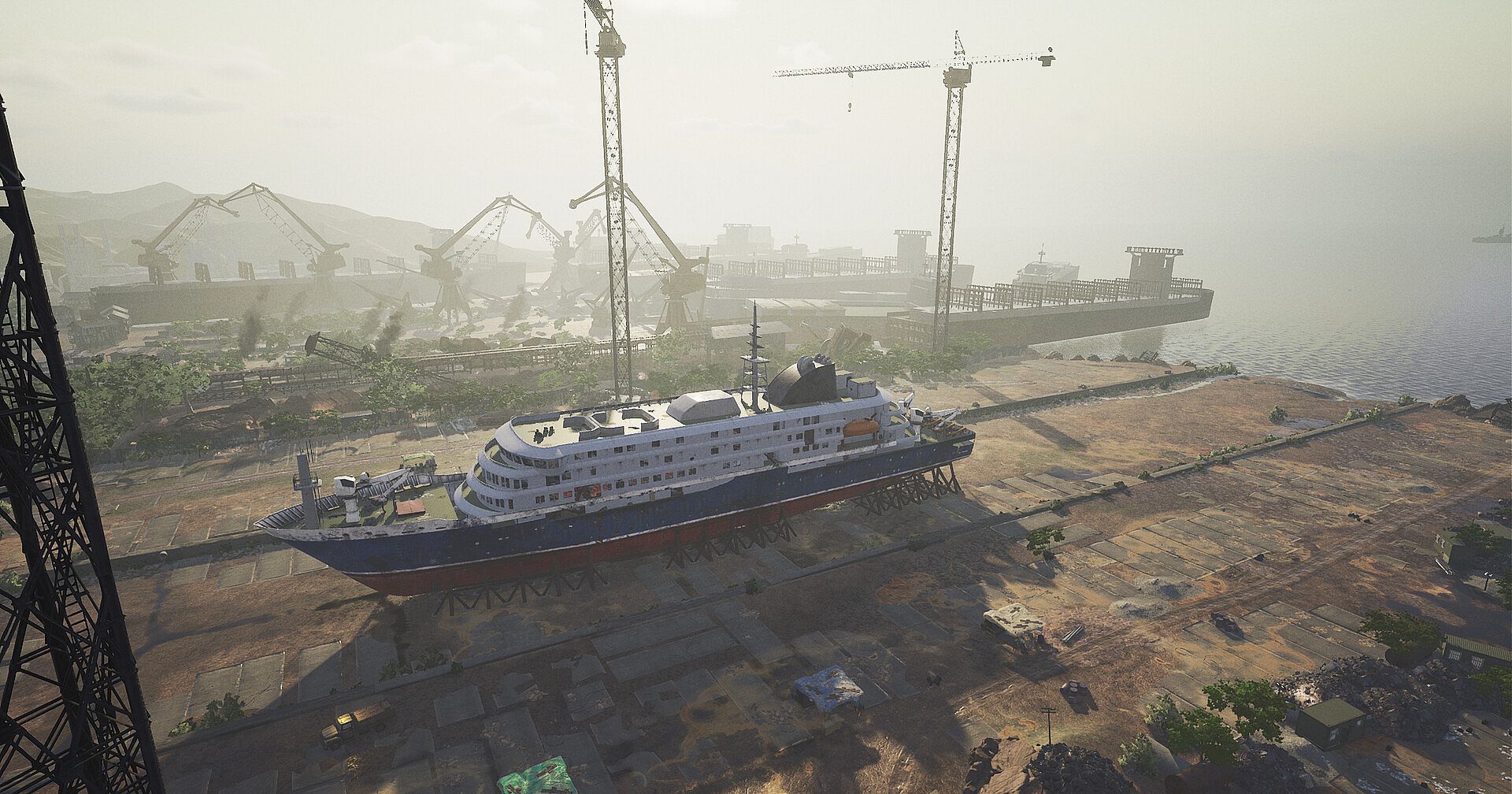
The gameplay loop revolves around approaching ships on a coastal scrapyard site and systematically reducing them to manageable pieces. Tools such as hammers, saws, and torches allow precise cutting and removal of sections, while larger components require cranes and containers for transport. Workers can be hired to assist with repetitive or heavy tasks, freeing the player to focus on complex cuts or planning the order of disassembly.
Large ship parts demand careful handling to avoid collapses or wasted effort, and collected steel forms the basis for upgrading equipment and expanding operations. The process emphasizes patience and spatial awareness, as players navigate tight spaces inside hulls and manage falling debris. Hazards like unstable structures add tension during longer sessions.
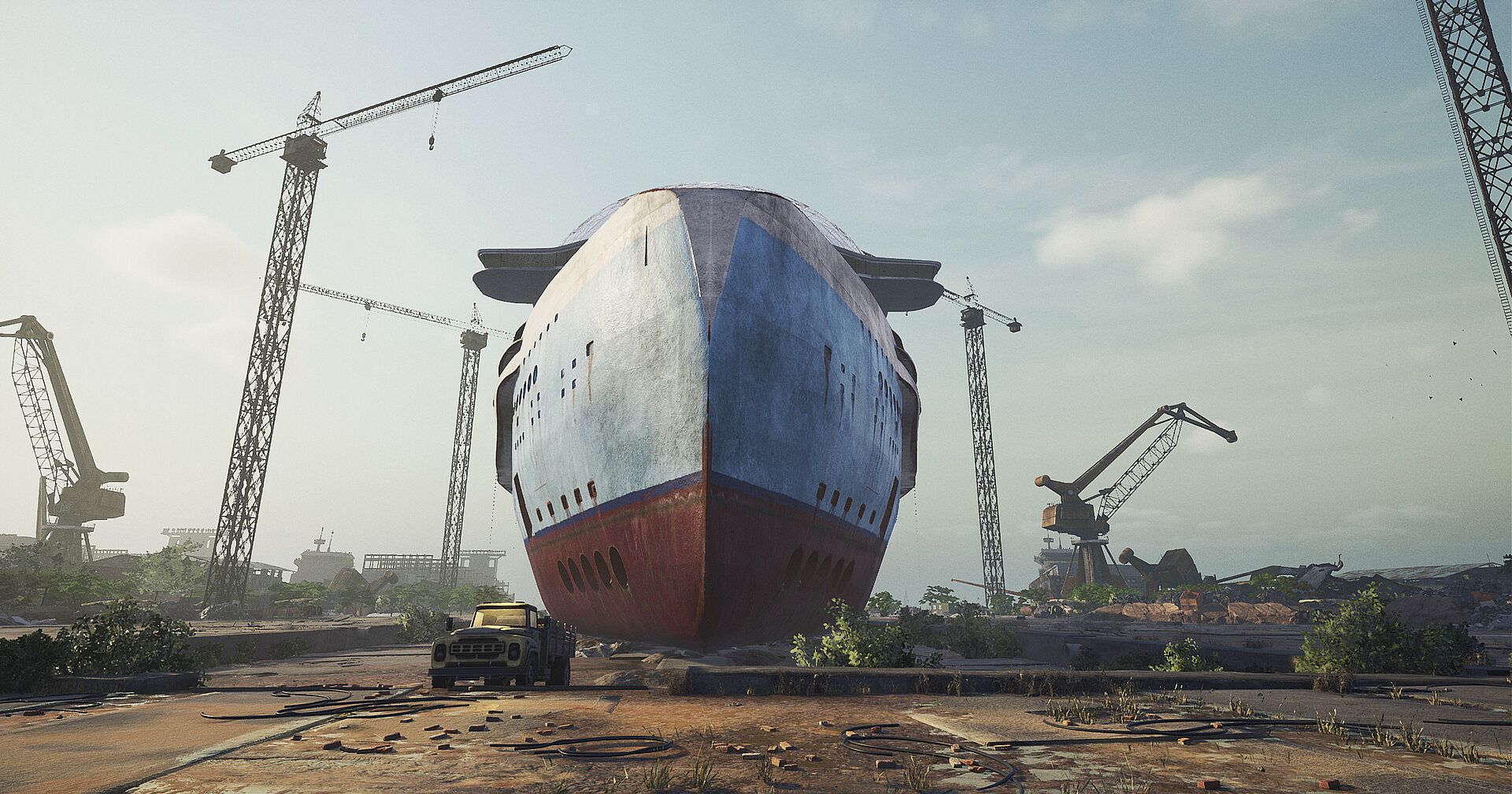
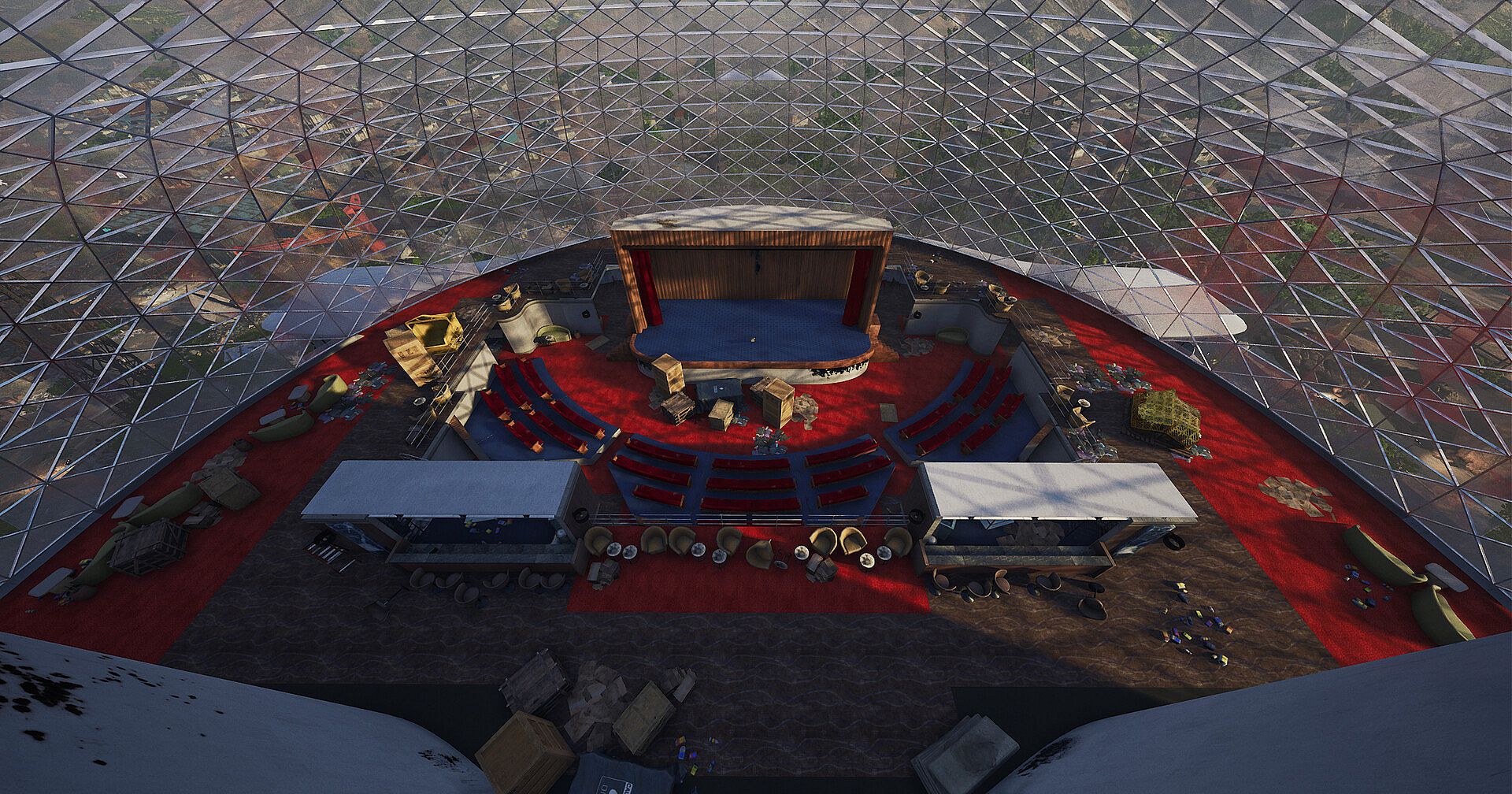
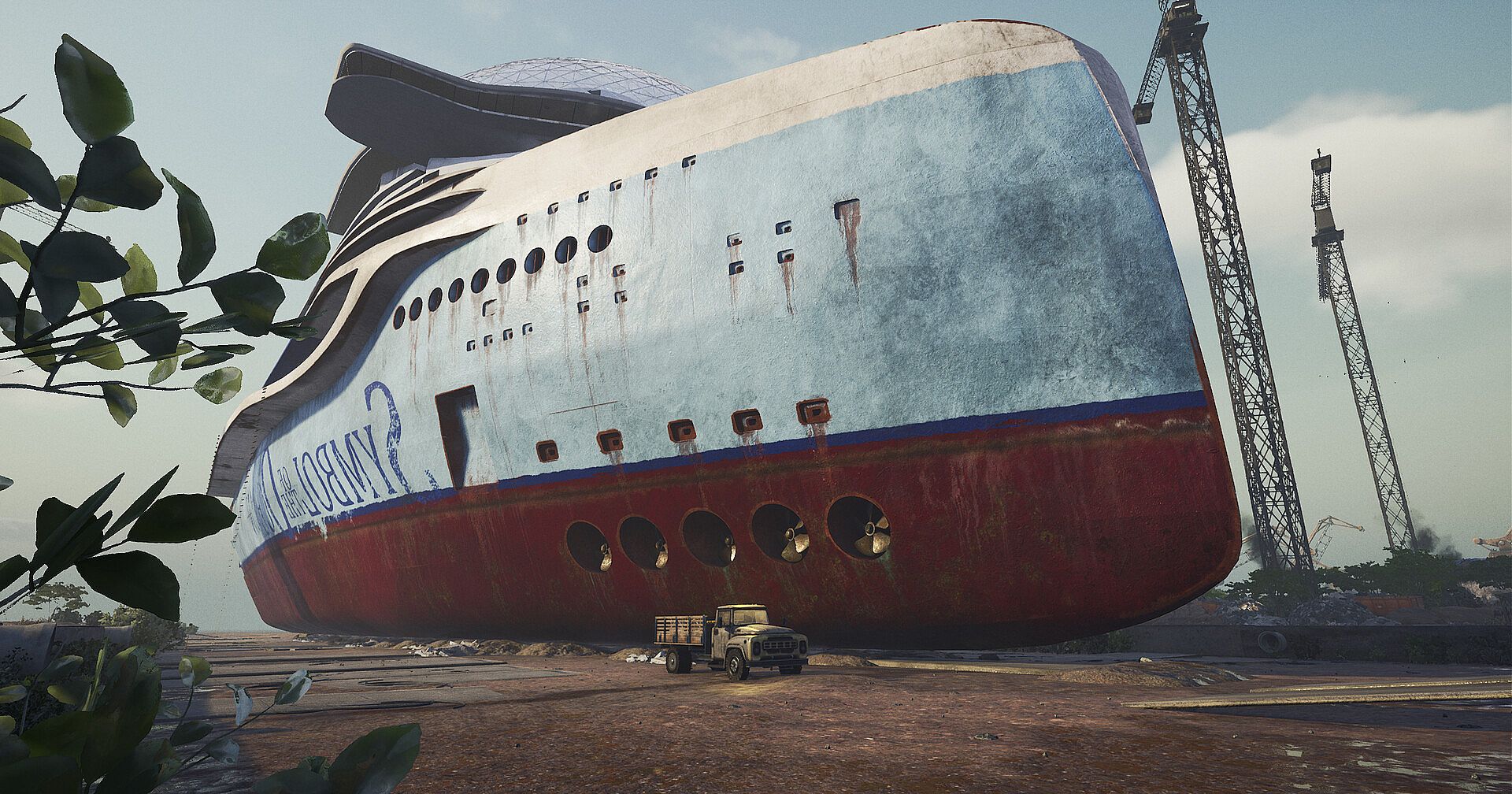
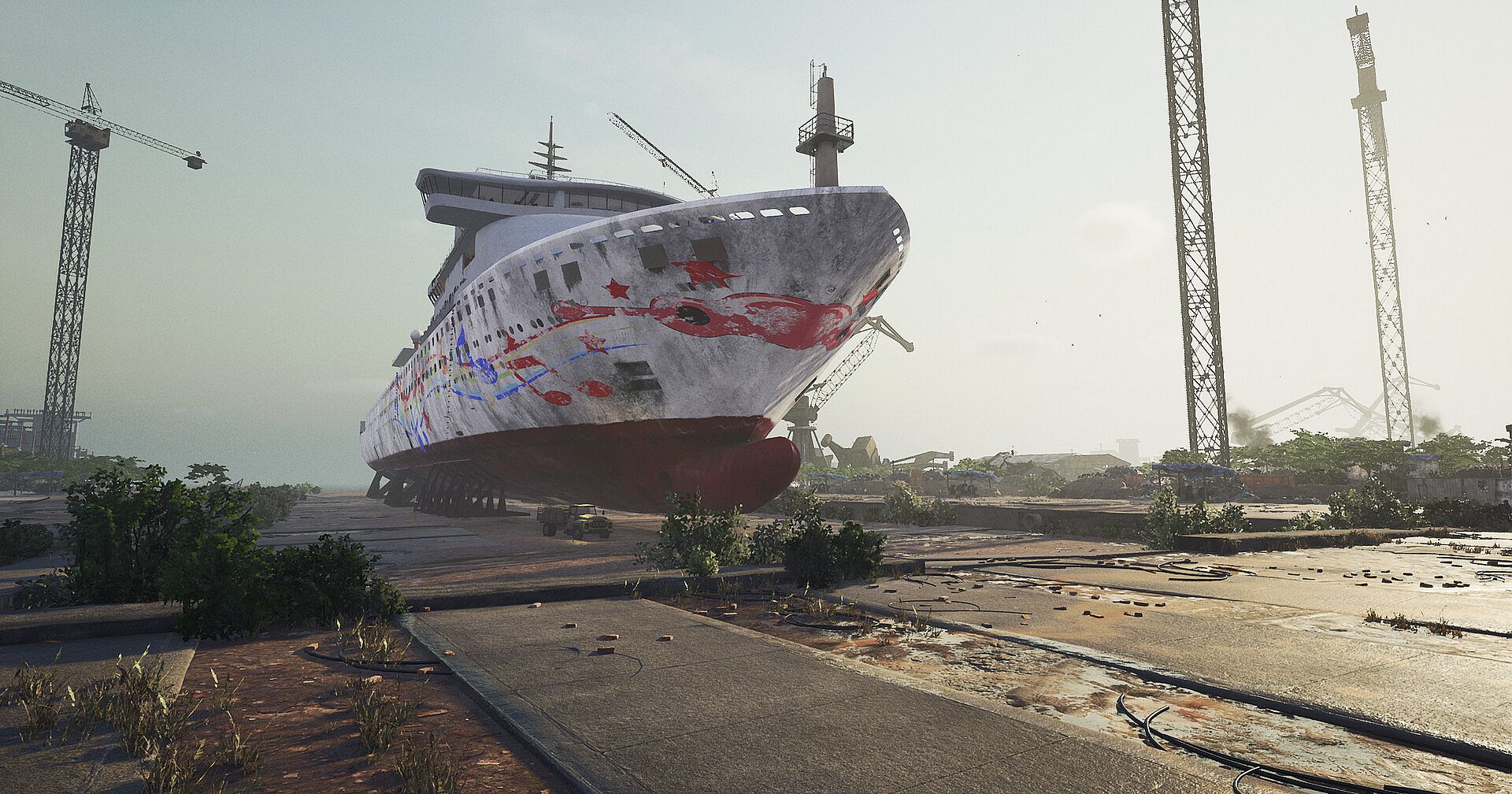
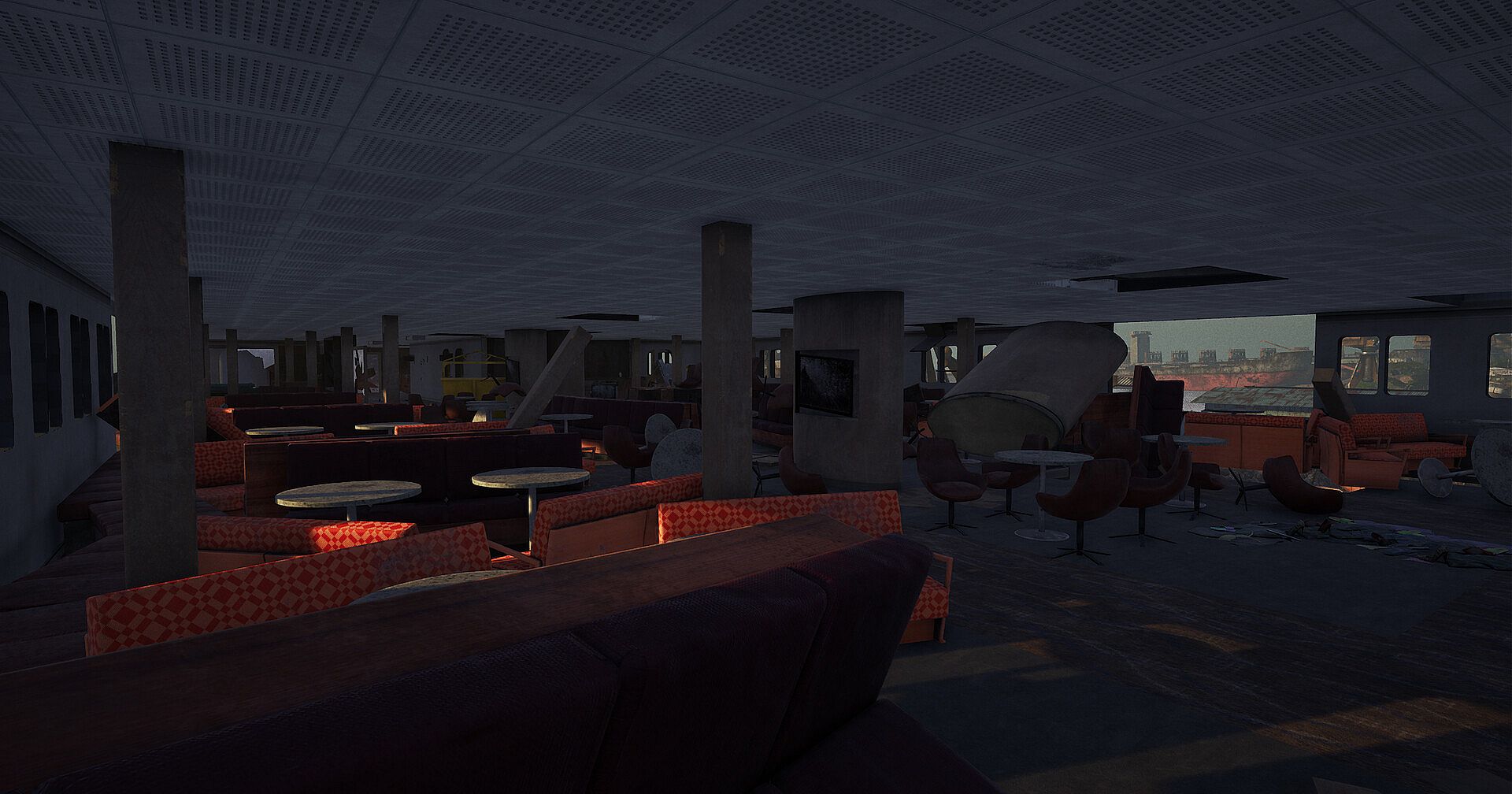
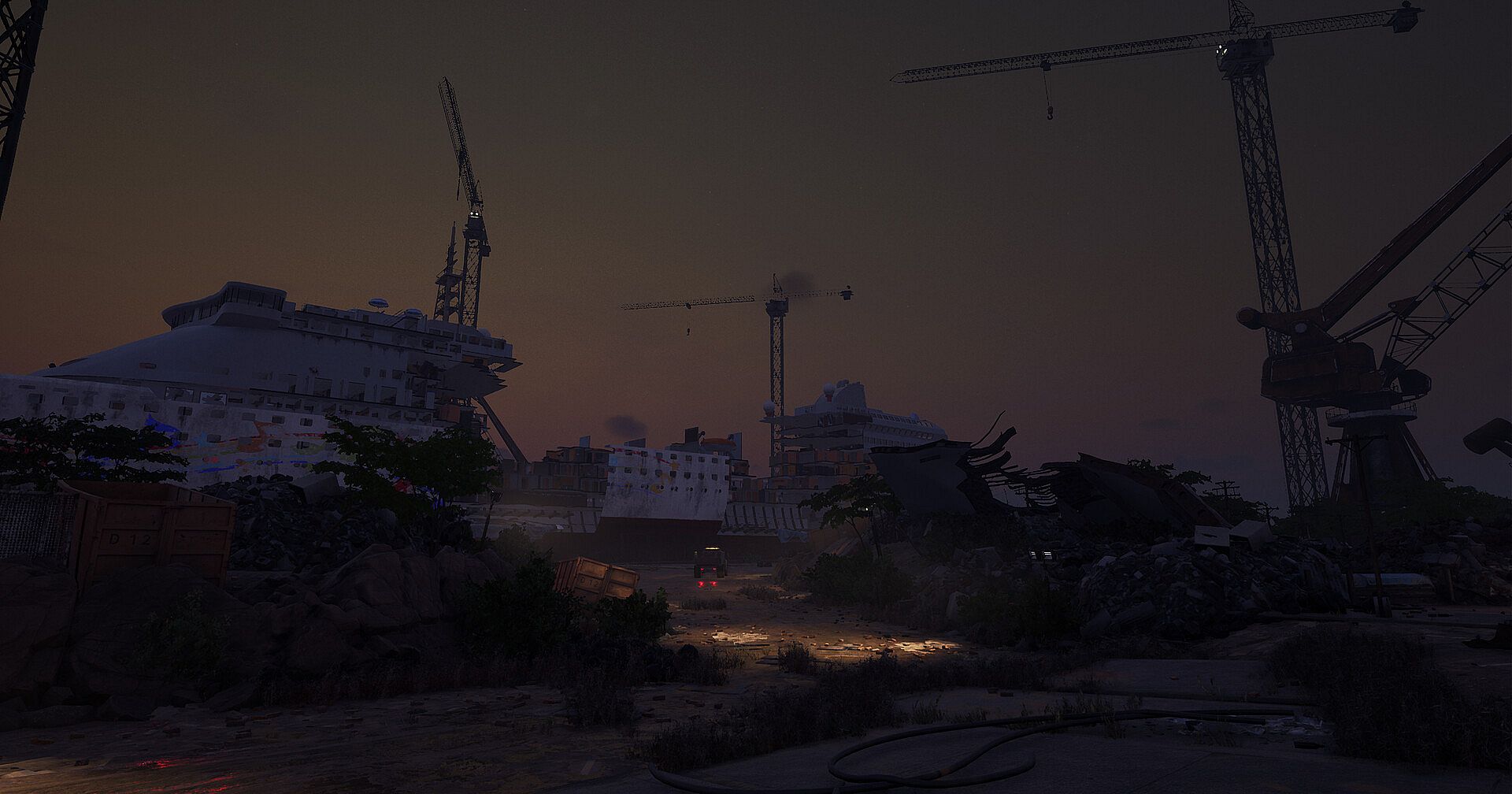
The Floating Cities DLC introduces three passenger vessels that function as self-contained exploration and salvage sites. These ships feature expanded interior layouts compared to standard cargo vessels, with additional areas to search. Lockpicking mechanics come into play for accessing secured compartments that contain extra loot. An enlarged beach zone provides more room for maneuvering equipment around the new wrecks.
Game Modes
The game operates as a single-player experience without separate competitive or cooperative modes. All content flows through the central shipbreaking workflow, where players select or progress through available vessels at their own pace. The base game focuses on industrial and cargo ships, while the Floating Cities DLC layers new passenger ship targets onto this structure.
Progression remains linear in terms of business growth but open in execution, allowing players to tackle ships in any order once unlocked. Home upgrades, which personalize the player's living space and provide breaks from the yard, apply across the entire game regardless of DLC ownership.
Key Mechanics and Features
Resource management forms a central pillar, with steel and other materials funding tool upgrades, worker hires, and facility improvements. Physics simulation governs how sections detach and fall, requiring players to anticipate movement and clear paths. The addition of passenger ships in the DLC brings new internal layouts that reward thorough searching beyond simple structural removal.
Safe cracking introduces a light puzzle element within the larger dismantling tasks, encouraging players to explore cabins and restricted areas for hidden valuables. These elements integrate into the existing workflow rather than replacing it, maintaining focus on salvage operations.
Is It Worth Playing?
Ship Graveyard Simulator 2 delivers a focused simulation of industrial shipbreaking that appeals to players who enjoy deliberate, hands-on tasks. Reviews describe the experience as relaxing for those who appreciate methodical progression, though some note the repetitive nature of material collection. The game holds Mostly Positive user feedback on its primary platform, reflecting steady interest in the core loop and visual improvements over the original title.
The Floating Cities DLC expands the roster with larger, more intricate vessels and new search-based activities, extending playtime for existing owners. Home upgrades provide a welcome change of pace available to everyone. Those drawn to simulation games centered on salvage, tool use, and incremental business growth will find consistent engagement here, while players seeking fast-paced action or varied objectives may find the pacing slower than expected. The title remains actively supported with ongoing updates following the DLC release.