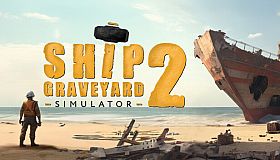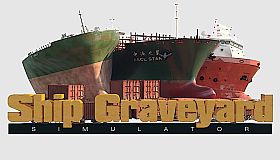






















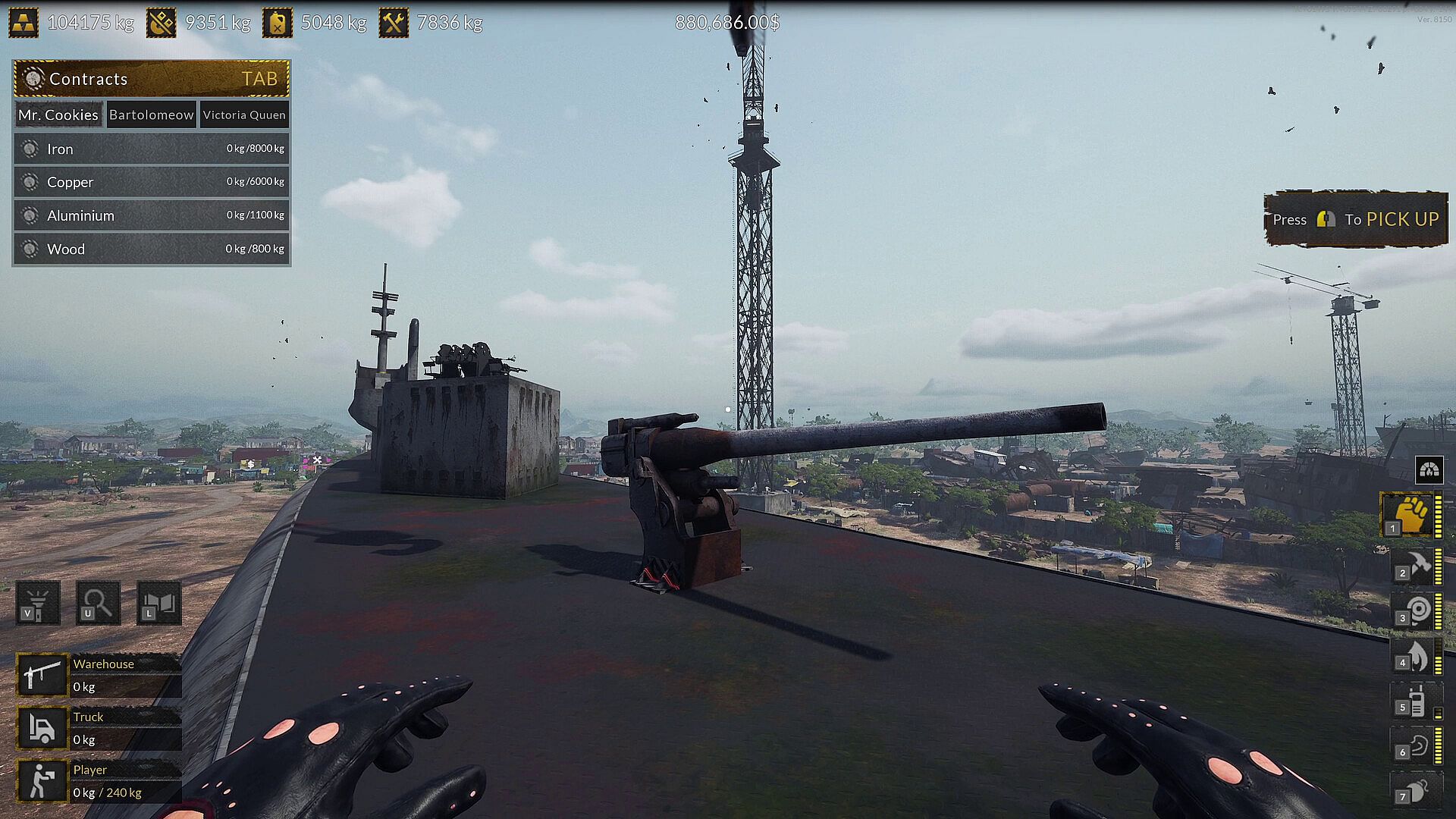
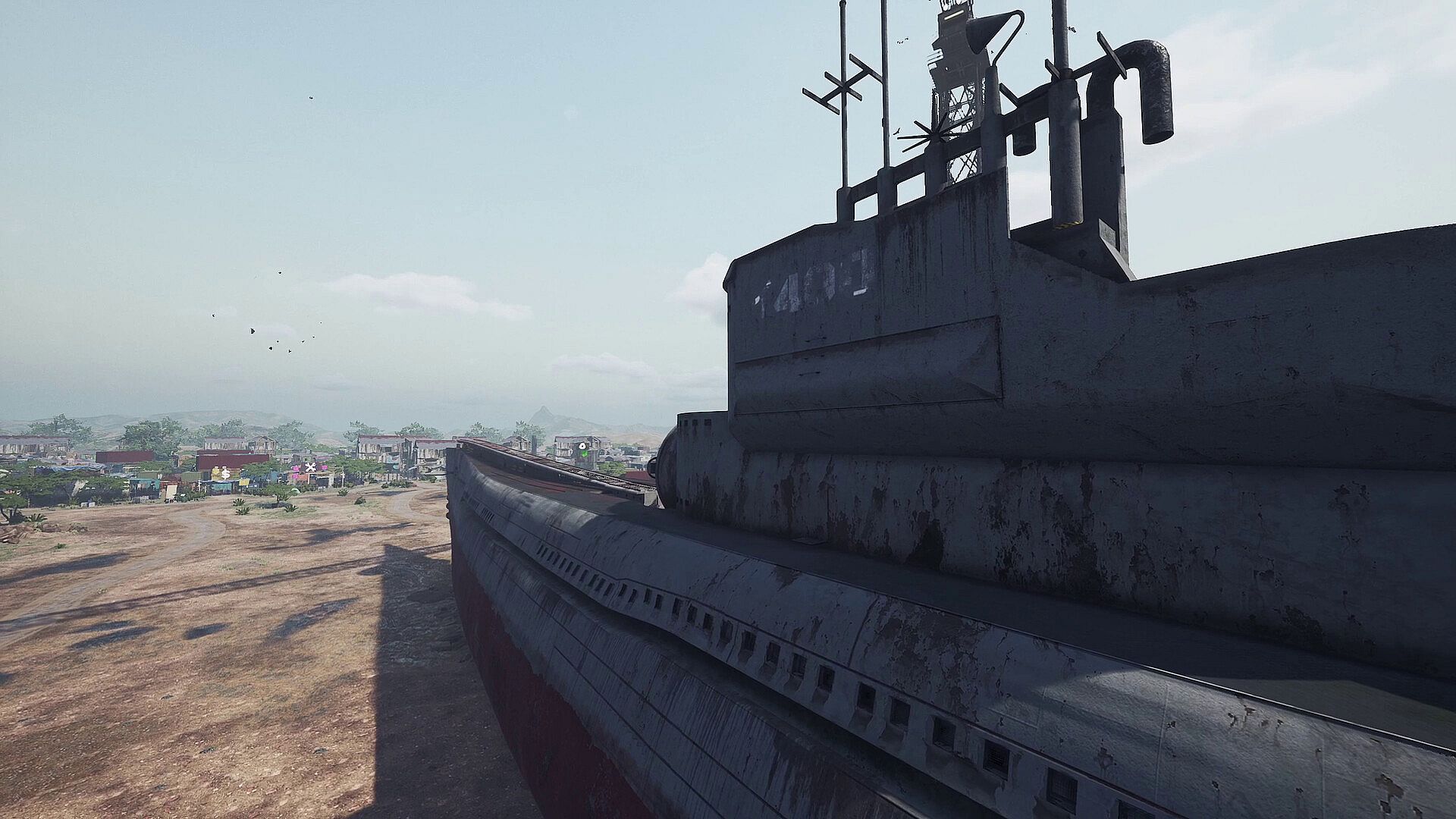
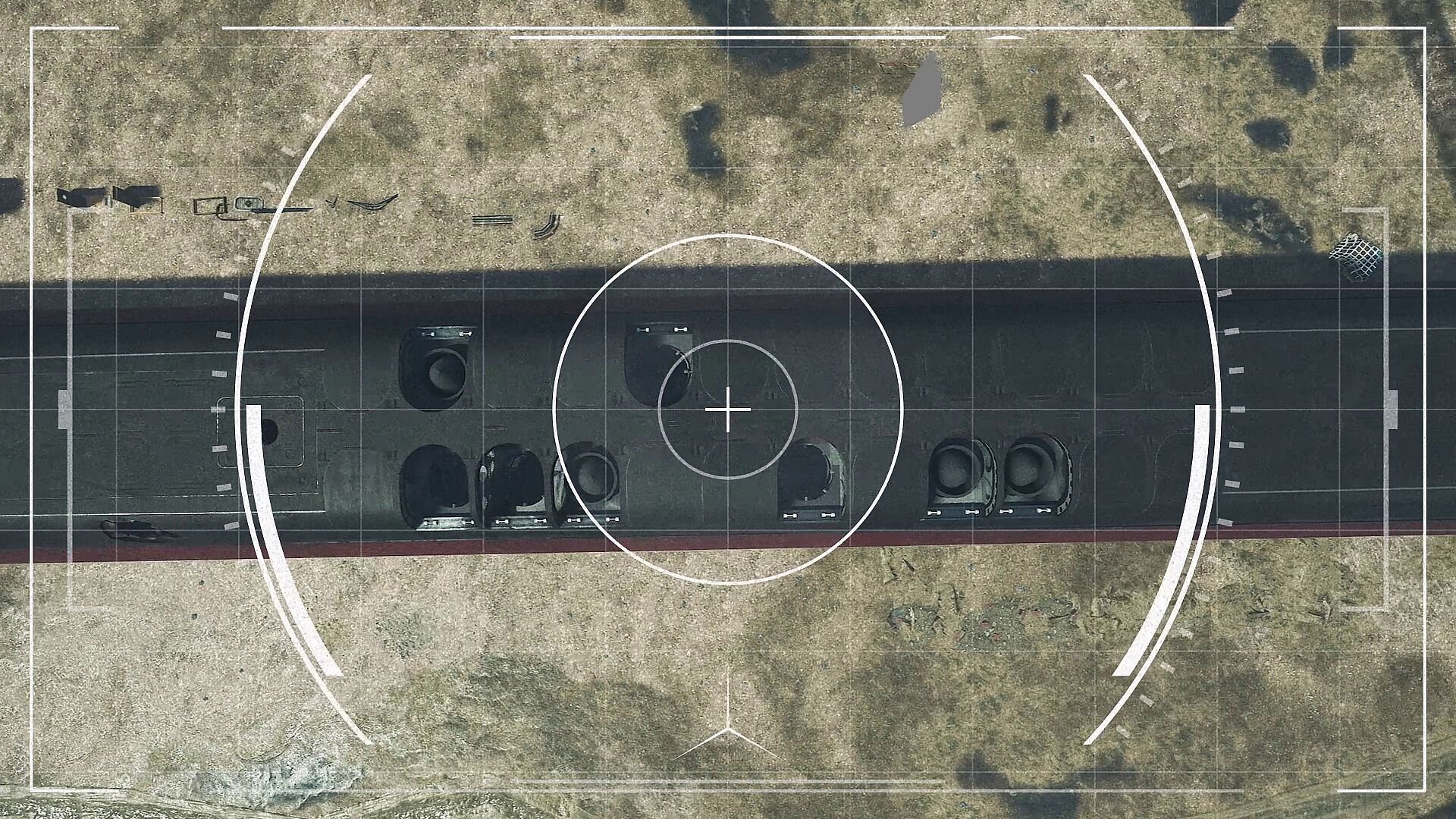
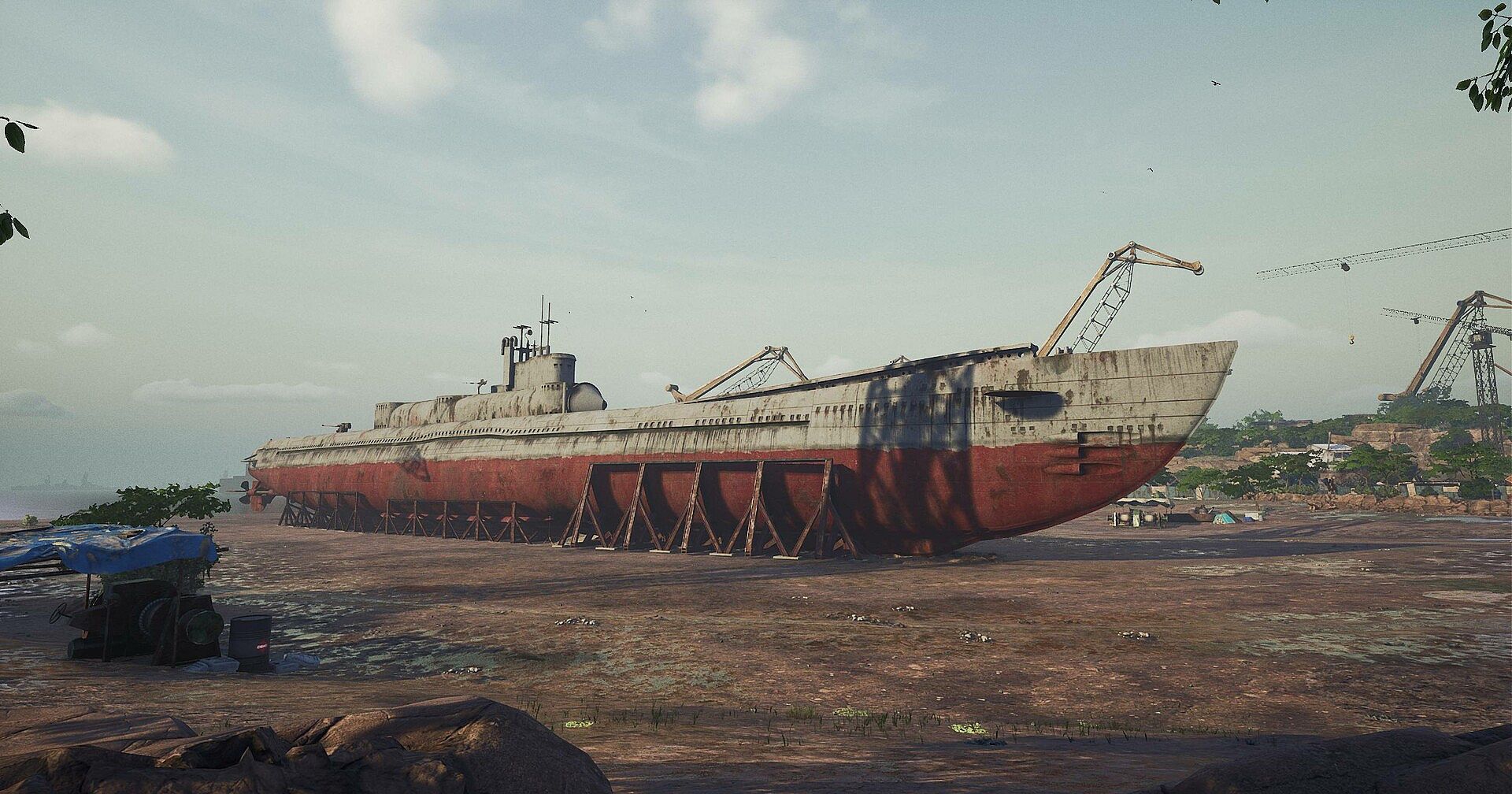
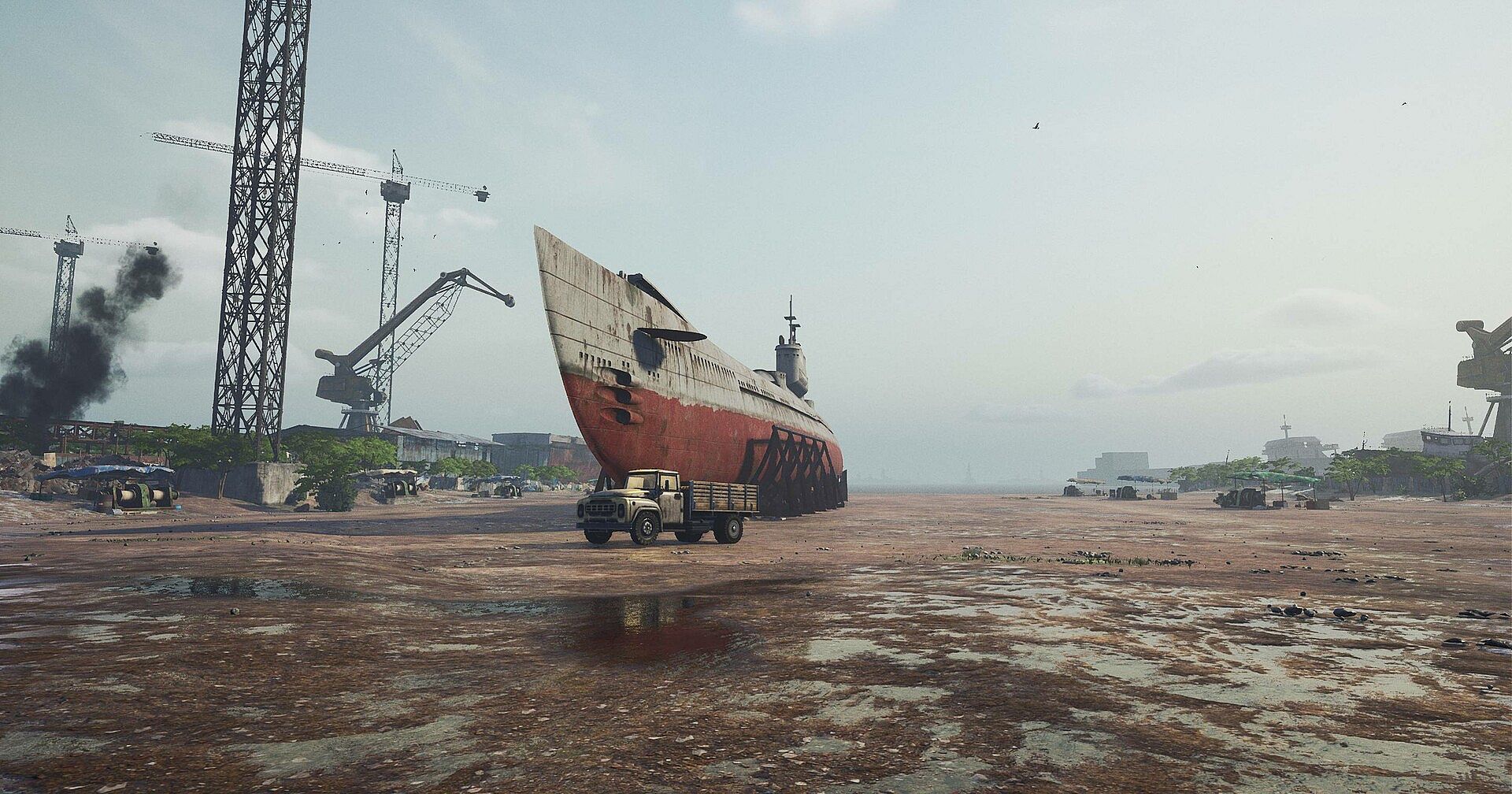
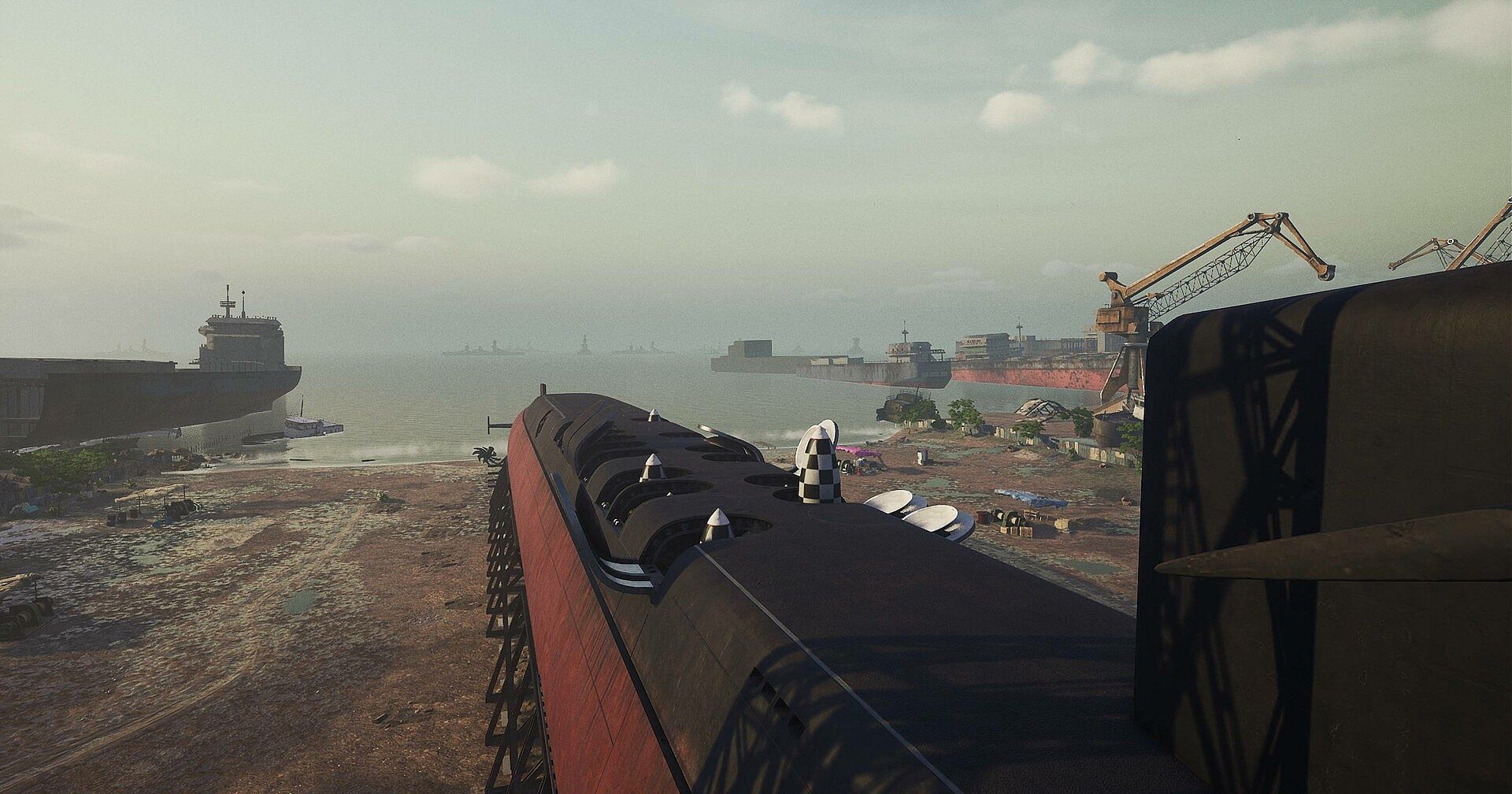
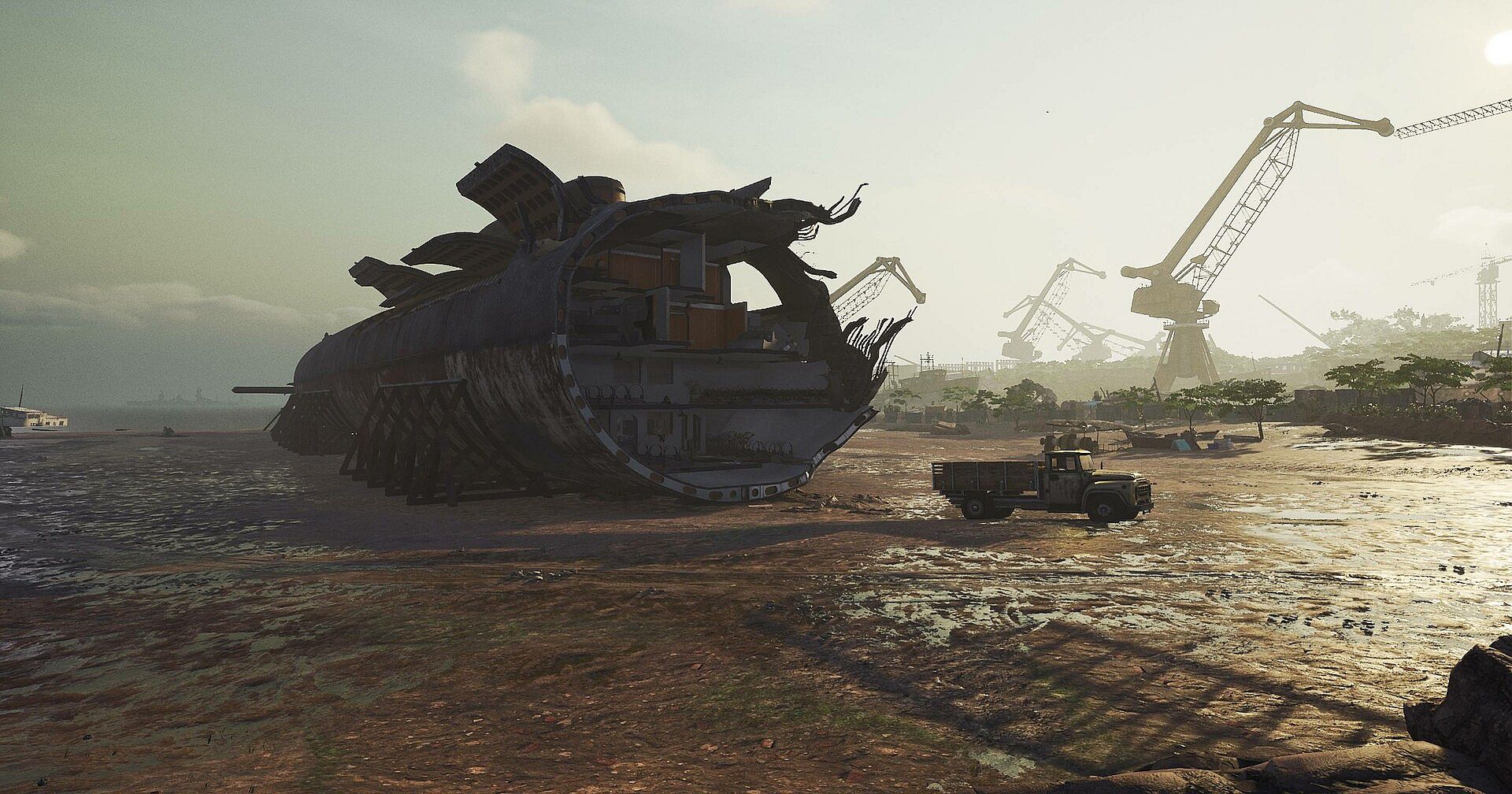
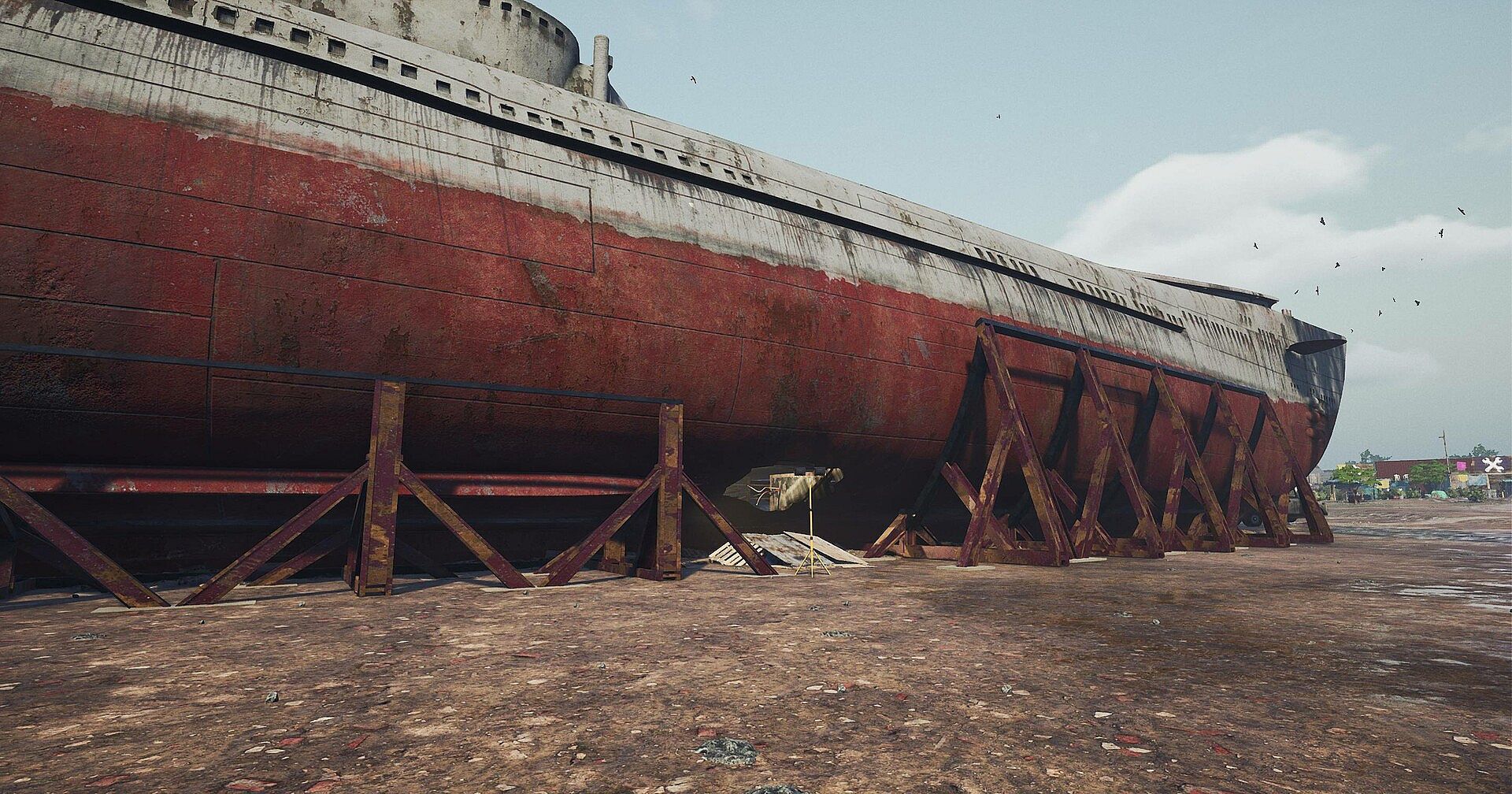
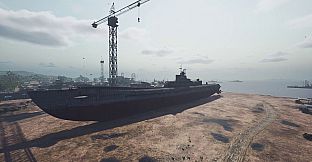
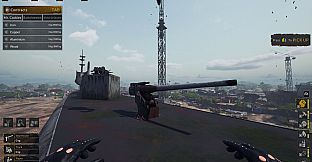
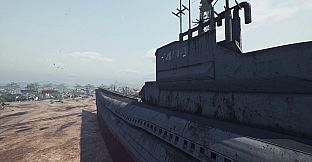
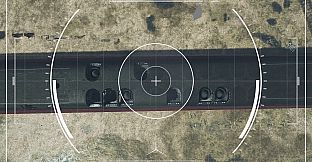
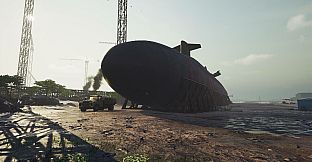
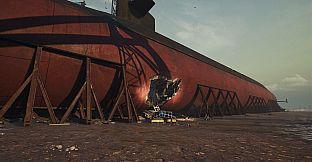
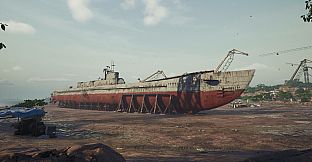
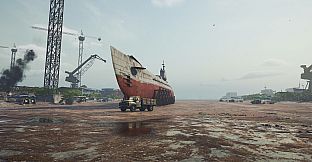
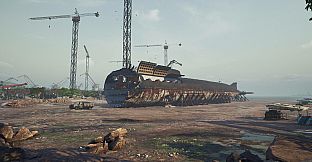
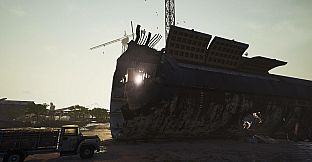
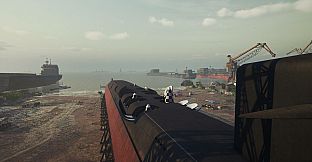
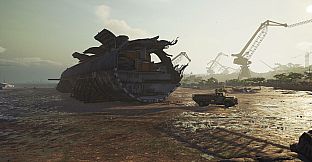
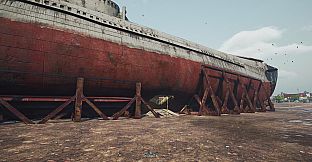
Ship Graveyard Simulator 2 is a ship dismantling simulation game set on a coastal graveyard filled with massive wrecks. Players take on contracts to break down vessels and recover valuable materials such as steel, aluminum, and copper using tools like hammers, saws, and torches. The Submarines DLC expands this experience by introducing three underwater wrecks that require a different approach to disassembly.
Gameplay
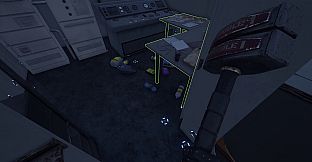
The core loop centers on methodical disassembly of large ship sections. Players start with smaller components and progress to major modules like engines and control panels. Large fragments often require a crane and container system to move efficiently. Hazards appear throughout the work, including gas leaks, live electrical cables, and toxic areas that demand careful navigation and protective measures.
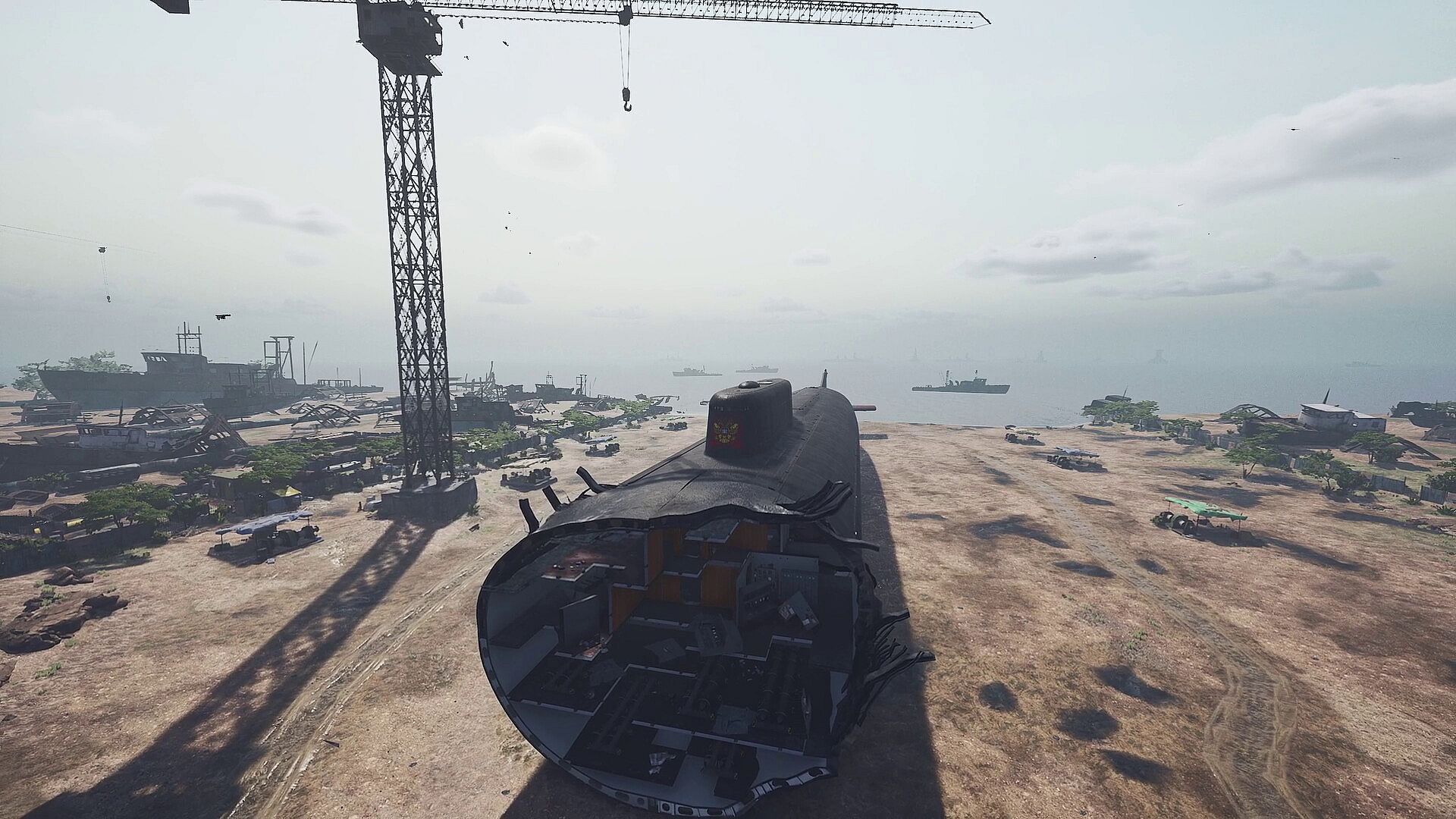
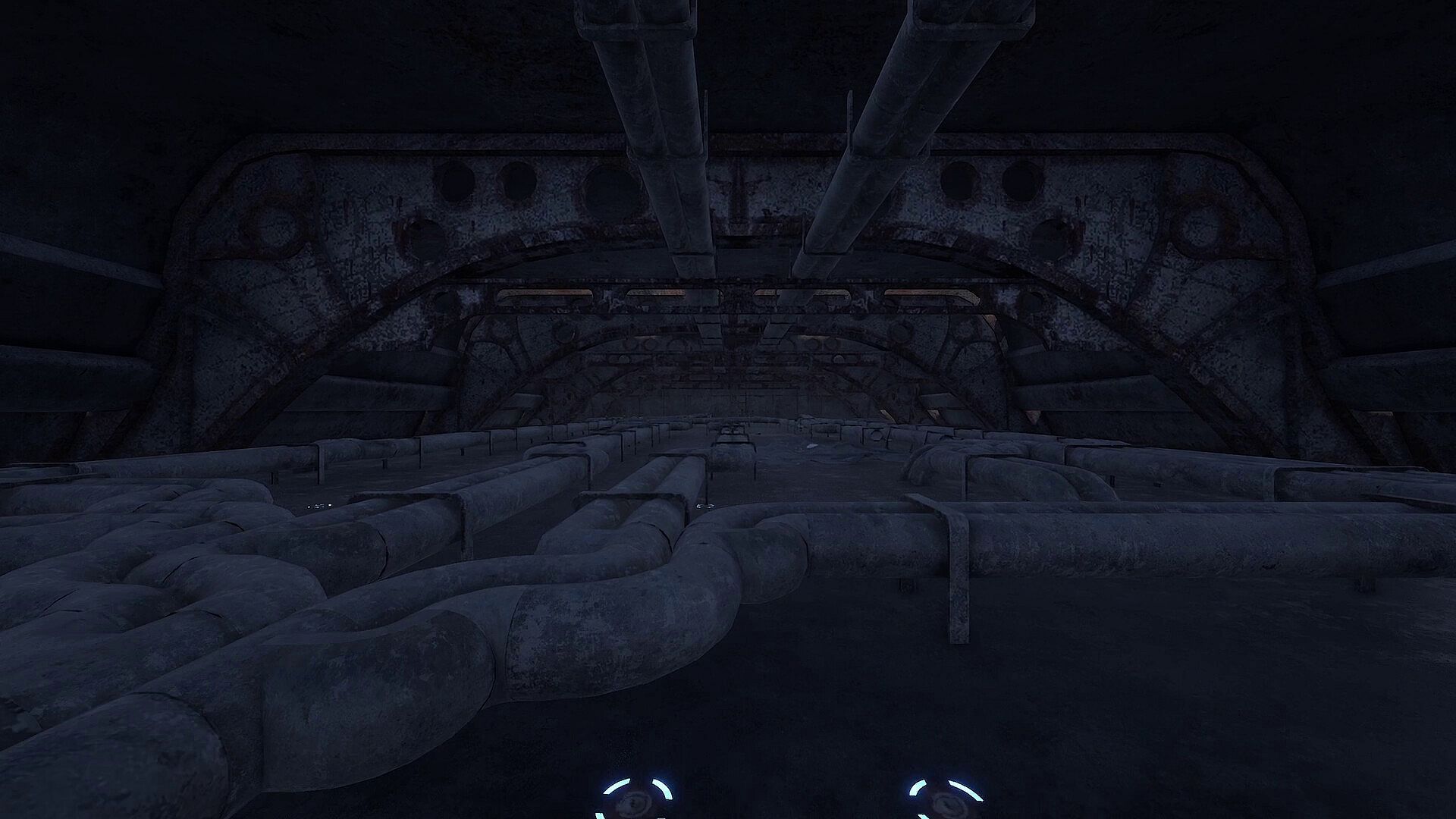
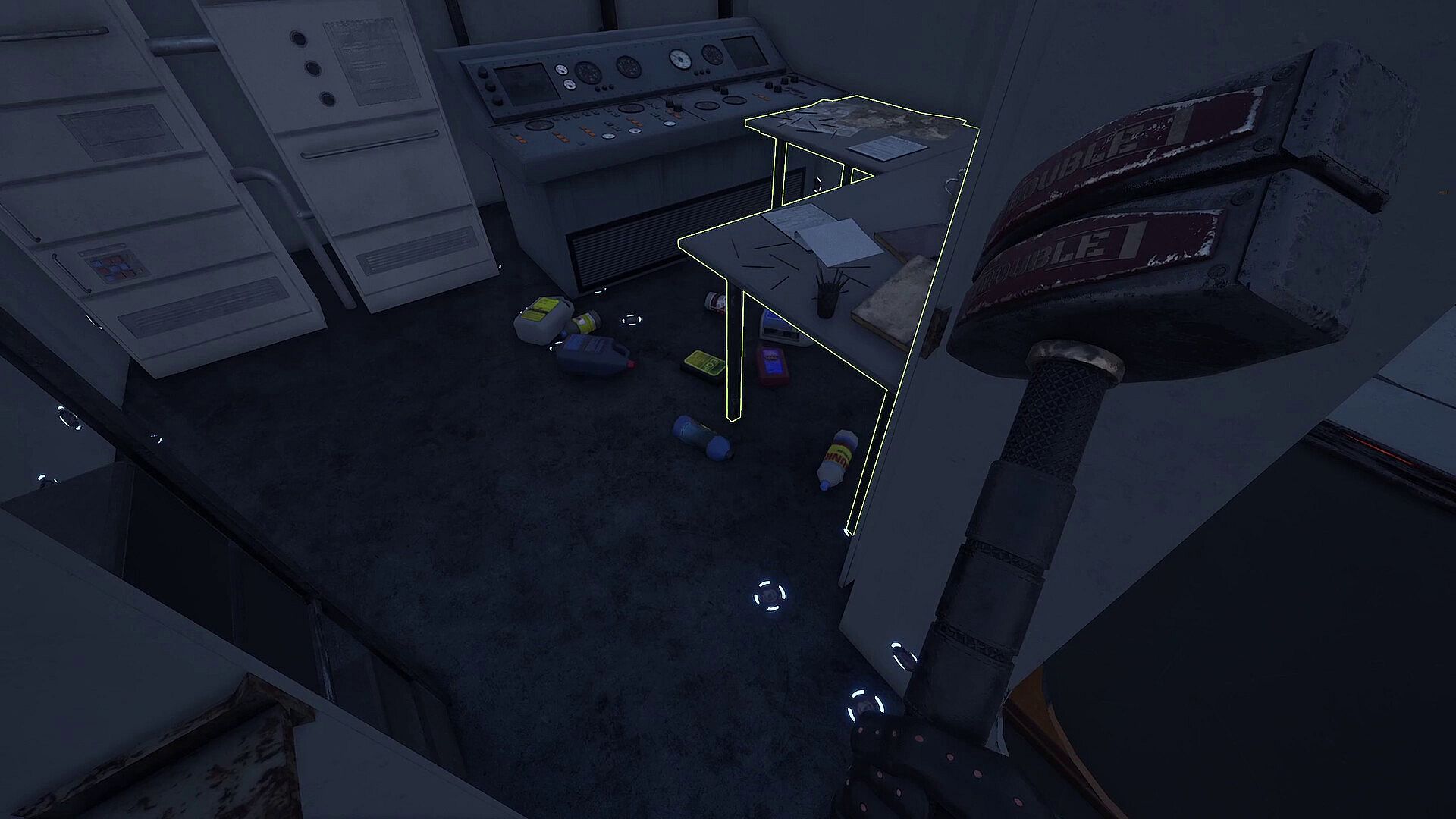
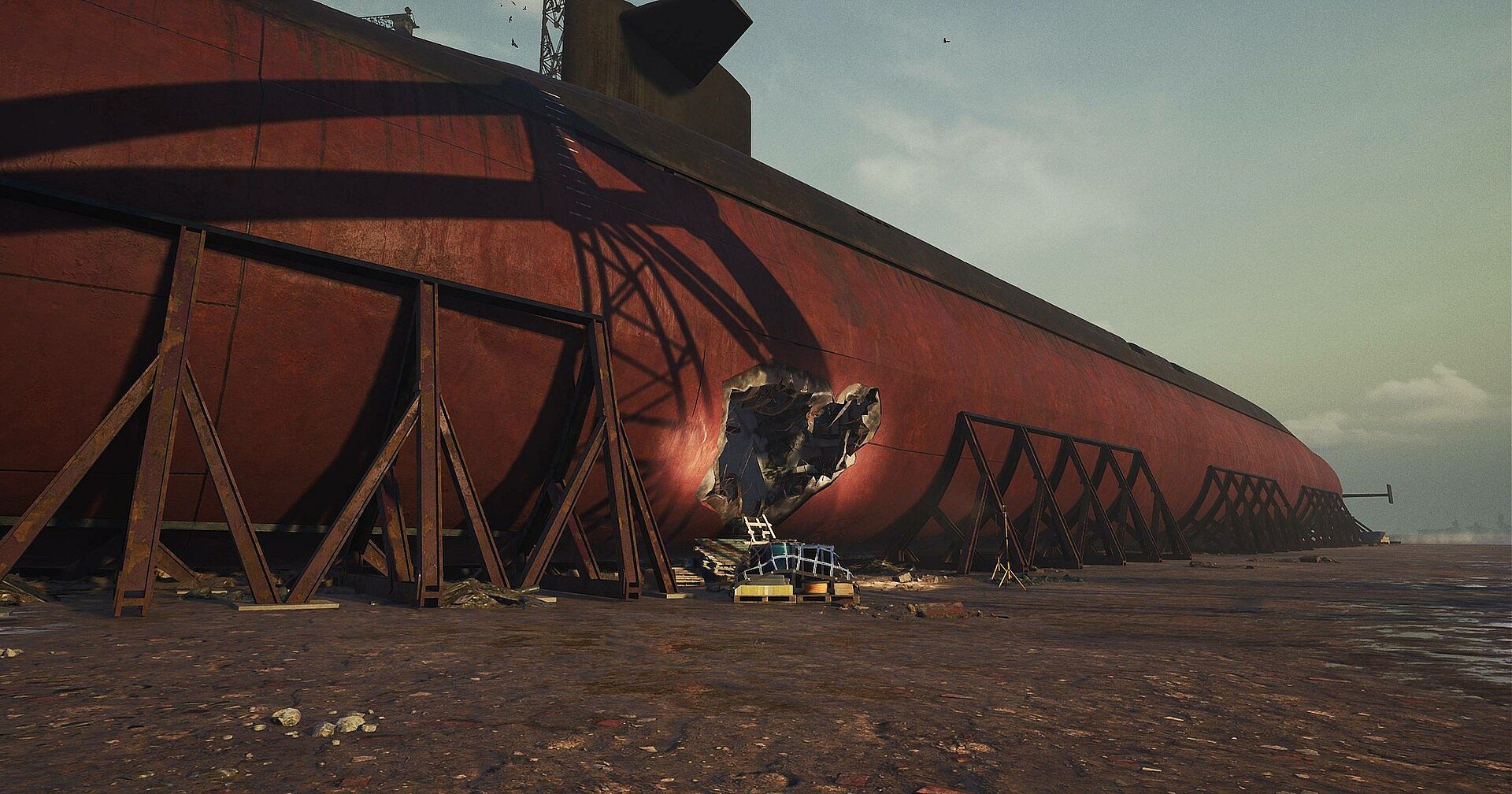
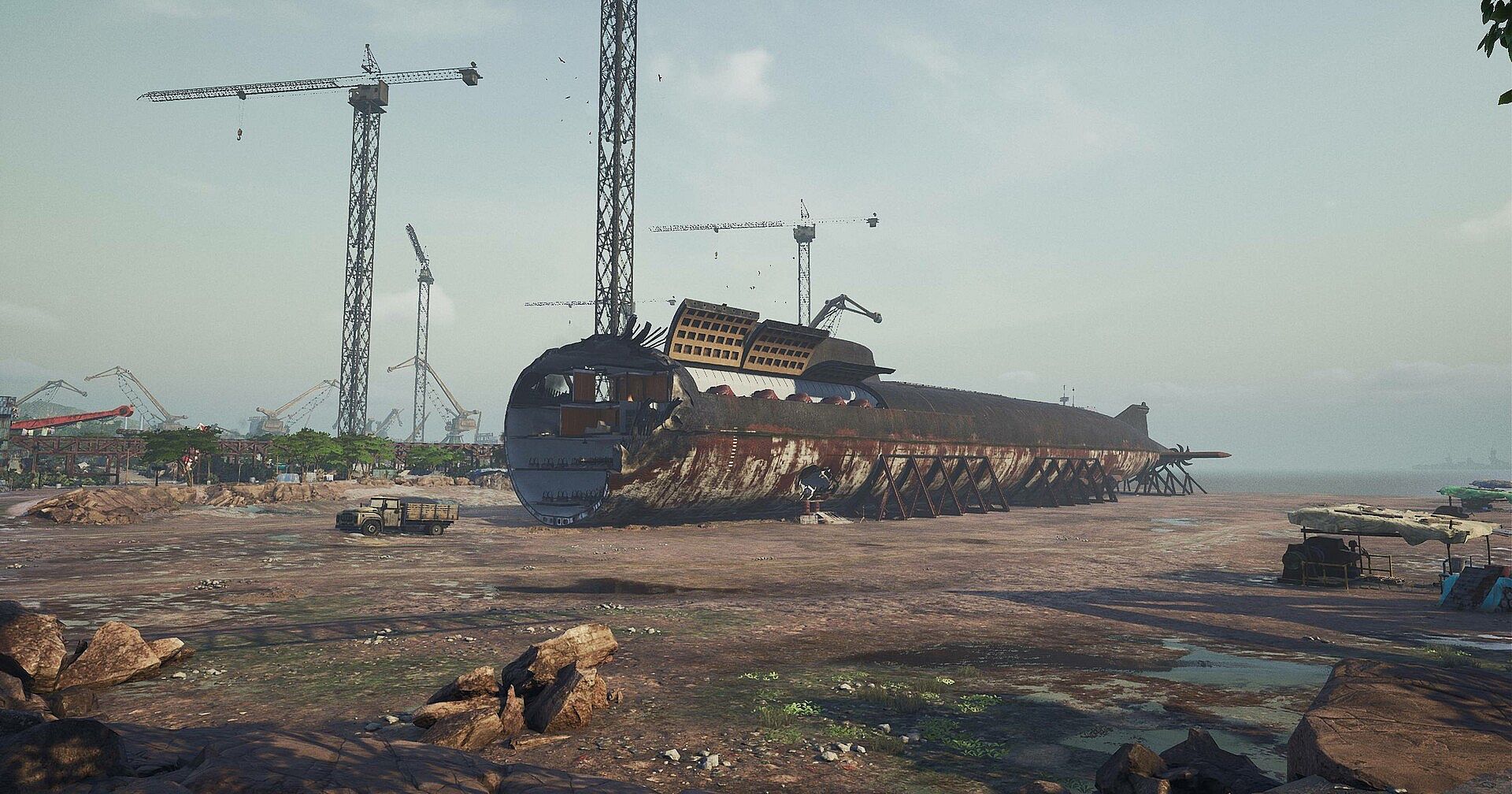
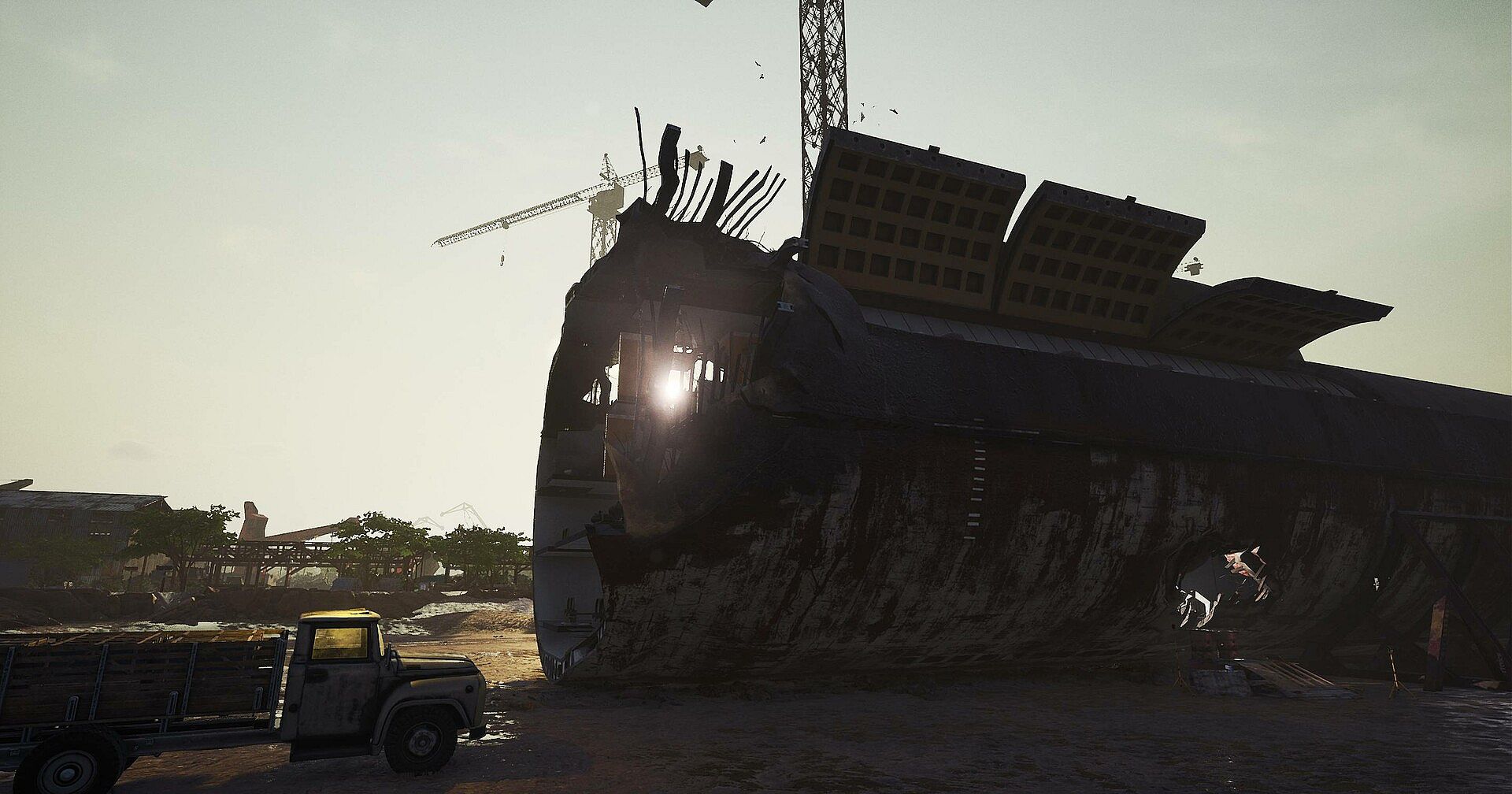
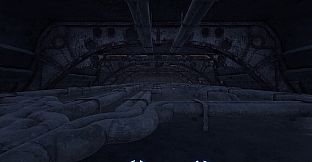
In the Submarines DLC, the process shifts to internal exploration. Players enter through hull breaches and must cut away floors, walls, and structural connectors from the inside to eventually expose the vessel to the open air. Tight passages and multiple entry points turn each submarine into a navigable space where order of removal matters to avoid trapping yourself or damaging recoverable items. Radioactive materials add another layer, requiring specific handling before collection.
Progression involves completing contracts for individual ships. Each job supplies targets for material types and quantities, with tools and hired help improving efficiency over time. The DLC adds unique collectibles and achievements tied to the submarine content, encouraging thorough exploration of every compartment.
Game Modes
The game operates through a contract-based system where players select ships from a computer interface at their base. Each vessel comes with its own set of material goals and potential hazards. Standard contracts focus on surface-level breaking and sorting, while the submarines introduce layered internal work that combines cutting with spatial problem-solving.
Submarine contracts emphasize sequential dismantling to open pathways and reach deeper sections. Players manage limited access points and must balance speed with caution around sensitive components. Completion rewards include new achievements and collectibles exclusive to these wrecks. No separate multiplayer or competitive modes exist; the experience remains focused on solo progression through an expanding roster of jobs.
Key Features and Mechanics
Material collection drives the economy, with every piece sorted by type and value. Development of the operation includes hiring assistants for repetitive tasks and upgrading equipment for heavier loads. The base game features dozens of kilometers of coastline wreckage across multiple ship categories, ranging from standard vessels to true giants.
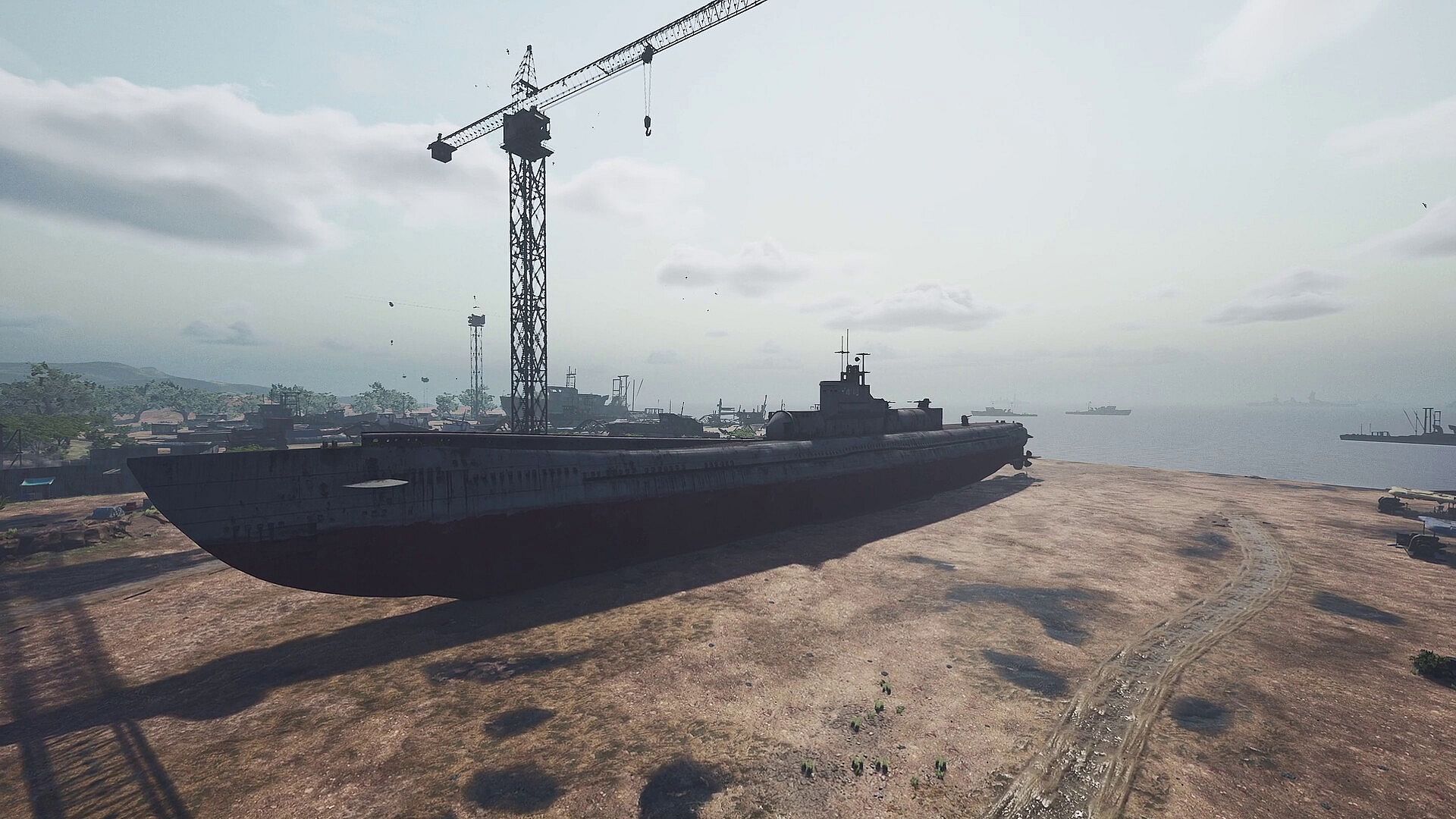
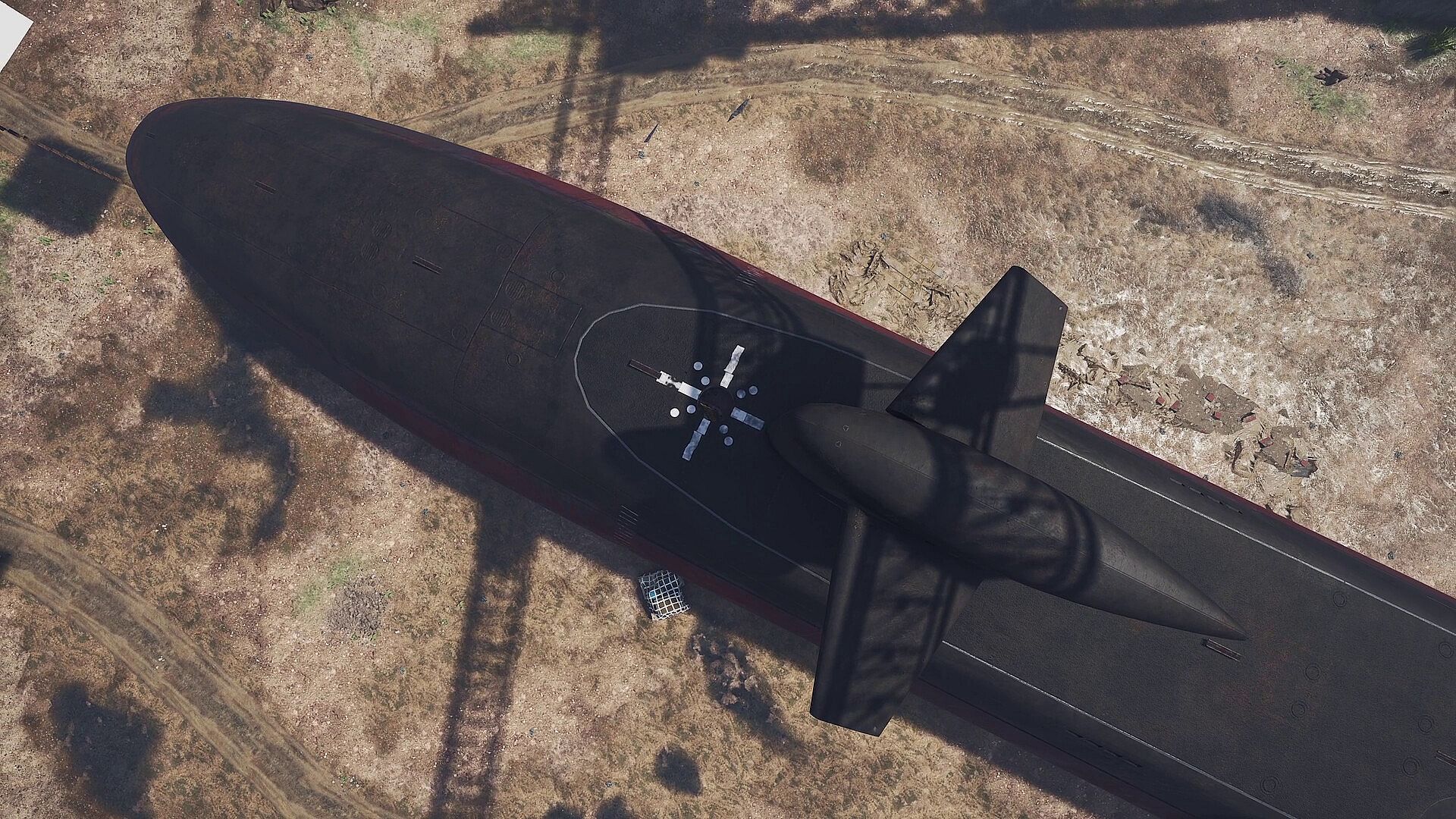
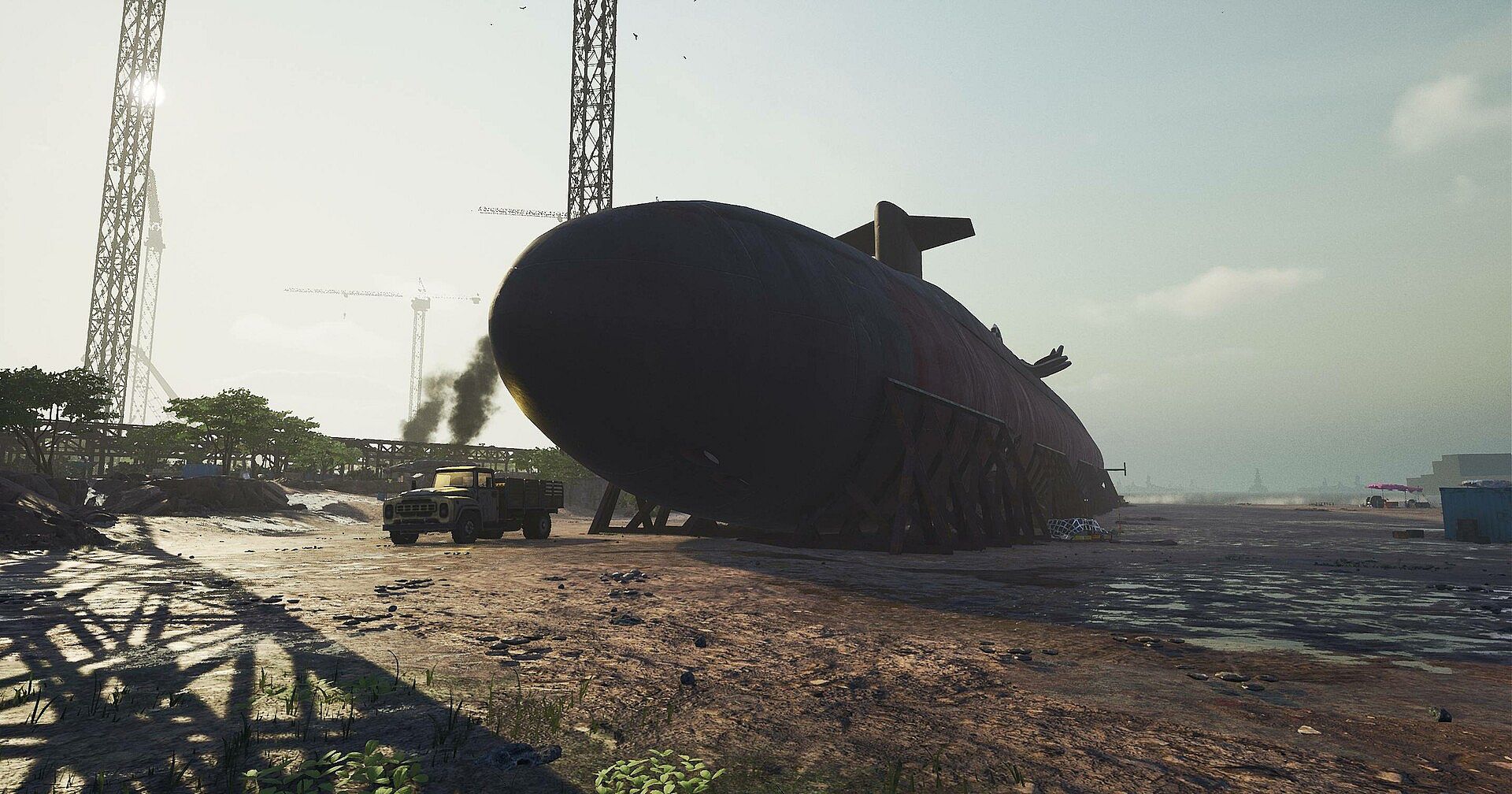
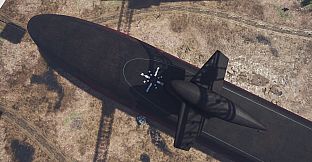
The Submarines DLC brings three specific wrecks: the I-400, Kursk, and Ohio. These require defusing radioactive elements and navigating maze-like interiors. Unique content includes new visual details on the hulls and interiors, plus fresh achievement lists that track thoroughness in each location.
Is It Worth Playing?
The base game holds Mostly Positive reception from thousands of reviews, with players noting improved visuals and pacing over the original title. The experience suits those who enjoy deliberate, hands-on simulation work rather than fast action. Repetition in sorting and cutting forms the main loop, which some find satisfying while others describe it as slow.
The Submarines DLC received Mixed reviews but adds meaningful variety through its internal navigation and hazards. It appeals most to players already invested in the base mechanics who want additional contracts with distinct challenges. The DLC stands alone as optional content that extends playtime without altering the fundamental simulation focus.
Overall, the title fits fans of industrial simulation games who appreciate methodical progression and material management. Those seeking quick sessions or varied gameplay styles may find the pace too measured. Multiple DLCs continue to expand the ship roster, keeping the core loop fresh for dedicated players.