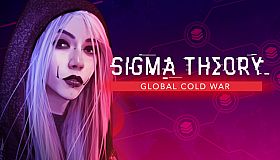











Sigma Theory: Global Cold War is a turn-based strategy and simulation game set in a near-future scenario where nations compete to achieve technological supremacy through advanced research. Players take on the role of an intelligence agency director tasked with advancing their chosen country's position in a tense global standoff. The core experience blends espionage tactics with diplomatic maneuvering and resource management to push forward critical scientific breakthroughs before rivals can.
Gameplay
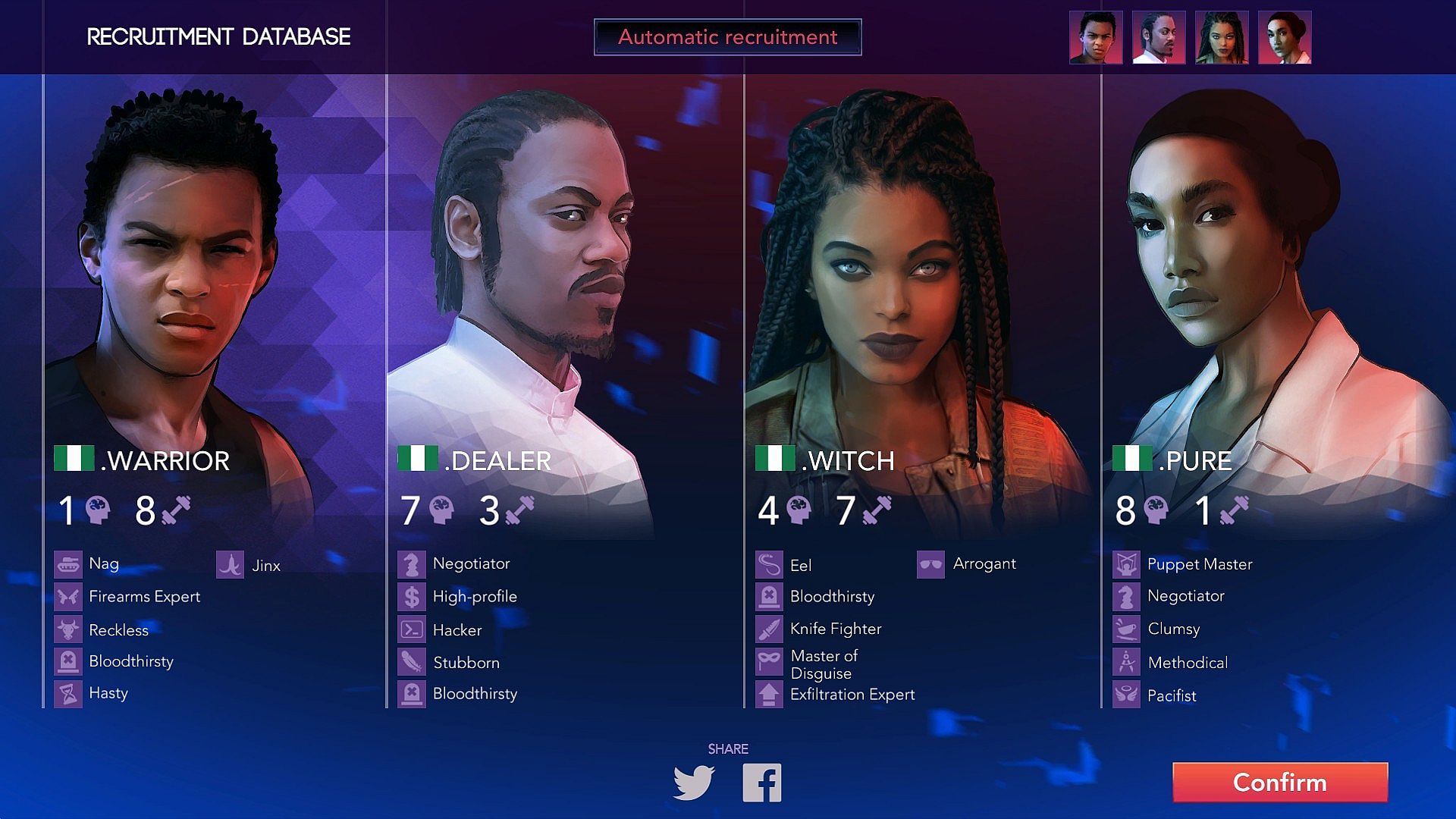
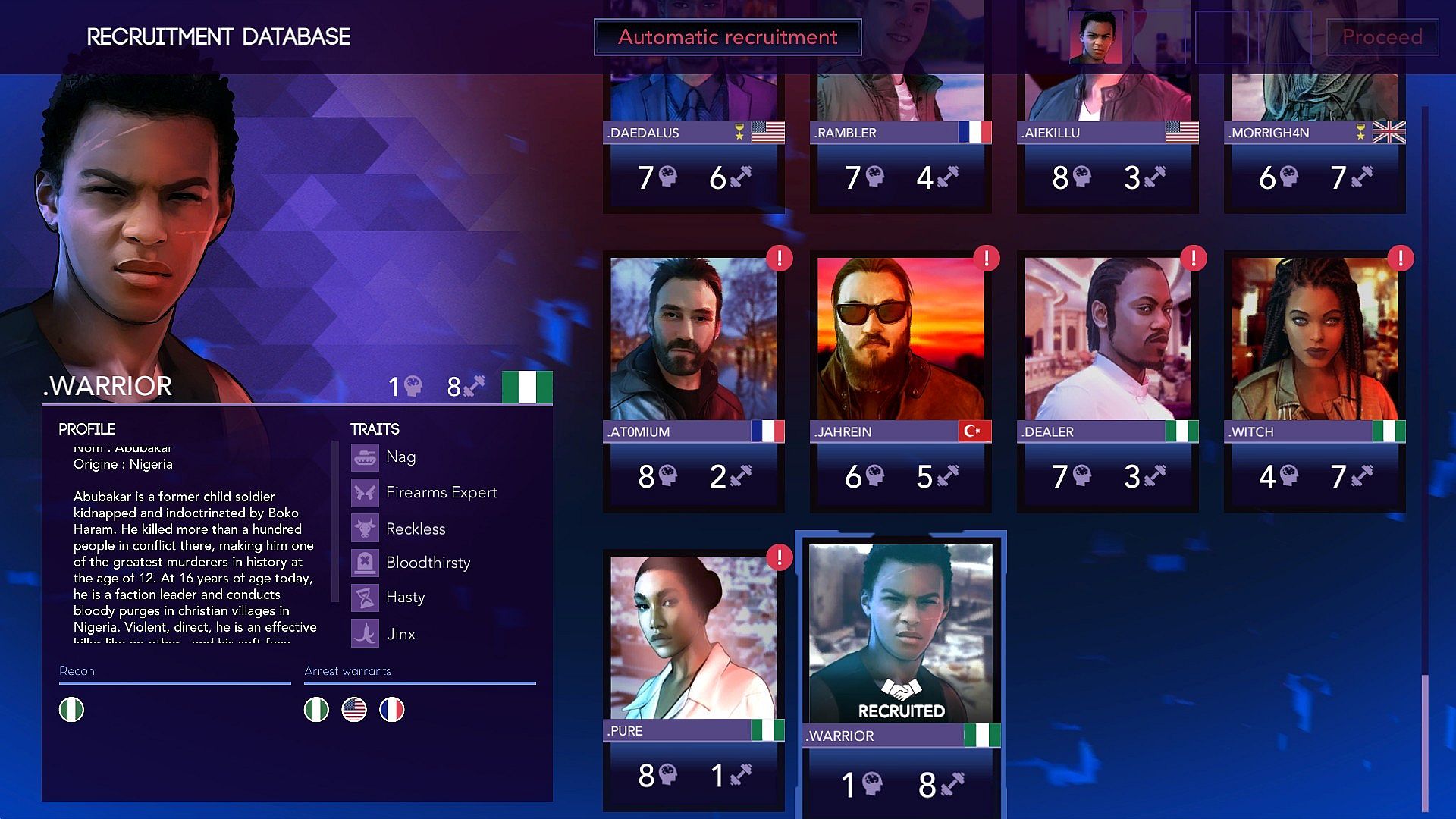
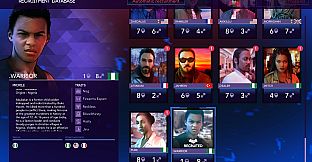
The central loop revolves around recruiting and deploying specialized agents to gather intelligence, influence key figures, and conduct covert operations across international locations. Agents possess distinct skills suited to tasks such as seduction, blackmail, or direct confrontation, allowing players to tailor approaches based on mission needs. Relations with numerous non-player characters, including politicians, lobbyists, and armed factions, shift dynamically through choices that can lead to alliances, betrayals, or eliminations.
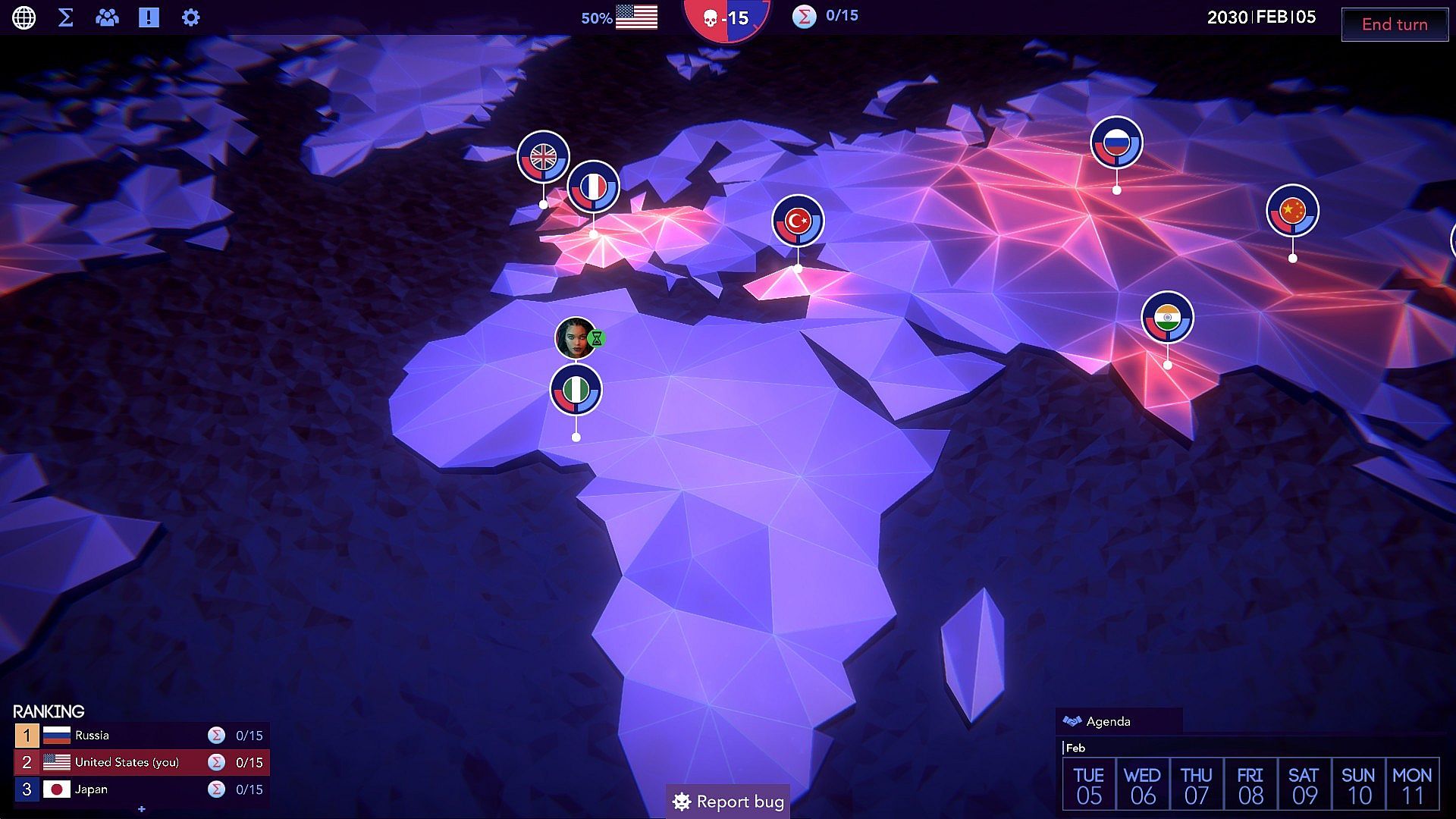
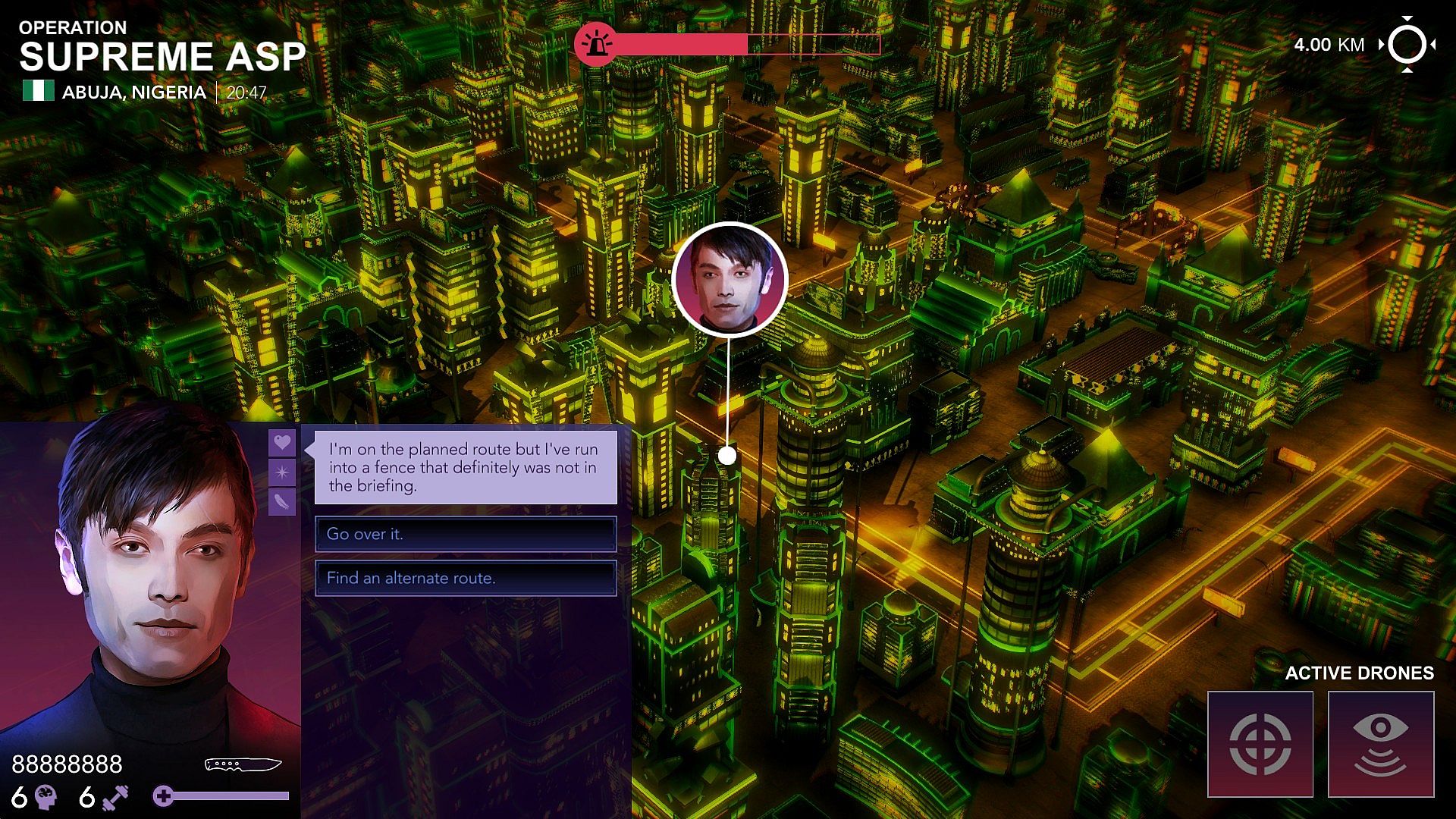
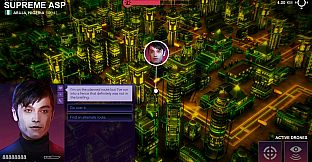
Progress centers on advancing Sigma Research projects while monitoring a Doomsday Clock that tracks escalating global tensions. Successful operations yield data and resources that accelerate technological development, but missteps risk drawing unwanted attention or triggering conflicts. Field actions often involve navigating urban environments for objectives like target extractions, where agent abilities and environmental factors determine outcomes. Nation-specific traits further shape strategies, providing advantages or restrictions that influence long-term planning.
Game Modes
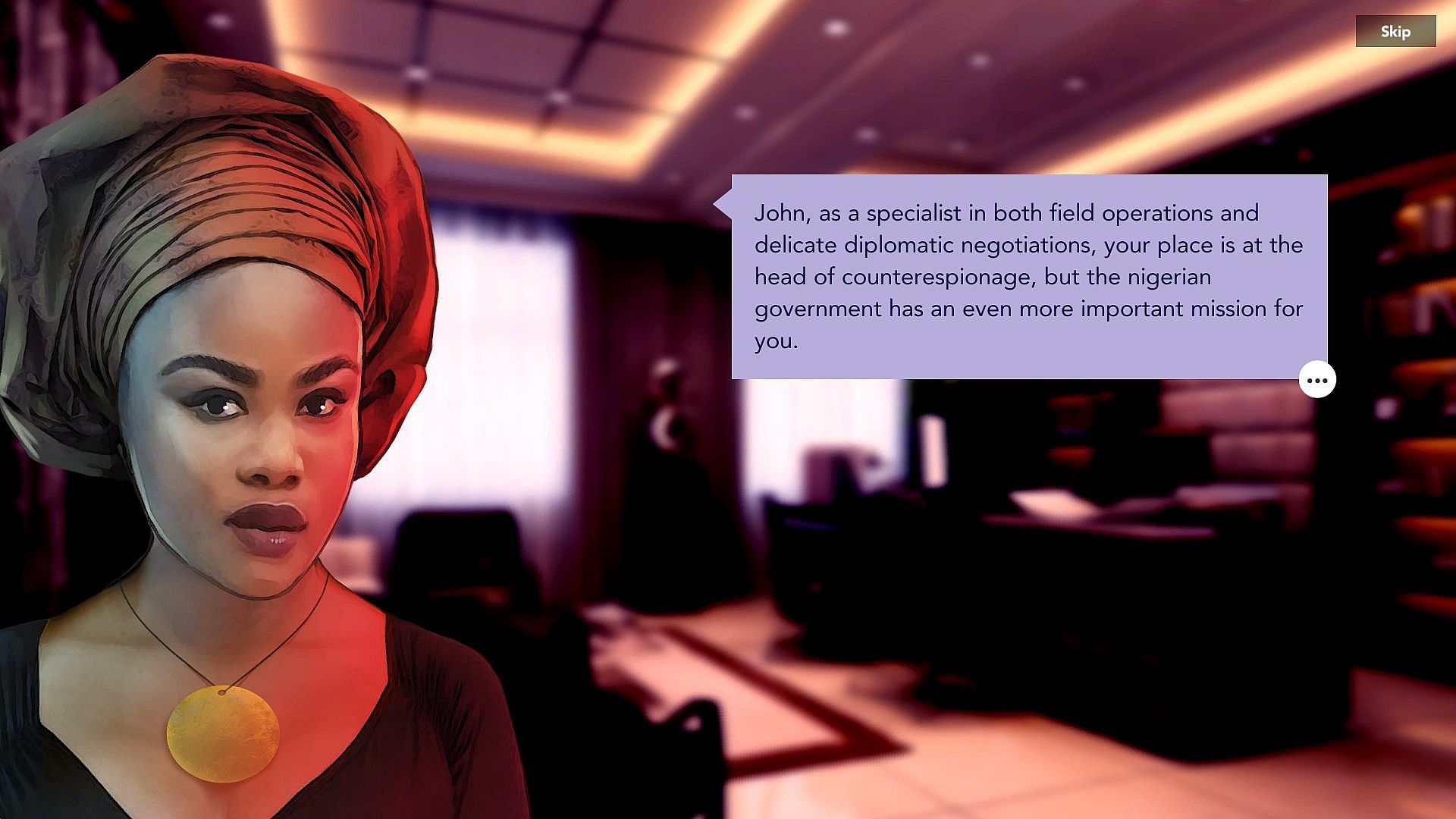
Two primary modes structure play sessions. Story Mode assigns players to a fixed starting nation with guided narrative elements that emphasize character interactions and sequential objectives. Regular Mode offers greater flexibility, letting players select any available nation from the outset and pursue open-ended goals without scripted constraints. Both modes maintain the same underlying systems for agent deployment and research advancement, though Story Mode incorporates additional dialogue-driven events.
Nations and Agents
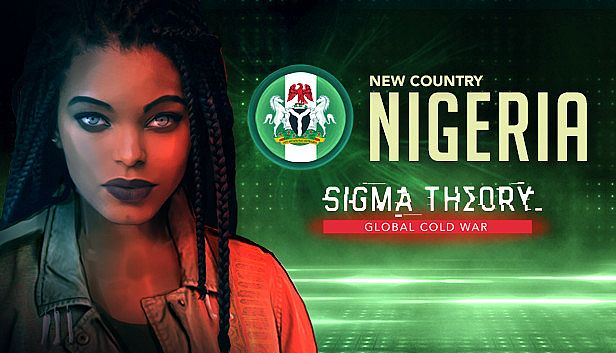
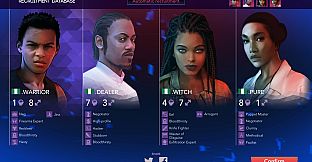
Each playable nation brings unique agents, scientists, and a diplomat to the roster, along with a defining trait that alters gameplay priorities. The Nigeria addition introduces four specialized agents named Warrior, Peace, Pure, and Dealer, each bringing distinct capabilities to operations. Two Nigerian scientists contribute to research efforts, while the diplomat facilitates international dealings. Exfiltration missions take place in Abuja, and the nation's trait grants immunity to interference from armed groups, enabling safer focus on other threats and objectives.
Is It Worth Playing?
Sigma Theory suits players who enjoy compact turn-based strategy experiences centered on espionage and political maneuvering rather than large-scale battles or extended campaigns. Its systems reward careful agent assignment and relationship management, with nation choices like Nigeria offering fresh tactical options through specialized personnel and defensive traits. Reception highlights the game's focused scope and intrigue for those drawn to spy-themed simulations, though some note its brevity limits depth for extended sessions. The title remains available on PC with its additional nation content intact, making it a solid option for fans of deliberate, choice-driven strategy without ongoing seasonal updates.