
































Stellaris: BioGenesis expands the space grand strategy simulation of Stellaris by introducing deep bioengineering mechanics that let players reshape life across the galaxy. As a master geneticist, you guide your empire through evolutionary paths, crafting living ships and enhanced species to build or conquer star systems. This DLC adds layers of customization to the core game, blending strategy with biological simulation elements for empires focused on adaptability and genetic mastery.
Gameplay
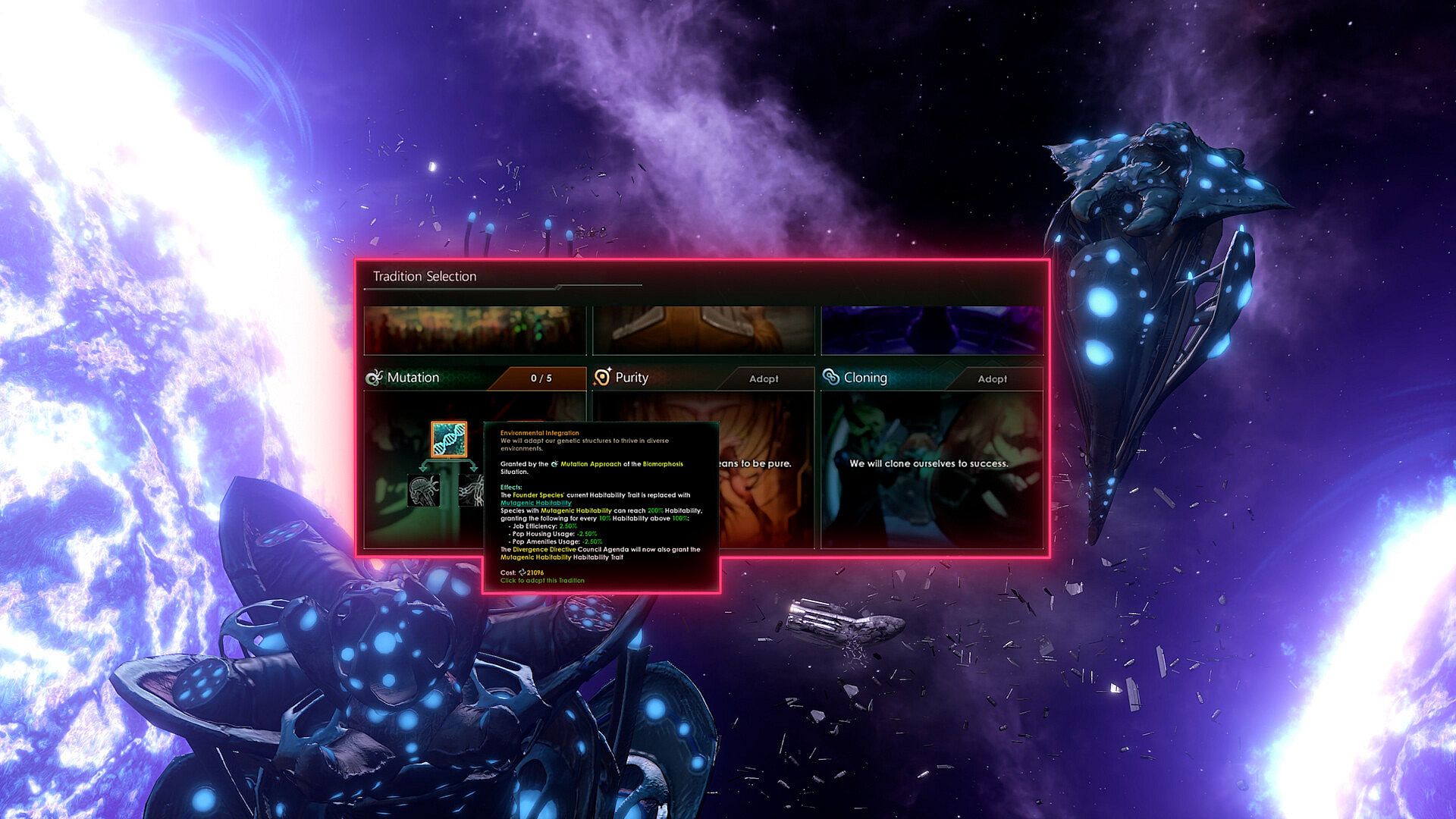
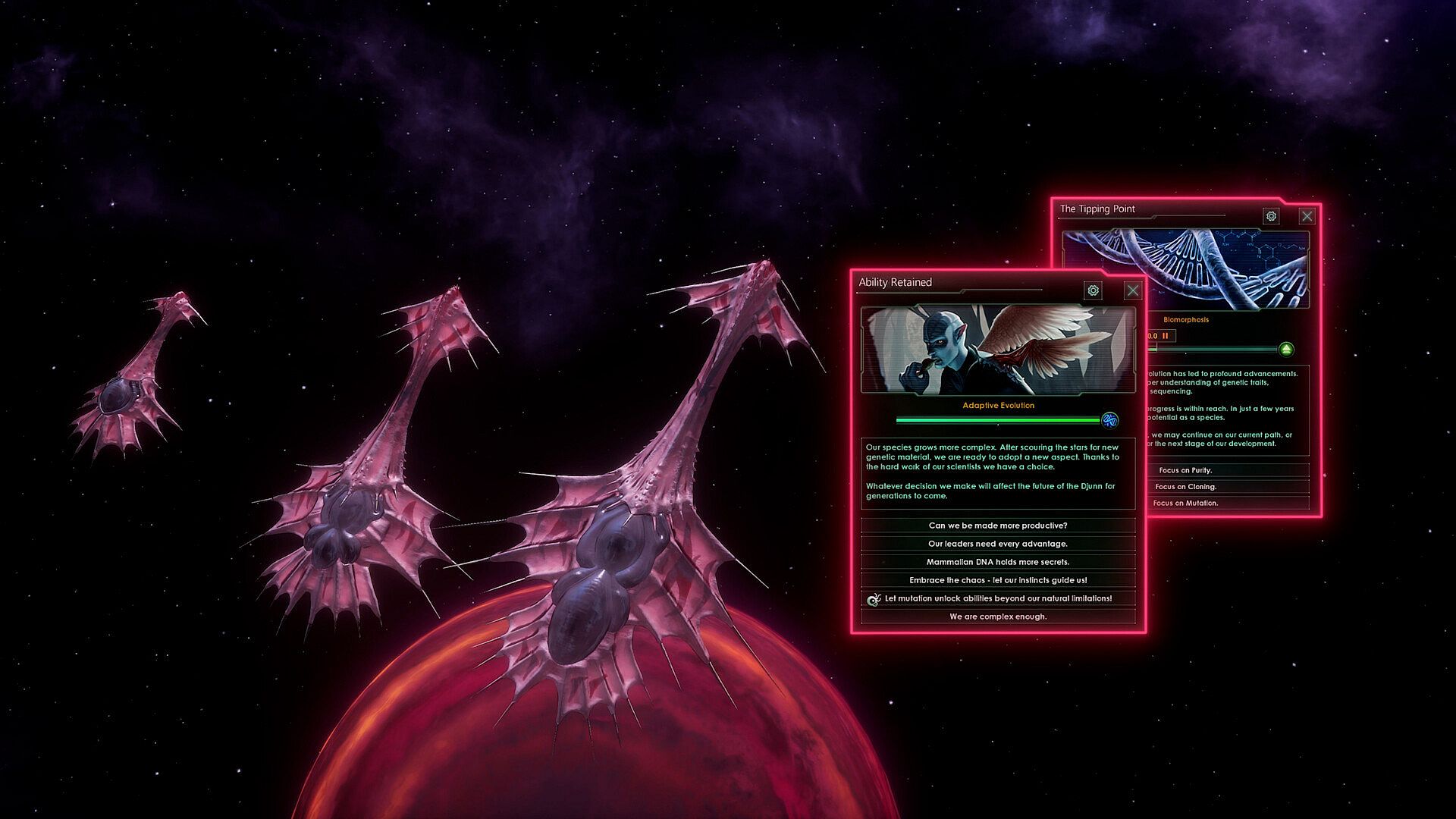
In Stellaris: BioGenesis, the core gameplay revolves around managing an interstellar empire with a strong emphasis on genetic engineering. You start by selecting an origin that defines your species' biological foundation, such as Evolutionary Predators for aggressive trait combinations or Wilderness for a gestalt consciousness spanning planetary ecosystems. From there, the overhauled Genetic Ascension system allows blending traditions from Cloning, Purity, and Mutation paths to tailor your empire's evolution, unlocking over 18 enhanced authorities that influence governance and expansion.
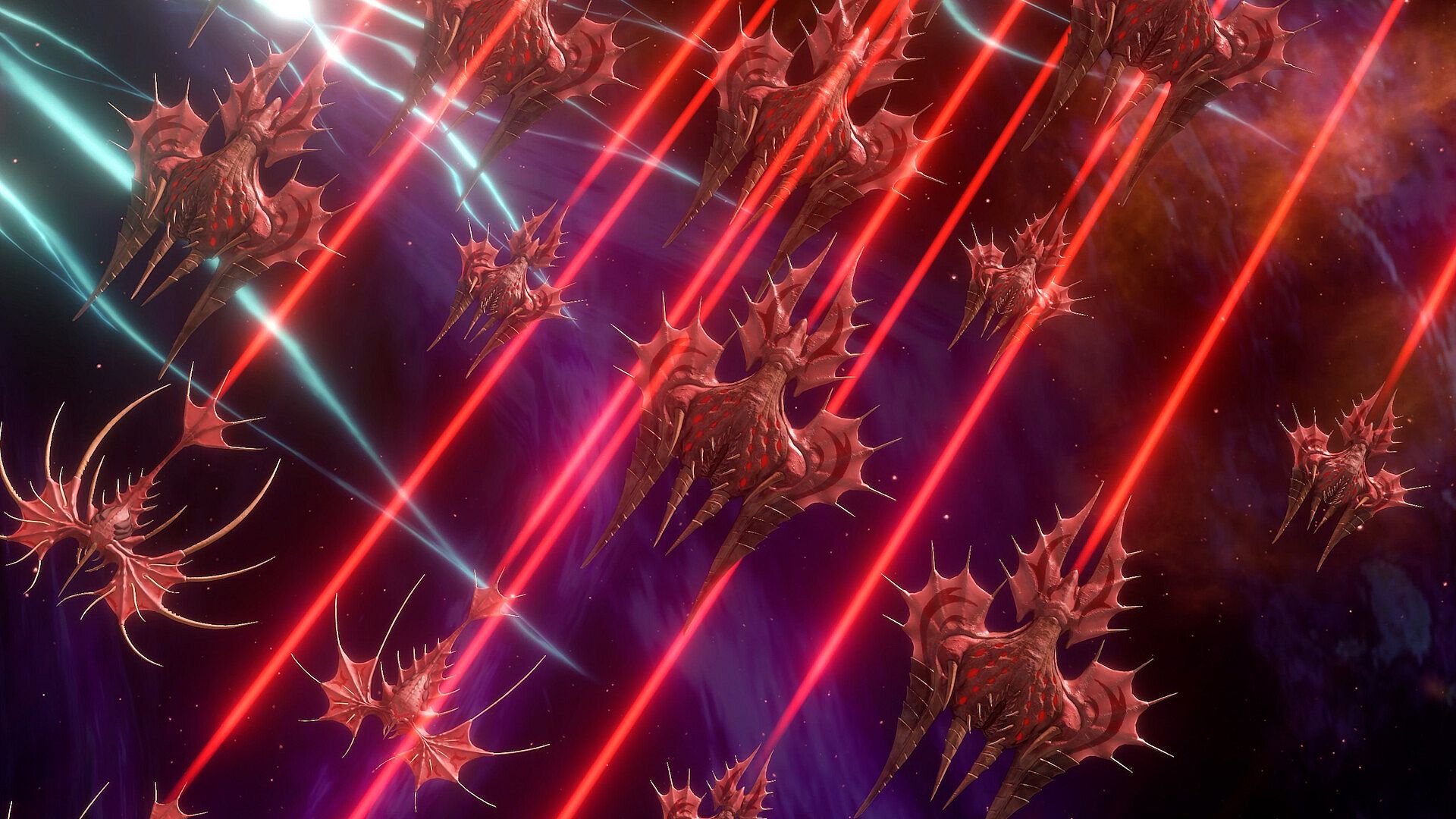
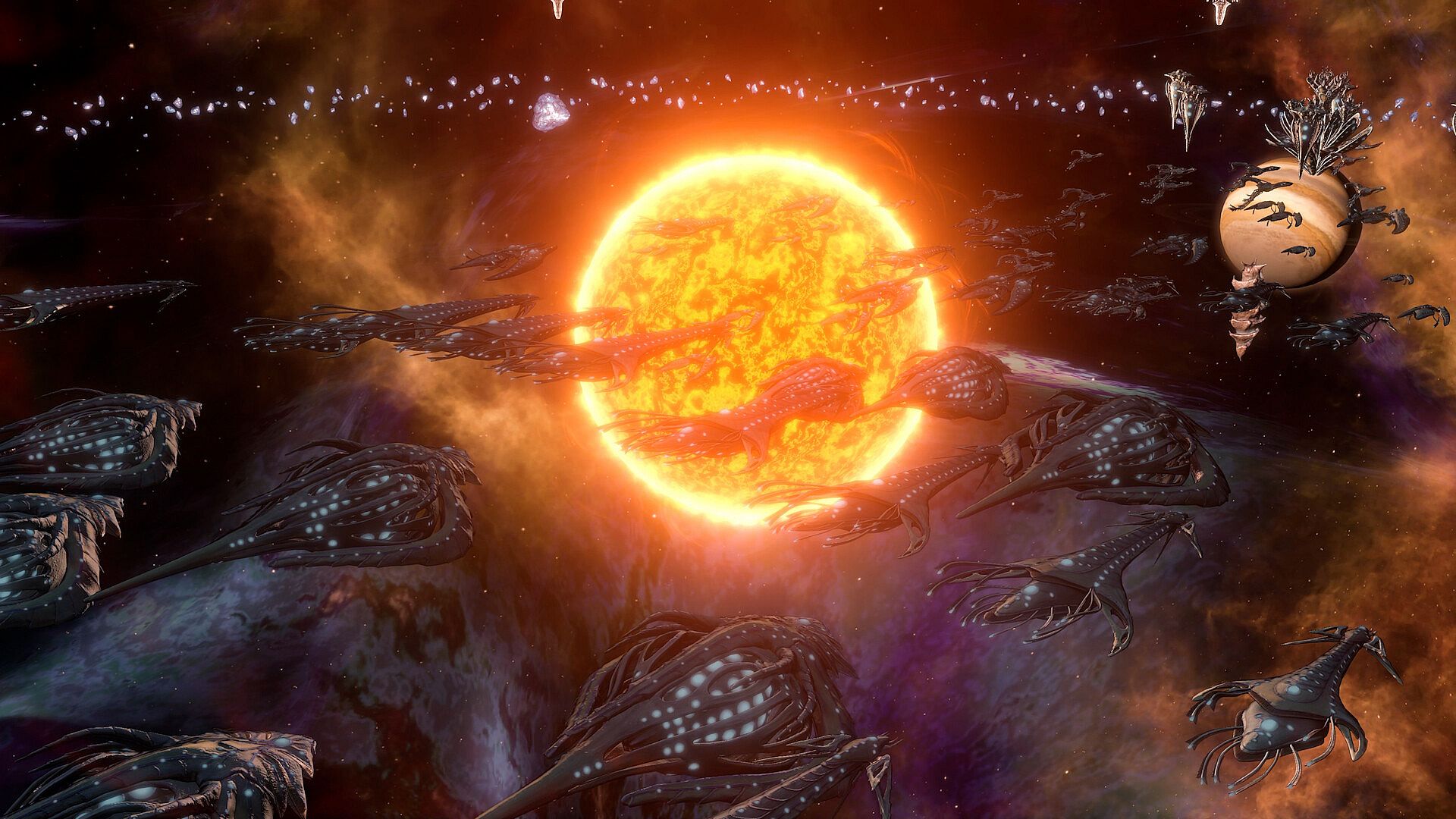
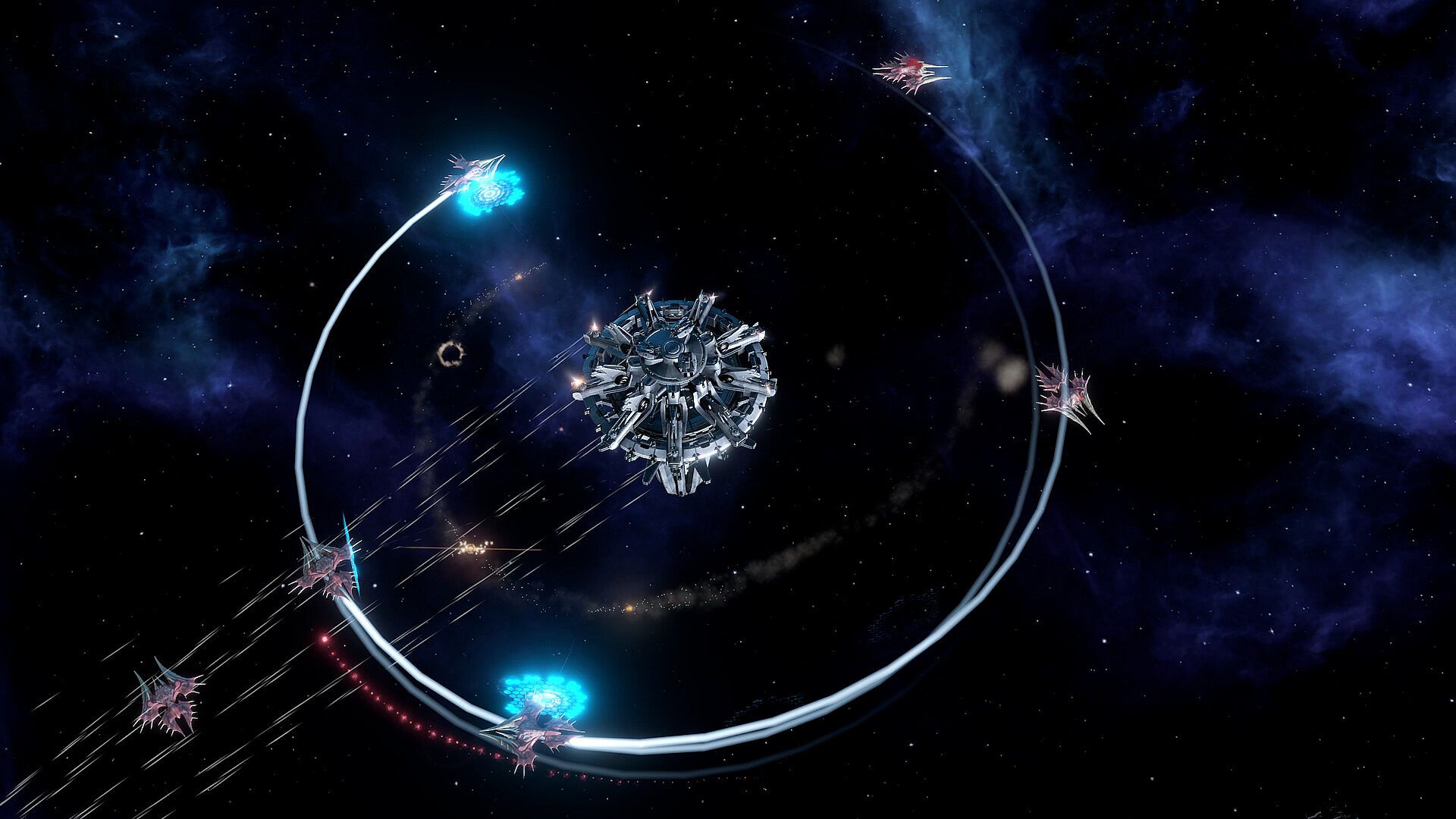
Biological ships form a key mechanic, where your fleets are living entities that adapt over time. These vessels can be customized for roles like battleships or support craft, evolving to empower allies or debilitate enemies. The Player Crisis Path, Behemoth Fury, lets you breed a massive biological monster to unleash on rivals, adding a destructive twist to late-game strategies. New civics like Genetic Identification, Crowdsourcing, and Bodysnatcher provide unique bonuses, while the Deep Space Citadel megastructure offers defensive chokepoints against invasions.
Exploration uncovers mysteries, including a Hive Fallen Empire with fractured personalities, and events tied to ancient biological threats. Reactive species portraits show leaders evolving with experience, and new phenotype traits expand customization options for species design. The gameplay loop encourages experimentation with ecosystems, blending resource management, diplomacy, and warfare in a living, adaptive universe.
Game Modes
Stellaris: BioGenesis integrates into the main game's singleplayer and multiplayer frameworks without introducing entirely new modes. In singleplayer, you engage in extended campaigns managing your bio-engineered empire against AI opponents, exploring ascension paths and origins in a sandbox setting. Multiplayer sessions allow cooperative or competitive play, where groups can ally to tackle crises like the Behemoth Fury or compete in genetically enhanced wars.
The DLC enhances these modes through features like the Starlit Citadel origin, which boosts defensive strategies in hyperlane chokepoints, making multiplayer defense more robust. Events and mechanics, such as evolving hives or biological ship fleets, add depth to both solo and group experiences, though all play occurs within Stellaris' overarching grand strategy structure.
Unique Mechanics
BioGenesis stands out with its focus on living systems that interact dynamically. The three ascension paths let you mix elements for hybrid empires, such as combining Mutation for rapid adaptations with Cloning for mass production. New origins like Wilderness turn your empire into a sapient ecosystem, spreading consciousness across stars, while Evolutionary Predators unlock phenotype abilities for ultimate trait customization.
Encounters with the splintered Hive Fallen Empire introduce narrative depth, as you navigate its three personalities. Additional elements include seven new civics for specialized builds, 16 phenotype species traits, and cosmetic additions like biological ship sets and city designs. These mechanics tie into broader gameplay, offering tools for domination or harmonious expansion.
Is It Worth Playing?
For strategy enthusiasts who enjoy deep customization and biological themes, Stellaris: BioGenesis delivers compelling content that refreshes the base game. It has received mixed feedback, with 41% positive reviews from over 1,100 players, largely due to performance issues and bugs from the accompanying 4.0 update. However, the DLC's features, like genetic ascensions and living ships, are praised for adding meaningful depth.
The game remains in active development, with the 4.0 Phoenix update aiming to improve performance, though current instability affects play. If you own Stellaris and prefer empires built on evolution and adaptation over mechanical or psychic paths, this expansion suits dedicated fans willing to wait for patches. Newcomers might hold off until fixes stabilize the experience, but for veterans, it provides fresh ways to engage with the galaxy.