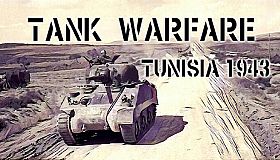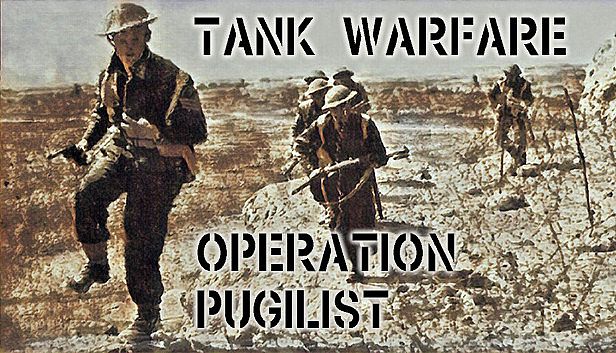











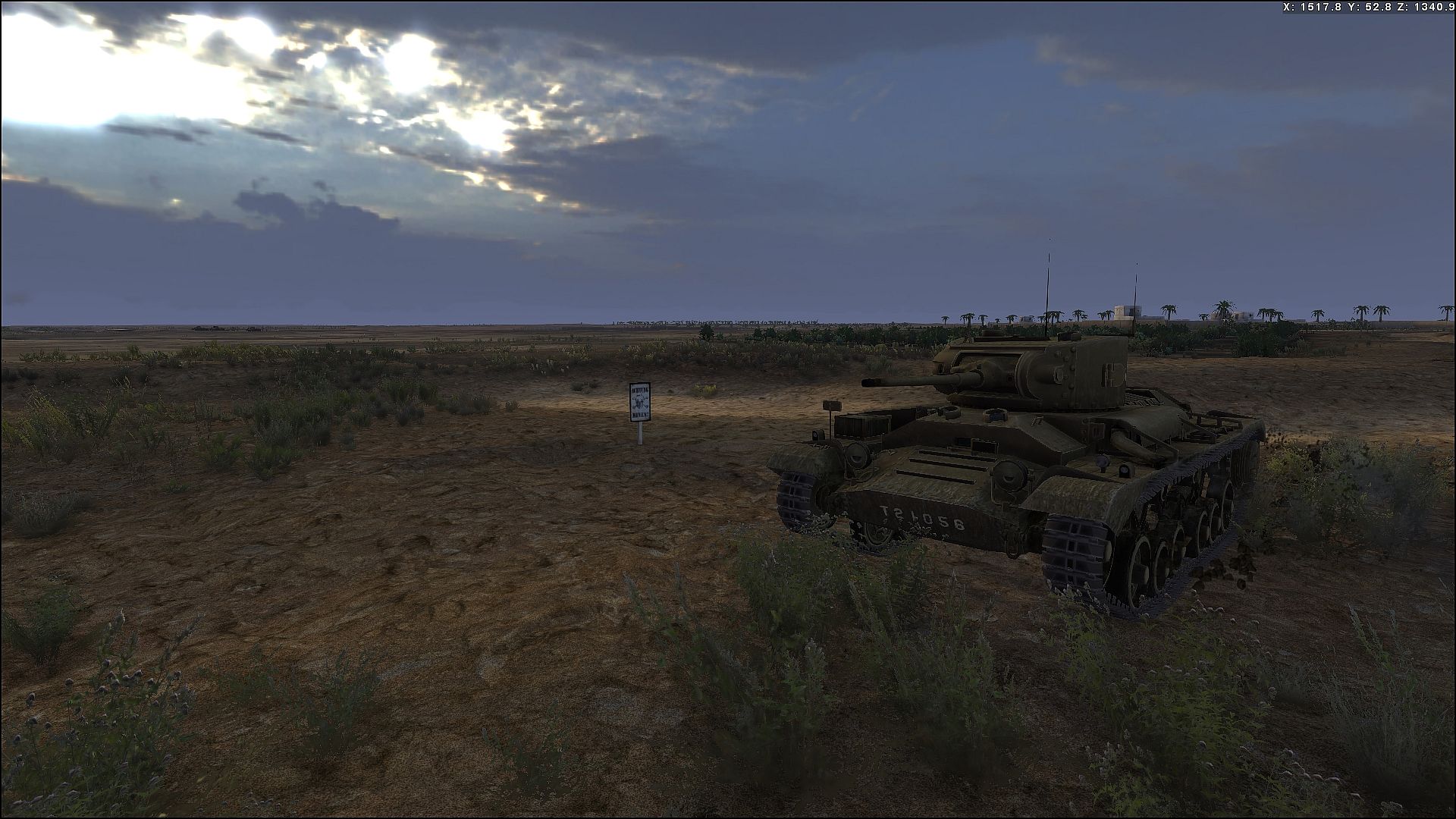
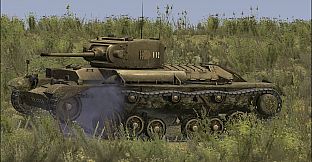
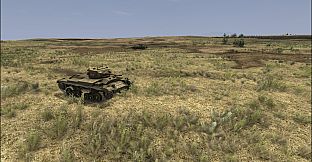
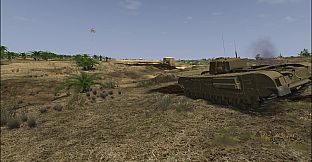
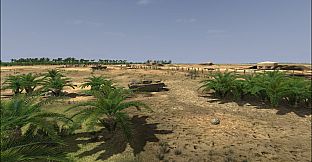
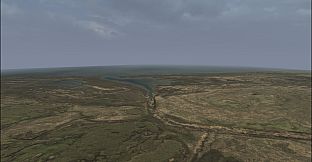
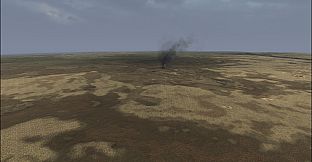
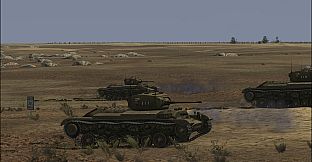
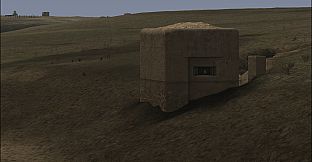
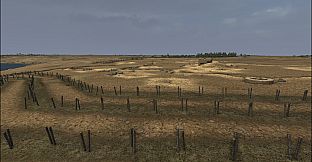
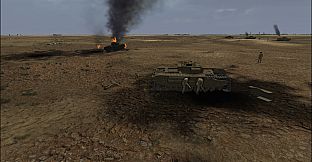
Tank Warfare: Operation Pugilist is a strategy and simulation title for PC that places players in command of British forces during the spring offensive in eastern Tunisia in March 1943. The game recreates the attempt to break through the Mareth defensive line with a focus on historical accuracy in unit organization and terrain challenges.
Gameplay
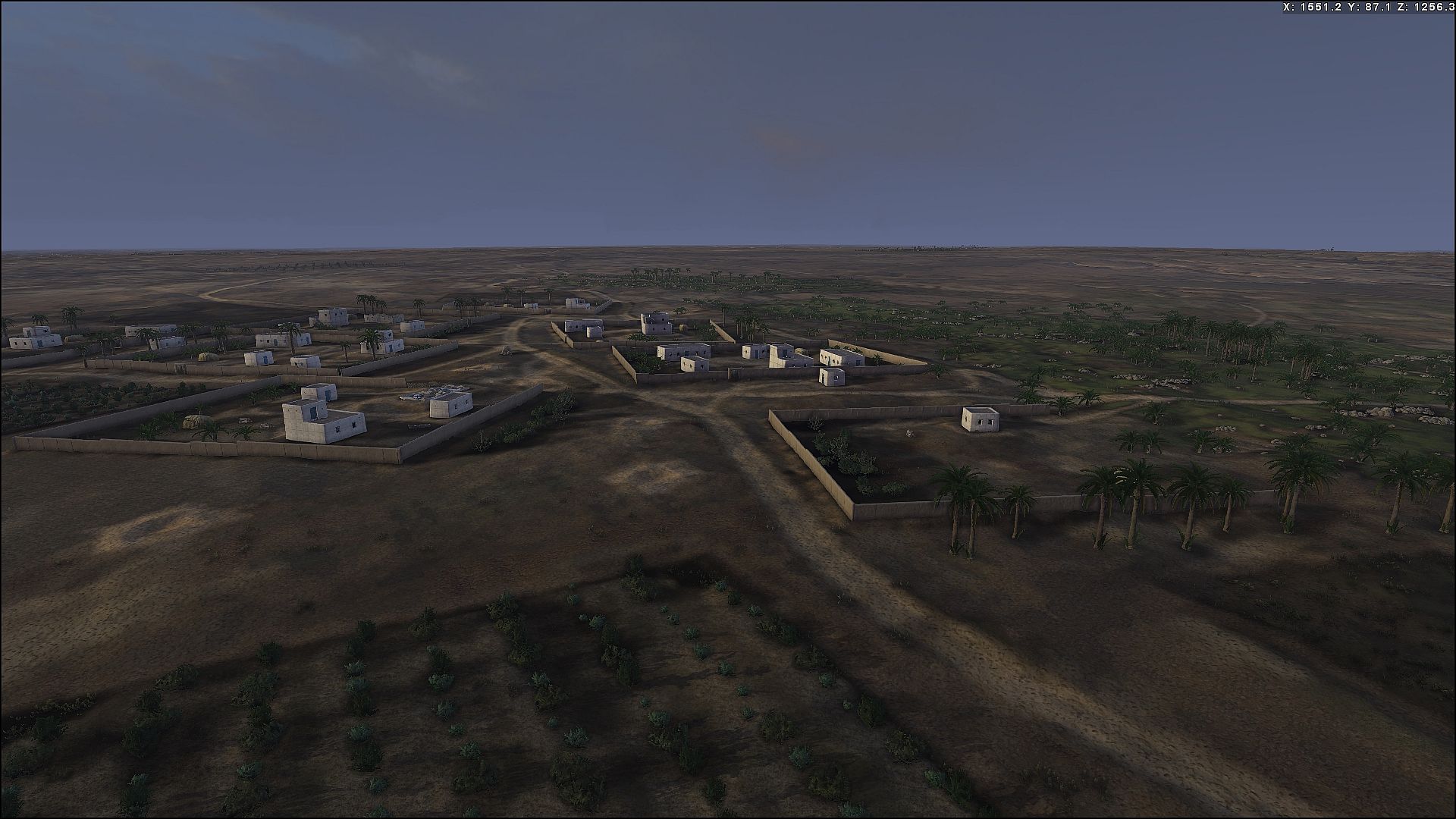
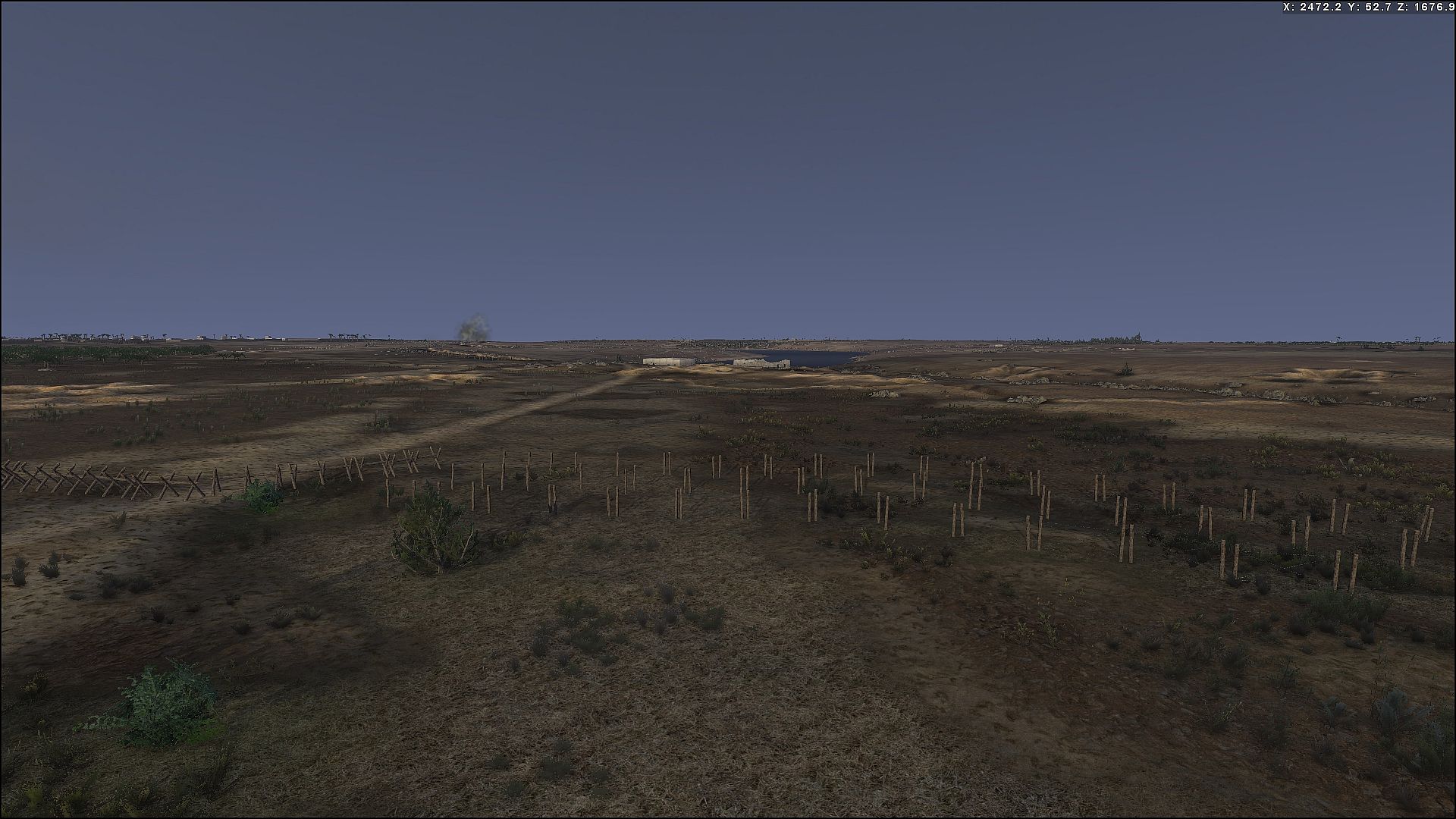
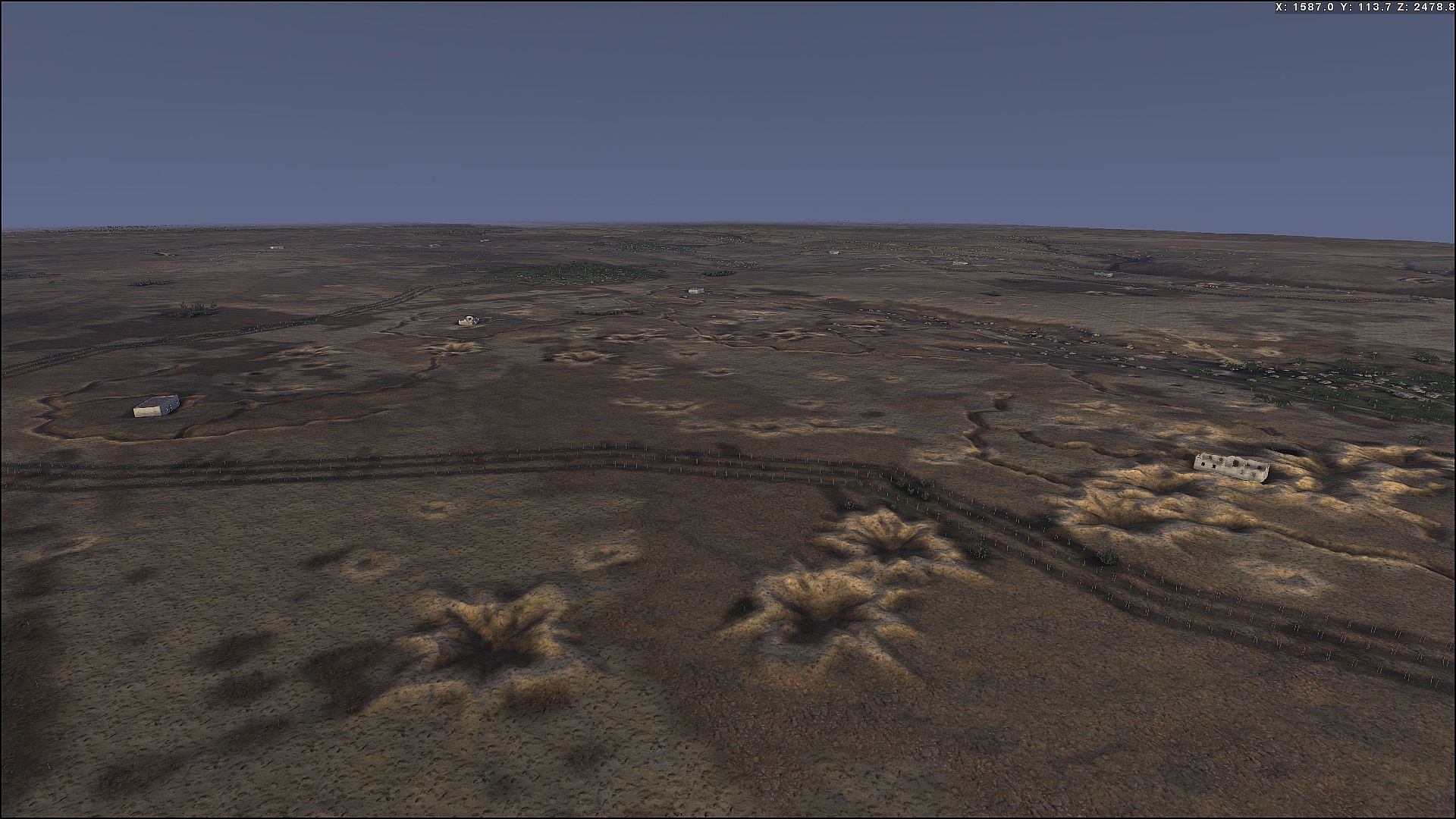
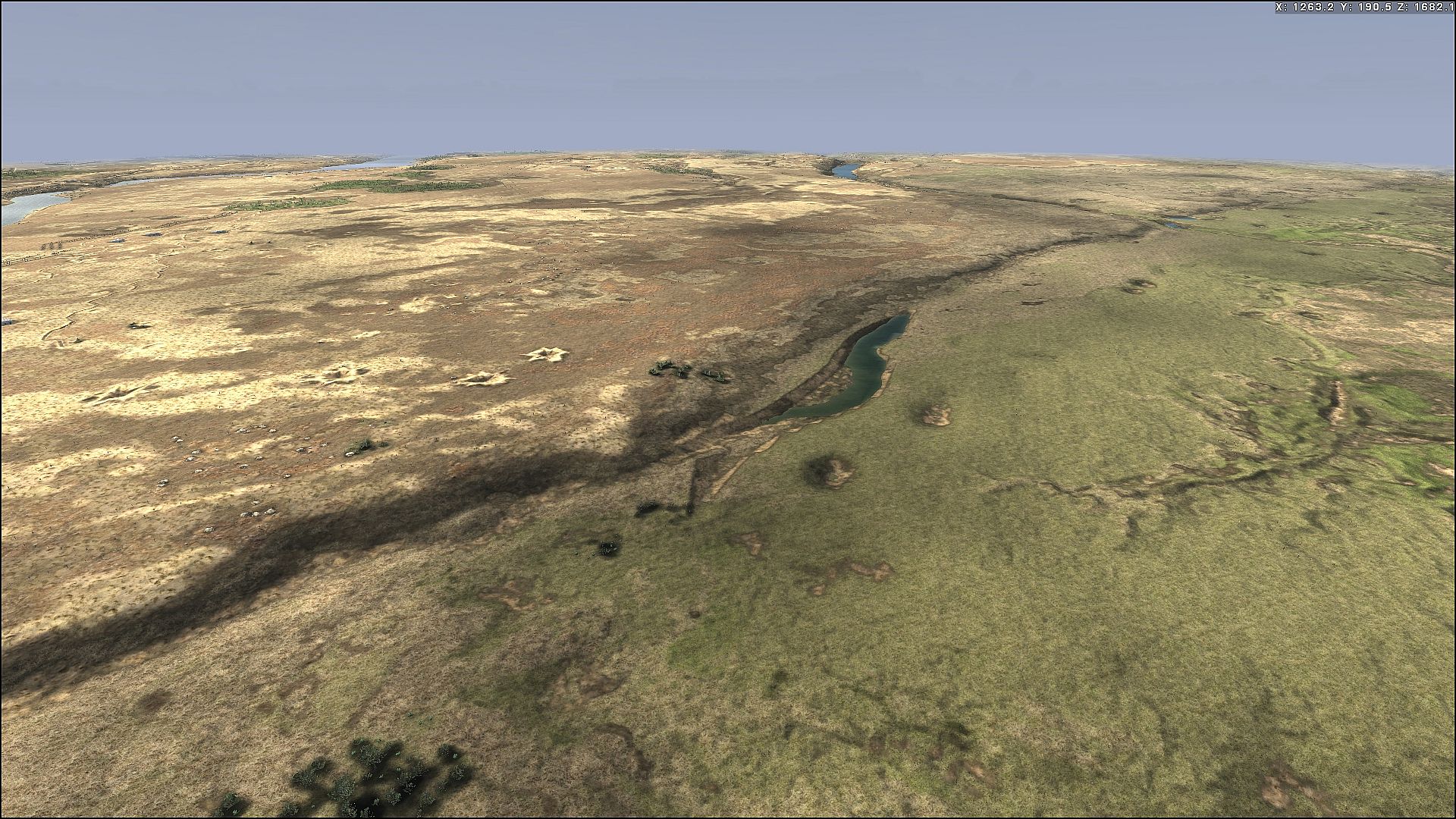
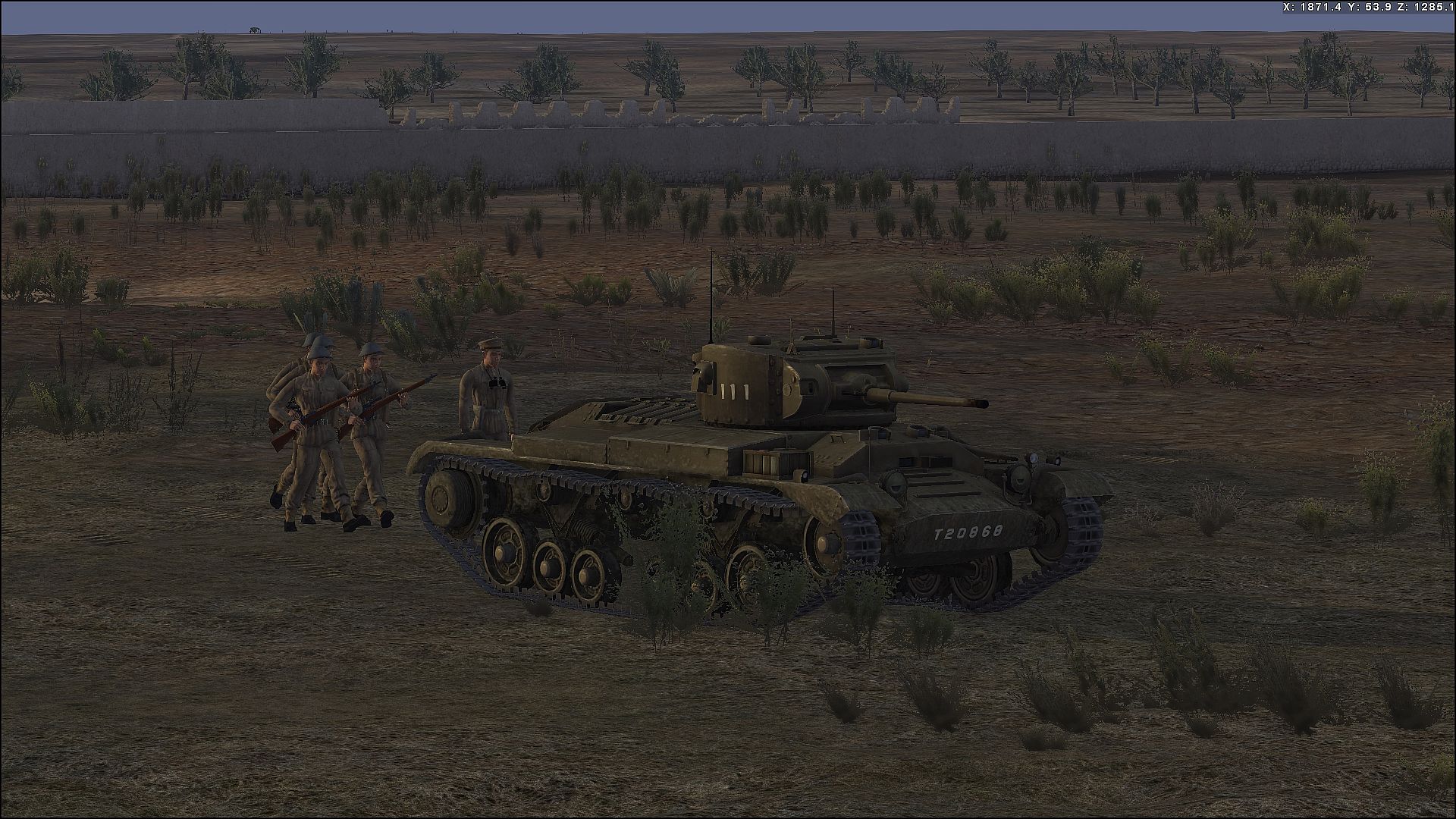
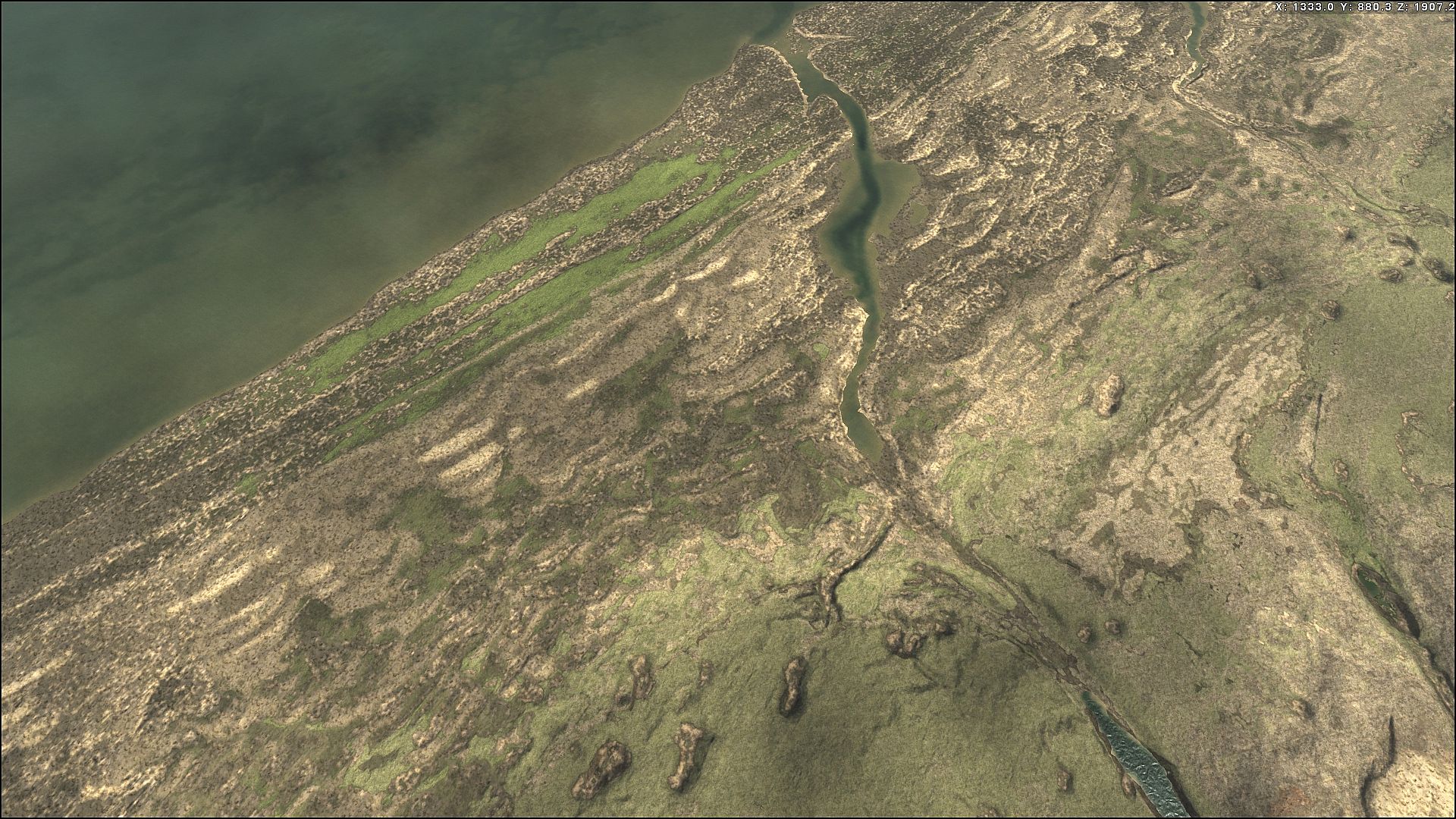
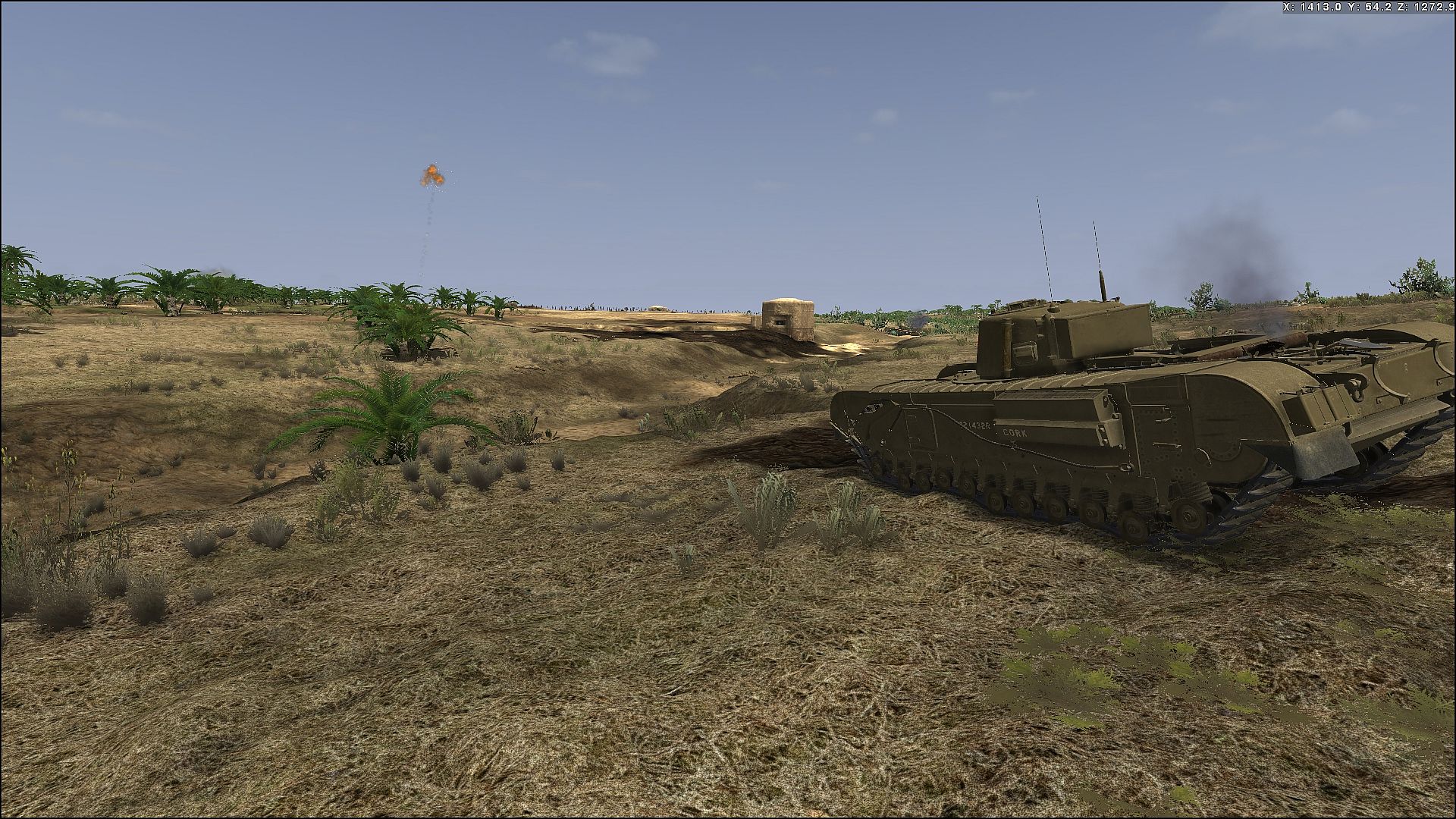
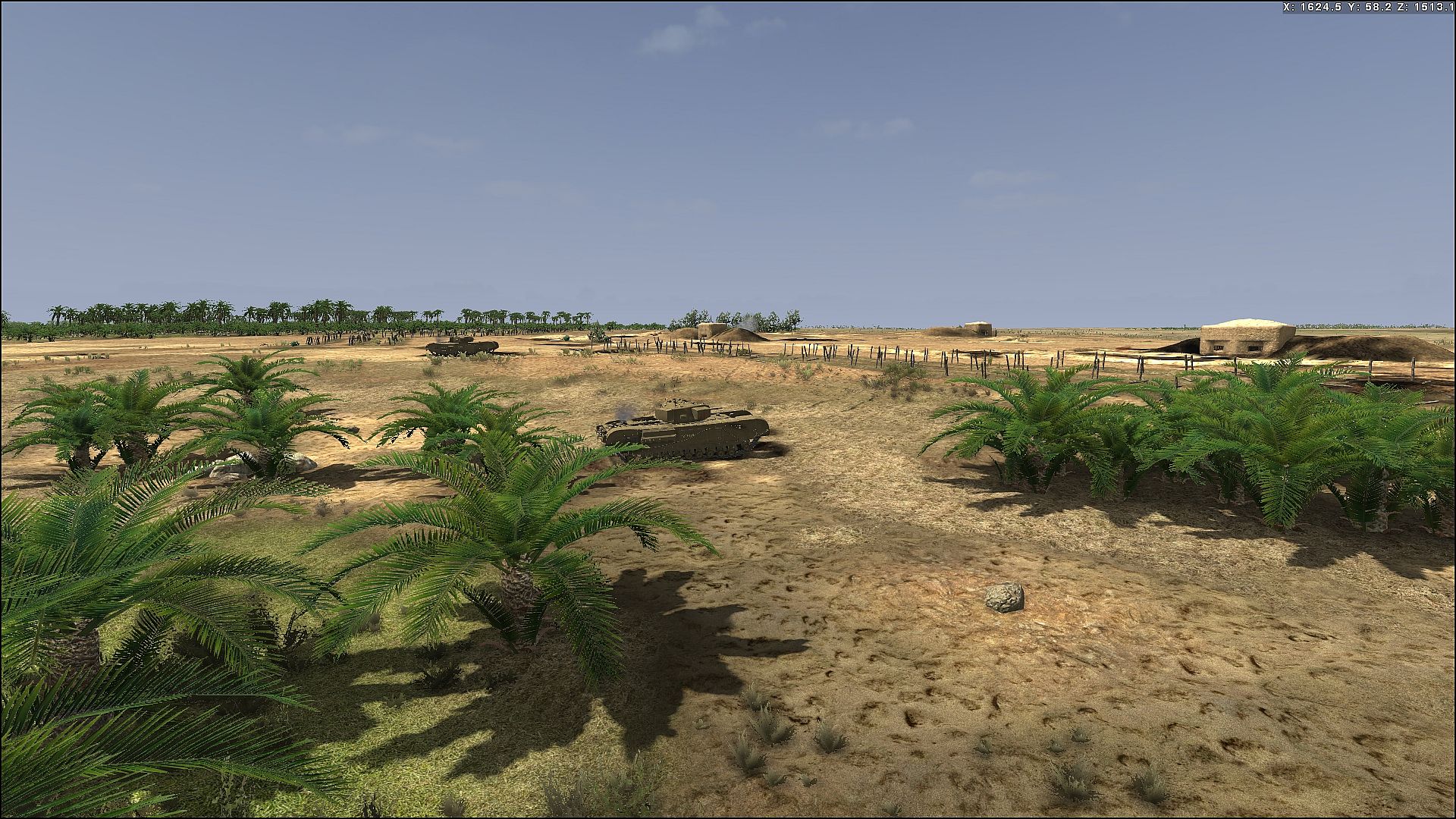
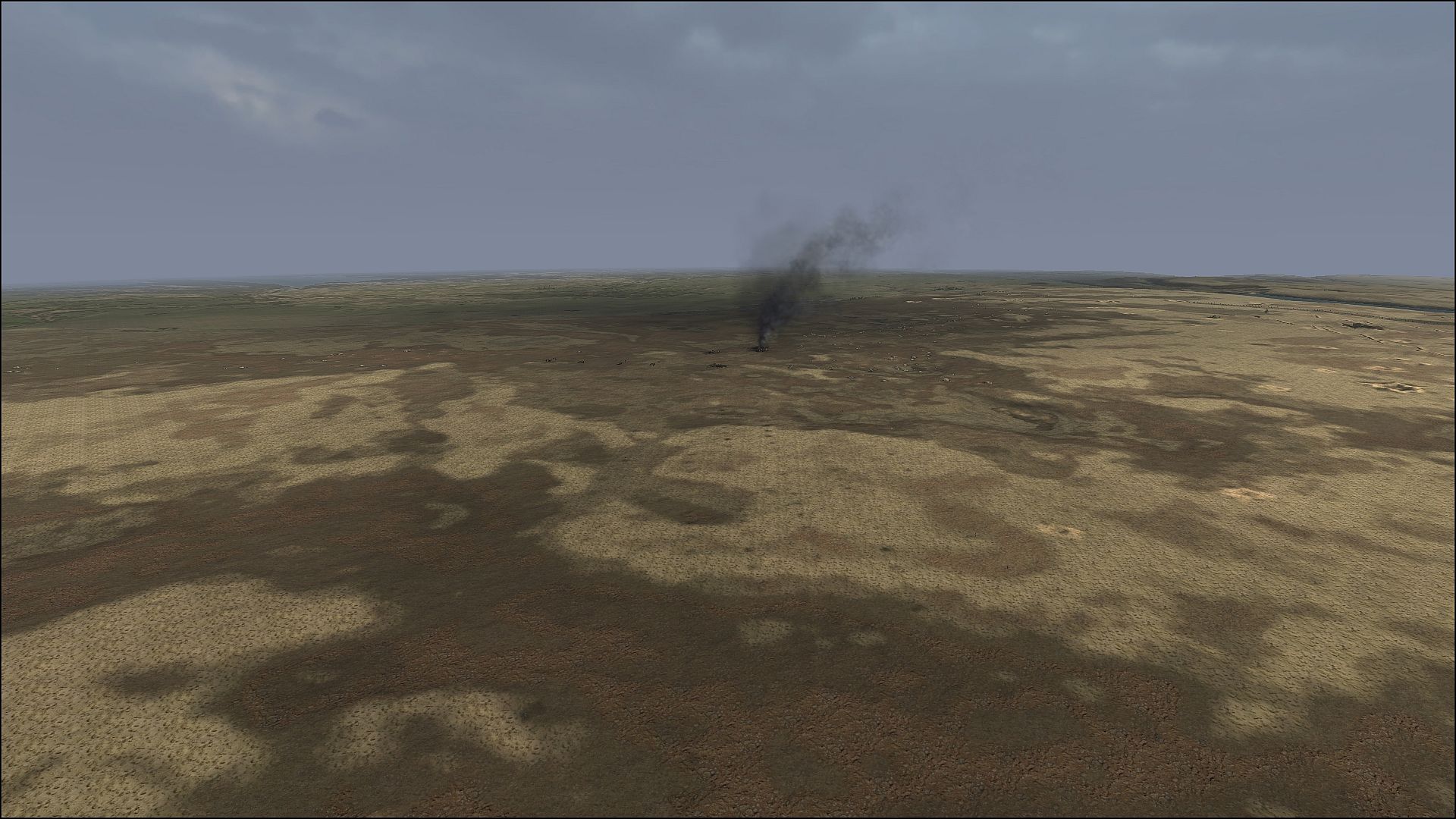
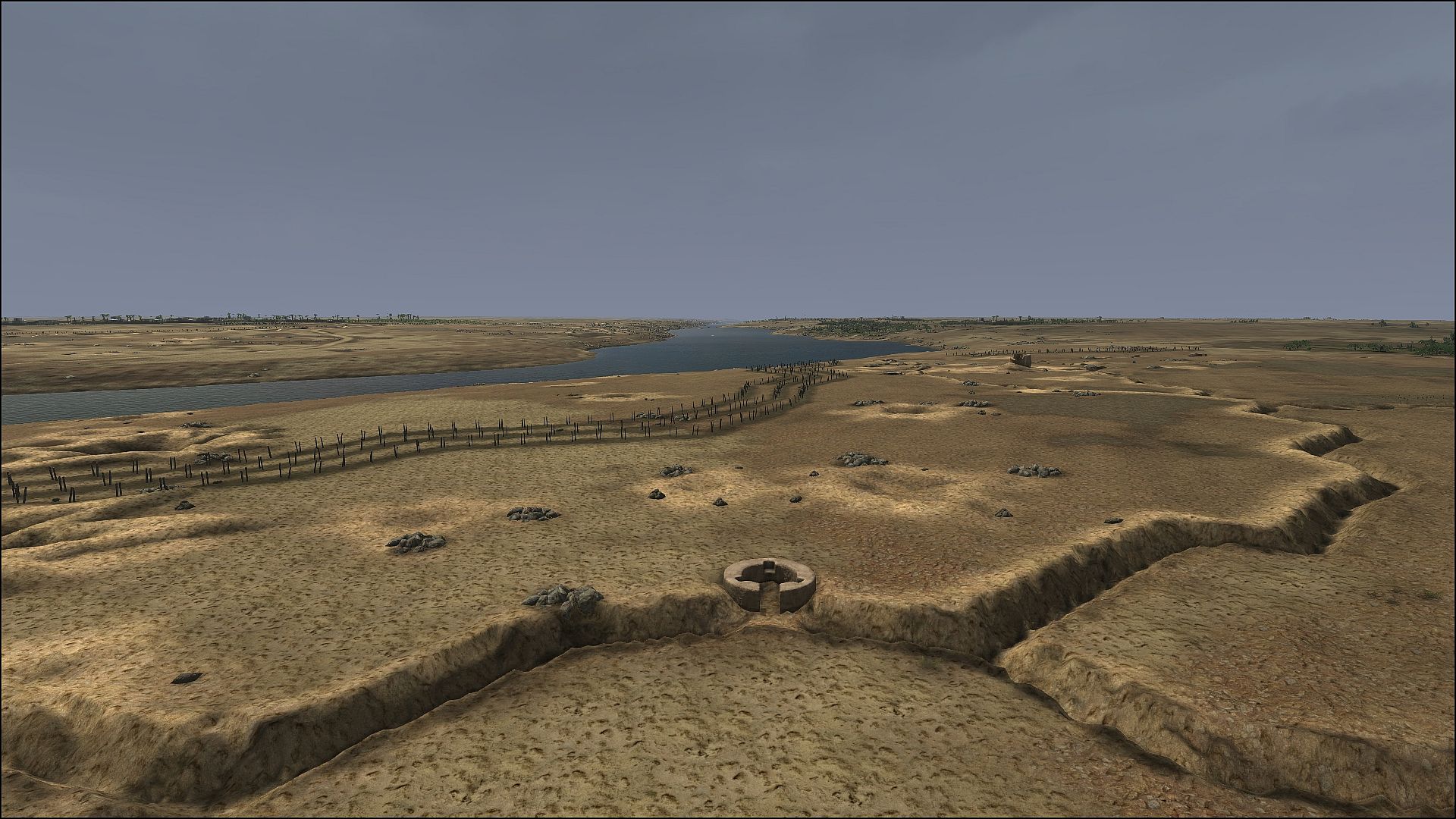
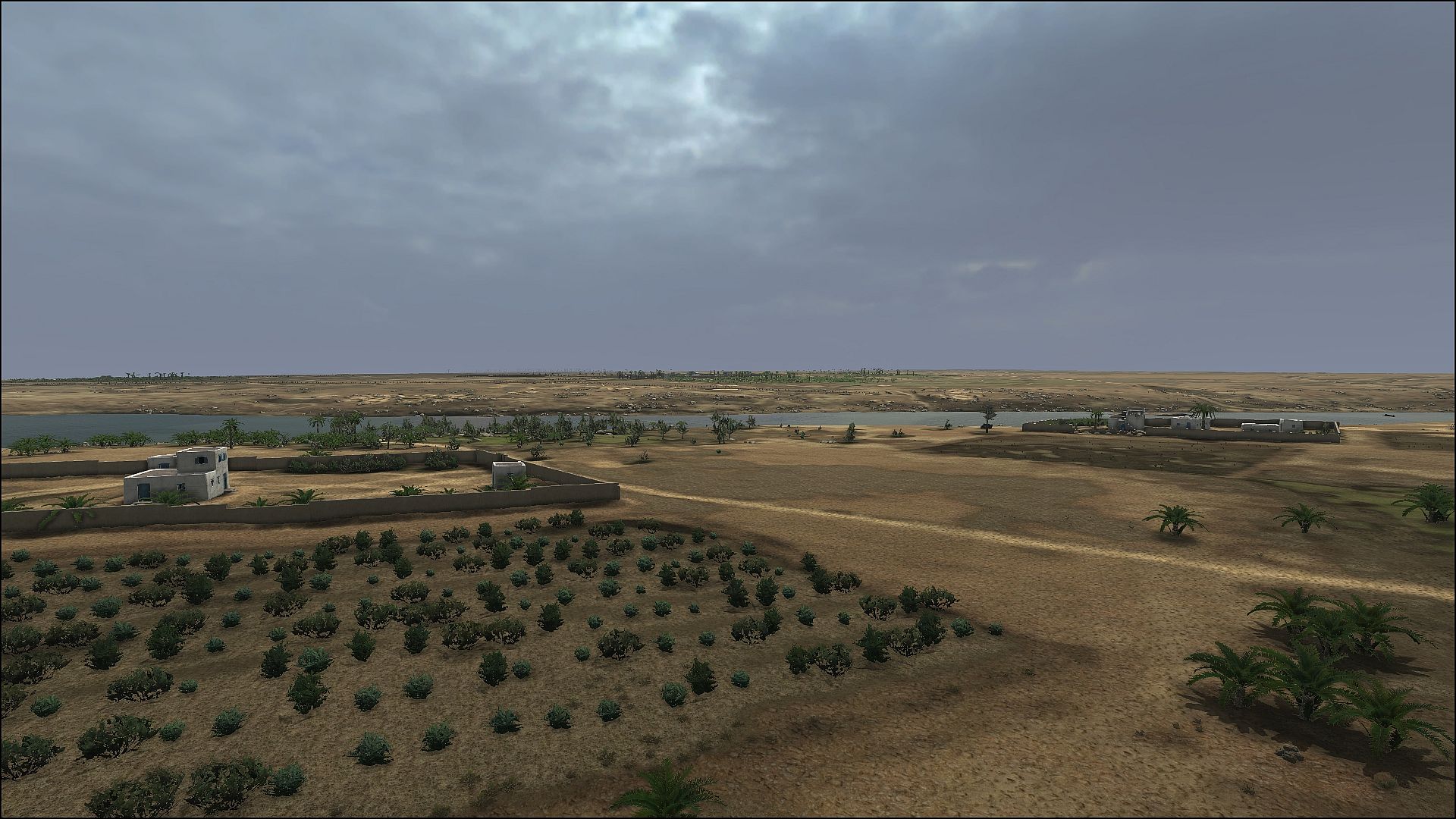
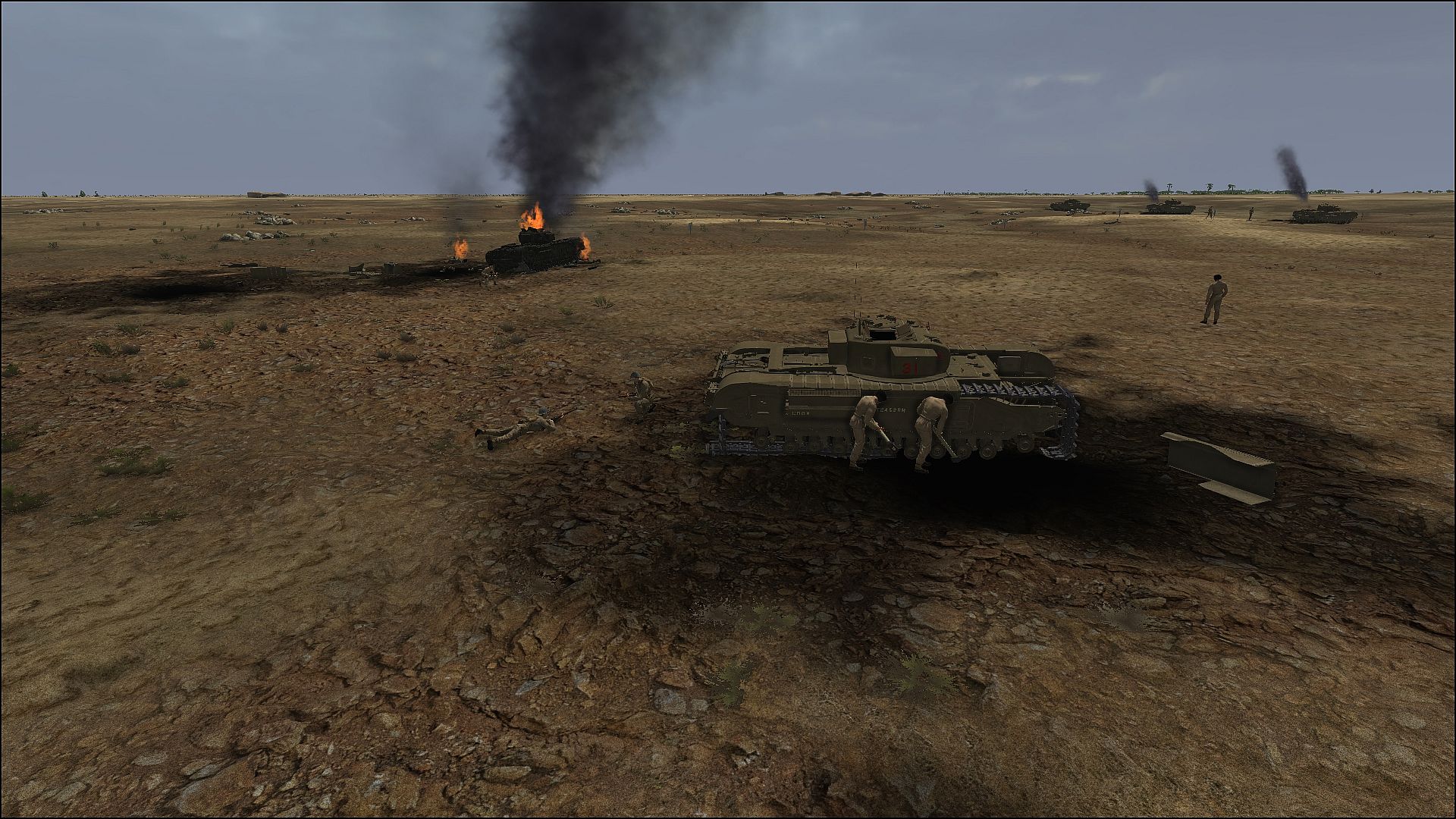
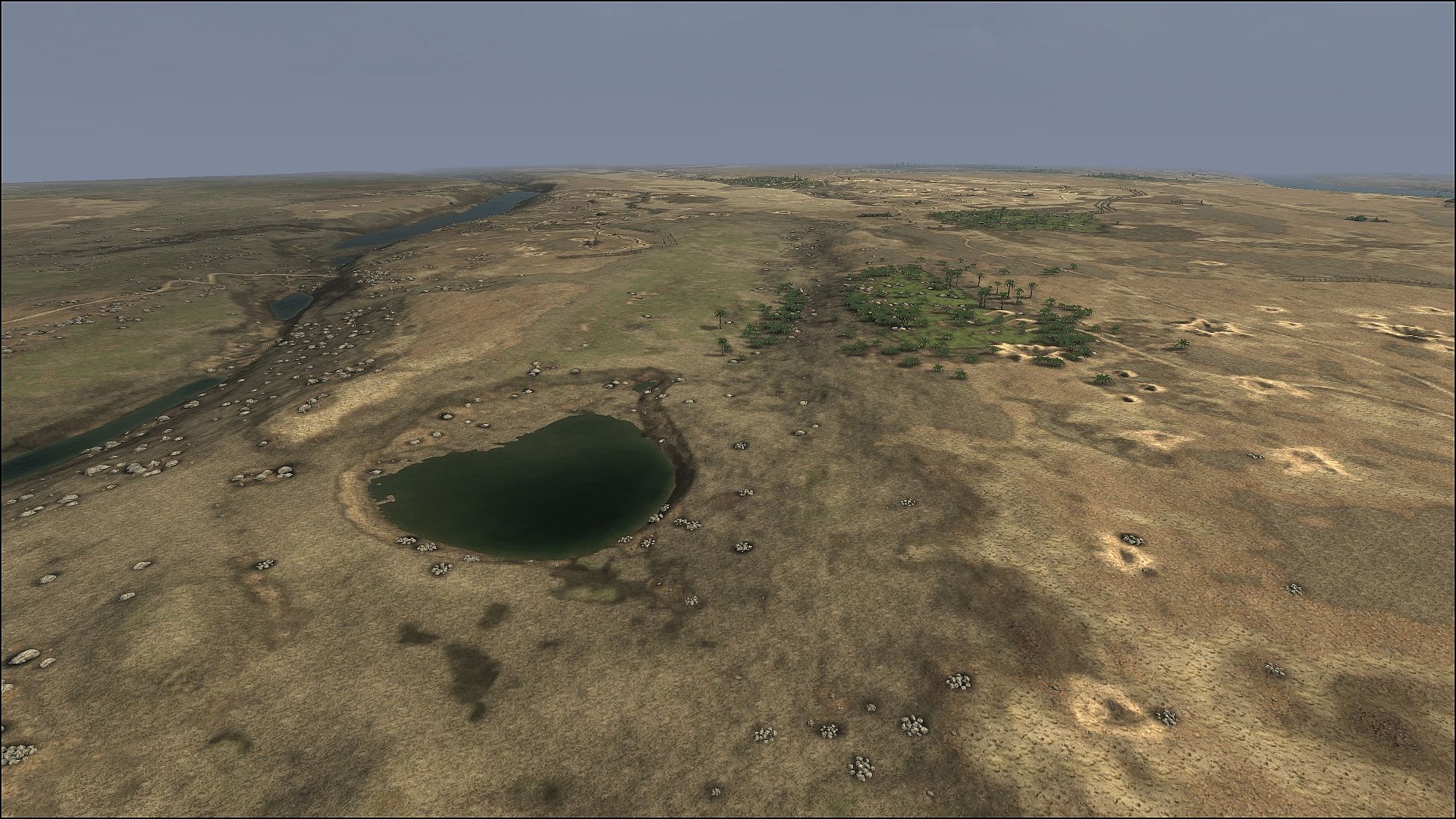
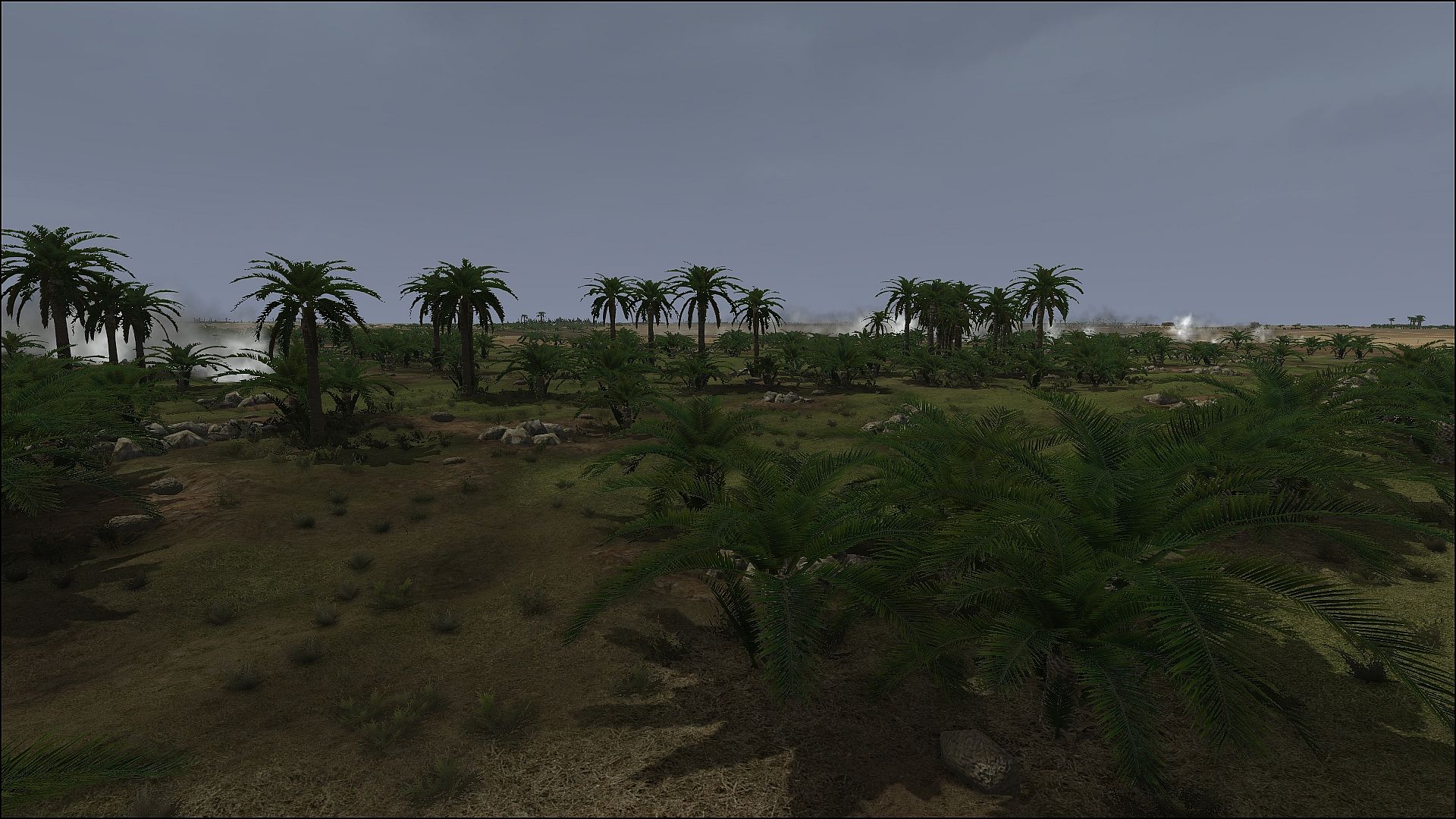
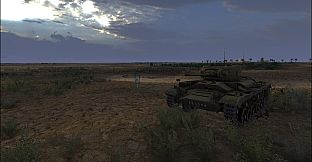
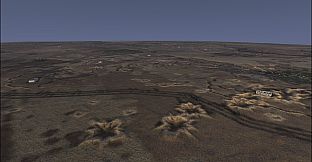
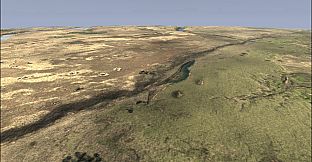
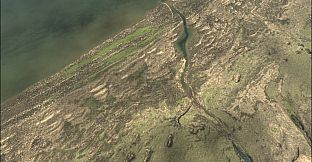
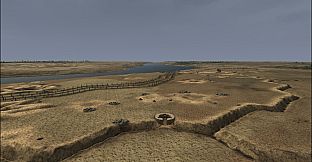
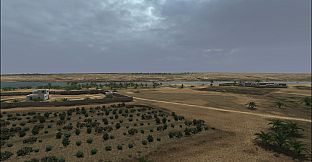
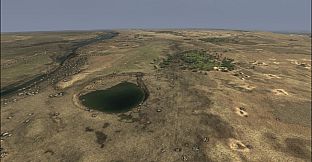
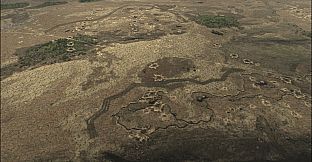
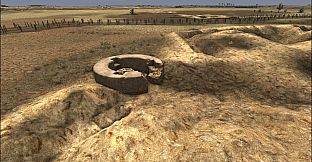
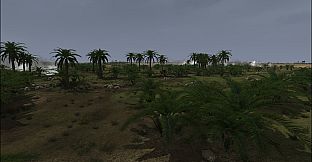
The core loop centers on managing infantry, tanks, and artillery across a large recreated battlefield exceeding 100 square kilometers. Players direct the 50th Northumberland Infantry Division and attached armored units as they advance from the coast through wadis, strong points, oases, and desert terrain marked by gullies and flooding rivers. After initial bombing and artillery preparation, infantry elements such as the 8th Battalion Durham Light Infantry secure initial bridgeheads at locations like Ouerzi and Ksiba Ouest, but the swollen Wadi Zigzaou creates persistent obstacles. Crossings for heavy vehicles degrade rapidly under water flow, forcing careful timing and positioning of tanks and support assets to maintain momentum.
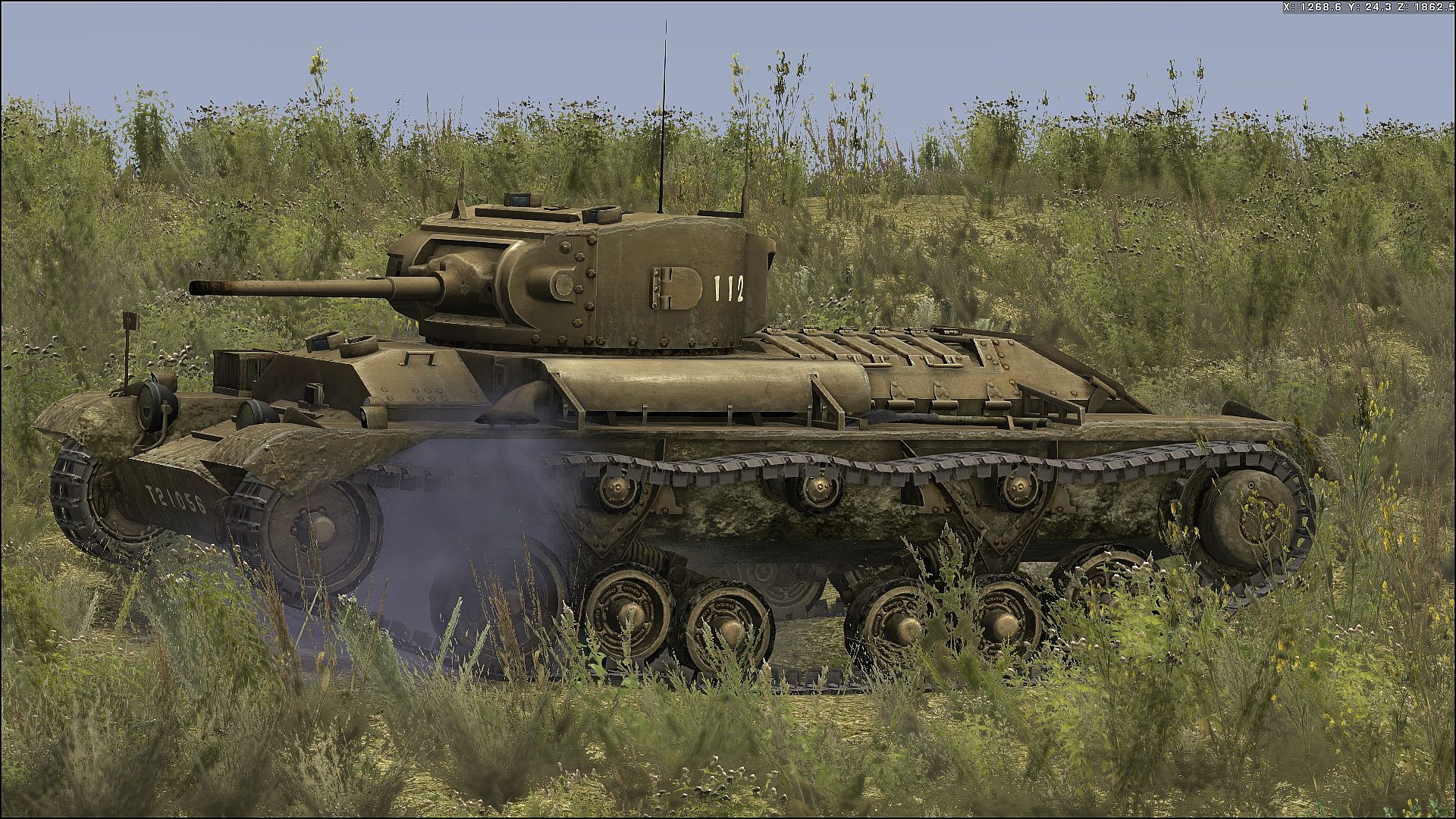
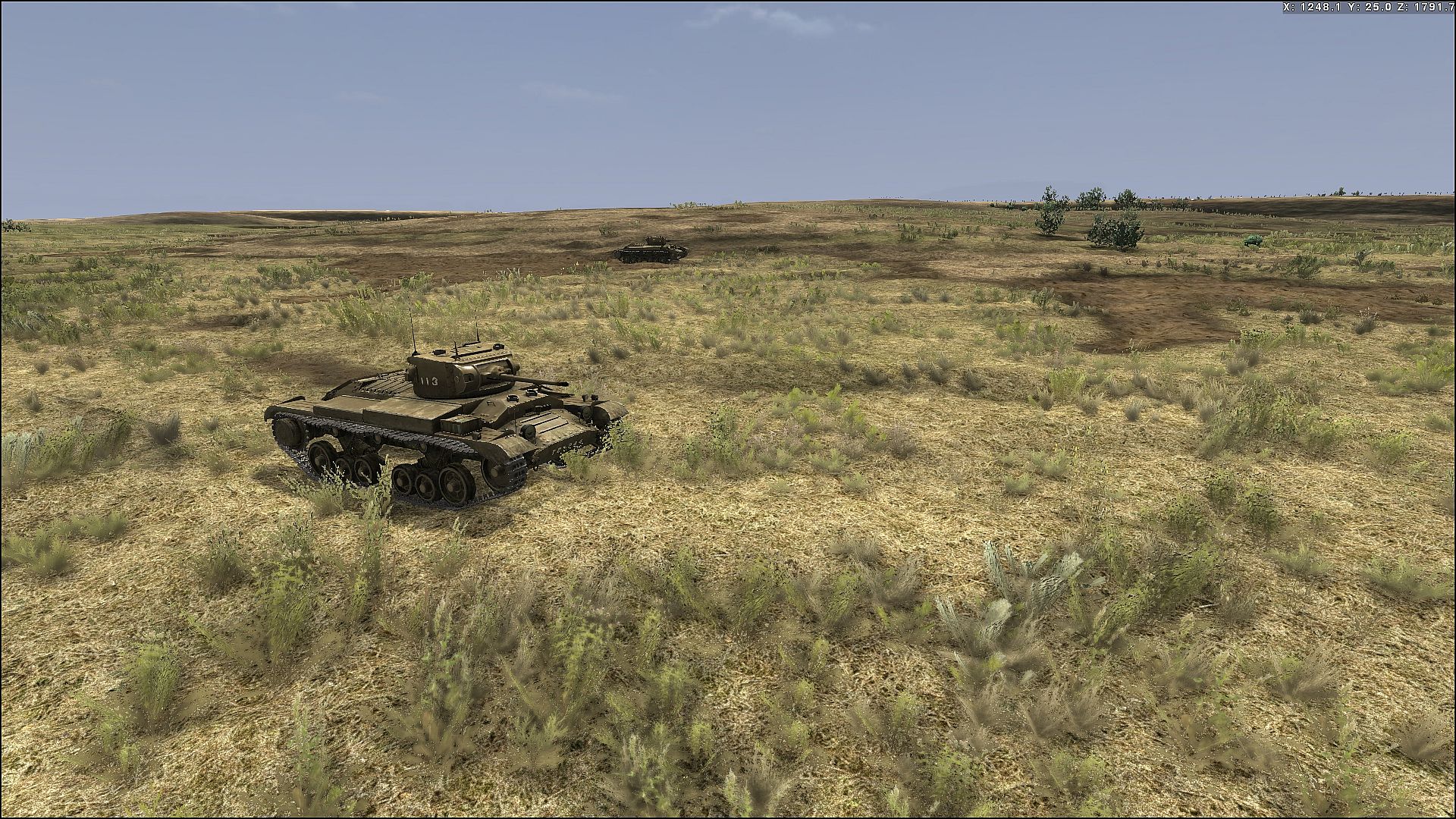
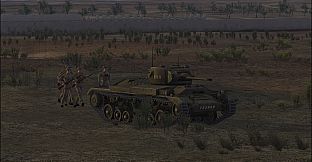
Unit behavior follows the historical structure of the period, with emphasis on combined arms coordination rather than abstracted mechanics. Terrain features directly influence movement and line of sight, requiring players to account for natural barriers and defensive positions when planning advances or holding captured ground. The simulation prioritizes realistic constraints on logistics and engineering tasks, such as maintaining temporary bridges under pressure from the environment and enemy response.
Game Modes
The scenario consists of two operations, each structured around 12 turns per side and covering the Mareth Line fighting from March 22 to 24, 1943. One side directs the British assault forces while the opposing side manages the defense. Each operation unfolds on the same detailed map area, allowing repeated playthroughs with different objectives and force allocations drawn from the historical order of battle. Turns govern the pace of movement, fire support, and reinforcement decisions, with the flooding river and collapsing crossings serving as recurring tactical factors across both operations.
Historical Context and Map Design
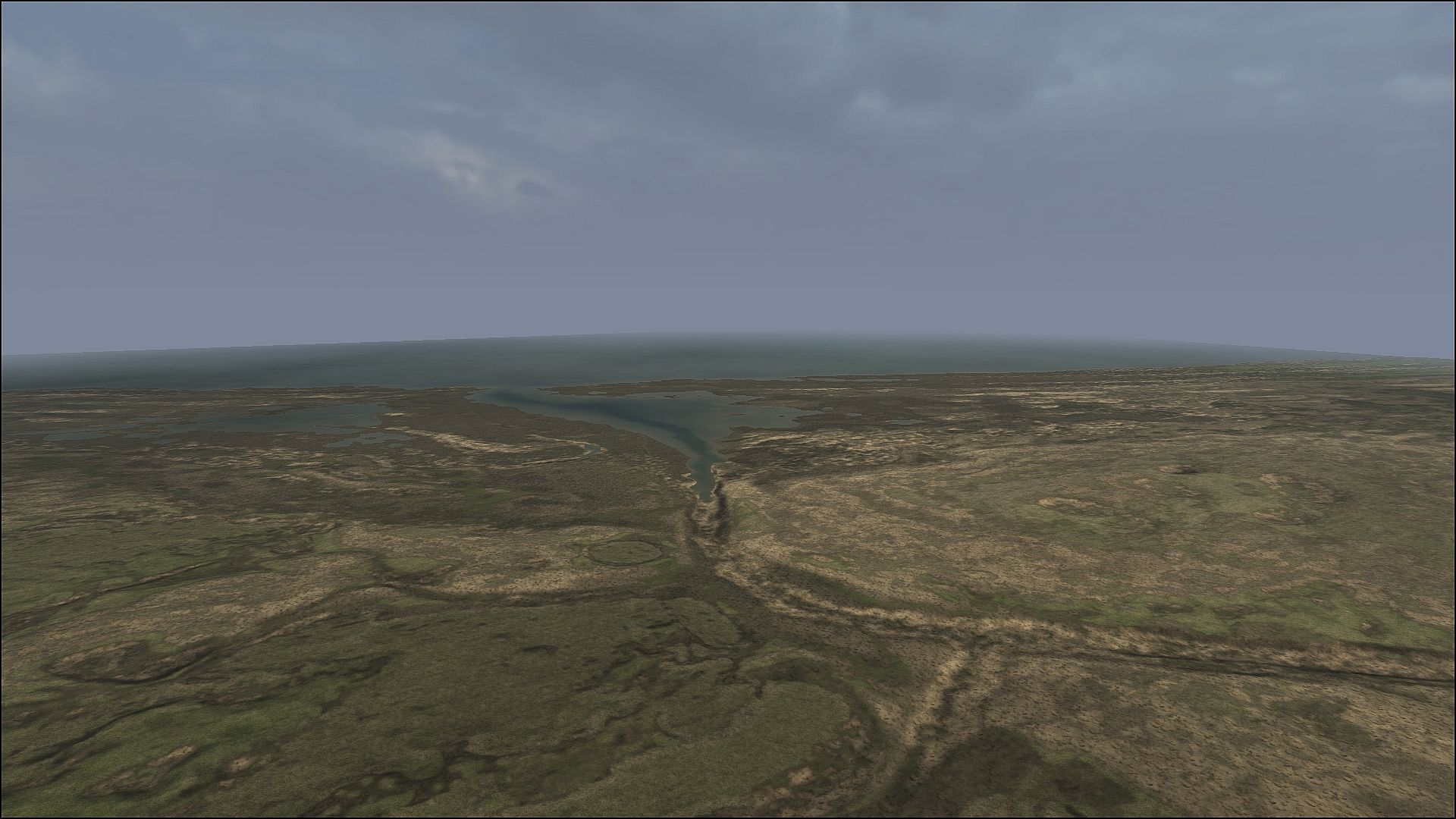
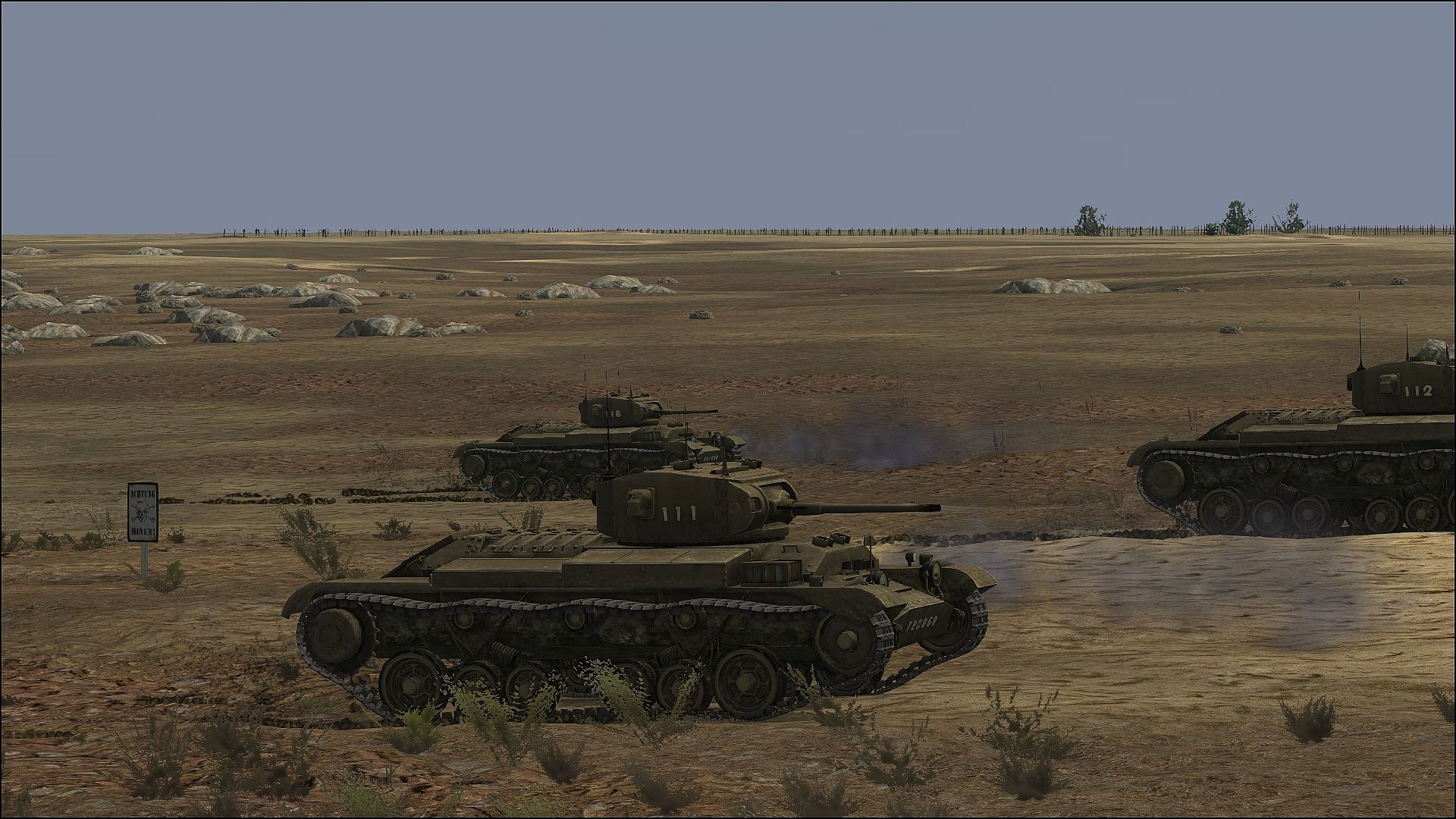
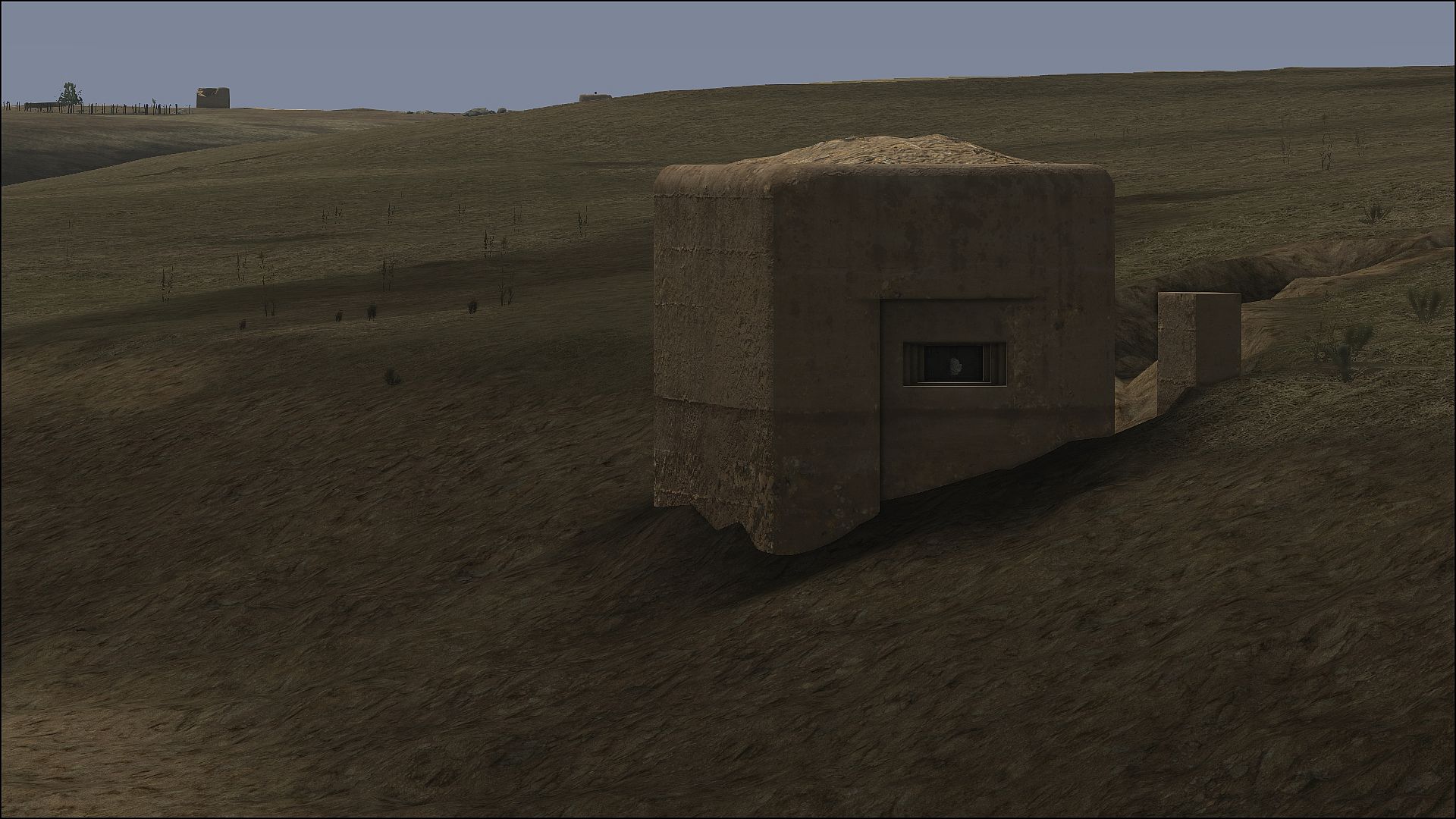
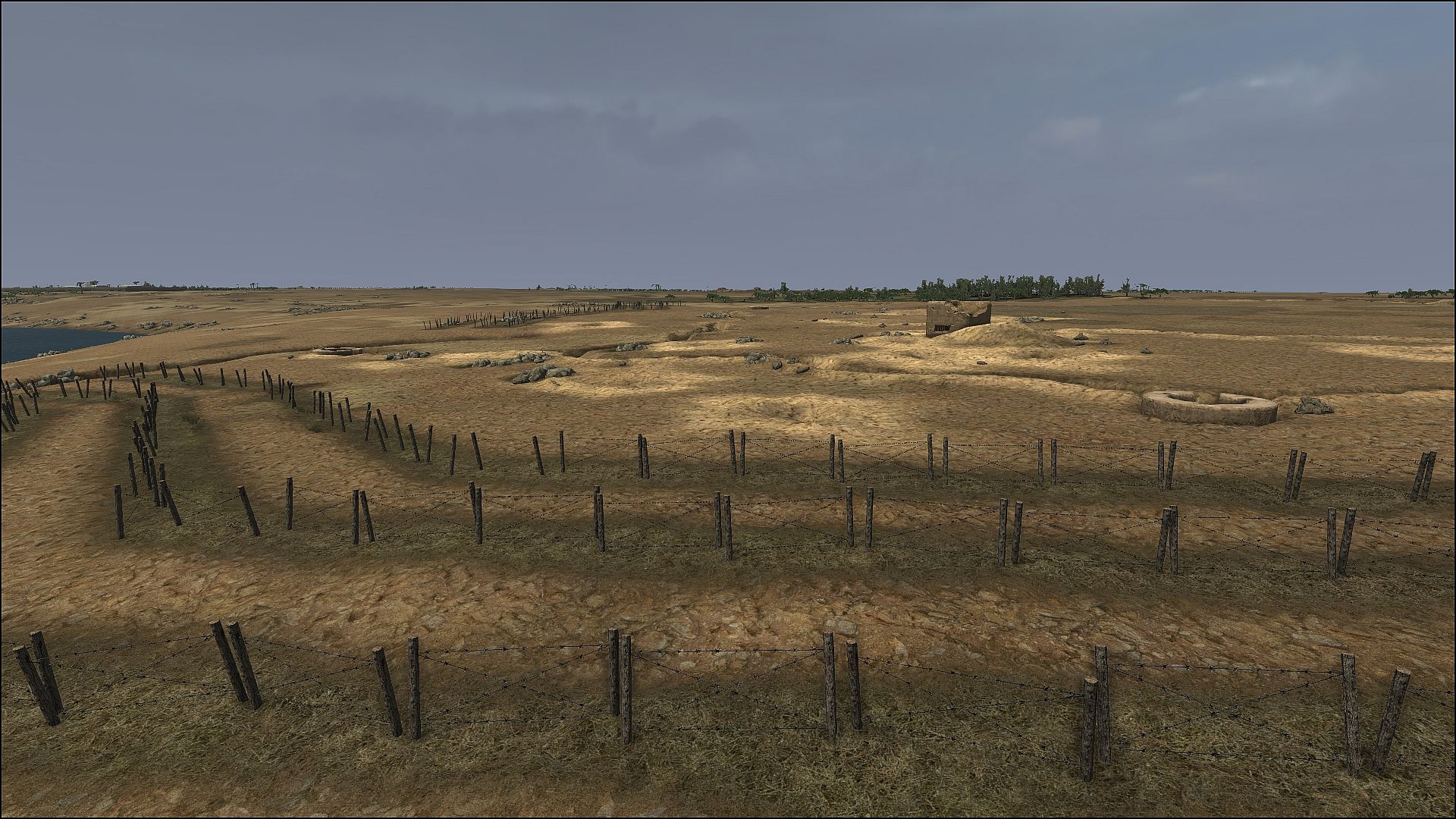
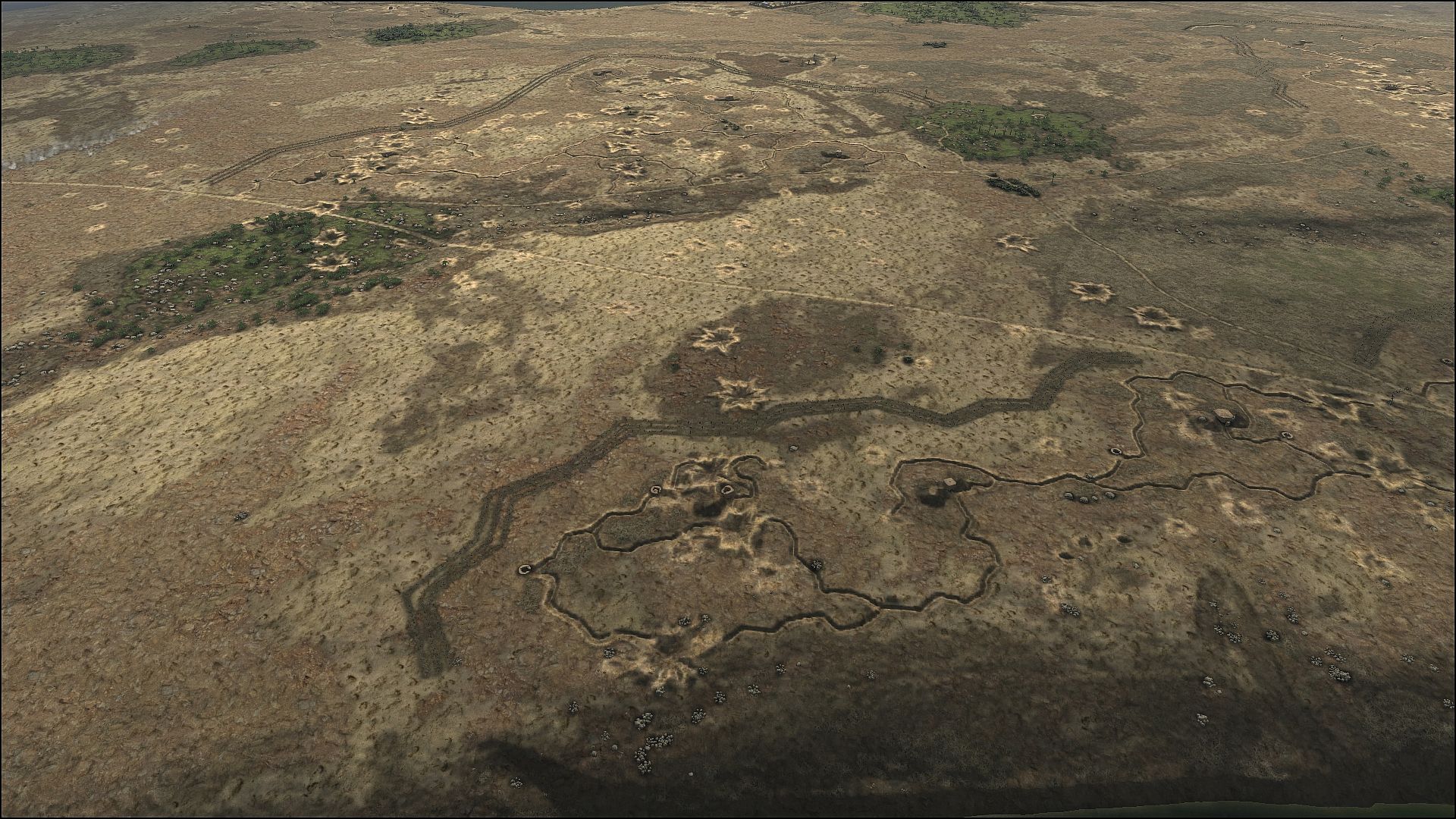
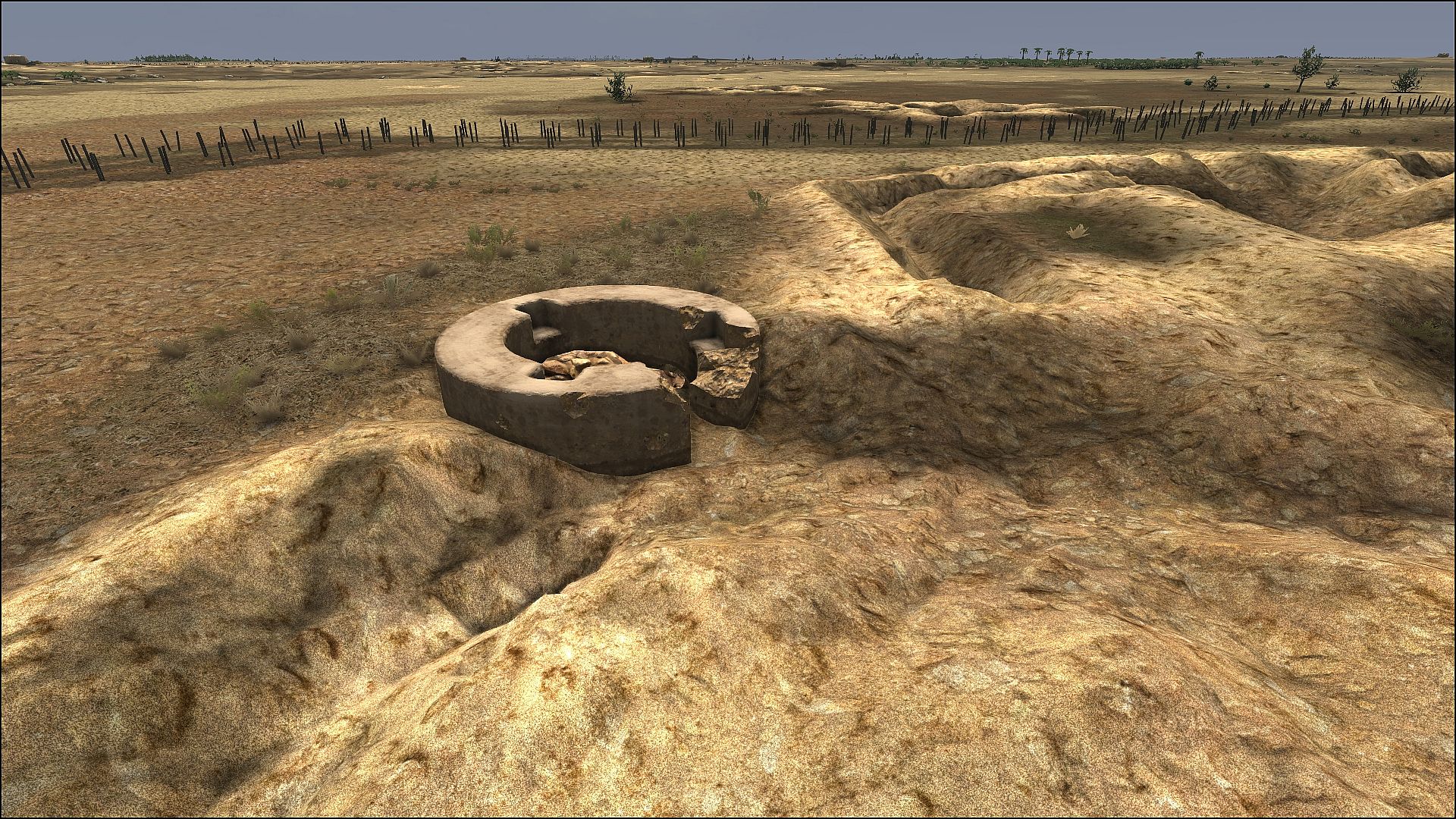
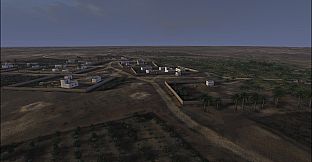
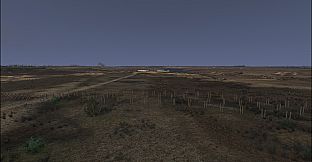
The map accurately reflects the coastal sector of the Mareth line fortifications, incorporating seashore approaches, fortified points, and the inland desert landscape shaped by recent rains. Players navigate the same constraints faced by the real 50th Royal Tank Regiment and supporting infantry, where rapid exploitation of bridgeheads depends on overcoming environmental obstacles before defensive reactions solidify. This setup rewards methodical planning over rapid advances, as the terrain and weather effects limit options for heavy equipment throughout the engagements.
Is It Worth Playing?
This title suits players interested in detailed tactical simulations of specific World War II engagements rather than broad campaigns or arcade-style action. The narrow focus on the Mareth Line operations delivers consistent depth through historical unit compositions and terrain interactions that affect every decision. Availability remains steady on PC platforms, with the content presented as a self-contained addition to the underlying simulation framework. Those who value precise recreation of 1943 North African fighting and the challenges of river crossings under fire will find the structure engaging across multiple play sessions of the two operations. The emphasis on verified organizational details and environmental mechanics provides a grounded experience without extraneous layers.