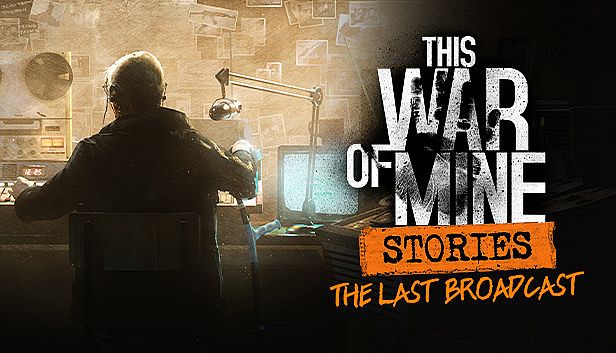





















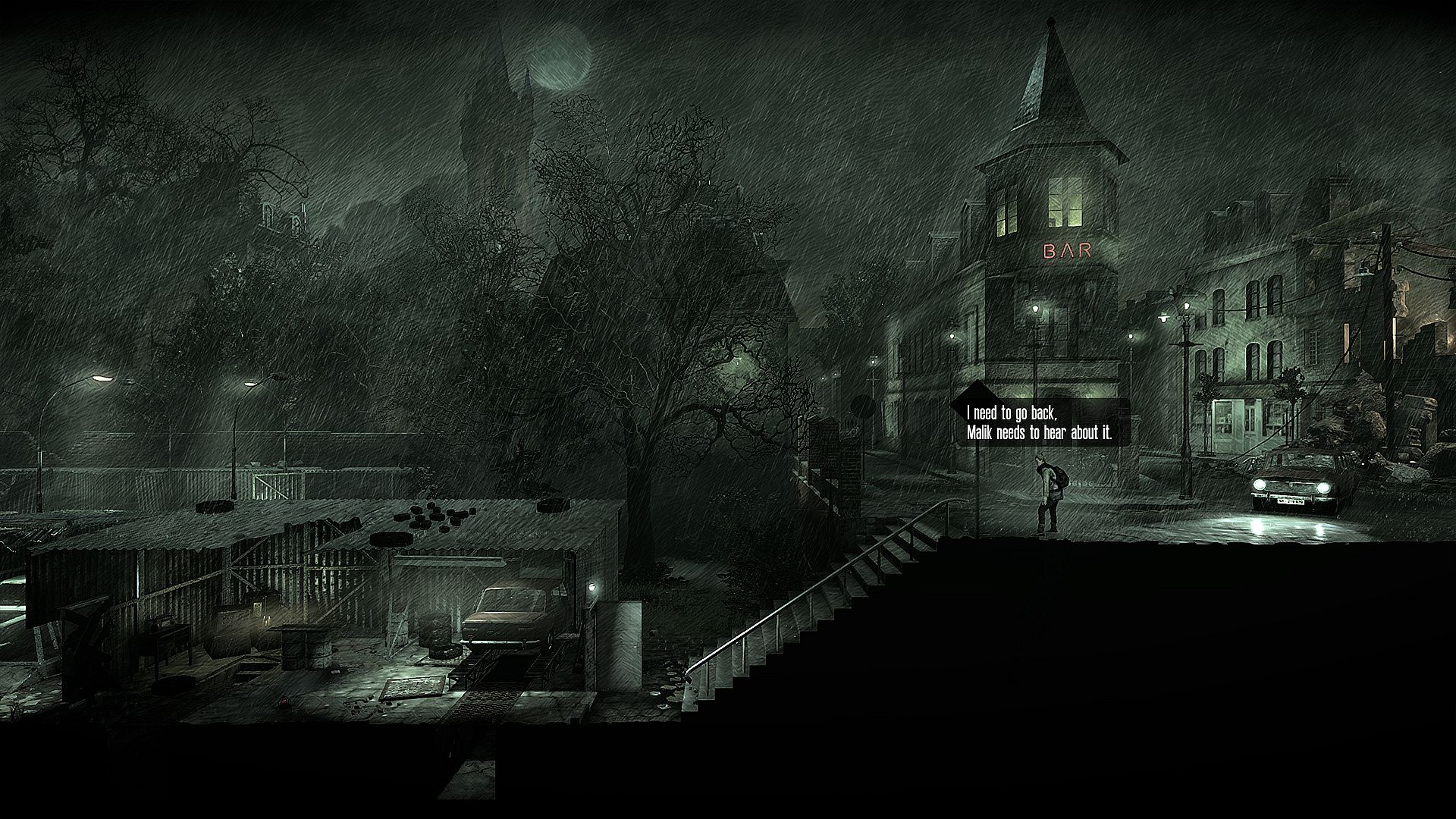
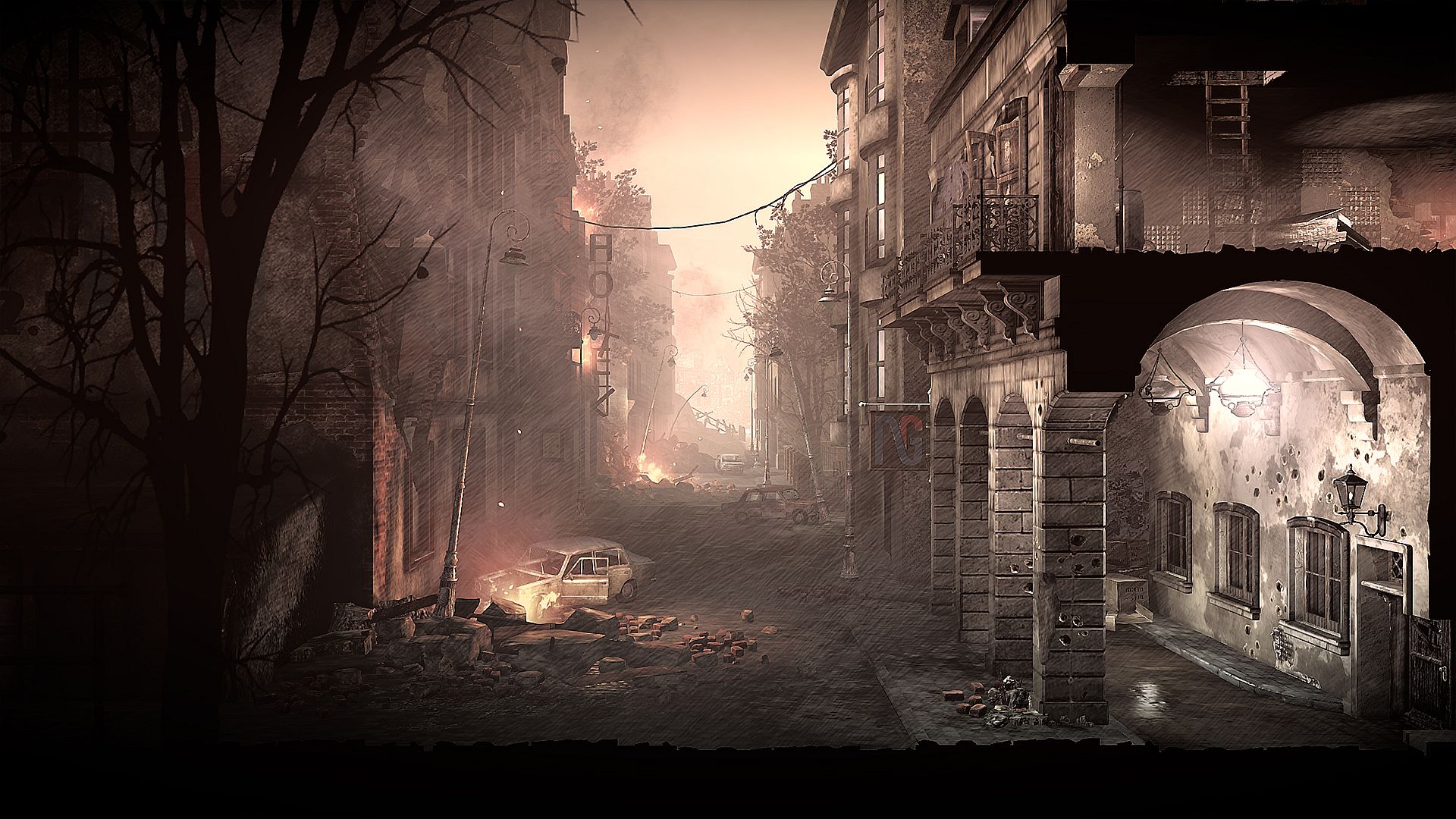
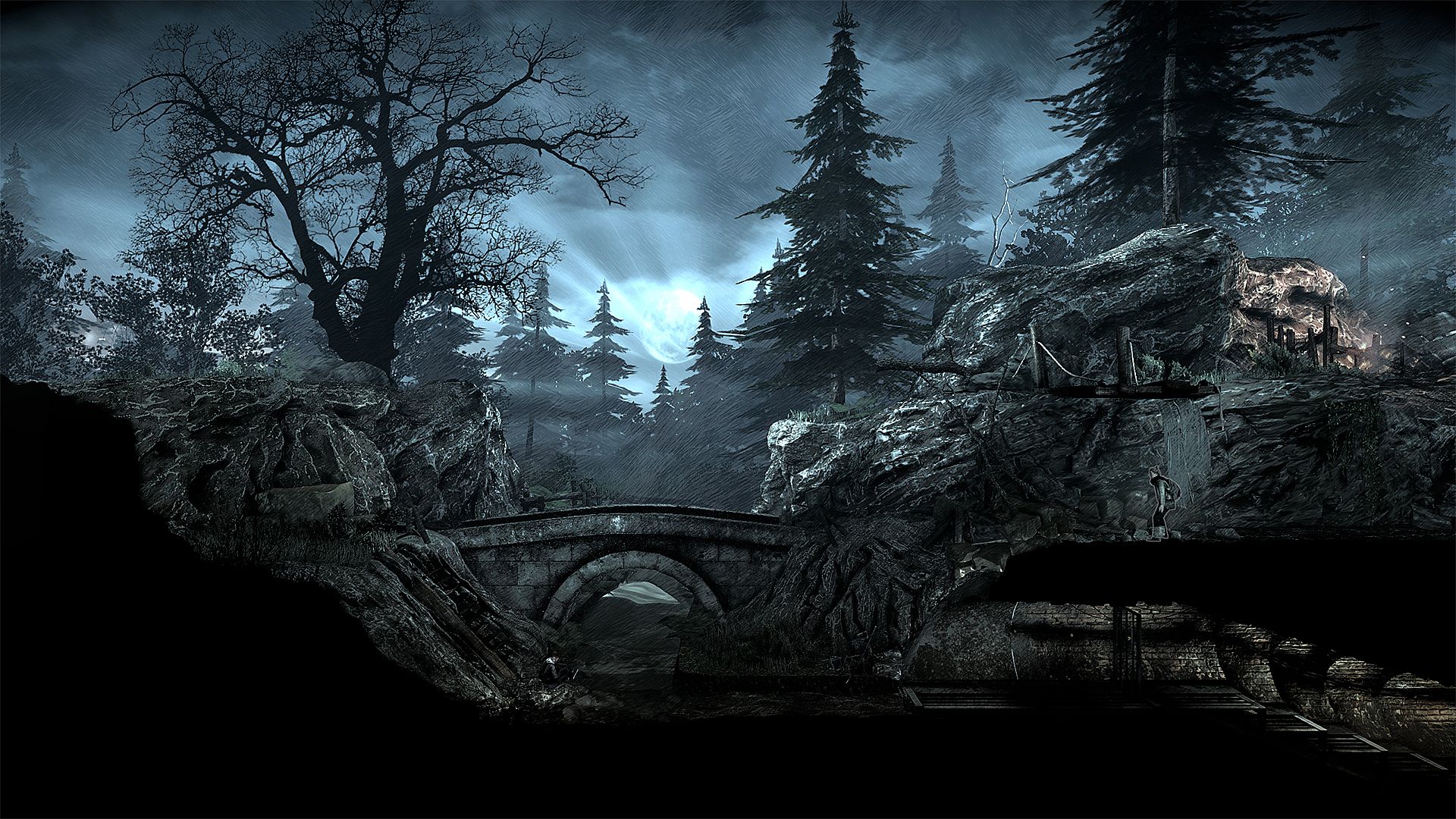
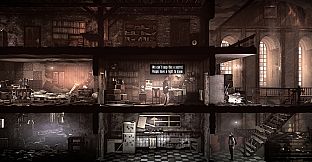
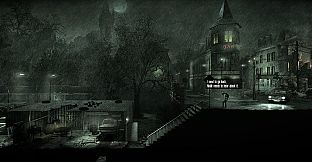
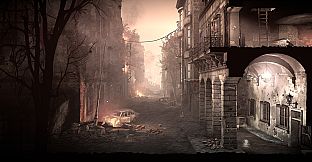
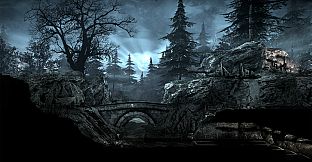
This War of Mine: Stories - The Last Broadcast (ep.2) stands as an indie simulation adventure title focused on survival and moral decision making in a besieged urban environment. Players assume control of a radio operator and his wife, balancing daily needs against the demands of broadcasting information during conflict. The experience centers on resource management, exploration of ruined districts, and the weight of choices that affect both personal safety and the wider community.
Gameplay
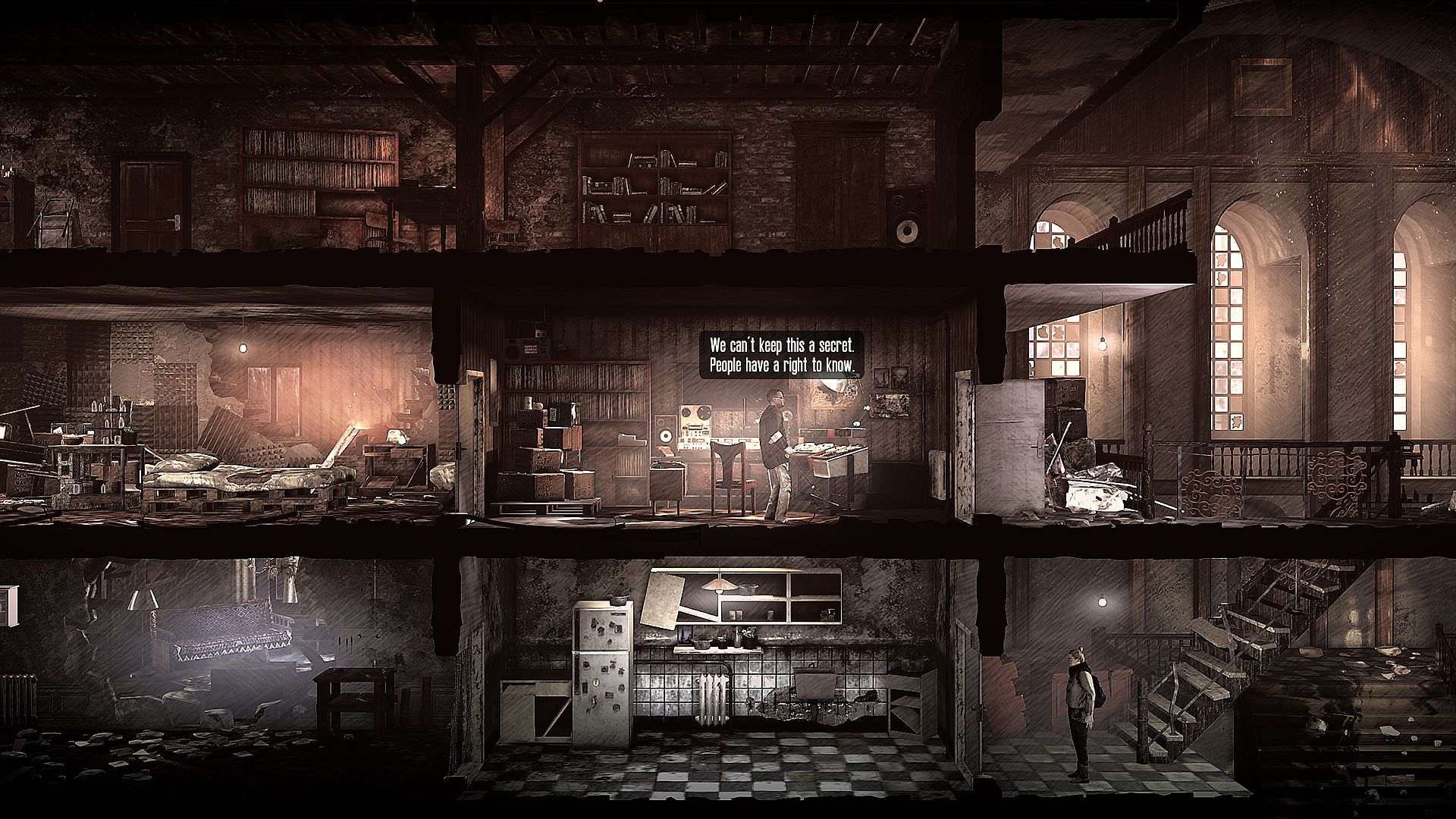
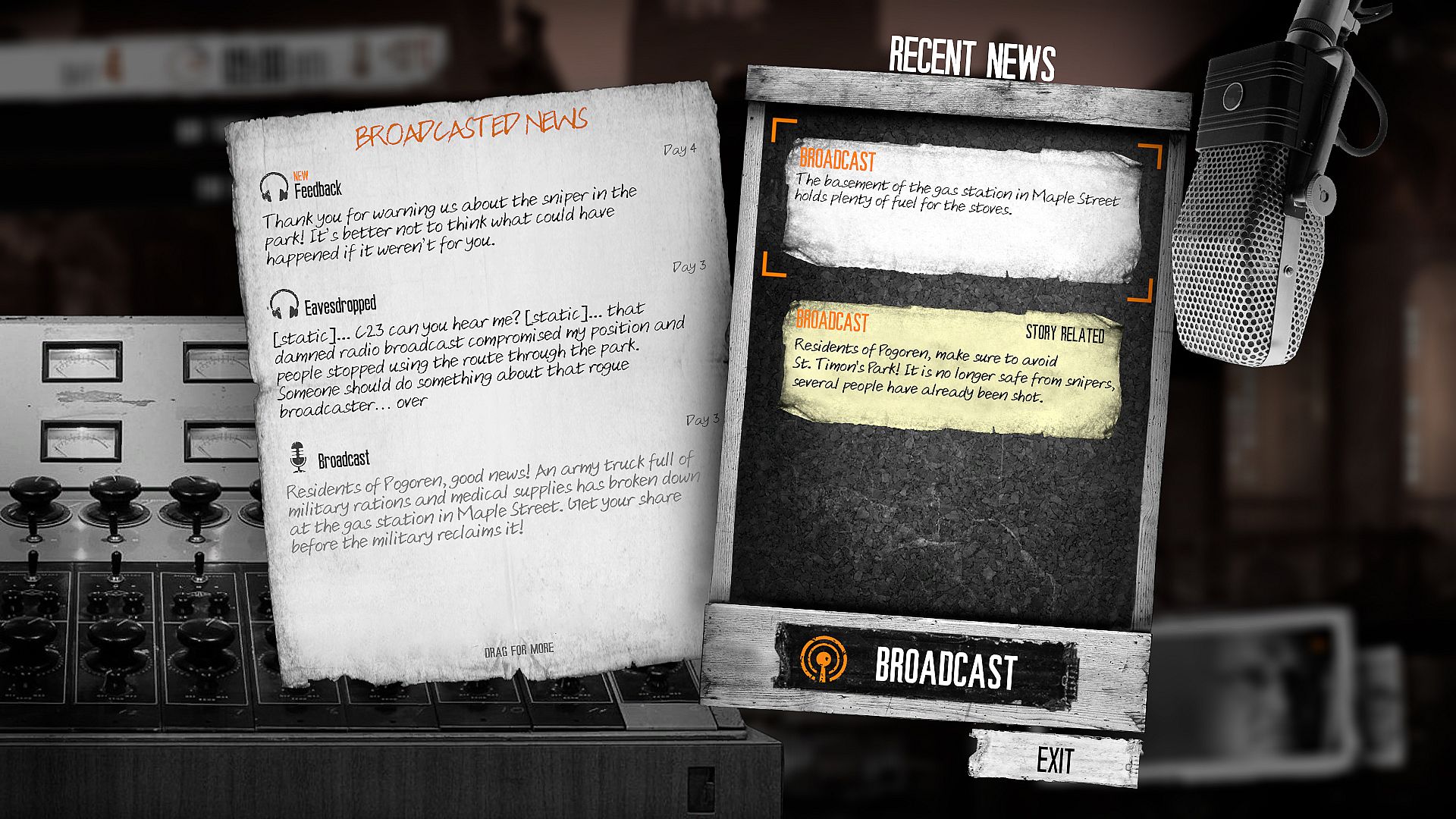
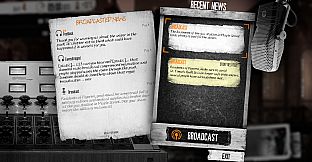
The core loop revolves around scavenging expeditions during daylight hours while maintaining a functional shelter at night. One character handles outdoor searches for food, medicine, and supplies, while the other remains behind to handle broadcasts and repairs. New radio mechanics allow transmission of gathered intelligence, but each report carries risks if sensitive details reach hostile ears. Investigating locations involves listening for clues, searching debris, and piecing together events that shape future broadcasts. These systems create tension between immediate survival needs and longer term consequences tied to what information reaches listeners.
Resource scarcity drives most actions. Food and fuel must be rationed carefully, and injuries or illness require treatment using limited medical items. The addition of reporting mechanics introduces a layer where decisions about accuracy versus safety directly influence incoming threats or aid. Shelter upgrades provide better protection and storage, yet they demand materials collected from dangerous outings. The overall pace alternates between quiet preparation periods and high stakes forays into contested areas.
Game Modes
The title operates as a single player narrative experience built around branching story paths rather than competitive or cooperative formats. Progression follows a non linear structure determined by choices made during investigations and broadcasts. Six distinct endings emerge depending on how much truth is shared versus withheld across the campaign. No separate multiplayer or challenge modes appear in the design, keeping focus on the personal story of the radio station and its operators.
Locations and Characters
Exploration covers eleven distinct sites in total, combining seven updated areas from earlier content with four entirely new districts. Each location presents unique risks and opportunities for gathering intelligence or supplies. The central shelter serves as the hub where characters rest, craft items, and prepare transmissions. Two primary playable figures drive the action: the radio host who handles on air decisions and his partner who conducts field work. Supporting figures appear through encounters, each reacting to the content of broadcasts in ways that alter available options later.
New dilemma systems force repeated evaluations of whether to report verified facts or soften details to avoid retaliation. These moments integrate directly with the radio mechanics, turning every outing into potential source material for the next broadcast. The result is a tightly focused loop where exploration feeds directly into narrative consequences.
Is It Worth Playing?
Reception for the episode sits at mixed levels, with roughly 68 percent of user reviews rating it positively. Those who appreciate story heavy survival games with ethical weight tend to find the radio focused mechanics and multiple endings rewarding. The constrained scope compared to broader campaigns means shorter overall playtime, yet the depth in choice consequences provides replay value for those interested in seeing alternate outcomes.
The title suits players drawn to deliberate pacing, resource juggling, and decisions that feel consequential without requiring fast reflexes. Availability on PC keeps the barrier low for anyone already familiar with similar management titles. Current support remains limited to the original release without ongoing seasonal content or major patches noted in recent years. For audiences seeking a focused tale about information and survival in wartime, the experience delivers on its premise through verified mechanics and branching narrative structure. Those preferring open ended sandbox elements or larger scale conflicts may find the tighter scope less engaging.