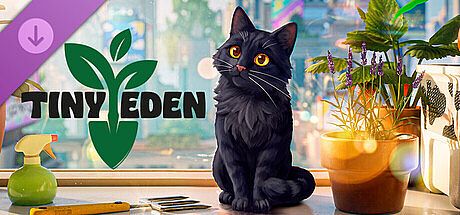



Tiny Eden is an indie casual simulation game that places players in a first-person perspective inside a compact apartment high above a futuristic megacity. The core experience revolves around transforming limited indoor space into a productive urban garden through careful plant care, resource management, and gradual expansion.
Gameplay
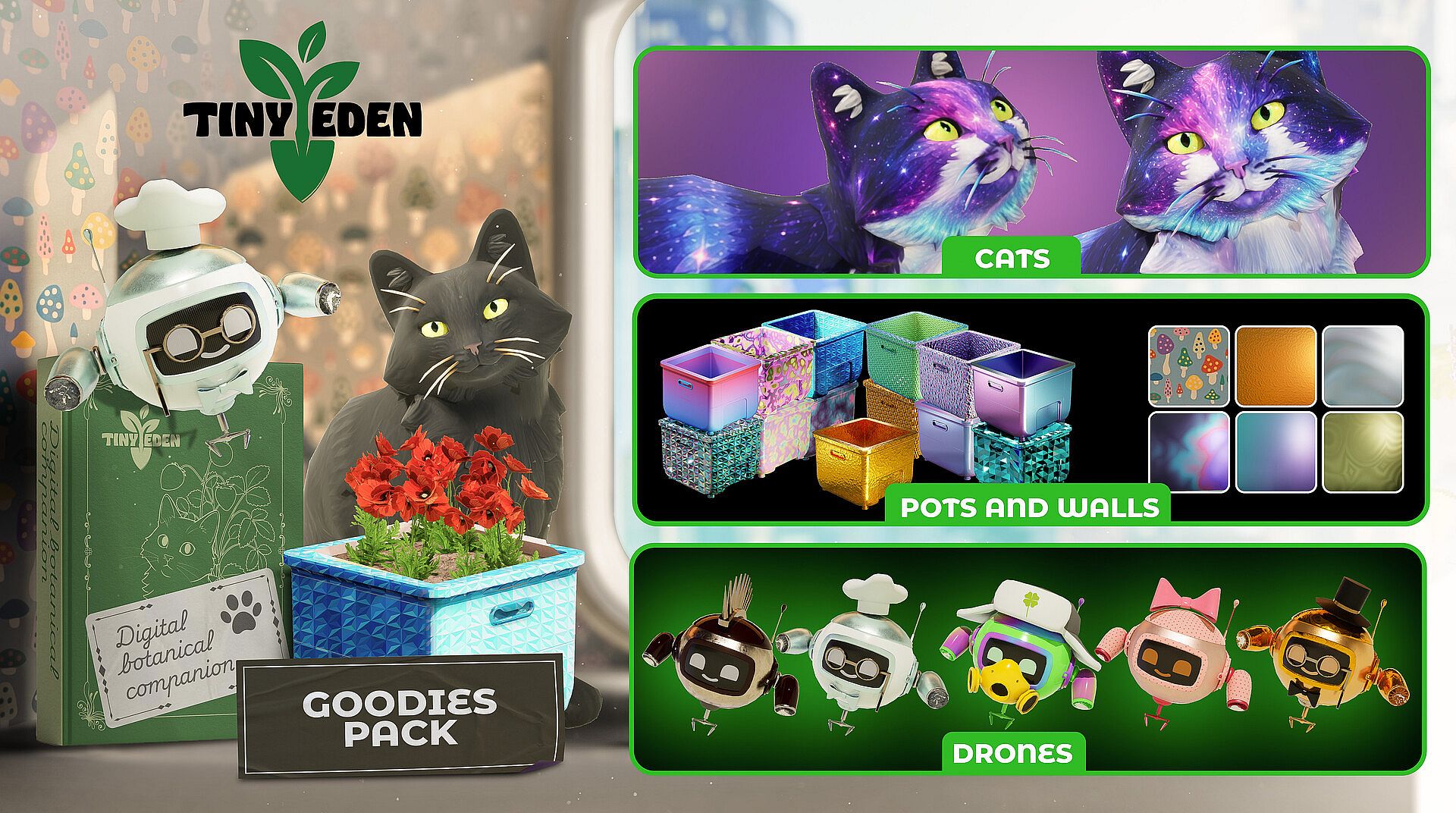
Players begin with a few pots and basic seeds in a sparse apartment. Growth involves realistic mechanics such as mixing soil with specific nutrient ratios, monitoring light and temperature conditions across different rooms and balconies, and handling daily tasks like watering and weeding. Harvested produce moves into a kitchen loop where it becomes cooked dishes for sale or personal use. Earnings fund new equipment, furniture, and room unlocks that increase capacity without enlarging the overall footprint. Automation options appear later through drone helpers that assist with routine chores. The first-person view emphasizes tactile interactions, from rotating pots for optimal sunlight to inspecting individual plants for issues. Progression feels steady rather than rushed, with an emphasis on observation and incremental improvements to the indoor environment.
Game Modes
Tiny Eden operates as a single-player sandbox simulation. There are no multiplayer or co-op options at launch. The structure combines freeform gardening and decoration with optional story-driven quests that introduce neighbors and building elements. Players set their own pace, choosing between relaxed plant tending or more focused efficiency in production and sales. A full campaign thread exists alongside open-ended sandbox play, allowing experimentation with plant varieties and apartment layouts without strict time limits or failure states.
Progression and Features
Expansion happens vertically within the building, moving from initial windowsills to additional rooms and eventually a rooftop area. Around forty plant species appear across the full release, each with distinct growth requirements and companion planting considerations. Cooking recipes tie harvested items into sellable goods, creating an economy loop that supports further customization. Environmental details like room-specific conditions add depth to placement decisions. The game launched as a complete release without early access, and post-launch plans include additional content through updates.
Is It Worth Playing?
Reviews since the September 7, 2026 launch sit in the mostly positive range, with players appreciating the focused indoor setting and detailed gardening systems. It suits those who enjoy methodical, relaxing simulation gameplay over fast-paced action or social features. The single-player format delivers a self-contained experience centered on personal garden building and apartment personalization. New players can test the loop through the available demo before committing. For fans of cozy, detail-oriented sims that reward patience and observation, the game provides a distinctive urban twist on the genre with ongoing support expected after launch.