














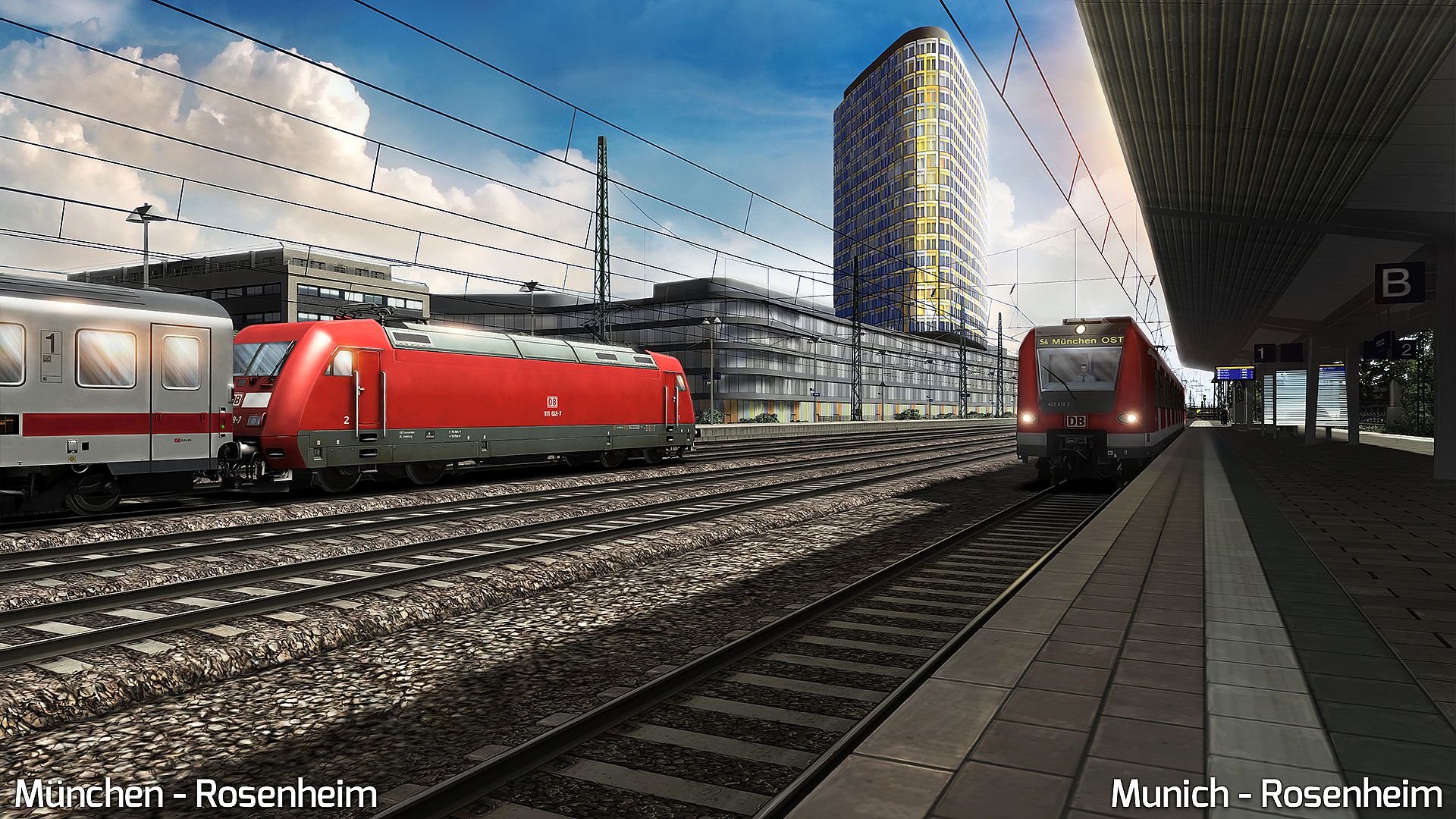
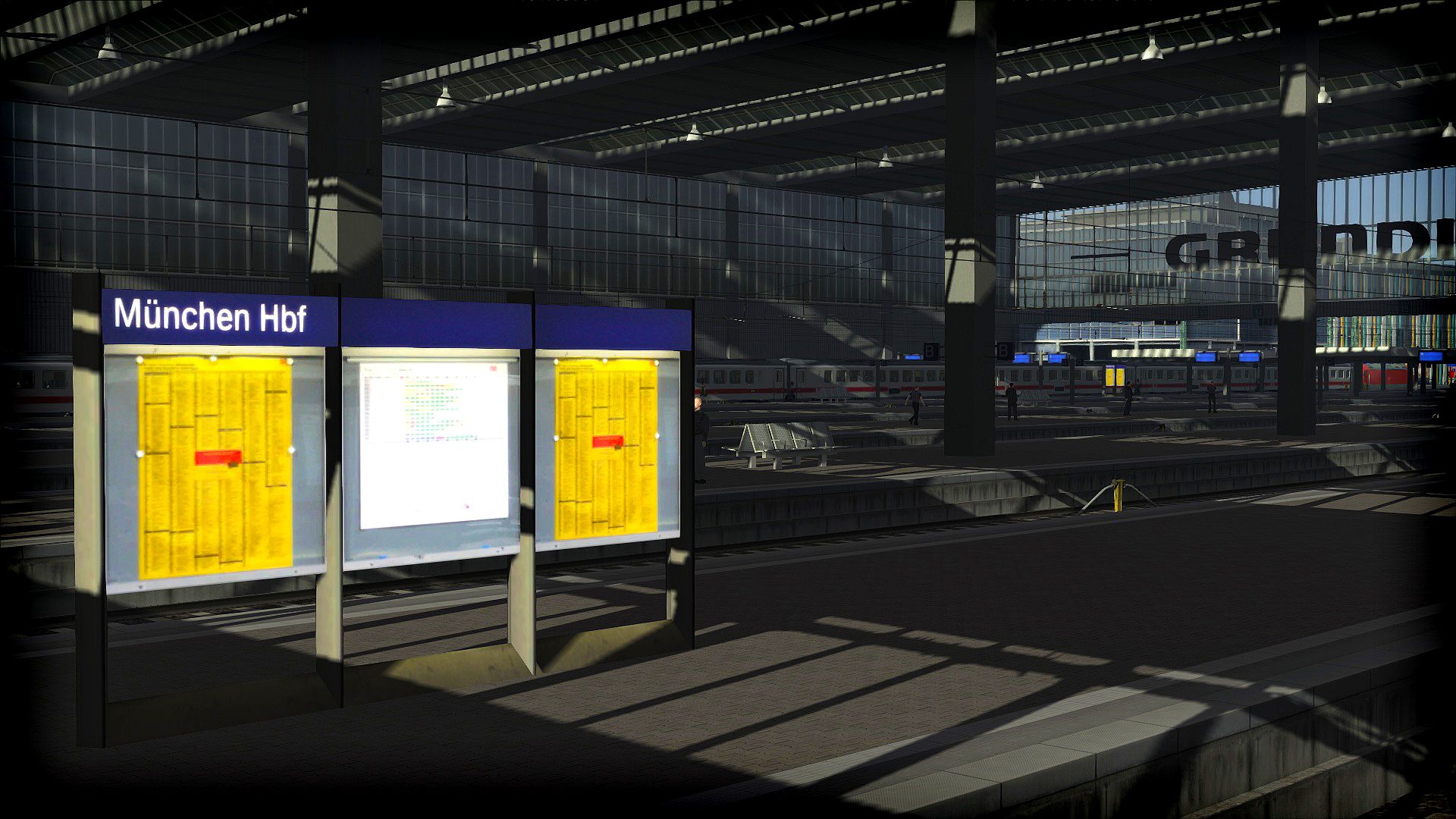
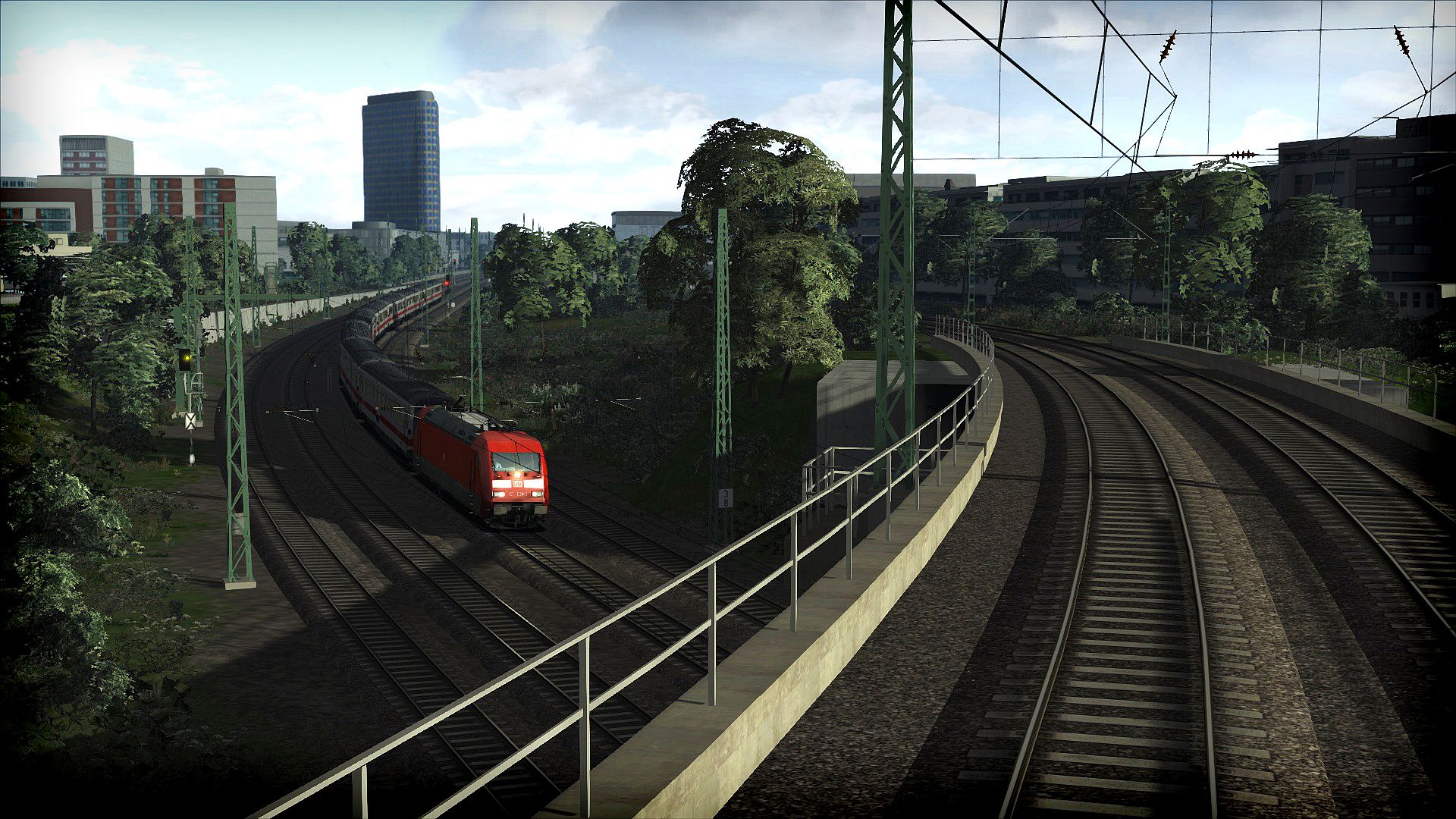
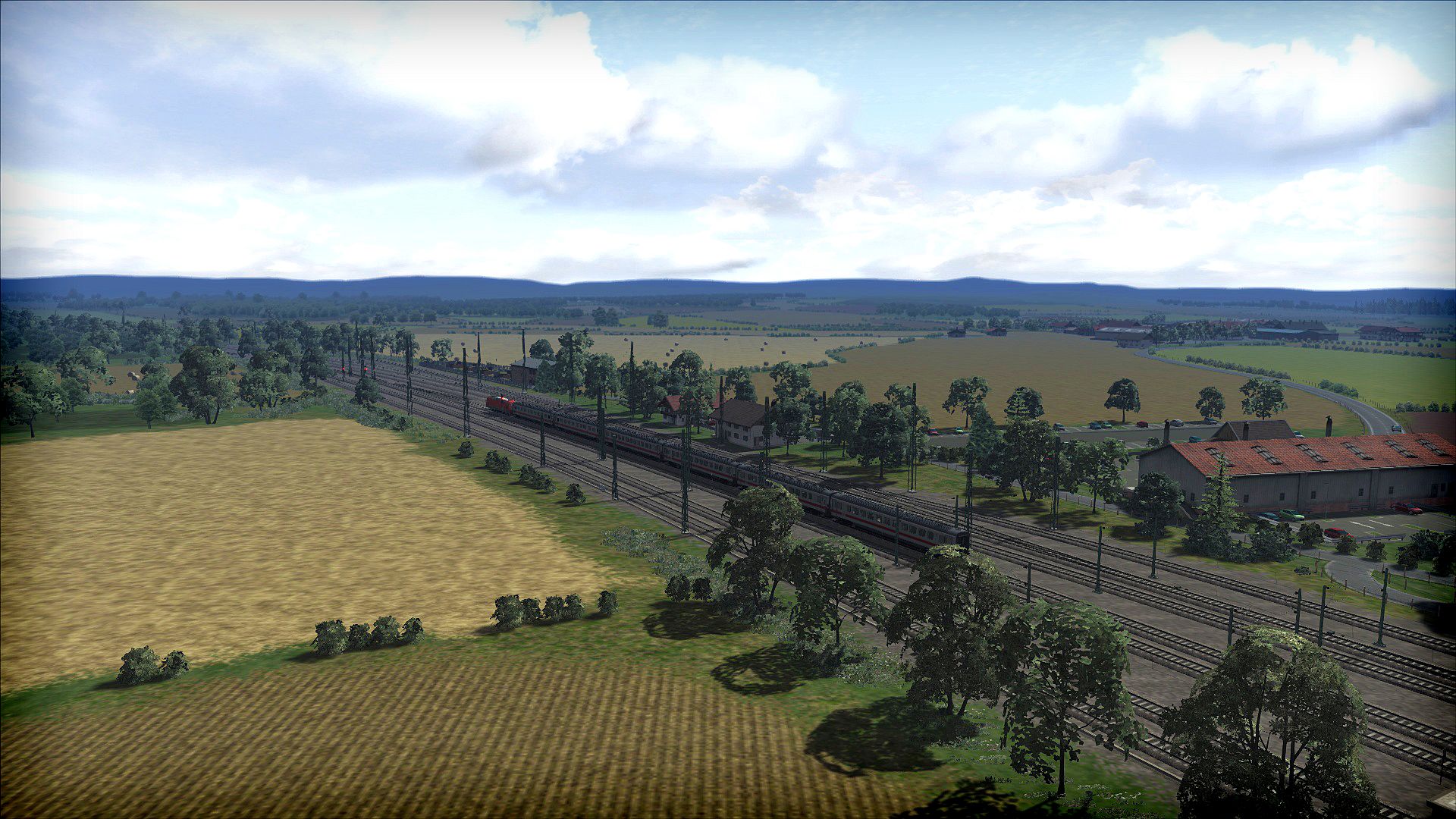
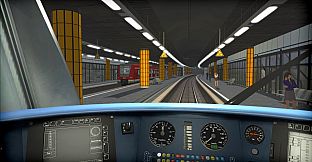
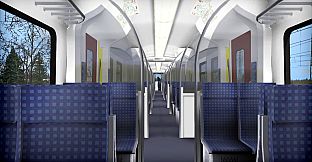
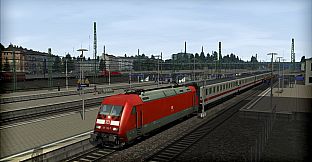
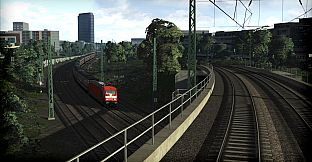
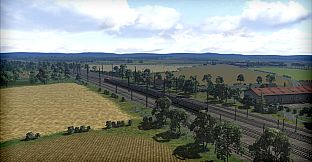
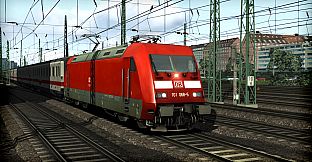
Train Simulator: Munich - Rosenheim Route Add-On is a simulation title for PC that adds a detailed 64km section of railway to the core Train Simulator experience. Players take control of authentic German trains along a line that links Munich with Rosenheim and extends toward the Austrian border. The add-on emphasizes realistic operations through urban stretches near Munich and open countryside further south, with services that include both local S-Bahn runs and longer express passenger duties.
Gameplay
The core loop centers on operating trains according to timetable rules and safety protocols. Drivers handle acceleration, braking, and speed management while responding to trackside signals and in-cab systems. The route mixes four-track sections out of Munich Ost with two-track alignments that curve through varied terrain, requiring attention to gradients and track curvature on the southern portion. Night lighting and environmental details help create consistent conditions across different times of day.
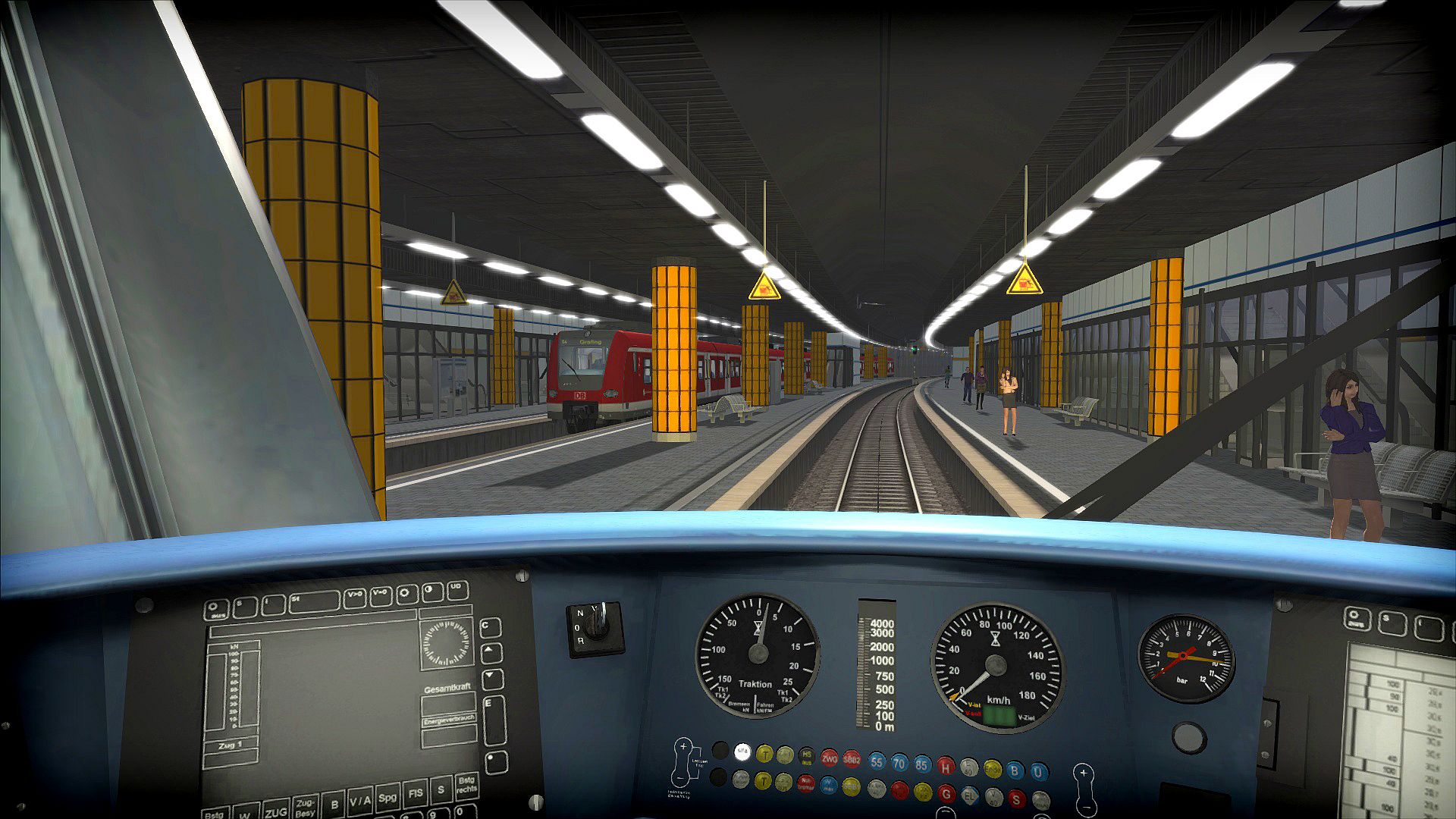
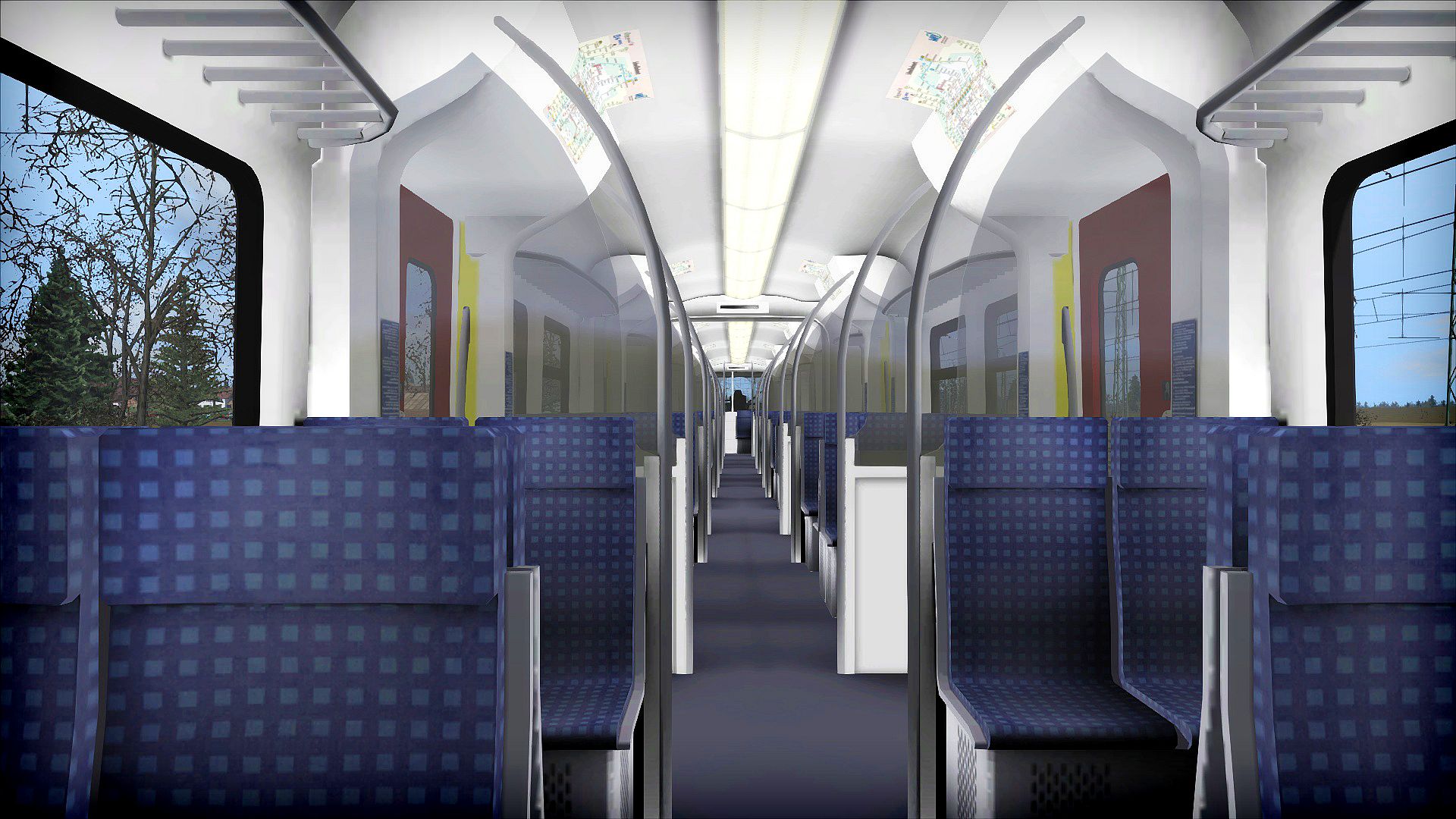
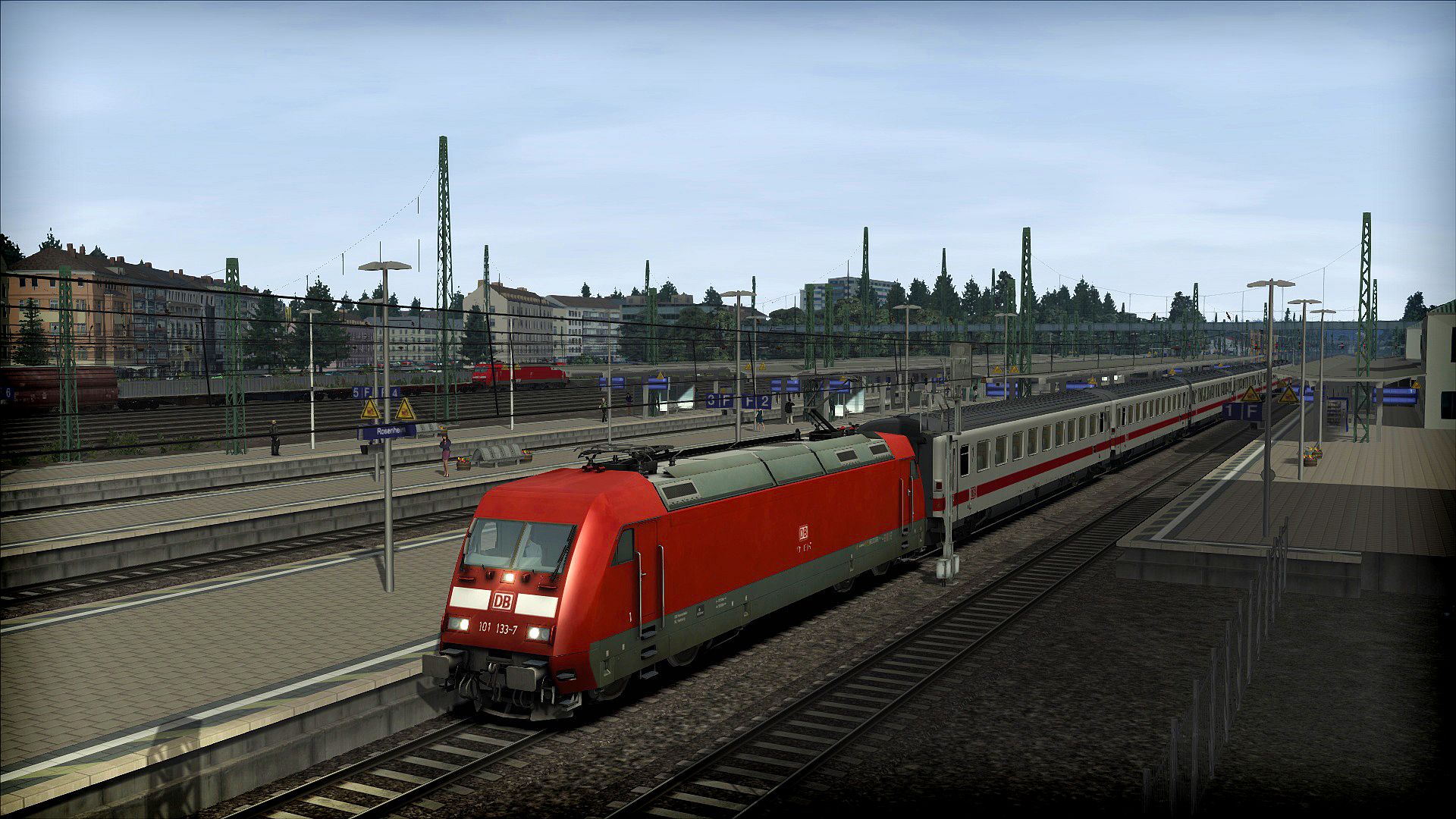
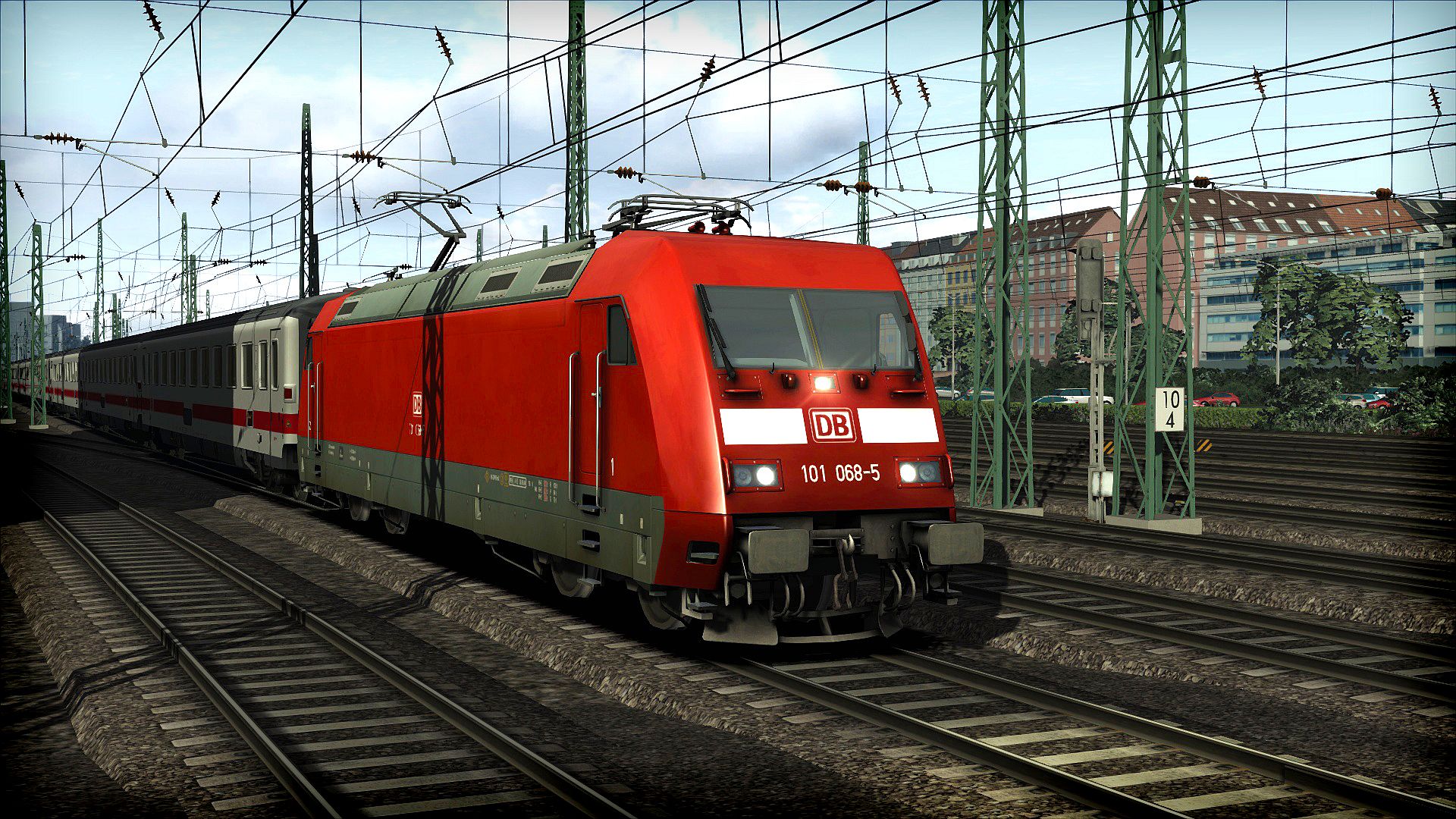
Two primary locomotives are included. The DB BR 423 multiple unit handles S-Bahn services with frequent stops and shorter consists. The DB BR 101 locomotive pulls RE passenger stock for main-line express runs that cover longer distances at higher speeds. Both vehicles feature accurate cab interfaces and performance characteristics drawn from their real-world counterparts.
Game Modes
Seven included scenarios provide structured sessions that test different aspects of route operation. Morning Run focuses on early services with lighter traffic. Rush Hour Challenger places the player in peak-period conditions with tighter schedules. Haven't the Foggiest introduces reduced visibility. Going Underground covers tunnel sections. Morning Haze and Southbound S-Bahn emphasize regional services, while S-Bahn Run concentrates on the local multiple-unit duties. Quick Drive mode allows free selection of trains, times, and weather for unstructured practice or exploration.
Additional scenarios can be added through community contributions that integrate directly into the game interface, extending playtime without altering the base route or vehicles.
The Munich to Rosenheim Line
Construction of the line began in the 1860s as a single-track connection and was later doubled to serve as a primary corridor between Germany and Austria. The route carried heavy traffic in the early twentieth century before wartime constraints reduced operations. Modern usage includes both regional and long-distance services that connect Munich with destinations further east and south. The 64km segment recreated here captures the transition from dense urban approaches around Munich to rural landscapes approaching Rosenheim, with Grafing Bahnhof serving as an intermediate hub for S-Bahn connections.
Signaling and Safety Systems
German signaling and protection equipment is fully implemented. SIFA provides driver vigilance monitoring. PZB and LZB systems enforce speed restrictions and automatic braking when limits are exceeded. AFB train power control assists with consistent acceleration and energy management. These systems require players to follow correct procedures during both normal running and emergency situations, adding procedural depth to every journey.
Is It Worth Playing?
This add-on suits players who enjoy methodical, systems-driven train operation rather than fast-paced action. The combination of included locomotives, signaling fidelity, and scenario variety supports repeated playthroughs focused on precision and timetable adherence. Those already familiar with the base Train Simulator will find the route a worthwhile expansion for its balance of urban and rural scenery plus the challenge of authentic German safety protocols. Newcomers may prefer to start with the core game before adding route-specific content. The simulation remains supported through ongoing community scenario creation, keeping the experience active for dedicated users.