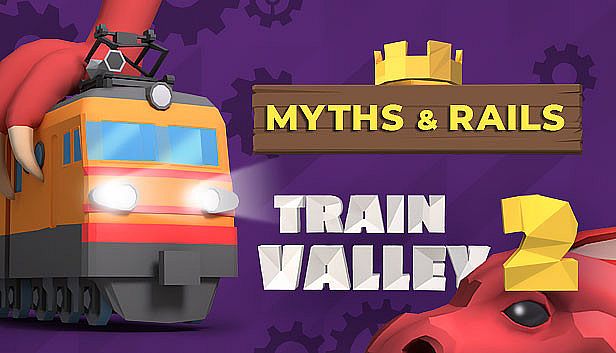























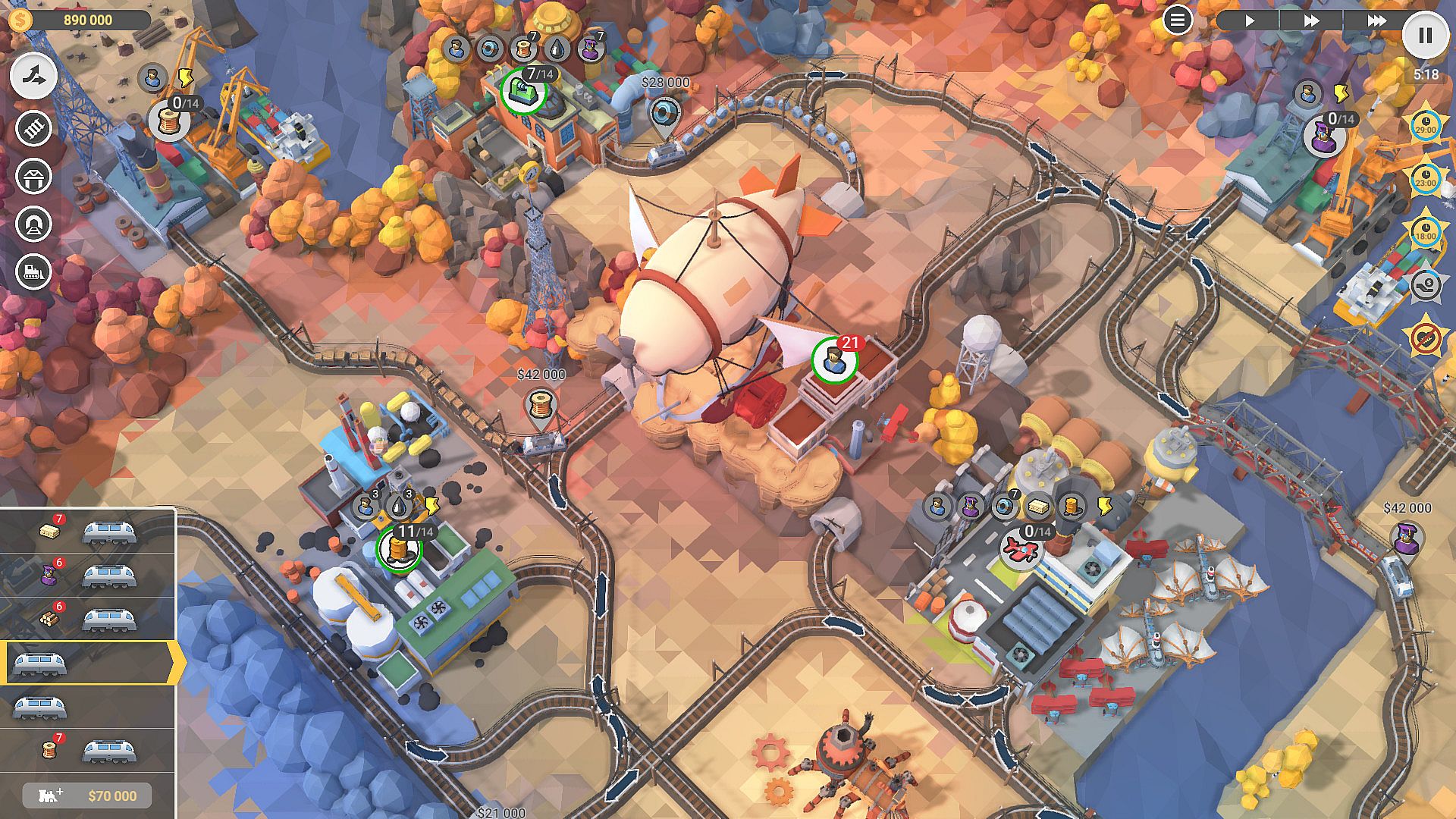
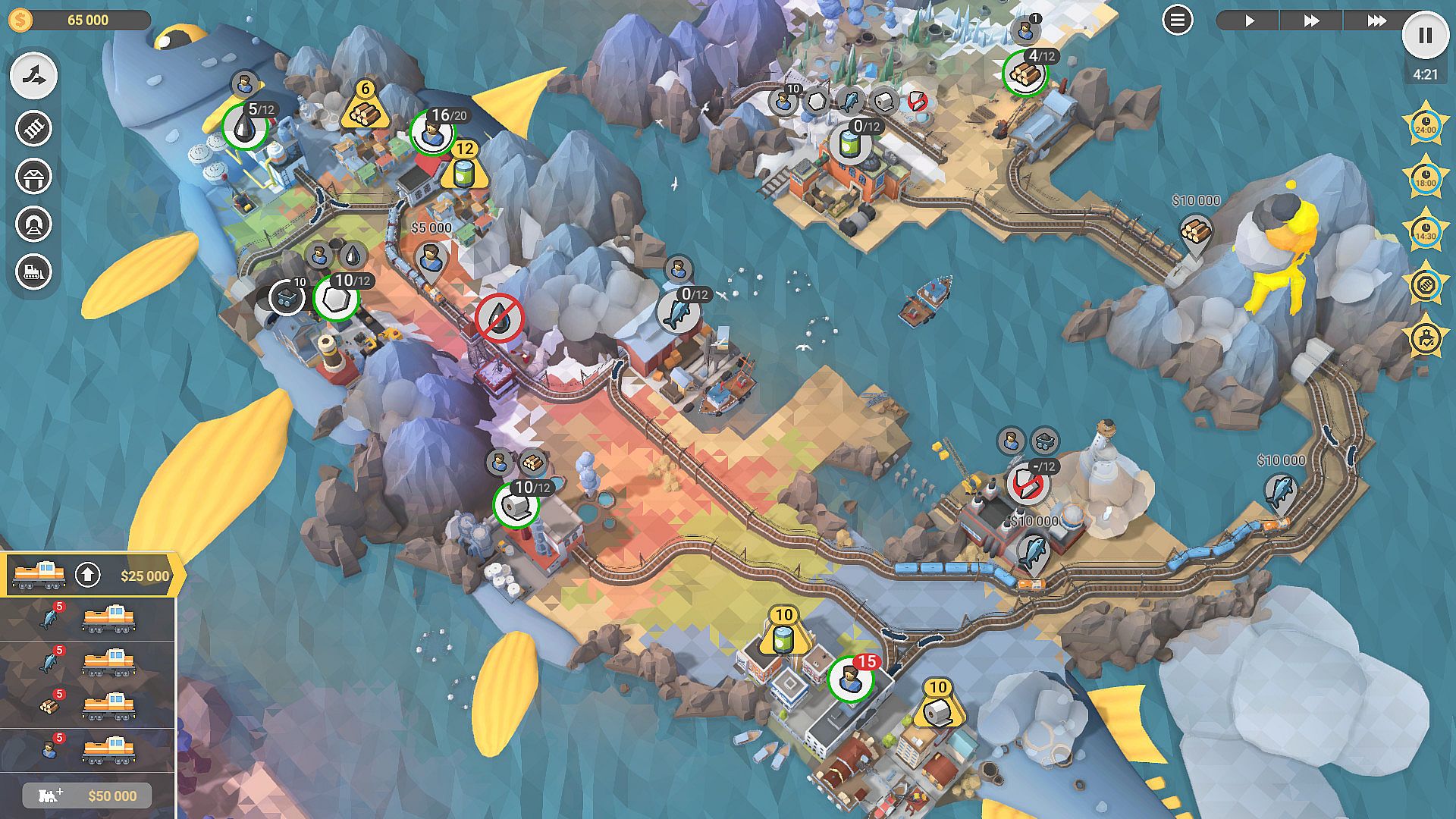
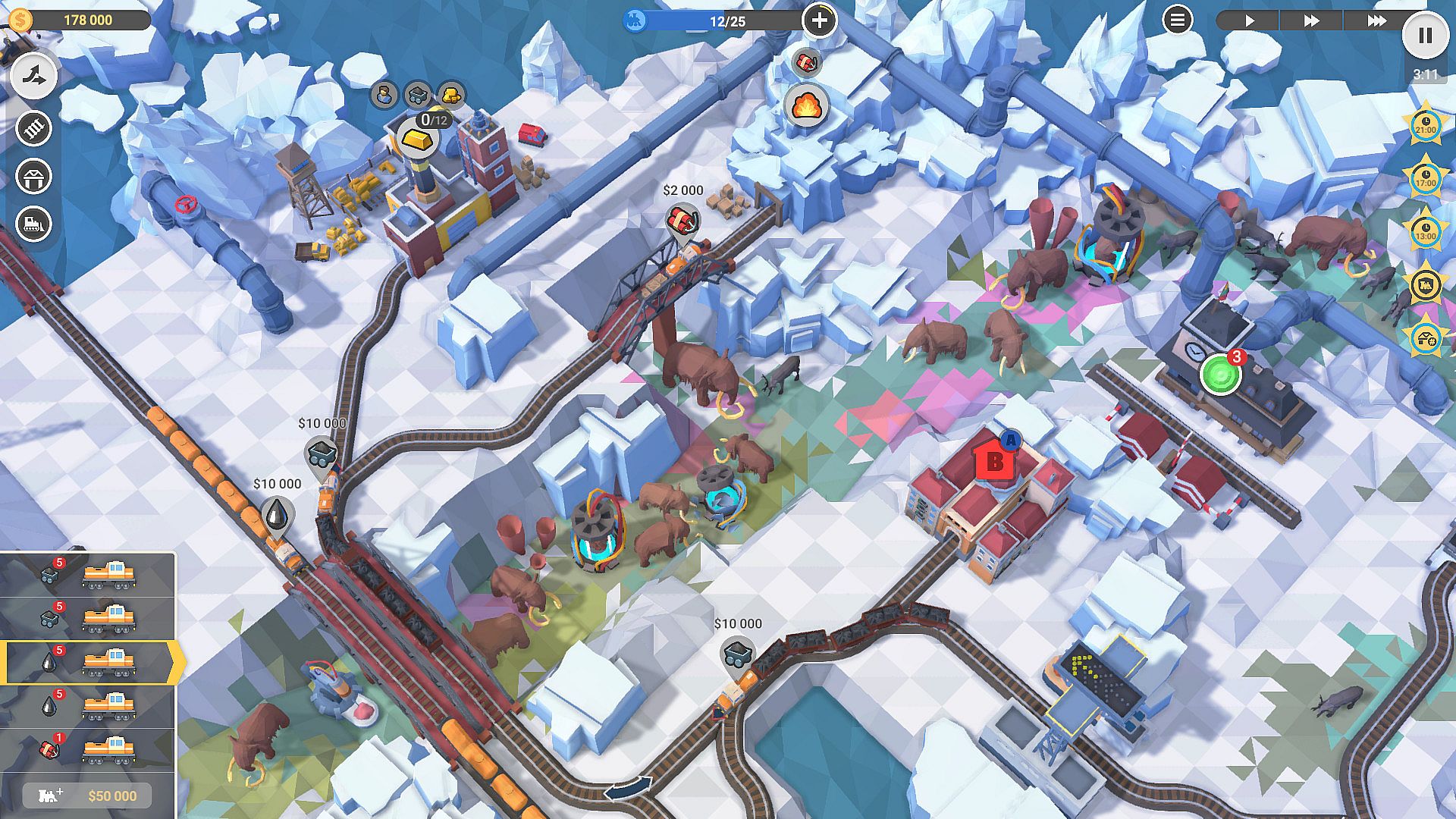
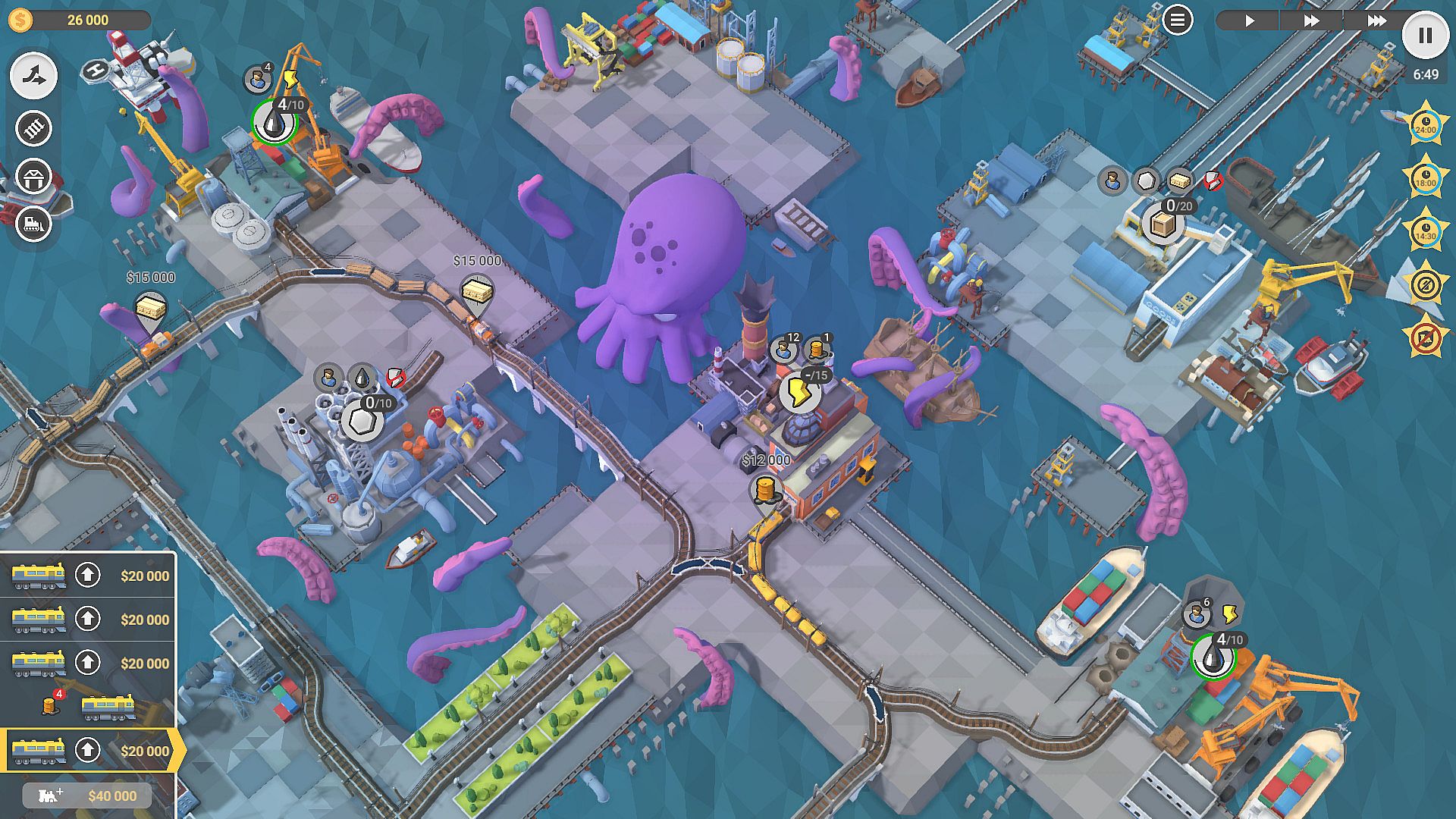
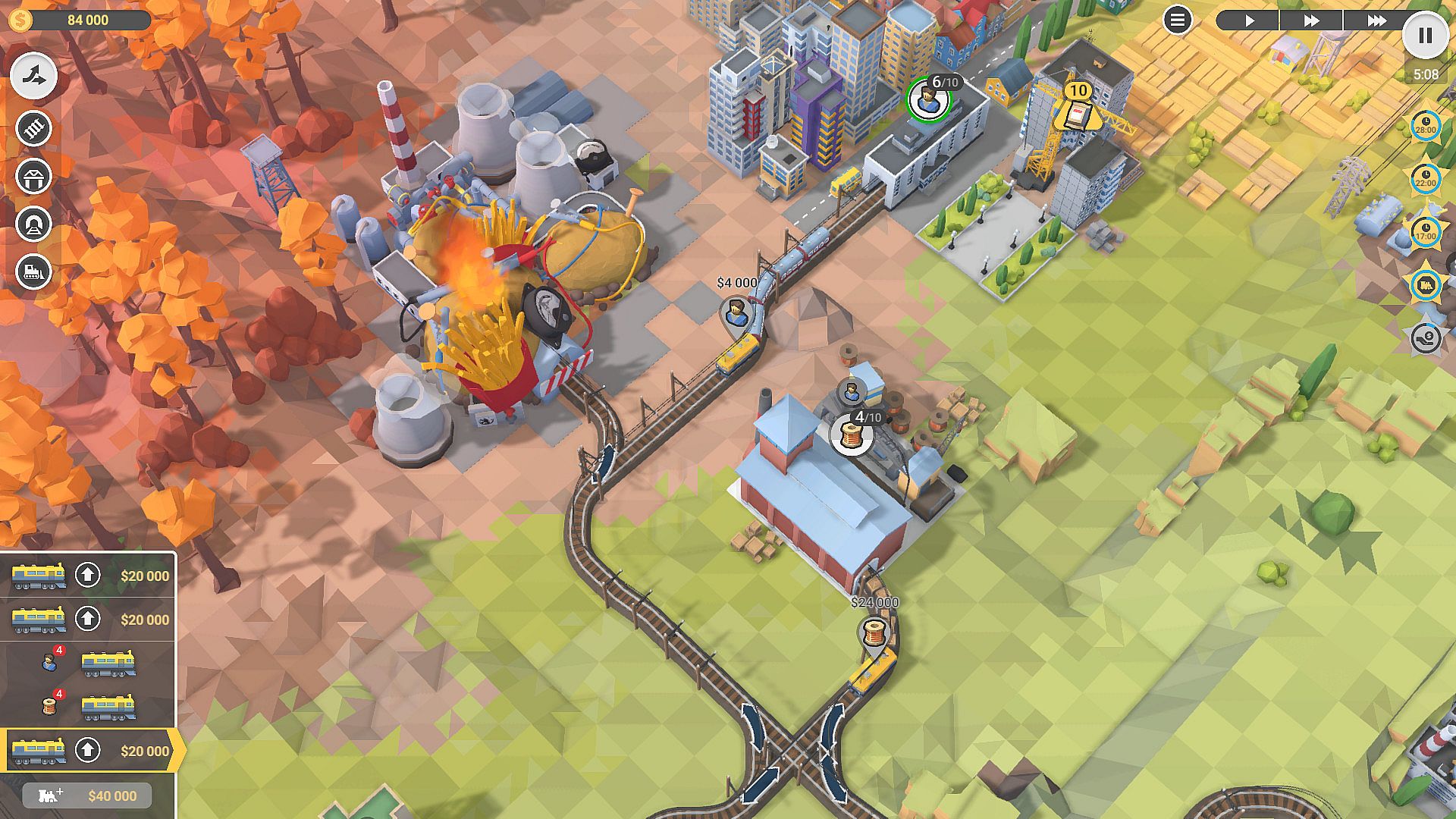
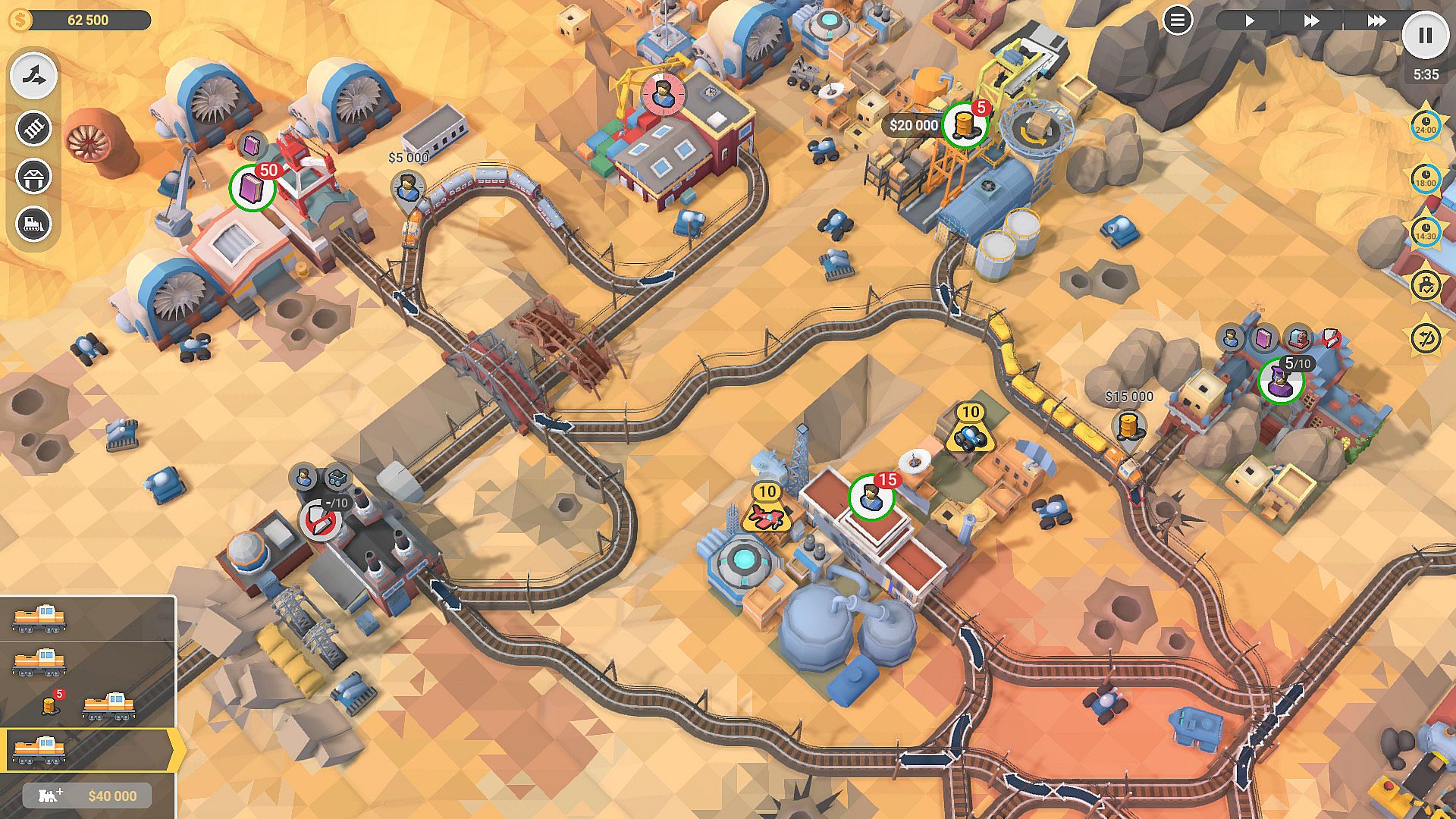
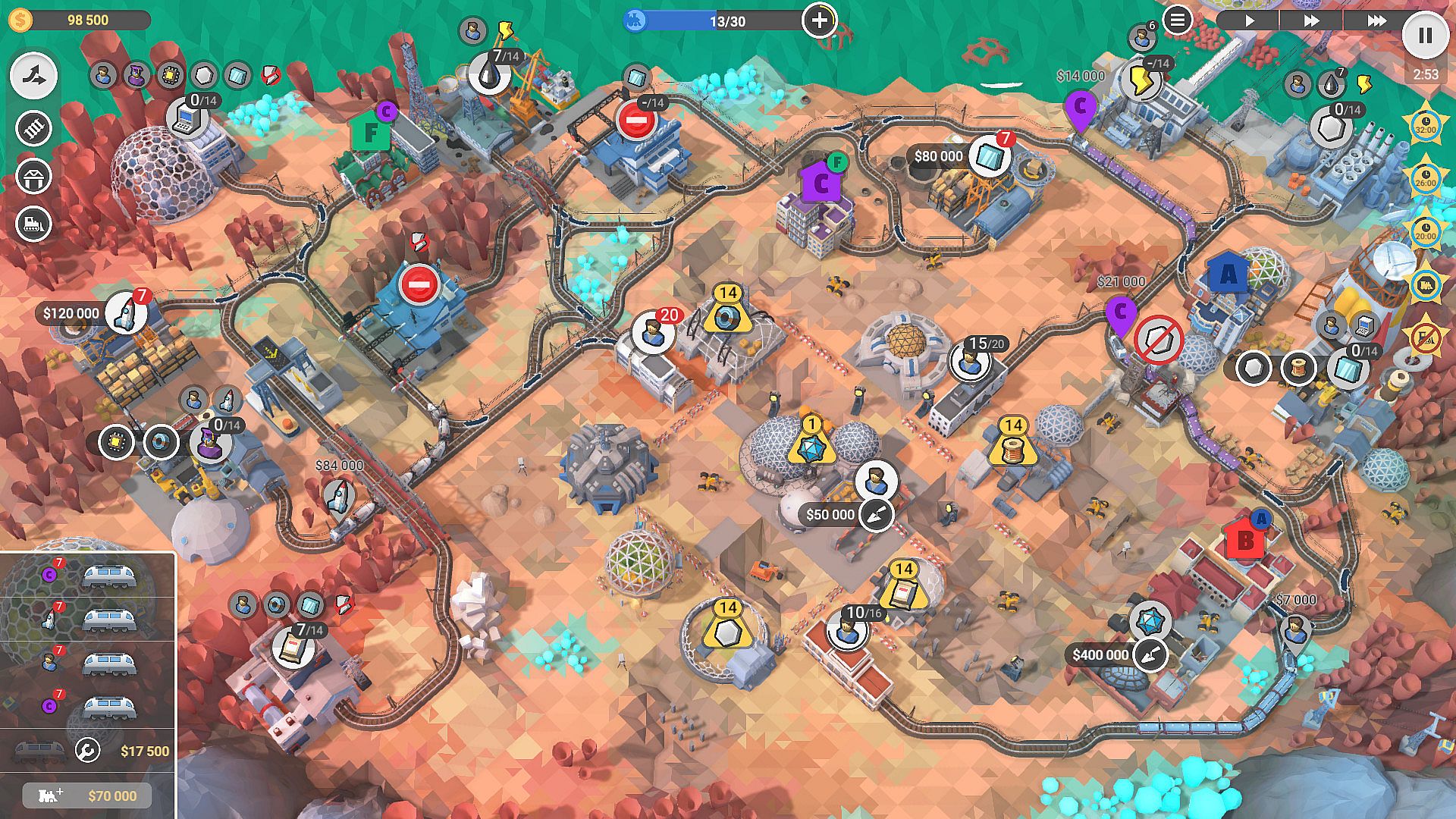
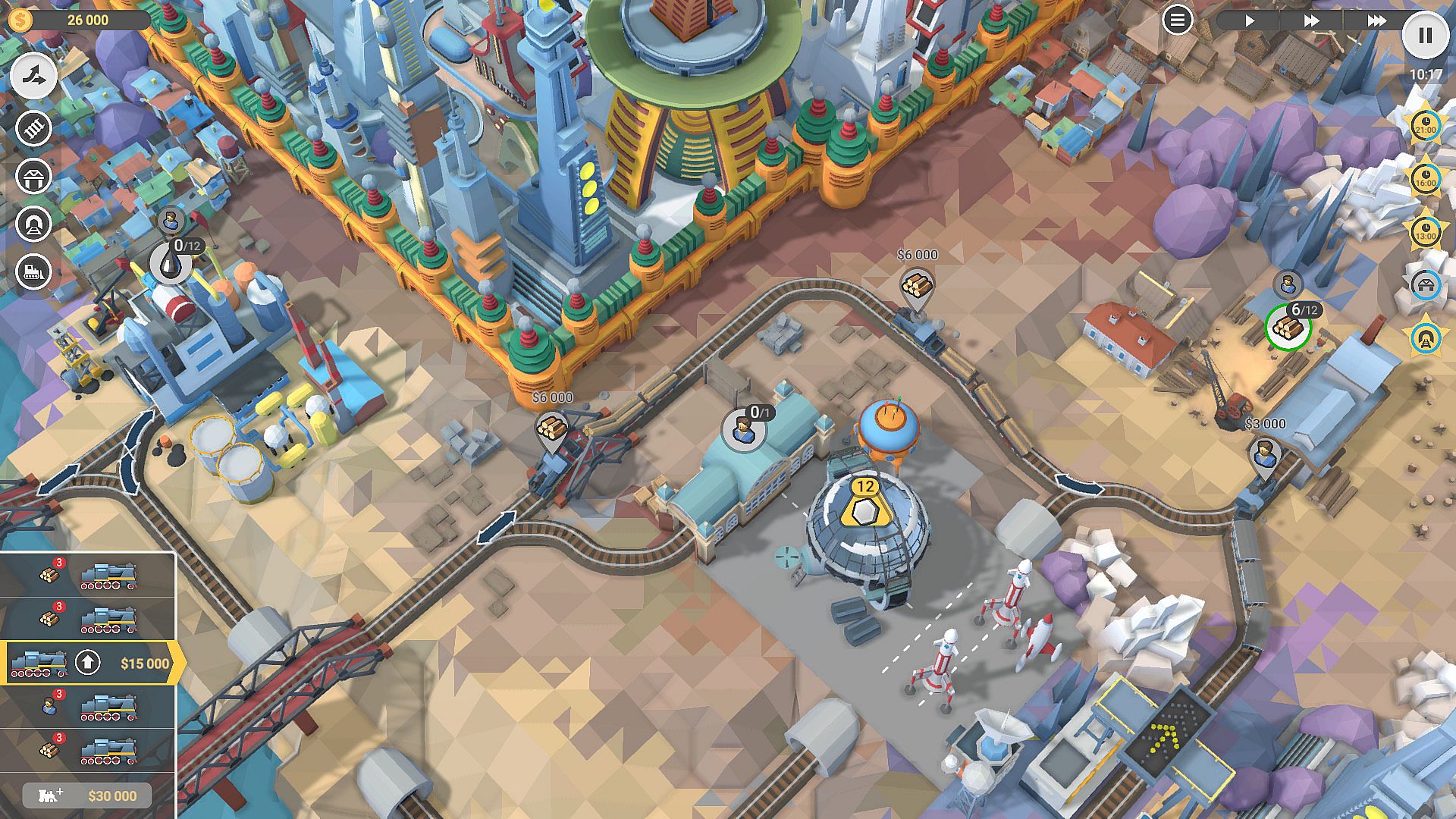
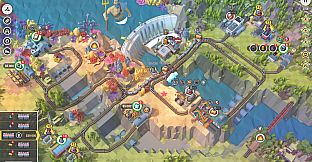
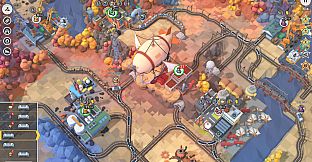
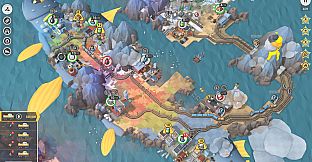
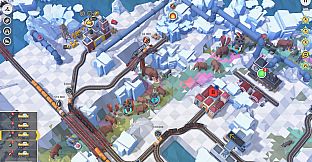
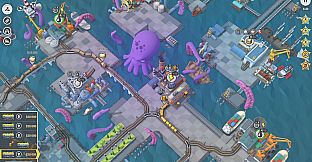
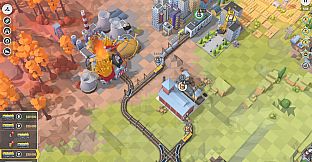
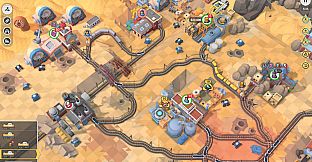
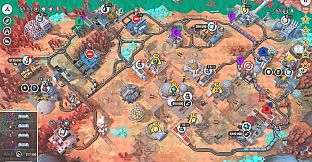
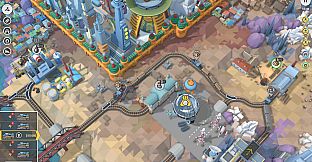
Train Valley 2 Myths and Rails is a strategy simulation game focused on railway construction and resource management. Players build and optimize rail networks across themed levels that draw from legends and myths while handling the flow of goods and trains efficiently.
Gameplay
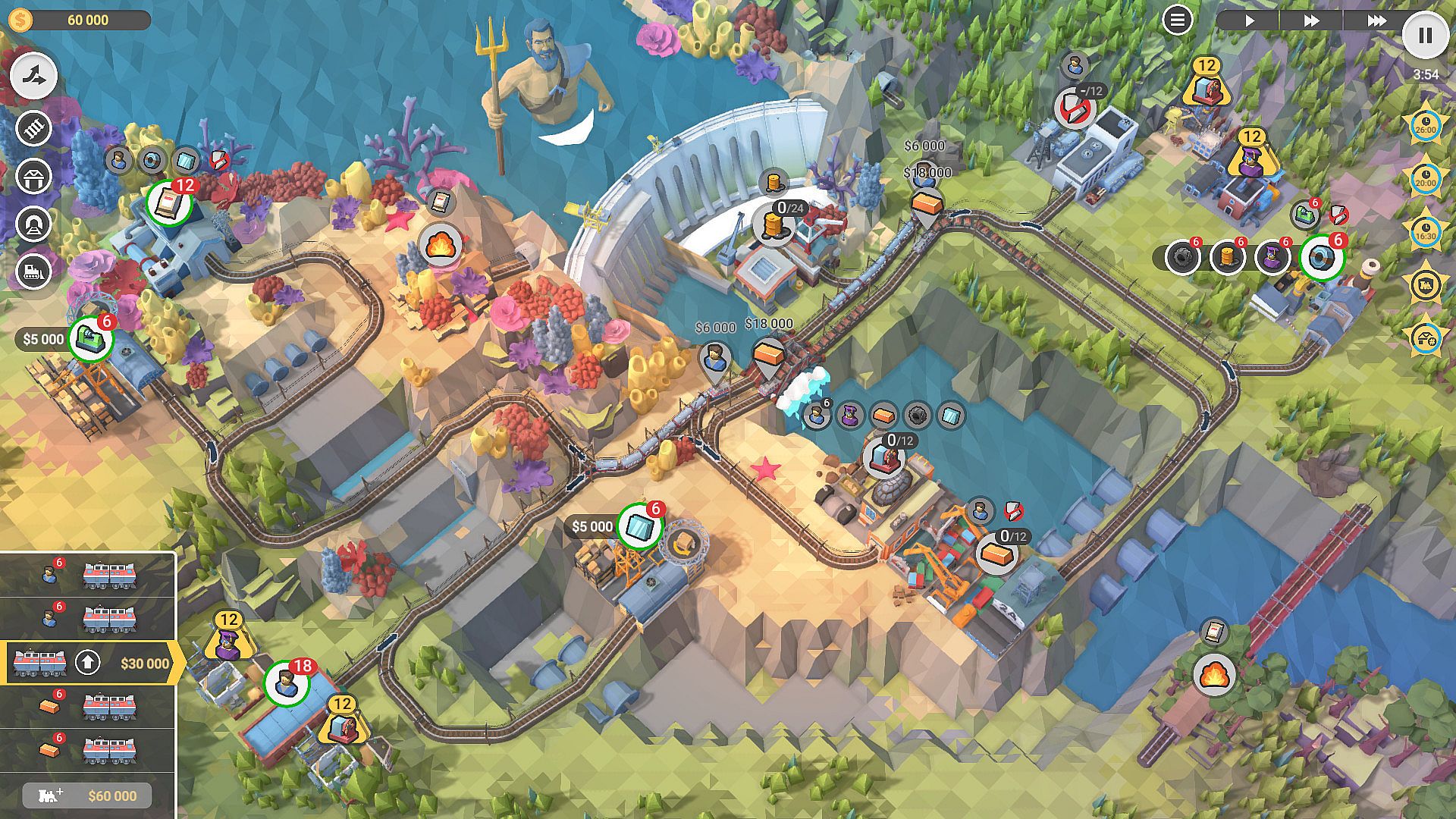
The core loop centers on laying tracks, placing stations and industrial buildings, and routing trains to meet delivery goals without causing collisions or delays. New station types and industry structures expand the options for connecting resources to production chains, while additional varieties of goods require careful planning of routes and priorities. Six new locomotives introduce different performance characteristics that affect speed, capacity, and reliability on longer or more complex lines. The refreshed soundtrack supports the atmosphere across the campaign without overpowering the focus on network efficiency.
Resource management involves matching supply points to demand locations through an expanding set of buildings and materials. Players adjust track layouts in real time to handle increasing traffic volumes, balancing cost, time, and throughput. The addition of 300 new objects for the level editor extends these systems into custom creations, allowing detailed environments that incorporate the same mechanics.
Game Modes
The primary experience comes through a dedicated campaign of 20 levels set in a world of myths and subjective realities. Each level presents specific objectives tied to the new stations, industries, and goods introduced in this expansion. Success depends on completing deliveries within constraints while avoiding accidents.
Level creation and sharing form the second major activity. The editor supports the full range of new objects and mechanics, enabling players to design scenarios that test routing skills or explore thematic setups. Community levels built with these tools provide ongoing variety beyond the official campaign.
Key Features and Mechanics
Network building requires precise placement of switches and signals to maintain smooth operations as train numbers grow. Industry buildings process raw resources into finished goods, creating multi-step chains that reward efficient long-haul connections. The six locomotives each suit particular route lengths or load types, encouraging experimentation with fleet composition.
Traffic management remains central, with players monitoring train movements and making adjustments to prevent bottlenecks. The campaign gradually introduces the new elements so that earlier levels focus on basic routing before layering in complex production demands.
Is It Worth Playing?
This title suits players who enjoy methodical puzzle-solving combined with tycoon-style planning. The campaign delivers a self-contained set of challenges that highlight the new stations, industries, and locomotives without requiring prior experience. The level editor adds replayability through custom scenarios and community content.
Those who appreciate clear objectives, incremental complexity, and the satisfaction of an optimized rail system will find the mechanics engaging. The game runs on PC and emphasizes single-player progression over competitive elements. Its focused scope makes it accessible for shorter sessions while offering depth for extended play.