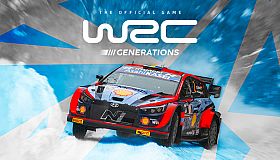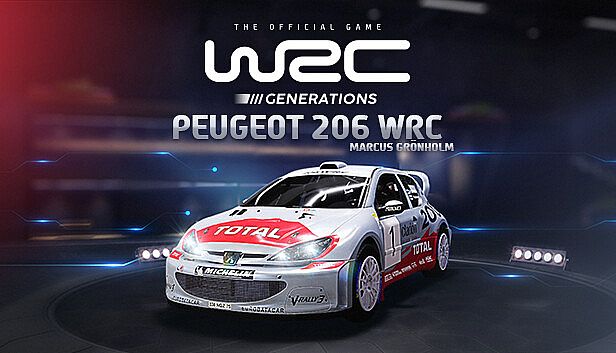



















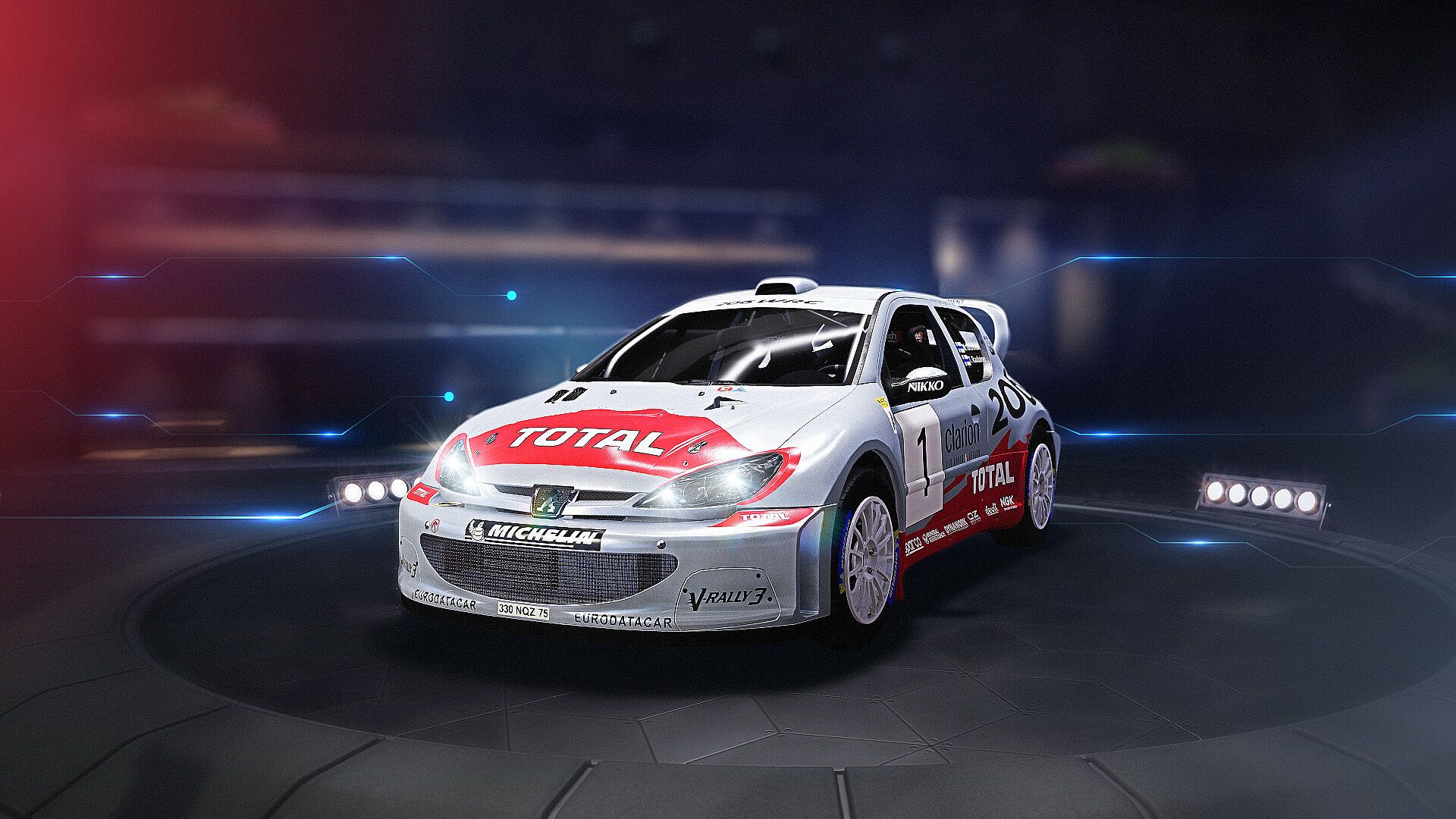
WRC Generations is a simulation racing title centered on the official FIA World Rally Championship. Players take control of historic and modern rally cars across demanding special stages that span forests, mountains, snow, mud, and narrow roads. The Peugeot 206 WRC 2002 stands out as a featured vehicle, a four-cylinder machine producing 300 horsepower at a weight of 1,230 kilograms. This car secured 24 rally wins between 2000 and 2002 along with three consecutive manufacturers' titles and two drivers' championships, piloted by competitors including Marcus Grönholm and Gilles Panizzi.
Gameplay
The core loop revolves around precise handling on varied surfaces where tire choice, suspension setup, and throttle control determine success or failure. Each stage demands careful pace notes and adaptation to changing grip levels, with the Peugeot 206 WRC 2002 delivering the sharp responses and power delivery that defined its competitive era. Players adjust setups for specific conditions, balancing speed against stability on loose gravel or packed snow. The simulation emphasizes realistic weight transfer and engine characteristics, allowing the 206 to feel distinct from later turbocharged entries in the roster.
Stages cover extensive distances with unique layouts drawn from real championship routes. Weather and surface changes force ongoing adjustments mid-event, rewarding consistent lines and quick corrections over outright aggression. The Peugeot's compact dimensions and responsive steering suit tighter sections, while its power band encourages measured acceleration out of corners.
Game Modes
Career mode forms the main single-player progression, guiding drivers through seasons with evolving car rosters and performance targets. Participants manage team resources while competing in full rallies that include multiple stages and service breaks. Customisation options extend to vehicle tuning and liveries, letting the Peugeot 206 WRC 2002 receive targeted modifications for each event.
Online league mode provides structured competition against other players, with scheduled events and standings that track results over time. Quick race and time trial options allow focused practice on individual stages without full rally commitments. These modes support the full vehicle lineup, including historic additions like the 2002 Peugeot.
Historic Cars and Content
The inclusion of the Peugeot 206 WRC 2002 expands the roster beyond current championship machinery. Its specifications translate directly into in-game performance, with the four-cylinder layout producing immediate power delivery suited to technical sections. Drivers can recreate the successes of its factory era by selecting appropriate setups for the same types of terrain that featured in its title-winning campaigns.
Additional historic vehicles sit alongside modern WRC entries, creating contrast in driving feel across eras. The 206's lighter weight and naturally aspirated character reward smooth inputs compared with the higher torque outputs of later models. This variety encourages repeated playthroughs to master each car's unique traits on the same stages.
Is It Worth Playing?
Reception among rally enthusiasts highlights strong physics, extensive stage selection, and meaningful updates that refined handling and audio after launch. The simulation appeals most to players who value accuracy over arcade accessibility, with the Peugeot 206 WRC 2002 serving as a highlight for those drawn to early-2000s machinery. Career progression and online leagues add longevity for dedicated participants.
Those seeking a realistic rally experience on PC will find the combination of historic cars and detailed stages rewarding. The title continues to receive patches that maintain compatibility and balance, supporting ongoing play without reliance on external content. It suits drivers comfortable with manual adjustments and long stage runs rather than short arcade sessions.