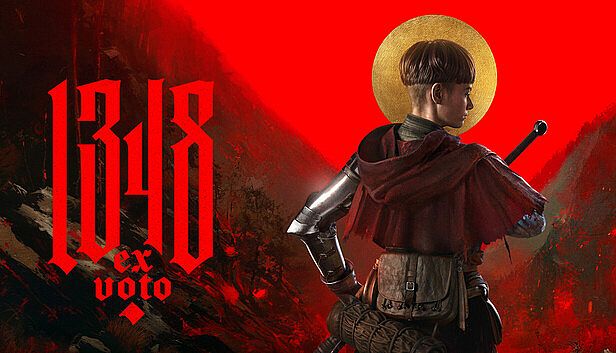






















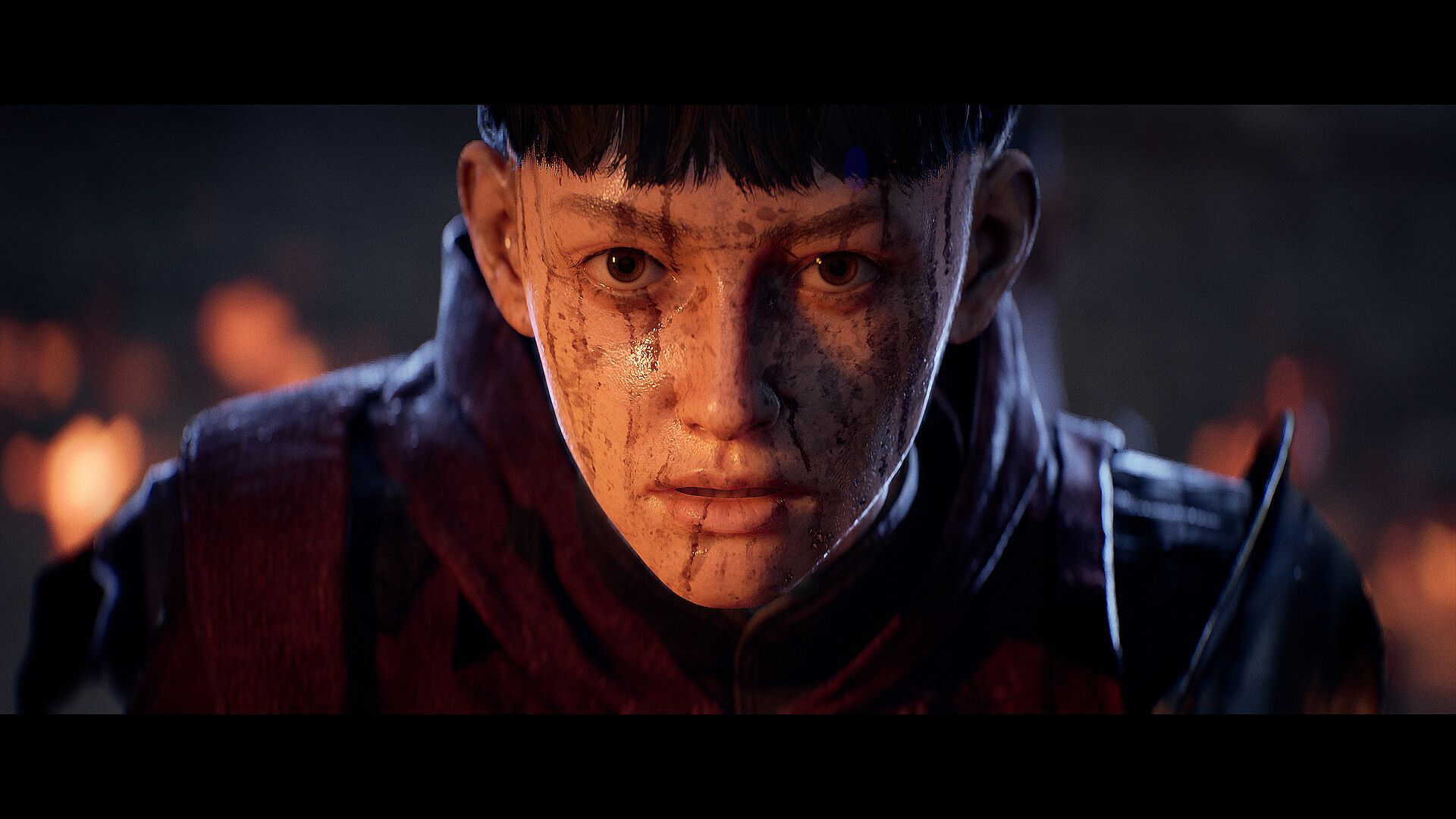
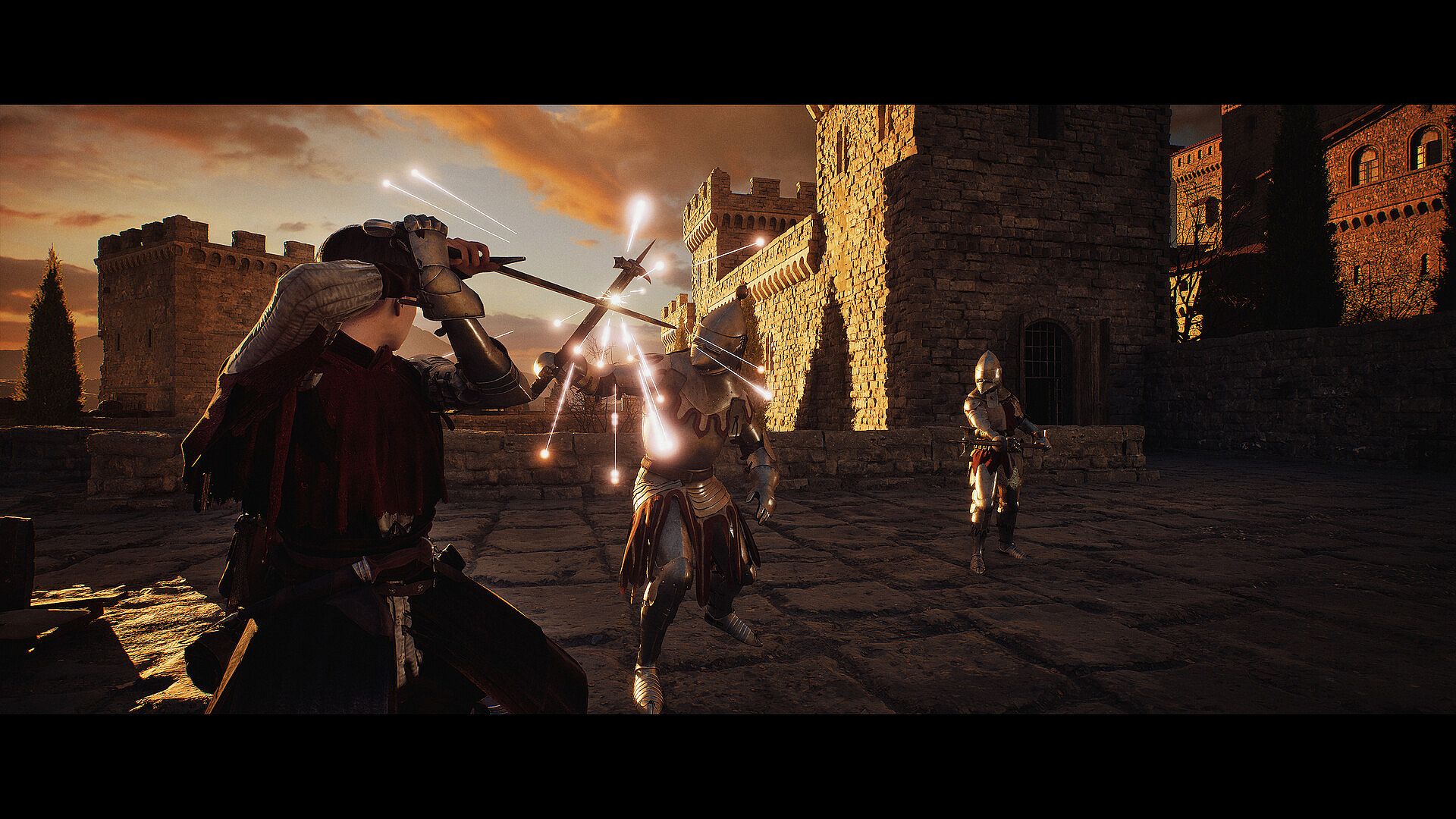
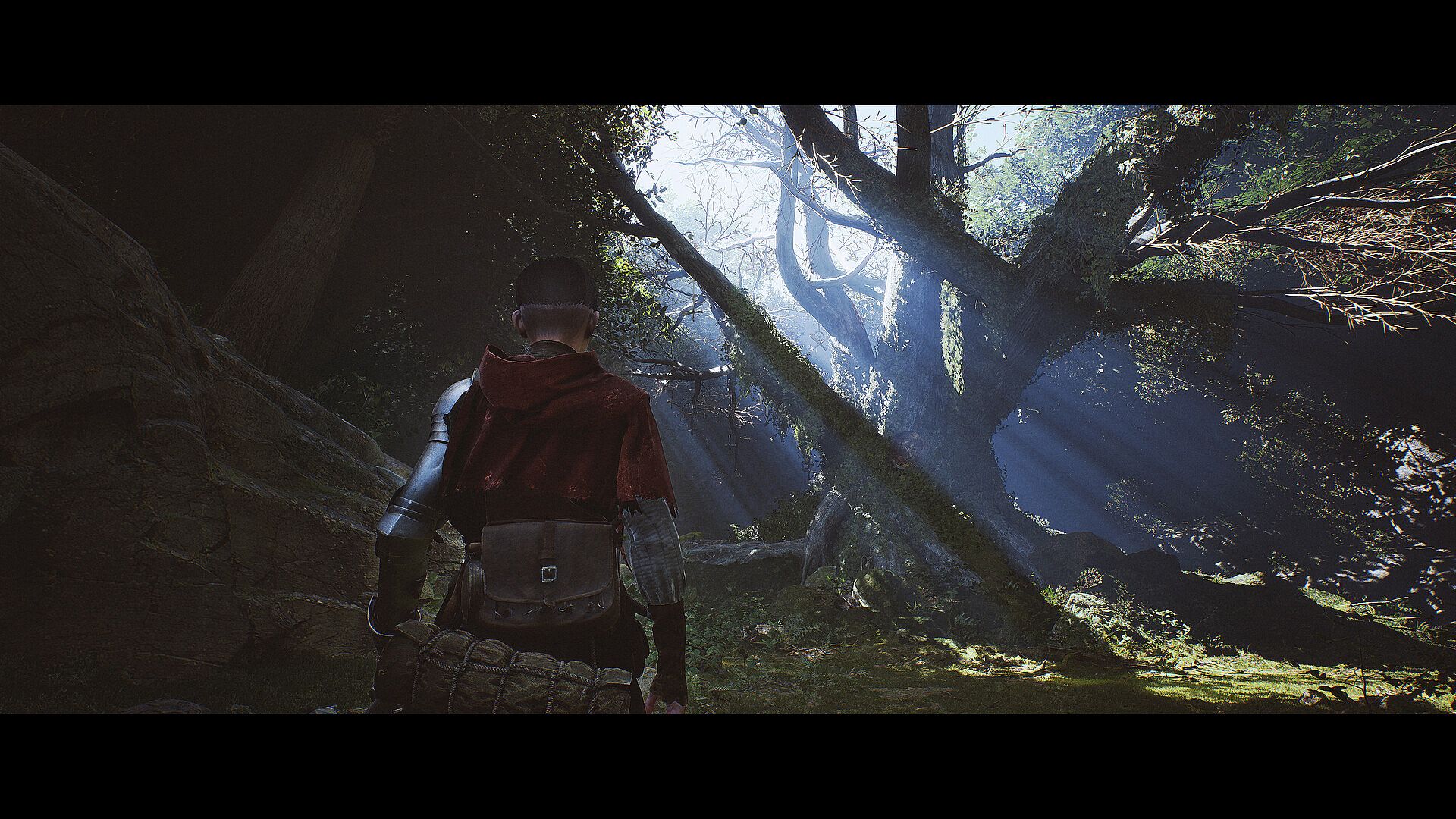
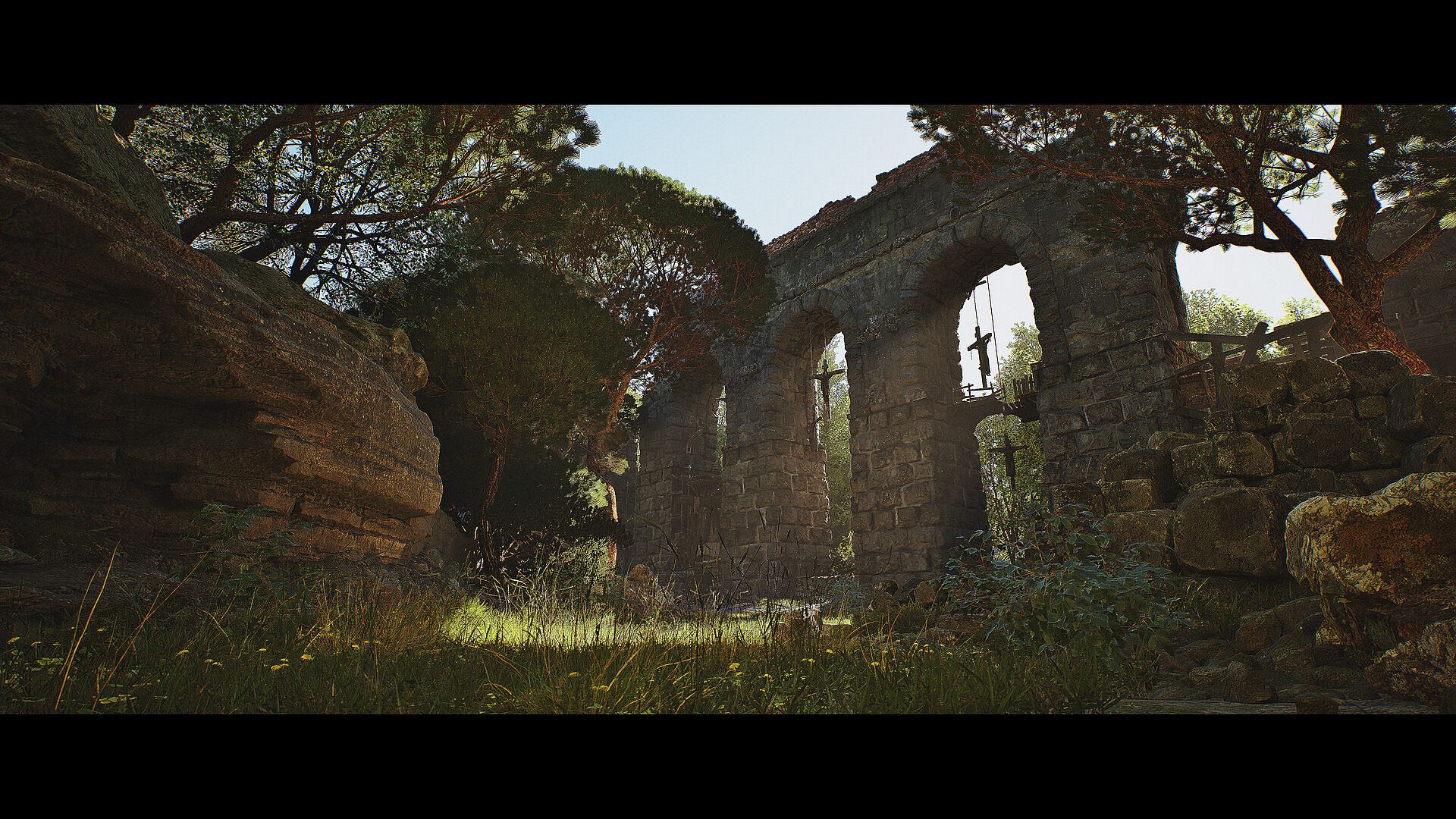
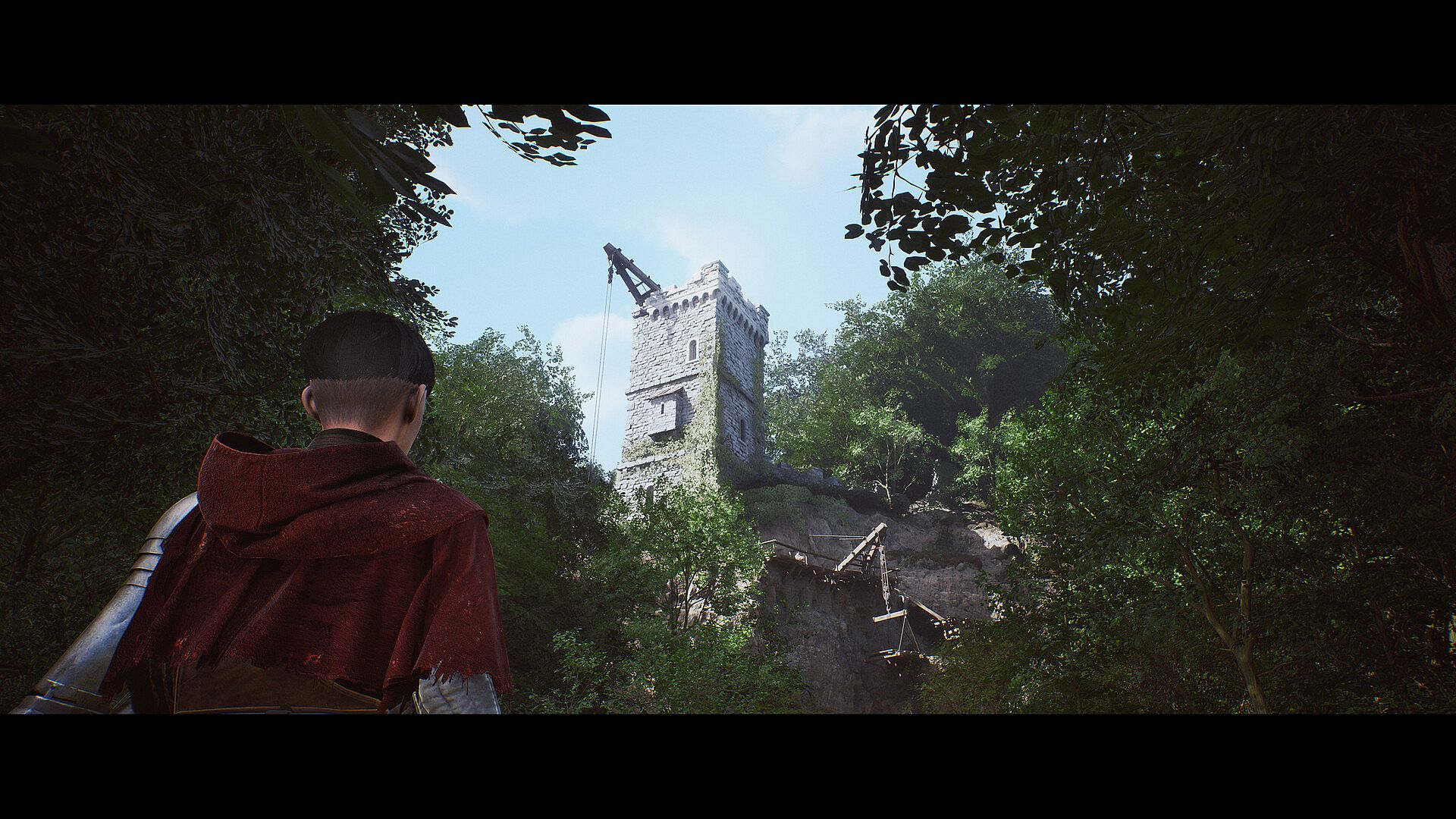
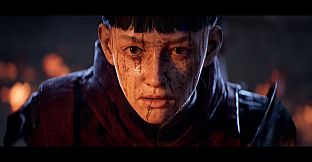
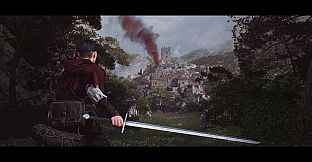
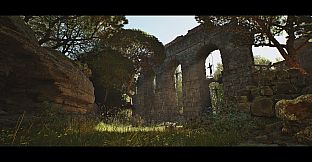
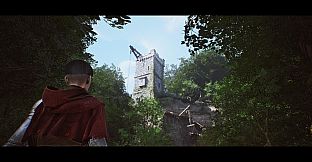
1348 Ex Voto stands out as a third-person action-adventure game that transports players to the turbulent world of 14th-century Italy. In this indie title, you take control of Aeta, a young knight errant on a desperate quest to rescue her loved one, Bianca, amid widespread chaos from political unrest, banditry, and looming pestilence. Blending elements of action and exploration, the game draws inspiration from historical settings and chivalric tales, offering a narrative-driven experience where personal vows drive the story forward.
Gameplay
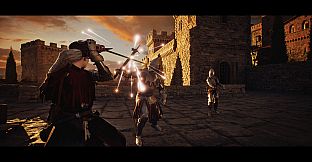
At its core, 1348 Ex Voto revolves around sword-based combat that emphasizes strategic choices in battles. Players switch between one-handed and two-handed stances to adapt to different enemies, using Aeta's martial skills to outmaneuver foes. Combat draws from Historical European Martial Arts, with animations captured from trained performers for a sense of realism. Throughout the journey, you can discover skill books that unlock new combos, allowing customization of Aeta's fighting style through various weapon parts.
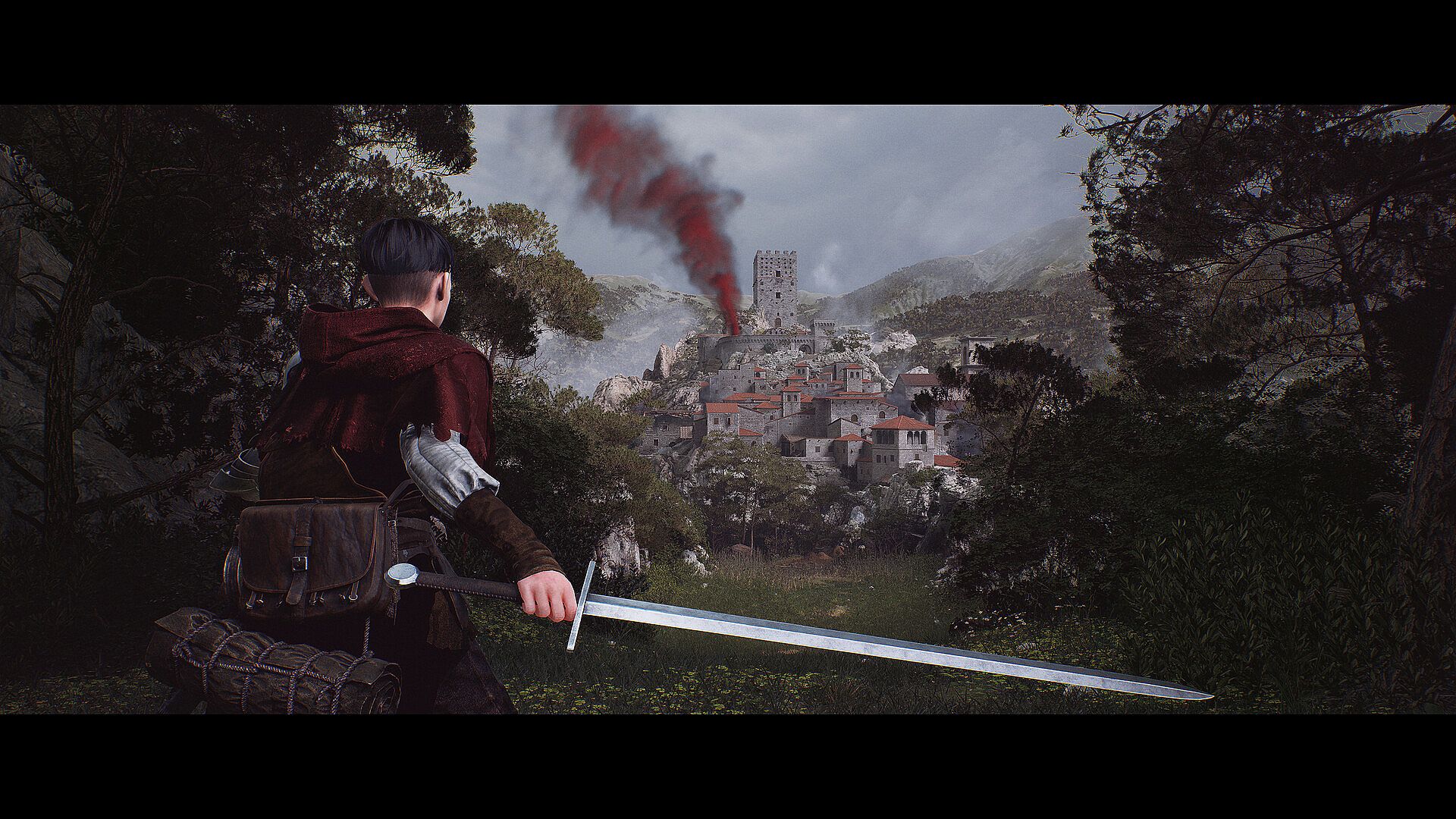
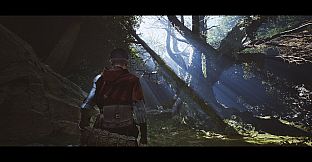
Exploration plays a key role, as you navigate diverse environments like medieval villages, castles, and the Apennine mountains. Searching these areas reveals trinkets and treasures to collect, adding depth to the adventure. The gameplay loop involves traversing Italy's landscapes, engaging in fights against bandits, mercenaries, and zealots, while managing the harsh realities of the era, such as rural decay and urban strife.
Game Modes
This game focuses on a single-player campaign, where the main mode follows Aeta's linear story arc through a series of connected levels. There are no multiplayer options or separate competitive modes, keeping the emphasis on solo progression and narrative immersion. Players advance by completing quests tied to the central plot of saving Bianca, with occasional side activities like collecting items scattered across the map.
Is It Worth Playing?
1348 Ex Voto appeals to those who enjoy story-focused action-adventure titles with a historical bent, particularly if you appreciate atmospheric settings and swordplay mechanics. However, it has drawn criticism for shallow combat depth and performance issues on PC, which can hinder the experience. Player feedback highlights a strong initial atmosphere but notes frustrations with repetitive fights and technical glitches. If you're drawn to indie games exploring medieval themes and can overlook some rough edges, it might suit a quick playthrough, though broader audiences could find it underwhelming compared to more polished alternatives in the genre.