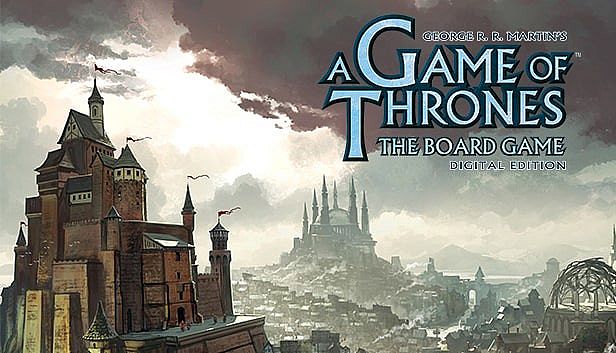
























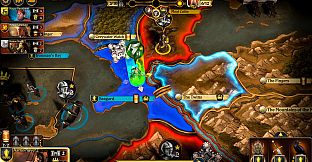
A Game of Thrones: The Board Game - Digital Edition is a turn-based strategy title that brings the classic board game experience to PC. Players control one of the Great Houses of Westeros in a contest for the Iron Throne, relying on careful planning, alliances, and combat over a fixed number of rounds.
Gameplay
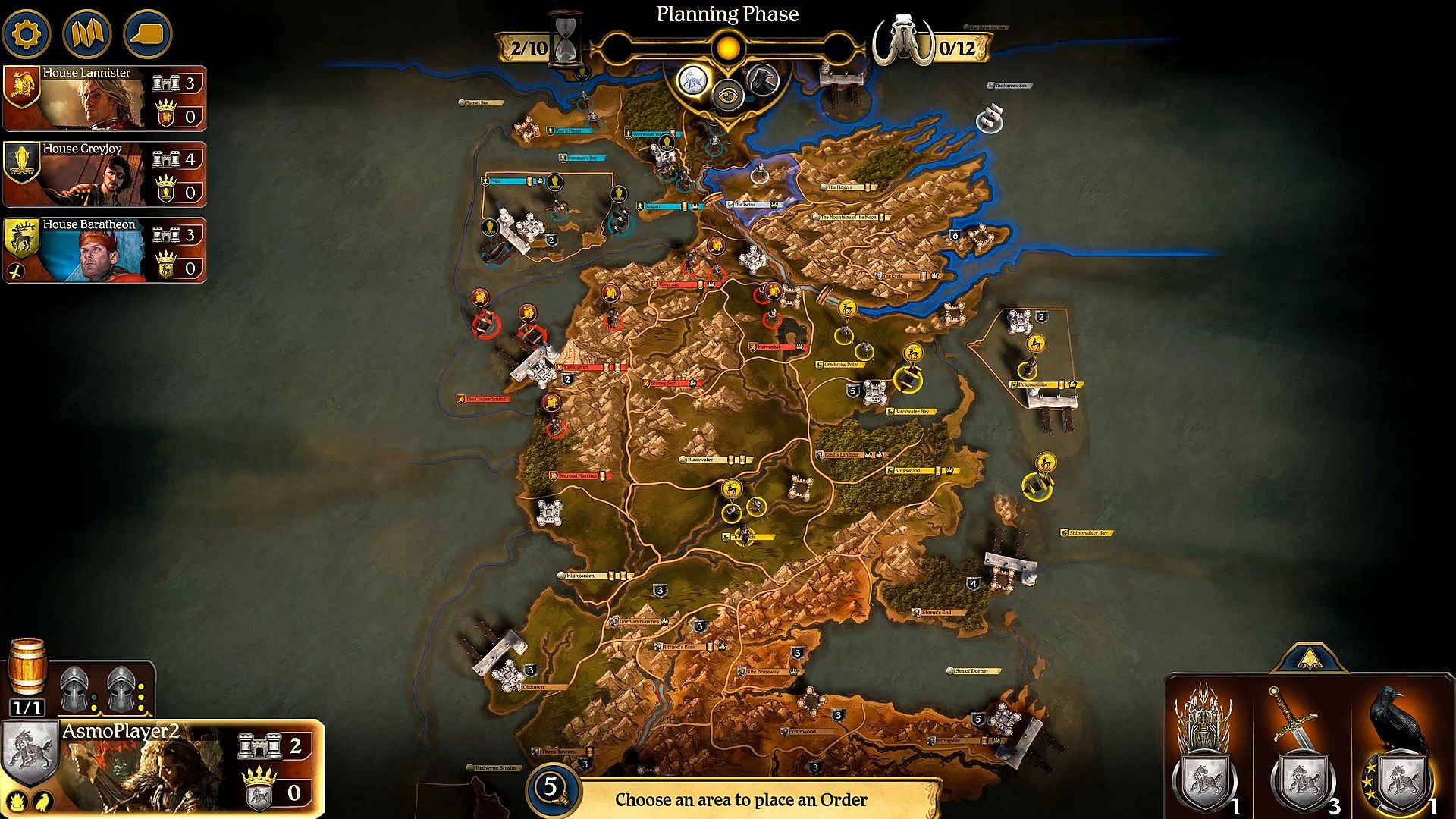
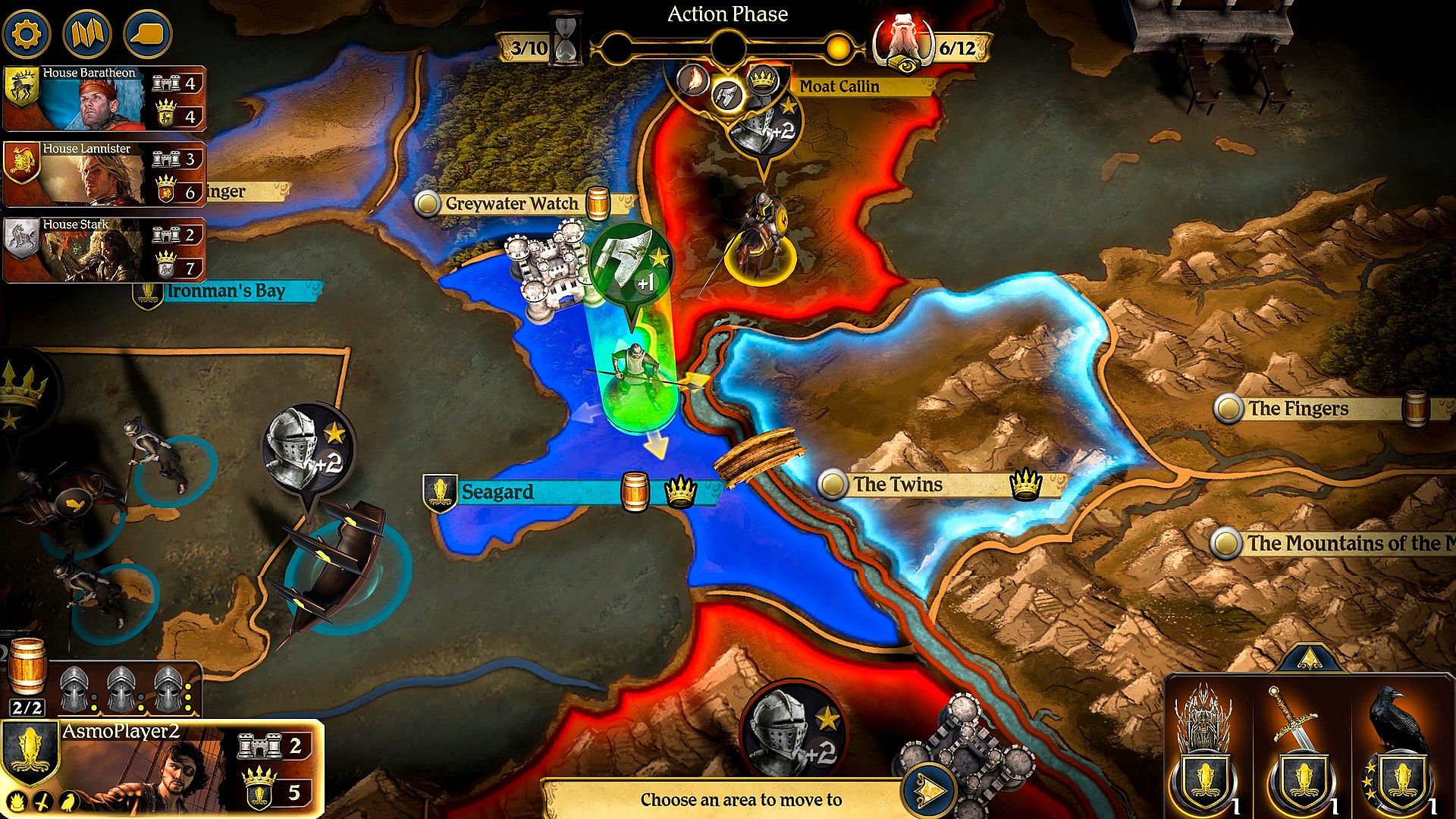
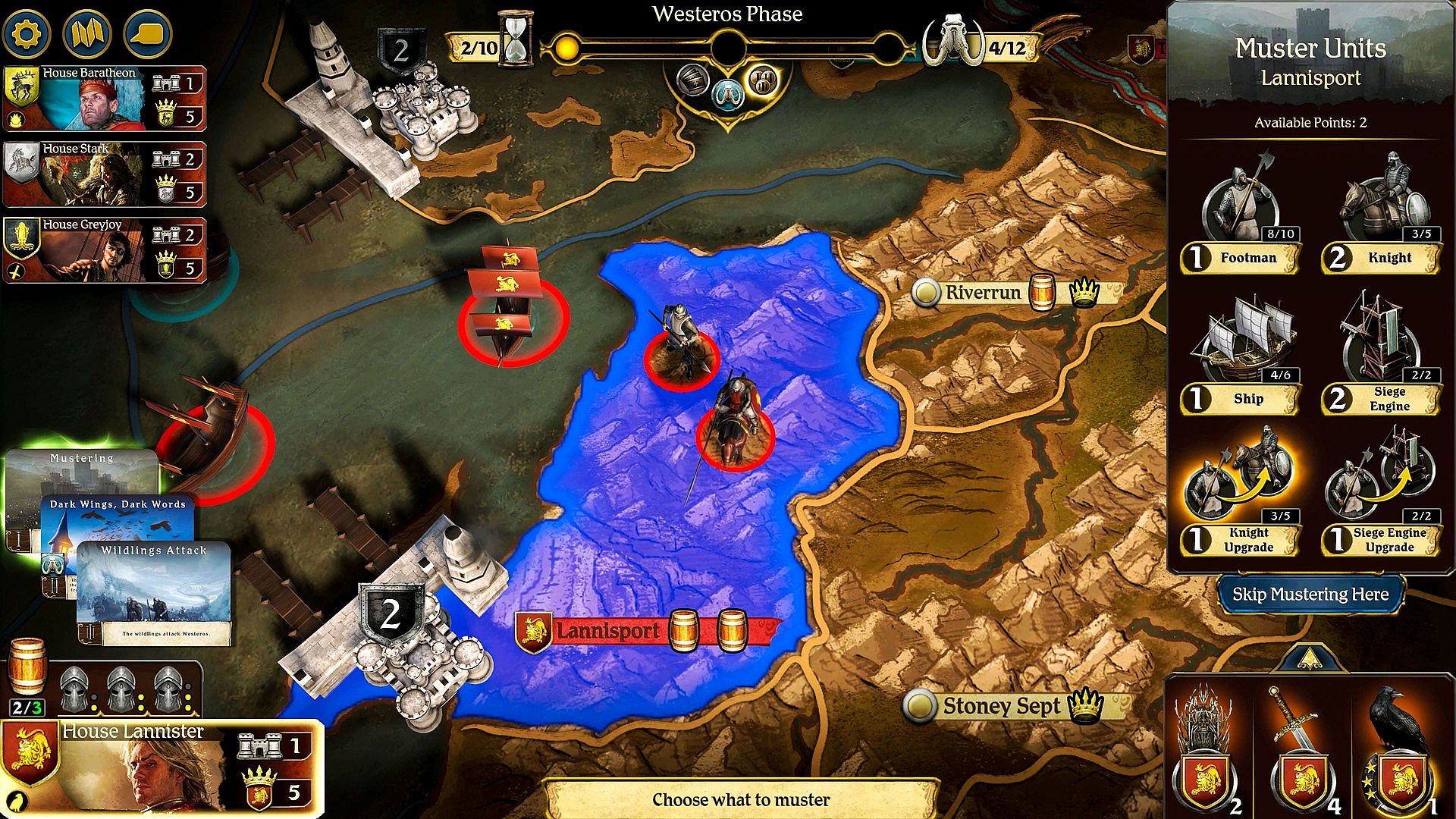
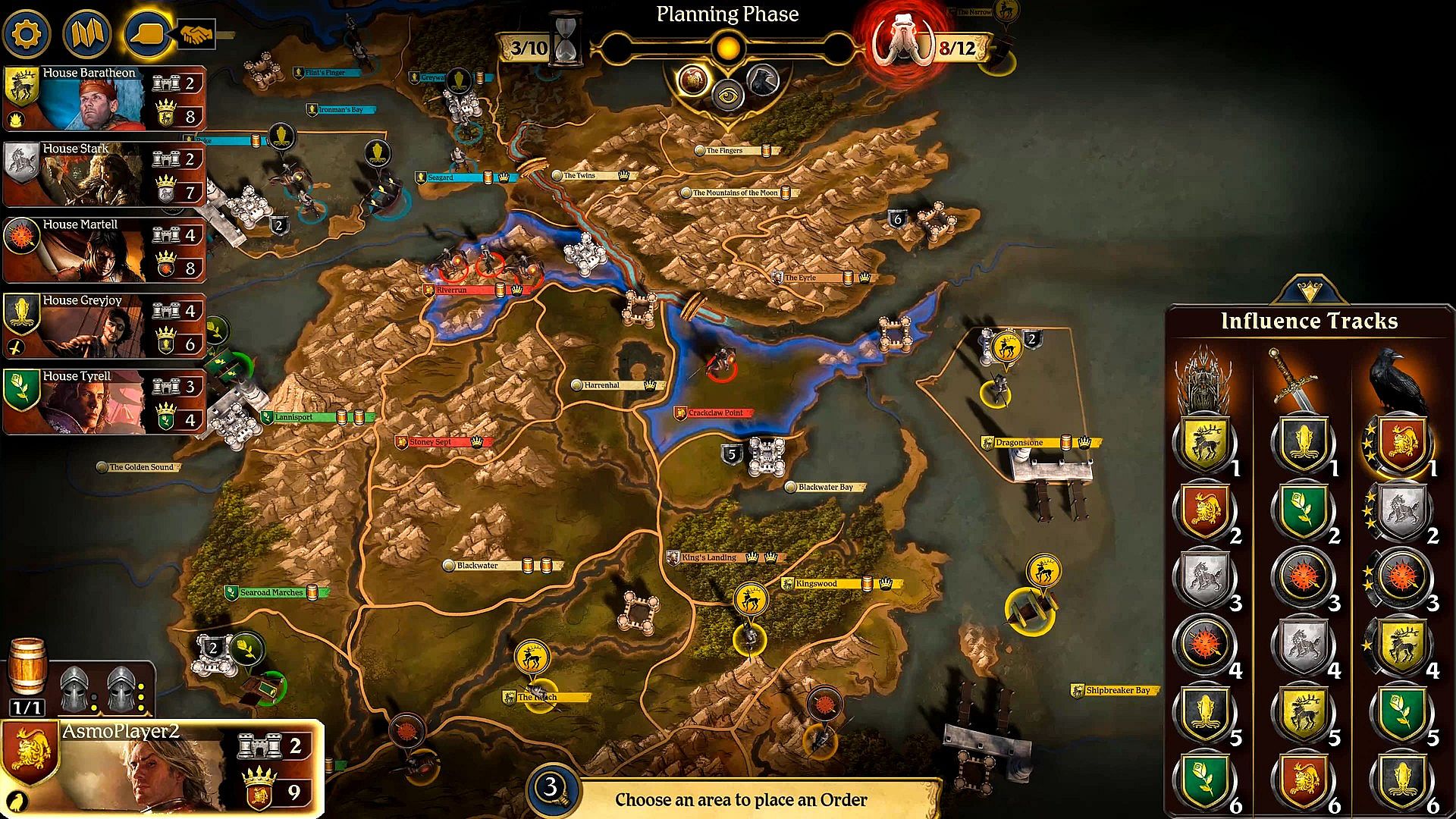
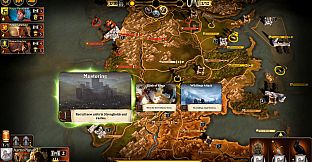
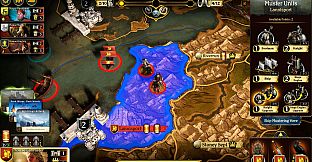
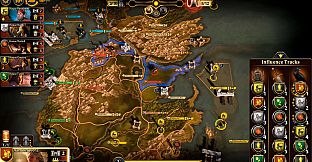
The core loop centers on area control across a map of Westeros. Each round begins with players secretly placing order tokens on their units to dictate movement, support, raids, or consolidation. These orders resolve in phases that emphasize both military action and political maneuvering. Resources limit army size, so players must muster new units strategically while managing supply lines.
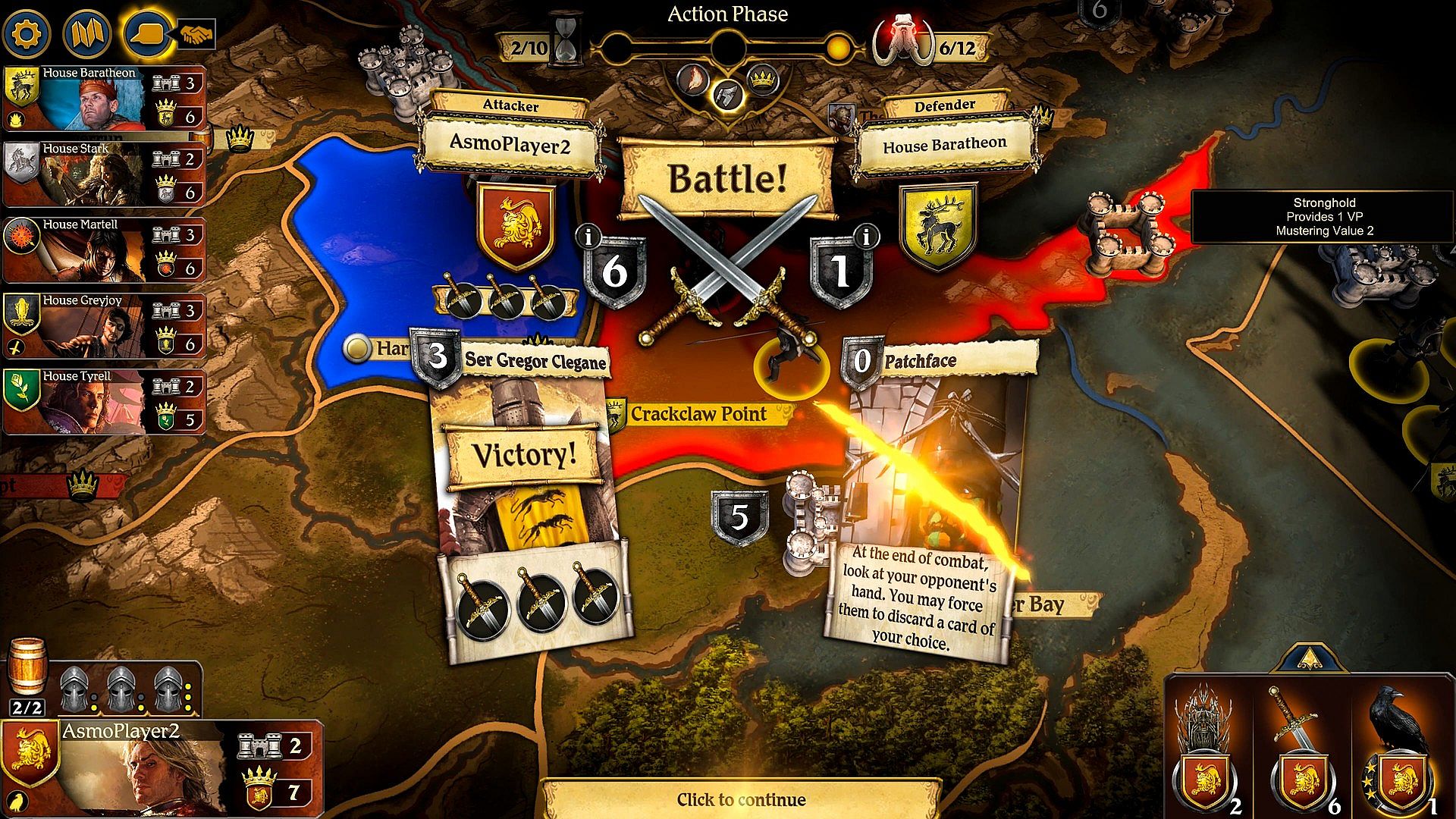
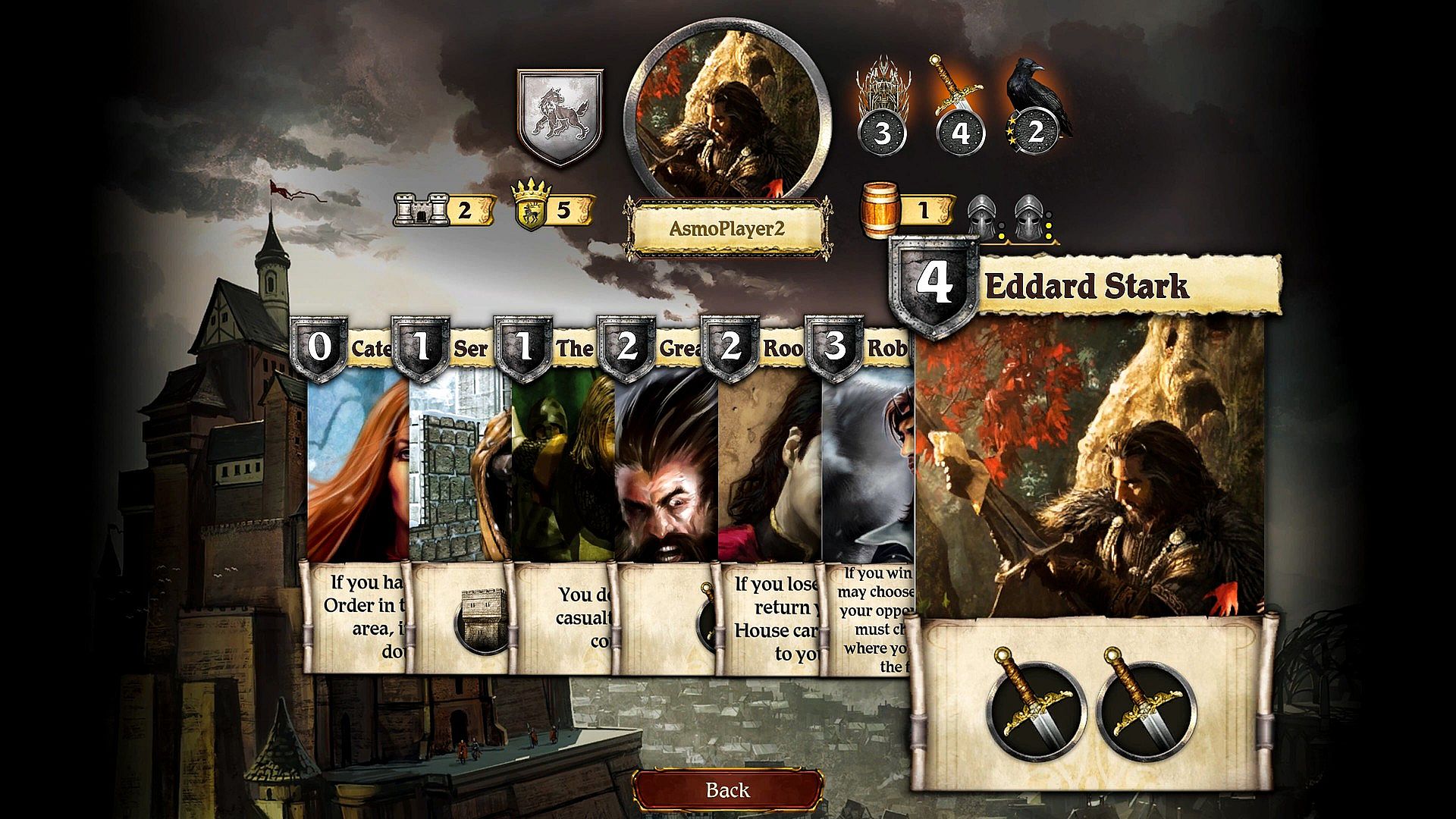
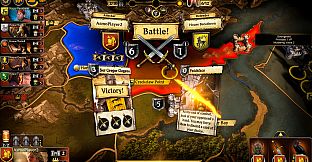
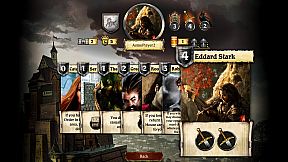
Combat occurs when units enter the same territory. House cards provide unique strengths during battles, allowing characters from the source material to influence outcomes. Three influence tracks determine key advantages: the Iron Throne track sets turn order and resolves non-combat ties, the Fiefdoms track breaks combat ties and offers a one-time combat bonus, and the King's Court track unlocks special orders or additional actions through power token bids.
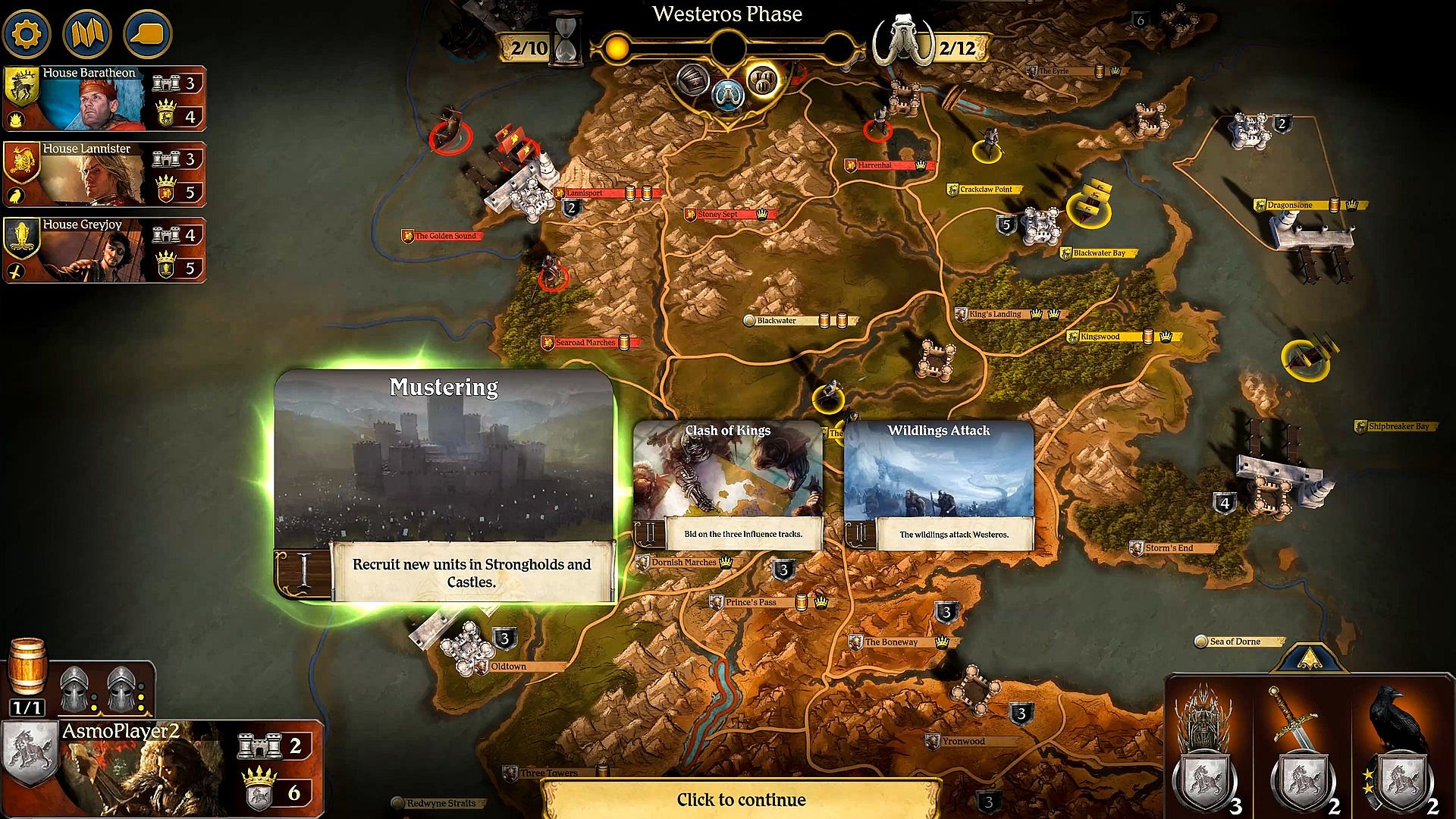
Power tokens also fuel bids on the tracks and help defend against wildling threats that appear periodically. All players contribute to the Night's Watch effort; failure to meet the threshold triggers penalties that can disrupt individual houses or the entire board. The game runs for ten rounds, after which the house controlling the most cities and strongholds claims victory.
Game Modes
Two primary modes support different group sizes. Online play accommodates up to six participants in real-time or turn-based sessions over the internet. Local single-player mode pits one human against up to five AI opponents, allowing practice or solo sessions without requiring additional players.
Both modes follow the same ruleset derived from the physical board game, including the option to incorporate expansion content through available DLC that adds new houses and scenarios. No separate competitive ladders or seasonal events appear in the current version.
Houses and Key Mechanics
Six core houses start with distinct positions and units on the map: Stark, Lannister, Baratheon, Greyjoy, Tyrell, and Martell. Each brings unique house cards that shape combat tactics and long-term strategy. Footmen form the backbone of armies, while knights offer mobility, siege engines handle fortified positions, and ships control sea lanes for transport and blockades.
Negotiation emerges through support orders and the constant threat of betrayal during order resolution. Players track supply to avoid overextending forces and use power tokens to climb influence tracks or blunt wildling incursions. The combination creates tense decisions where short-term gains can undermine long-term positioning.
Is It Worth Playing?
The digital edition launched in October 2020 and maintains a Mostly Positive rating on its primary distribution platform, with 71 percent of 1,687 reviews positive. Reviewers highlight the faithful adaptation of the board game's depth, the quality of the AI for solo play, and the smooth handling of complex negotiations in online matches.
This title suits players who enjoy deliberate strategy sessions focused on diplomacy, resource management, and area control rather than fast-paced action. Those familiar with the source novels will recognize thematic elements in the house cards and wildling mechanics, while newcomers can learn the systems through the single-player option. The fixed ten-round structure keeps sessions contained compared to open-ended alternatives, though games still require several hours to complete with full player counts.
Support continues through the existing DLC expansions that introduce additional houses and rules variants. The game remains available for purchase with periodic promotions, making it accessible for strategy enthusiasts seeking a digital version of the established board game experience.