


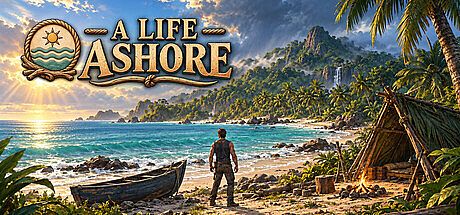


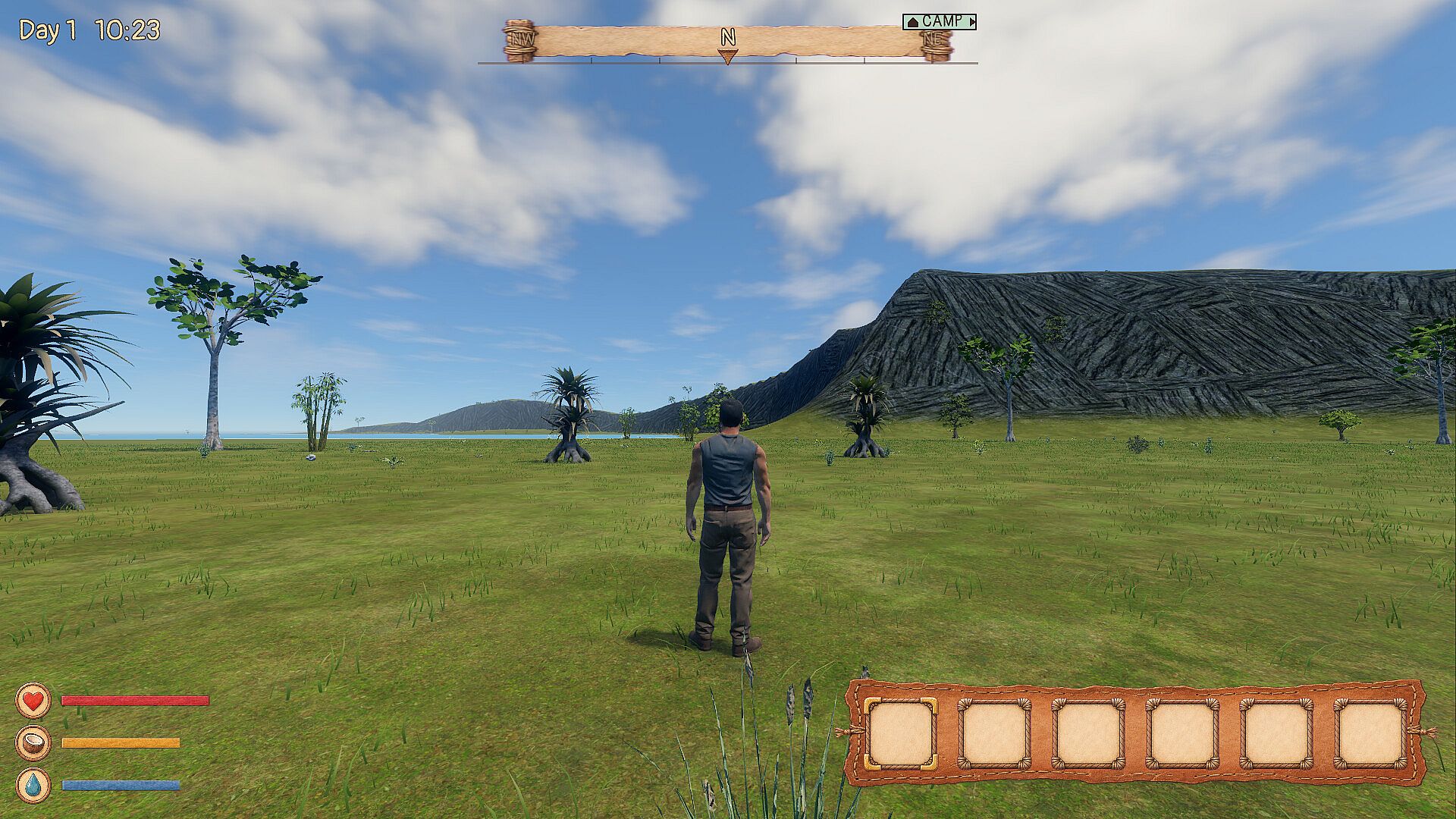
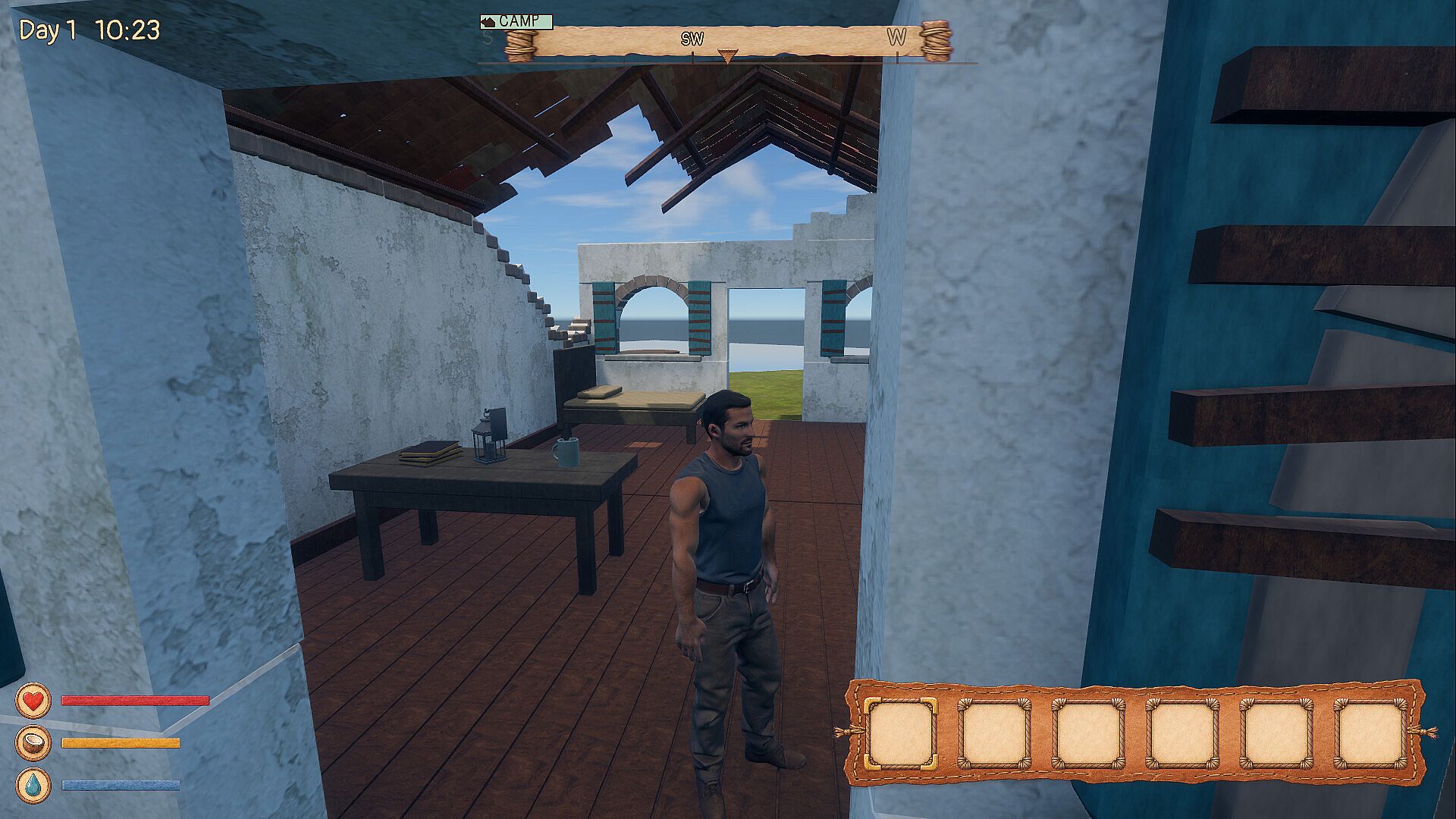
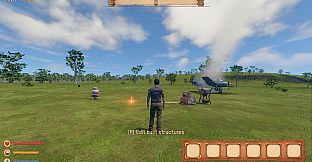
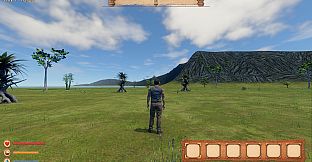
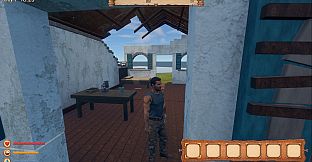
A Life Ashore is a third-person island survival and homesteading simulation adventure game set on a remote tropical island. Players take on the role of Eli after a rough landing, focusing on turning initial emergency measures into reliable daily routines without any pressure to escape on a set timeline.
Gameplay
The core loop centers on managing basic needs that shift with weather and daylight. Thirst, hunger, energy, temperature, shelter, fire, water, and food all require attention through practical steps rather than complex systems. Small preparations, such as securing shelter before rain arrives, become essential for steady progress.
Learning happens through observation of the environment. Eli notices useful signs and materials in the world, and a journal tracks known needs and ideas without presenting undiscovered options as a checklist. This approach encourages testing methods based on what the island itself reveals.
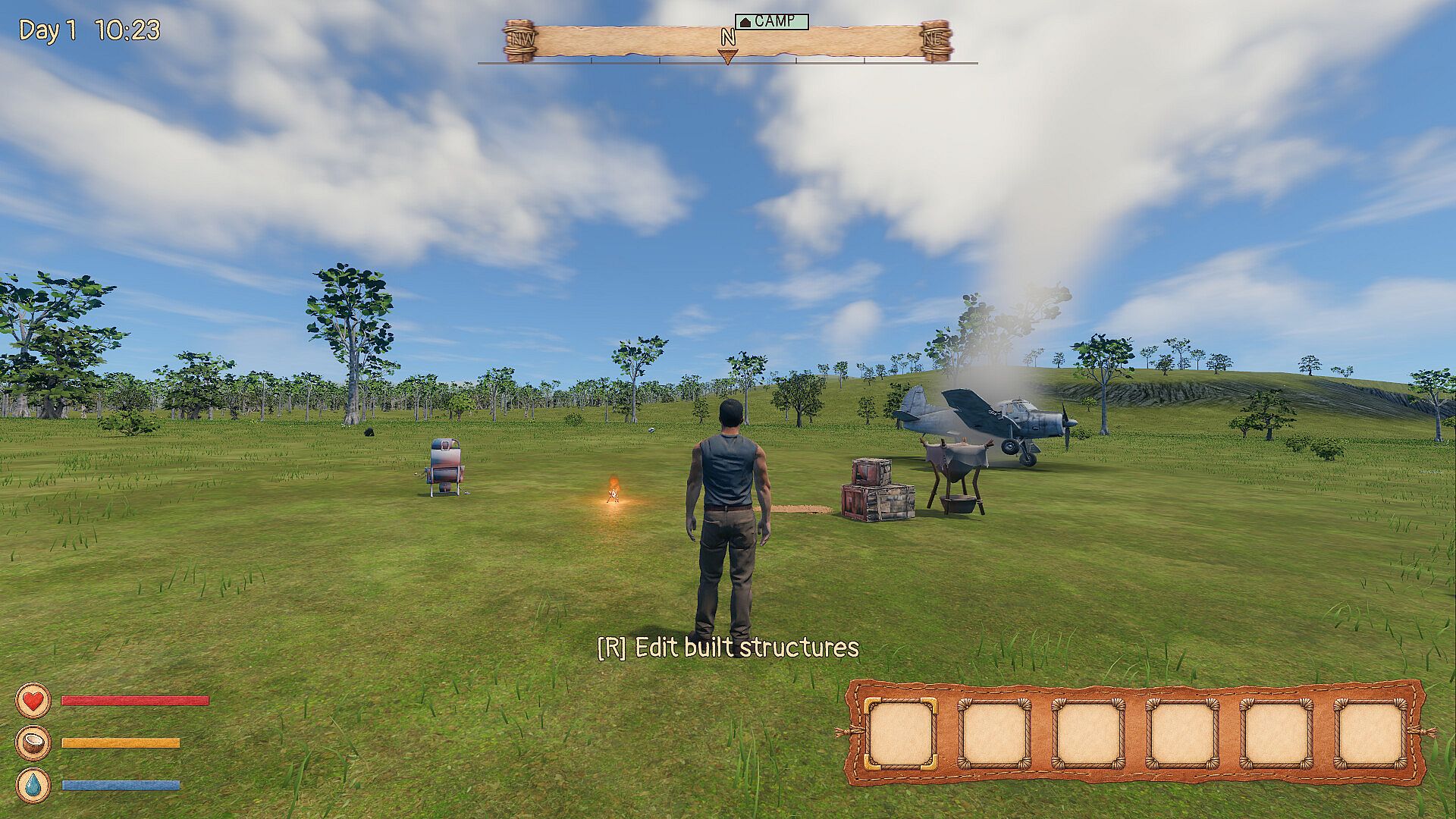
Building involves both preset structures for shelters and work areas, raised through staged material deposits, and freeform timber arrangements. Storage organization and ongoing repairs keep the home functional. All constructed elements persist in the world, allowing routines to shape a lasting space over time.
Game Modes
The game operates entirely as a single-player experience. There are no separate competitive or cooperative modes, and progression remains driven by individual choices in how routines develop and where settlement occurs. Players decide what to build and where to establish a base, letting an initial emergency camp evolve into a personalized home shaped by daily habits rather than fixed layouts.
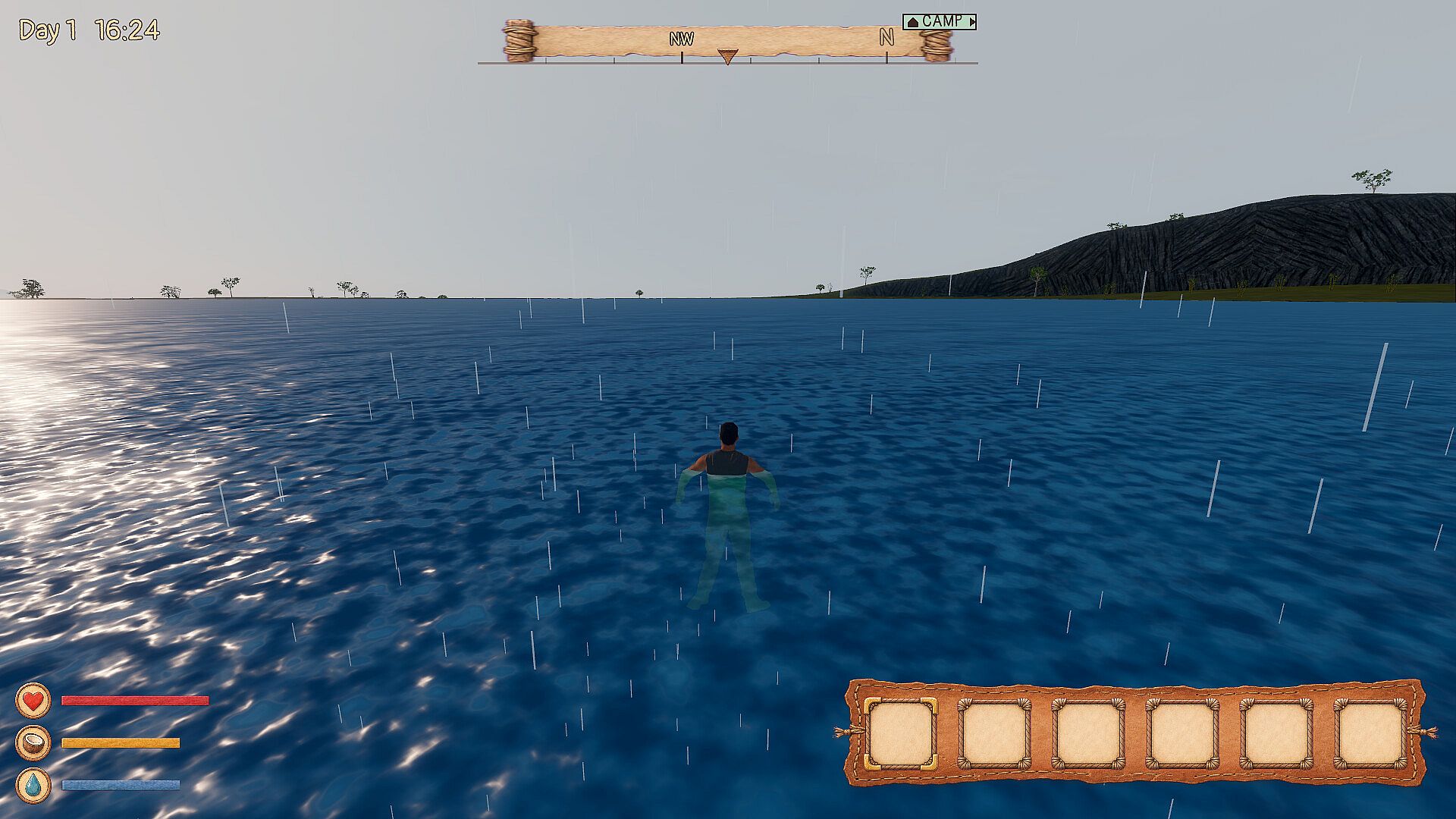
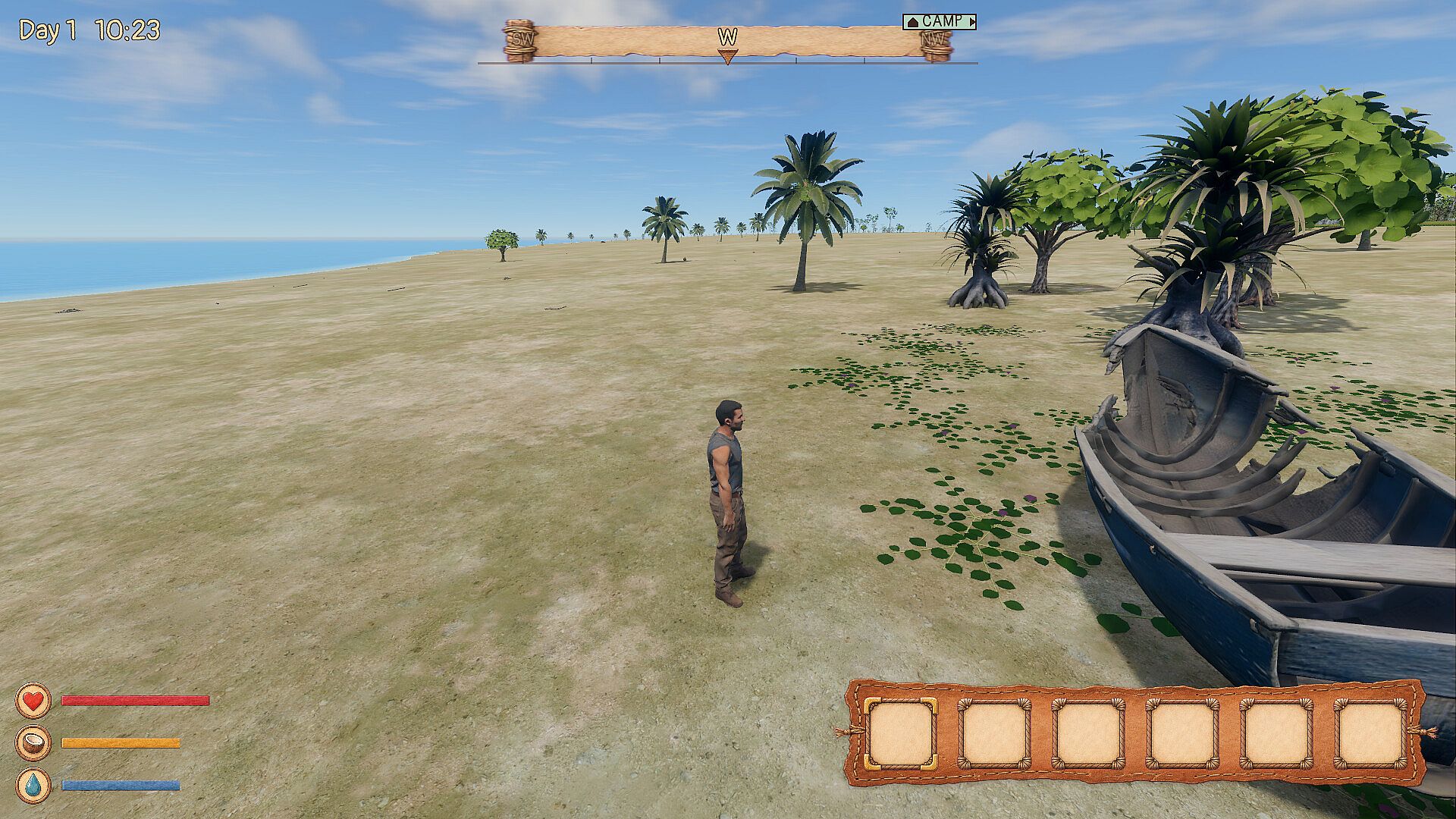
Exploration supports this freedom by connecting distinct areas such as the coast, crash clearing, rainforest, fresh water sources, and higher ground. Movement includes swimming, foraging, and salvaging supplies that wash ashore, with wildlife and renewable plants integrating into ongoing survival needs.
Exploration and Daily Life
The island functions as a living environment with varied biomes that influence daily activities. Players move between coastal zones, dense rainforest sections, and elevated areas while learning how local resources fit into routines. Foraging and salvaging provide materials that support both immediate needs and longer-term building projects.
Weather and daylight changes affect how needs are met, reinforcing the emphasis on observation and preparation. Renewable plants and wildlife elements become part of the cycle, encouraging players to adapt methods based on what they encounter rather than following predetermined paths.
Is It Worth Playing?
A Life Ashore suits players who prefer patient, observation-driven survival simulations over fast-paced action or structured objectives. The absence of an escape timer or checklist-style progression allows focus on building sustainable routines and shaping a personal space through repeated, practical actions. Those drawn to relaxing homesteading elements in a tropical setting will find the emphasis on persistence and environmental awareness a natural fit. As the game remains in development with a coming-soon release, interested players can monitor updates for the final build and system refinements.












