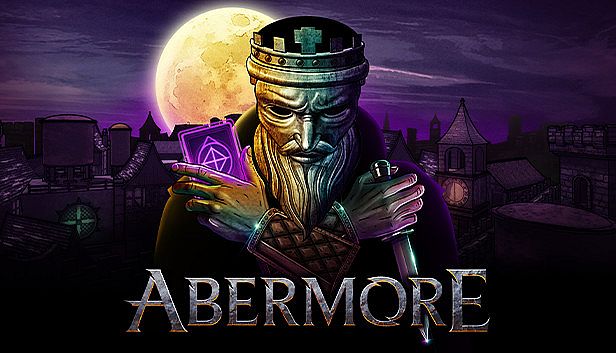























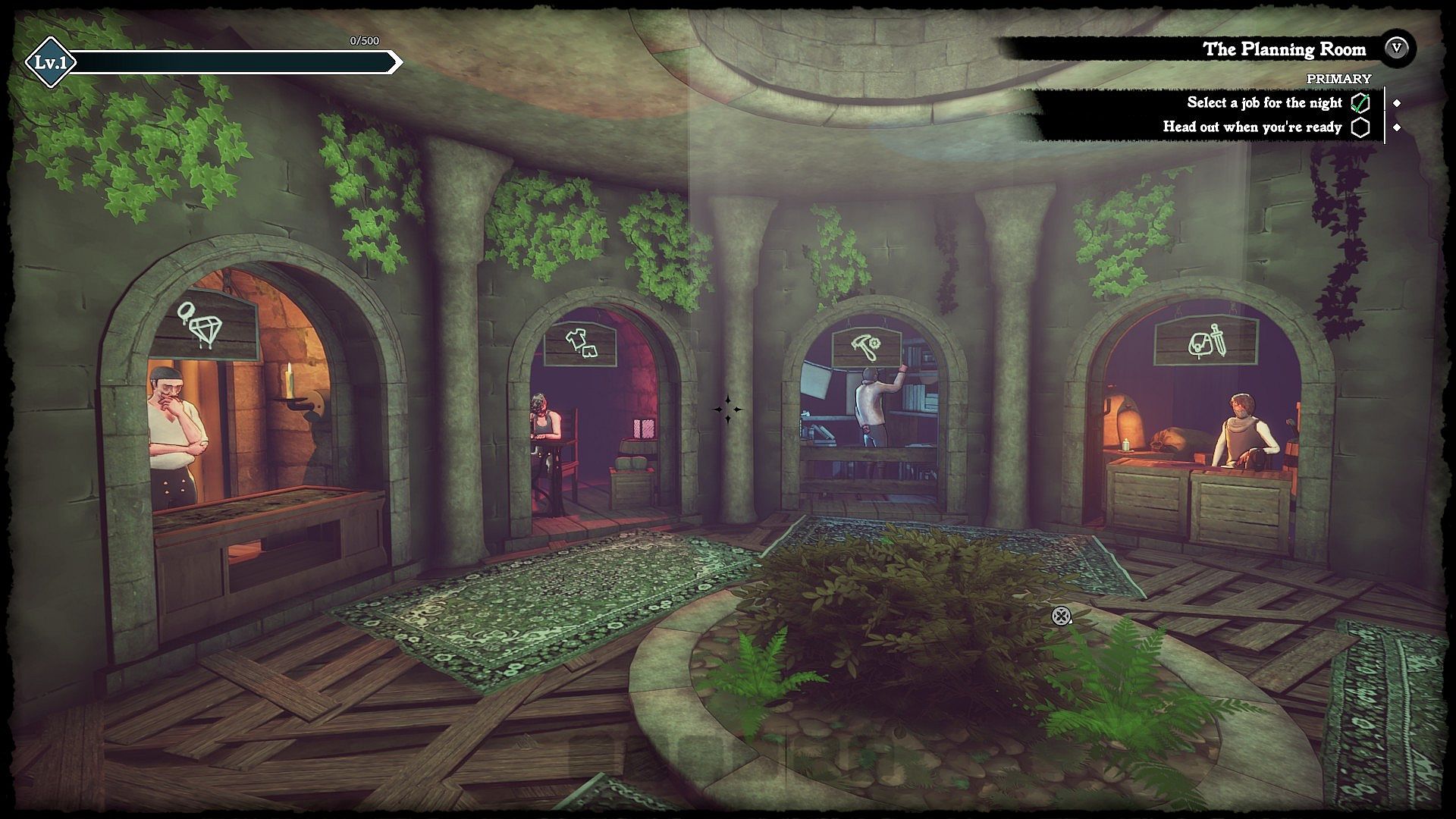
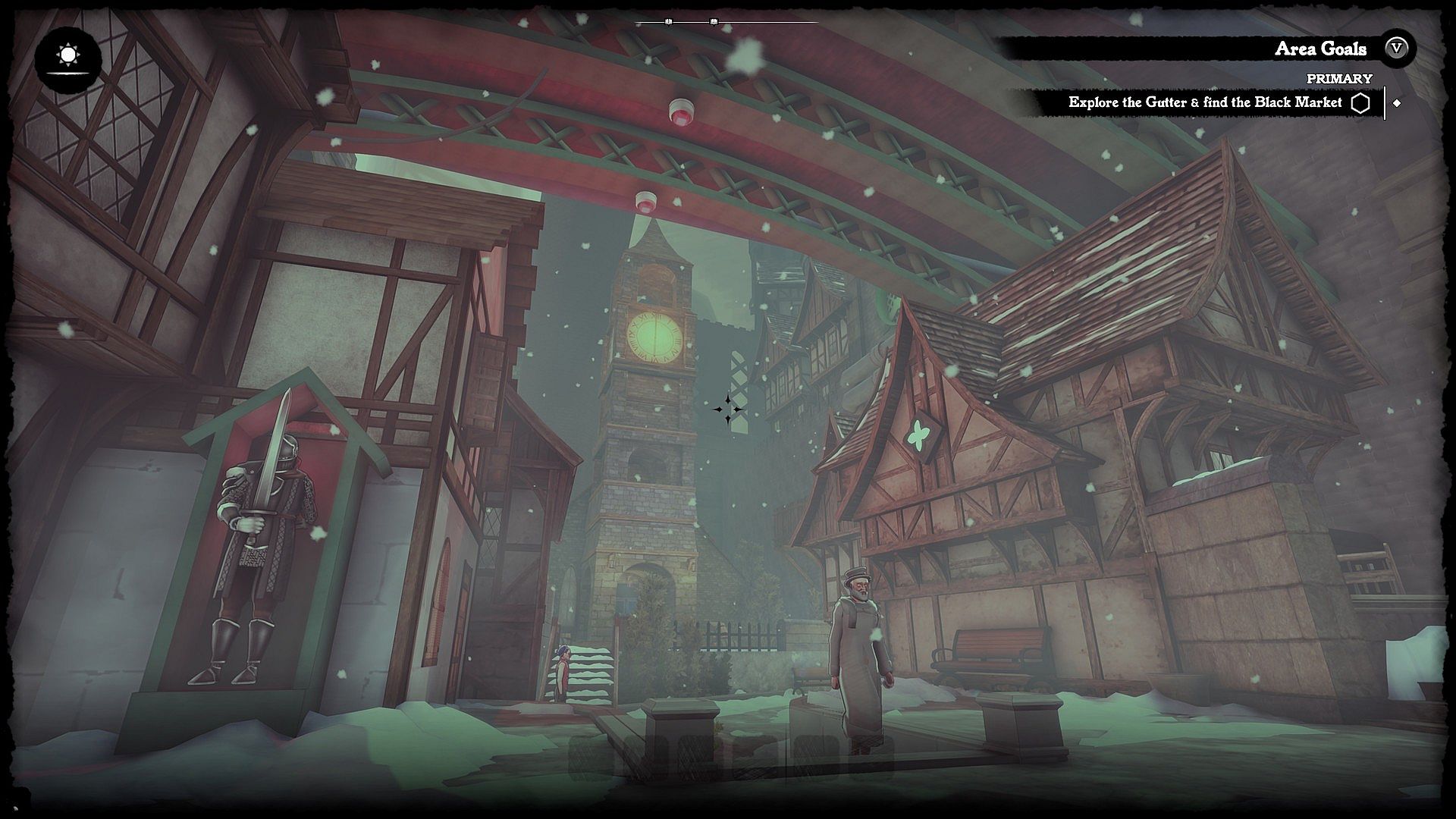
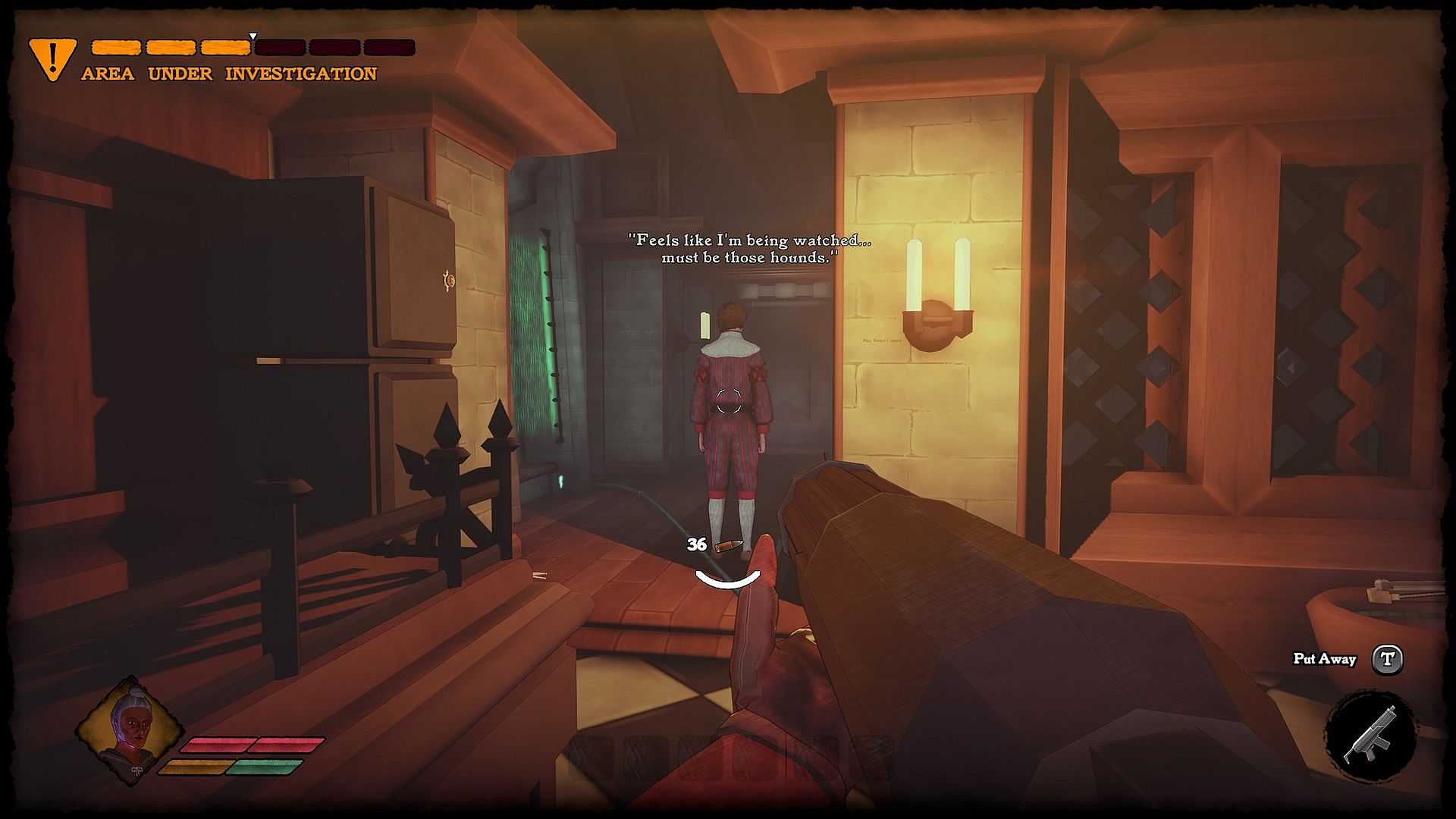
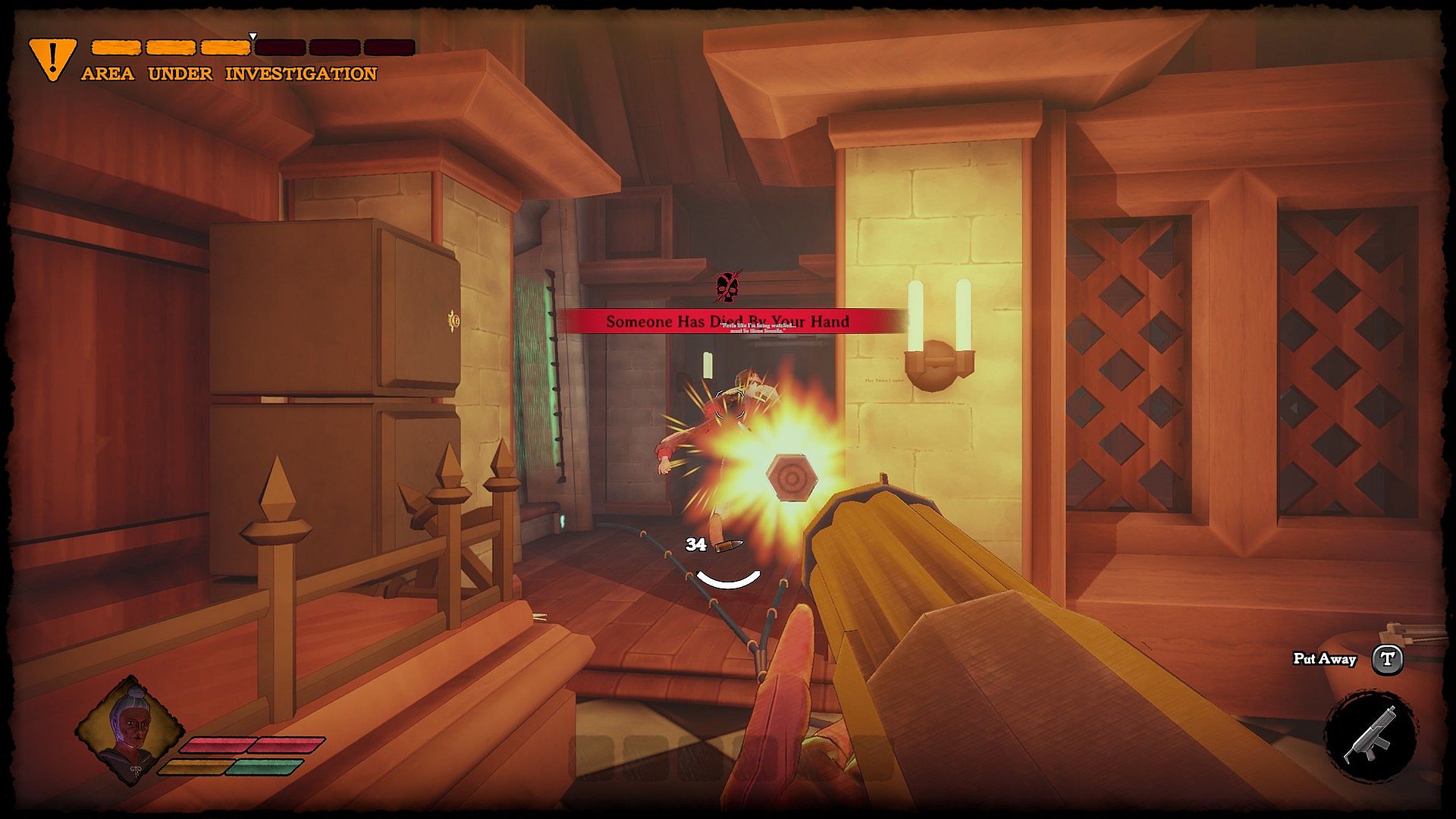

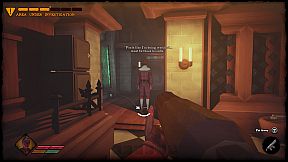

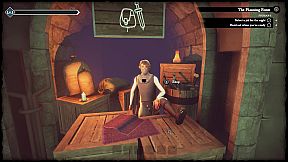



Abermore is a first-person stealth RPG set in a neo-Edwardian city filled with eccentric residents and opportunities for theft. Players step into the role of the Unhanged Man, a mythic figure preparing for a major heist over an 18-day period. The experience centers on daily activities that build toward the final score known as the Feast of the Lucky Few, with each run featuring varied encounters and outcomes.
Gameplay
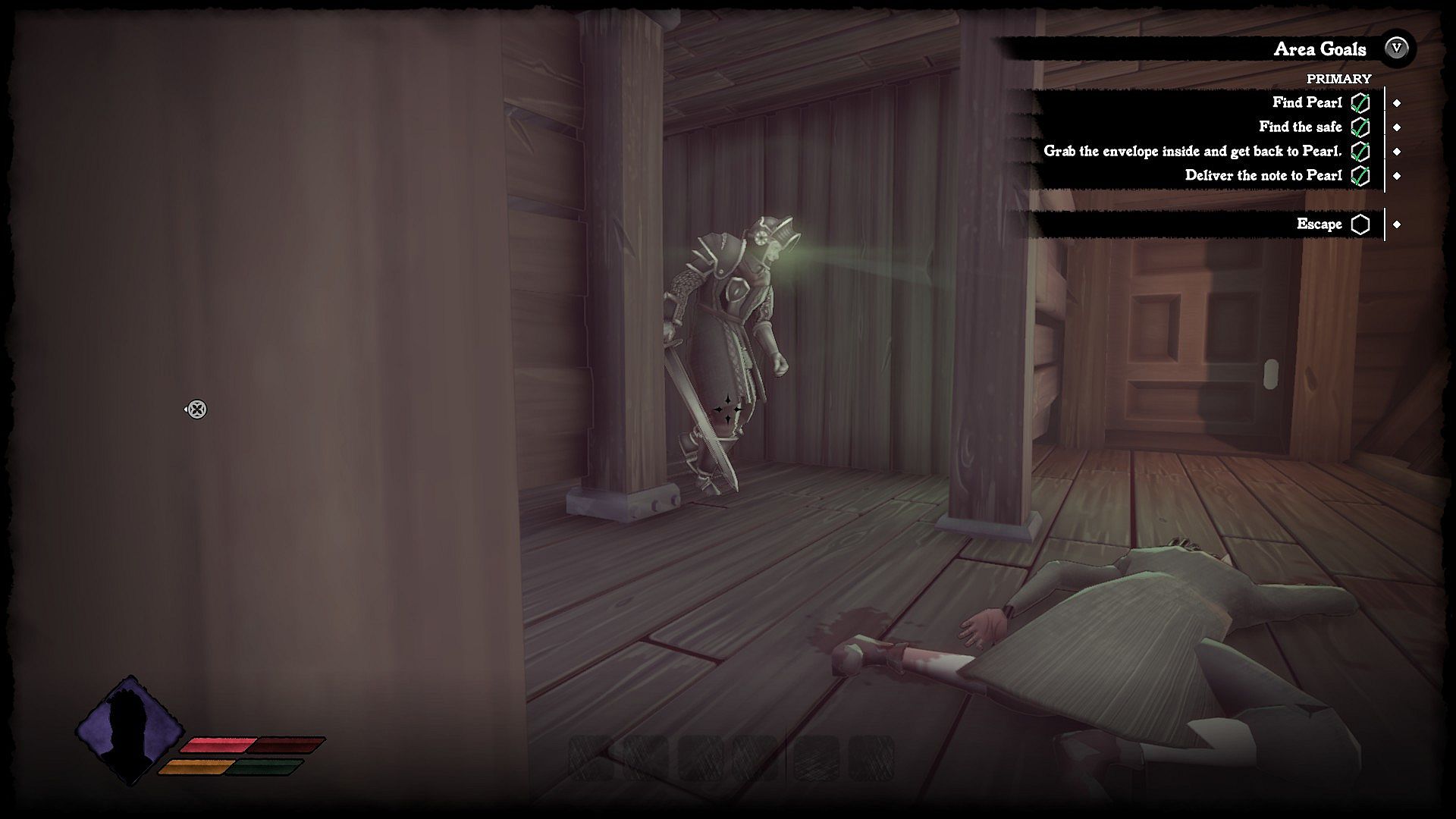
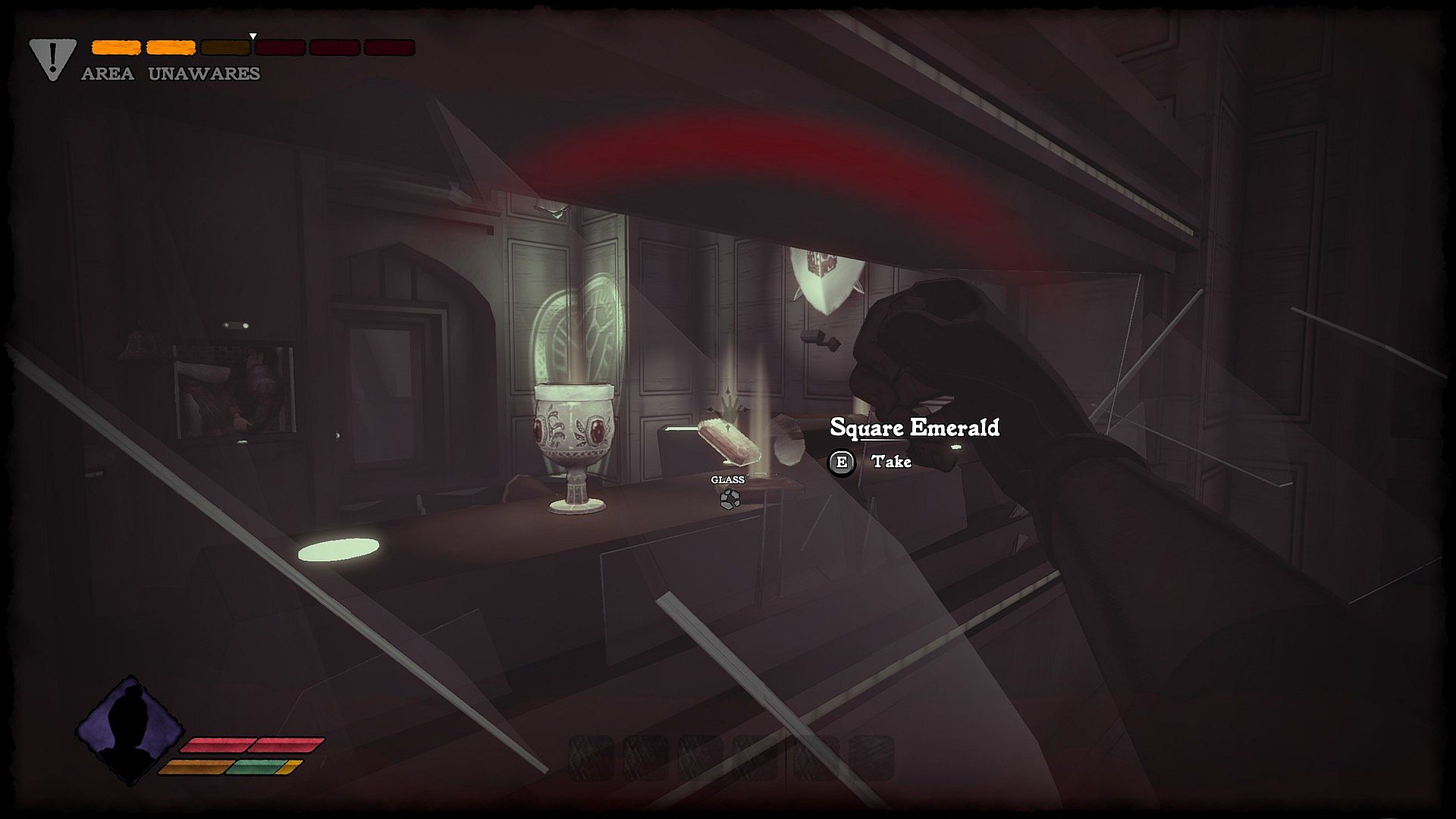
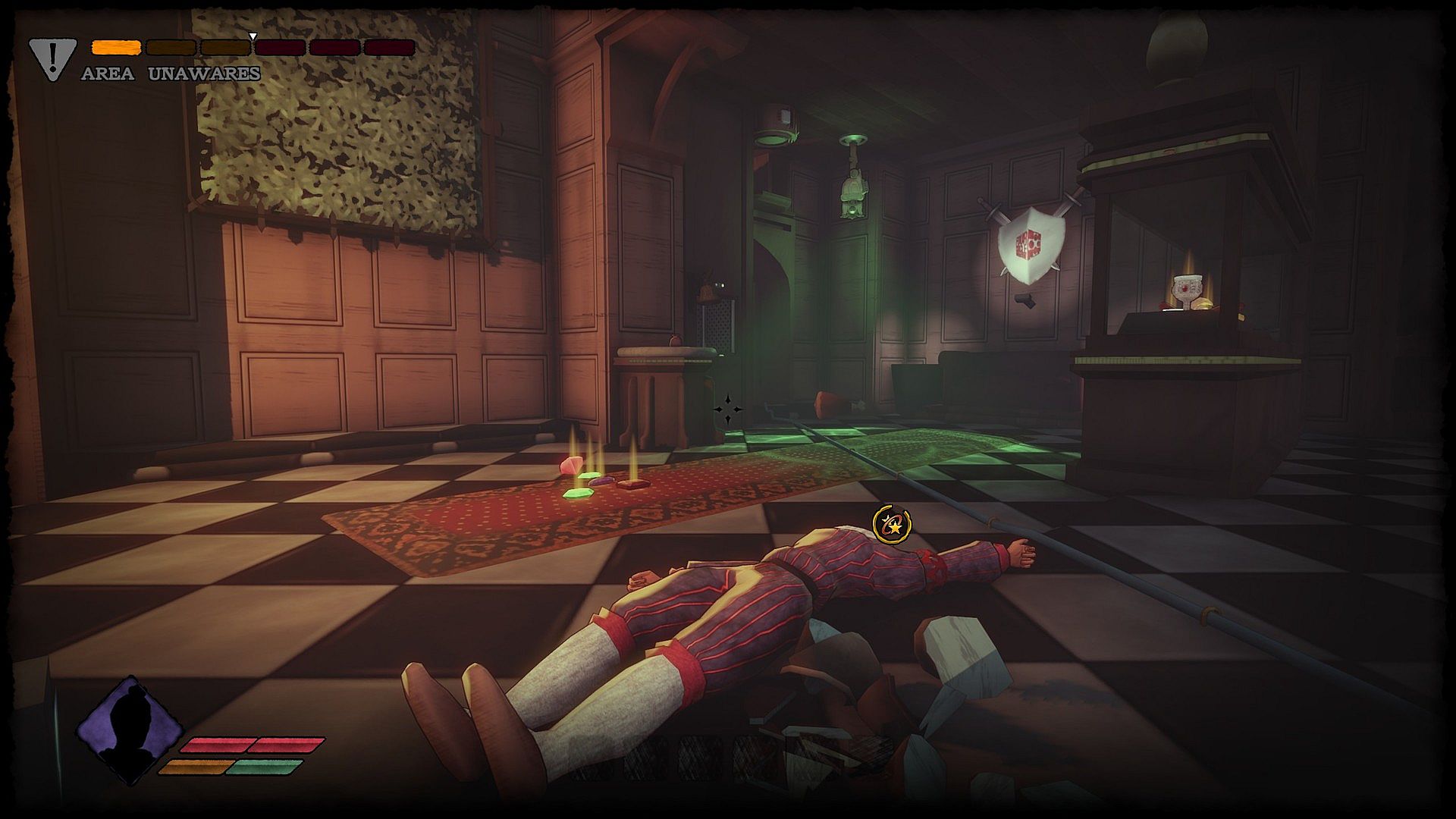
The core loop involves exploring the city streets and interiors to locate targets for robbery while avoiding detection. Levels rely on procedural generation, which alters layouts and guard placements from one playthrough to the next. Players complete side tasks for residents, gather loot for sale, and gather resources during the preparation window. Improvisation plays a key role when plans shift, as everyday objects scattered throughout the environment can serve as distractions or tools. Stealth remains central, with careful movement and timing required to slip past patrols or complete objectives unseen.
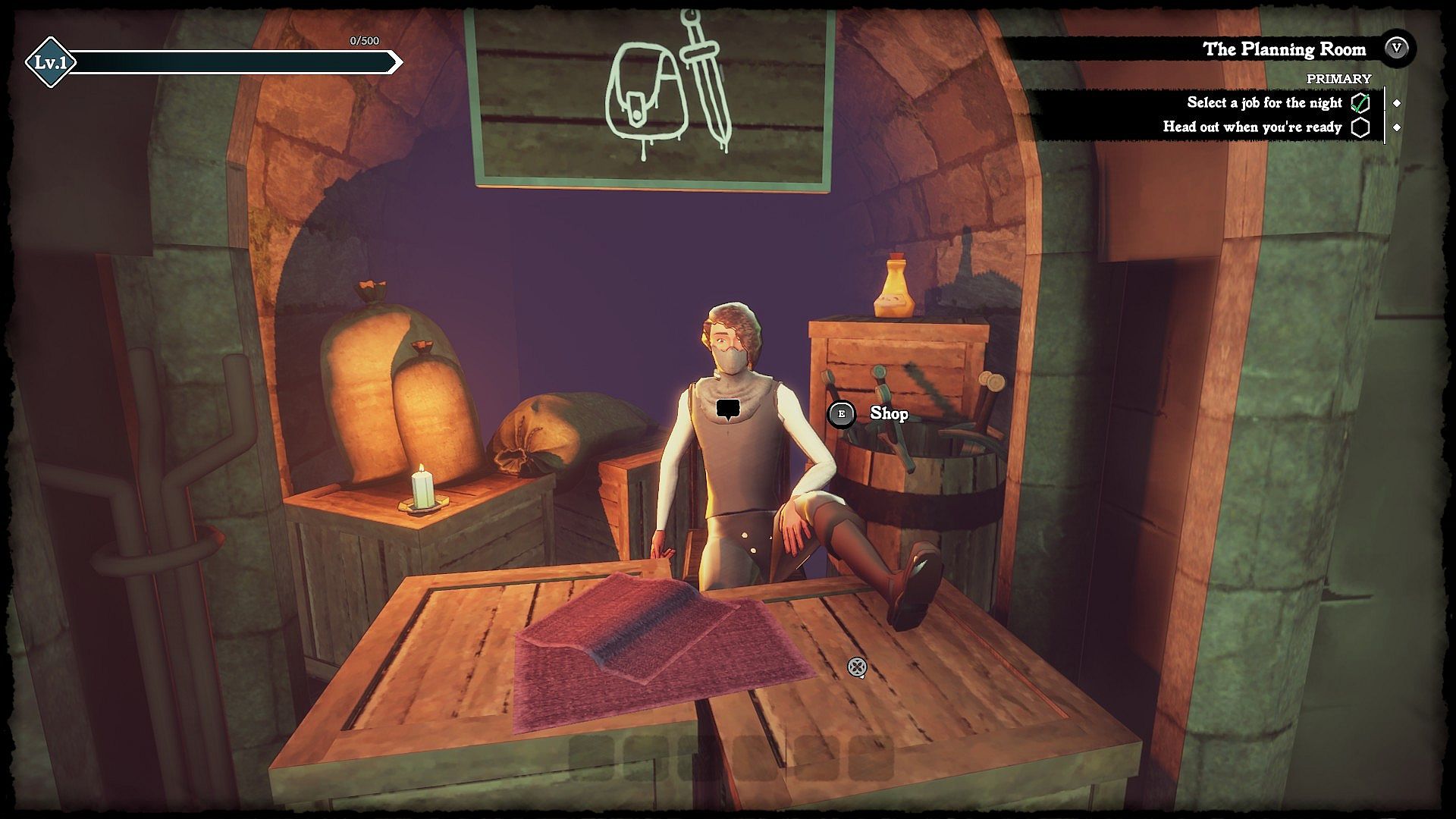
Supernatural elements come from tarot cards that grant one of 14 distinct abilities. These powers support different approaches, such as silencing footsteps for quieter movement or creating protective effects during risky moments. Acquisition of better equipment happens through trading stolen items at the black market, where players exchange goods for weapons and specialized tools. The 18-day structure encourages repeated visits to different areas, as new stories and potential allies appear each cycle.
Game Modes
Abermore operates as a single-player campaign without separate competitive or cooperative options. The main experience unfolds across the fixed 18-day timeline leading to the central heist, with daily segments that chain together robberies and character interactions. Procedural variations ensure that no two days repeat exactly, even when revisiting similar locations. Players manage their own pace within each day, deciding which quests to pursue or which properties to target before the clock advances.
Progress carries forward through accumulated gear and alliances formed with city residents. These relationships provide unique advantages for the final heist, though the specific benefits depend on choices made during the preparation phase. The structure emphasizes replayability through the randomized elements rather than through distinct modes or difficulty settings.
Exploration and Preparation
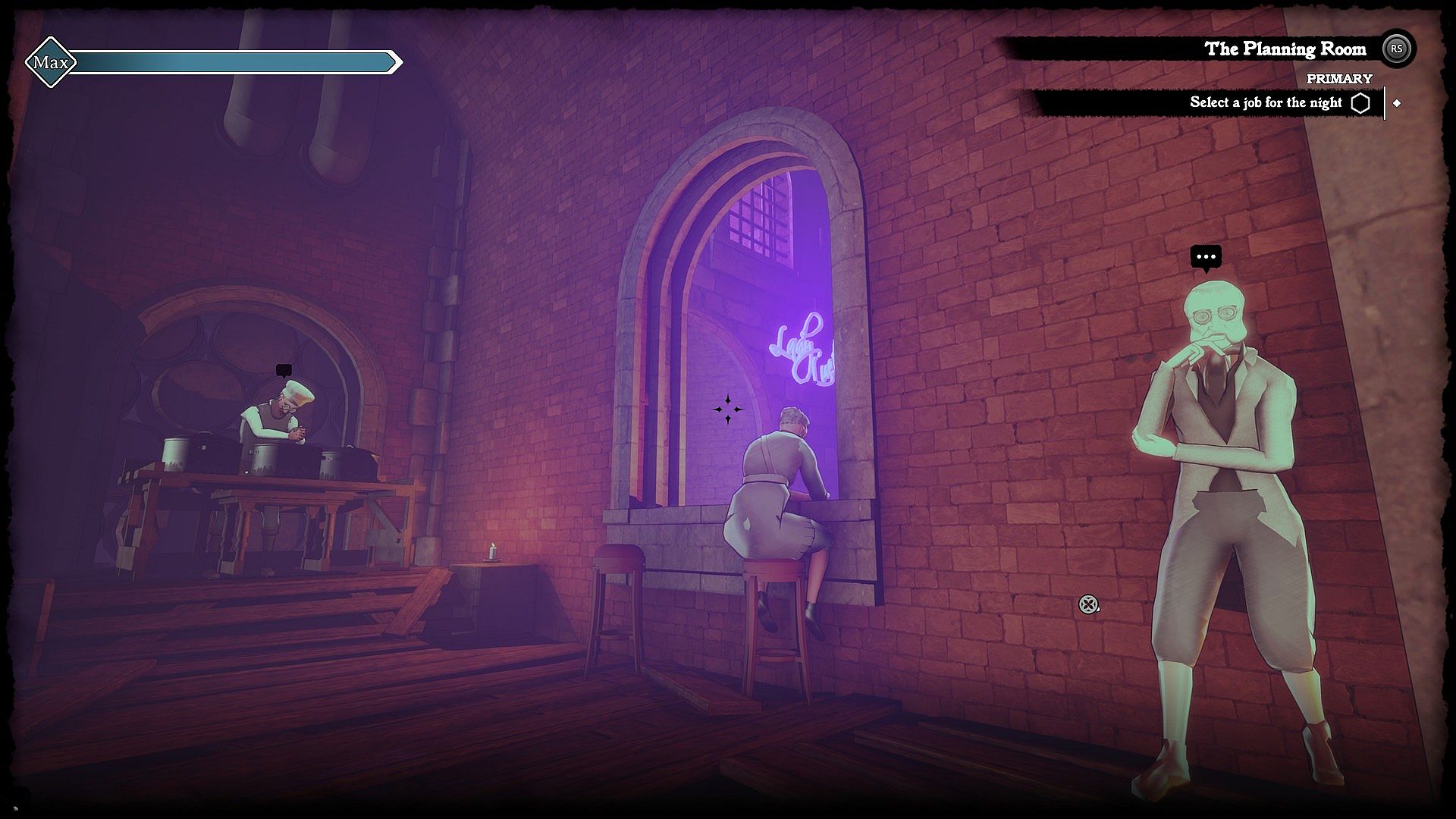
The city of Abermore serves as the primary setting, with neighborhoods that house a range of characters offering side objectives. Completing these tasks can unlock support for later stages, such as additional entry points or distractions during heists. Loot gathered from successful robberies fuels the black market economy, allowing upgrades that alter how future missions unfold. The emphasis stays on careful scouting and resource management rather than direct confrontation.
Environmental interaction extends beyond standard tools, as players experiment with available items to create opportunities for stealth or escape. This flexibility rewards observation of surroundings and creative problem solving within the constraints of each procedurally arranged space.
Is It Worth Playing?
Abermore delivers a focused stealth experience built around short daily cycles and procedural variety. The combination of tarot-based abilities and black market trading adds layers to planning, while the 18-day arc provides a clear sense of progression toward a single major objective. Those who enjoy methodical first-person stealth and city exploration may find the core systems engaging despite limited scope.
Reception has been limited, with user feedback on distribution platforms showing low positive ratings from a small review base. Reports of technical issues and incomplete polish appear consistently in available commentary. The game remains available as a complete single-player title with no post-launch seasons or expansions. Potential buyers should consider their tolerance for experimental indie titles that prioritize atmosphere and systems over refined execution.