




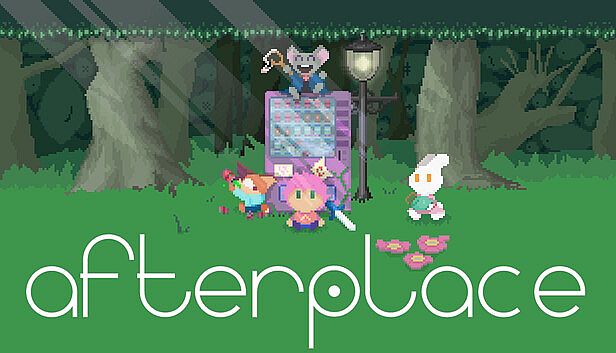





















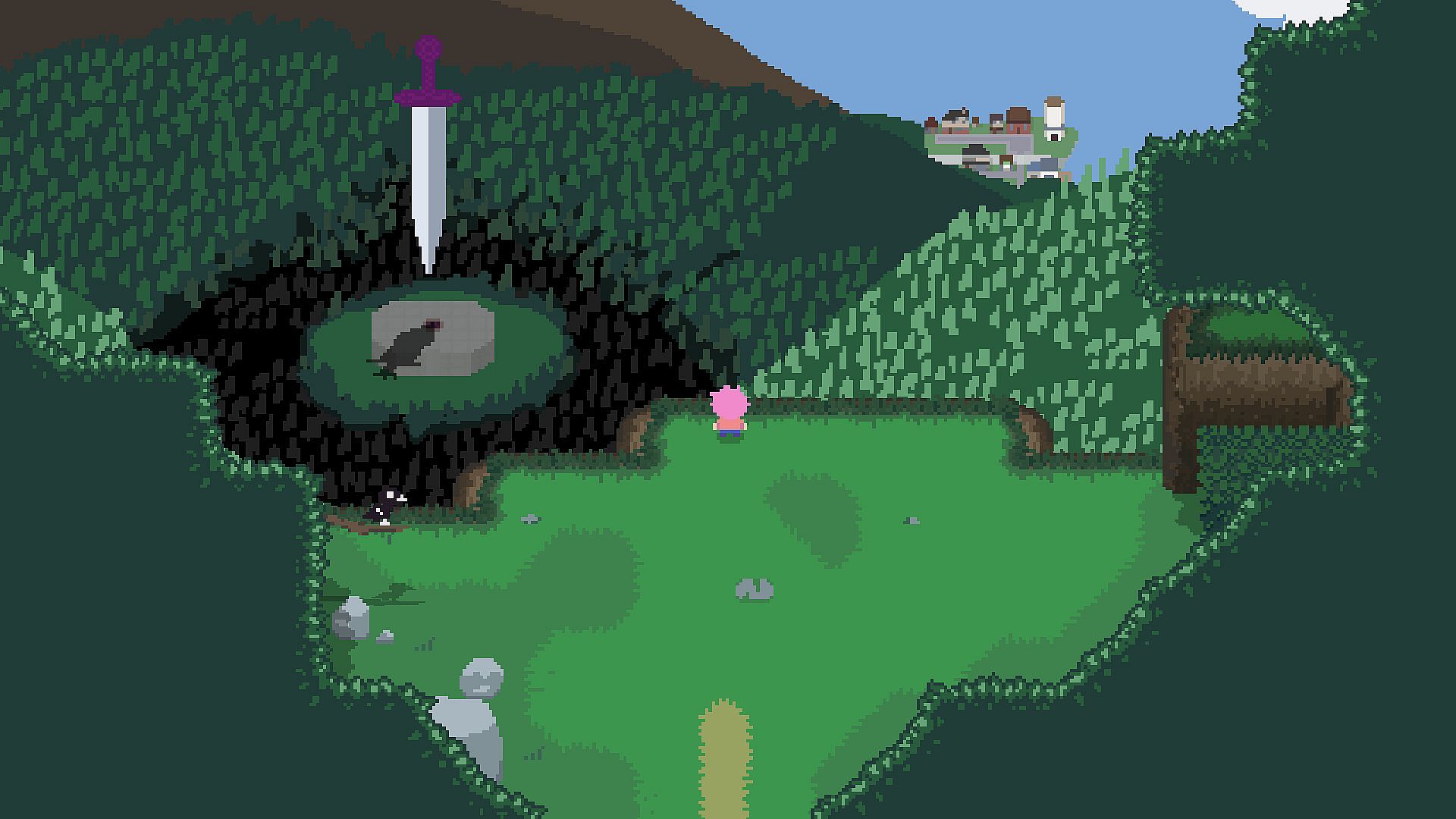
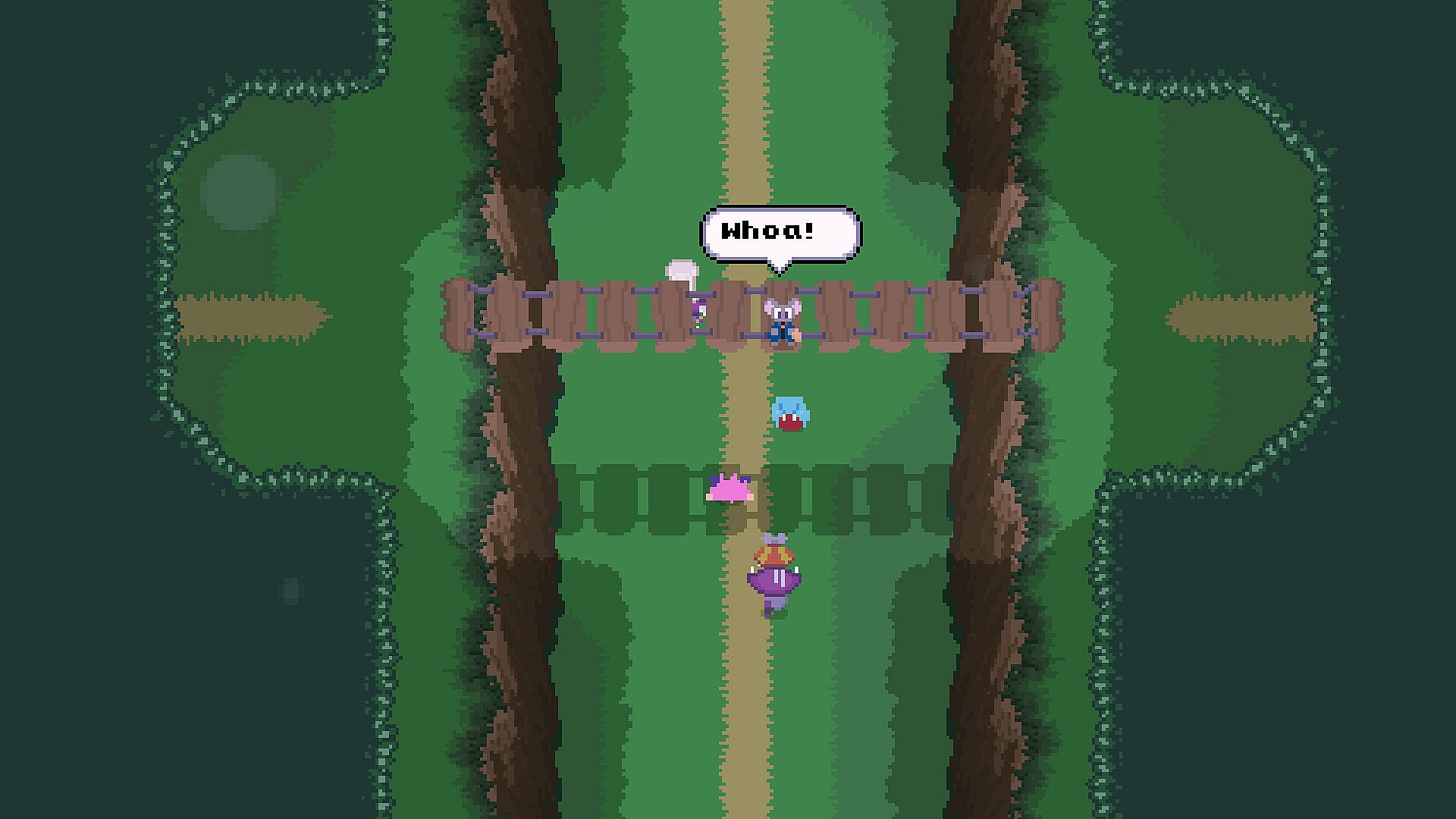
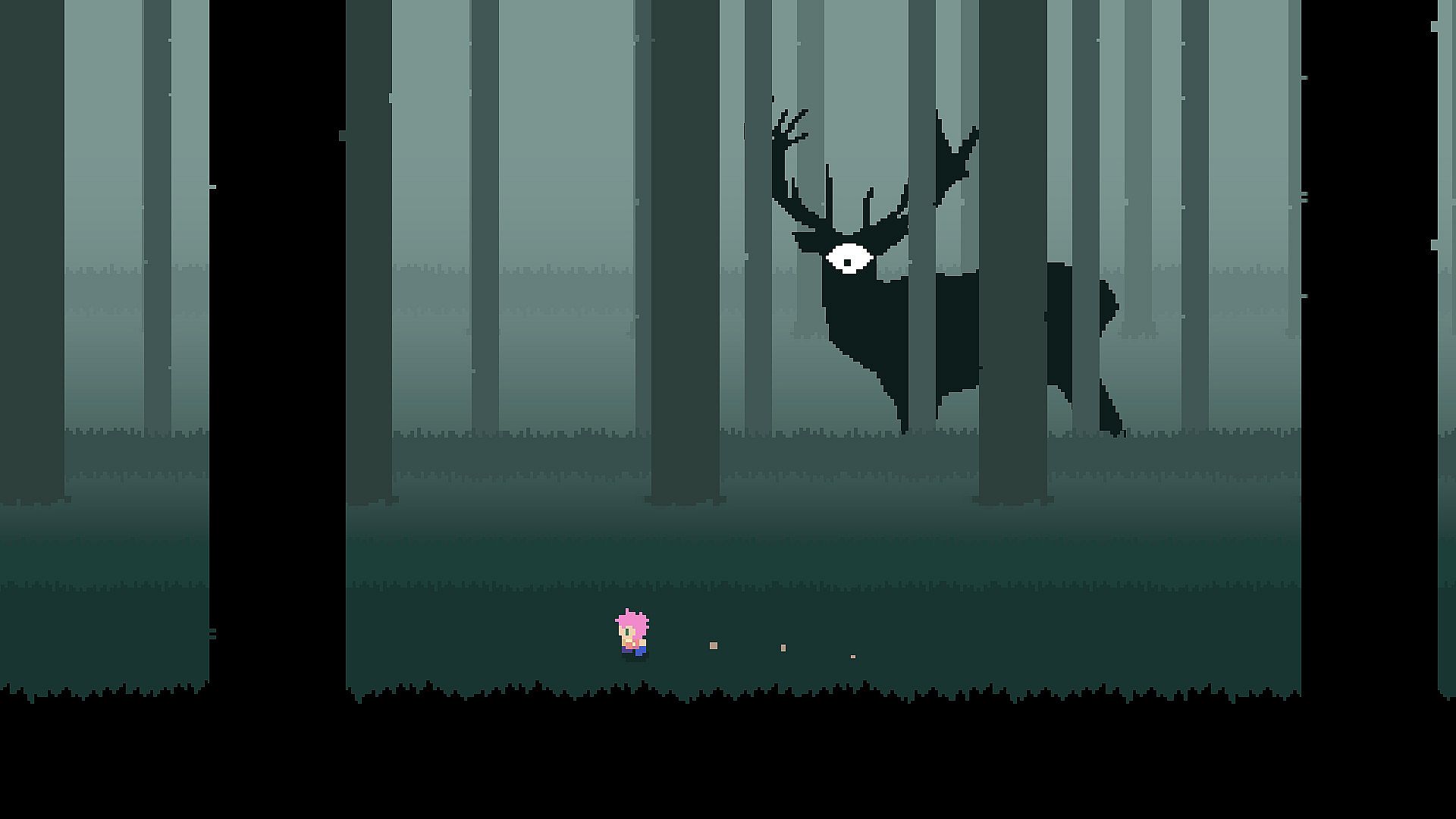
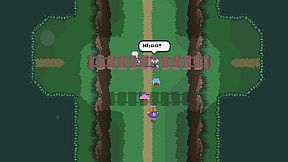
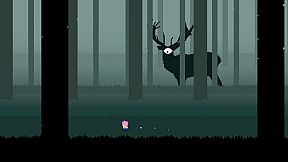
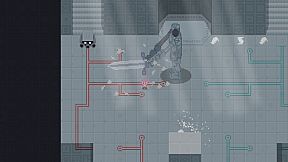
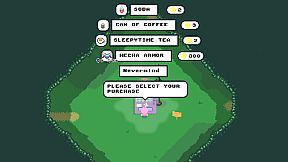
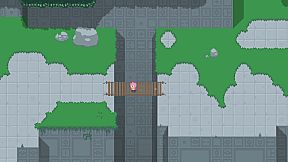
Afterplace is a single-player action RPG and open world adventure game developed by solo creator Evan Kice. Built in a retro pixel art style, it places players in a vast forest world filled with secrets, monsters, and quirky characters. The experience emphasizes freeform exploration without waypoints or heavy guidance, letting curiosity drive progress across nonlinear paths.
Gameplay
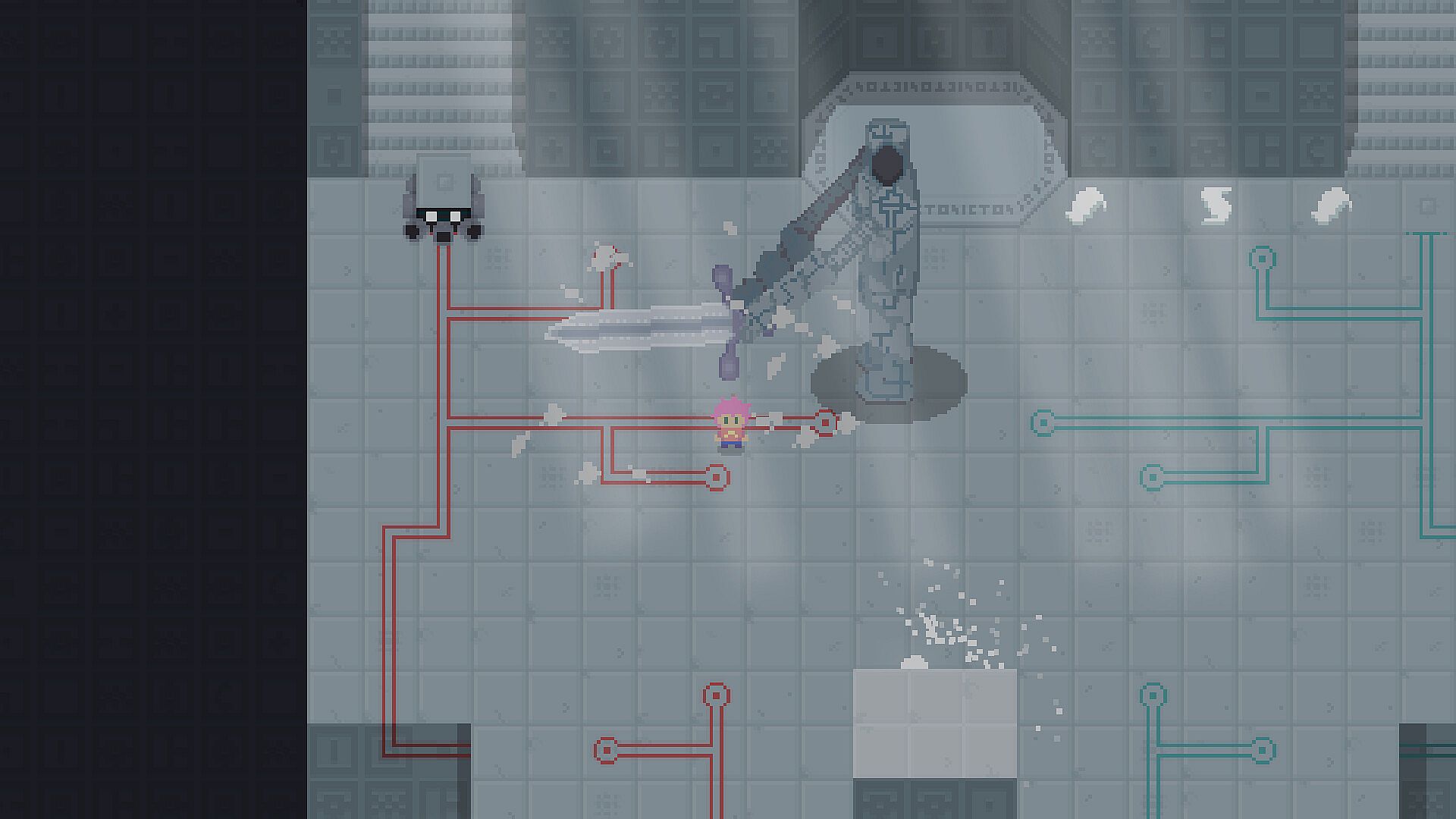
Core gameplay revolves around real-time hack and slash combat paired with constant discovery. Players control a character who moves fluidly through the environment, striking enemies with basic attacks while dodging patterns from unique monster types. Combat stays lightweight to keep focus on the surroundings rather than complex combos or menus.
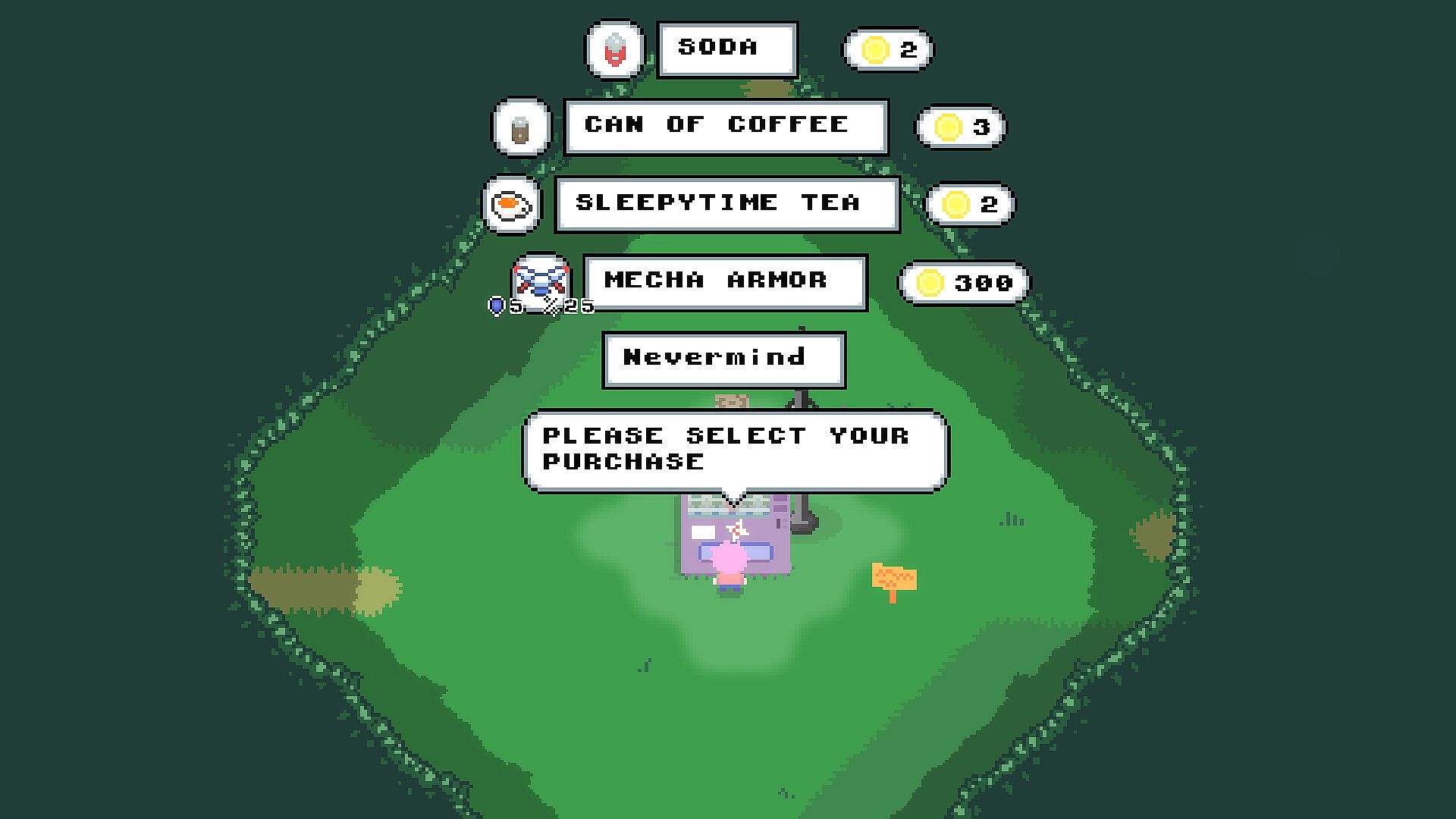
Progression comes through weapon upgrades, armor purchases, and occasional consumables that boost stats. The world itself expands as hidden trails, labyrinths, and dungeons reveal themselves in unexpected corners. Interaction with non-player characters offers optional dialogue that can influence later events, though players remain free to ignore conversations entirely and continue wandering.
Controls remain simple and responsive on PC, supporting keyboard, mouse, or gamepad input. The absence of an overworld map encourages players to rely on memory and visual landmarks, creating a sense of scale that feels both intimate and expansive. Sessions often mix short bursts of combat with longer stretches of pathfinding and environmental interaction.
Game Modes
Afterplace operates entirely in a single-player mode centered on open-ended exploration. There are no separate multiplayer components or structured competitive modes. Instead, the design delivers one cohesive experience where every playthrough can differ based on which paths players choose and which characters they engage with.
Multiple endings emerge from subtle decisions made throughout the journey, rewarding those who experiment with dialogue choices or ignore certain threads. The core loop stays consistent across runs: move through the woods, battle creatures, uncover secrets, and decide how deeply to pursue any narrative threads that surface.
Exploration and Secrets
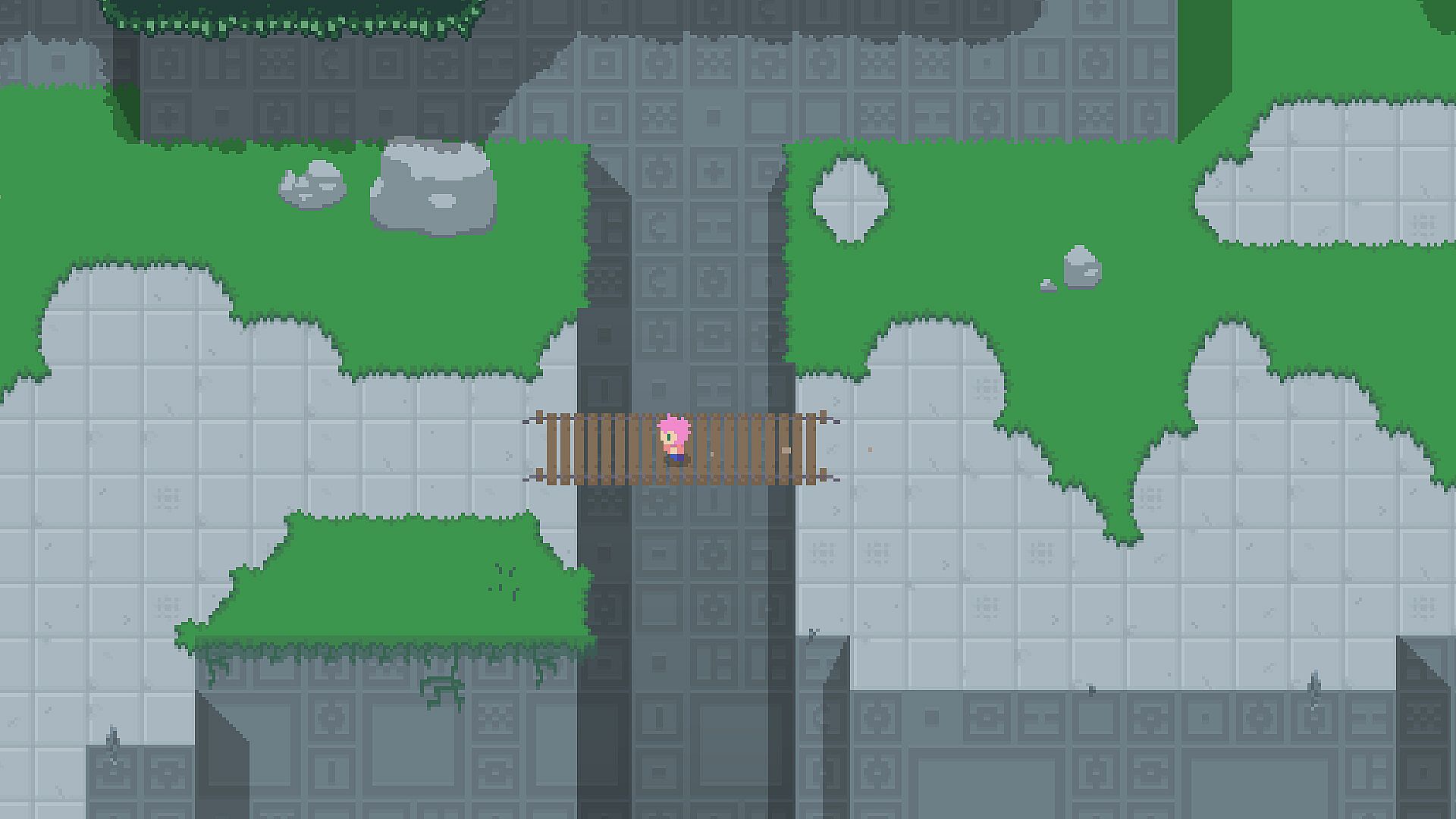
The forest setting hides dozens of distinct enemies with varied behaviors and personalities. Labyrinths and side areas appear only when players stray from obvious routes, often leading to new upgrades or story fragments. Secret paths frequently connect distant regions or unlock unexpected locations that feel ordinary yet rewarding in context.
Player freedom extends to combat style and pacing. Some encounters can be avoided, while others reward careful positioning. The world supports repeated visits with new details appearing based on prior actions, though the base structure remains handcrafted and consistent rather than procedurally generated.
Is It Worth Playing?
Afterplace suits players who enjoy deliberate exploration in a compact yet detailed single-player world. Its retro presentation and straightforward mechanics appeal to those seeking an alternative to heavily guided modern adventures. The game delivers roughly ten hours of focused content, with additional time available for those who deliberately lose their way among the trails.
Reception on PC has been strongly positive, with the majority of players praising the writing, character interactions, and sense of discovery. Solo development by Evan Kice has continued through post-launch updates that refined controls and added platform support. Those who value player agency over handholding will find the lack of maps and markers refreshing rather than frustrating.
The experience stands out for its balance of humor, quiet moments, and occasional surprises that emerge naturally from free movement. It remains a focused indie title best approached with patience and a willingness to chart an individual route through the woods.














