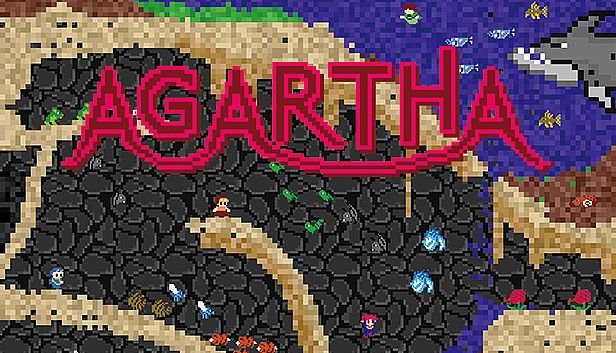











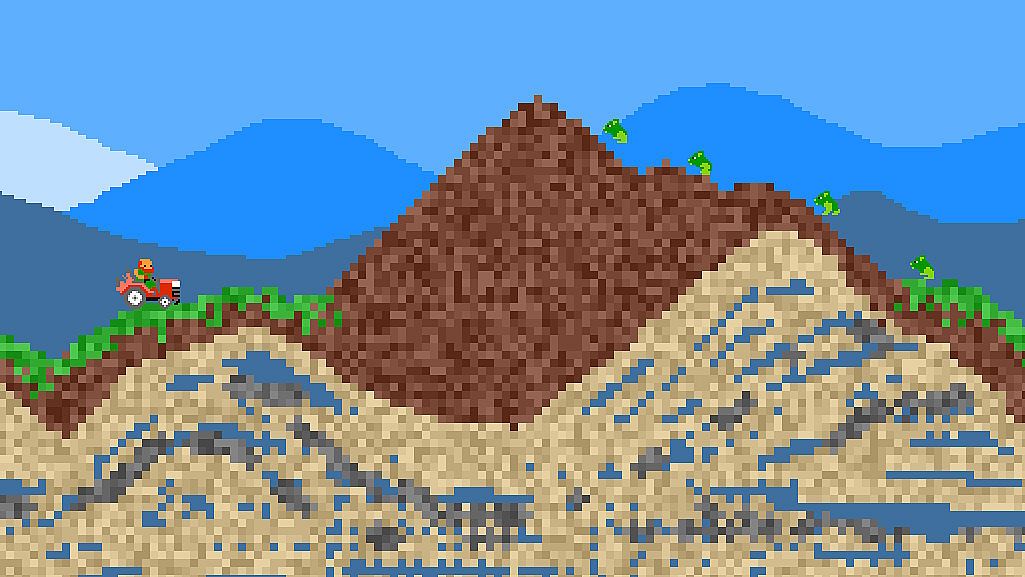
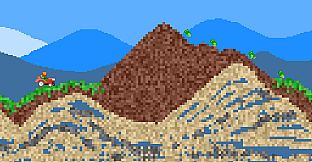

Agartha is an action indie puzzle platformer for PC that puts players in control of various adventurers navigating an underground world filled with interactive natural elements. The core experience revolves around carving paths through levels using character-specific abilities and environmental interactions rather than traditional combat or exploration alone.
Gameplay
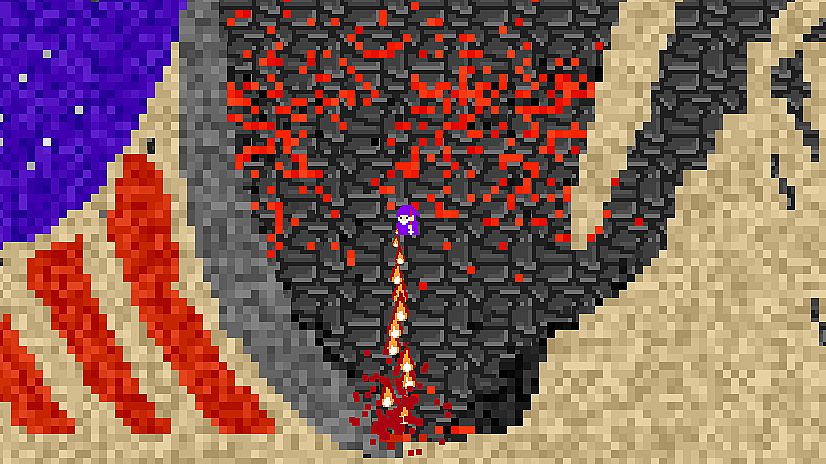
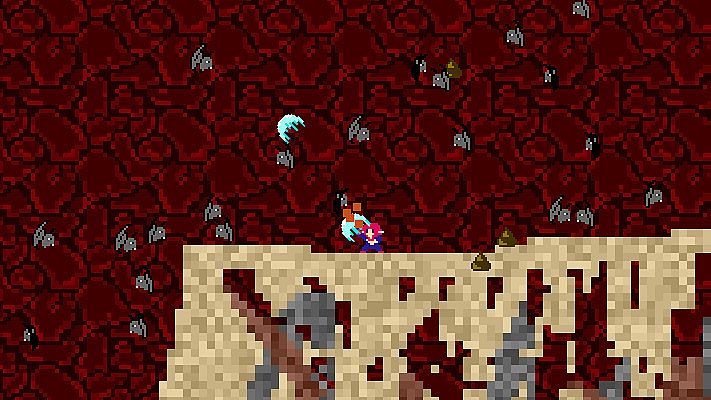
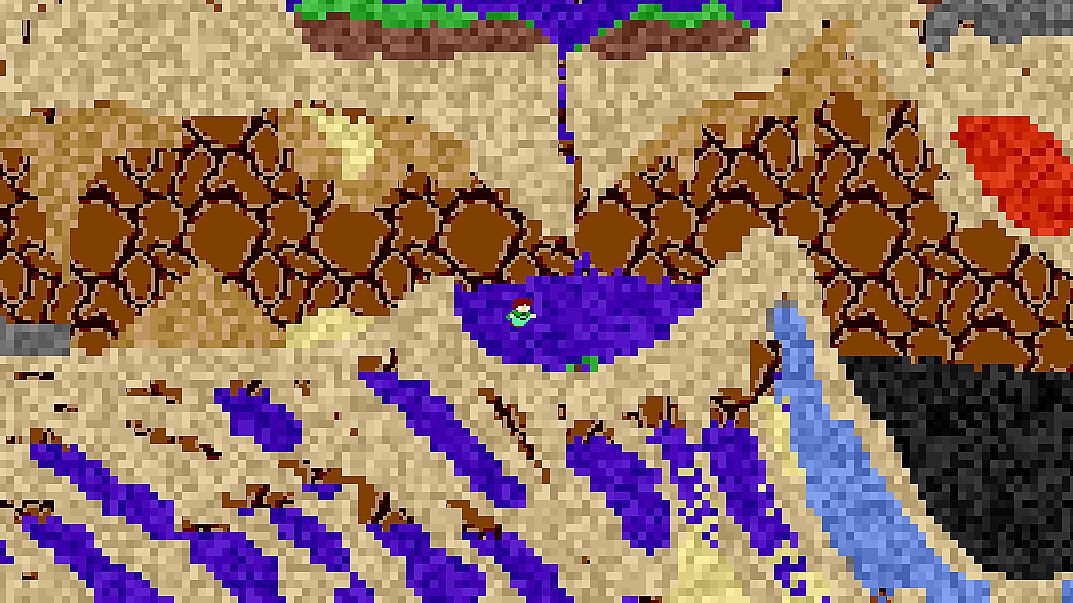
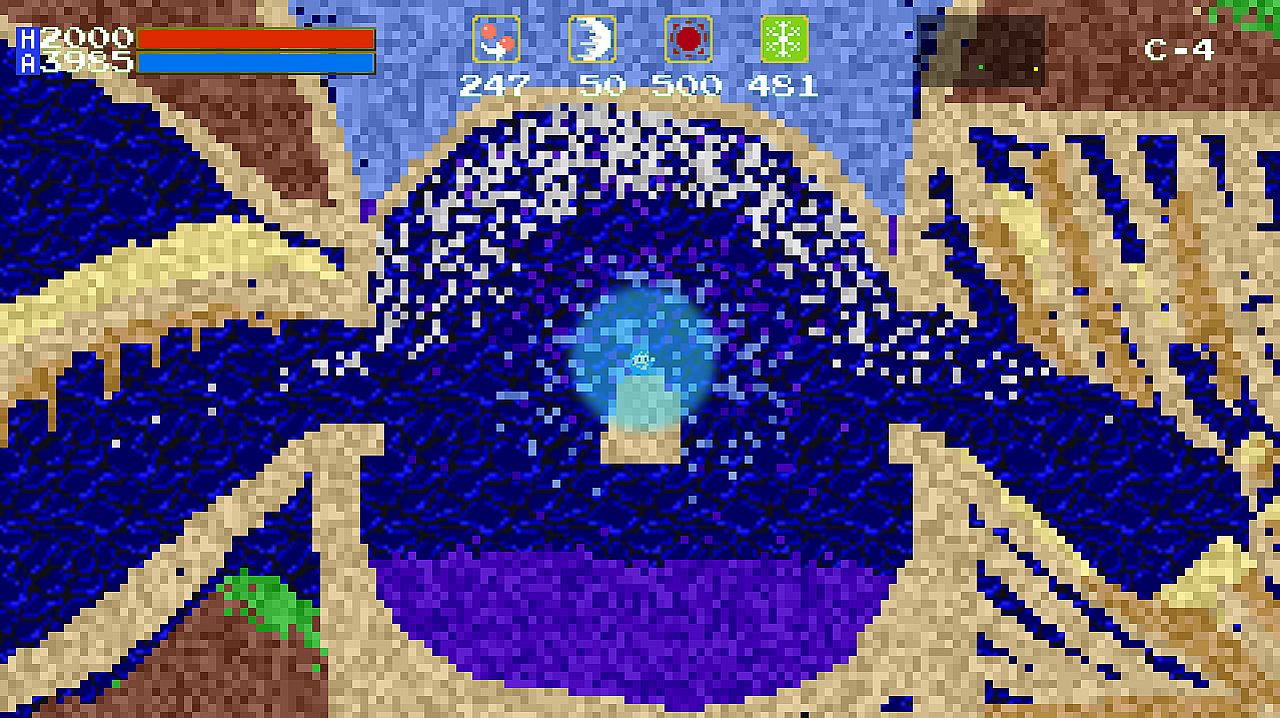
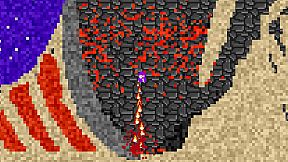
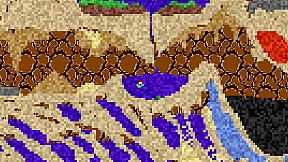
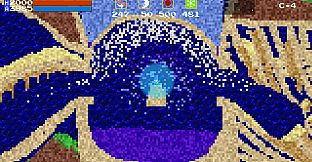
The gameplay centers on precise 2D platforming combined with puzzle solving through environmental manipulation. Each stage features elements such as flowing water, steam, ice, oil, magma, and plant life that respond to the player's actions in detailed ways. A per-pixel temperature system governs how these materials change states, allowing players to melt ice with fire, freeze water with cold effects, evaporate steam, or ignite oil to alter terrain and create new routes.
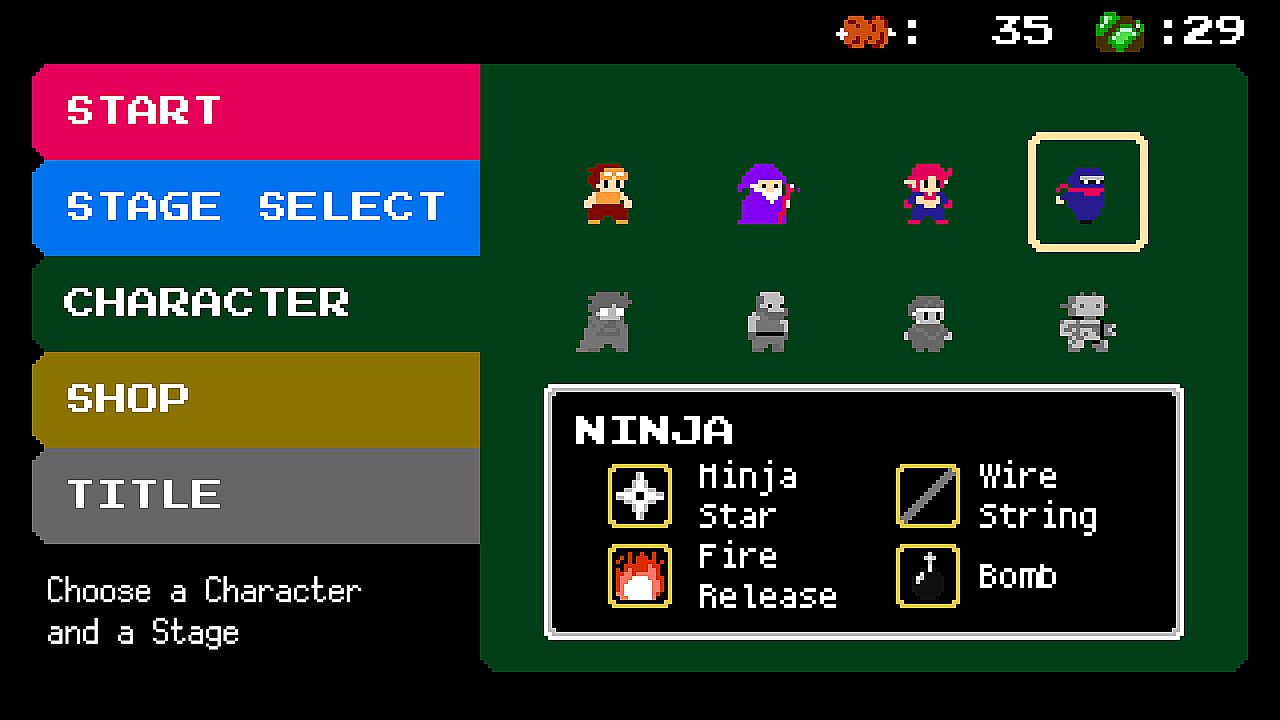
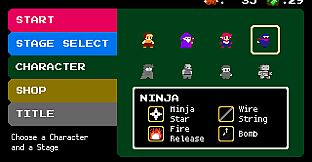
Players select from multiple adventurers, each equipped with distinct tools and powers. The gunner starts with firearms that can eliminate threats or blast through obstacles, while other characters like the esper, wizard, ninja, and farmer bring abilities that reshape the surroundings differently. These limited resources encourage careful planning, as overuse or poor timing can lead to dead ends or hazards like falling rocks.
Stages mix linear progression with optional paths and hidden exits. Mastery comes from understanding how each adventurer's kit interacts with the physics and chemistry of the world, turning what appears to be a simple dig through dirt into layered challenges that reward experimentation and observation.
Game Modes
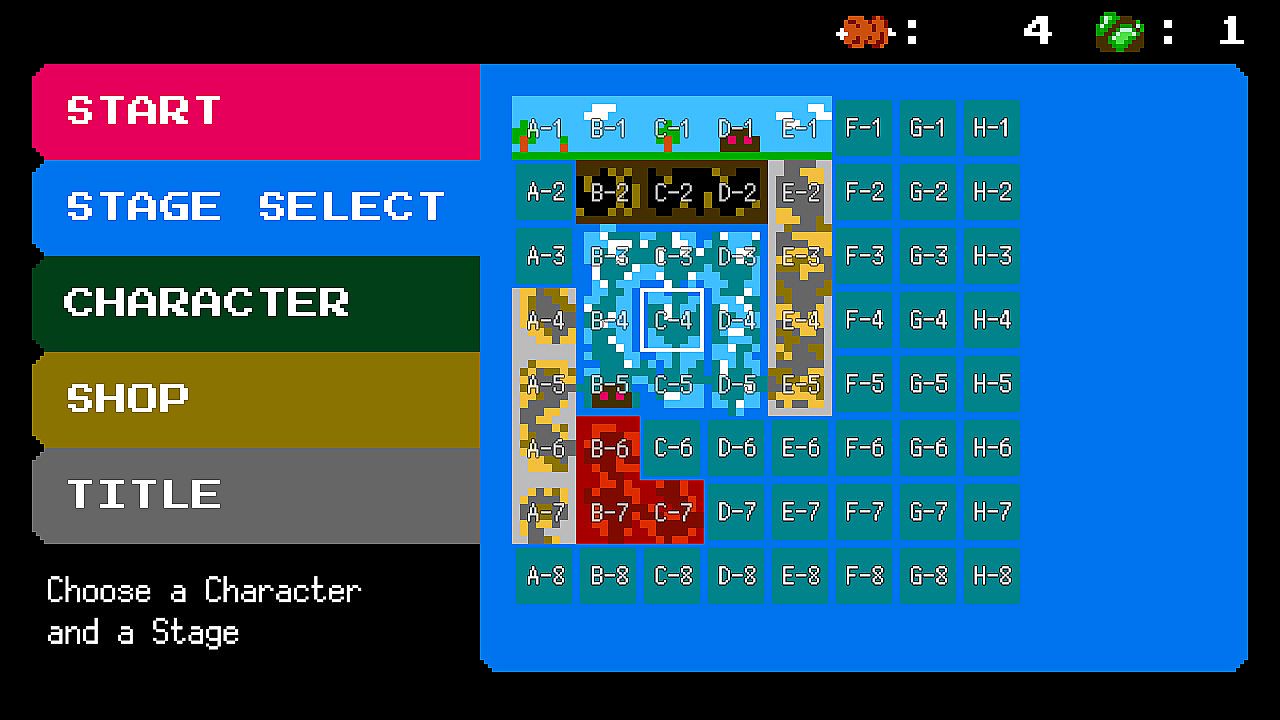
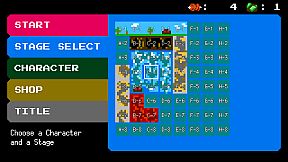
Agartha focuses on single-player stage completion across dozens of levels. Progression involves selecting an adventurer and attempting to reach the exit while managing resources and adapting to shifting environmental conditions. Some stages include branching routes that lead to secret areas or alternative solutions, adding replay value without introducing separate modes.
The structure emphasizes individual level attempts rather than campaigns or competitive play. Players revisit stages with different characters to discover new approaches, as each adventurer's powers open unique possibilities for navigating the same terrain.
Level Design and Environmental Systems
Level design highlights the underground setting as an aggregation of natural forces. Caverns heated by magma, streams of water, cooling steam, and solidifying ice create dynamic obstacles that players must actively modify. Oil spills and burning patches add further layers, requiring specific tools to clear or redirect.
The pixel art style supports clear visibility of these interactions, making the temperature and state changes easy to track during play. Challenges scale through tighter platforming sections and more complex combinations of elements, pushing players to combine abilities creatively within the constraints of each adventurer's kit.
Is It Worth Playing?
Agartha appeals to players who enjoy puzzle platformers that prioritize environmental problem-solving over story or combat. The variety of adventurers and the depth of the interaction systems provide consistent engagement across its levels, with many stages offering multiple valid solutions.
Reception from players and reviewers highlights its niche strengths in creating non-traditional puzzles through physics and element manipulation. Those seeking a focused, single-player experience with high replay potential through character switching will find the game rewarding. Availability on PC makes it accessible for those interested in indie titles that emphasize clever mechanics over high production values.
The game suits fans of deliberate, observation-based gameplay who appreciate mastering a limited set of tools against responsive environments. Its straightforward structure without ongoing seasons or expansions keeps the focus on core level completion and experimentation.