


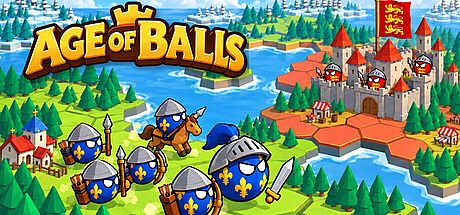


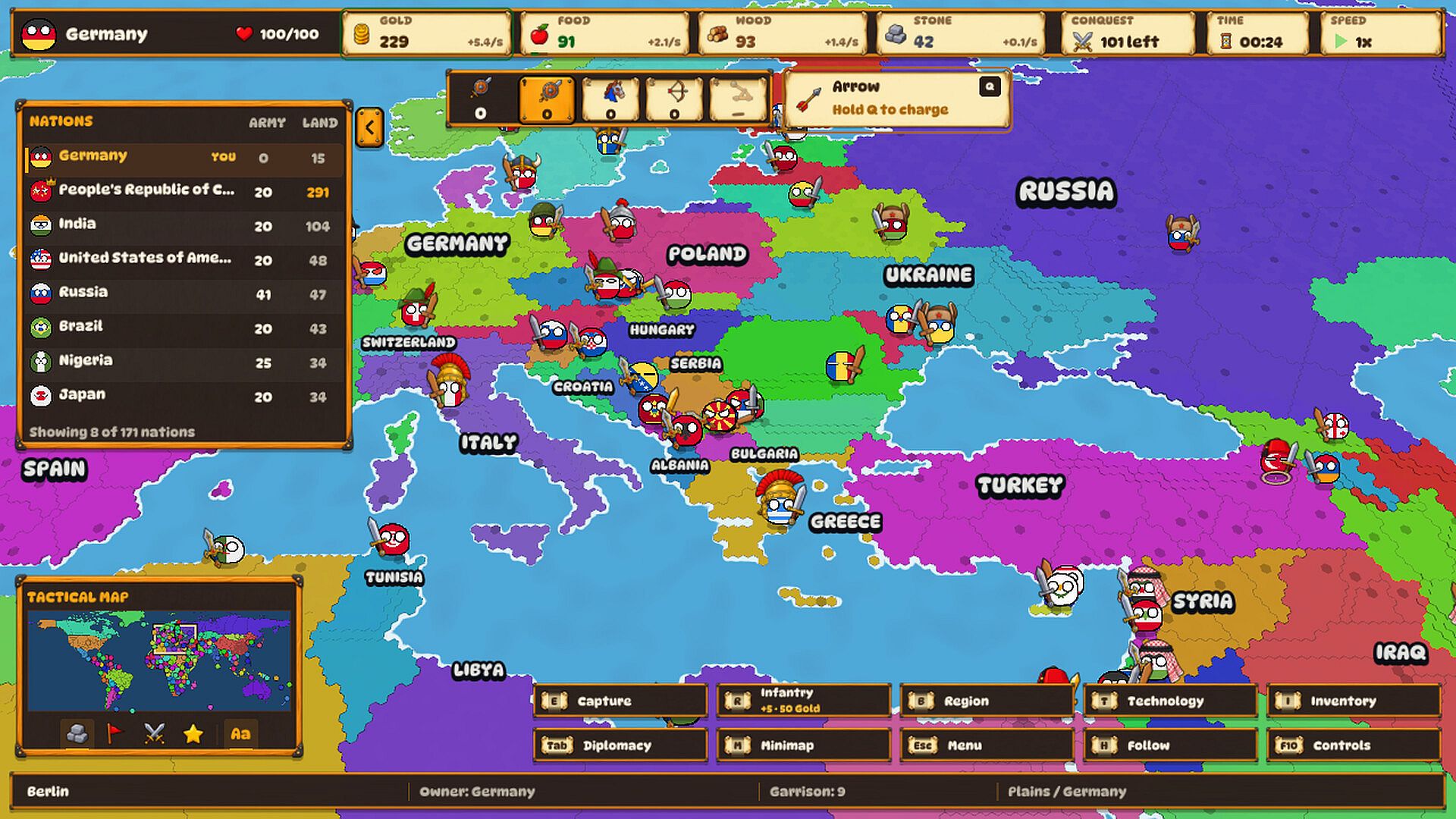
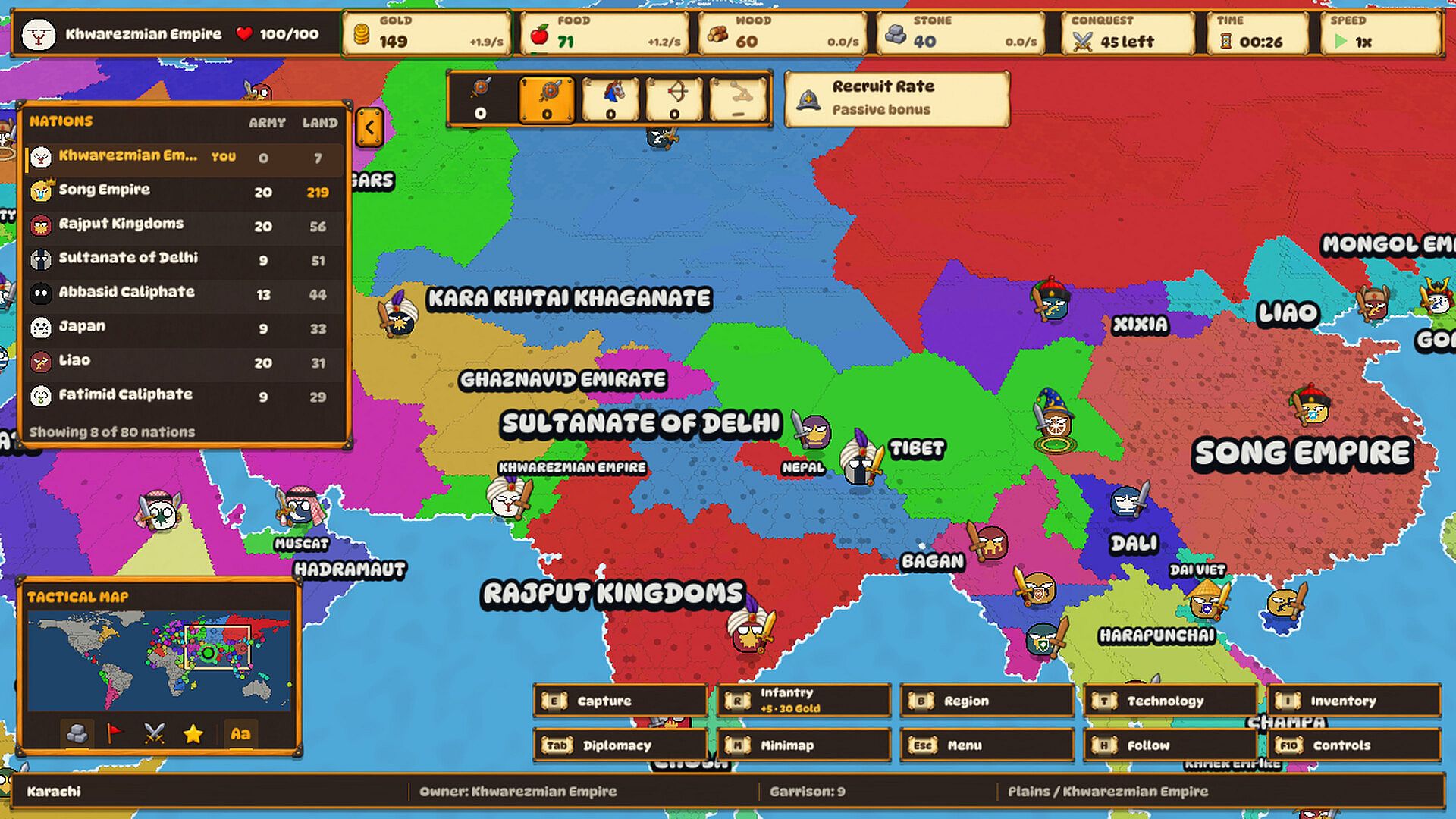
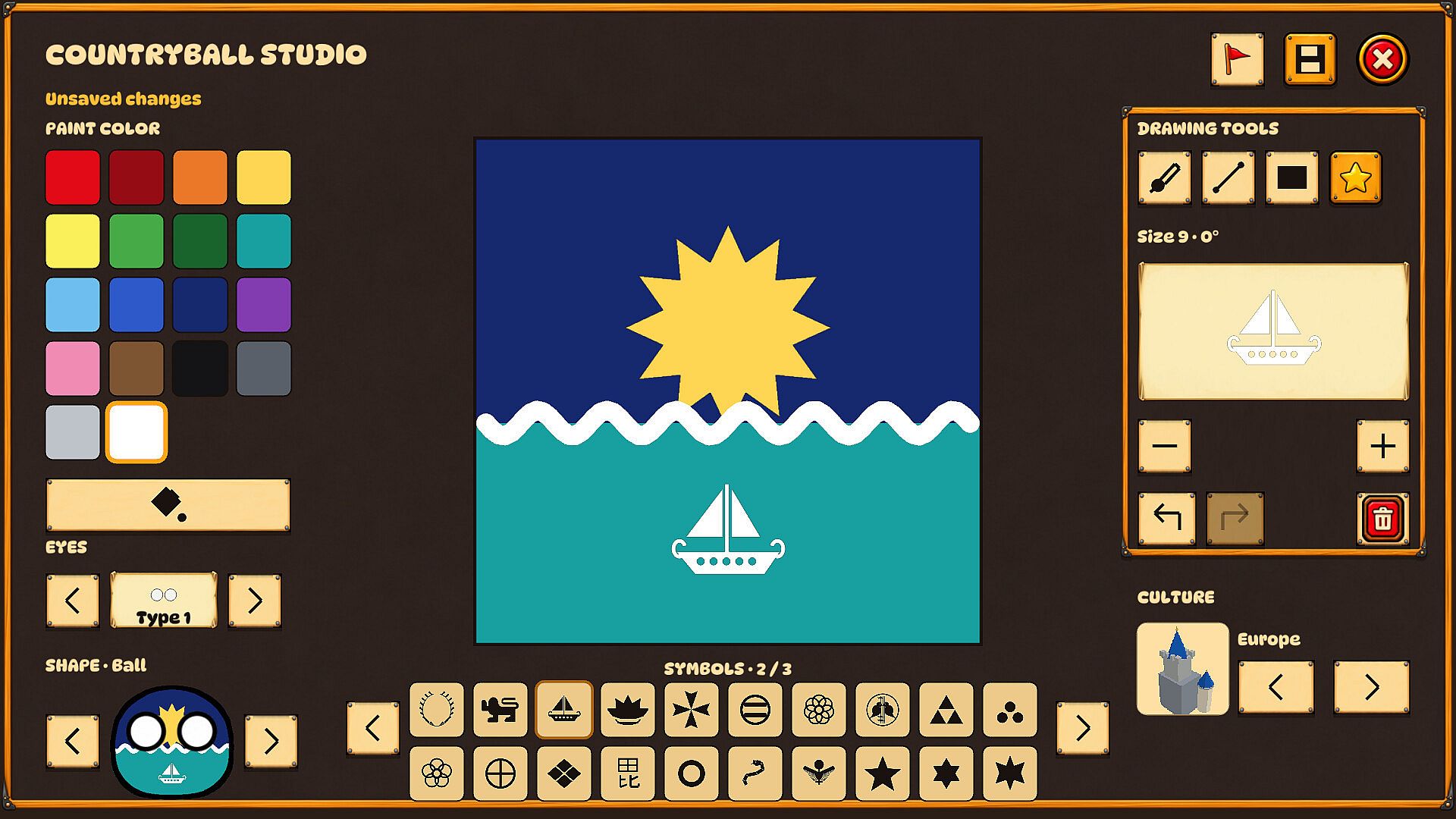

Age of Balls is a real-time strategy game for PC in which players command a countryball to build and expand a nation across historical eras. The title combines city development, economic management, technological progress, and direct battlefield leadership in a single package aimed at fans of grand strategy with a lighthearted visual style.
Gameplay
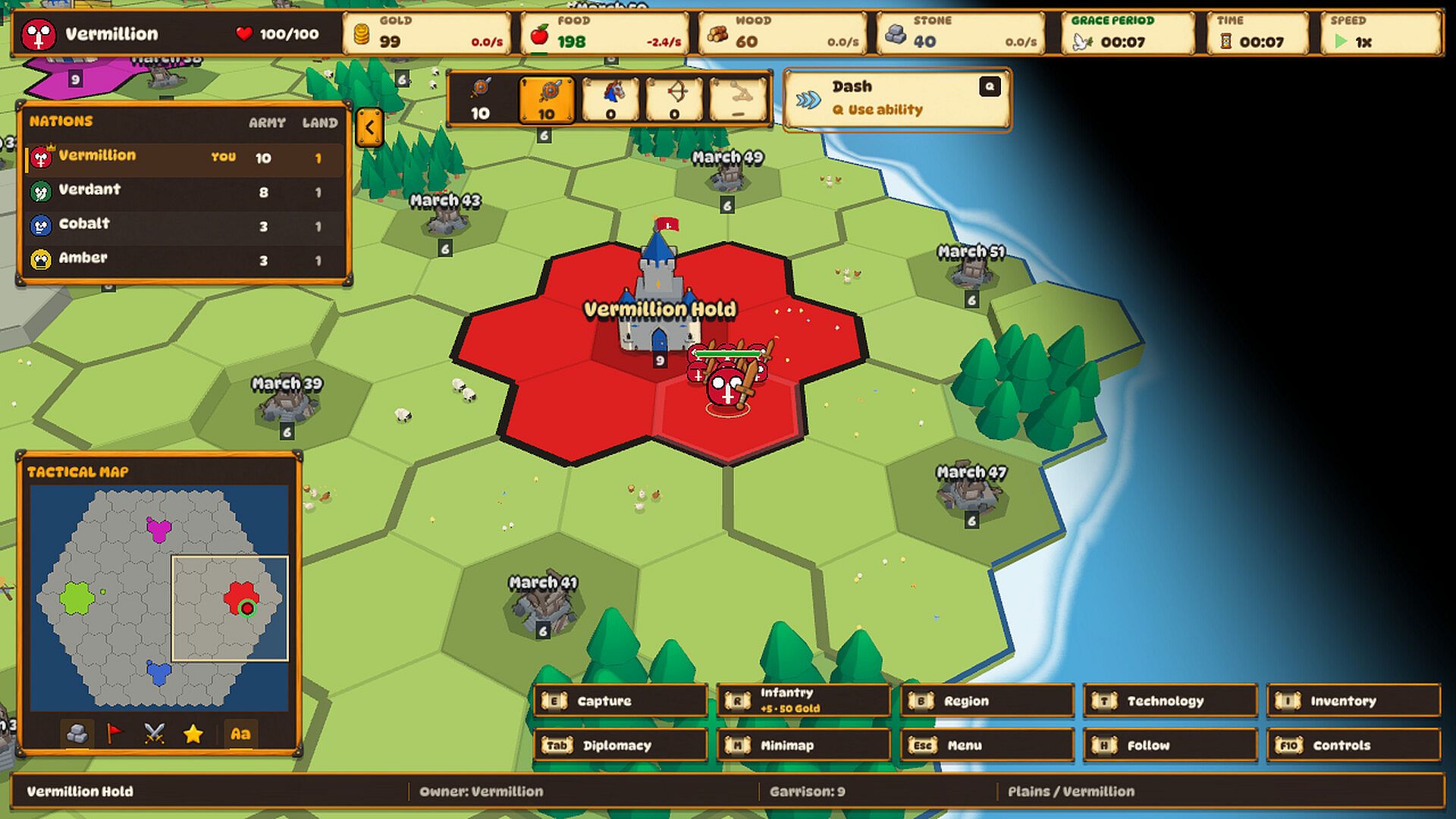
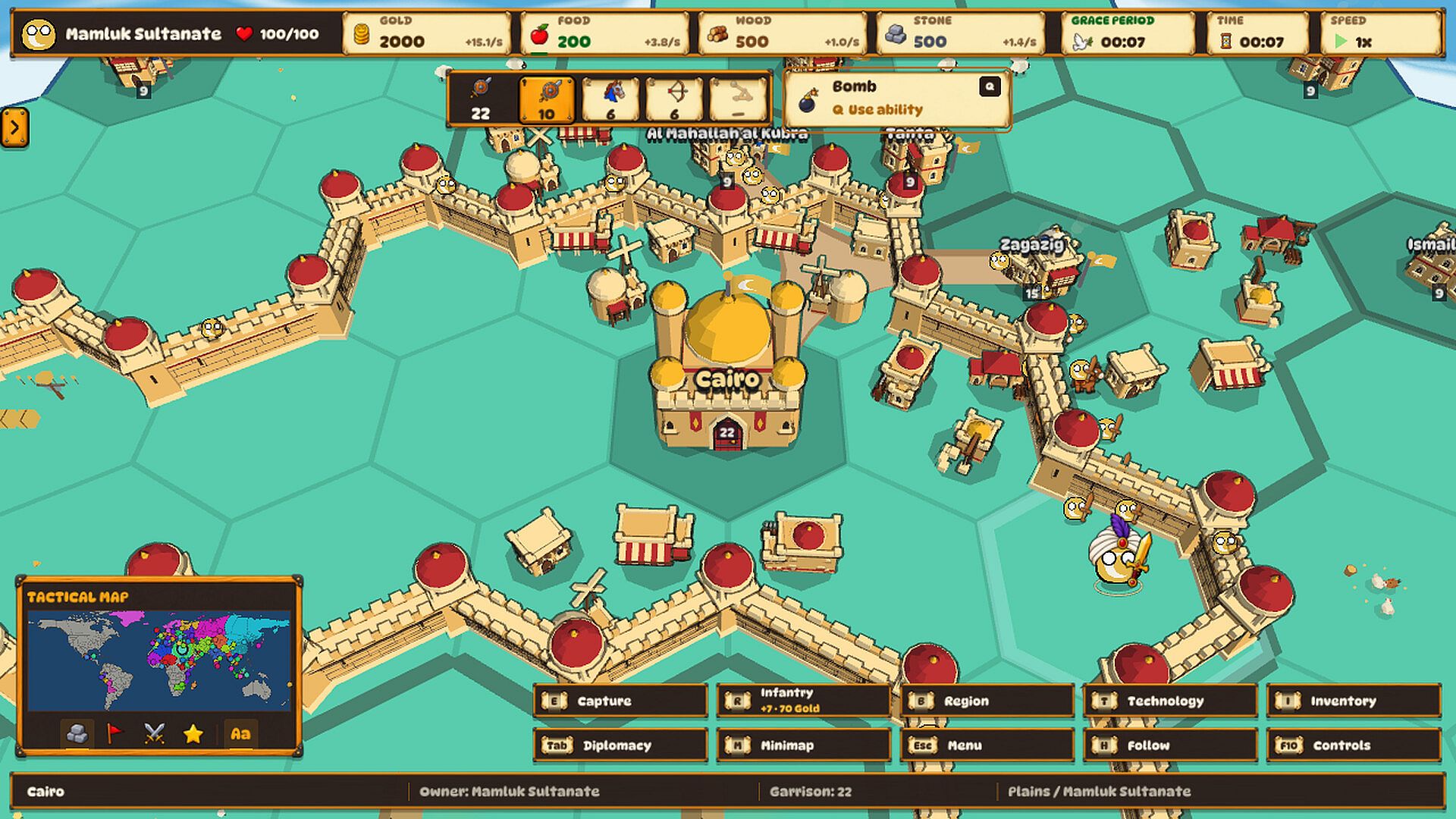
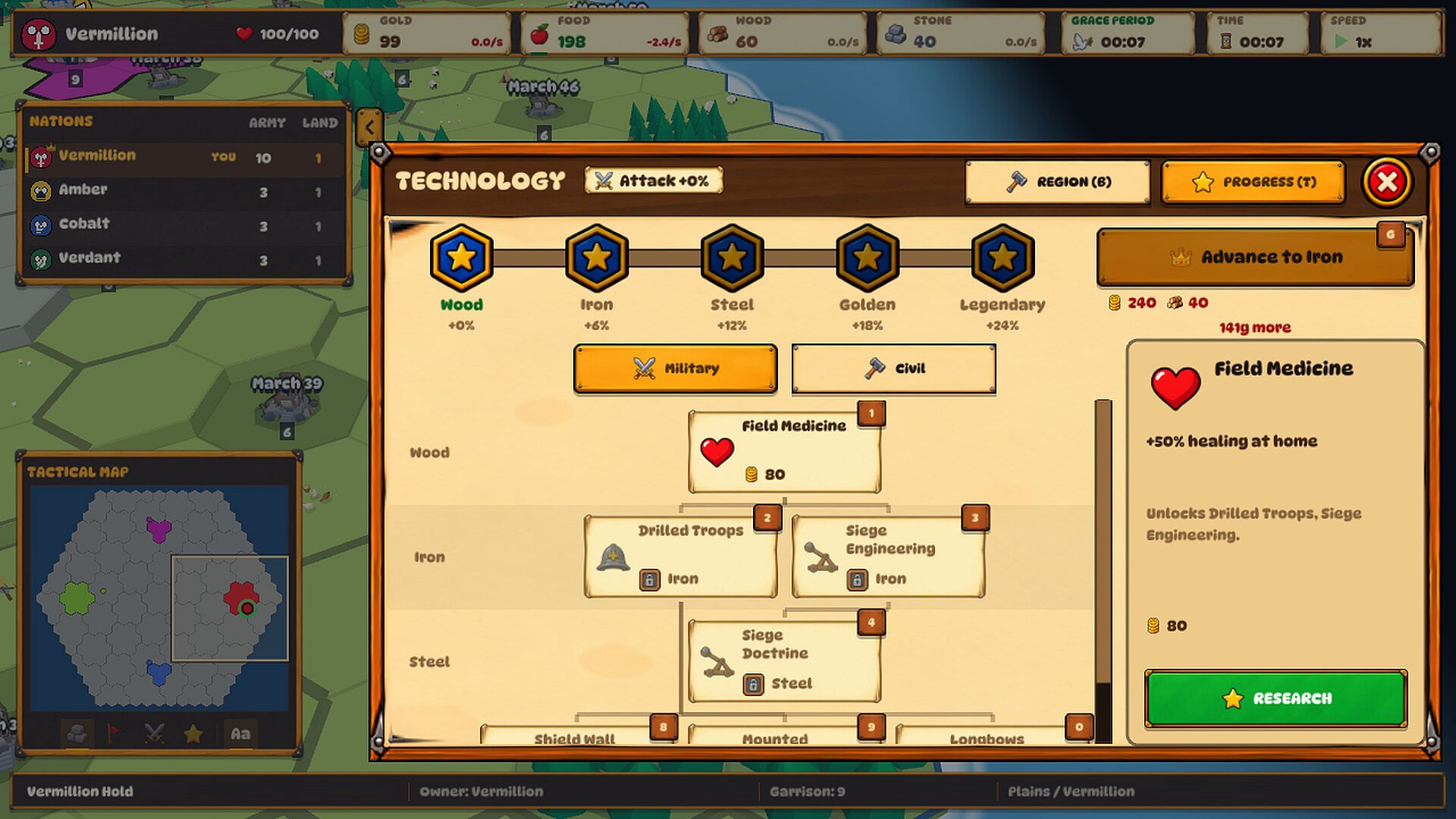
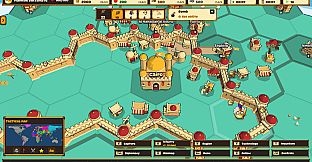
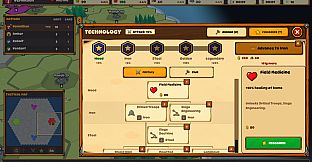
Players start by developing cities through new buildings that increase production and support economic growth. Resources flow into technology trees that unlock advancements across five distinct ages, beginning with the Wood Age and progressing to the Legendary Age. Choices in research priorities, such as agriculture or siege engineering, shape how quickly armies and infrastructure improve.
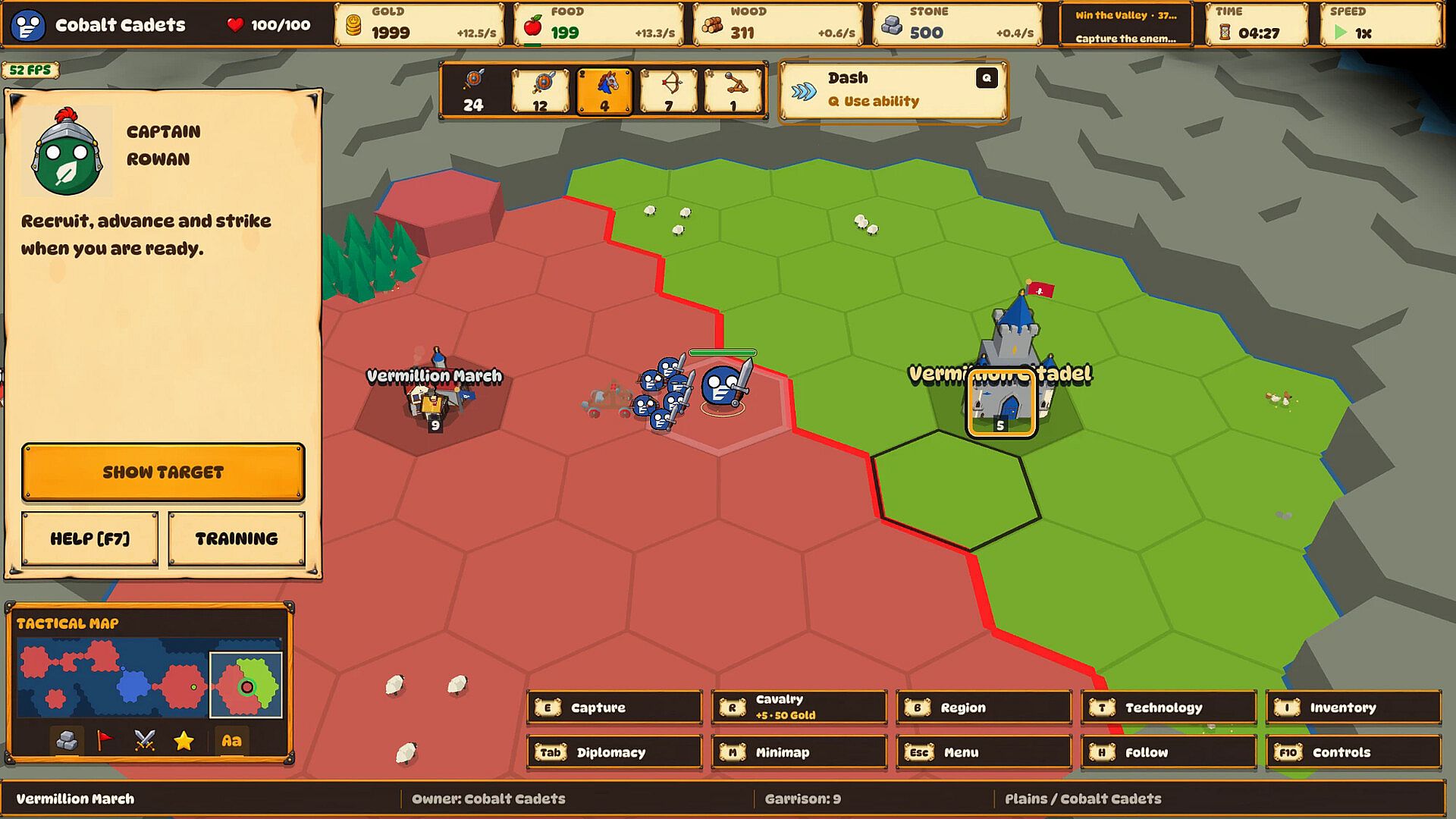
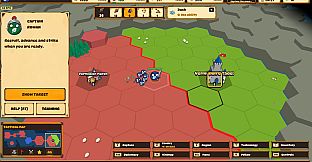
Army construction focuses on raising infantry, cavalry, archers, and catapults. These units move under player control on the battlefield, where commanders lead from the front. Sieges involve positioning catapults to breach walls before storming gates to capture settlements. Each countryball brings a unique skill into combat, ranging from laying mines and deploying bombs to firing arrows at enemy leaders or delivering powerful punches and dashes. Timing these abilities correctly can turn the outcome of an engagement.
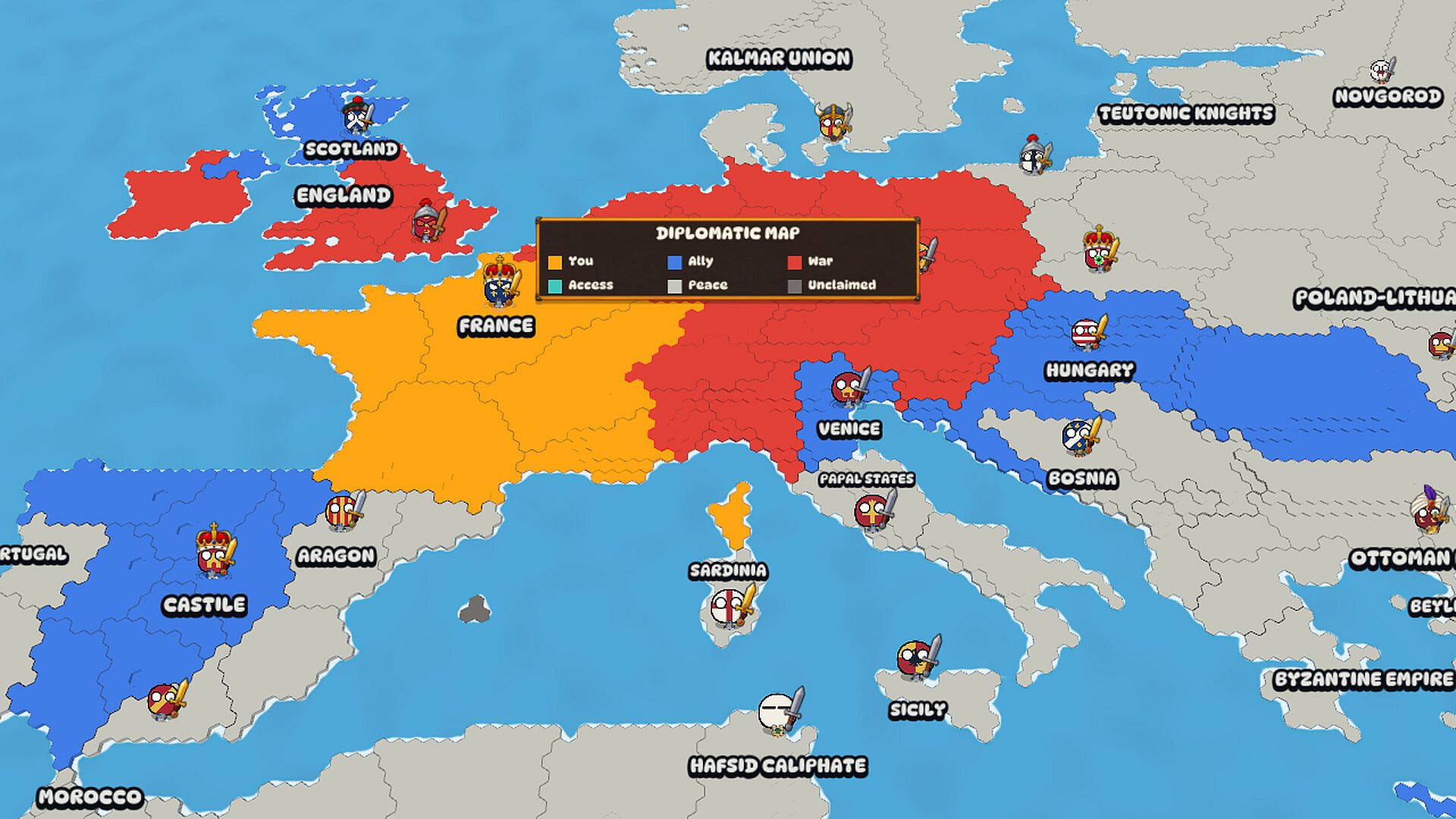
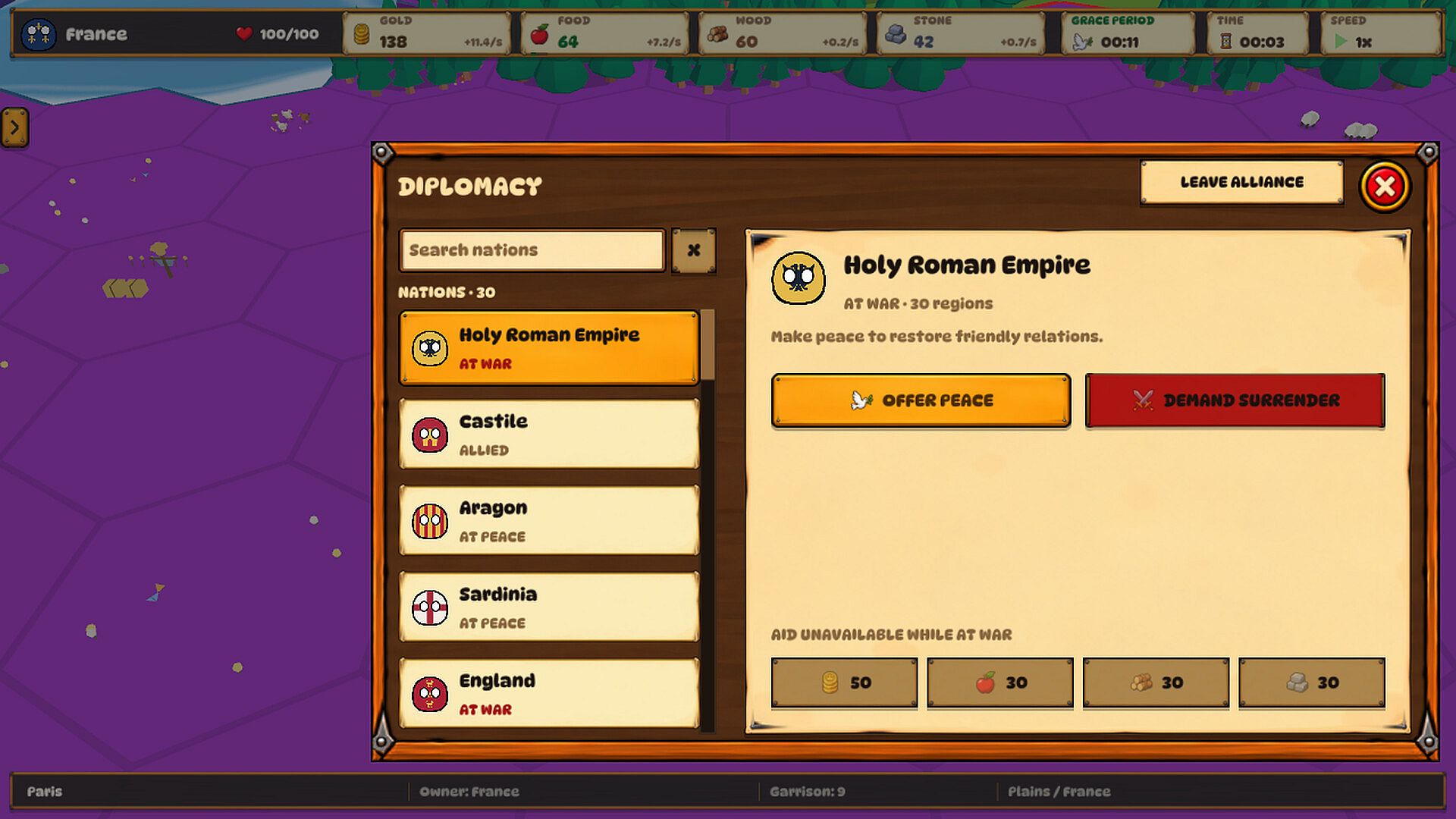
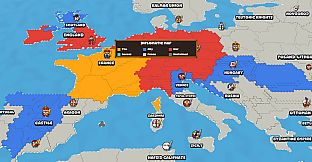
Diplomacy adds another layer. Alliances can be formed, military access granted, and resources shared with partners. The same systems support both cooperative efforts against shared threats and sudden betrayals when ambitions shift.
Game Modes
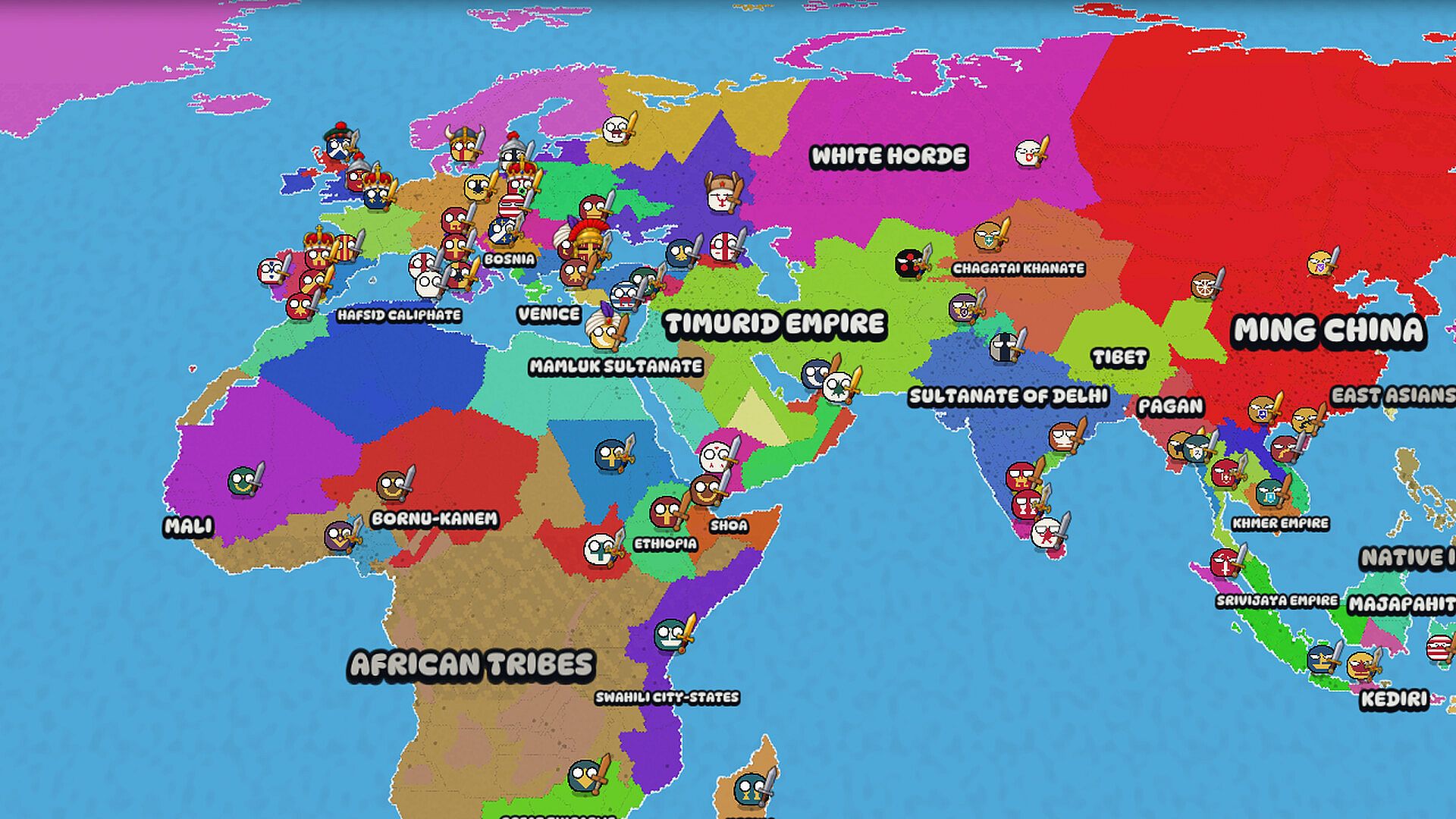
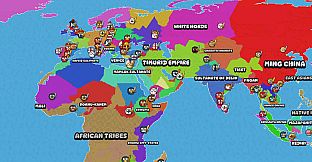
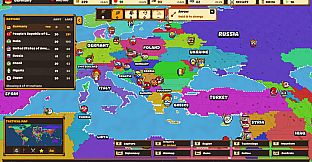
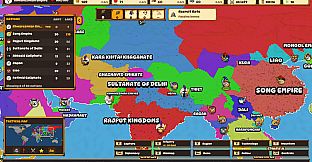
Core play revolves around single-nation campaigns on maps that include the full world, Europe, the British Isles, Sengoku-era Japan, and a modern setting. Historical starting points range from the division of the Roman Empire in 395 through the Mongol expansion in 1206, Europe in 1444, the revolutionary period of 1789, the eve of the Great War in 1914, and the outbreak of conflict in 1939. Players balance internal growth with external expansion through conquest or negotiation.
Multiplayer elements allow friends to join the same session. Teams can coordinate to defeat common opponents or compete directly for control of the map. The design supports both cooperative defense of territories and competitive struggles for dominance across the chosen era and region.
Historical Eras and Maps
Progression ties directly to specific historical moments that alter available powers, starting conditions, and strategic priorities. The Roman split introduces divided territories and new rising states. Later periods bring Mongol mobility, European fragmentation, revolutionary upheaval, industrial tensions, and global conflict. Separate maps for Europe, the British Isles, Sengoku Japan, and the contemporary world provide varied terrain and victory conditions without requiring identical approaches on every playthrough.
City growth and army composition must adapt to each era's technological limits and map layout. Early ages emphasize basic resource gathering and simple formations, while later eras reward investment in advanced siege tools and specialized units.
Is It Worth Playing?
Age of Balls remains in pre-release development with a focus on refining army and economy balance, improving AI responses, simplifying the initial learning curve, and stabilizing online multiplayer. The Steam page is live for wishlisting, and the developer continues to share progress updates on core systems such as sieges, diplomacy, and nation building.
Players who enjoy real-time strategy that blends city management, direct unit command, and diplomatic maneuvering will find the countryball theme and era-spanning maps distinctive. Those seeking a finished product with extensive reviews or polished multiplayer should monitor development updates before committing. The current emphasis on balance and stability suggests the experience will improve as it moves toward Early Access.












