




















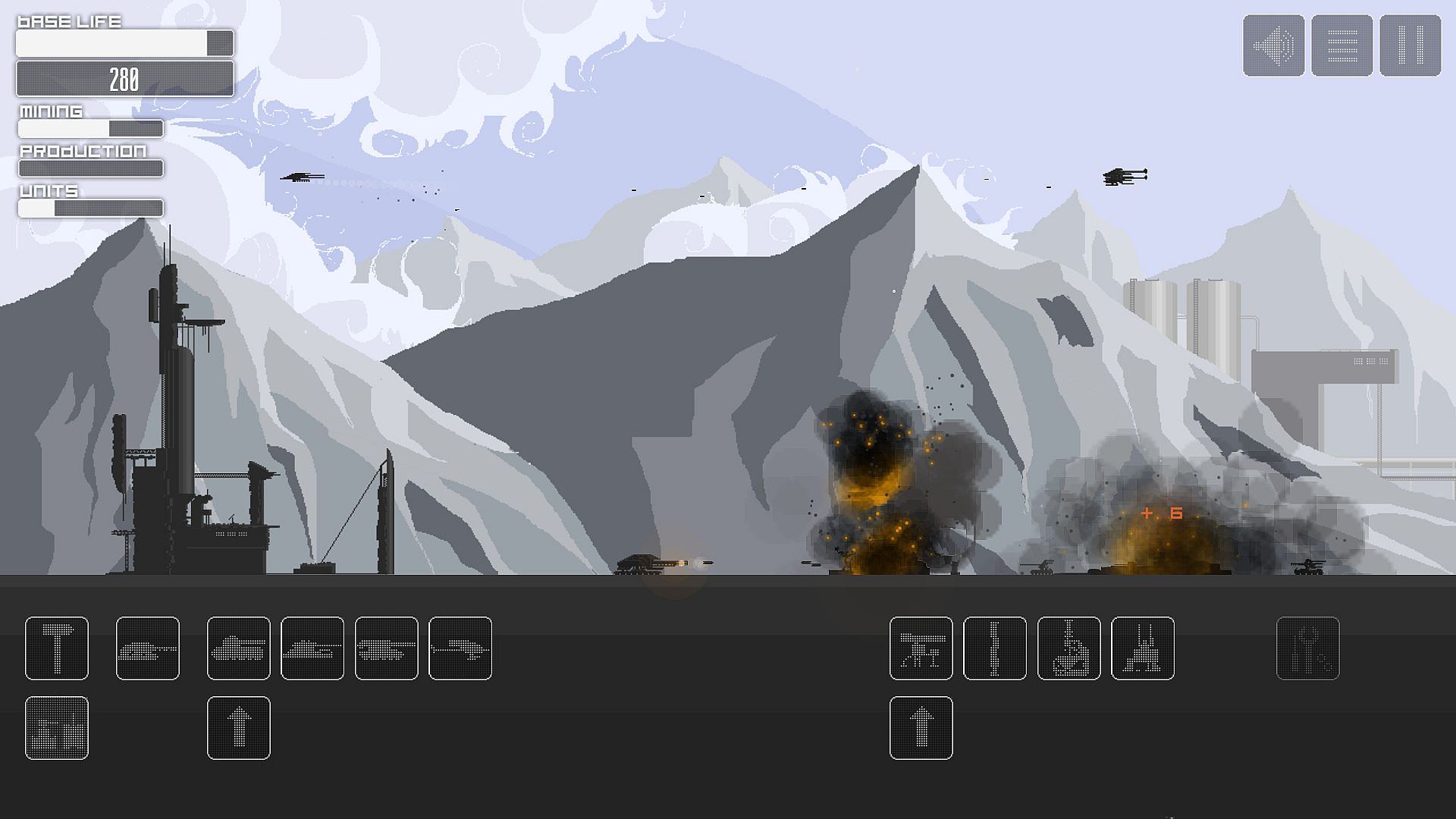
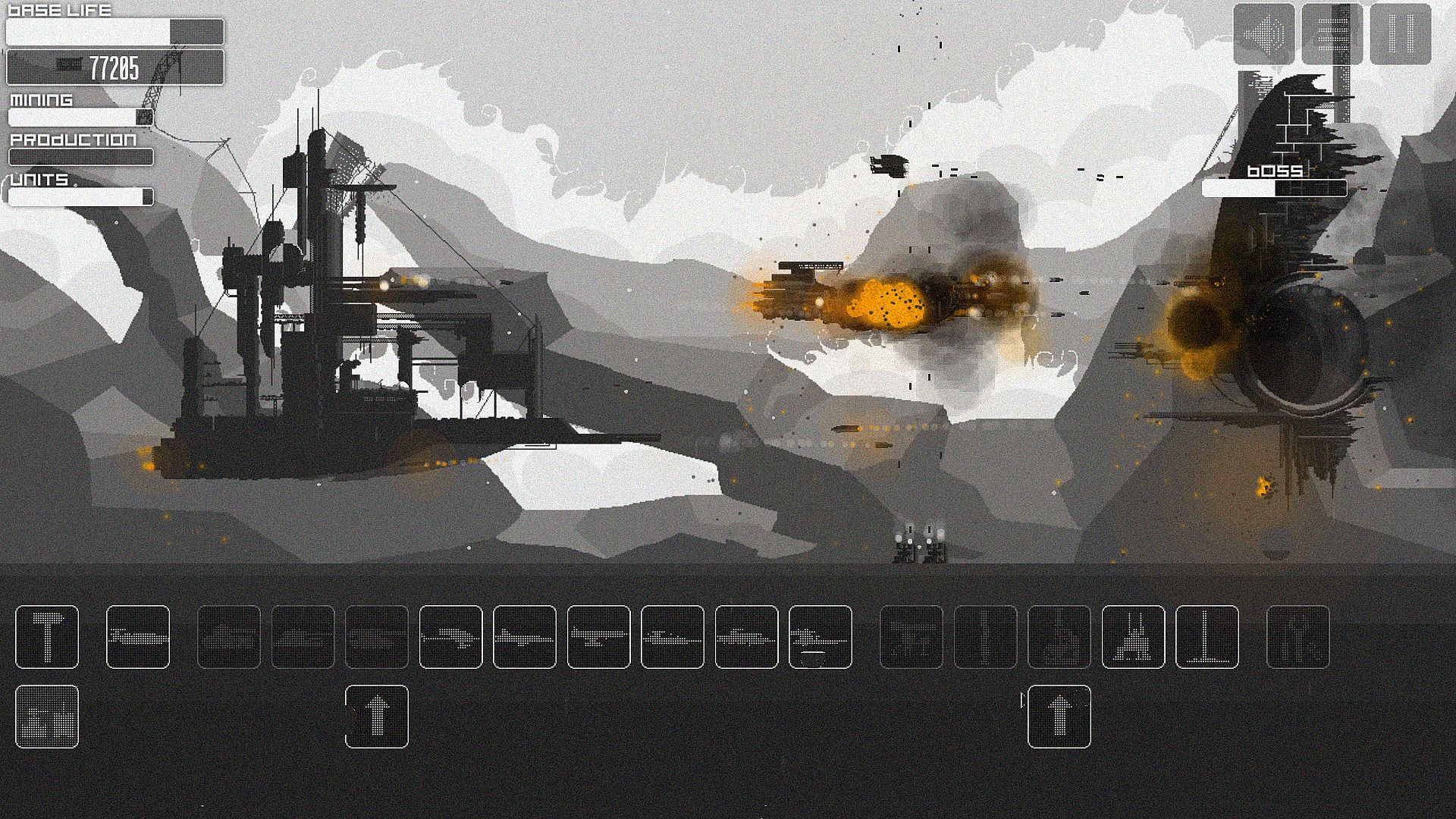
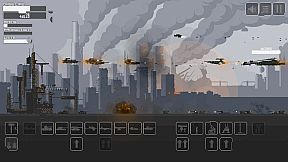
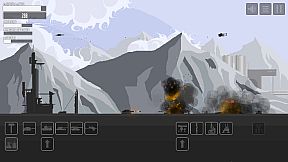
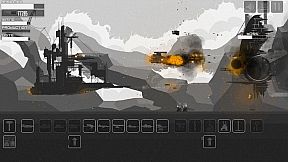
Age of Steel: Recharge is a 2D side-view strategy game released for PC that places players in command of an Alliance military base during a resource-scarce future marked by constant conflict between the Alliance and the Opposition. The core loop centers on base defense and expansion while directing units to repel enemy advances across contested territories.
Gameplay
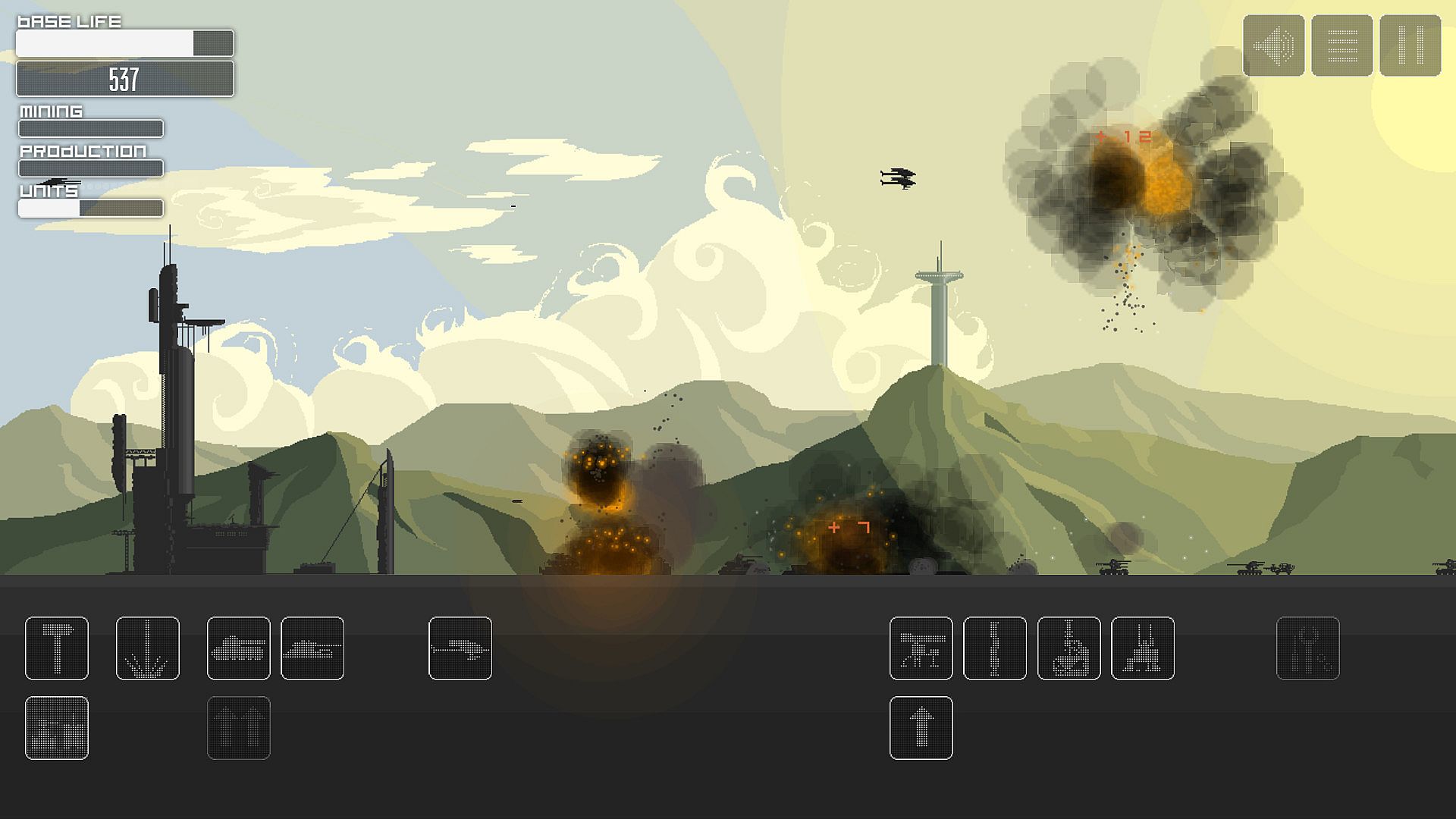
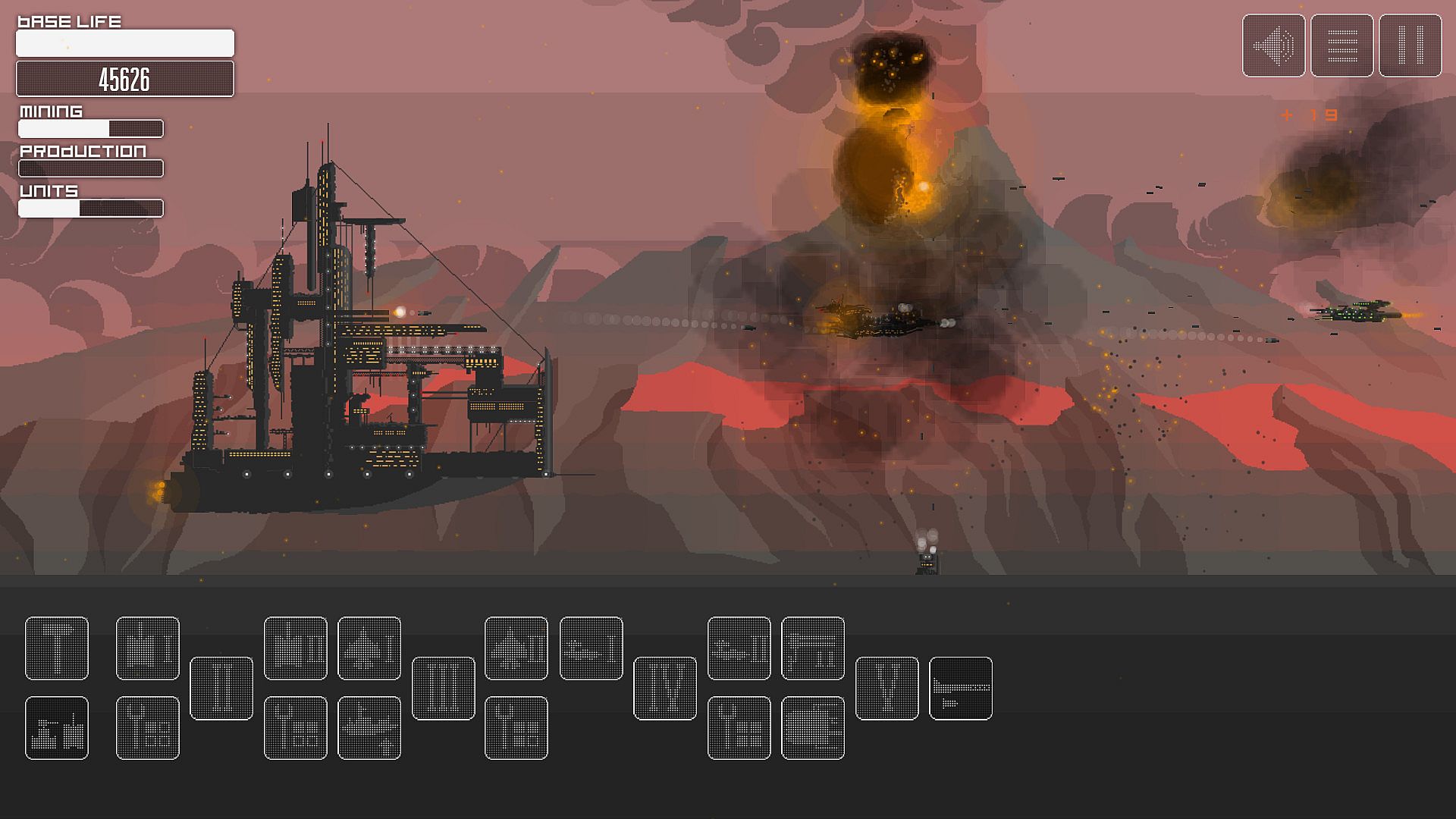
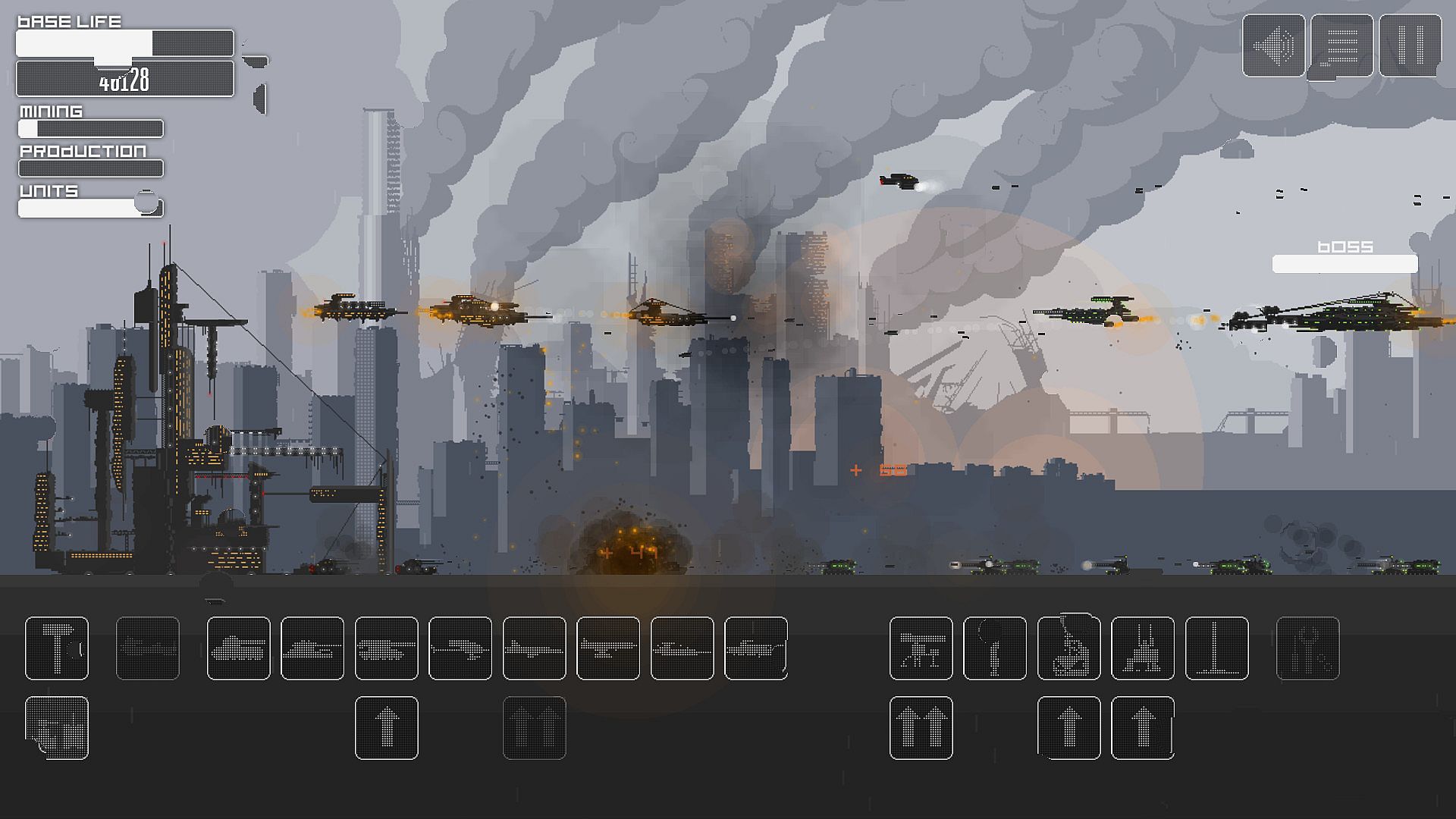
Players manage a base that starts modest but can evolve into a flying fortress through targeted development. This progression unlocks new units, defensive turrets, and support options that strengthen overall capabilities. Unit improvement focuses on boosting defensive traits such as armor and resilience alongside offensive abilities like damage output and attack speed. Combat involves deploying tanks for ground assaults, aircraft for aerial strikes, and ships for naval engagements against waves of enemies and larger boss encounters. The side-view perspective emphasizes positioning and timing as units move across the battlefield in real time.
Game Modes
The campaign consists of 14 distinct levels that guide players through key hotspots where they must secure and hold bases against advancing Opposition forces. Each level builds on prior progress by introducing new threats and requiring adaptive use of developed units and structures. Survival mode offers an alternative challenge where players test endurance against continuous enemy waves without the structured objectives of the campaign. Both modes rely on the same base-building and unit-upgrade systems, allowing carryover of improvements across sessions.
Setting and Factions
The story unfolds in a ruined world where prolonged wars have depleted resources and dismantled traditional societies. The Opposition seeks total upheaval to forge a new order free of existing powers, while the Alliance works to safeguard accumulated human knowledge and halt further destruction. As the Alliance commander, decisions revolve around base control and resistance rather than direct narrative choices. This backdrop shapes the strategic priorities without adding branching story paths or dialogue systems.
Is It Worth Playing?
With only 43 user reviews on its primary distribution platform showing a 65 percent positive rating, the game receives mixed feedback that highlights its straightforward approach to base management and unit progression. The limited scope suits players who enjoy short campaign sessions or repeated Survival runs focused on optimization rather than expansive content. Its 2016 release means no ongoing updates or seasonal additions, so expectations should align with a complete but compact experience. Those interested in indie strategy titles that combine base evolution with direct unit command against bosses may find value in its focused mechanics, particularly if they prefer single-player campaigns over multiplayer elements.














