



AI Faith: Compute is a strategy, casual, and simulation game for PC in which players take on the role of computing architects tasked with constructing and refining advanced hardware setups. The core experience centers on supporting the Prometheus S project through careful assembly of computing resources in a single-player environment.
Gameplay
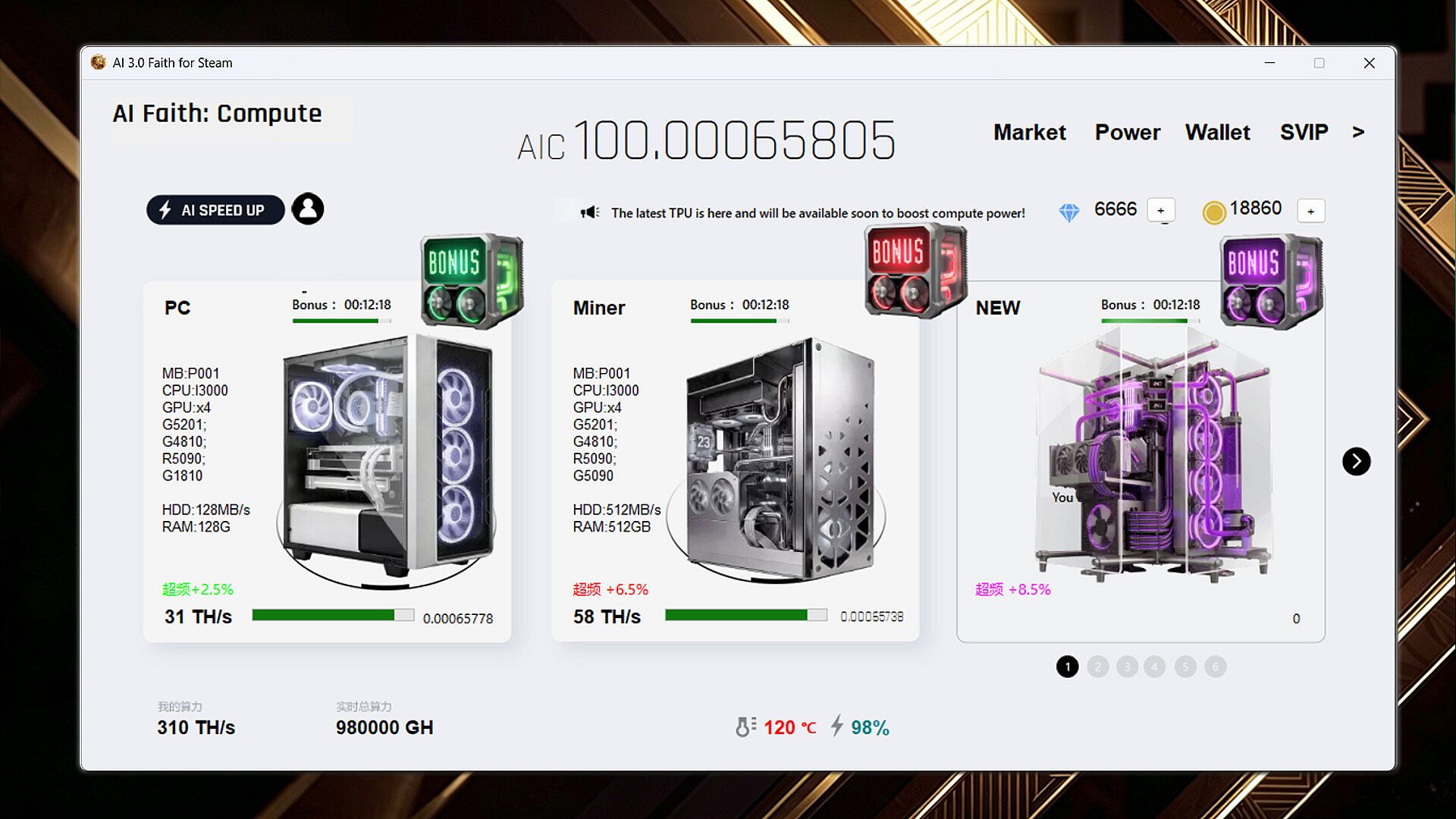
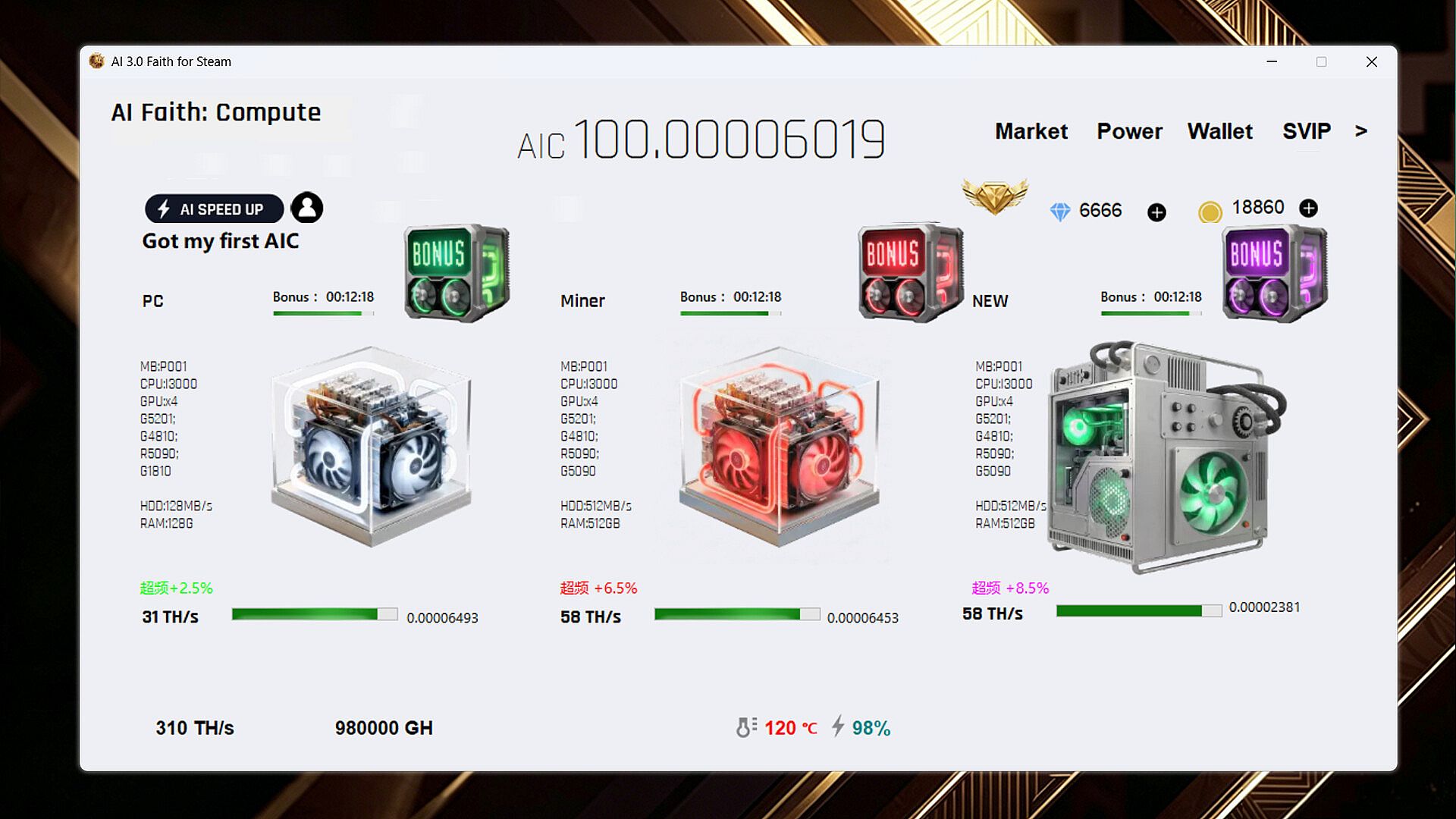
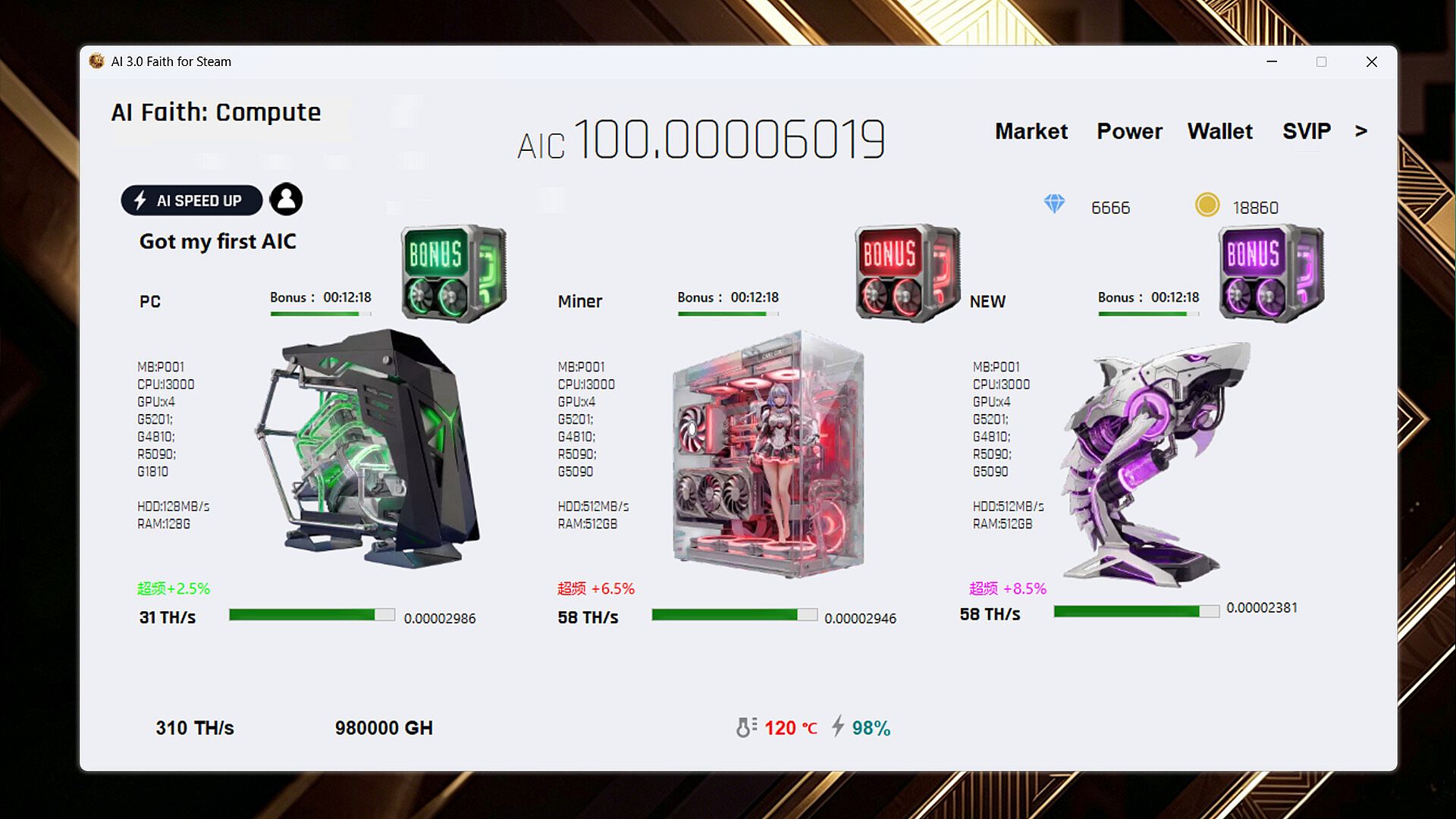
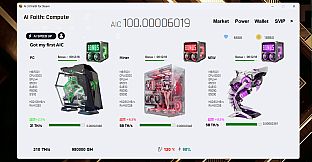
Players begin by selecting components from an extensive library exceeding 1000 detailed parts. These elements combine to form nearly 100 distinct computing rigs, with choices focused on processors, motherboards, and cooling solutions. The central challenge involves maintaining equilibrium across computing output, power consumption, and heat dissipation at all times.
Overclocking provides opportunities to increase performance, yet it introduces risks of instability that require ongoing monitoring and adjustment. Success depends on iterative tweaks to hardware configurations rather than rapid action or narrative choices.
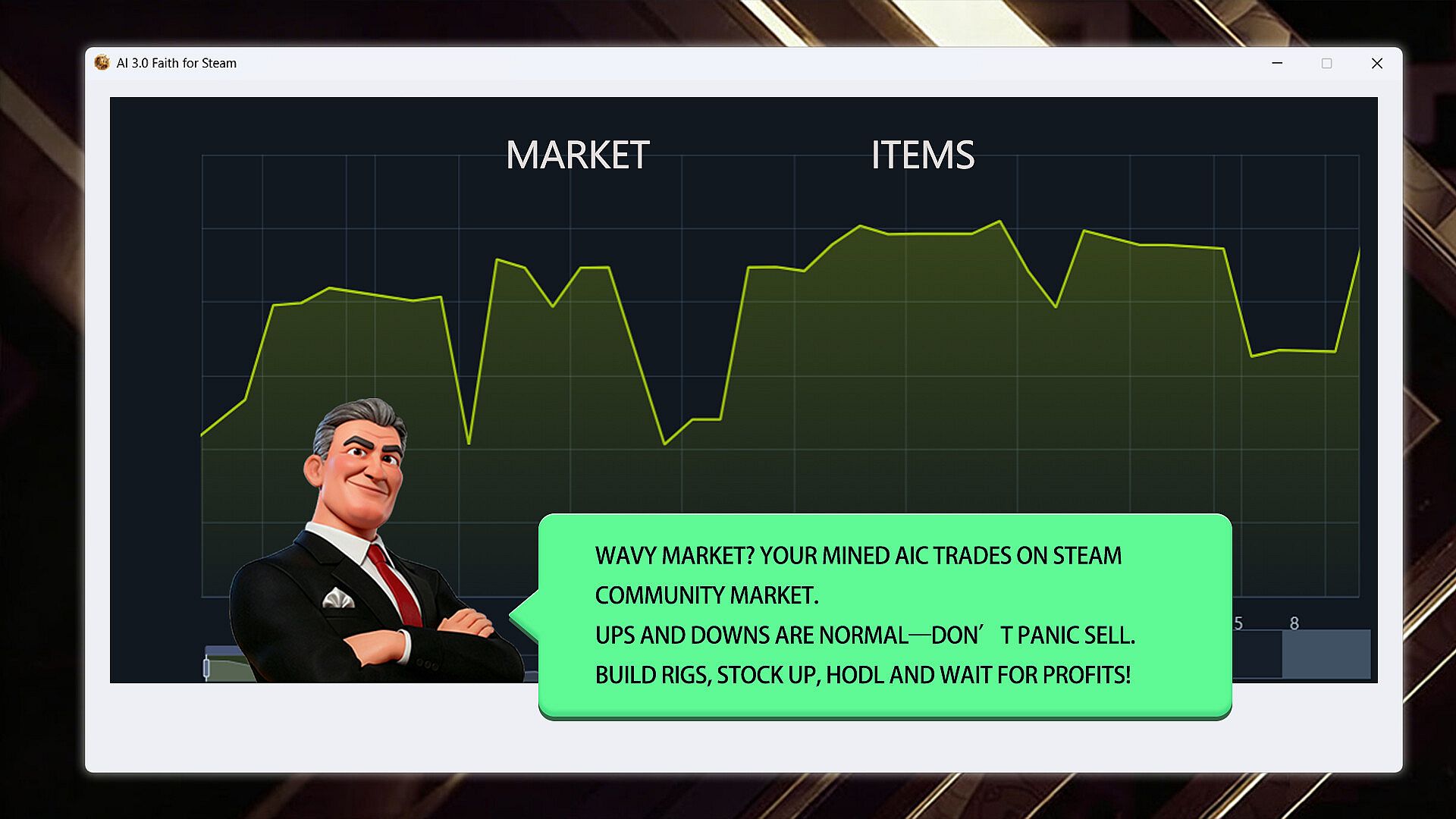
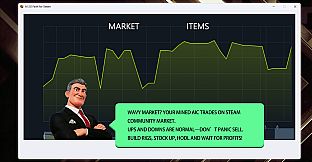
Contributions to the project generate AI Coins, which fund further development. This loop encourages repeated refinement of existing rigs alongside exploration of new component combinations to improve overall efficiency.
Game Modes
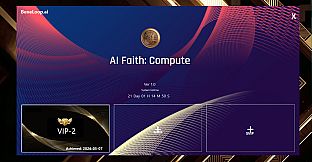
The primary activity revolves around participation in Project Prometheus S. Players increase their individual contributions to advance the shared initiative while tracking progress against a real-time global leaderboard. This system emphasizes consistent optimization and resource management over direct competition with other participants.
No additional distinct modes appear in the available details. The experience remains focused on solitary rig construction and incremental advancement within the single overarching project framework.
Hardware Customization and Performance Systems
Customization extends beyond initial assembly. Players revisit rigs to swap parts, apply overclocking adjustments, and install upgraded cooling options as new technologies become accessible. Each decision affects multiple interconnected metrics, creating trade-offs that must be evaluated against project goals.
Heat management proves especially critical, as excessive temperatures can lead to failures that reduce output. Power draw similarly limits how aggressively components can operate without external support structures.
Technological Progression
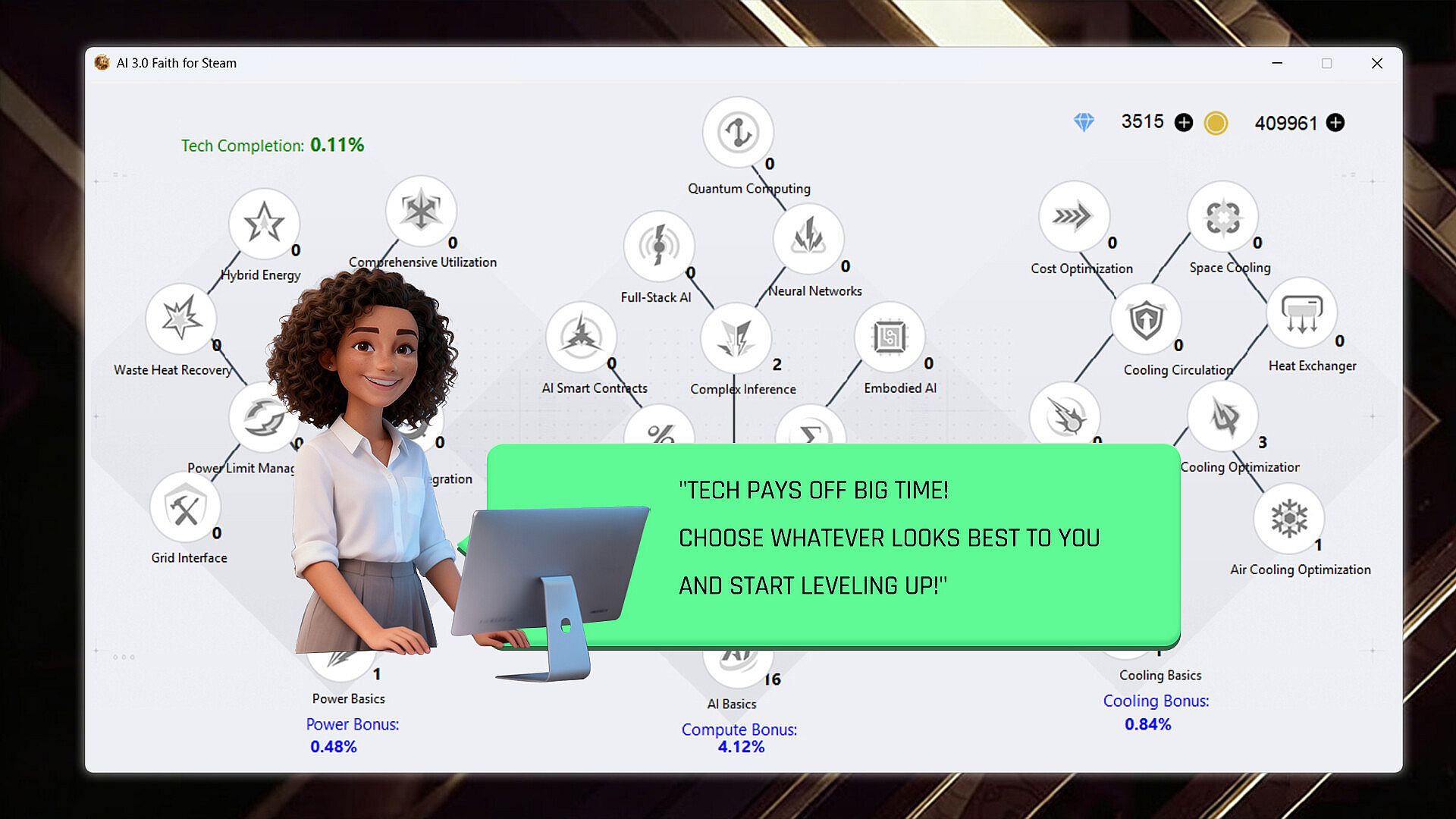
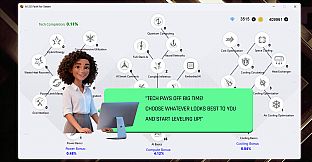
Earnings from contributions feed into a tech tree that unlocks improved protocols and cooling methods. Progression rewards sustained effort with access to higher-tier components that enable more efficient rigs and greater overall contributions.
This system supports long-term play by gradually expanding available options without altering the fundamental simulation focus.
Is It Worth Playing?
The game targets individuals interested in simulation mechanics centered on hardware balancing and incremental optimization. Its single-player structure and emphasis on strategic decision-making suit players who prefer methodical progress over fast-paced action or multiplayer coordination.
With a release date listed as coming soon and no user reviews available, the title remains untested by the broader audience. Those drawn to detailed component management and leaderboard-style advancement may find the described systems engaging once it launches, particularly if they enjoy casual strategy titles that reward careful planning and repeated refinement.