


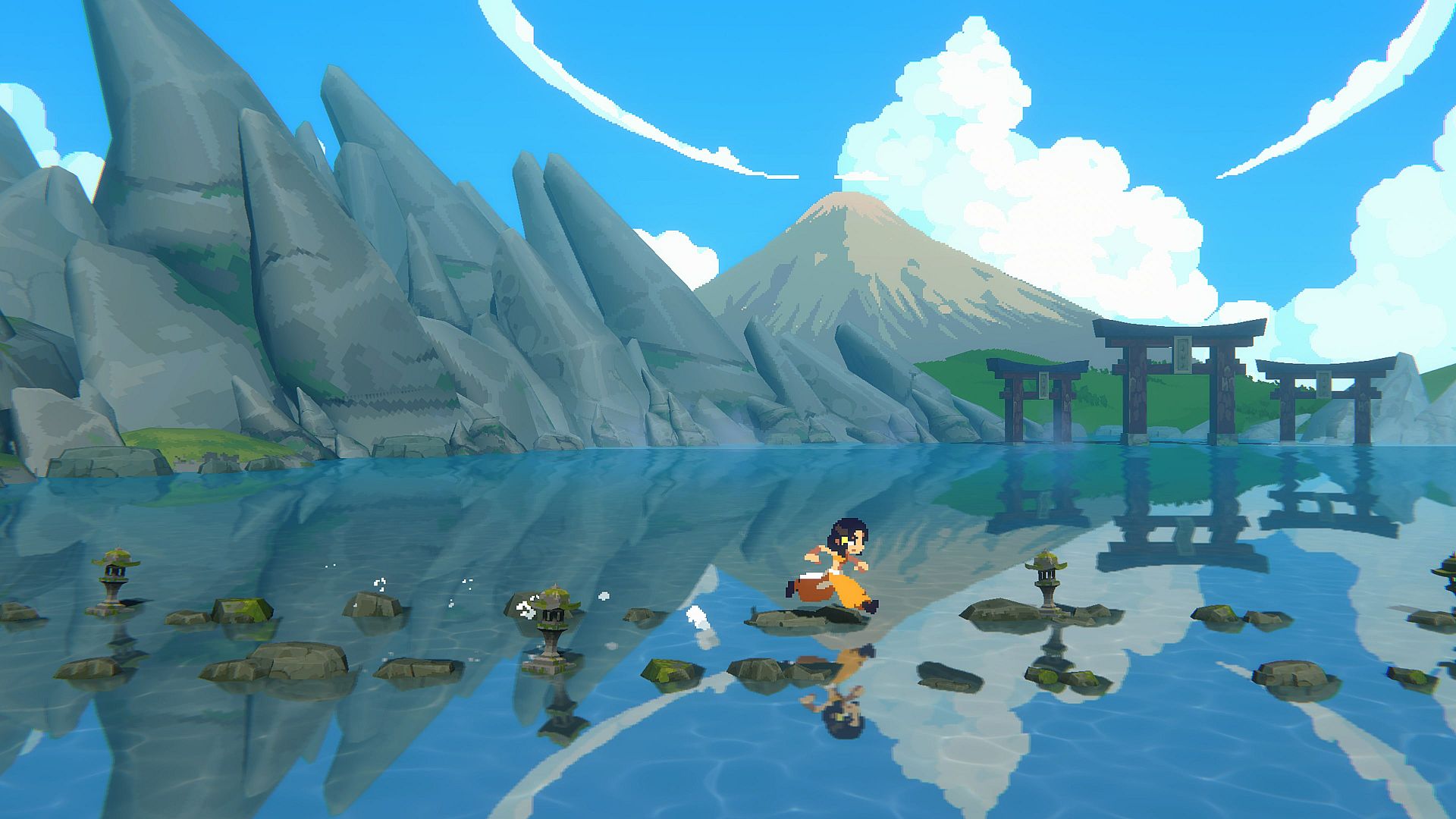
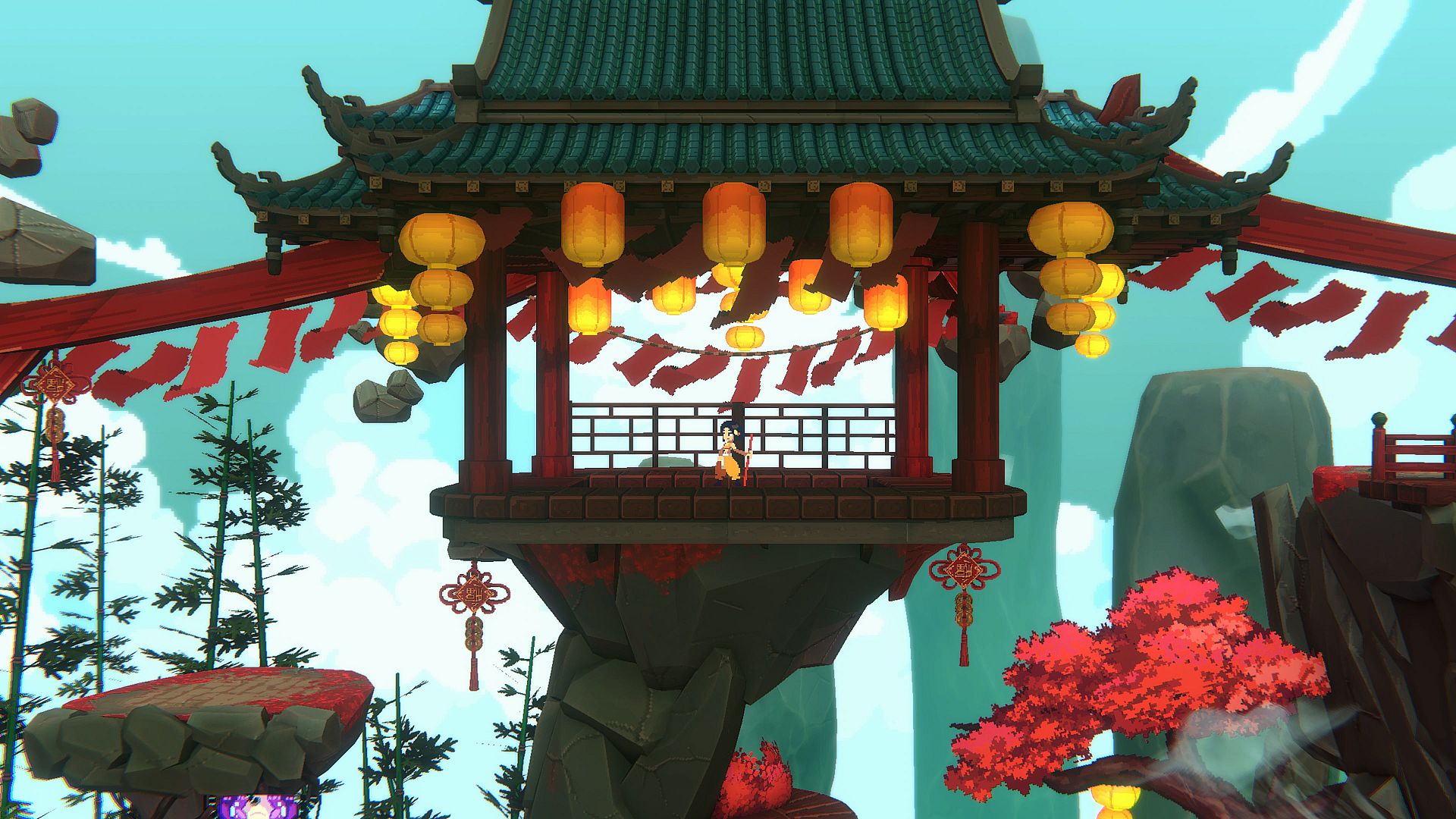
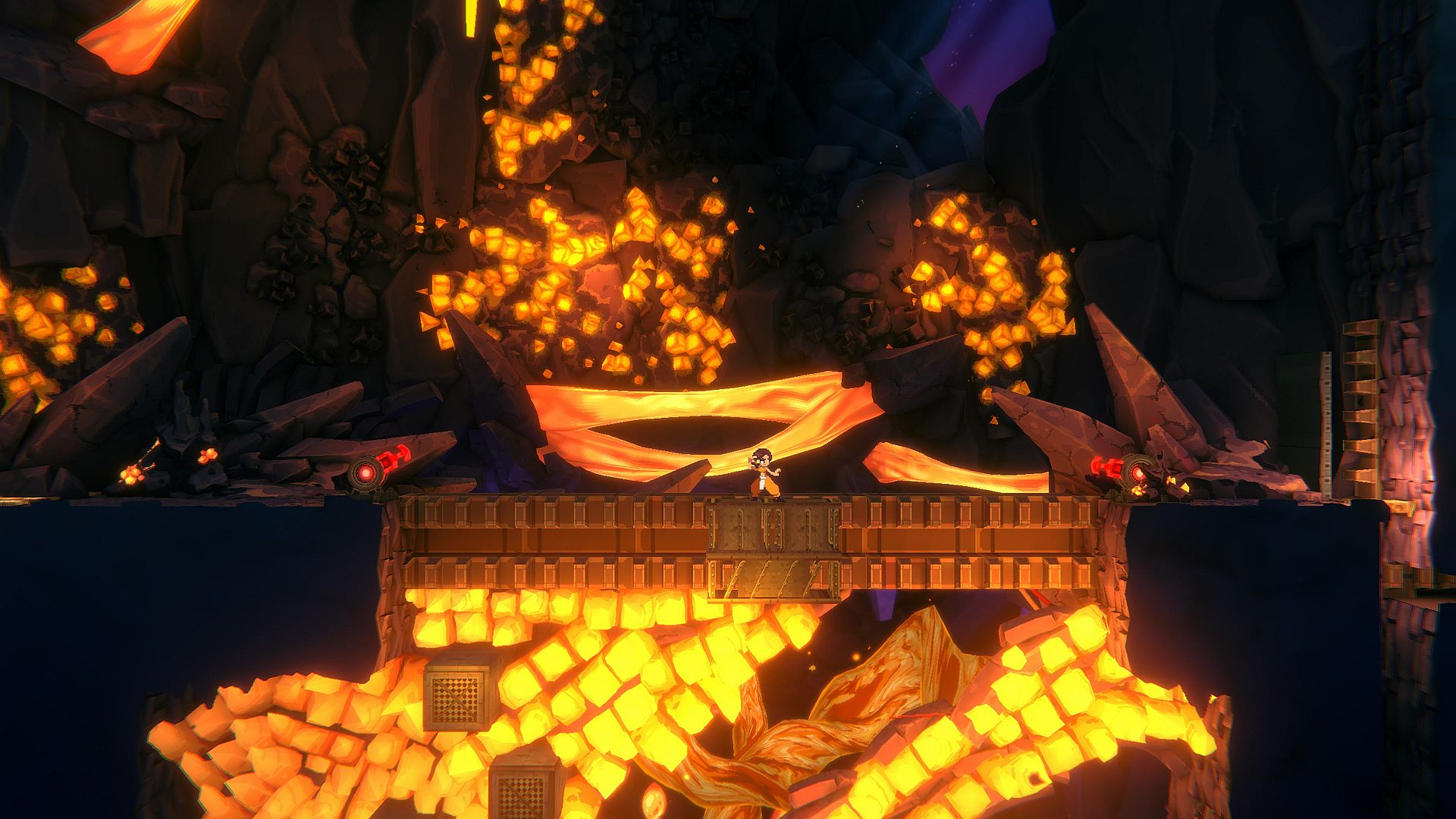
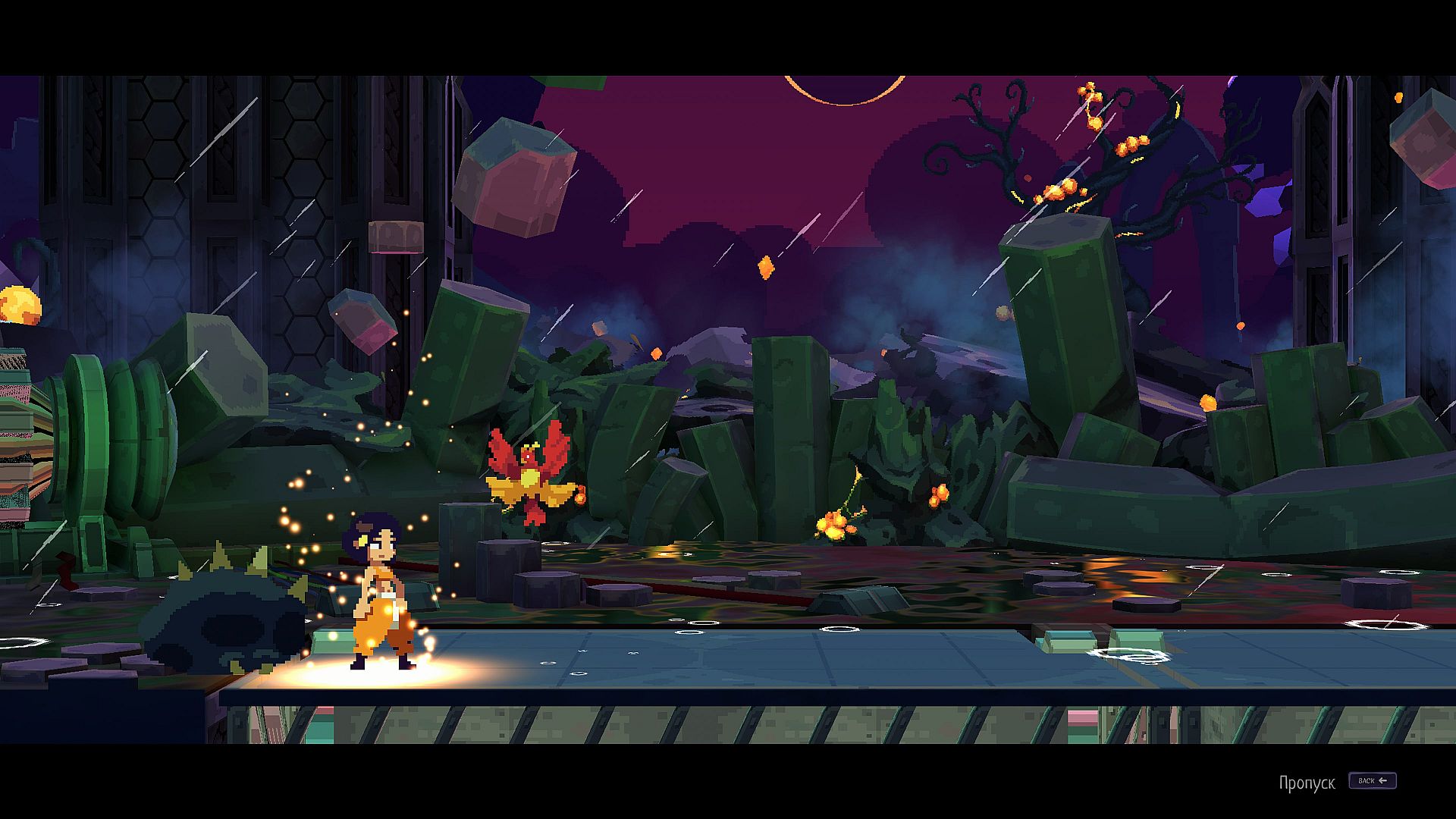
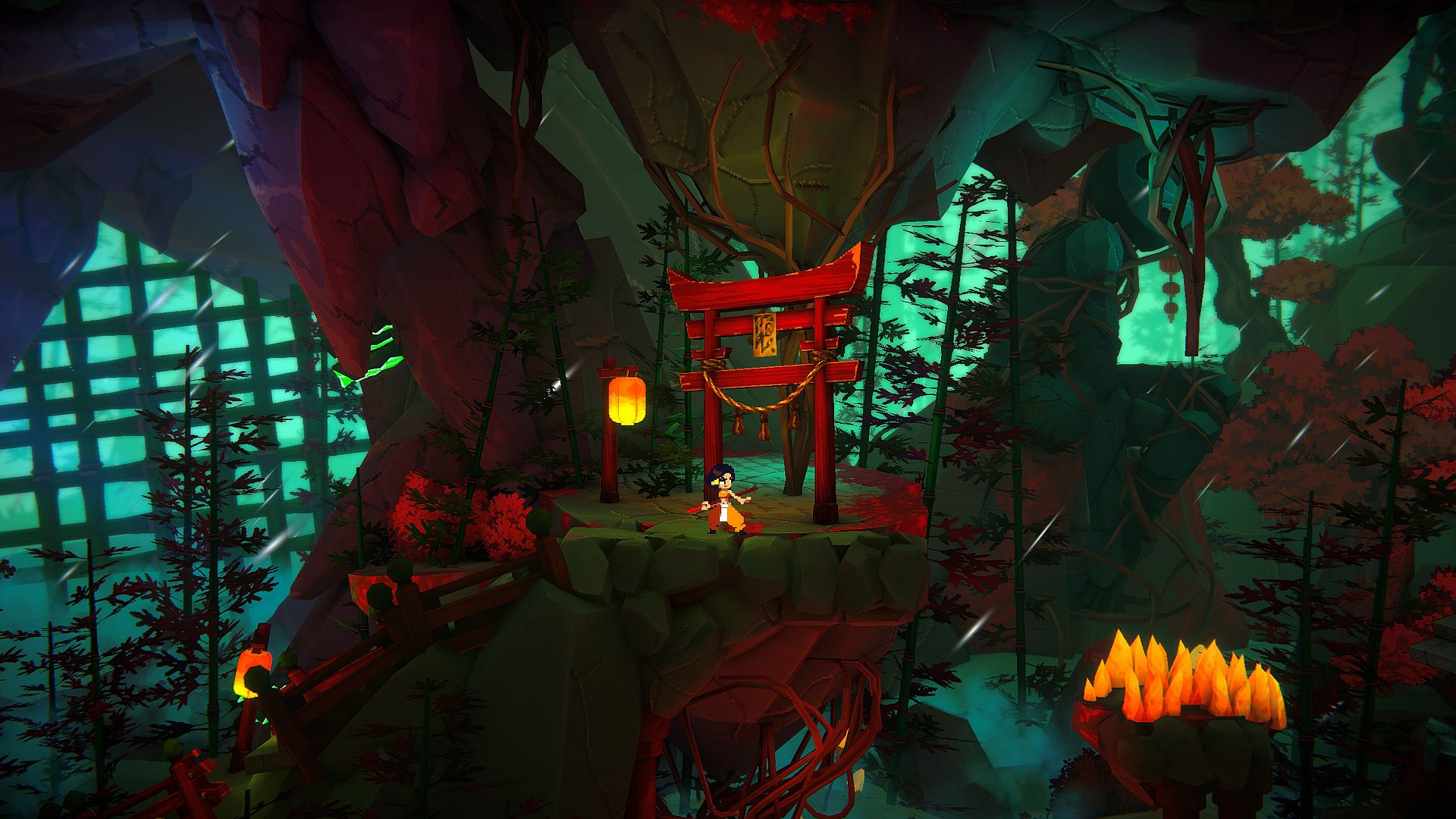
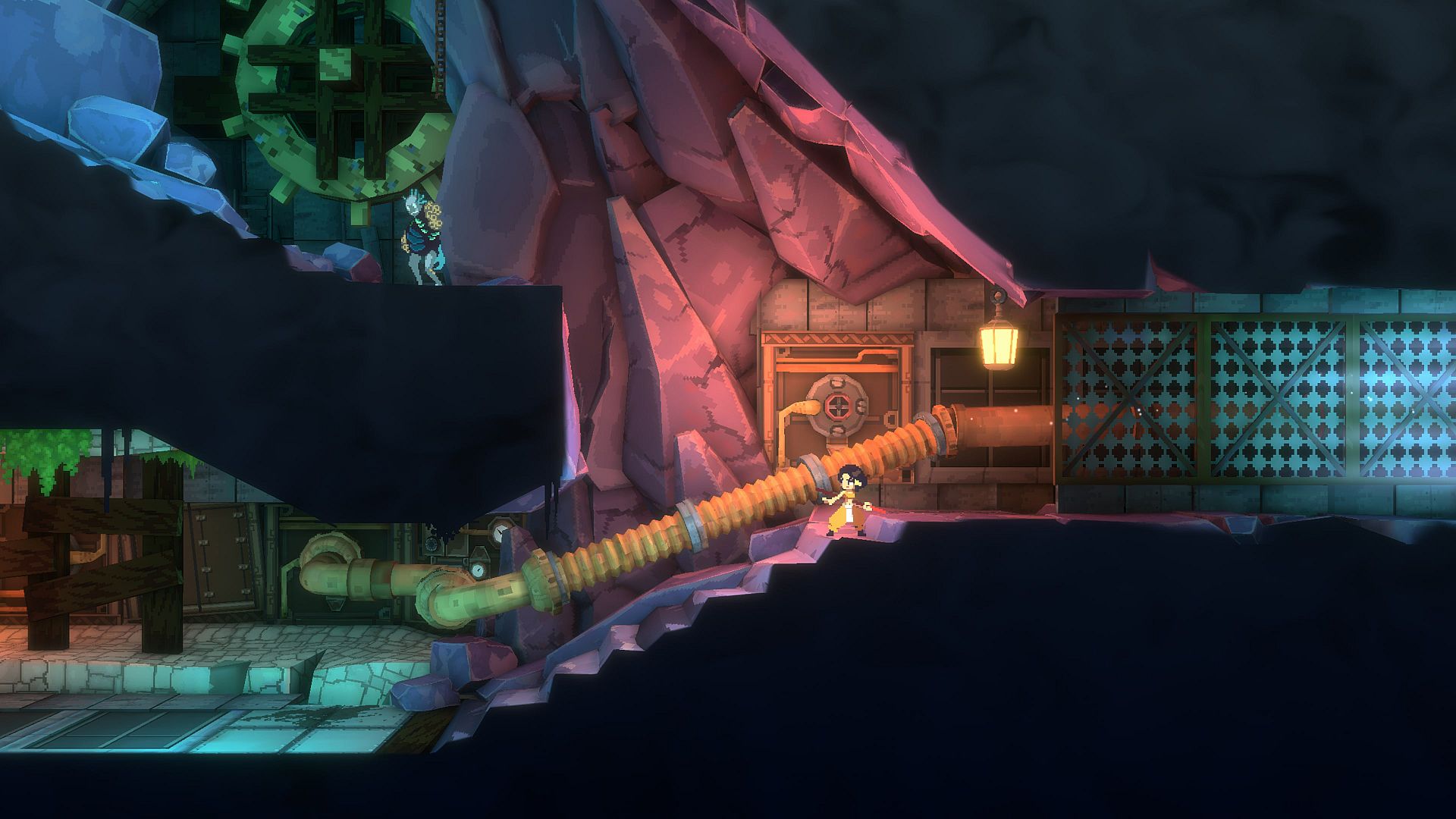
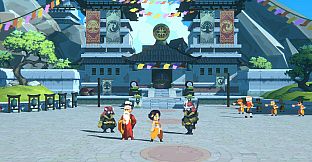
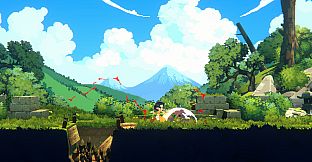
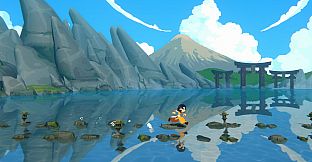
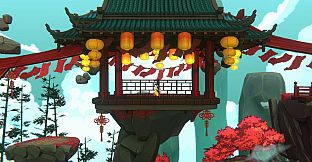
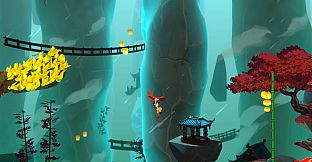
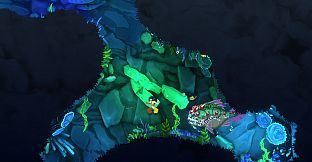
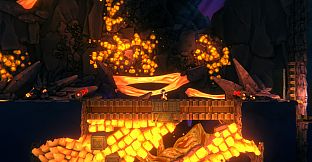
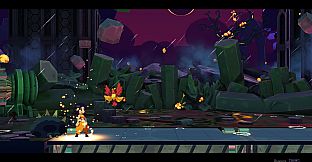
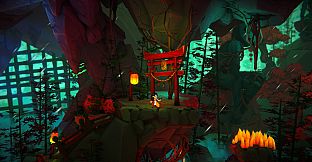
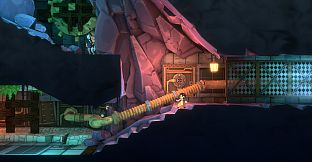
Akatori is a single-player action platformer with metroidvania elements developed for the PlayStation 5. Players take control of Mako, a battle monk raised in the Akatori Monastery, as she travels through amber-infected worlds to halt destructive storms that warp and destroy everything in their path. The game combines precise platforming with staff-based combat and exploration across varied environments that retain distinct visual identities despite the corruption.
Gameplay
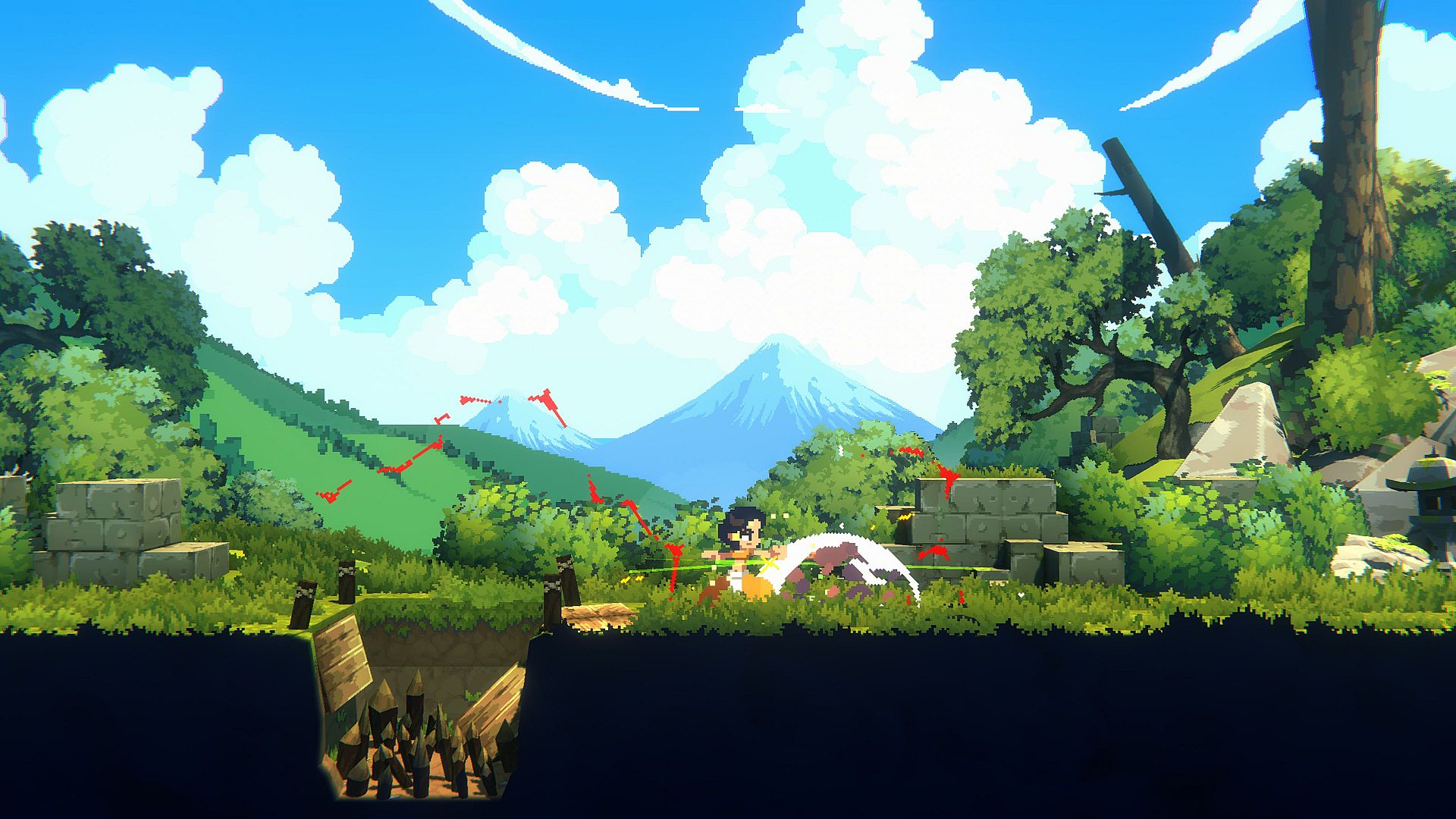
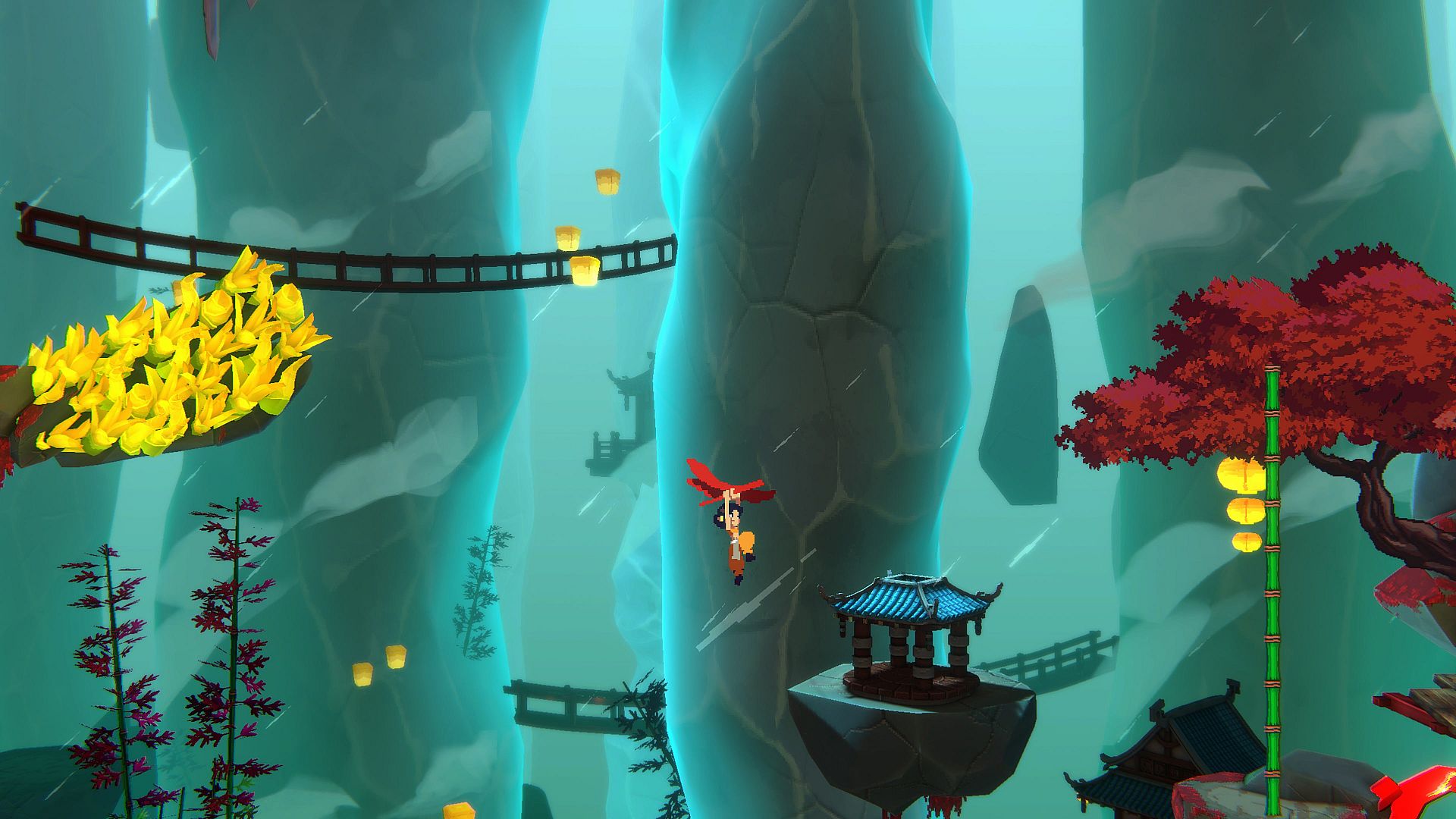
The core loop revolves around navigating interconnected areas while using the red bird companion that transforms into a versatile staff. This tool serves as both a weapon for striking amber-infected monsters and a utility device for movement. Players glide through air currents, slide along slopes, climb and cling to walls, and uncover hidden paths that open new routes once abilities are gained.
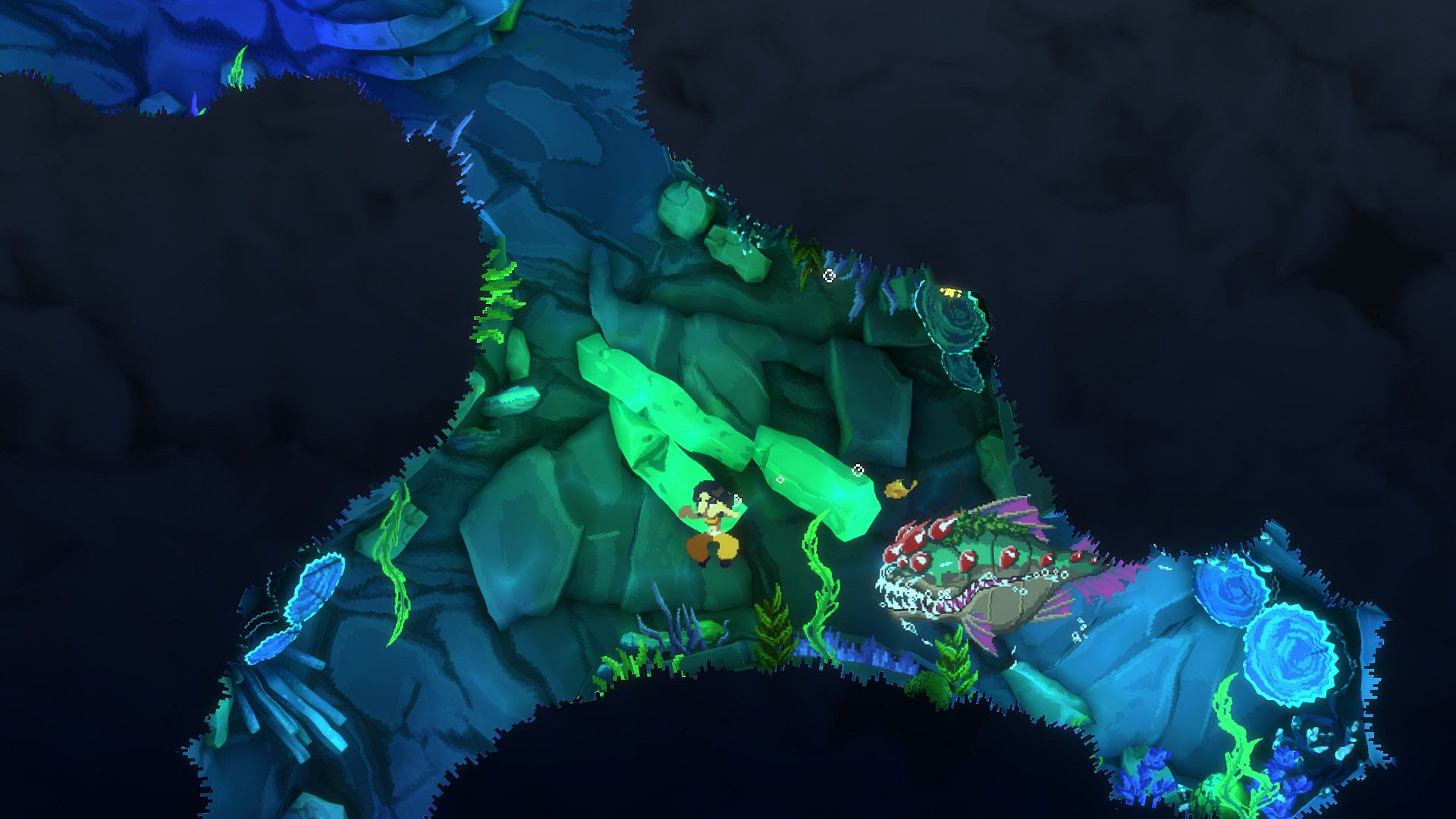
Combat emphasizes timing and positioning against more than twenty enemy types and several distinct bosses. The staff delivers powerful strikes in the hands of Mako, while exploration rewards careful searching of floating structures, colorful landscapes, and dark catacombs. Progression follows classic metroidvania patterns: new abilities expand the reachable map, allowing backtracking to previously inaccessible sections.
Platforming challenges focus on fluid jumps, wall interactions, and environmental hazards tied to the amber theme. The journey spans multiple worlds that preserve unique architecture and history even after the storms arrive. Secrets and optional collectibles encourage thorough investigation without overwhelming the main path.
Game Modes
Akatori offers a single-player campaign only. There are no multiplayer options, co-op features, or separate competitive modes. The entire experience centers on the story-driven adventure of Mako and her companion, with all progression, combat, and exploration contained within one continuous journey across the amber worlds.
Story and Setting
The narrative follows Mako as she confronts the consequences of the amber storms that have reshaped all living things. Amber crystals represent both prosperity and curse, and uncovering their ancient secrets forms the central mystery. A red bird companion joins the quest, its origins and intentions remaining unclear at first yet proving essential for both combat and traversal.
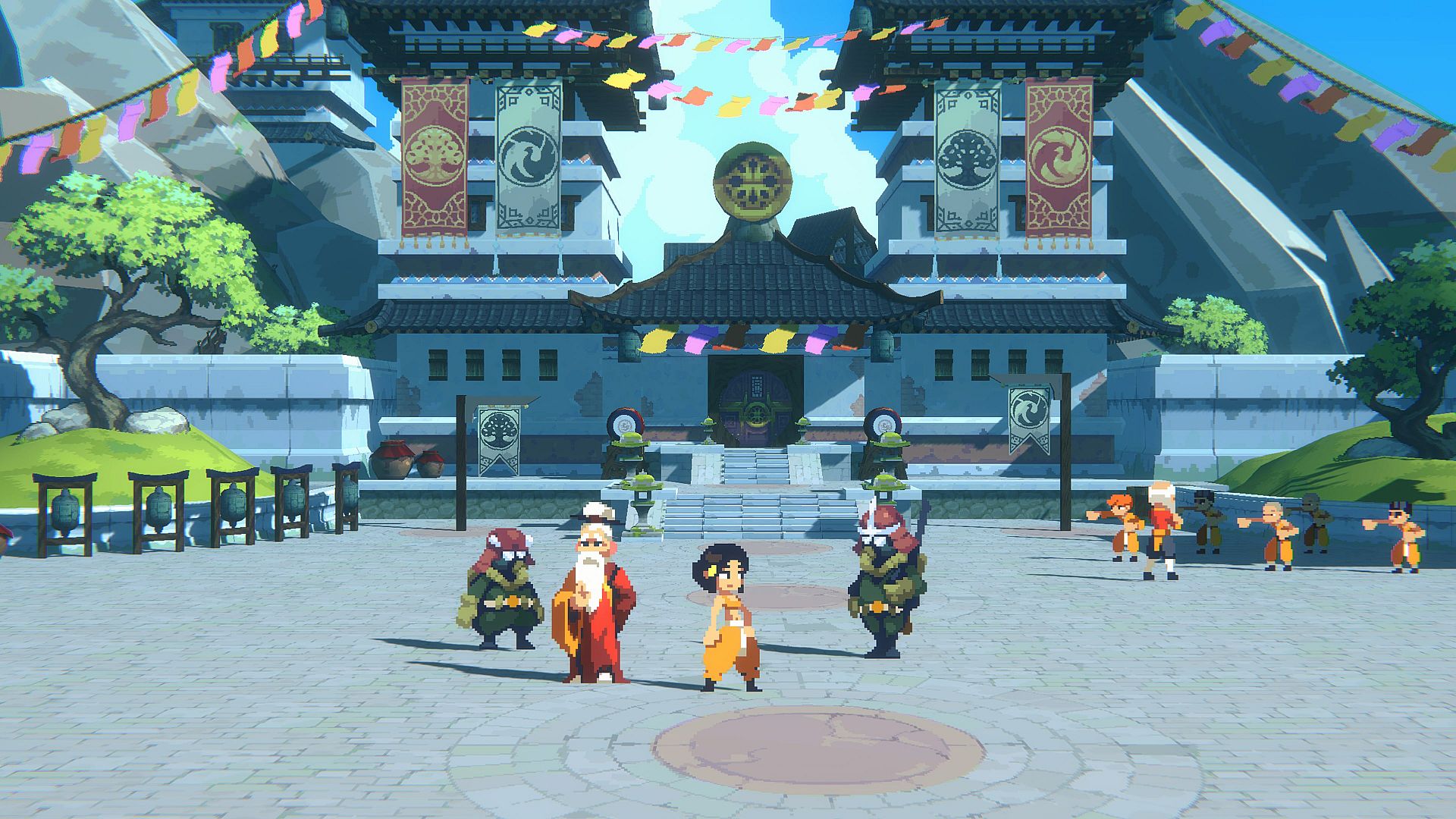
Worlds retain individual character through detailed environments that blend pixel art with three-dimensional elements. Floating platforms, intricate catacombs, and vibrant yet corrupted landscapes provide visual variety. The story explores themes of inner strength and fate through Mako's perspective as a young battle monk.
Visuals, Audio, and Presentation
The art style combines classic 2D pixel art with three-dimensional models to create striking backdrops. Attention to detail shows in the contrast between beautiful landscapes and the distortions caused by amber corruption. Players can pause to appreciate the scenery during the adventure.
The soundtrack supports the atmosphere with a diverse range of tracks that shift according to each world's tone and the intensity of encounters. Sound design reinforces the weight of staff strikes and the movement mechanics without overpowering the experience.
Is It Worth Playing?
Akatori delivers a focused single-player metroidvania experience built around staff mechanics and exploration. It suits players who enjoy accessible platforming combined with light combat and backtracking in a compact package. The game launched recently on PlayStation 5 following its PC release, and early player feedback describes it as a straightforward yet polished entry in the genre.
Reception on major platforms sits in the mixed range, with praise for the visuals, map clarity, and environmental design alongside notes on occasional difficulty spikes and simpler combat depth. Those seeking a lengthy, highly complex metroidvania may find it lighter than expected, while fans of precise movement and atmospheric worlds will find consistent engagement across its campaign.
The title stands as a complete, self-contained adventure without additional modes or ongoing seasonal content. It appeals most to players comfortable with controller-based action platformers who value exploration and a clear central story over extensive systems or multiplayer elements.