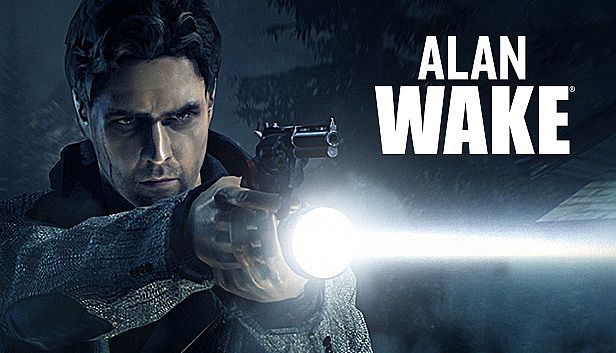






























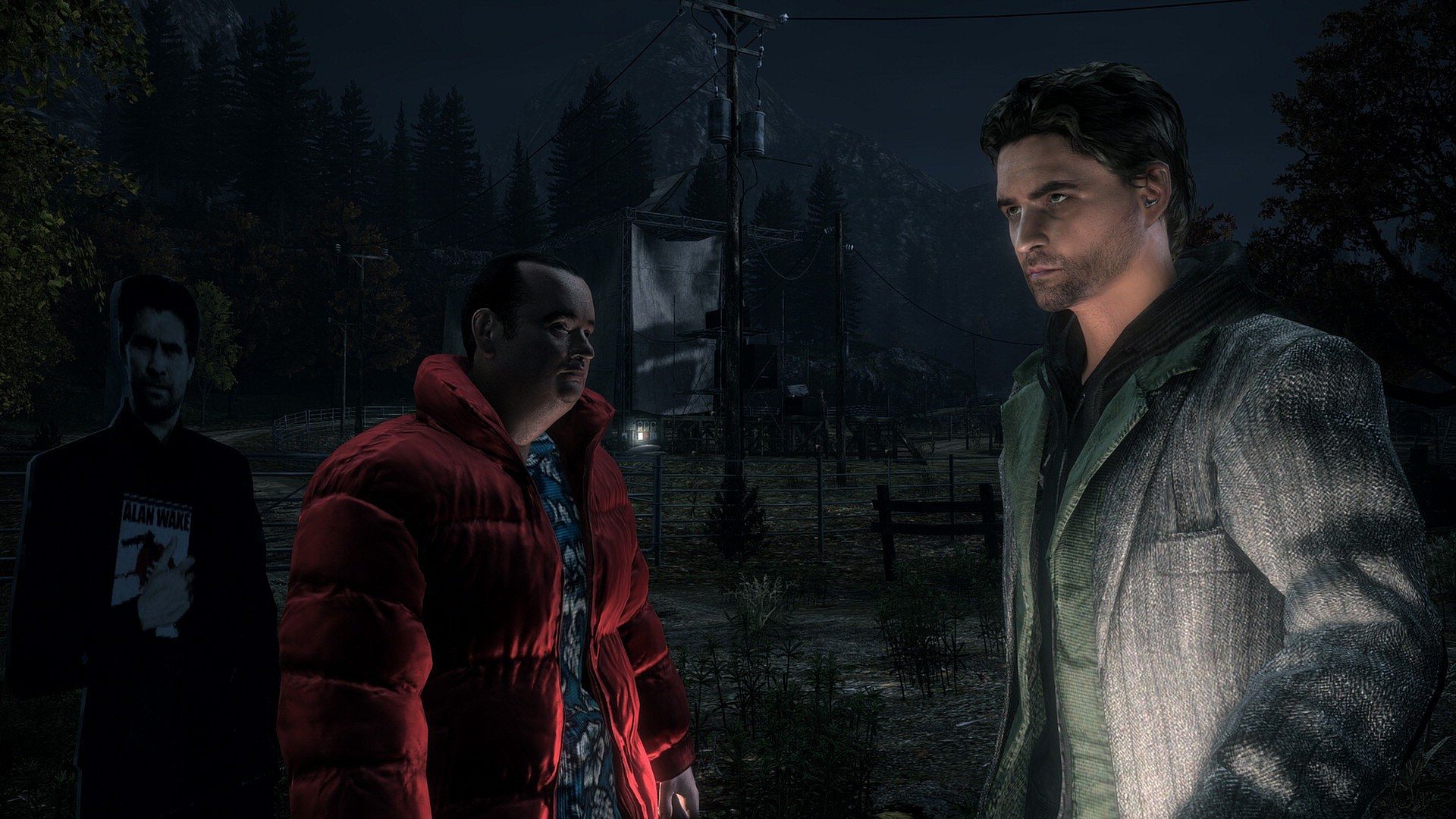
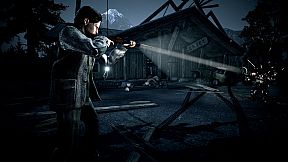
Alan Wake stands out as a third-person action-adventure game that blends psychological thriller elements with intense combat and narrative depth. Released initially in 2010 and brought to PC in 2012, it follows bestselling writer Alan Wake as he investigates his wife's disappearance in the eerie town of Bright Falls, only to discover manuscript pages from a thriller he has no memory of writing. A sinister Dark Presence haunts the area, forcing Wake to confront nightmarish threats while piecing together a twisting mystery. This setup creates a gripping experience for those drawn to story-heavy action games with horror undertones.
Gameplay
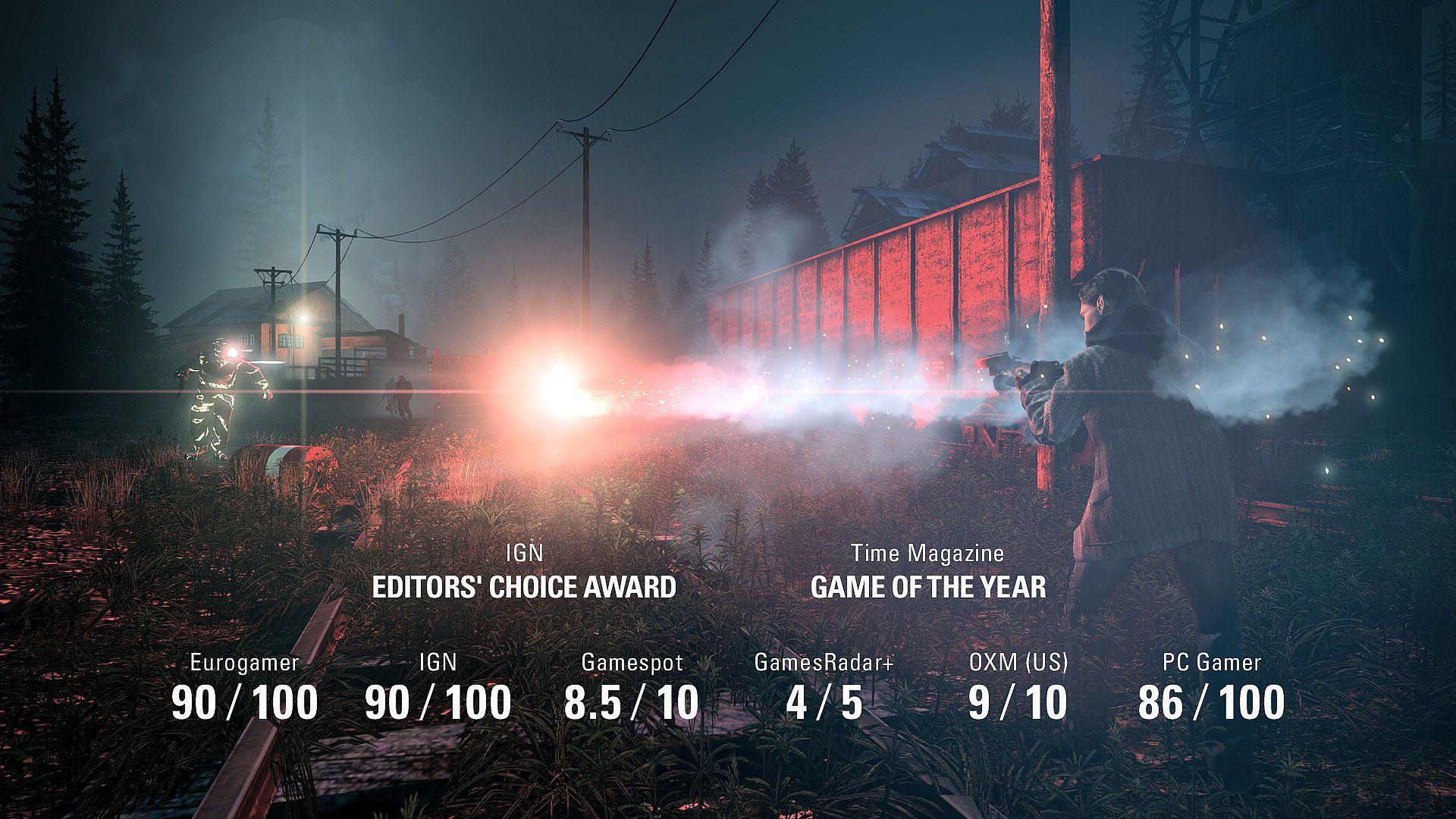
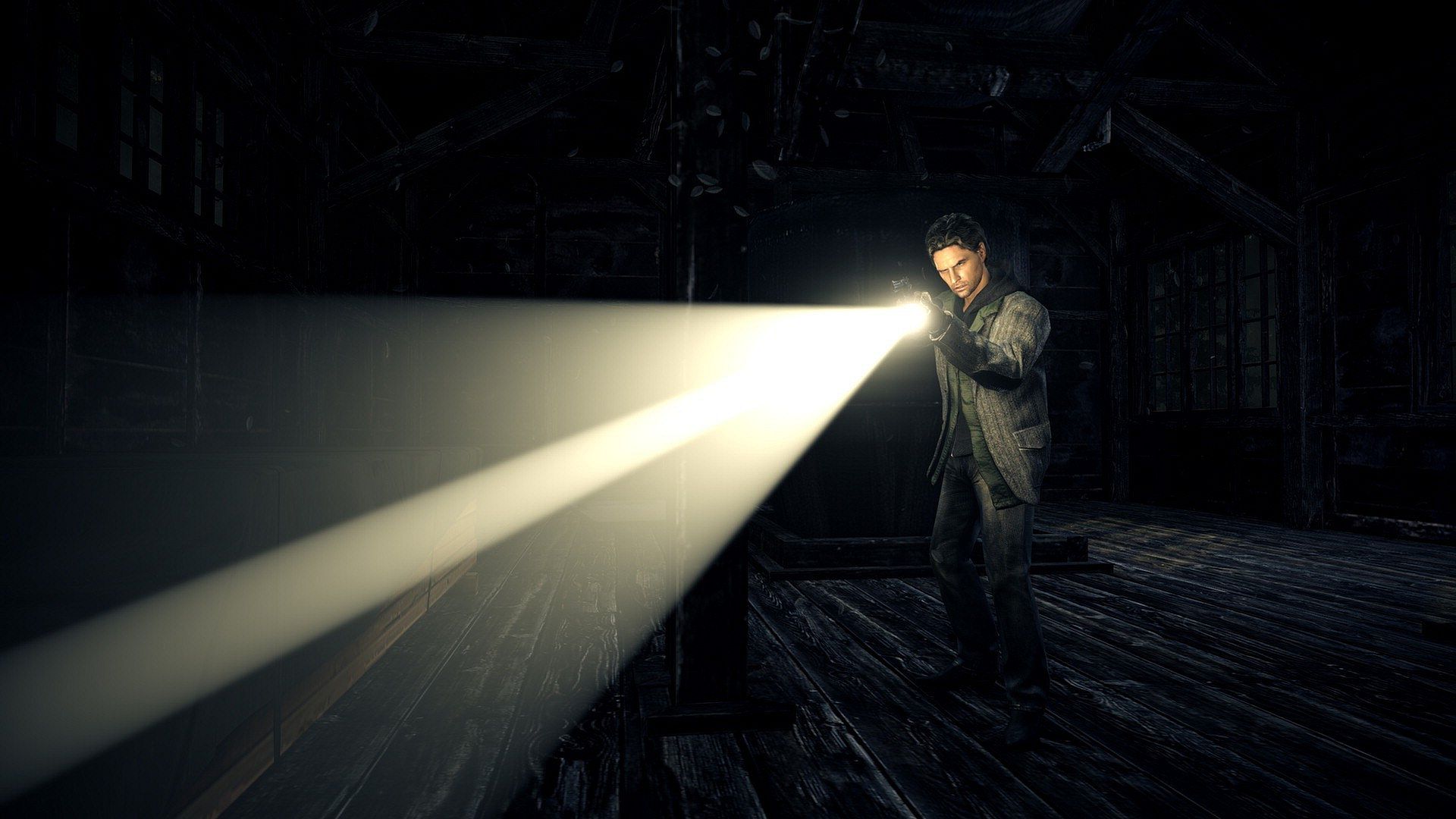
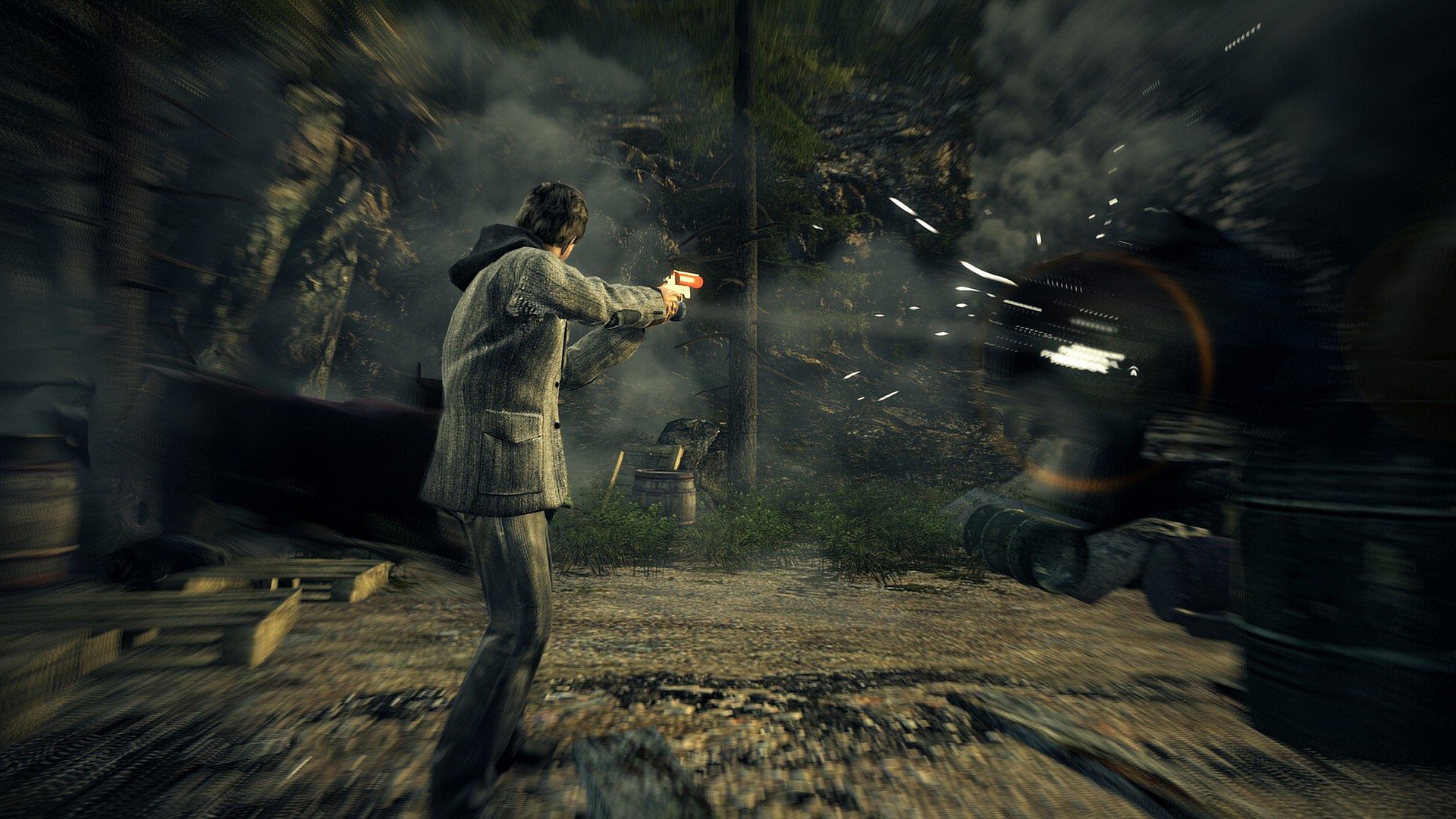
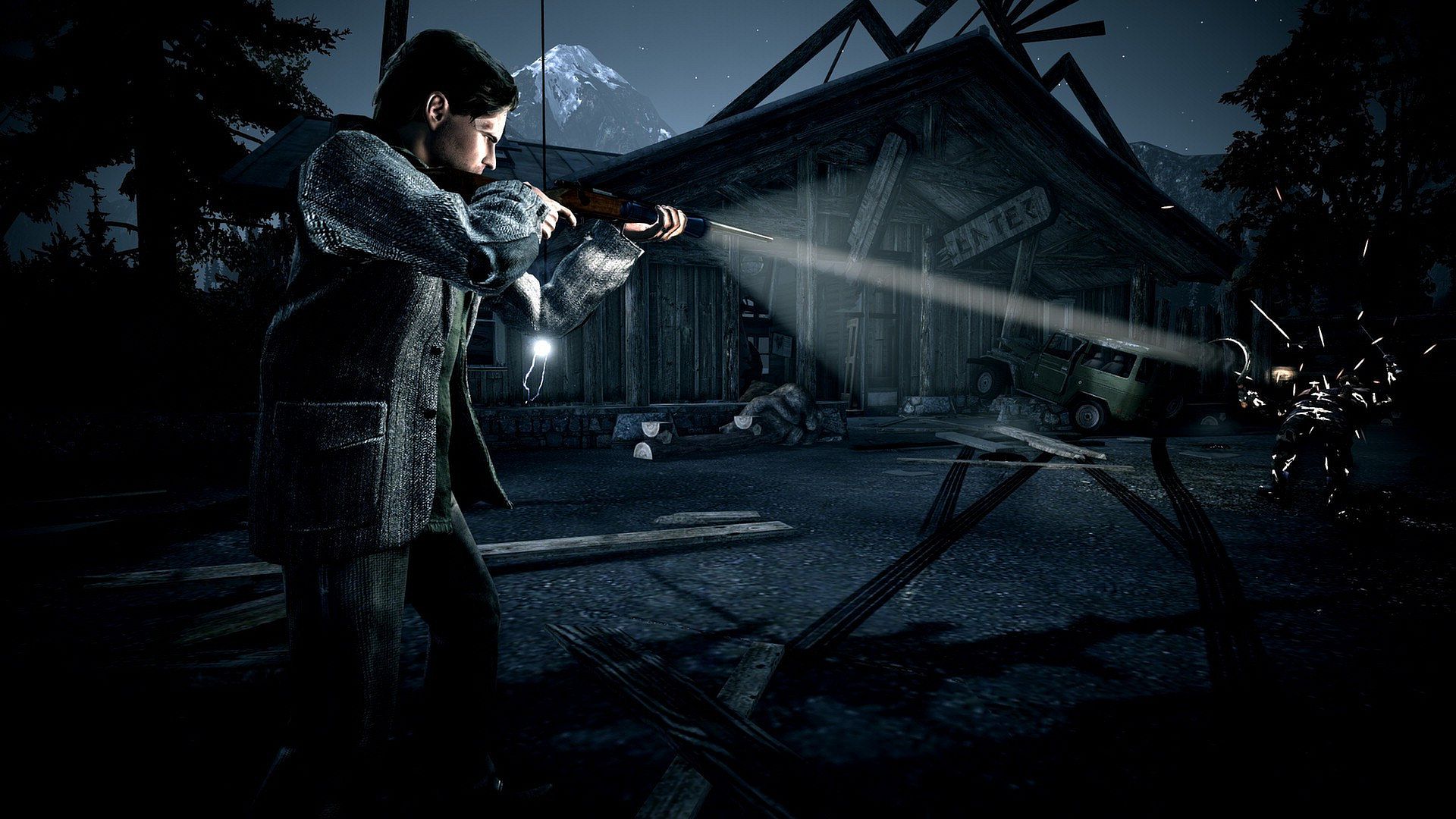
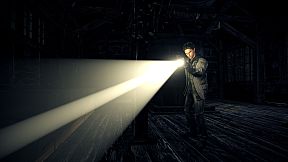
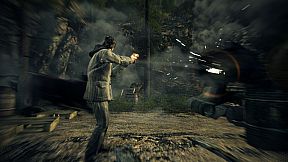
In Alan Wake, the core gameplay revolves around exploration, puzzle-solving, and combat that emphasizes the "Fight With Light" mechanic. Players control Wake in a third-person perspective, navigating the foggy forests and dimly lit streets of Bright Falls. Combat requires weakening shadowy enemies known as Taken by shining a flashlight or other light sources on them to strip away their protective darkness, followed by gunfire from weapons like revolvers or shotguns. This light-based system adds strategy, as managing battery life for the flashlight becomes crucial during tense encounters.
Beyond fighting, players collect manuscript pages that foreshadow events, adding layers to the narrative. The game encourages searching environments for supplies like ammo and batteries, while environmental interactions, such as using flares or light switches, help in survival. Action sequences build tension with overwhelming odds, and the overall pace mixes calm exploration with sudden bursts of adrenaline-fueled chases.
Game Modes
Alan Wake is primarily a single-player experience structured like a TV series, divided into six main episodes that advance the story. Each episode ends with cliffhangers, maintaining suspense across the campaign. The PC version includes two additional special episodes, "The Signal" and "The Writer," which extend the narrative and introduce new challenges within the same gameplay framework.
There are no multiplayer options or competitive modes; the focus remains on solo play through the story-driven content. These episodes can be accessed after completing the main game, offering more insight into Wake's psyche and the overarching mystery.
Story and Atmosphere
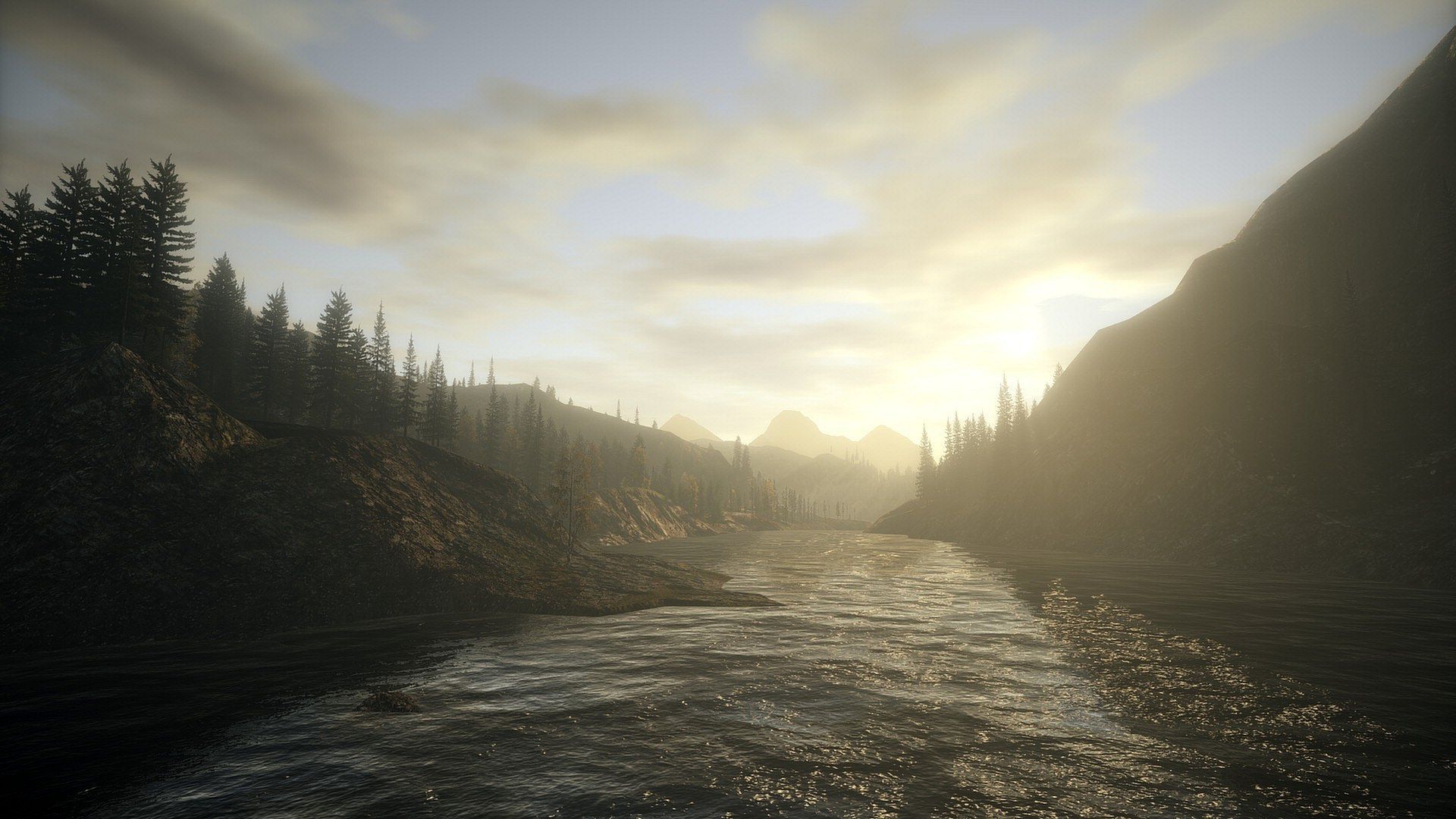
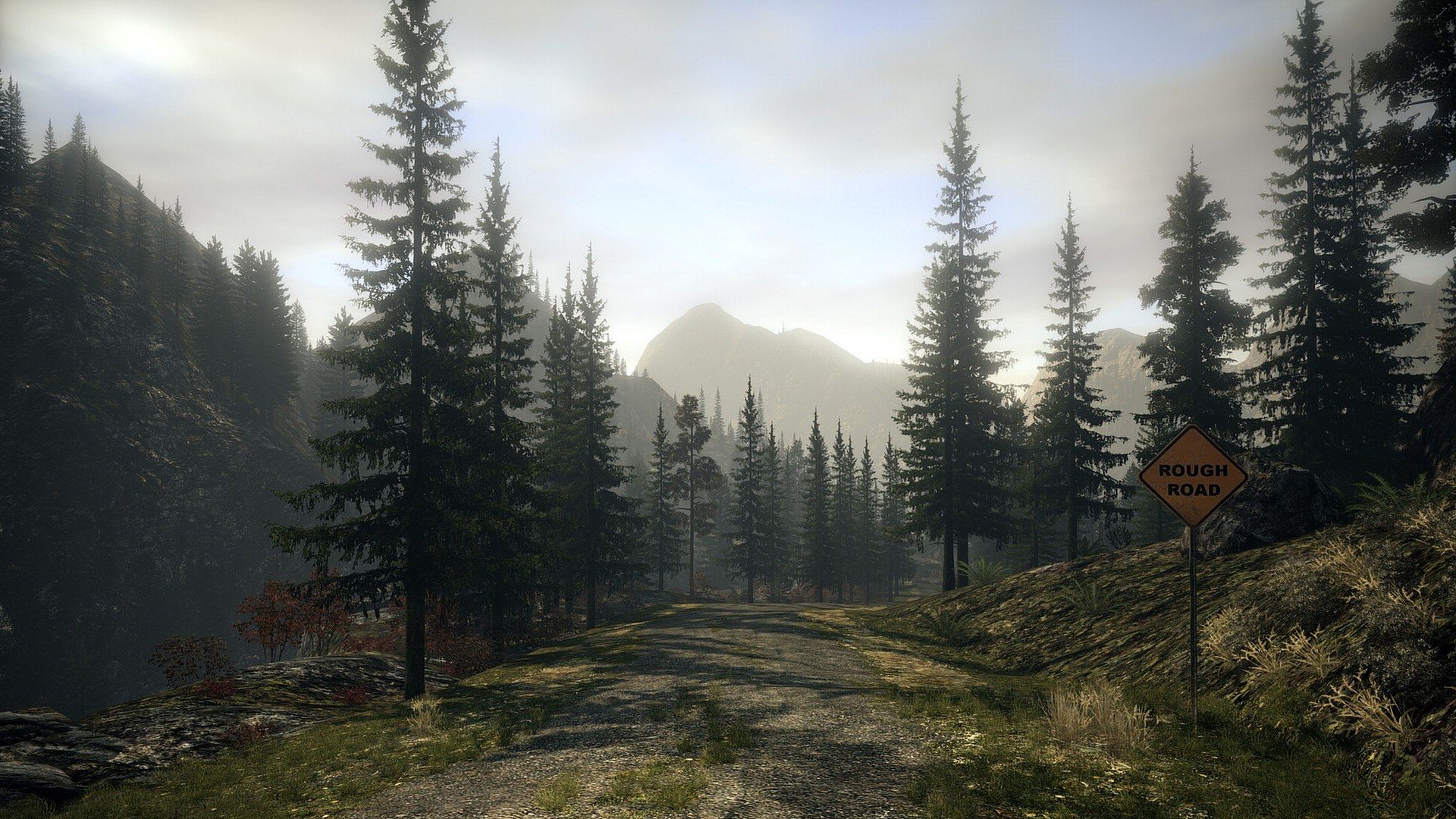
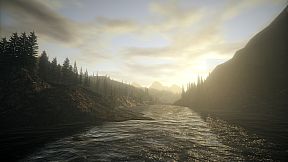
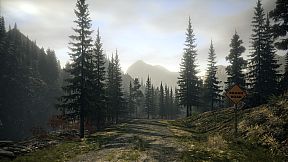
The narrative draws heavily from thriller genres, with plot twists that blur reality and fiction. Bright Falls serves as a detailed setting inspired by Pacific Northwest locales, complete with realistic weather effects and day-night cycles that heighten the horror. The game's atmosphere builds dread through sound design, including eerie music and ambient noises, making every shadow feel threatening.
Enhanced PC features support higher resolutions and customizable controls, ensuring smooth performance on modern hardware, though the core experience retains its original intensity.
Is It Worth Playing?
Based on player feedback, Alan Wake holds up well with Very Positive reviews on platforms like Steam, where 88% of English-language reviews are positive out of over 15,000, and recent ratings sit at 86% positive from 504 reviews. This reception highlights its strong story and unique combat, appealing to fans of narrative-focused action-adventure titles.
If you enjoy psychological thrillers with strategic combat elements, it's a solid choice, especially for solo players seeking an atmospheric tale. The lack of ongoing updates means the game remains in its polished 2012 PC form, but its enduring popularity suggests value for those new to the series or revisiting it.