





















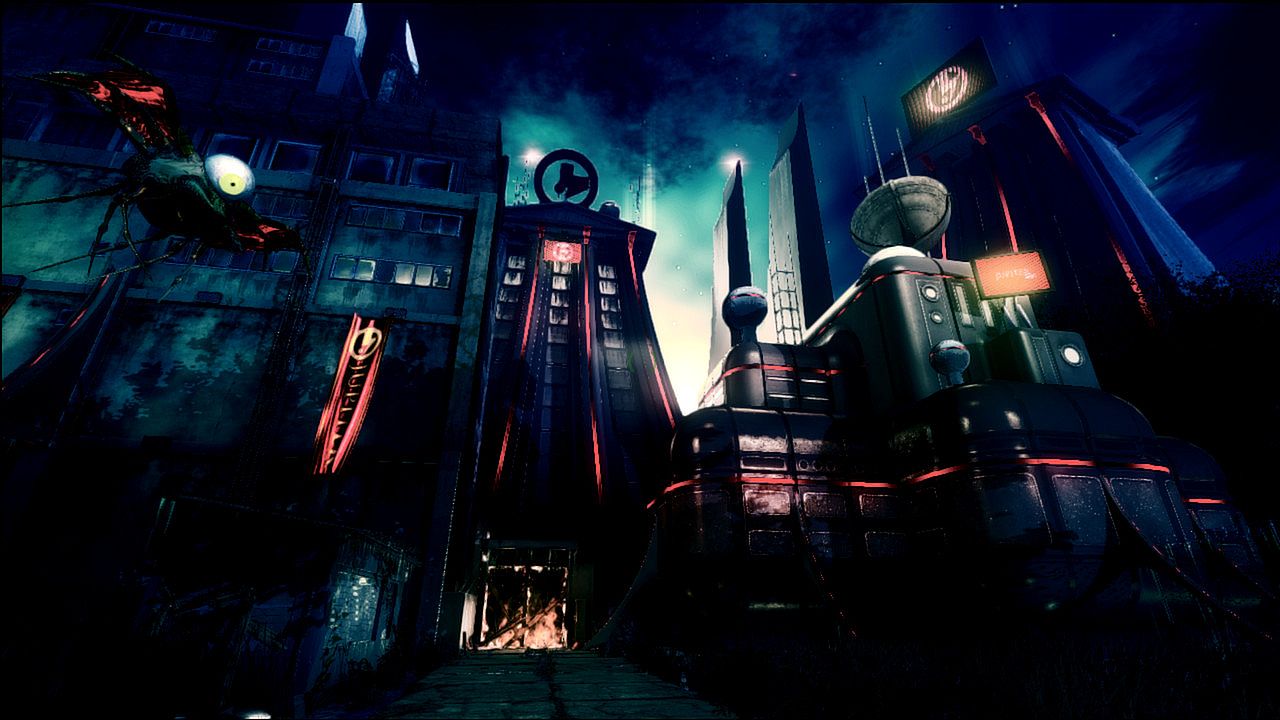
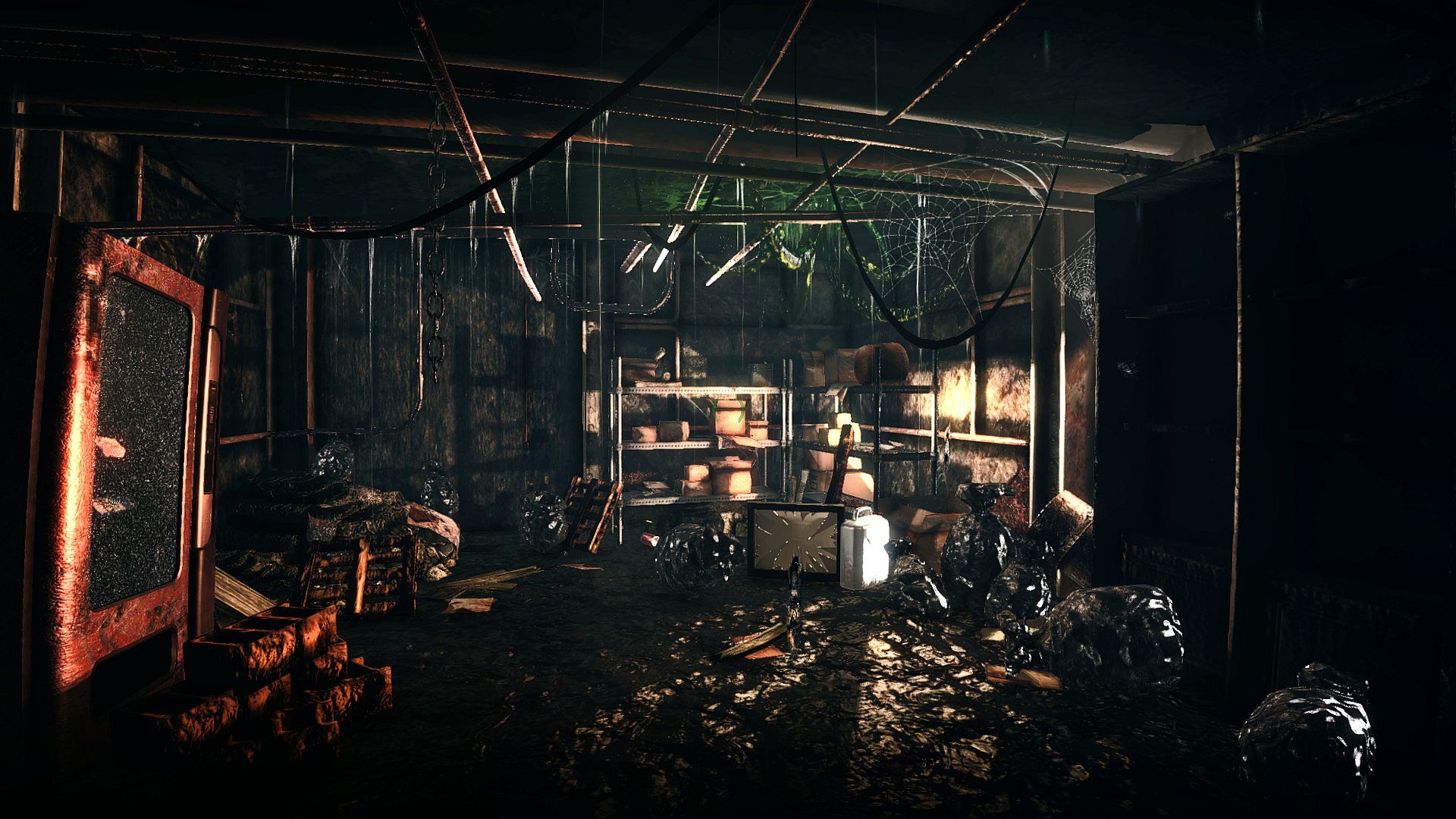
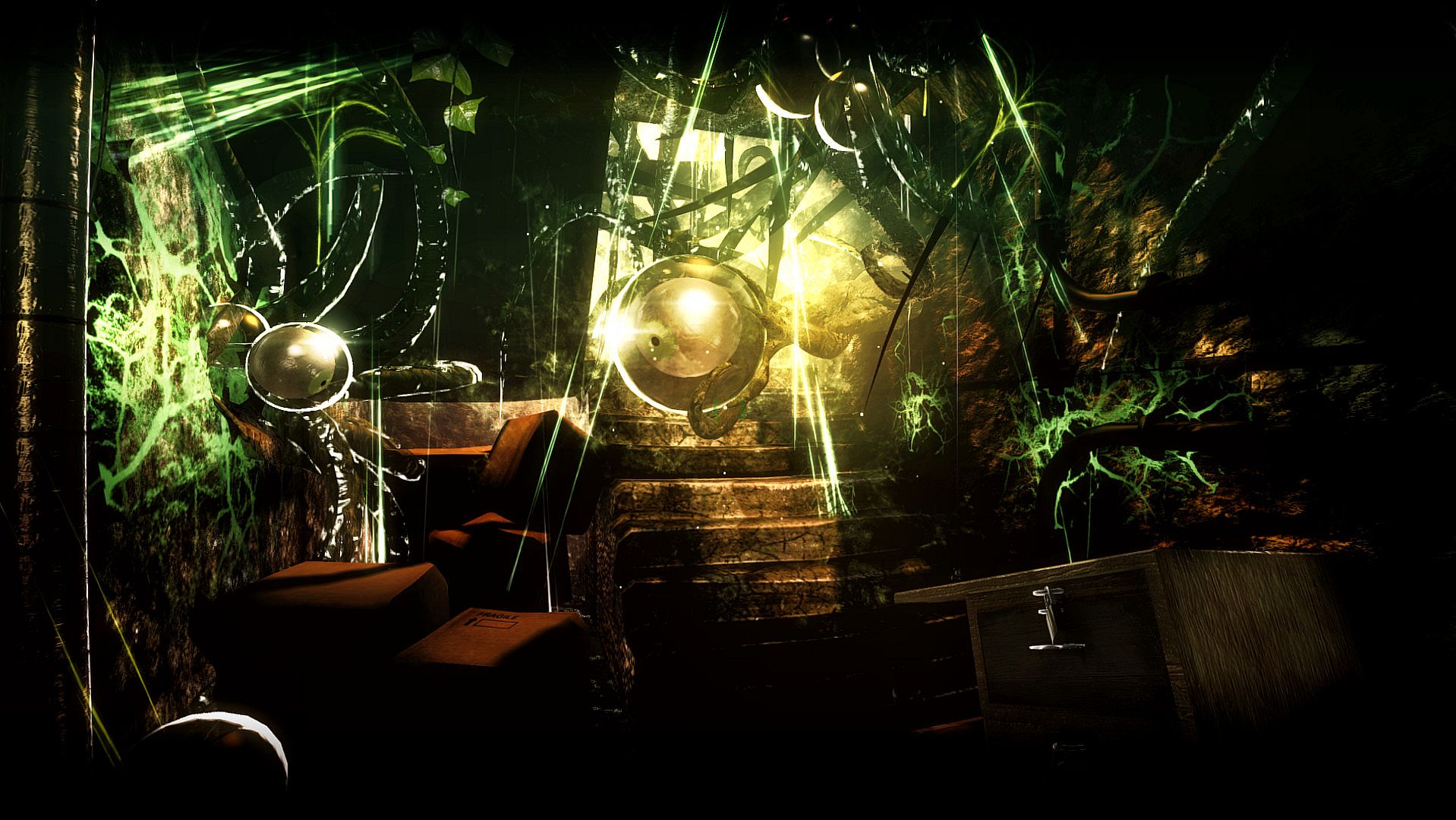
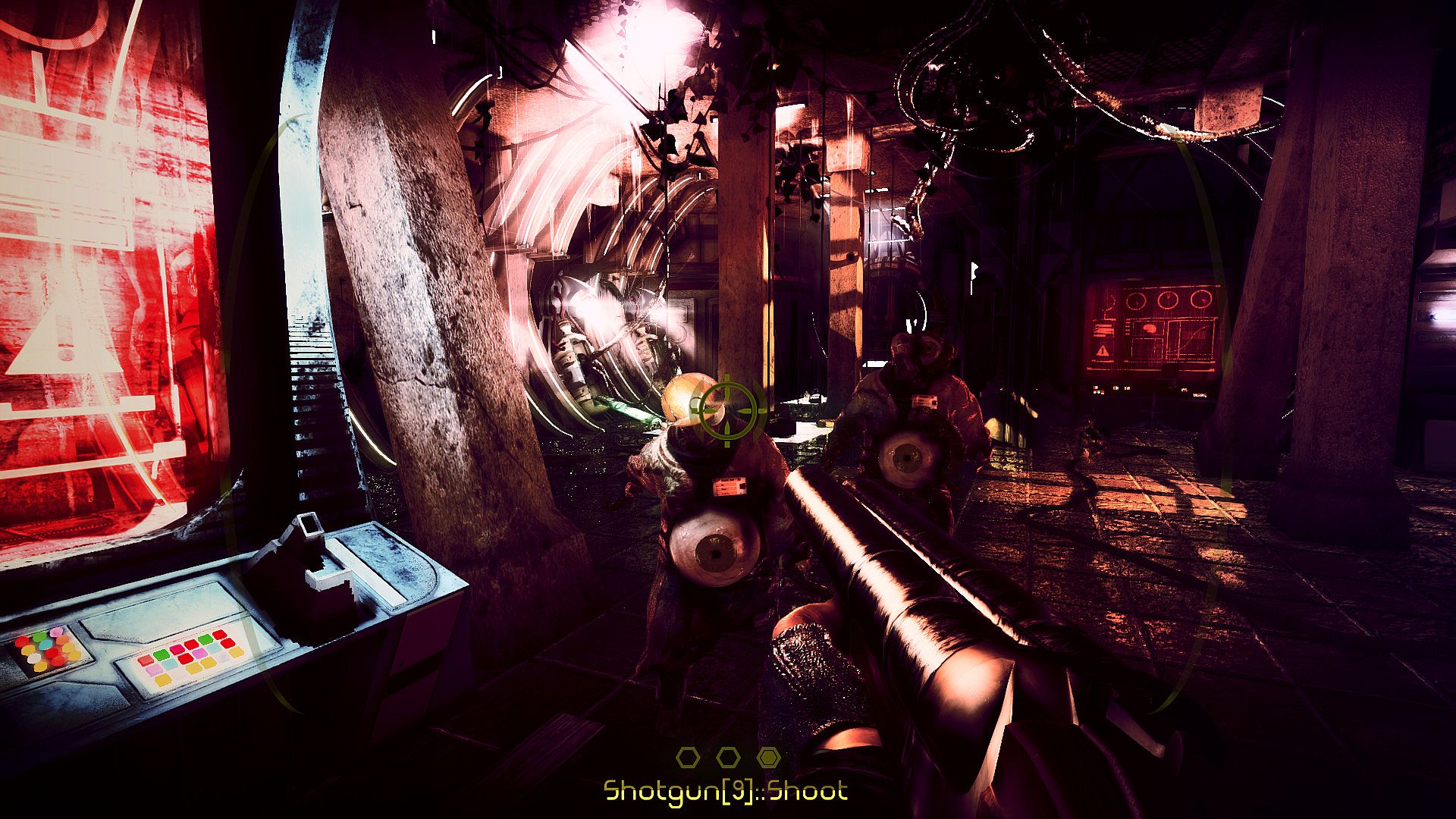
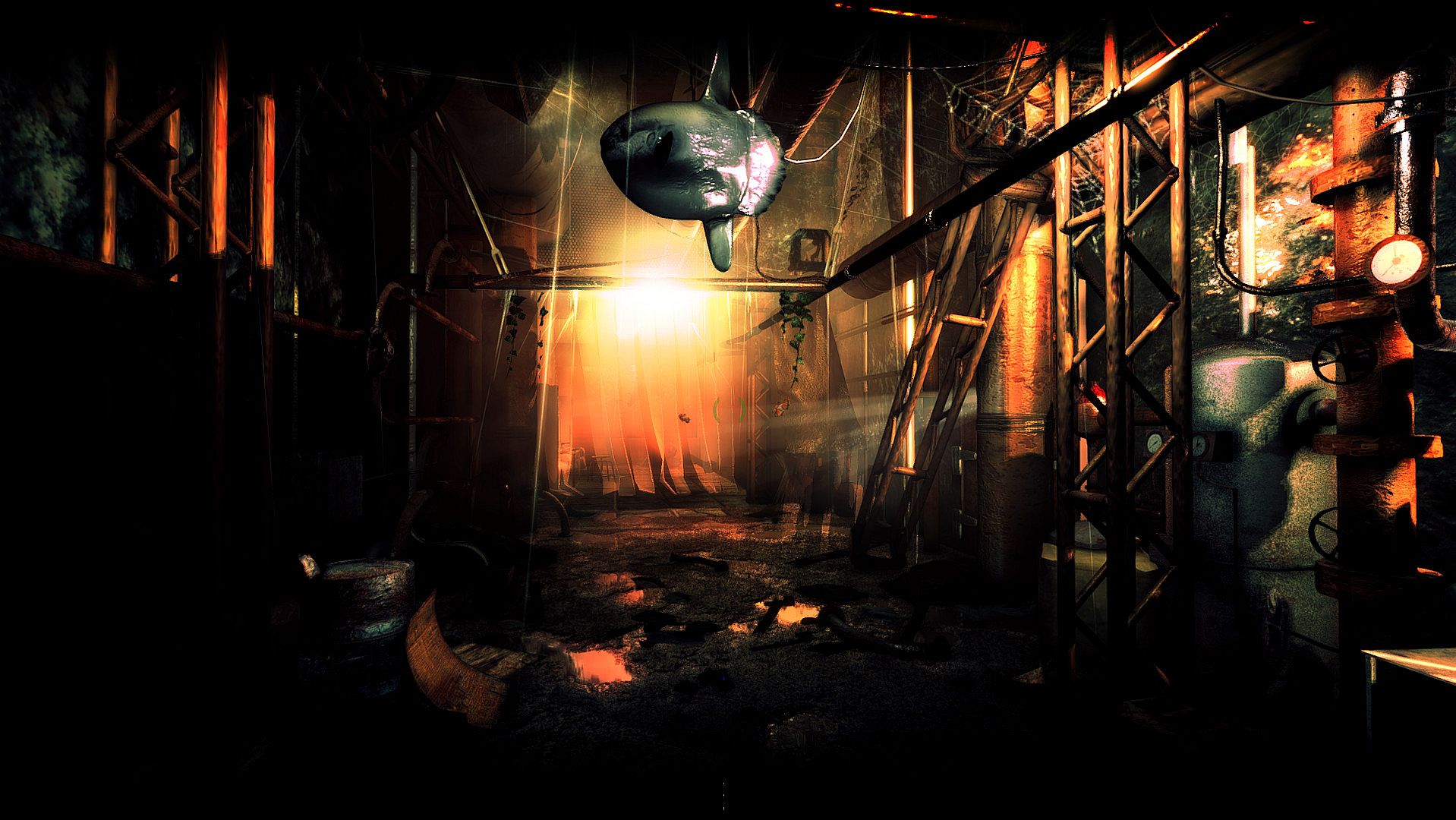
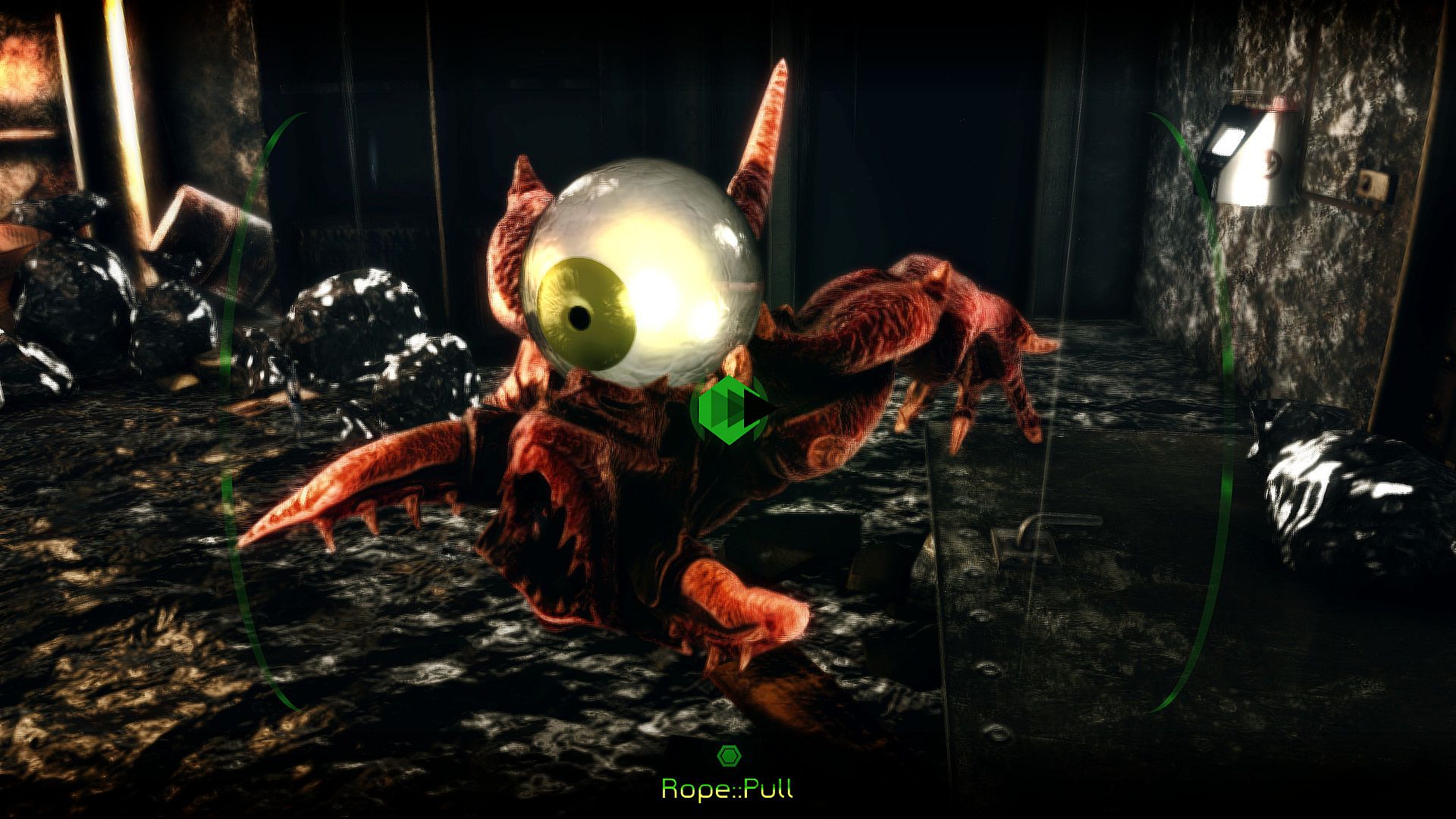
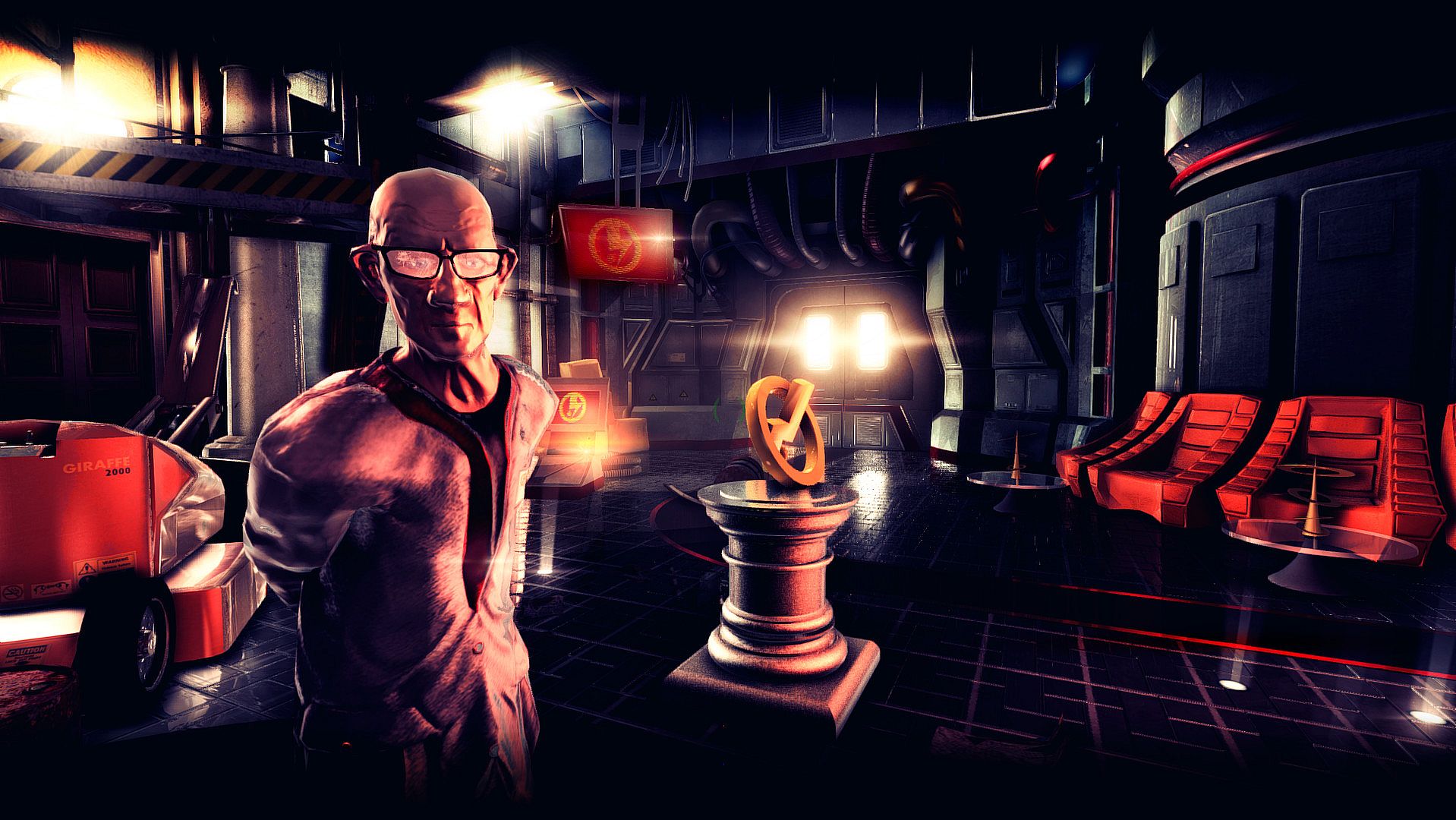
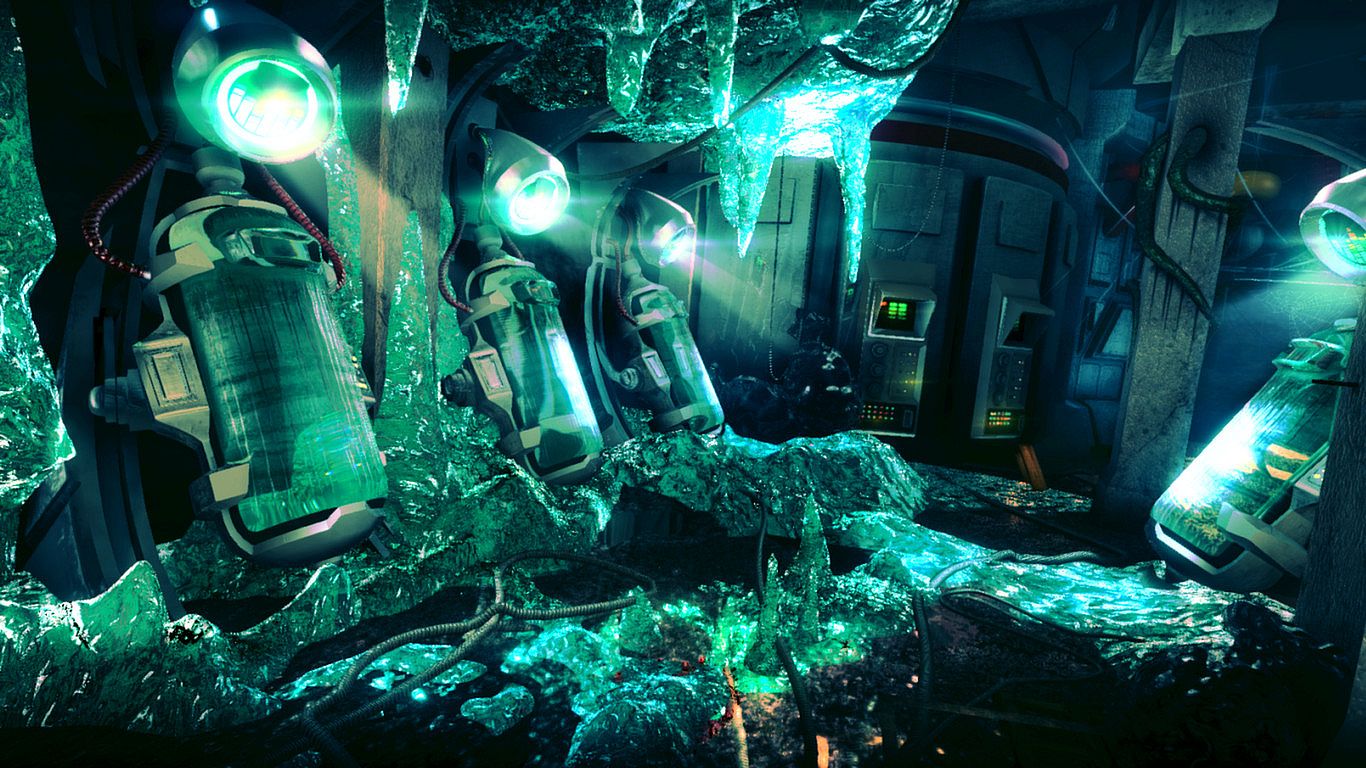
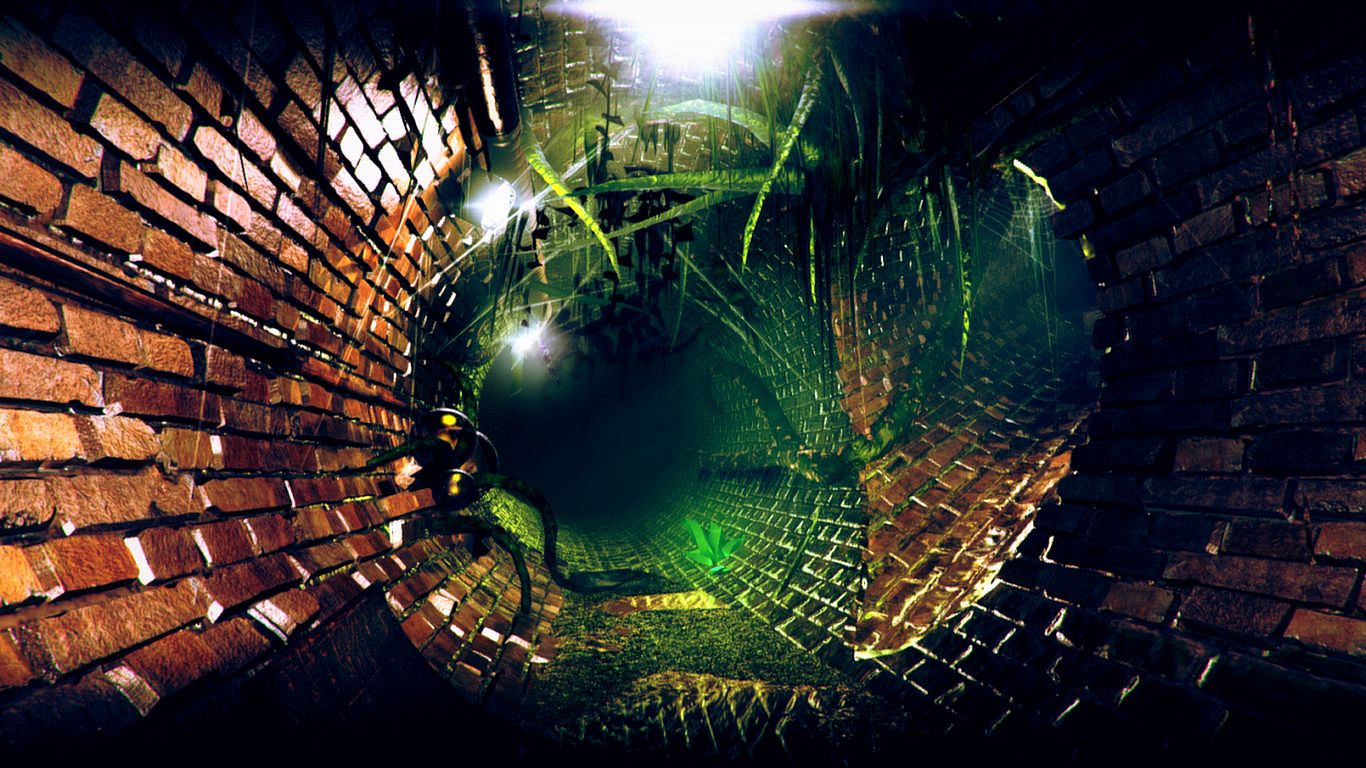
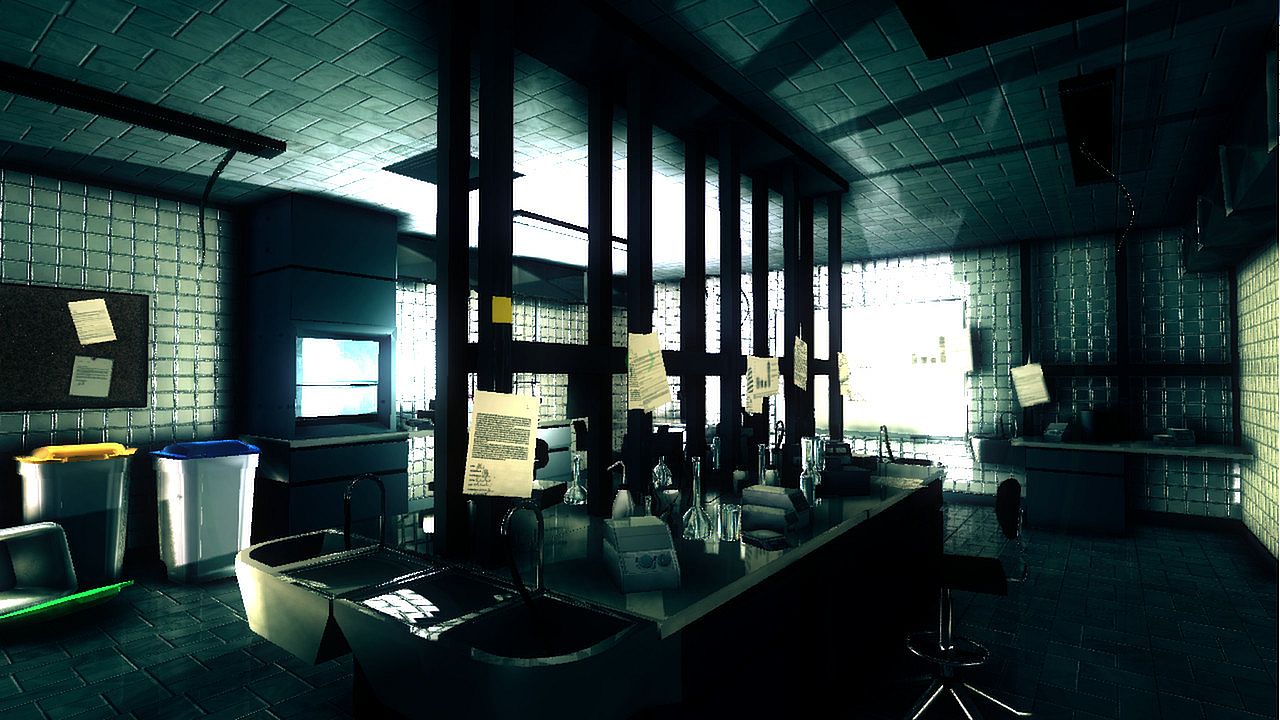
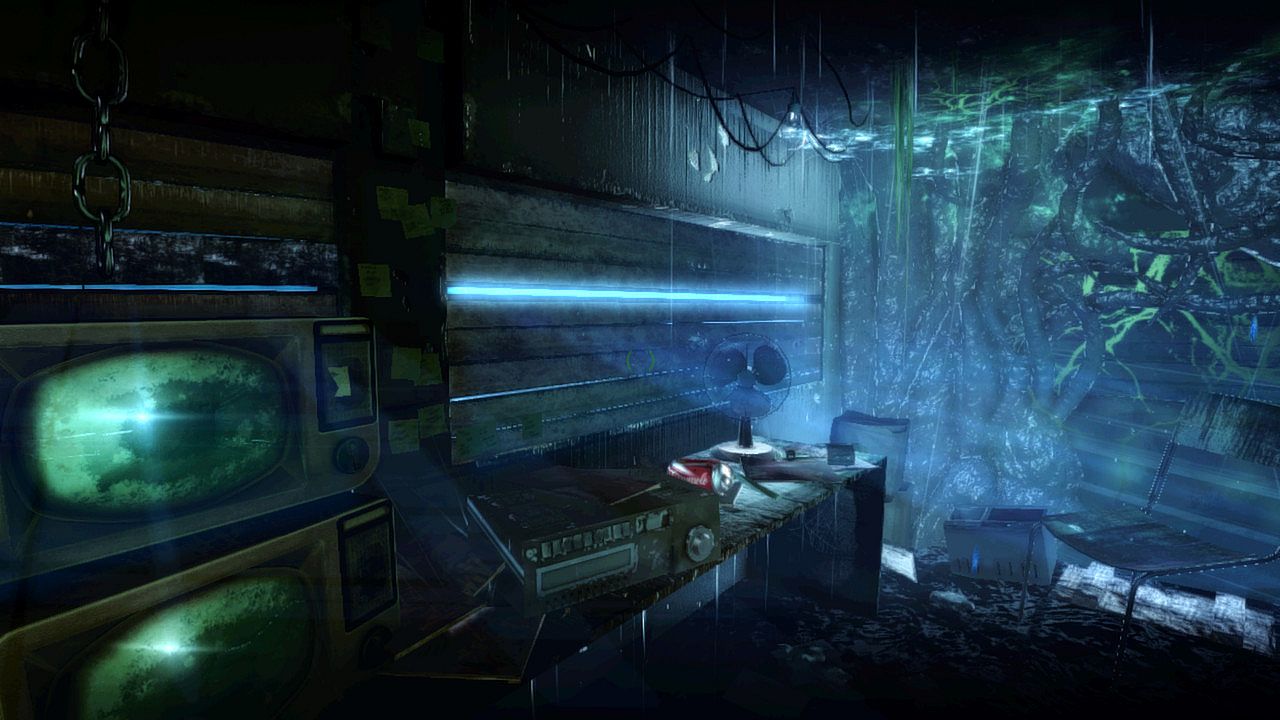
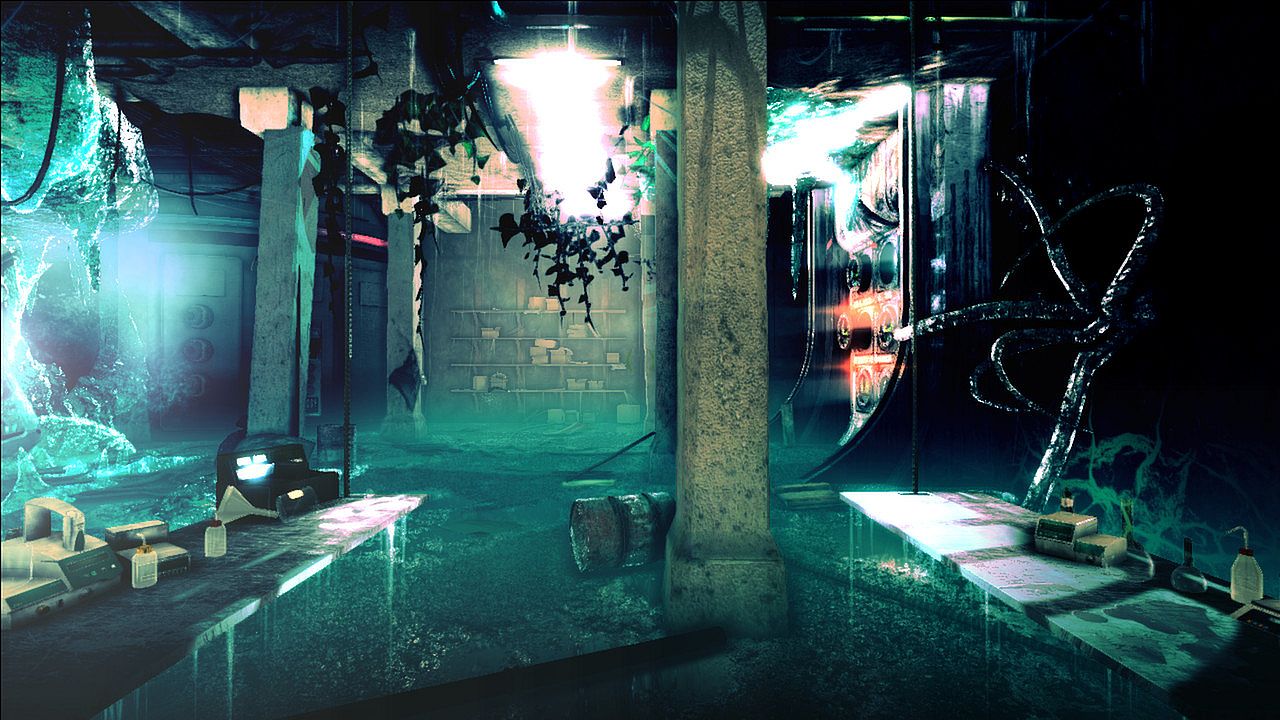
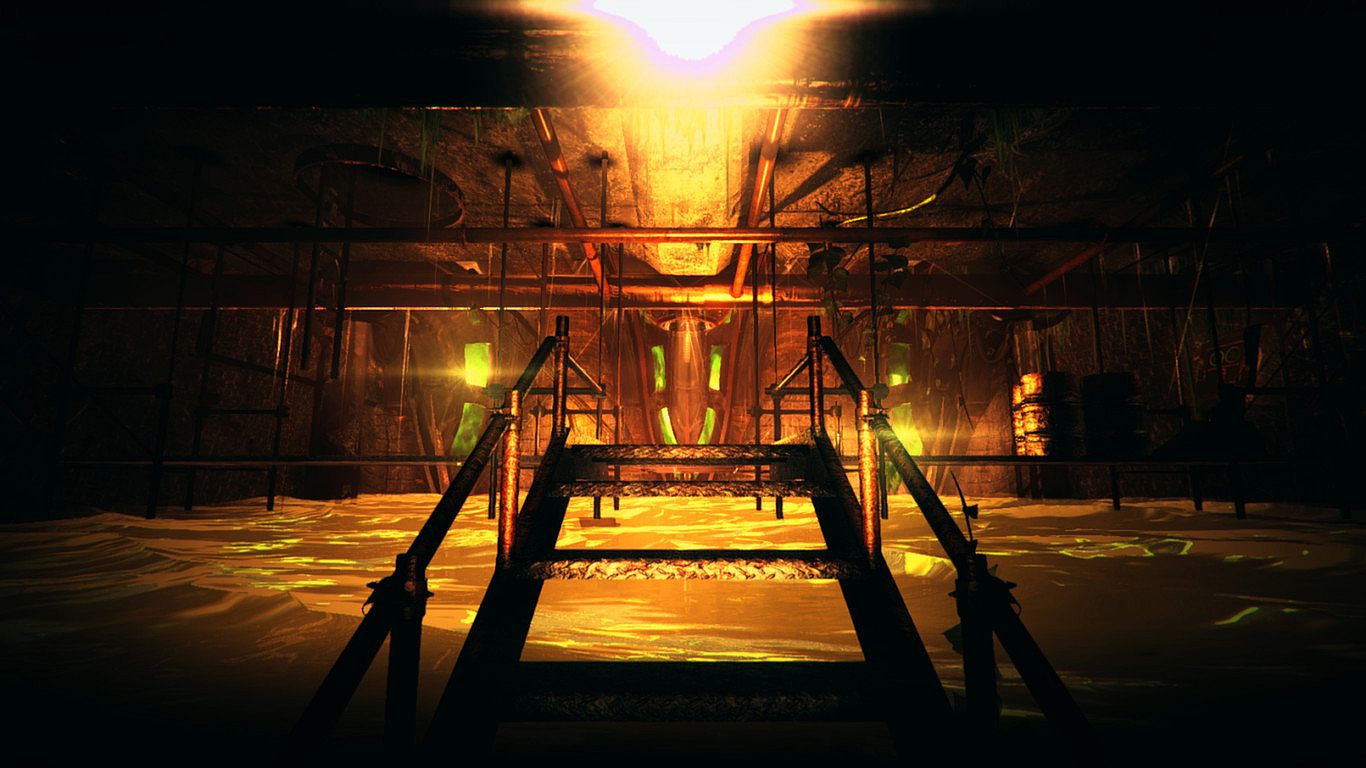
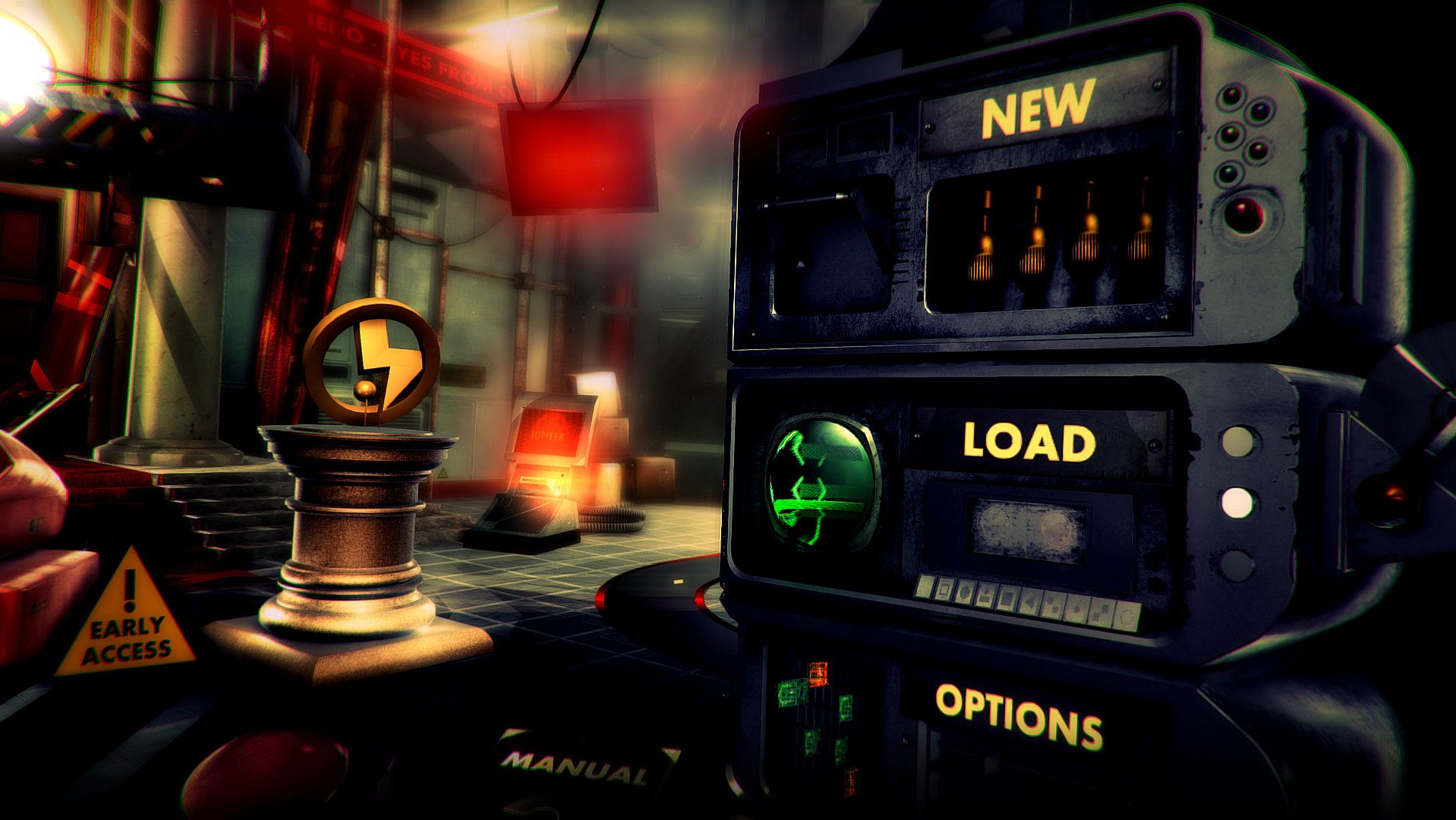
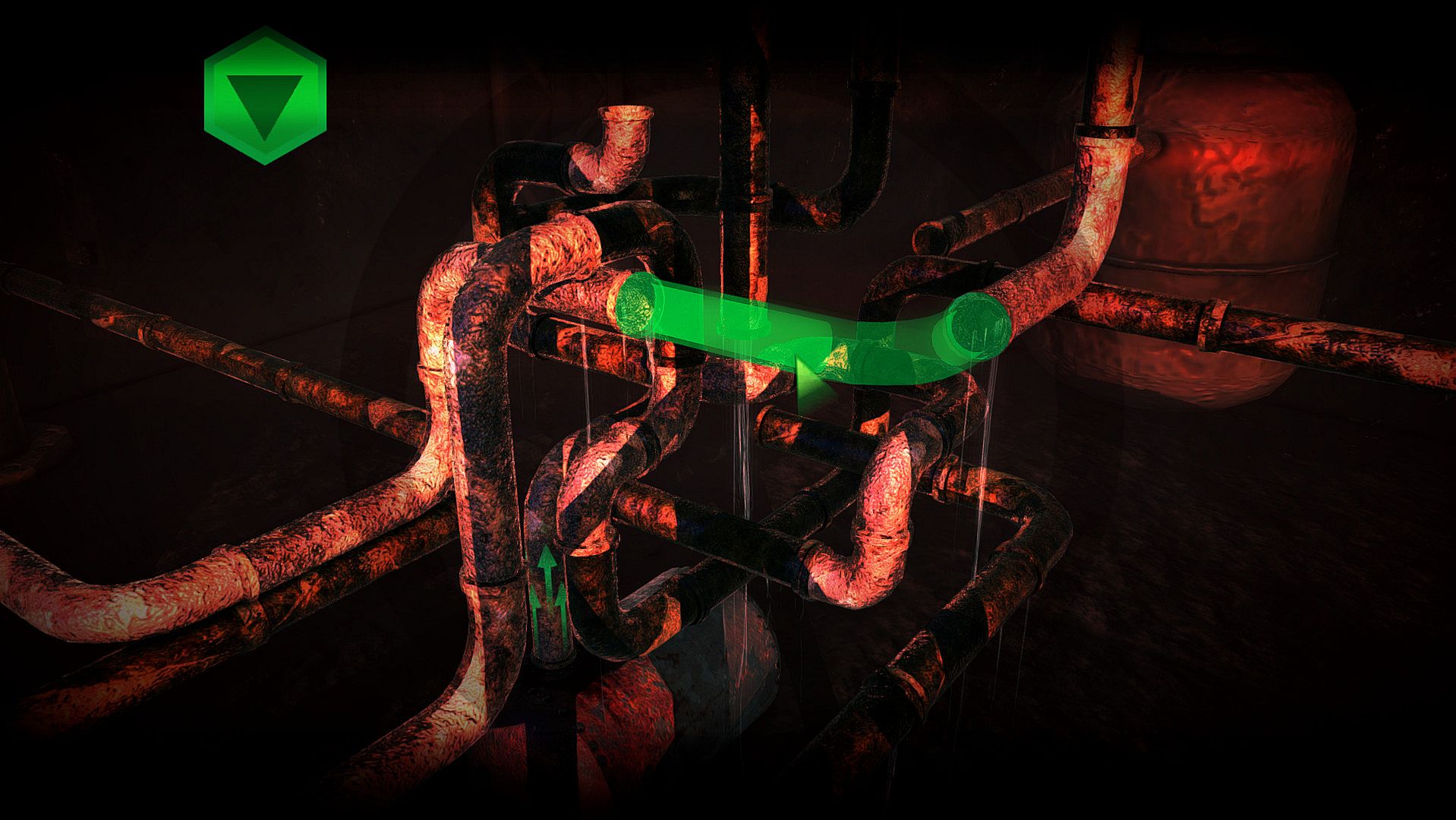
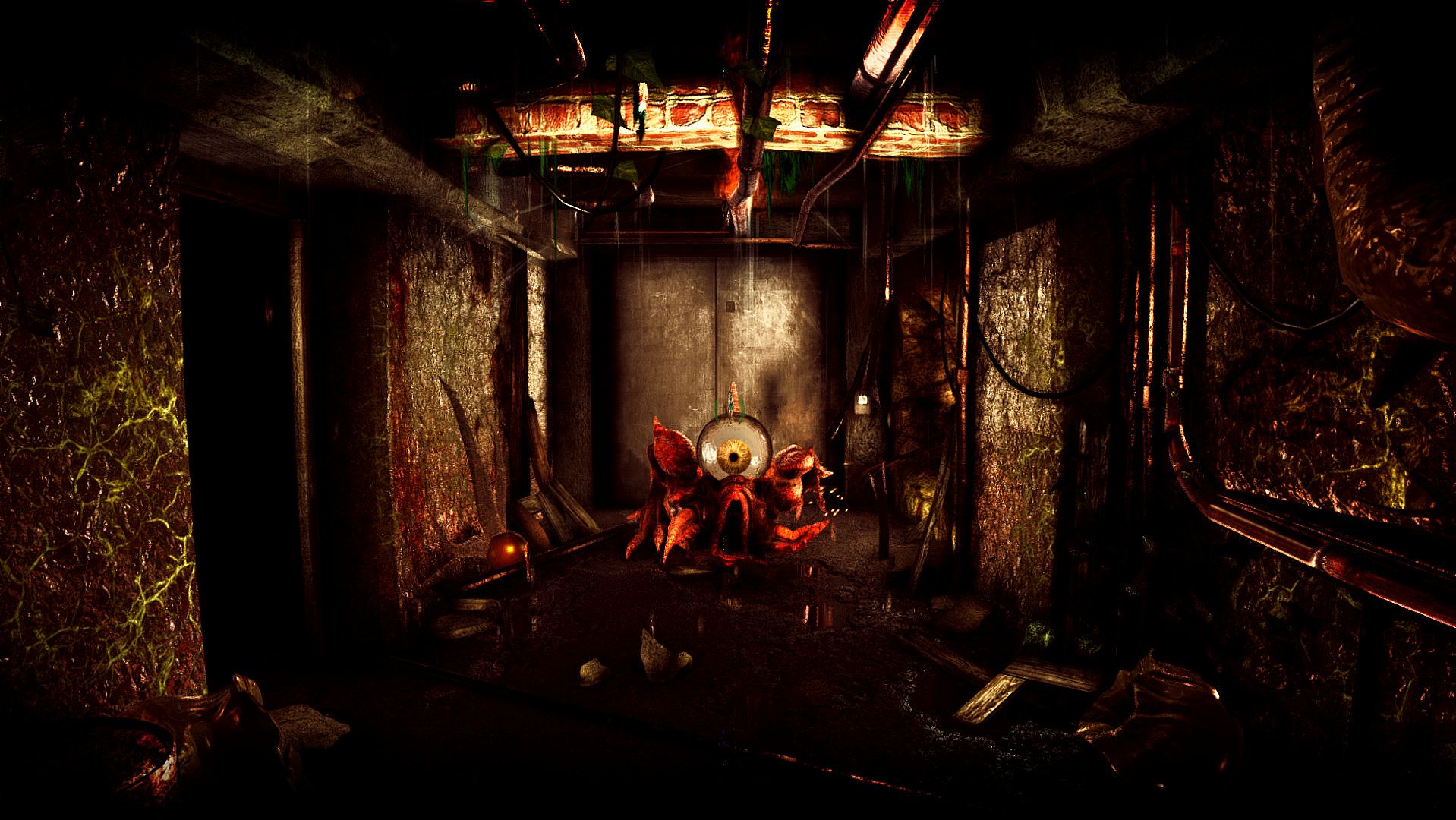
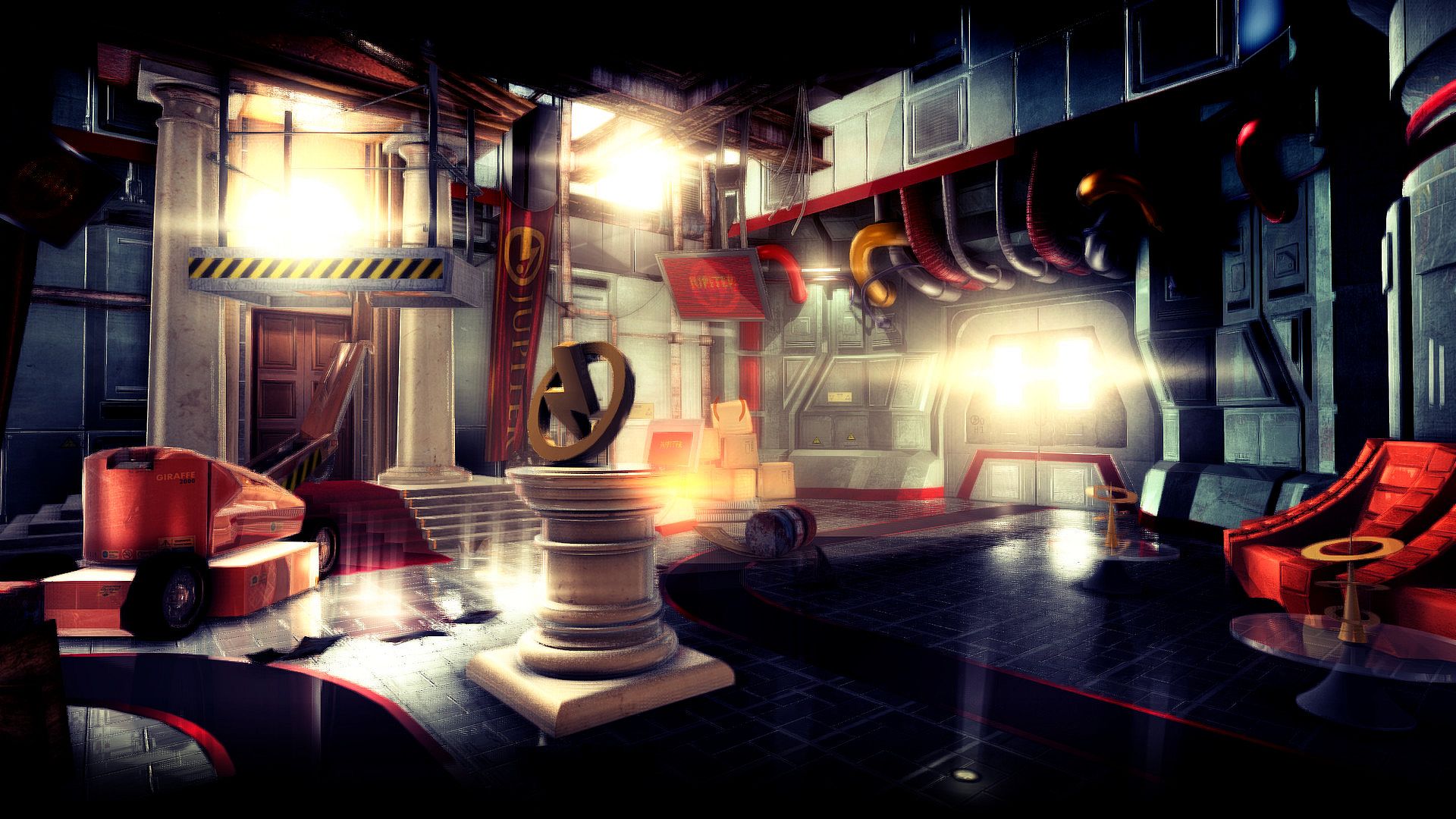
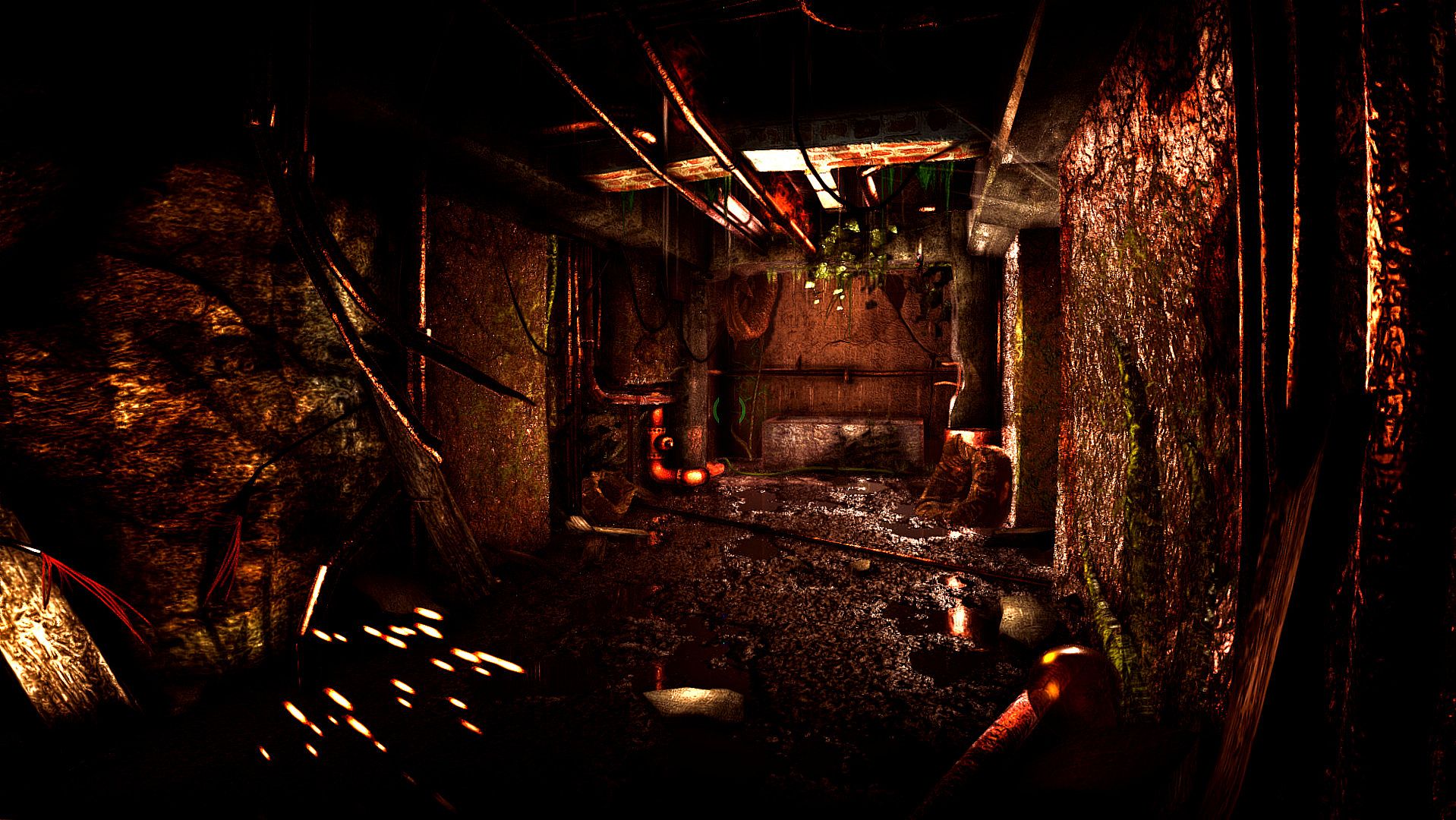
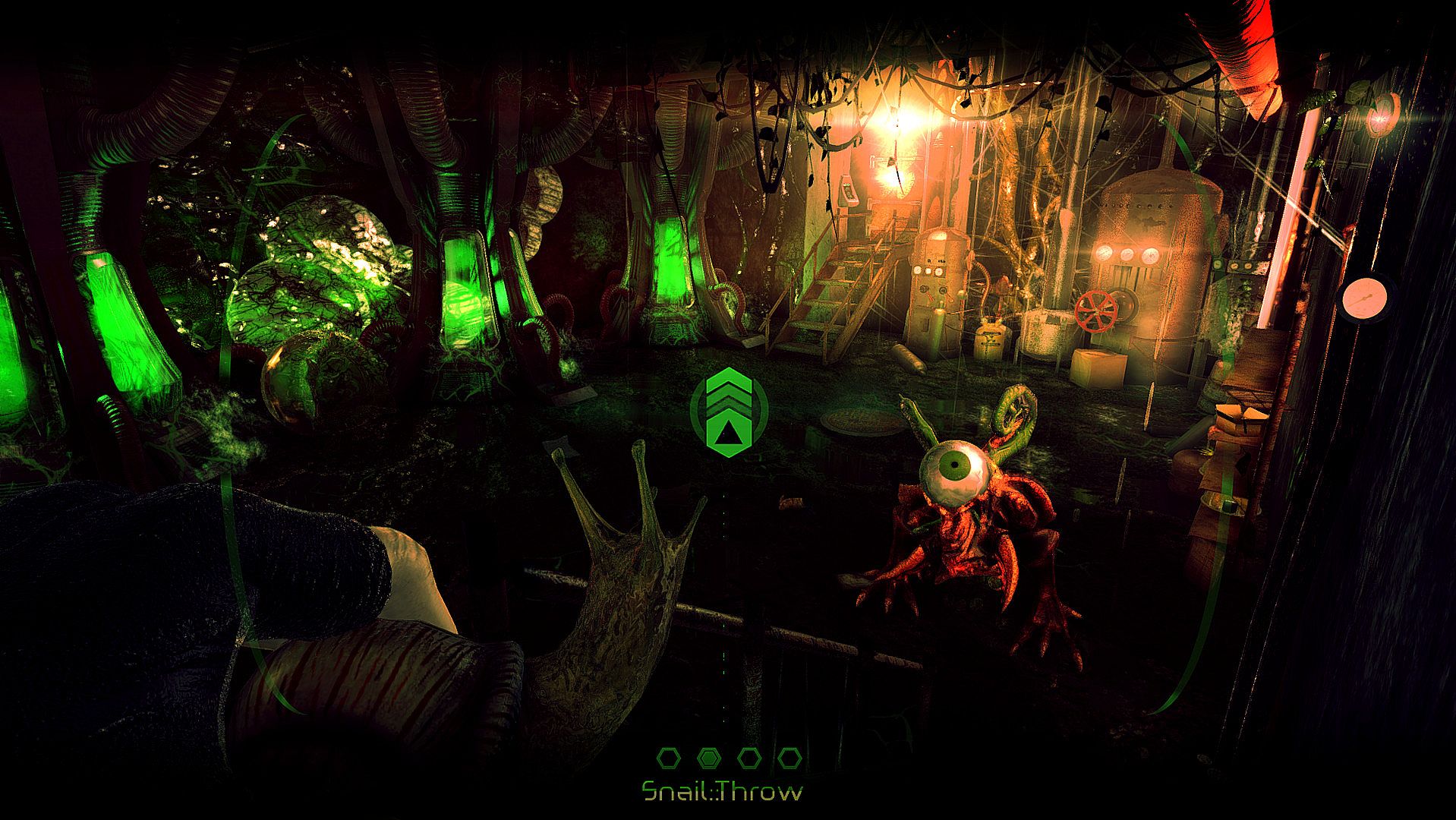
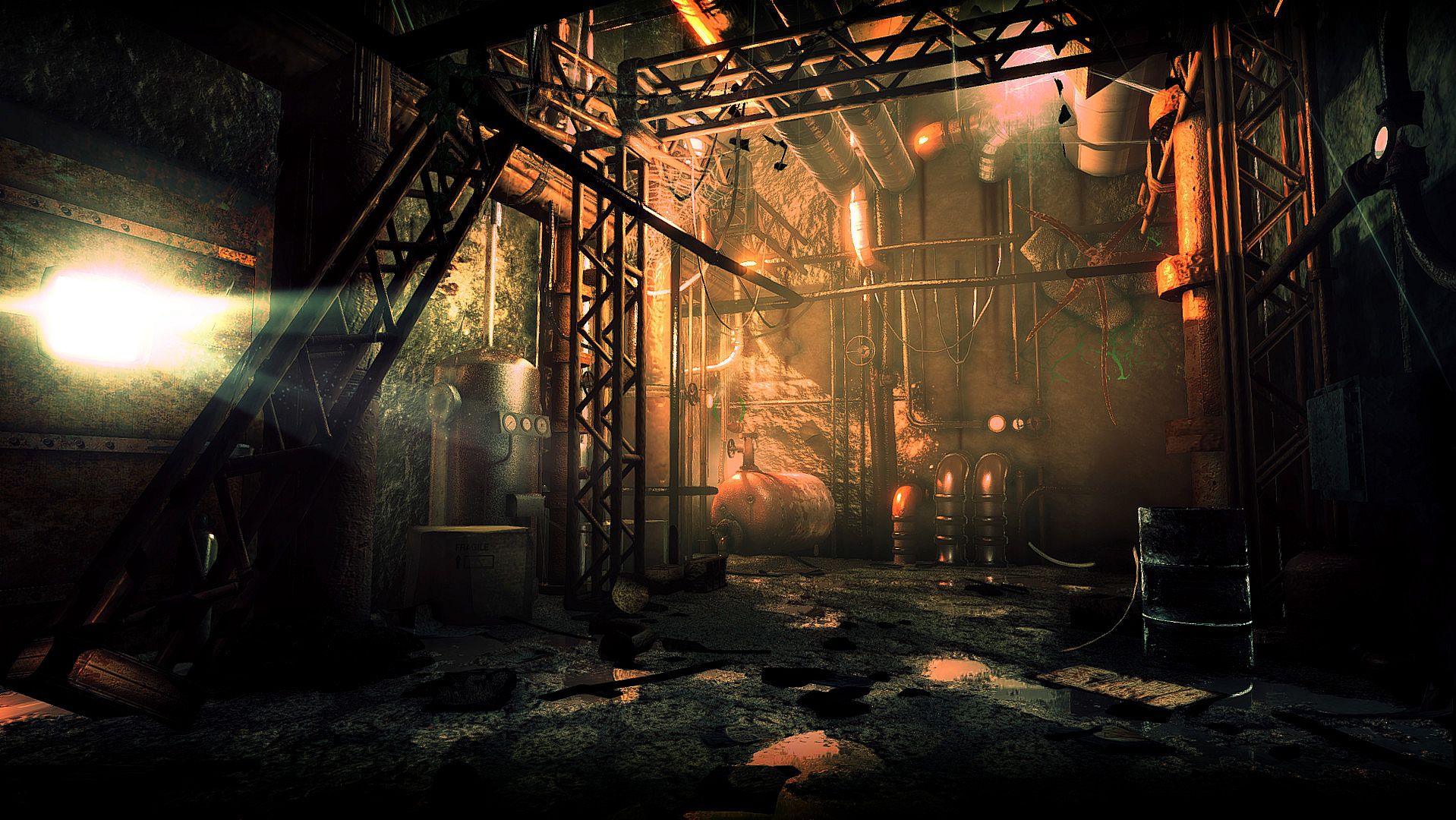
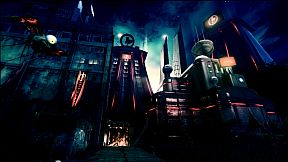
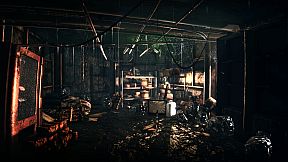
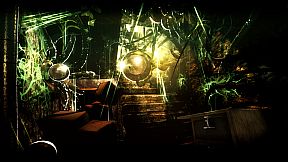
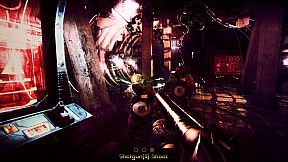
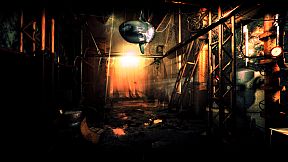
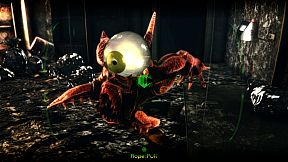
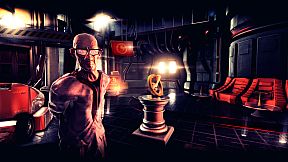
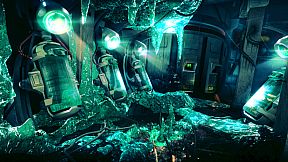
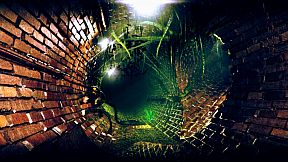
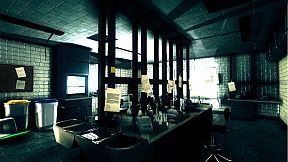
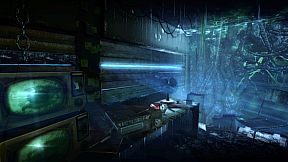
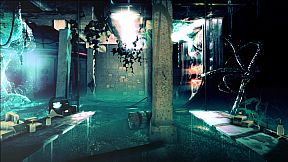
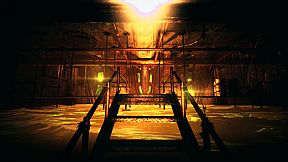
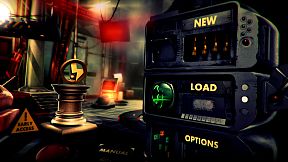
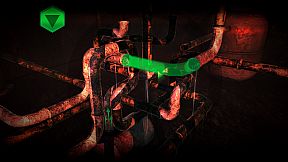
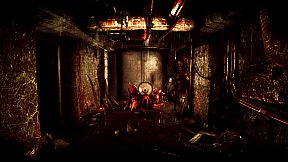
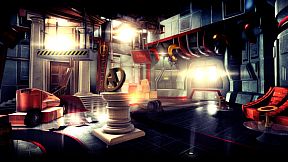
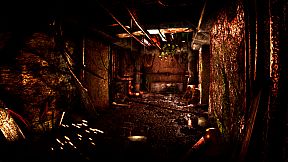
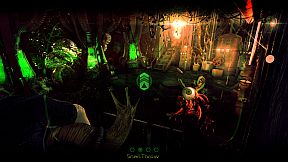
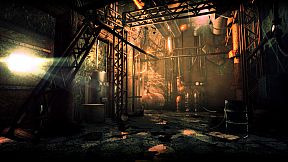
Albedo: Eyes from Outer Space is a first-person adventure game that blends action and puzzle elements in a single-player experience set against a backdrop of 1960s pulp science fiction. Players take on the role of a night watchman at a remote research facility who awakens after an explosion to find the complex damaged and overrun by strange organisms. The core loop centers on exploration of detailed environments, object interaction through a realistic physics system, and progression via problem-solving that mixes logic puzzles with occasional combat sequences.
Gameplay
The gameplay emphasizes careful navigation through twenty interconnected rooms filled with interactive objects and environmental hazards. An advanced physics engine allows players to manipulate items in ways that mirror real-world expectations, such as stacking, throwing, or combining objects to overcome obstacles. Over one hundred items appear throughout the facility, each contributing to puzzle solutions or survival needs. Atmospheric sound design reinforces tension during exploration, while a unique hint device provides glimpses of potential outcomes to guide players through complex challenges without removing the need for deduction.
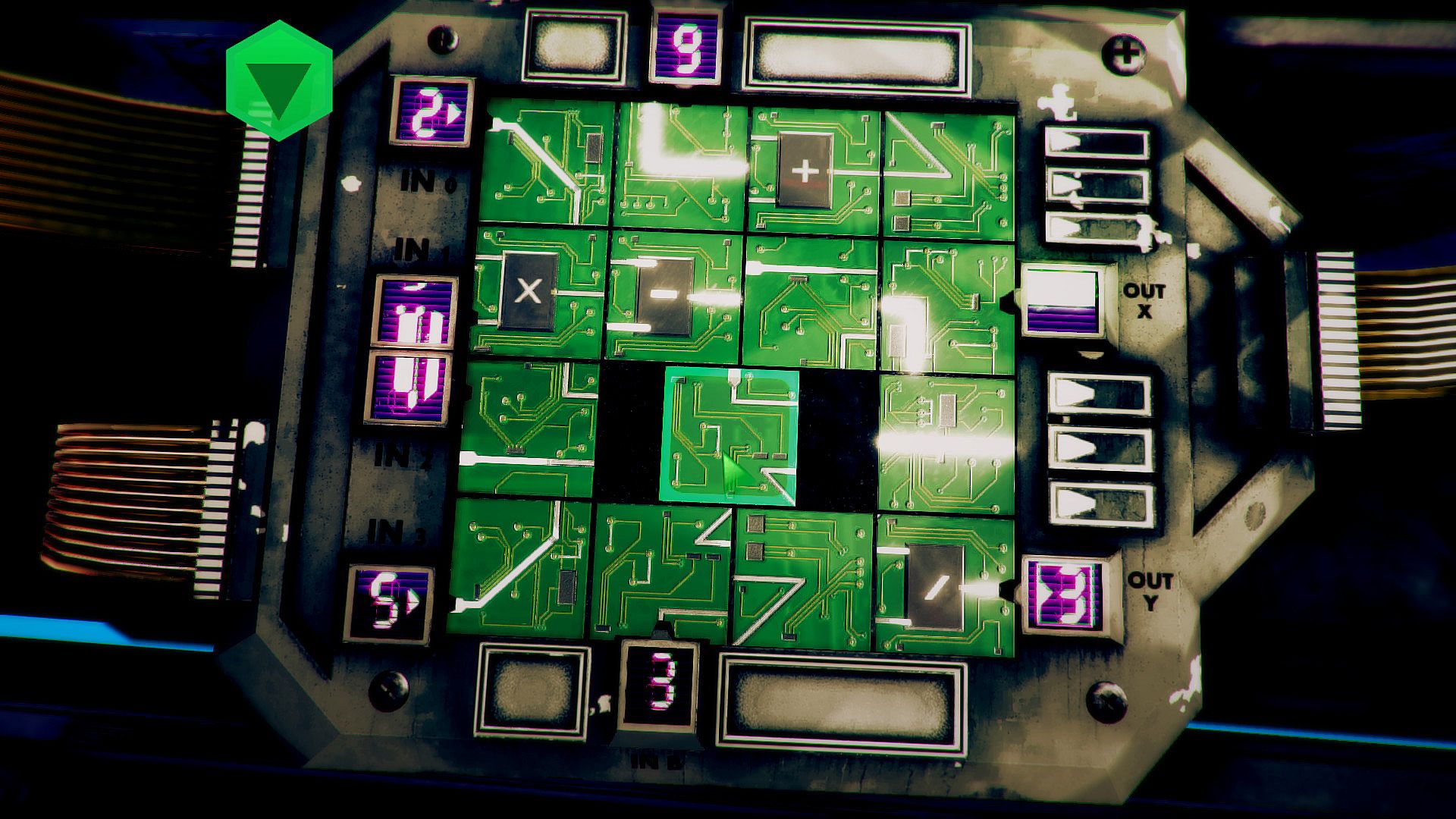
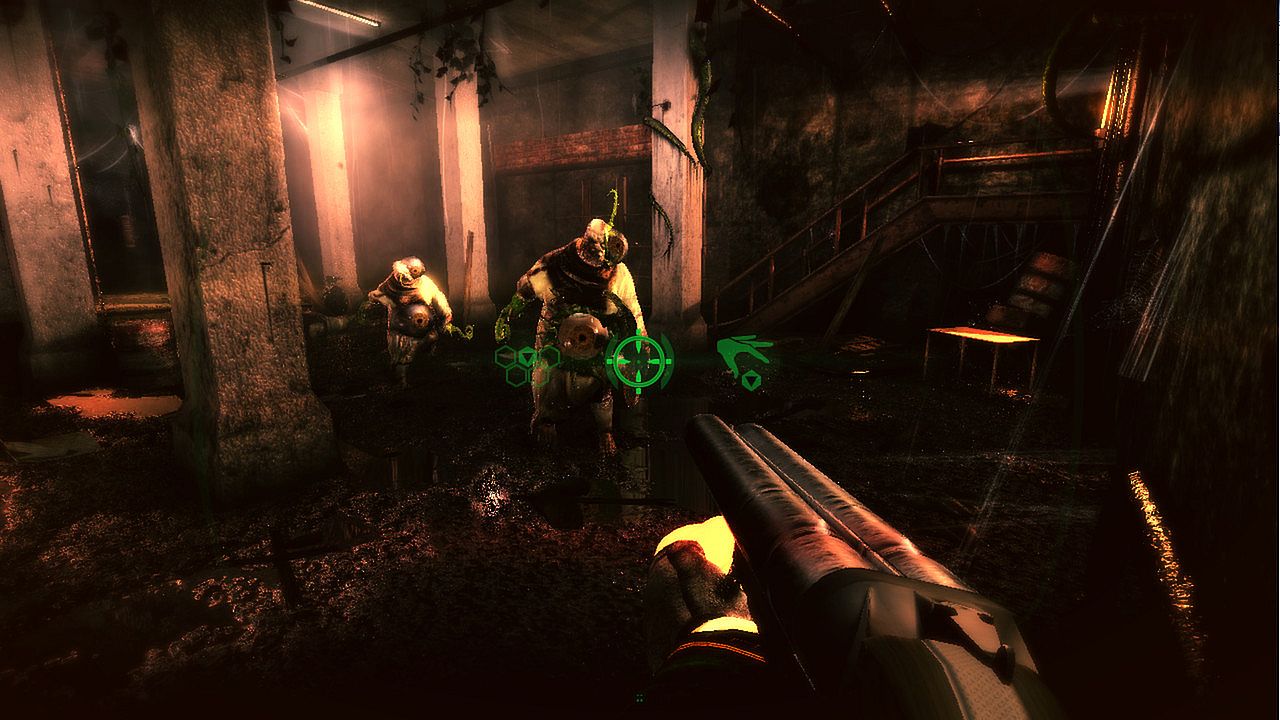
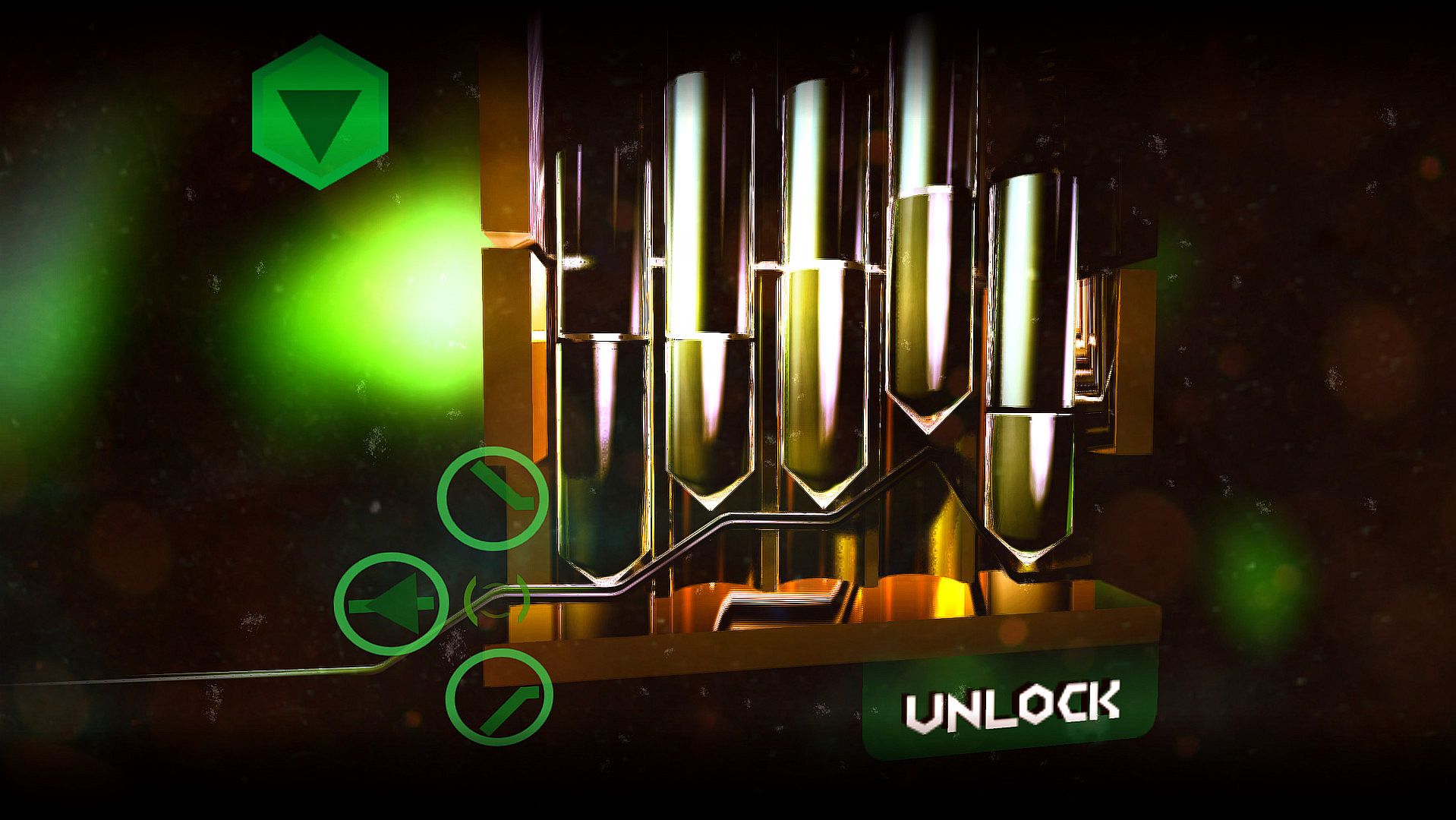
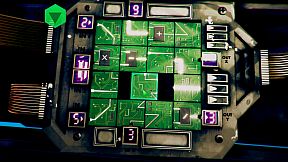
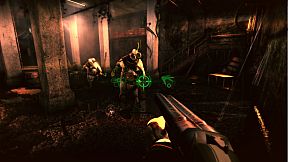
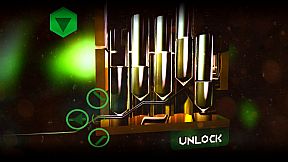
Combat integrates as first-person shoot'em-up segments against unearthly threats, though these sequences remain secondary to the adventure framework. Mini-games add variety to the puzzle-solving process, requiring precise timing or pattern recognition in specific scenarios. Hidden areas and Easter eggs reward thorough searching, extending playtime beyond the main path. The entire experience unfolds in real time without loading screens between rooms, maintaining immersion across roughly eight hours of content.
Game Modes
Albedo: Eyes from Outer Space operates entirely as a single-player title with no separate multiplayer or competitive options. The experience combines adventure-style progression, puzzle resolution, and limited action elements into one continuous campaign. Players advance by exploring the facility, uncovering narrative threads through environmental storytelling, and addressing immediate survival threats. This unified structure keeps the focus on unraveling the central mystery rather than switching between distinct formats.
Progression relies on a linear yet branching exploration path where choices in object use influence immediate outcomes. The hint system serves as an optional aid that integrates directly into the first-person view, preserving the challenge level for those who prefer unaided play. Achievements track completion of specific tasks such as locating all hidden items or solving every puzzle variant.
Atmosphere and Setting
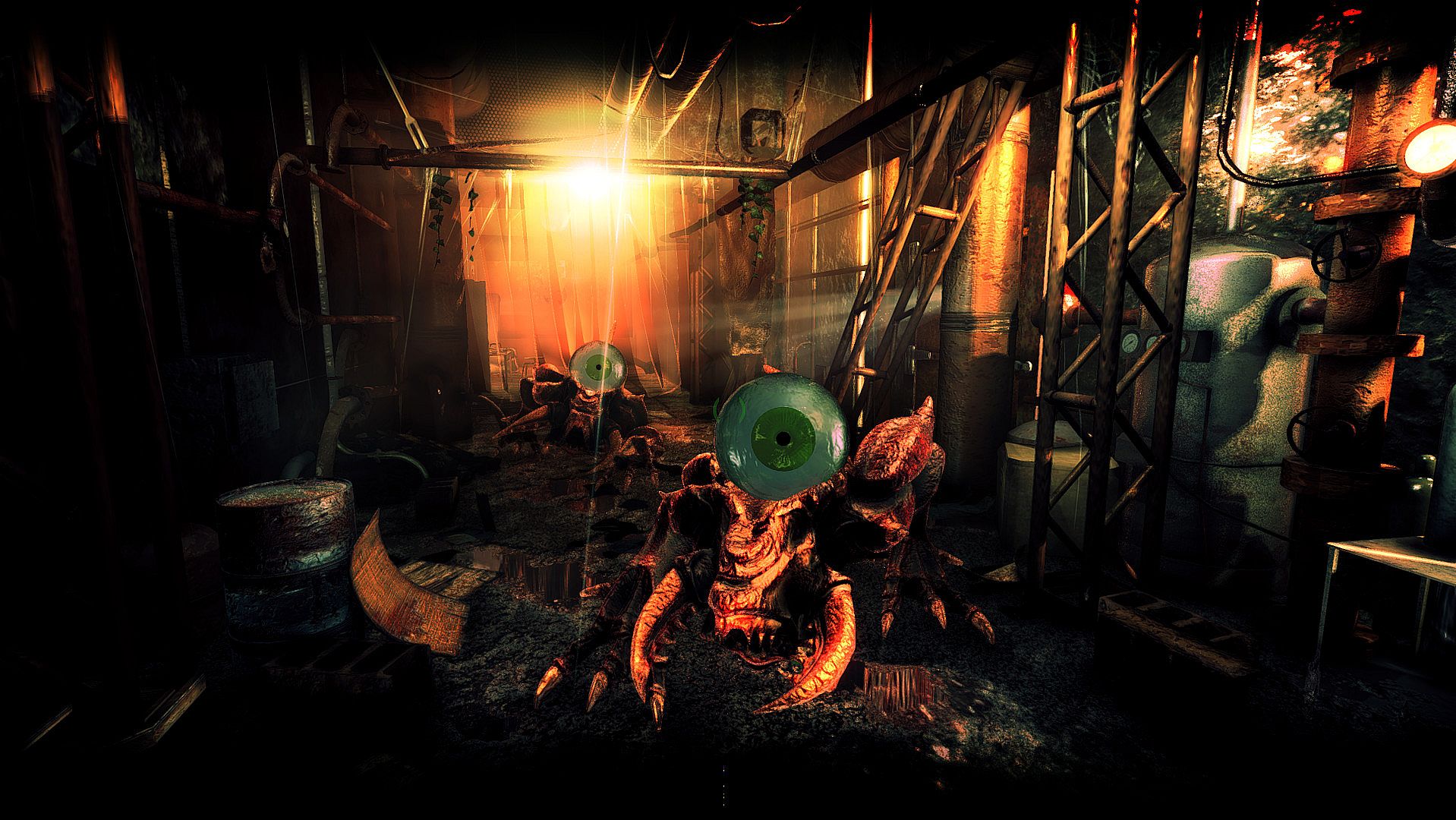
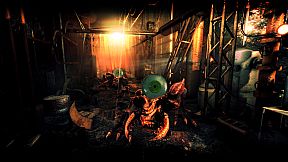
The game draws visual and narrative inspiration from classic B-movie science fiction, evident in the campy creature designs and retro-futuristic facility architecture. Detailed 3D environments include scattered documents, malfunctioning equipment, and eerie visions that build suspense without relying on jump scares. Sound effects capture the isolation of the abandoned base, from distant echoes to the unsettling movements of encountered organisms.
Story delivery occurs through direct observation and interaction rather than extensive dialogue or cutscenes. Players piece together events surrounding the research gone wrong by examining rooms and using collected items in logical sequences. This approach suits those who enjoy piecing together mysteries at their own pace within a contained location.
Is It Worth Playing?
Albedo: Eyes from Outer Space appeals most to players who appreciate deliberate puzzle-solving and atmospheric exploration in a compact single-player package. The mix of object manipulation, mini-games, and occasional combat creates a varied loop that rewards patience and observation. Those seeking fast-paced action or multiplayer features will find the emphasis on methodical progression less engaging.
Reception highlights the strong sci-fi theme and immersive object interactions alongside criticisms of occasional clunkiness in controls and puzzle repetition. The game remains available as a complete standalone title with no ongoing seasonal content or updates required for the core experience. It suits fans of indie adventures who value a focused, self-contained story over expansive worlds or frequent new additions.














