












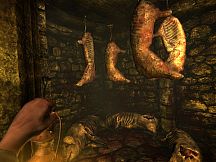
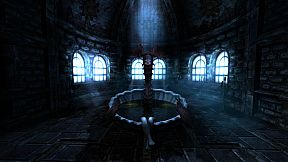
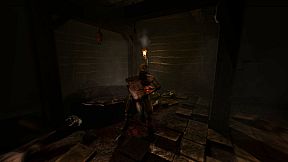
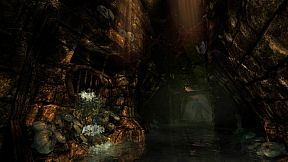
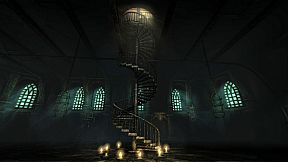
Amnesia: The Dark Descent stands as a landmark in first-person survival horror, blending psychological terror with exploration in a way that redefined the genre back in 2010. As Daniel, you awaken in a crumbling Prussian castle with fragmented memories, pursued by unseen horrors. This PC-exclusive title emphasizes vulnerability, forcing players to confront fear without traditional weapons, making every shadow a potential threat.
Gameplay
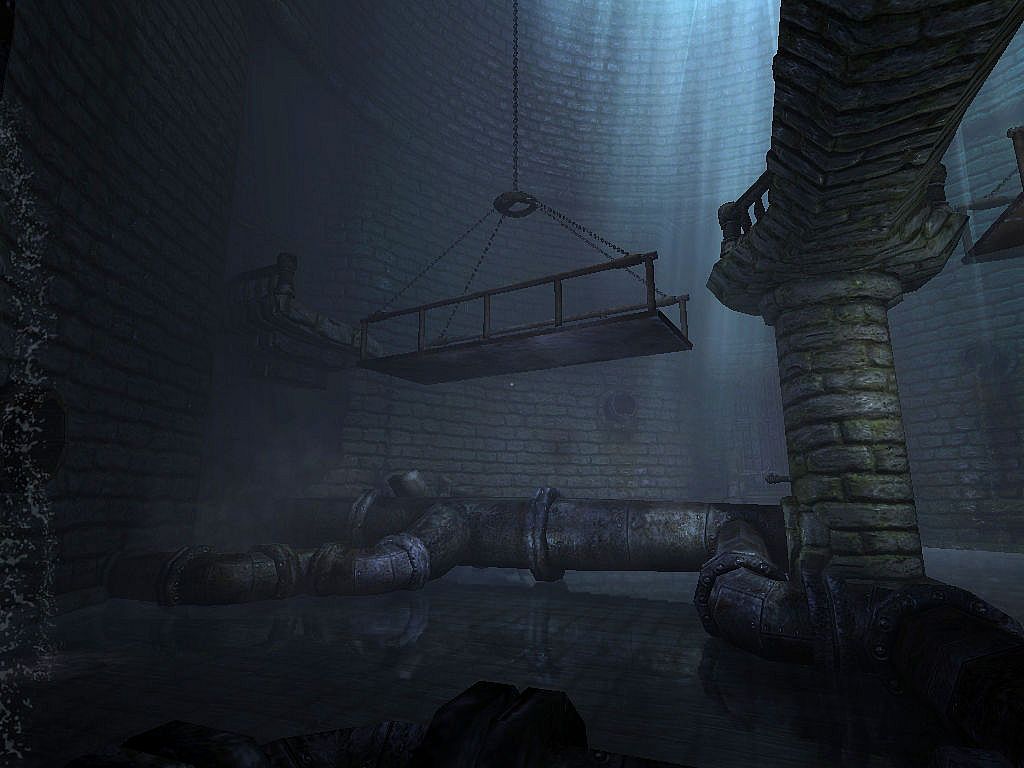
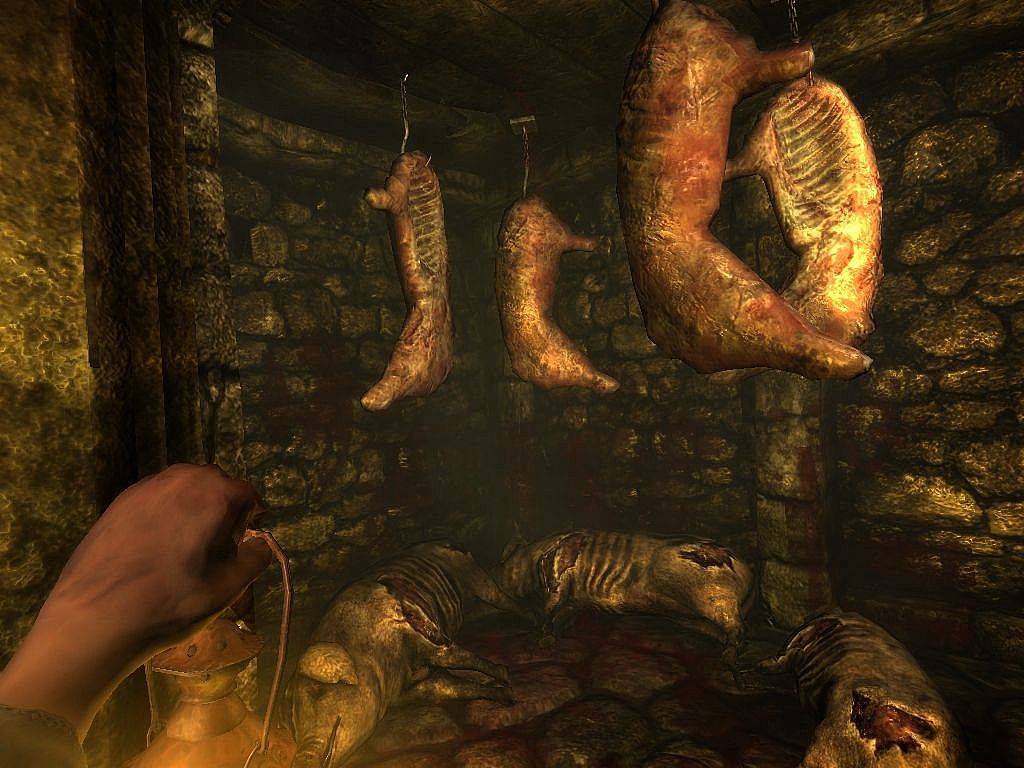
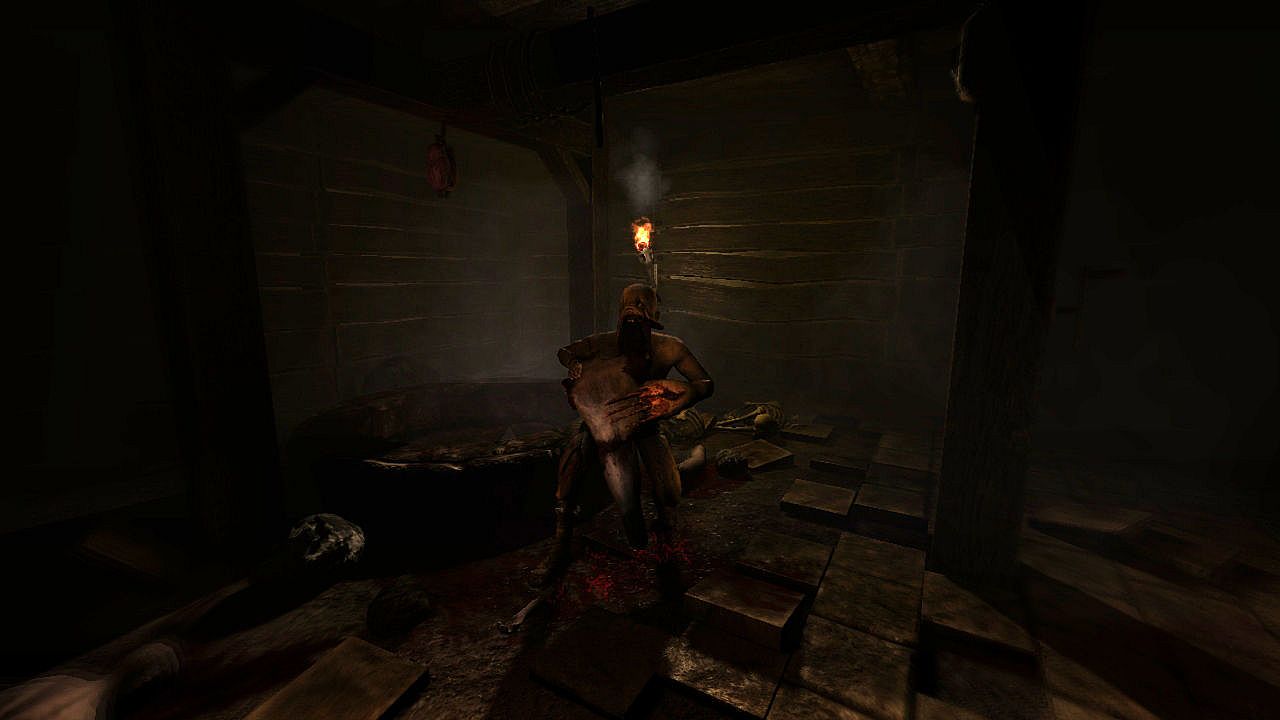
At its core, the gameplay revolves around exploration and puzzle-solving in a physics-based environment where objects can be manipulated realistically. You navigate dark corridors, managing a lantern's oil and tinderboxes to maintain light, as darkness erodes your sanity meter. Staring at monsters accelerates sanity loss, leading to visual distortions and auditory hallucinations that heighten tension. Without combat options, survival depends on hiding in closets, under tables, or fleeing to safety. Puzzles often involve finding keys, combining items, or operating machinery, all while evading grotesque enemies that patrol the castle.
The sanity system adds depth, simulating mental breakdown through screen effects and sounds that blur reality. Health is managed via laudanum, a rare item that heals injuries from falls or attacks. Dynamic audio cues, like distant footsteps or cries, build dread, and the absence of cutscenes keeps you immersed in real-time events.
Game Modes
Amnesia: The Dark Descent features a single-player campaign as its primary mode, guiding you through a linear story across multiple levels in the castle. There are no multiplayer options or competitive elements; it's designed for solitary play. For added replayability, the game supports custom stories created by the community, allowing players to experience user-made scenarios that extend the horror beyond the main narrative.
Story and Atmosphere
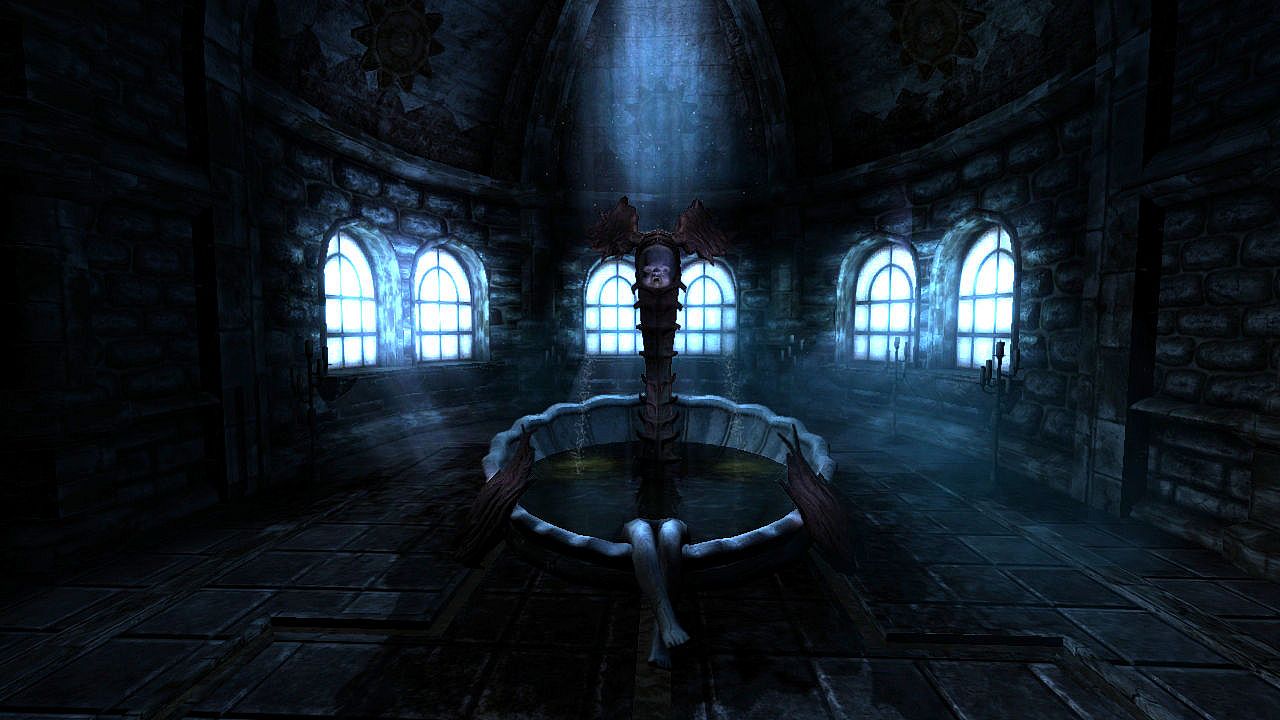
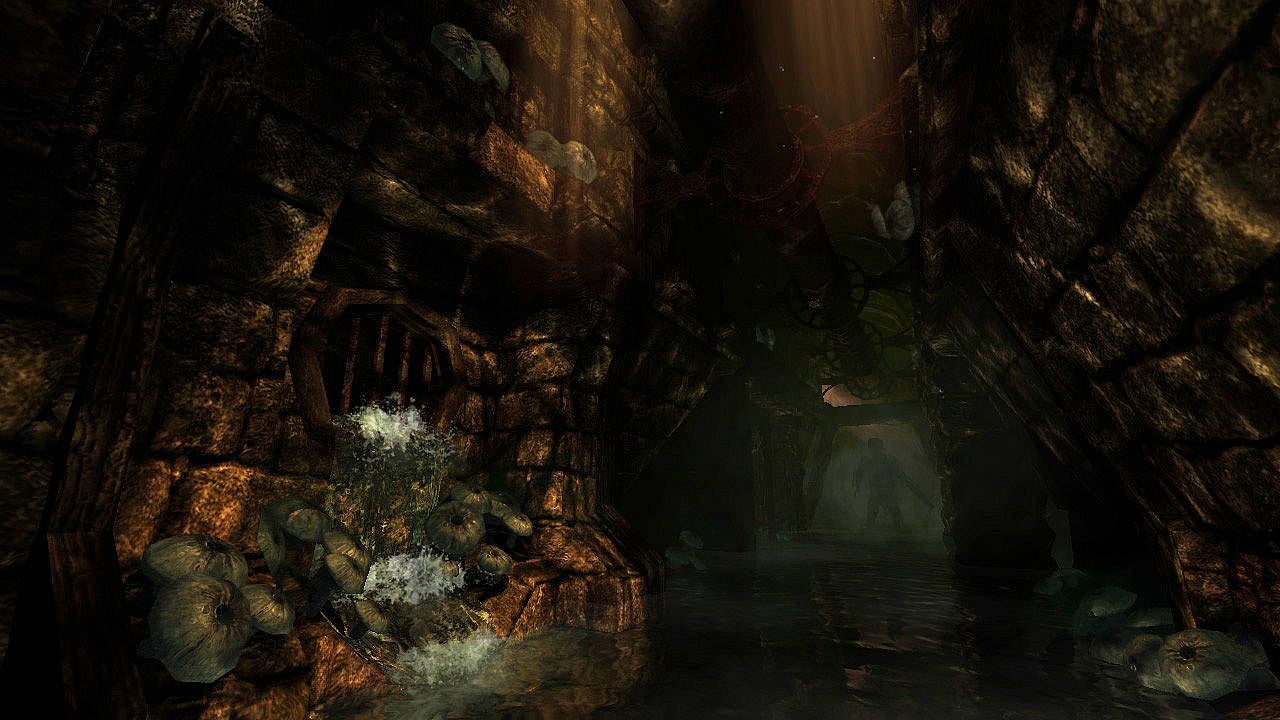
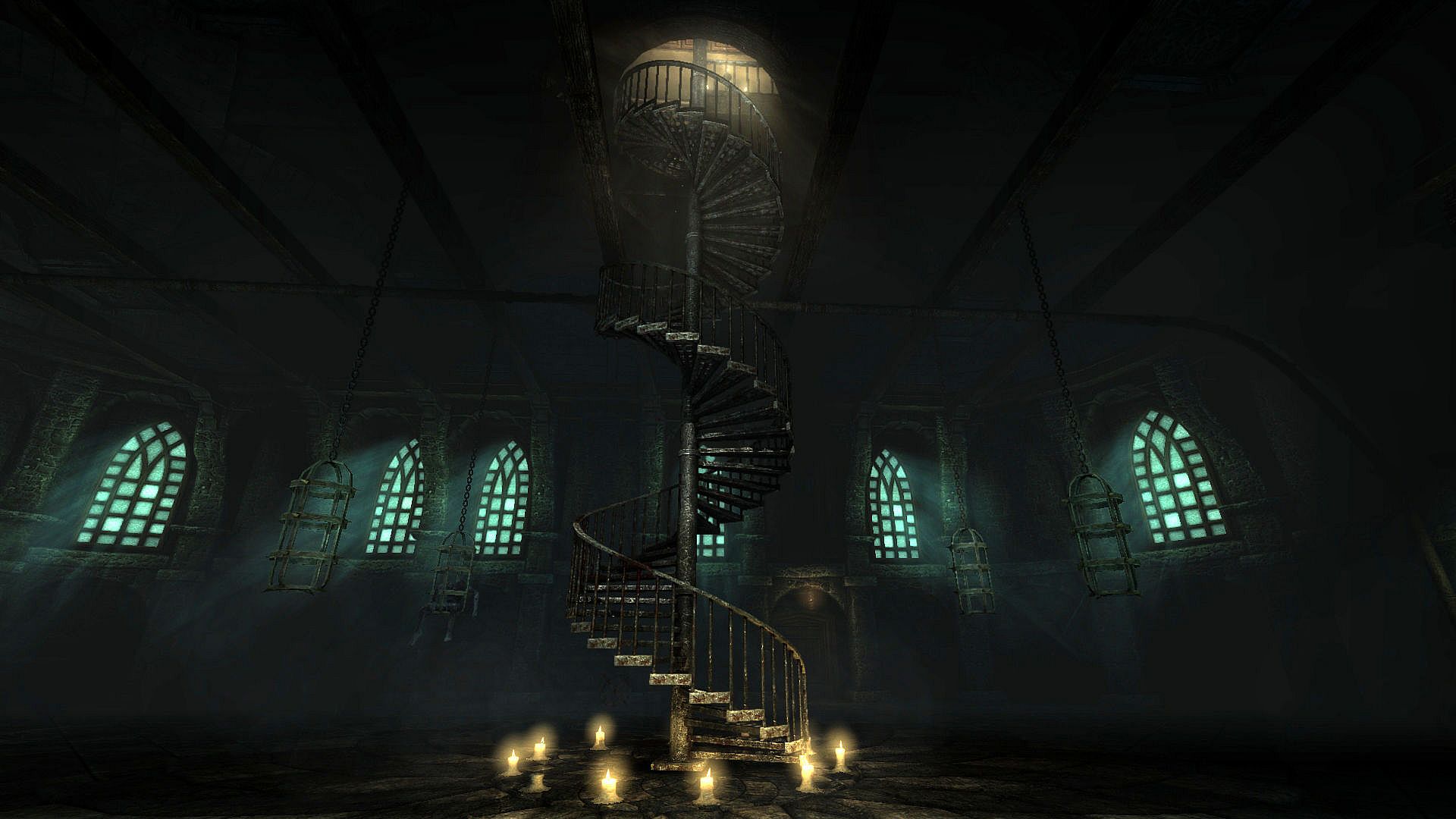
The narrative unfolds through notes and flashbacks, revealing Daniel's descent into madness tied to ancient rituals and alchemical pursuits. Set in 1839, the game's Gothic setting amplifies isolation, with detailed environments that feel lived-in and decayed. Sound design plays a crucial role, using ambient noises to manipulate your perception and create paranoia.
Is It Worth Playing?
Even years after release, Amnesia: The Dark Descent holds up for fans of atmospheric horror who enjoy tension over jump scares. It earned an 8.5 from IGN, with praise for its innovative mechanics and genuine fear factor. The game remains supported through community mods and is fully playable on modern PCs without recent updates disrupting its core experience. If you thrive on psychological depth and helpless survival, it's a strong recommendation; otherwise, those seeking action might find its pace too deliberate.