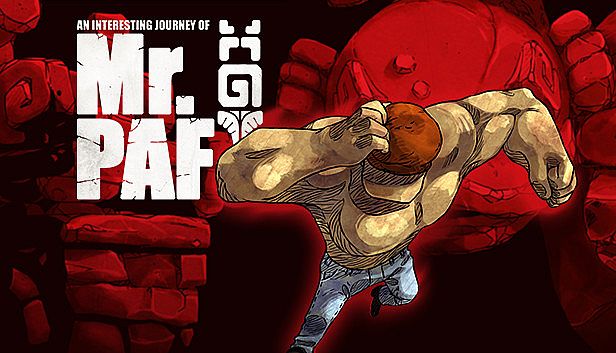




















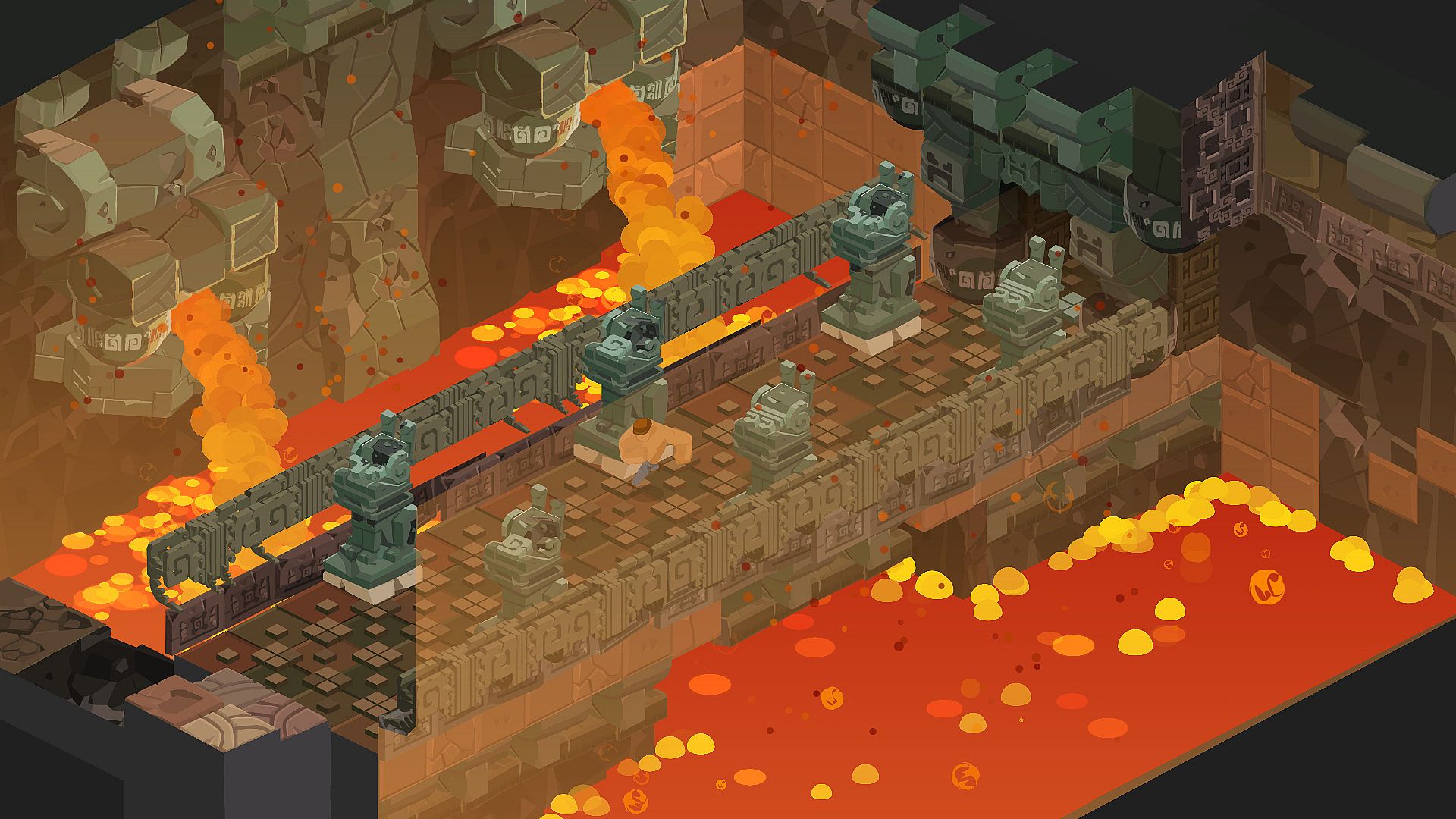
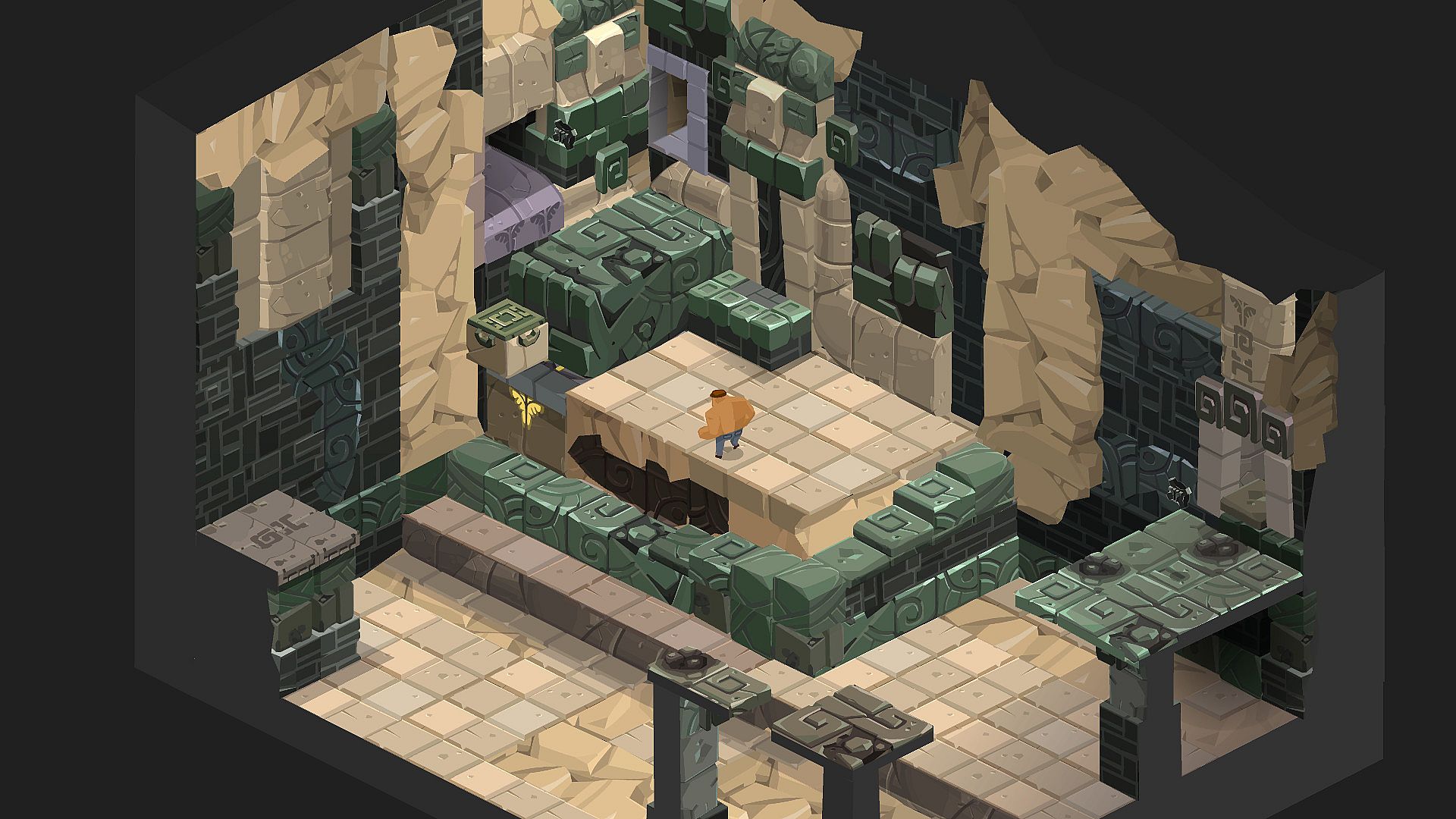
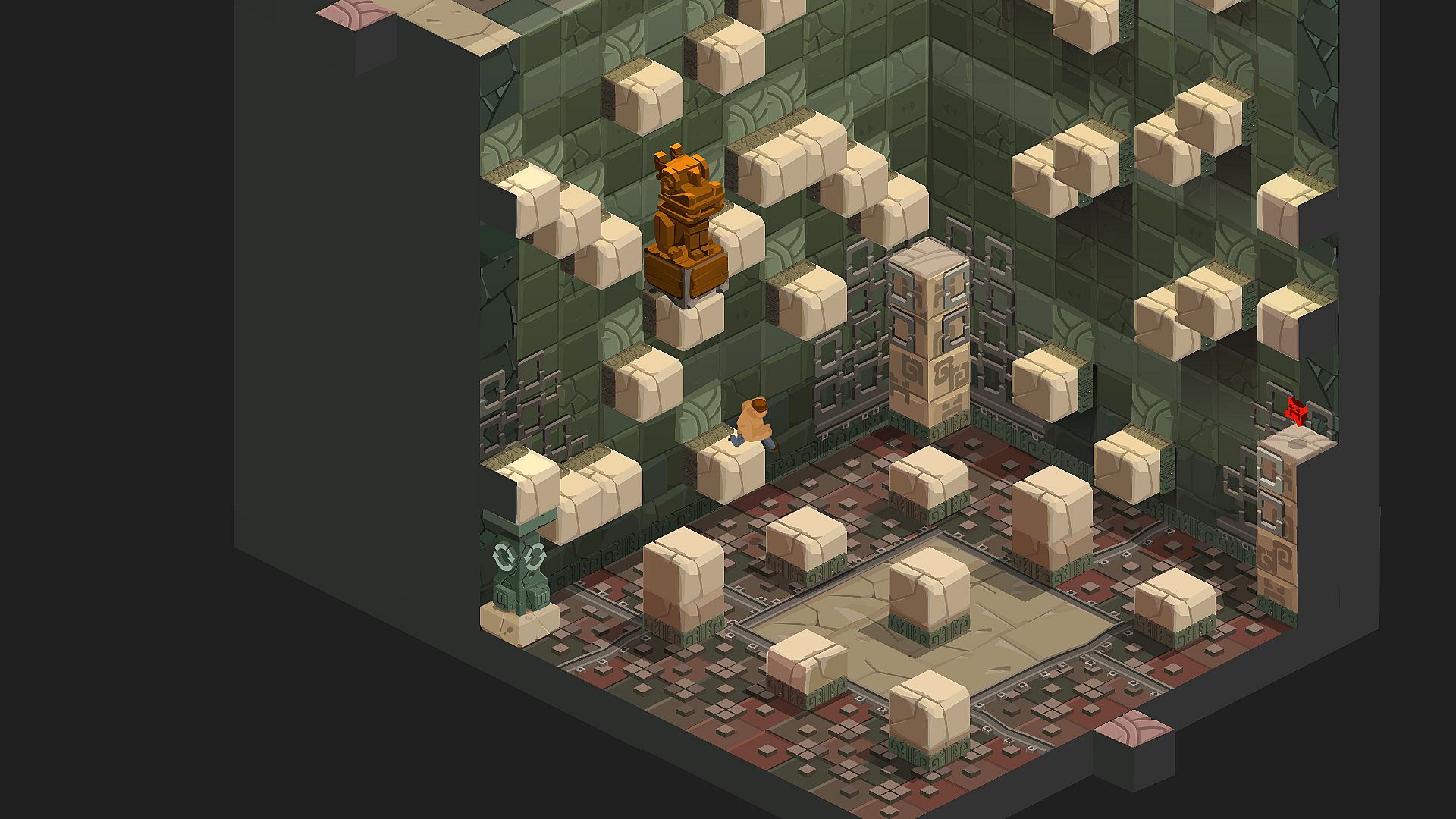
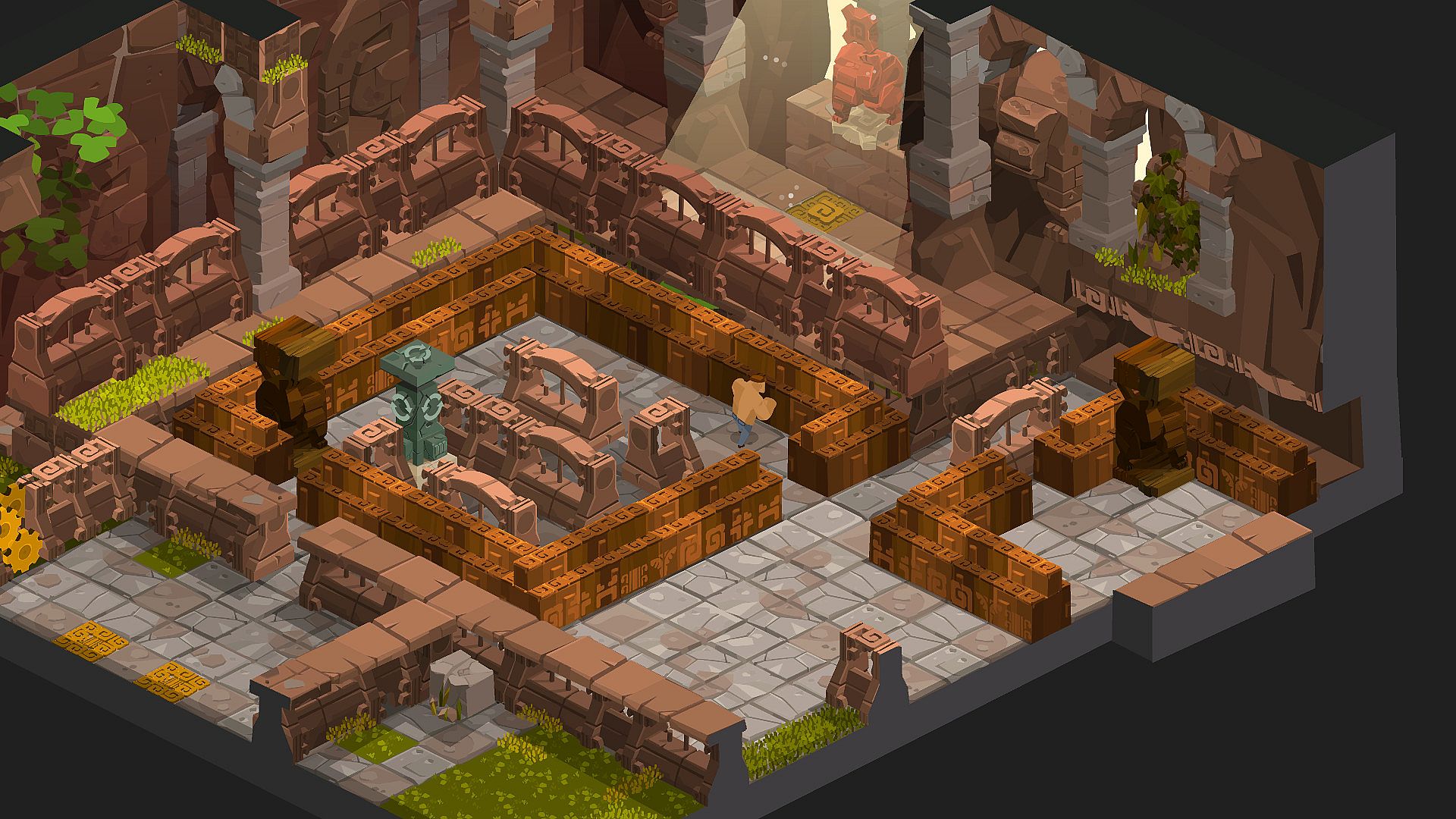
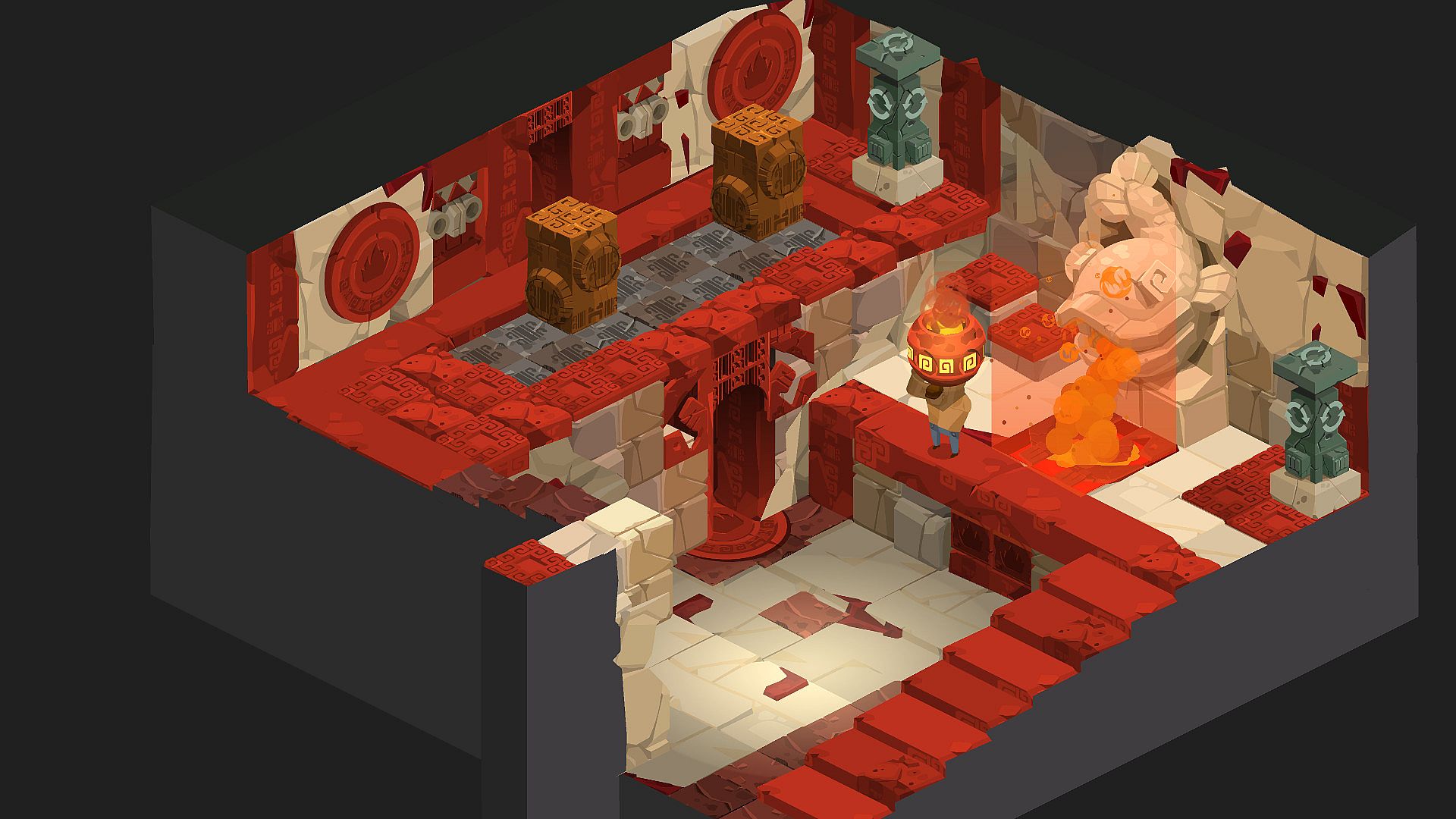
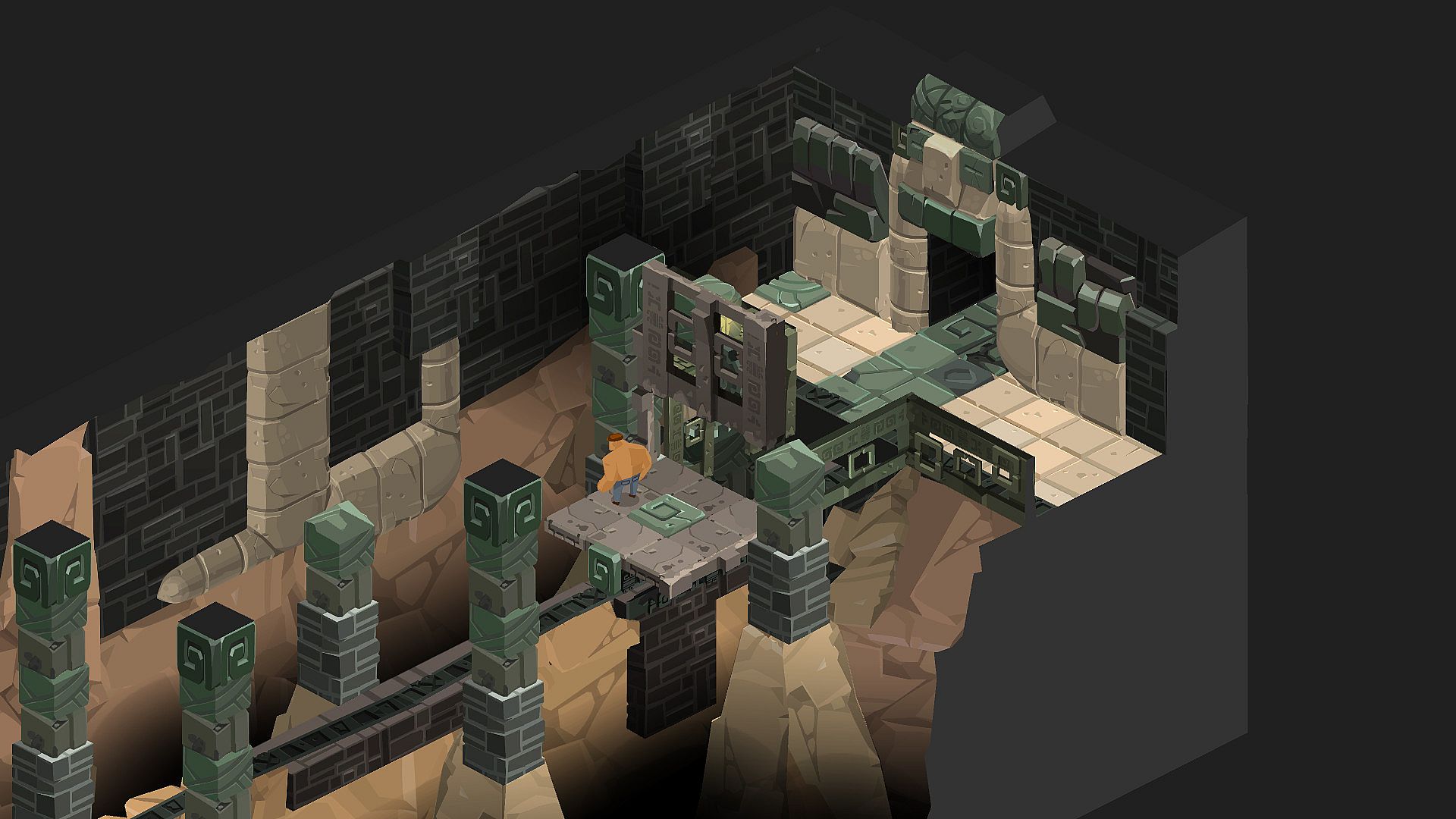
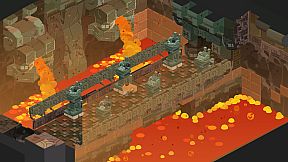
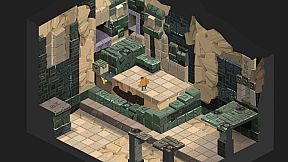
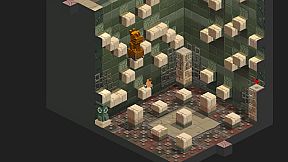
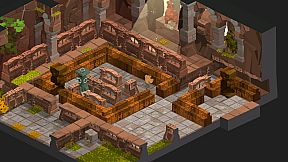
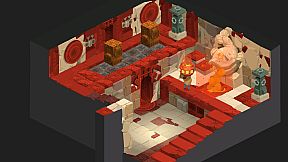
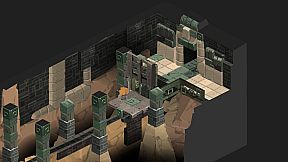
An Interesting Journey of Monsieur PAF is an indie casual adventure game that blends platforming with isometric puzzle mechanics. Players step into the shoes of an archaeologist trapped inside a forgotten temple deep in a jungle, where the goal is to escape by rearranging and interacting with the environment in creative ways. The title draws clear inspiration from classic Sokoban games but adds vertical layers and a muscular protagonist who can manipulate objects more freely than in traditional push-only puzzles.
Gameplay
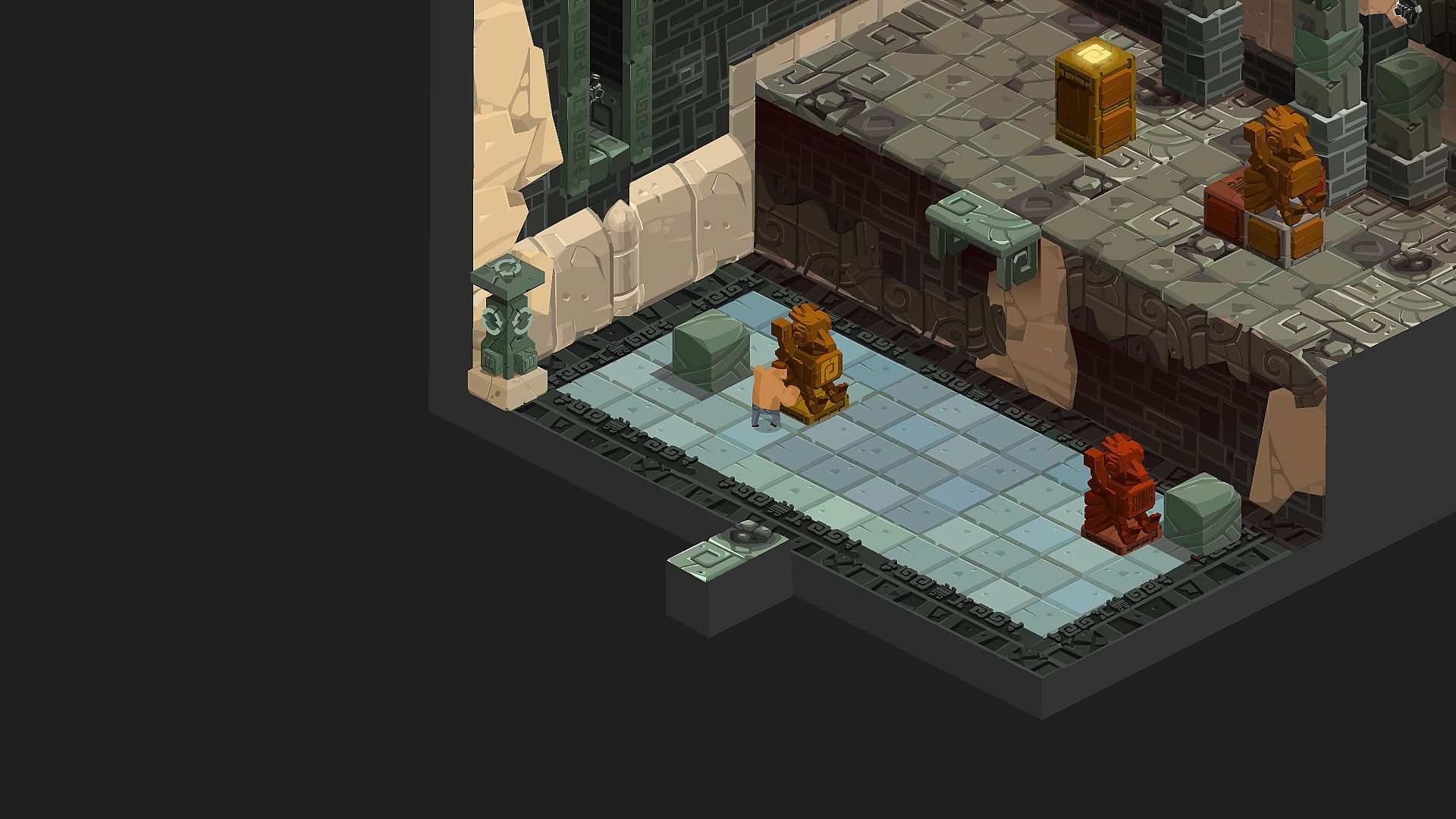
The core loop revolves around navigating compact rooms viewed from an isometric angle. Each area presents a self-contained challenge where the player must push, lift, or break blocks, crates, and other elements to clear a path or reach an exit. Verticality plays a key role because objects and platforms exist on multiple height levels, allowing solutions that involve stacking or dropping items from above. The character possesses unusual strength, so heavy obstacles can be moved or destroyed outright rather than simply nudged into position.
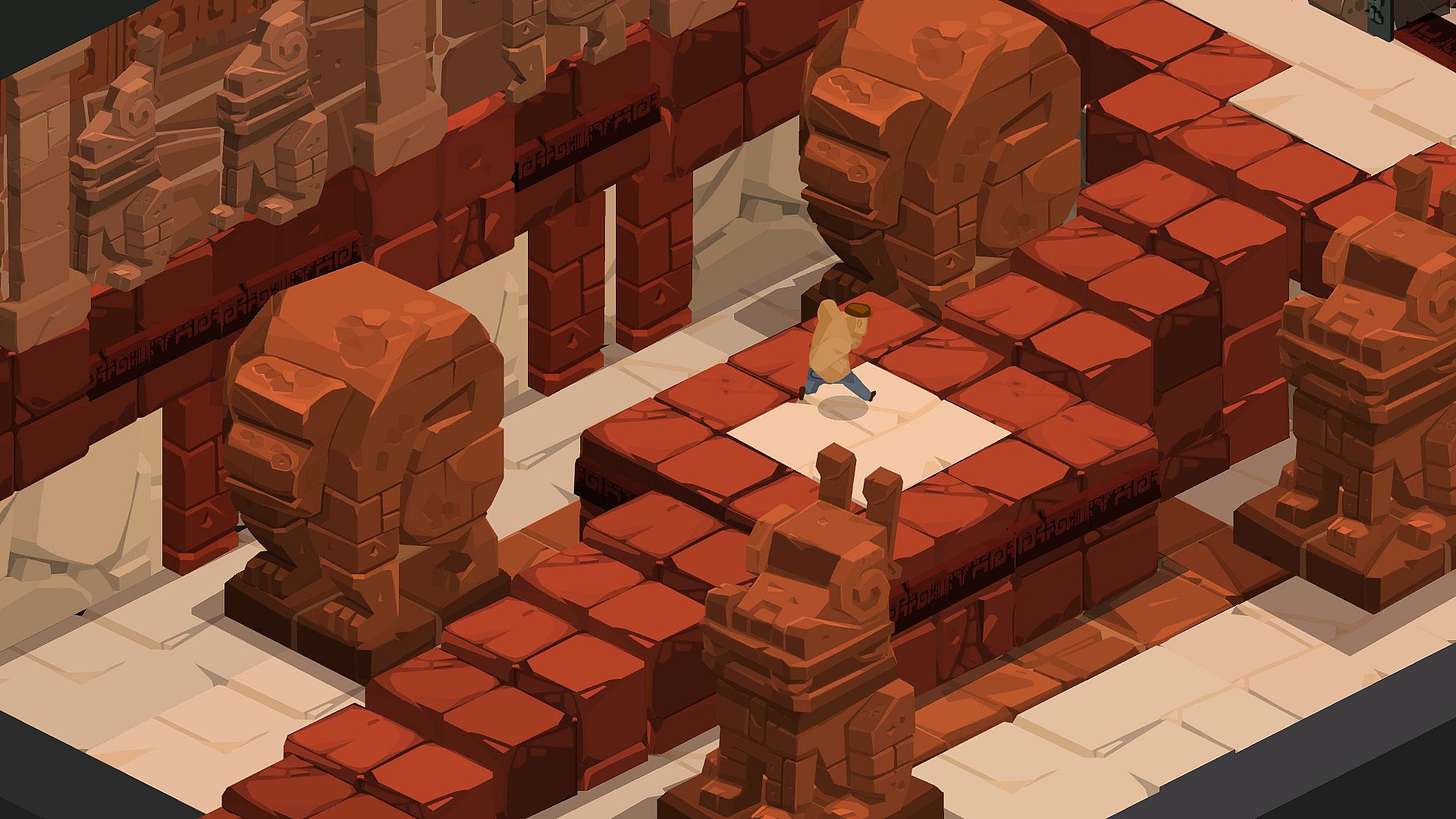
Platforming elements appear alongside the puzzles, requiring precise jumps between ledges or across gaps created during the solving process. Sound design supports the relaxed pace with fitting ambient tracks that underscore the exploratory feel without overwhelming the focus on logic. Rooms are designed for short sessions, making it easy to complete a puzzle or two and stop without losing progress.
Secrets and optional challenges encourage thorough exploration of each temple section. The absence of any fail state means experimentation carries no penalty, which suits the casual tone and invites players to test unusual arrangements of objects.
Game Modes
The game supports solo play as its primary experience, with all puzzles designed around a single character navigating the temple. A shared-screen option allows two players to cooperate locally on the same display, taking turns or working together to manipulate the environment. No competitive or online modes exist, keeping the focus on cooperative problem-solving or individual reflection.
Progression follows a linear path through successive temple areas, though players can revisit completed sections to hunt for remaining secrets. Achievements track specific accomplishments such as efficient solutions or thorough exploration, adding light incentive for multiple passes without altering the core structure.
Puzzle Design and Exploration
Puzzles emphasize spatial reasoning and creative use of the environment rather than complex timing or reflexes. Ancient mechanisms left by a lost civilization form the backbone of each challenge, often requiring players to align objects in specific patterns or use the protagonist's strength to alter the layout permanently. The homemade art style gives each room a distinct handmade quality that complements the intimate scale of the puzzles.
Exploration remains limited to the temple interior, where atmospheric details like overgrown vines and carved stonework provide visual variety. The narrative stays minimal, centering on the immediate goal of escape while leaving room for players to imagine the temple's history through environmental clues.
Is It Worth Playing?
Player feedback highlights the game's approachable nature and satisfying puzzle solutions, with a small but consistent number of reviews describing it as relaxing and thoughtfully constructed. The forgiving design and short room-based structure make it suitable for anyone seeking a low-pressure puzzle experience that can be picked up for brief sessions. Those who enjoy Sokoban-style logic combined with light platforming and local co-op will find the mechanics rewarding, while players looking for deep stories or extensive content may find the scope modest. The title remains available as a complete, one-time purchase with no ongoing updates required.