

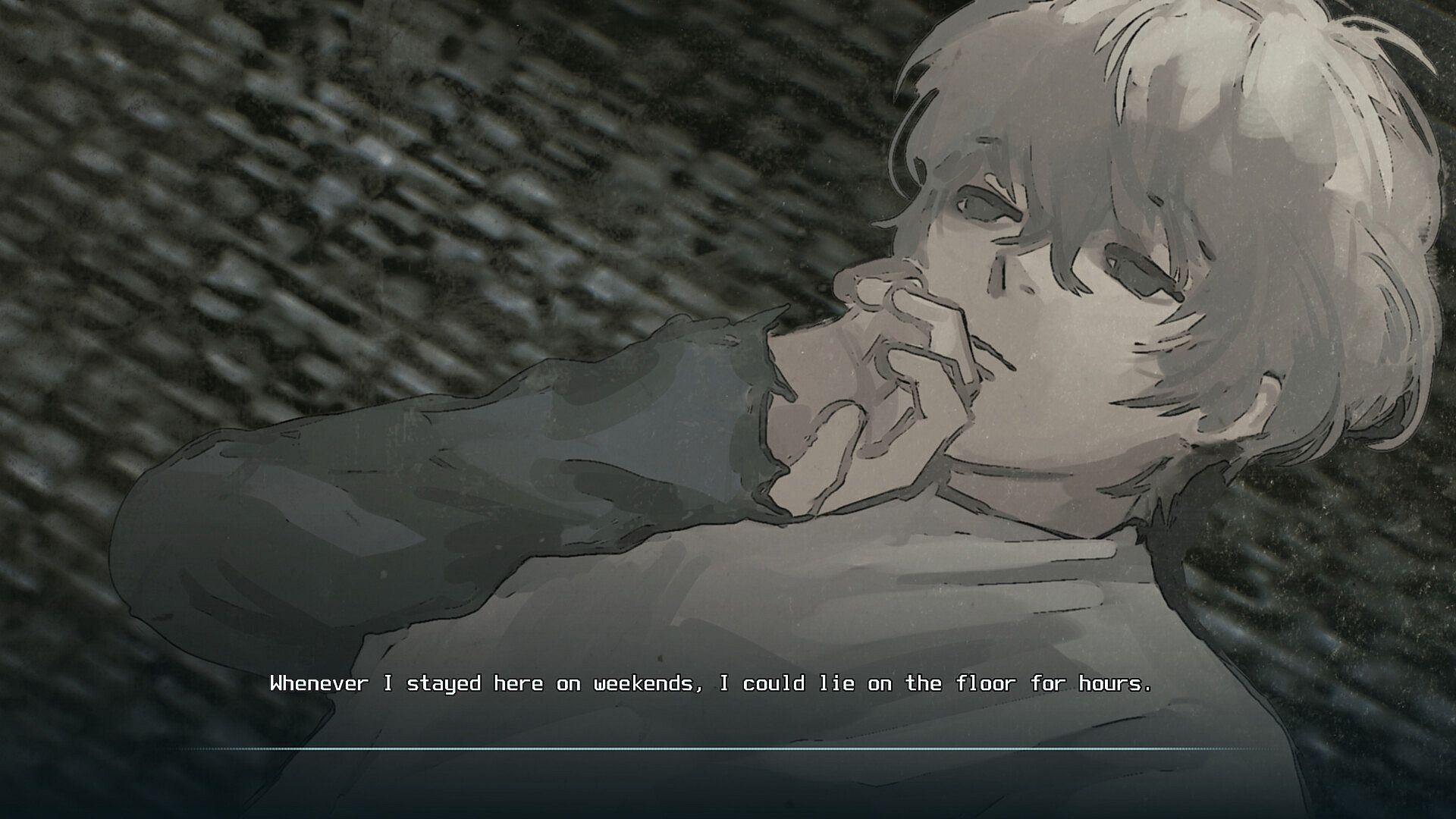
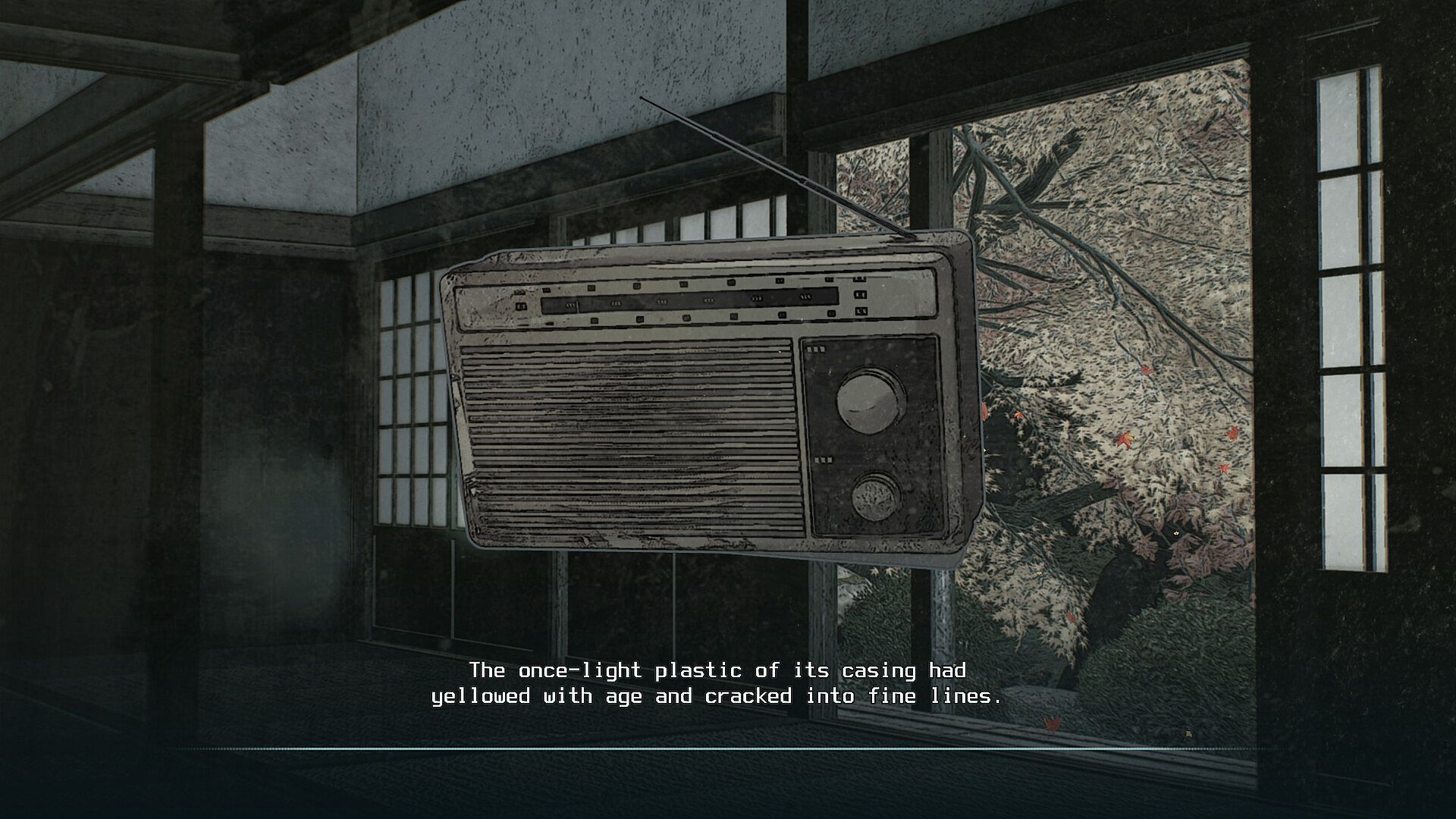
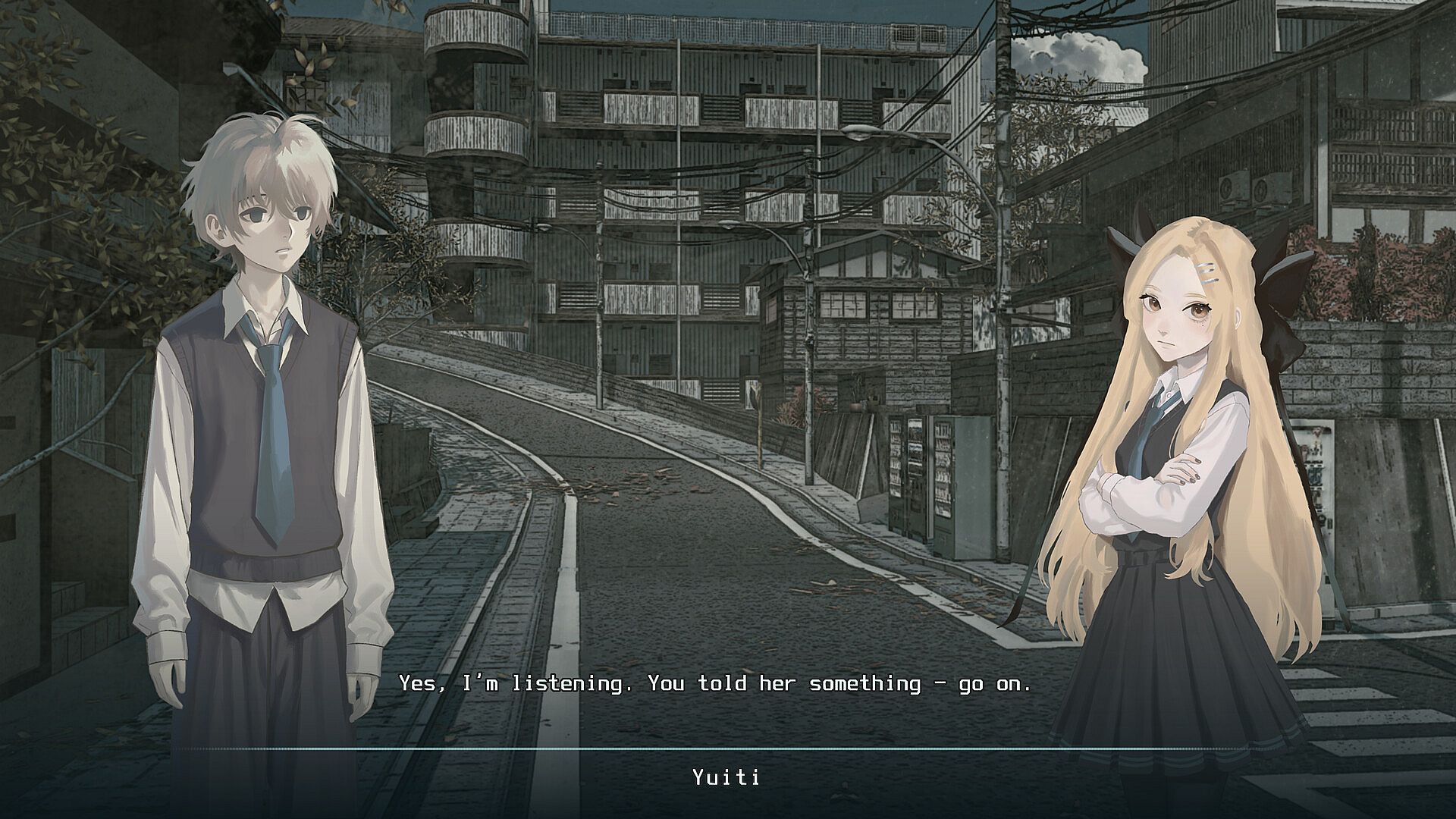
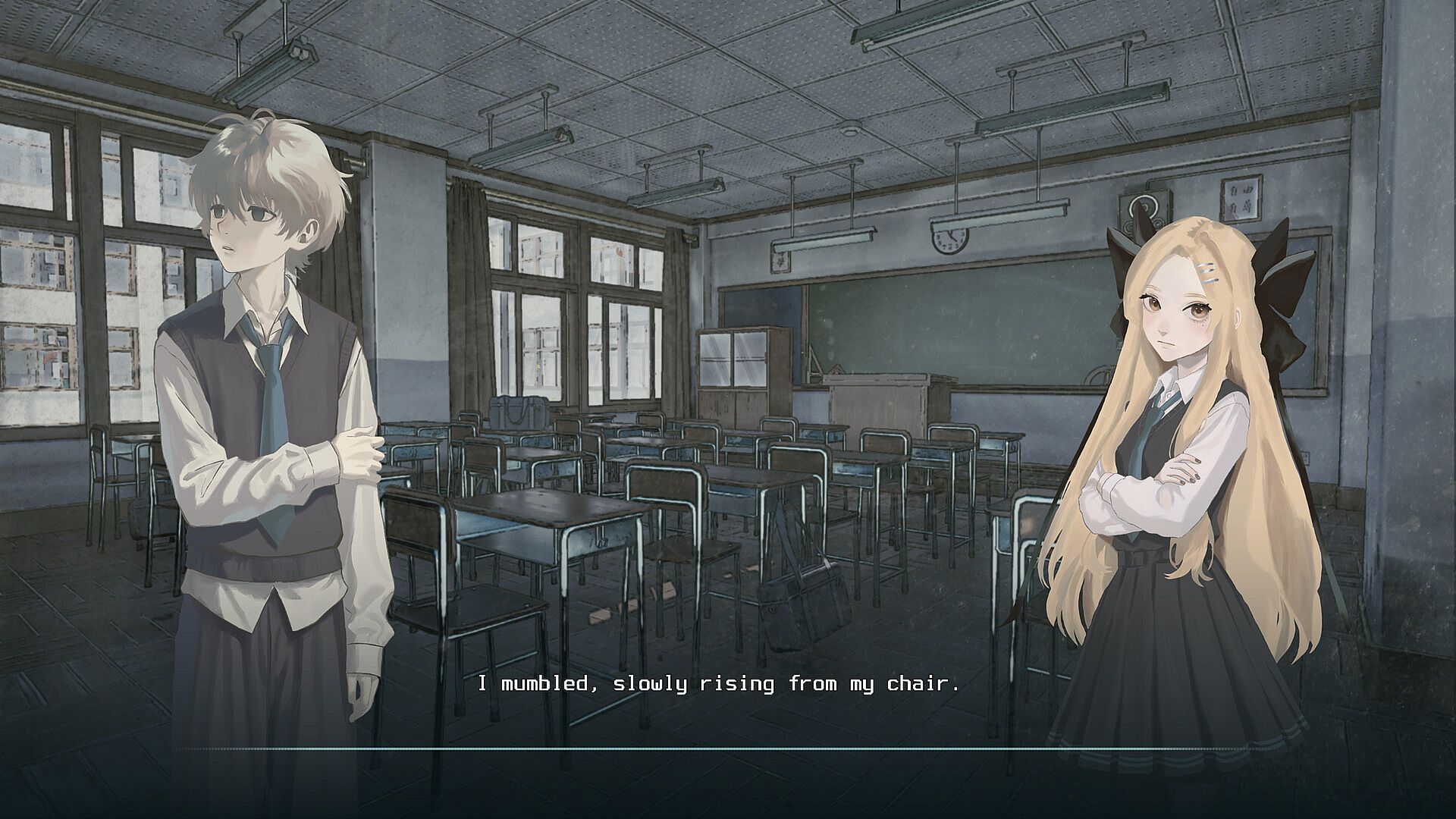
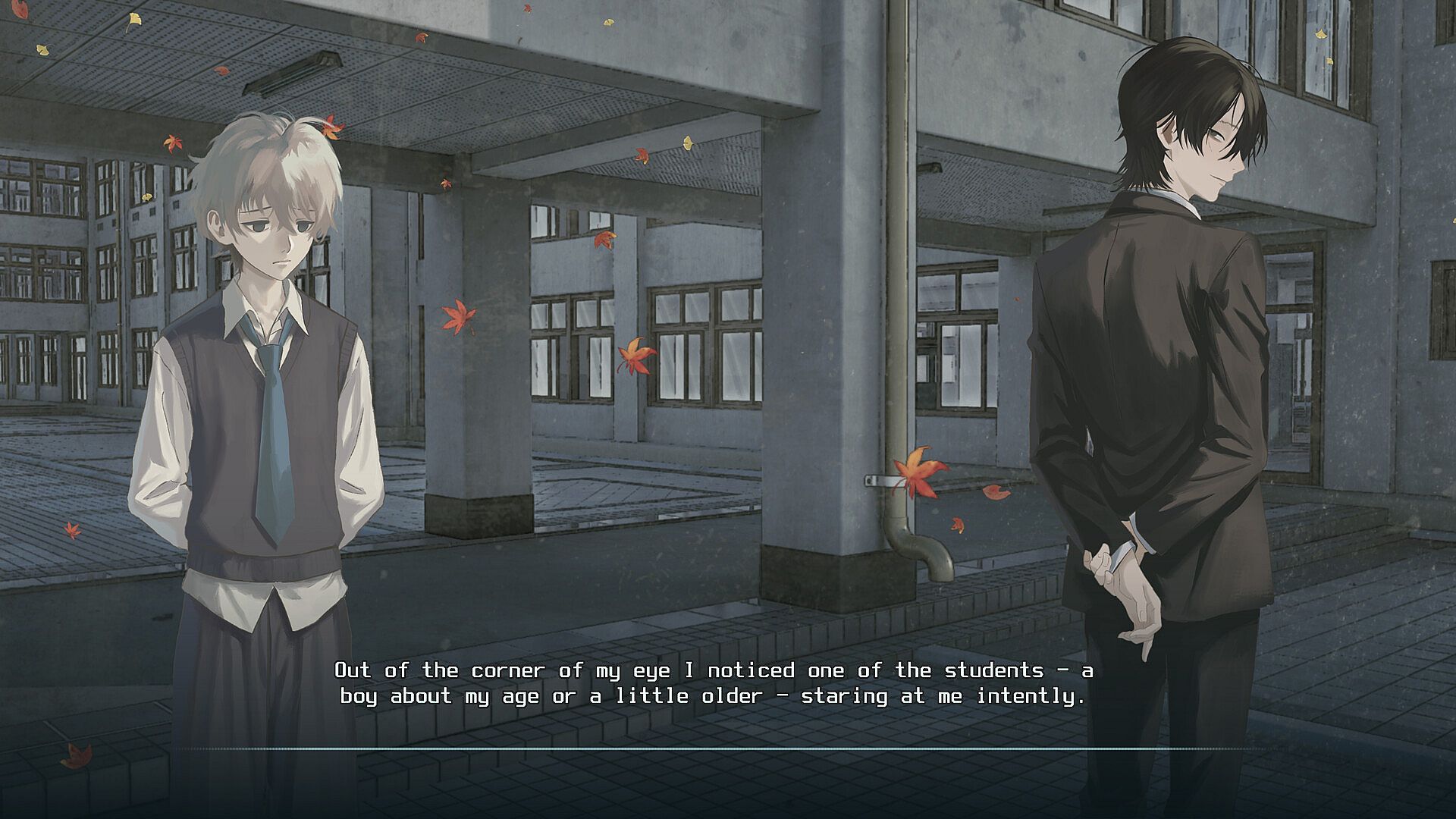
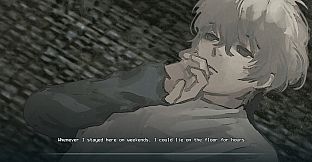
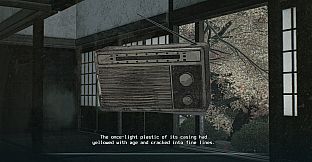
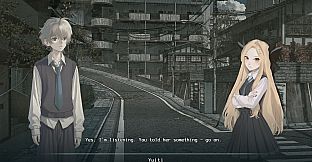
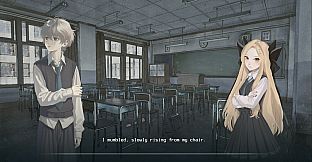
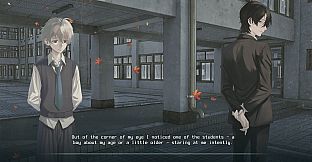
Angel City is an indie psychological horror visual novel developed for PC in the distinctive denpa style. The story centers on Yuichi, a quiet and apathetic boy drawn to listening, who discovers an old radio at his grandfather's house that unleashes persistent static. Over seven days this noise intrudes on school, city streets, and the overhead wires, drawing in a strange boy who understands the sounds and a best friend named Daiki who tries to anchor him to normal routines. Behind the events lies Heaven, portrayed not as paradise but as an overarching system.
Gameplay
The core loop revolves around reading narrative text, making choices that shape the protagonist's path, and engaging with subtle interactive elements that heighten unease. Visuals begin clear but progressively incorporate static and pixel degradation as the story advances toward revelation, mirroring the growing intrusion of the radio noise. Sound design emphasizes hushed ambient layers built from radio interference and deliberate silence, creating an atmosphere that feels intimate yet disquieting during short play sessions suited to a single evening.
Everyday activities appear as light interactive sequences that carry a slight off-kilter quality, while rhythm-based arcade segments punctuate key moments with precise timing challenges. These mechanics integrate directly into the psychological tension without overwhelming the text-driven focus, allowing players to experience the protagonist's detachment and the encroaching strangeness through both story and brief mechanical interruptions.
Game Modes
Angel City structures its narrative across three distinct routes, each leading to different endings that explore alternate perspectives on the central mystery. Players navigate these paths through choice selection during key scenes, with no branching into separate multiplayer or competitive formats. The design remains strictly single-player, emphasizing personal progression through the seven-day timeframe and the layered revelations about Heaven as a system.
Route selection emerges organically from decisions made in conversations and encounters with supporting characters, including the enigmatic boy at the school gates and Daiki's attempts to maintain normalcy. This setup encourages replay to uncover how small variations in listening or responding alter the outcome, all within the compact scope of the visual novel format.
Narrative and Atmosphere
The denpa influences manifest in the gradual erosion of reality for the protagonist, where ordinary urban details twist under the weight of persistent static and hidden connections. Character interactions feel grounded yet increasingly surreal, with Yuichi's apathy serving as a lens for the player to observe the unfolding events without overt emotional cues. The absence of romance elements keeps the focus squarely on psychological descent and the systemic nature of Heaven.
Short session length supports focused engagement, allowing the full experience to unfold without extended commitment while still delivering multiple endings worth revisiting. The combination of degrading visuals, targeted mini-games, and restrained audio builds a cohesive sense of intrusion that lingers after the final choice.
Is It Worth Playing?
Angel City suits players seeking a concise, atmospheric psychological horror visual novel with denpa sensibilities and multiple narrative outcomes. Its emphasis on choice-driven routes, integrated rhythm and activity segments, and progressive visual distortion offers a focused experience for those who appreciate short-form stories centered on unease and hidden systems rather than expansive worlds or combat. The game is available as a free release on PC, making it accessible for anyone interested in exploring its three endings and the interplay between radio noise and everyday life.