





Angling Online is a realistic fishing simulation game that blends strategy, indie development, simulation depth, massively multiplayer connectivity, and sports elements on PC. Set along Ireland's shores and lakes, it emphasizes patience and adaptation over fast action, letting players fish at their own pace while learning environmental changes that affect bites and fish behavior.
Gameplay
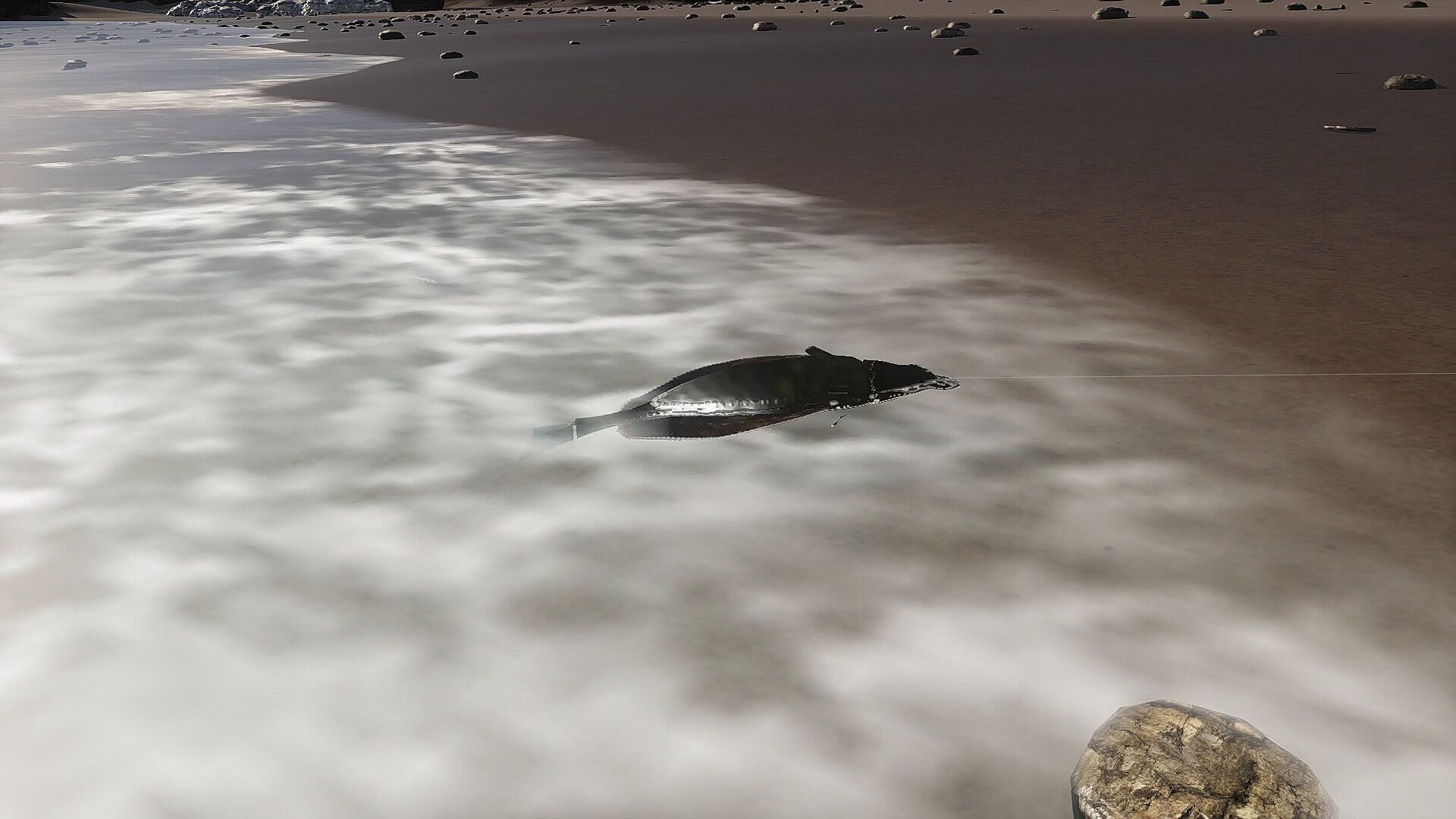
The core loop revolves around selecting a fishing mark, preparing appropriate tackle and bait, casting, detecting bites, and playing the fish to the net or releasing it. Venues draw from real terrain and water survey data, creating authentic shore and lake environments where conditions shift dynamically. Tide states, wind, weather, light levels, and seasonal factors alter water movement and fish activity hour by hour, requiring players to adjust approaches between dawn, daylight, dusk, and night sessions.
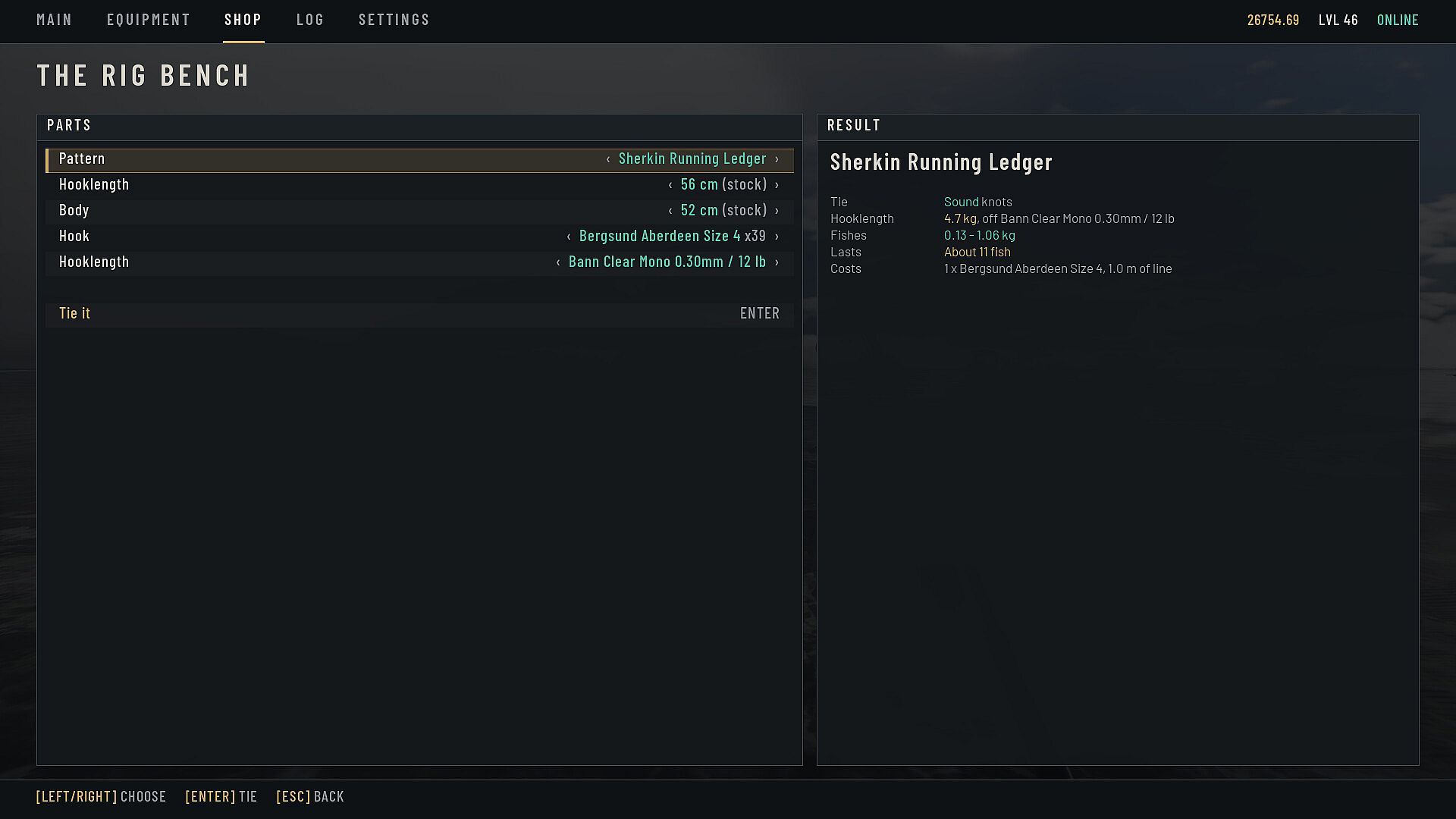
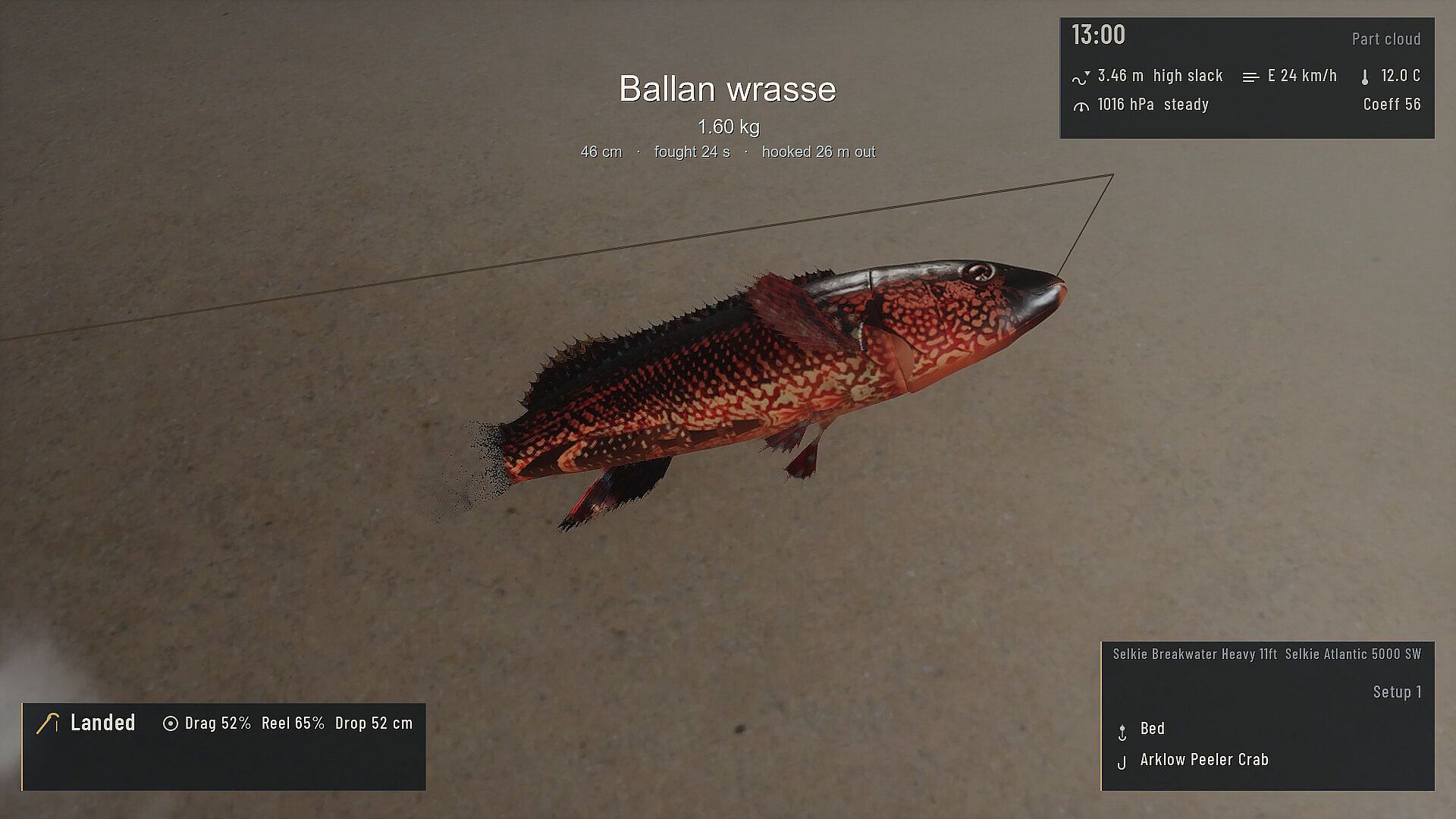
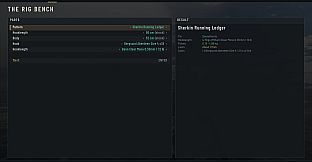
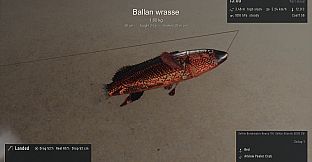
Eleven fish species populate the waters, each with distinct feeding times, bite patterns, and fight styles. Examples include bass, pollack, ballan wrasse, mackerel, flatfish, dogfish, whiting, grey mullet, and common carp. Success depends on matching rigs such as ledger or float setups to the target species and current conditions. Bait freshness declines over time, and gear experiences wear, so session preparation at the bench becomes essential for consistent results.
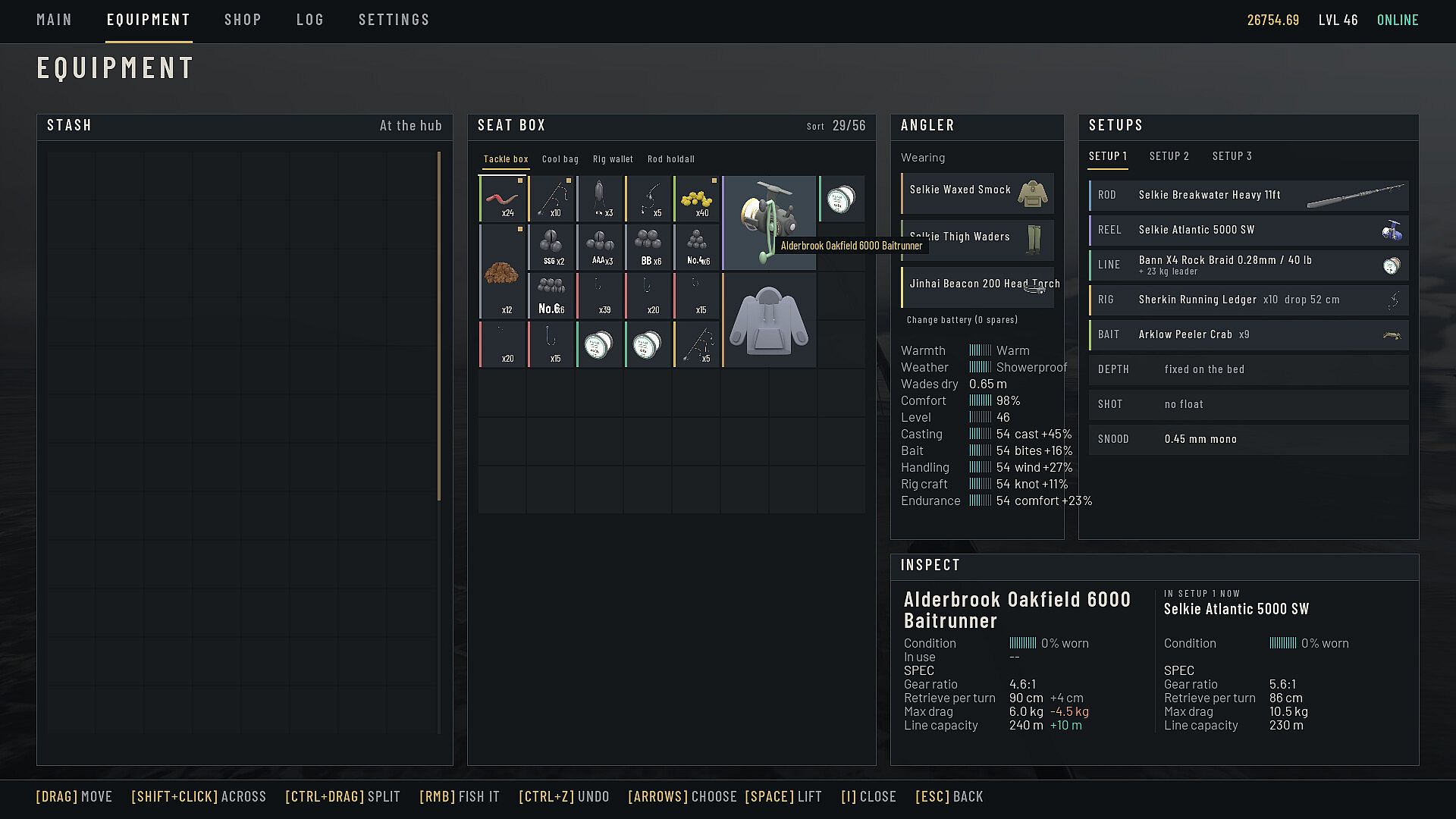
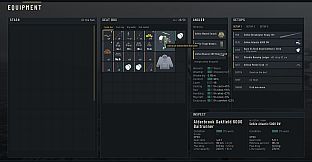
Progression ties directly to in-game earnings from kept catches. Coins purchase new tackle, bait, and clothing while levels unlock additional equipment. Skills improve through repeated use rather than external purchases, and an online account stores all tackle, progress, and catch records persistently across sessions.
Game Modes
Angling Online operates as a unified simulation experience with both solitary and shared elements. Players access the two primary venues independently or alongside others at the same marks, though other anglers appear only through text chat rather than visible avatars. This setup supports quiet, focused fishing while allowing optional communication via whispers or general chat, with built-in tools to mute, block, or report interactions.
The design encourages repeated visits to the same waters to observe and respond to changing conditions across multiple sessions. No separate competitive ladders or event-specific modes are detailed, keeping the focus on personal skill development and environmental reading within the persistent online framework. An internet connection and Steam sign-in remain required at all times.
Venues and Species
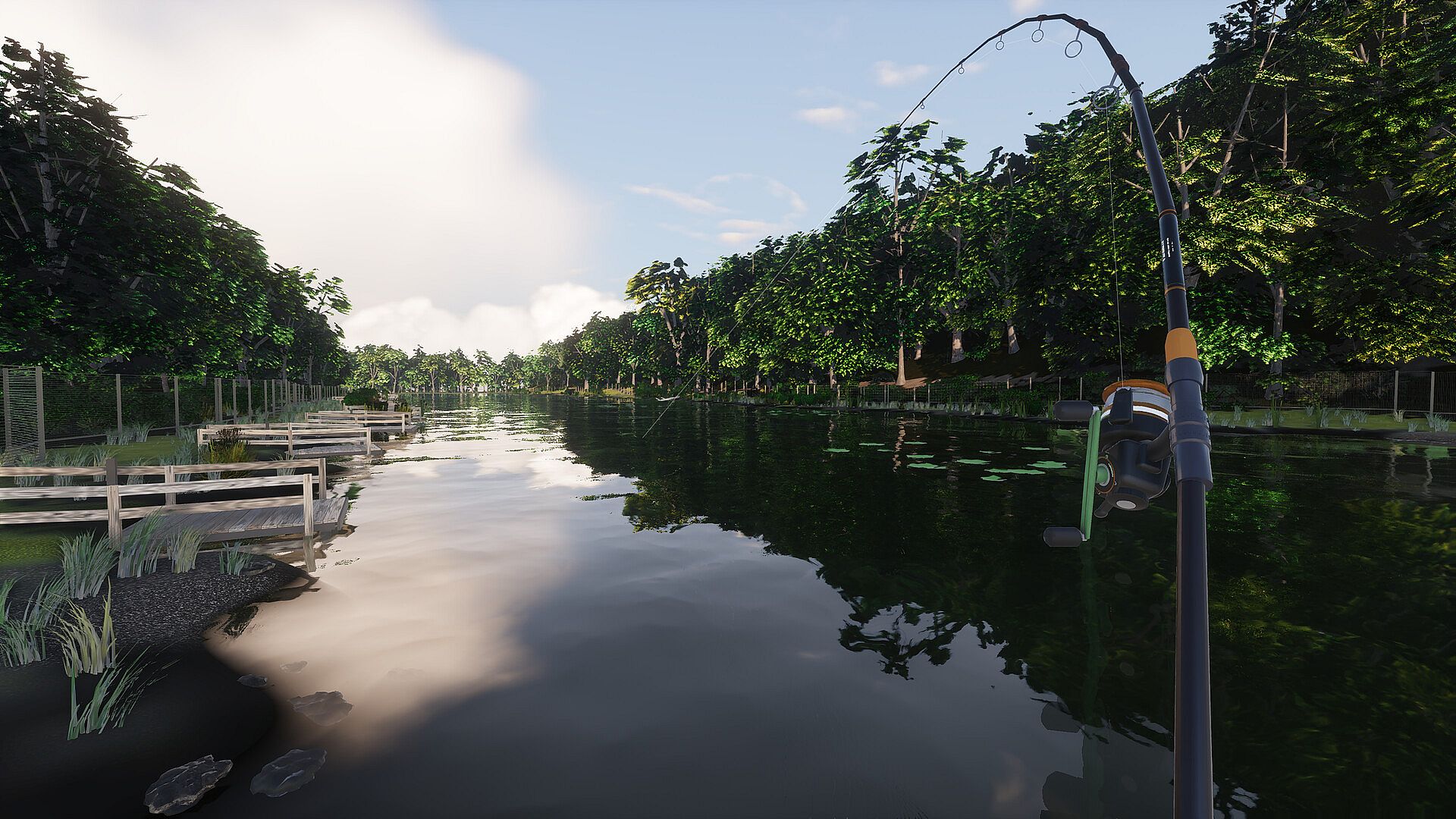
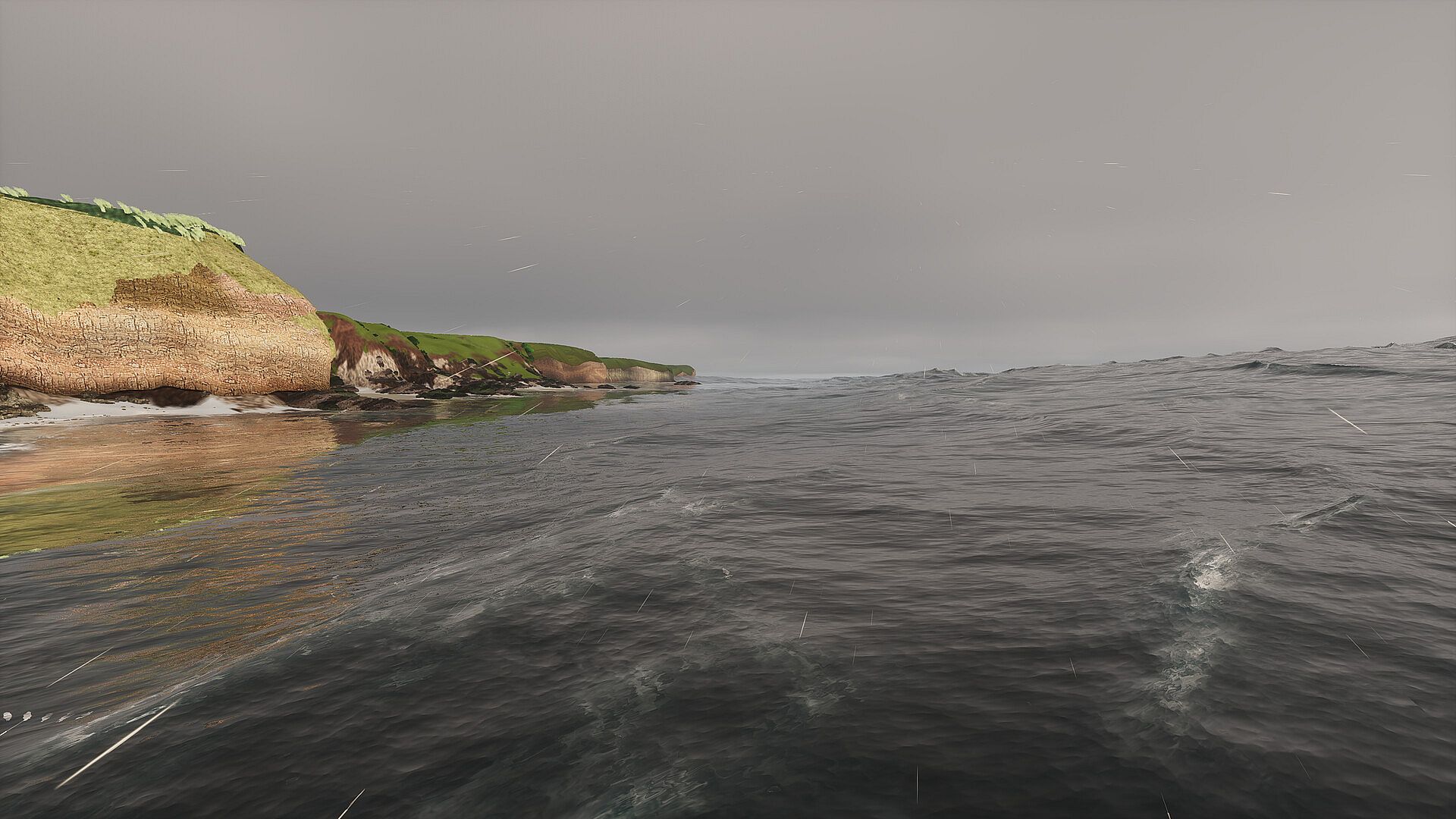
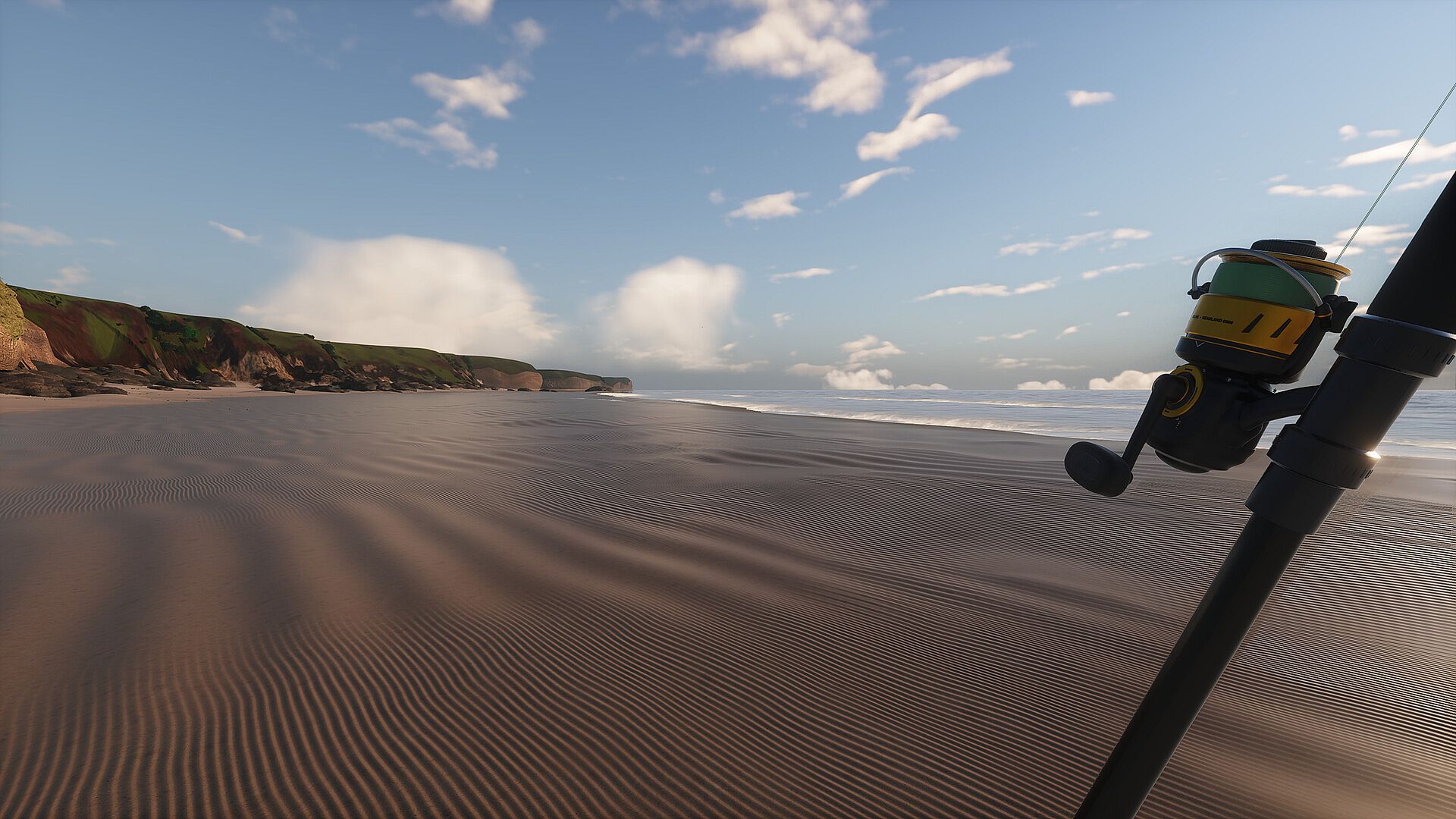
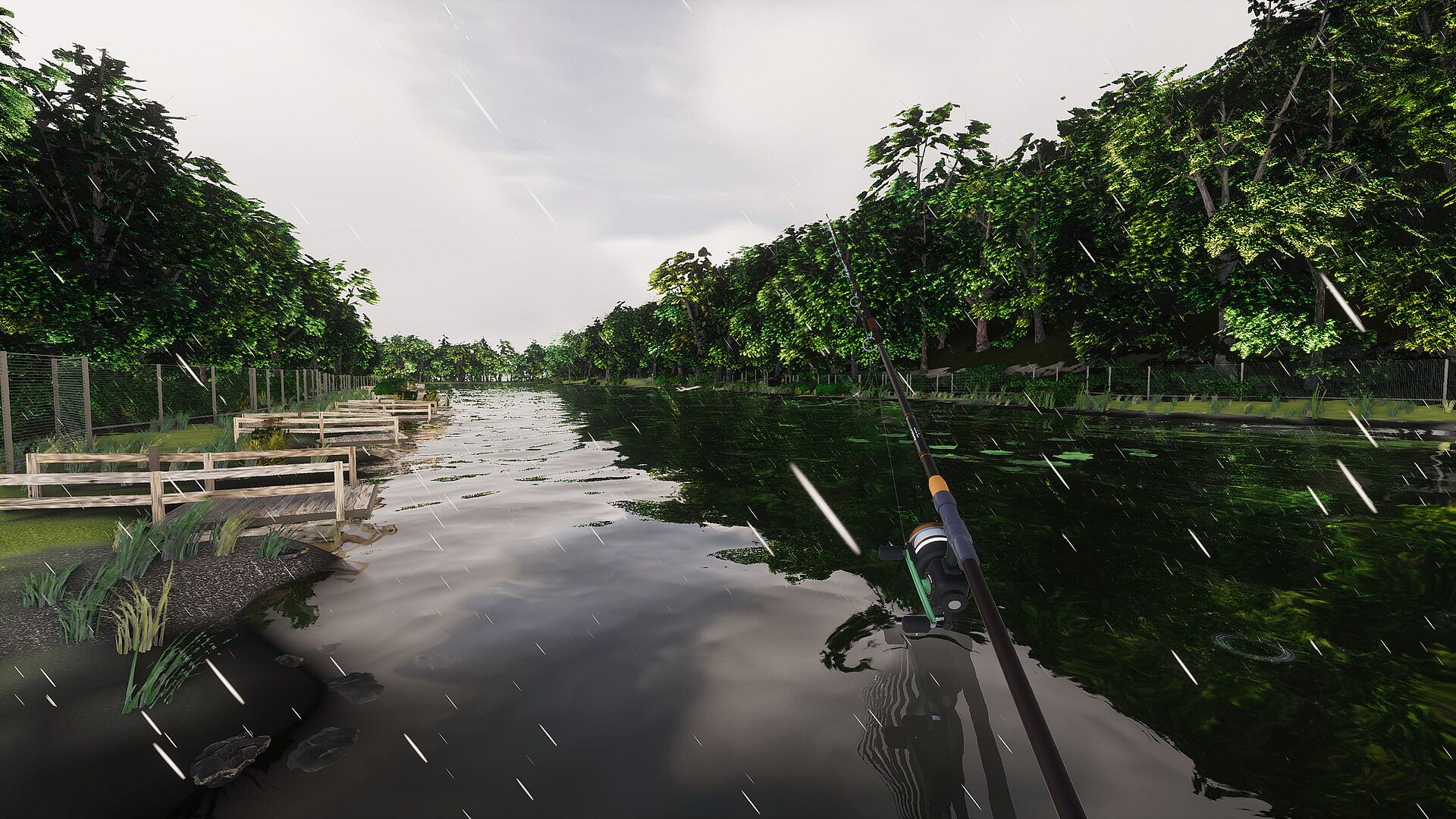
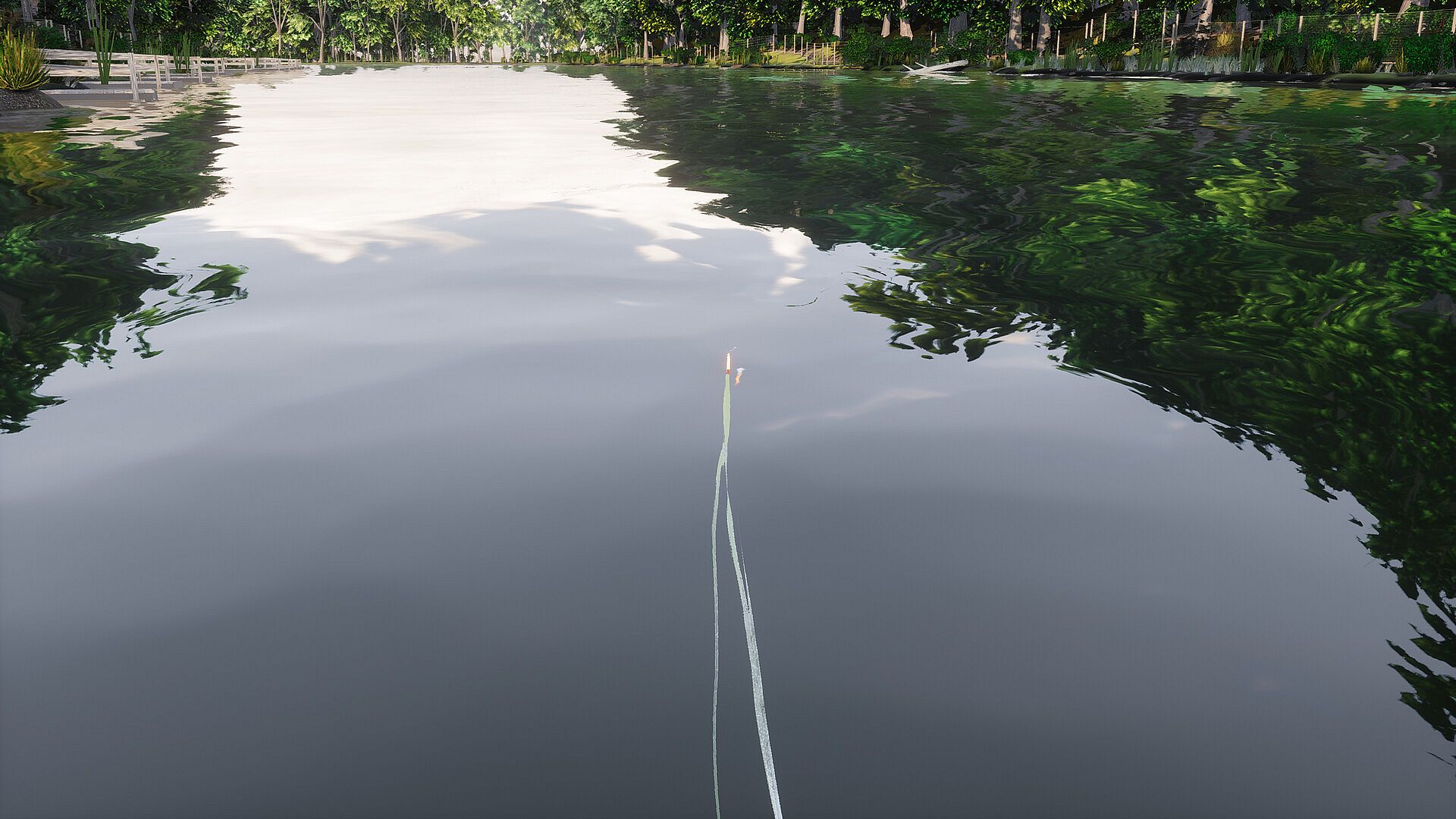
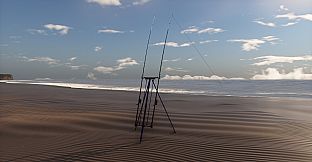
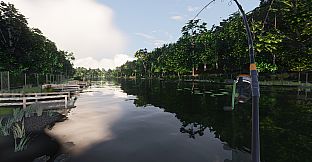
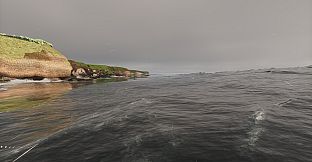
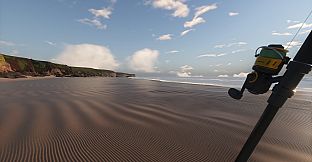
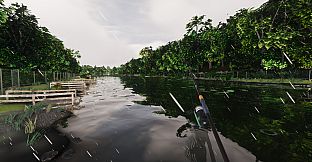
Two distinct locations form the playable areas. Sandeel Bay offers open Irish shoreline fishing with beaches, cliffs, tides, and swell that influence casting choices and approach. Oaklands Lake provides a wooded coarse-fishing setting with pegs and decks suited to common carp. Both draw from surveyed real-world data for accurate water and terrain representation.
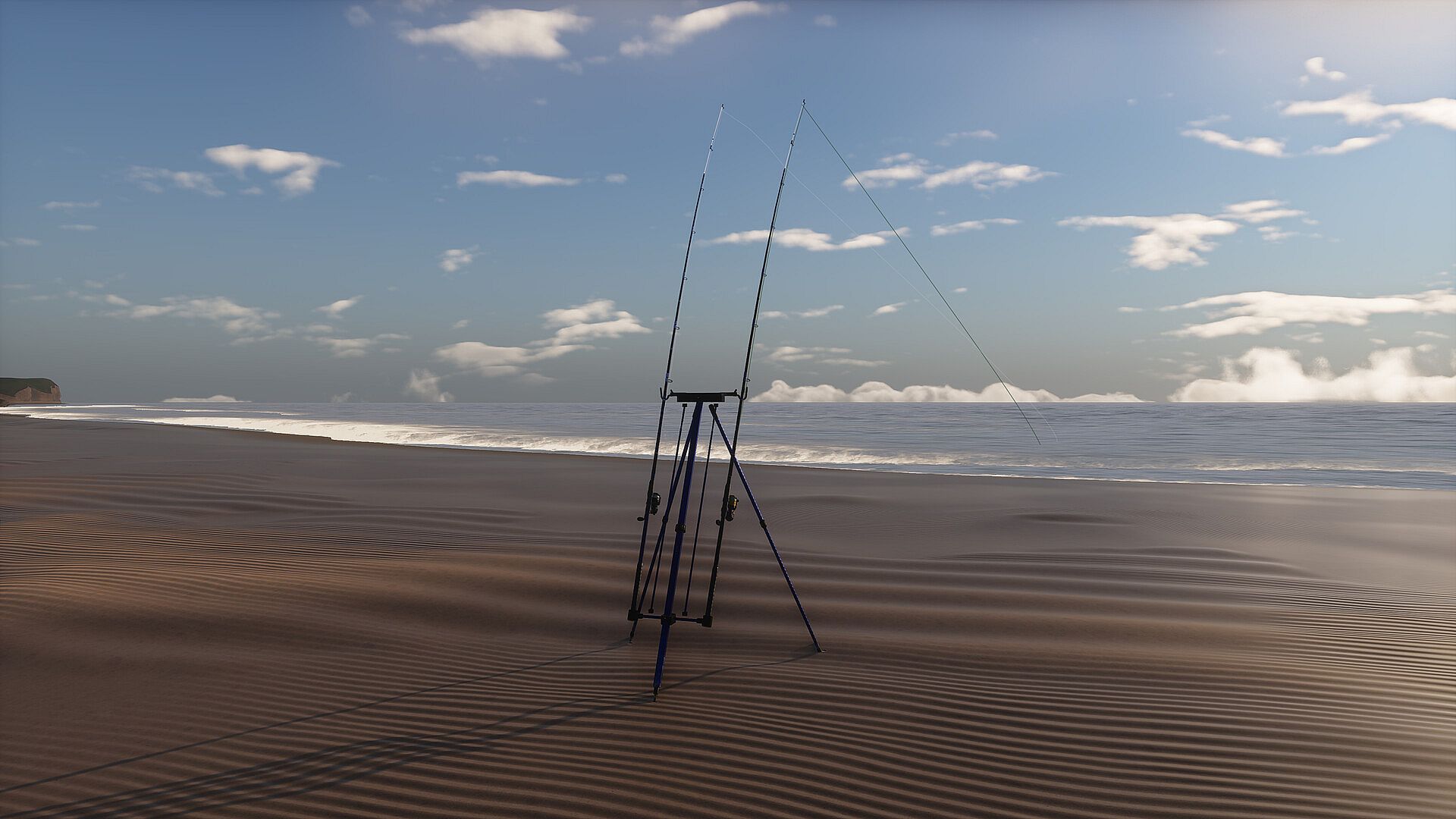
Species variety spans sea and coarse fish, rewarding players who study bite timing and fight mechanics. Ledger and float techniques, along with split-shot balancing and custom rig tying, allow fine-tuned setups that improve as equipment storage expands and three saved configurations become available. A tripod supports simultaneous use of two rods for efficiency during longer sessions.
Is It Worth Playing?
Angling Online suits players who value methodical, realistic fishing simulations that reward observation and preparation over quick rewards. The absence of real-money purchases for coins or progression removes pay-to-win concerns, while the online account system ensures progress carries forward reliably. Text-based interactions with others at marks add a subtle community layer without disrupting the solitary atmosphere many anglers seek.
Those drawn to patient gameplay, environmental simulation, and gradual skill building will find the mechanics align closely with traditional angling principles. The game remains in a pre-release state with no published user reviews or update history available yet, so expectations should center on the detailed systems described rather than unverified additions. Keyboard and mouse controls handle casting, bite detection via rod tips or alarms, drag settings, and fish fighting in a straightforward manner.












