


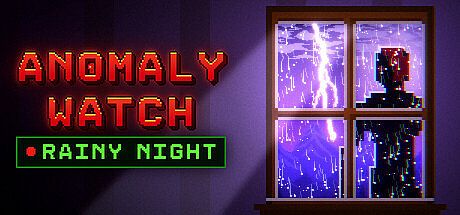


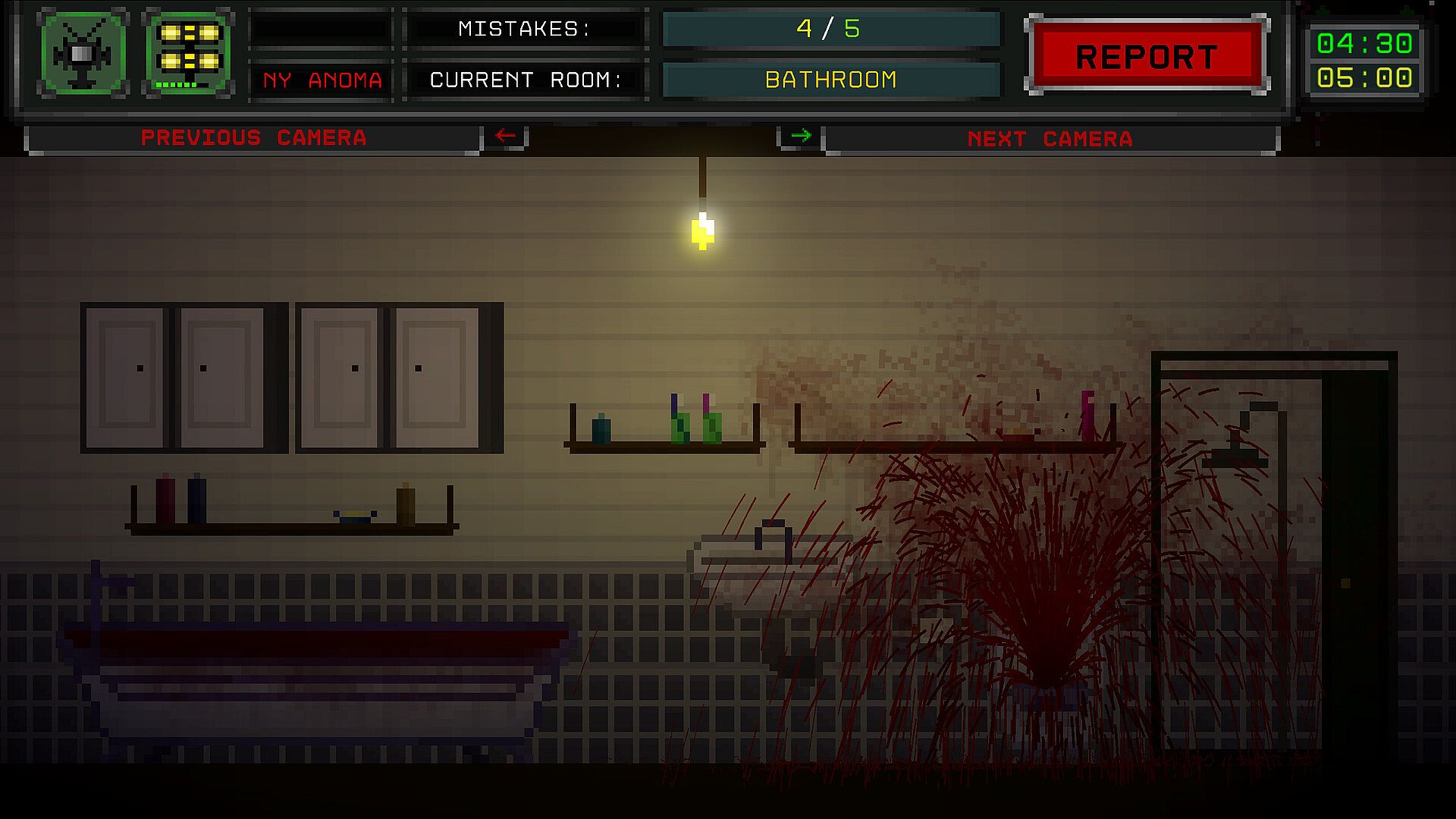
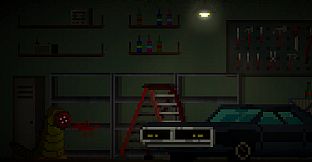
Anomaly Watch: Rainy Night is an indie casual simulation game for PC in which players monitor a quiet house through security cameras during an overnight shift from 10 PM to 5 AM on a rainy night. The core experience centers on spotting random anomalies that appear across five camera feeds, reporting them promptly, and managing the buildup of changes before they become overwhelming. Anomalies occur differently with each playthrough, creating high replay value in a singleplayer format focused on observation and quick decision making.
Gameplay
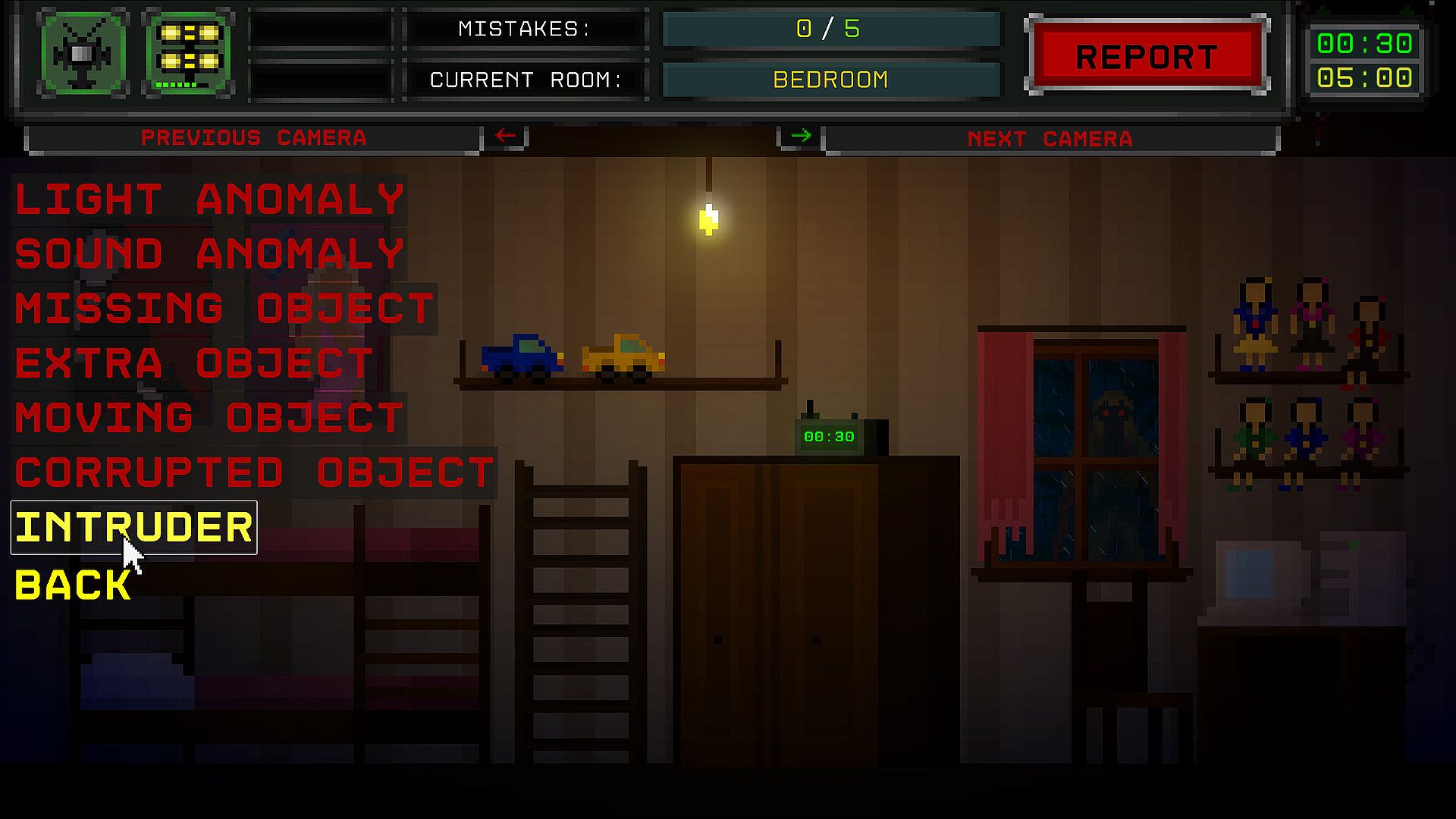
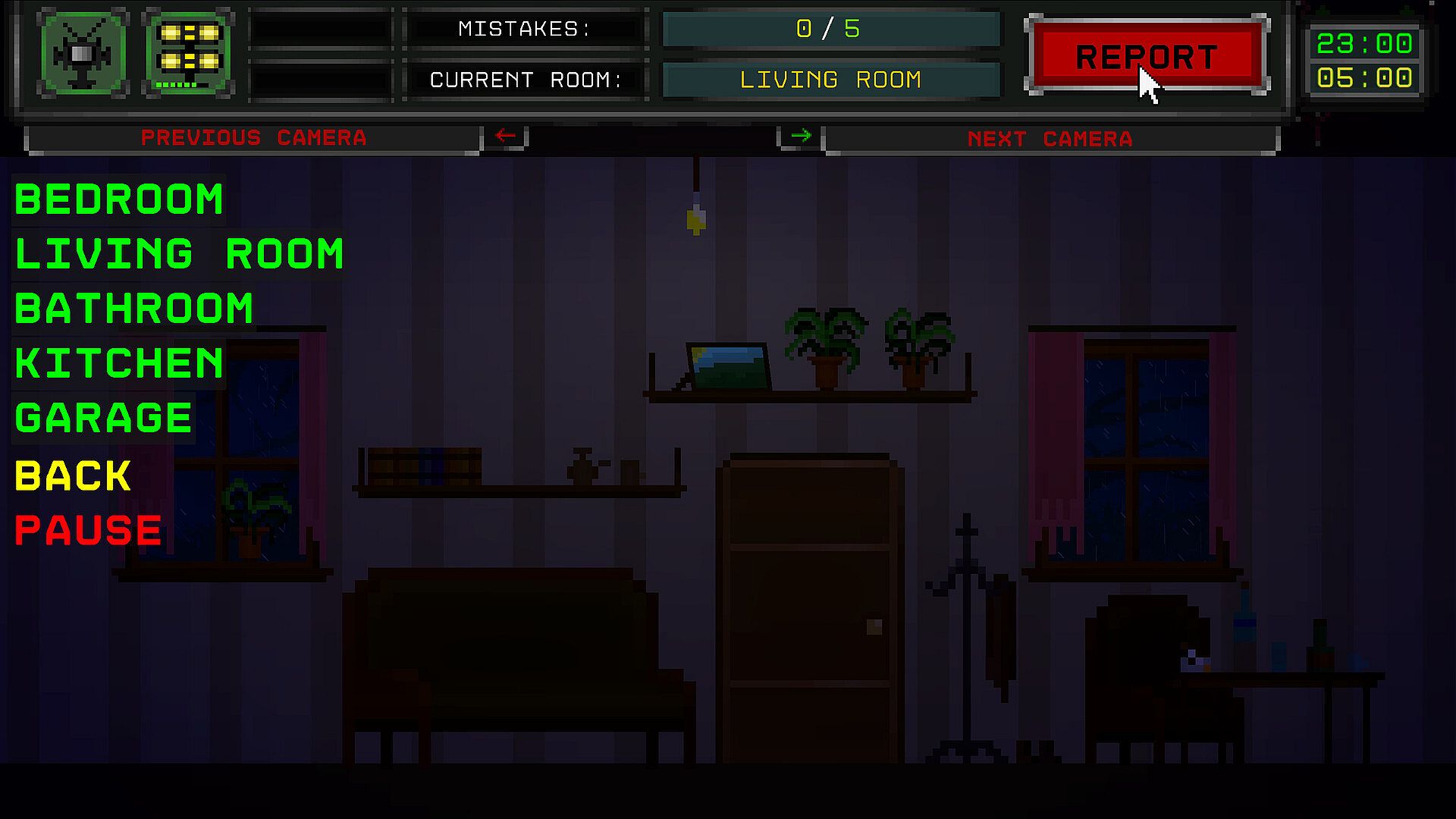
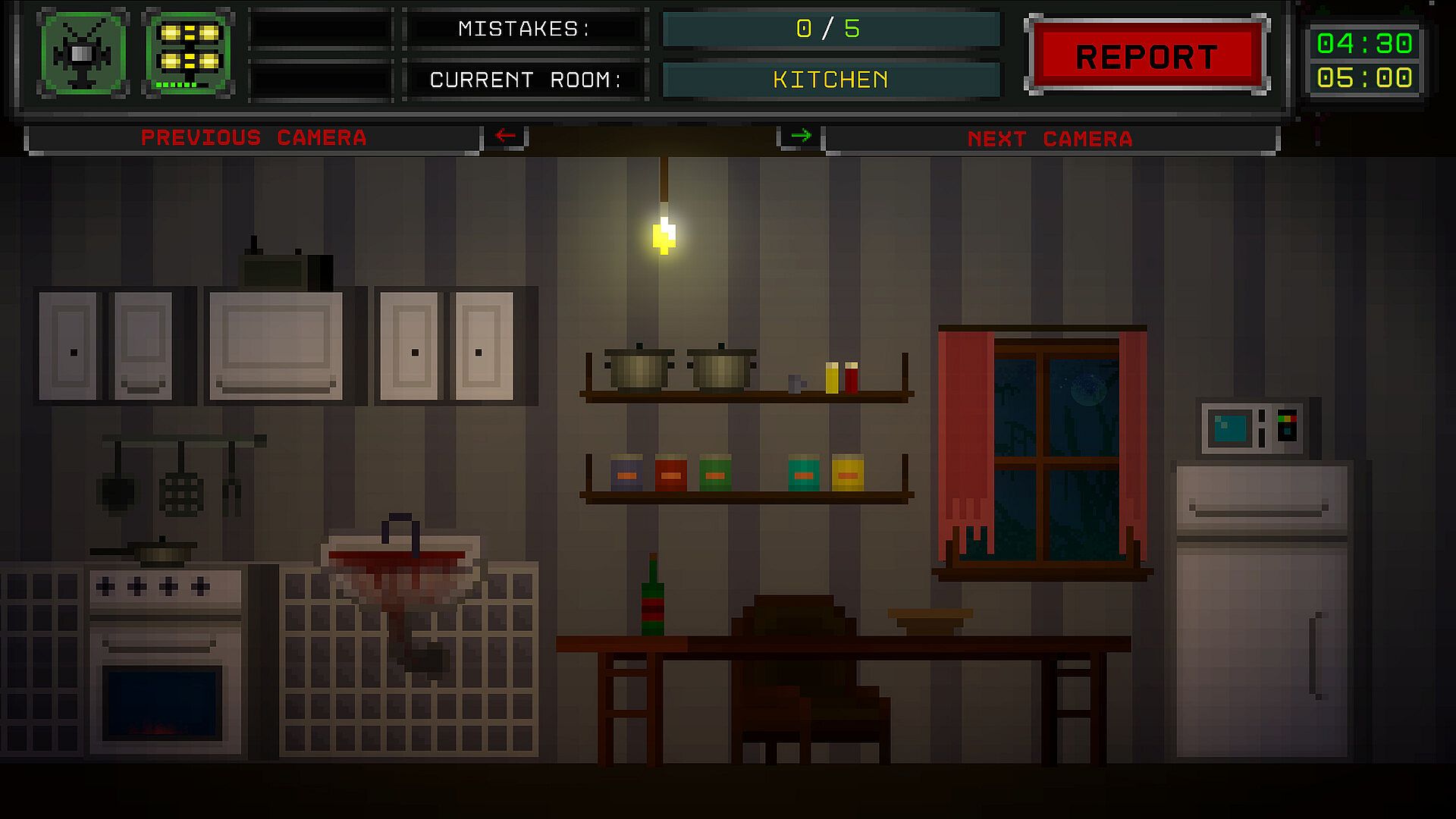
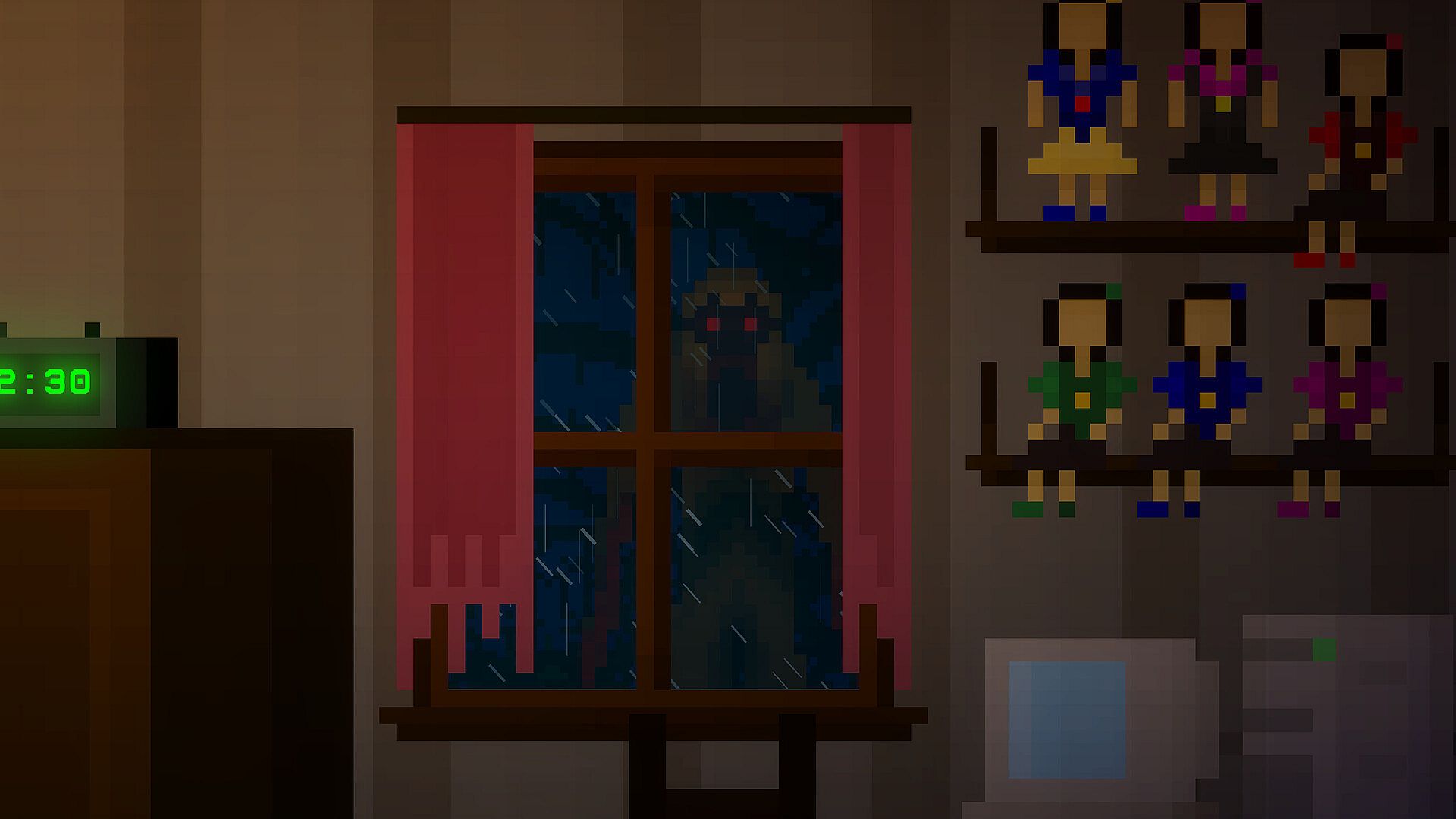
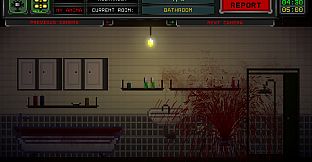
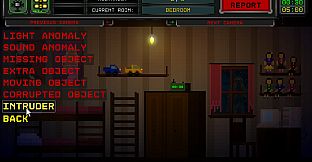
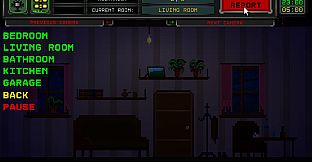
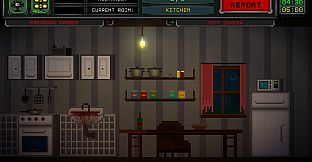
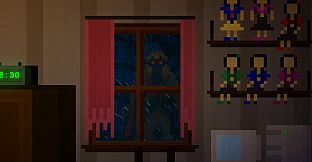
Players sit in front of five security camera views that cover key areas of the house, including rooms where subtle or dramatic shifts can occur at any moment. A light might flicker or shift color, objects can vanish or relocate, and new elements such as unexpected figures may appear in spaces that should remain empty. Audio cues like noises from unoccupied rooms add another layer of awareness. When something seems off, the player reports the anomaly immediately to prevent escalation. Tools available include a flashlight for better visibility in dark areas and an EMF detector that indicates the number of anomalies present in each room. The rainy atmosphere outside influences the visuals, with water streaking windows and occasional glimpses of activity beyond the glass, such as a figure with red eyes peering into the bedroom.
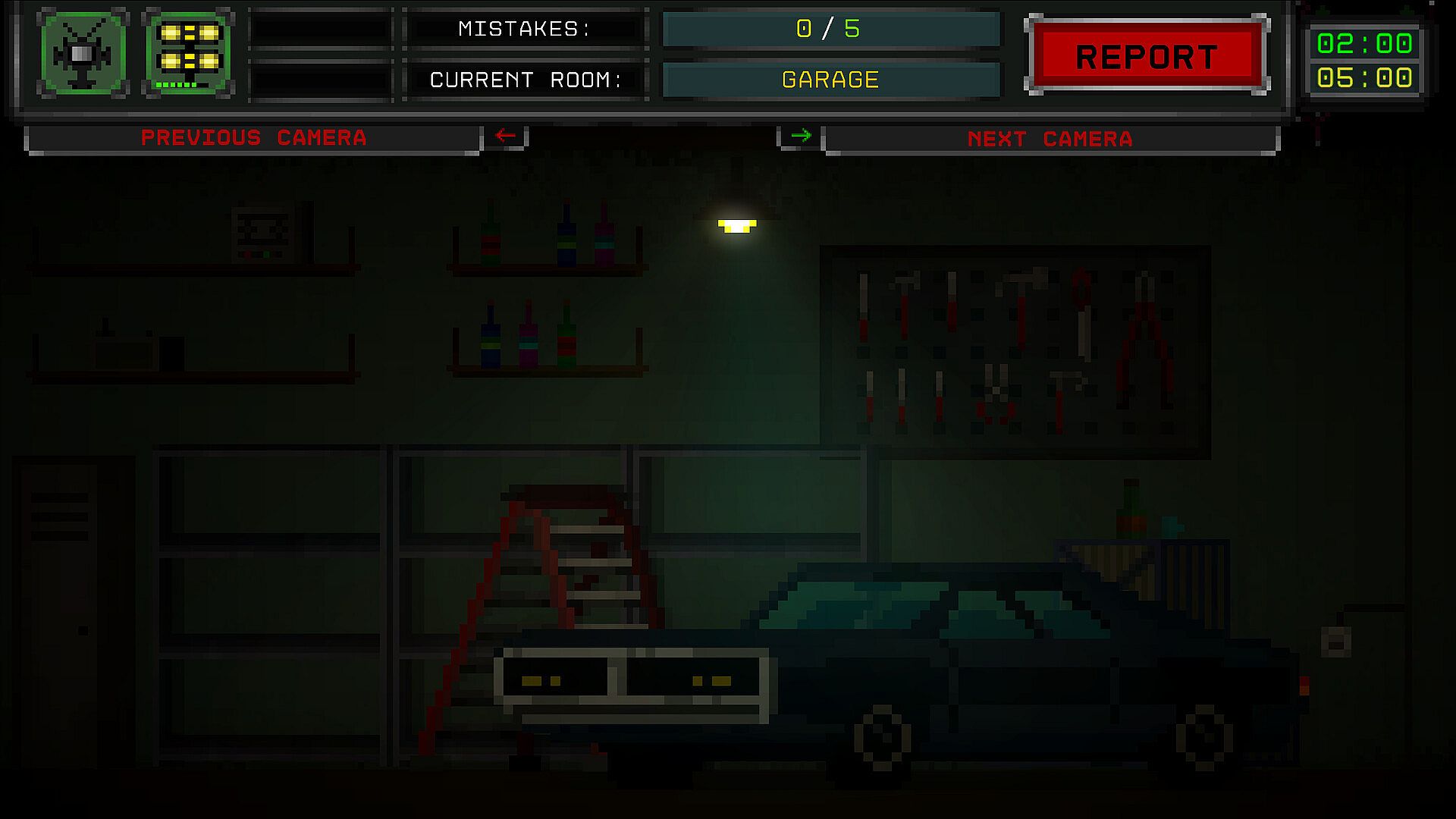
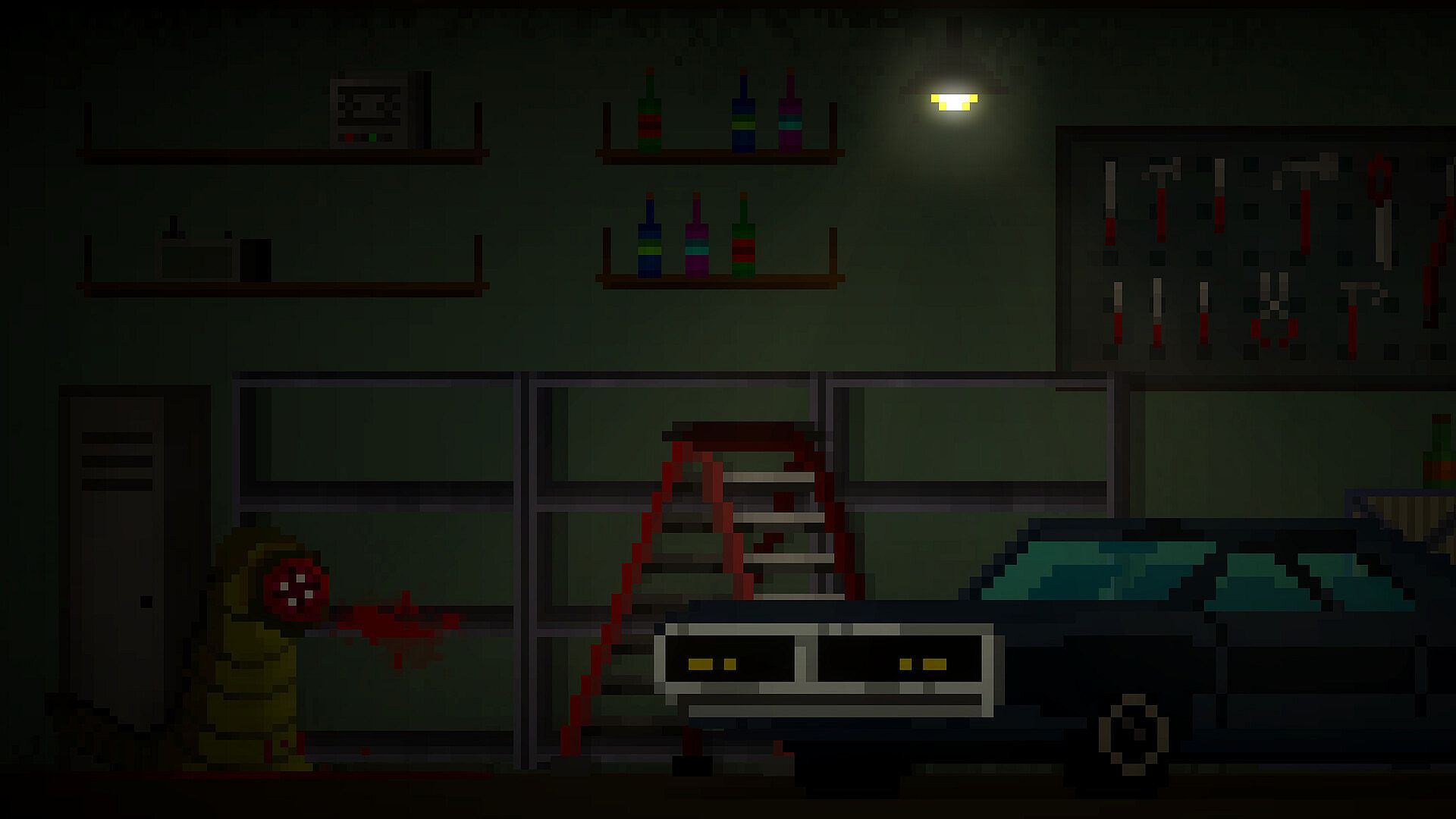
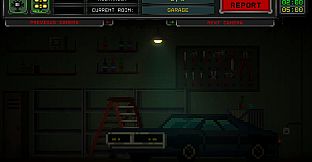
The house itself features distinct spaces like the living room that can fill with purple light and the bedroom that turns cold and blue. Details such as a row of dolls on a shelf or a car parked in the dark garage provide context for what belongs and what does not. Every shift lasts the full night duration, and failure to contain anomalies results in the player not surviving until morning. The tutorial covers each type of anomaly to help new players learn the patterns without prior experience.
Game Modes
The game structures its challenges around four difficulty levels that adjust the pace and tolerance for errors. Easier settings suit beginners by slowing the rate at which anomalies appear and allowing more time to identify and report changes. Harder levels increase the speed of anomaly generation and reduce the margin for mistakes, demanding sharper focus and faster reactions. Randomization ensures that no two nights play out identically, even on the same difficulty, which encourages repeated sessions to encounter new combinations of events. Screen filters such as VHS, CRT monitor, security camera, and digital recorder styles can be applied to alter the visual presentation during play.
Key Features and Atmosphere
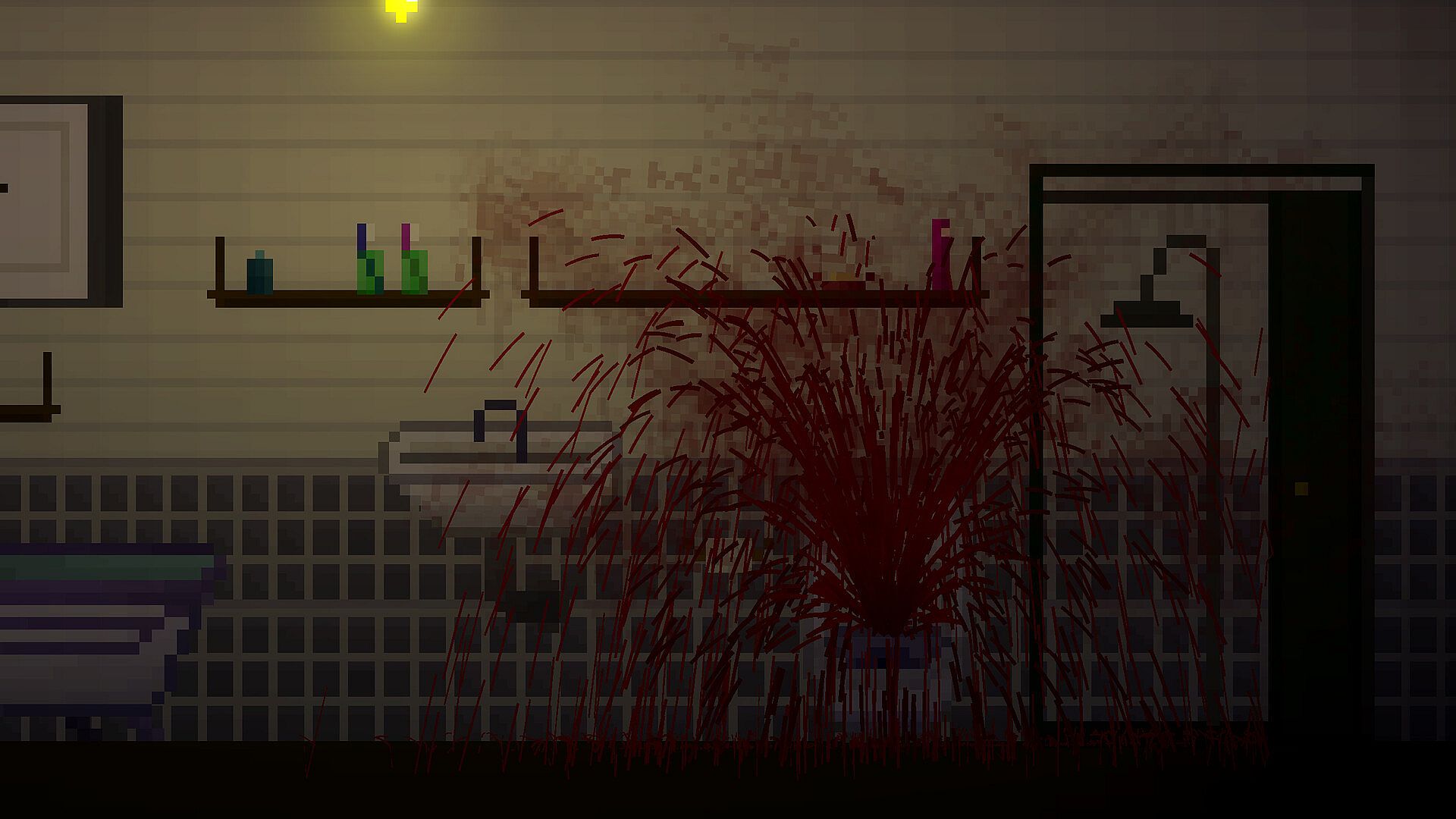
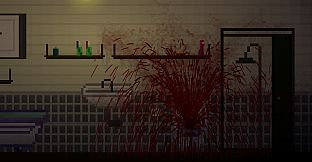
Core systems revolve around constant camera surveillance combined with the EMF detector and flashlight for verification. The environment emphasizes isolation in the empty house, where rain provides a constant auditory backdrop and visual effects on the windows. Changes range from minor object displacements to more striking transformations, including items turning into something else or the sudden presence of figures that should not be there. The tutorial serves as an entry point that details anomaly types, helping players build recognition skills across multiple shifts. These elements combine to create a focused loop of watching, detecting, and responding that fits the casual simulation genre while maintaining tension through accumulating risk.
Is It Worth Playing?
This title appeals to players who enjoy observation-based simulation experiences and short, repeatable sessions that test attention to detail. The randomization and difficulty progression support extended play without requiring long commitments per session. As an upcoming release planned for 2026 with no player reviews available yet, its value depends on individual interest in anomaly detection mechanics and atmospheric singleplayer gameplay. Those drawn to indie titles centered on quiet tension and pattern recognition will find the described systems align closely with that preference. The four difficulty options and tutorial make it accessible for a range of experience levels.











